
Reviewed · SERENGETI SAFARIS
6 Days Serengeti Safari(hiking waterfalls &coffee tour)
The big draw here is the range: elephants in Tarangire, two days in the Serengeti, the Ngorongoro Crater and flamingo country at Lake Manyara, followed by a Chagga village walk to Materuni Waterfalls. You get a proper northern-circuit safari rather than a quick park sampler.
I like the small custom jeep, with a pop-up roof that gives you a clear view for photographs, and I like having a chef along instead of relying on roadside meals. The chance to see the Big Five is real, though wildlife is never guaranteed. The main caution is the long driving: several days are built around roughly six hours on the road, and the advertised group size is slightly unclear.
Key points to know before booking
- Two Serengeti days: You get an early game drive and an afternoon exit drive, rather than only passing through the park.
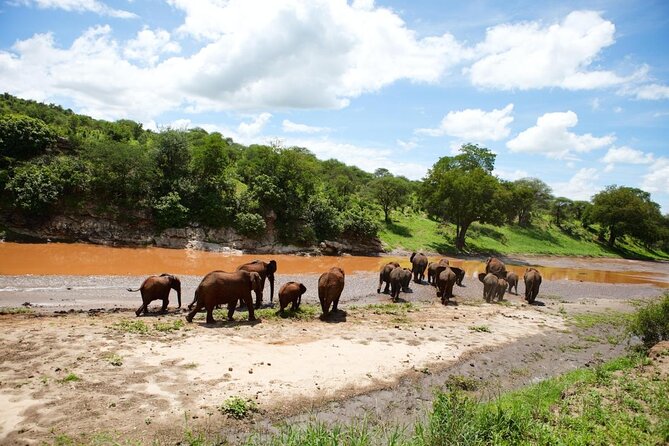
- Tarangire is the elephant stop: Herds can be large, and the park is also good for giraffes, buffaloes and birds.
- Ngorongoro starts early: The crater descent is scheduled for about 6:15 a.m., giving you the best part of the day on the crater floor.
- Camping keeps the price down: Tents, sleeping bags and mattresses are included, with a cook preparing safari meals.
- Materuni adds culture and exercise: The waterfall walk takes about 40 minutes each way and includes time with the Chagga setting.
- Check the final details: The trip is described as six days, but one overview calls it five days. Kikuletwa is mentioned in the summary but not clearly detailed in the daily schedule.
A northern Tanzania route with plenty of safari time
At $1,250 per person, this is priced as a value-focused safari, not a lodge holiday. You are paying for park fees, a safari jeep, camping equipment, meals during the safari, a driver-guide and a chef. That bundle matters in Tanzania, where park fees and transport can quickly push up the total cost.
I like the route because it gives you four distinct park experiences. Tarangire has big elephant herds and baobabs. The Serengeti supplies the wide-open wildlife country and the best chance of seeing predators. Ngorongoro gives you a concentrated game drive on a crater floor. Lake Manyara adds birds, monkeys, hippos and a chance, rather than a promise, of tree-climbing lions.
The final Materuni day changes the rhythm. Instead of another game drive, you walk through a Chagga village area, see an 80-meter waterfall and take part in the coffee-tour portion described for the experience. That mix suits you if you want people, food and local scenery alongside wildlife.
The route is not physically difficult every day, but it is busy. You will spend long periods in the vehicle, often on rough park roads. If you want long afternoons at a lodge pool, this is not the right product. If you want a lot of Tanzania in a short period, it makes sense.
Other park itineraries that start in Arusha:
- Serengeti Balloon Safari and authentic bush breakfast
★ 5.0 · 2,480 reviews - Balloon Safari & Bush Breakfast in Serengeti – Miracle Experience
★ 5.0 · 1,646 reviews - 4 Days Group Camping Safari
★ 5.0 · 1,101 reviews
Day 1: Tarangire’s elephants and baobab country
Your safari begins with a morning drive to Tarangire National Park. The park covers about 2,600 square kilometers, an area roughly comparable to Luxembourg, so this is not a small reserve you can cross in an hour.
Tarangire is best known for elephants, and the description allows for herds of up to 300 animals. You may also see Masai giraffes, buffaloes, hartebeest, eland, fringe-eared oryx and the unusual long-necked gerenuk. Birdlife is a major part of the park, with more than 550 species recorded.
I like Tarangire as a first stop because it gives you a quick introduction to the safari style. The baobab trees make the scenery memorable, and the seasonal swamps draw animals when water is scarce elsewhere. You have an extensive game drive before heading to a tented campsite for the night.
The drawback is the usual first-day uncertainty. Your actual wildlife sightings depend on the season, recent animal movements and your guide’s decisions. The tour includes admission, but no safari can promise a particular species.
Day 2: From Mto wa Mbu through Ngorongoro to the Serengeti
After breakfast, you drive from Mto wa Mbu toward the Serengeti. The transfer takes about six hours, including stops, and passes through the Ngorongoro area.
There is a brief stop at the crater gate and viewpoint. This is a useful pause because the Ngorongoro Crater is one of Tanzania’s great visual moments. You see the broad crater below before continuing toward the Serengeti.
A Maasai village visit may be offered on this day for an extra fee. It lasts about 20 to 45 minutes and is optional, so you do not have to add it. The visit is presented as a way to learn about Maasai culture and past traditions, including lion hunting and the use of animal blood. I would ask exactly what the fee covers and how the visit is conducted before deciding.
This is a long transit day. You should expect more road time than animal viewing, especially compared with the next day. Still, the route makes practical sense because it connects the northern parks without wasting a separate day on a return journey.
Day 3: A full morning in the Serengeti
Day 3 is the safari heart of the trip. You leave after an early breakfast for a game drive in the Seronera area, then continue watching wildlife until the afternoon.
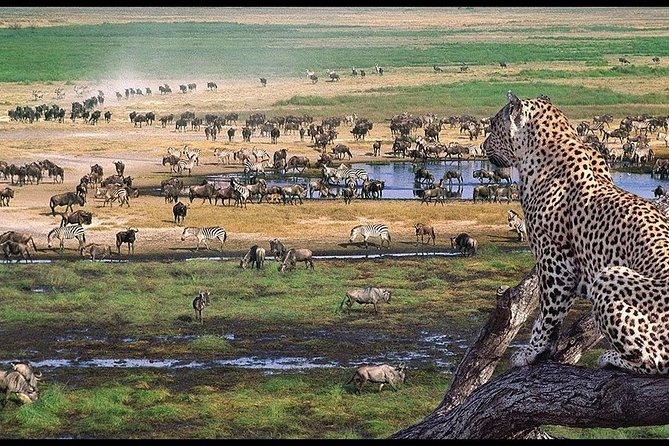
The Serengeti is famous for the annual movement of more than a million wildebeest and about 250,000 zebras. The migration changes location through the year, so the timing of your visit matters. You might see part of it, but the tour cannot guarantee that the herds will be in the area during your dates.
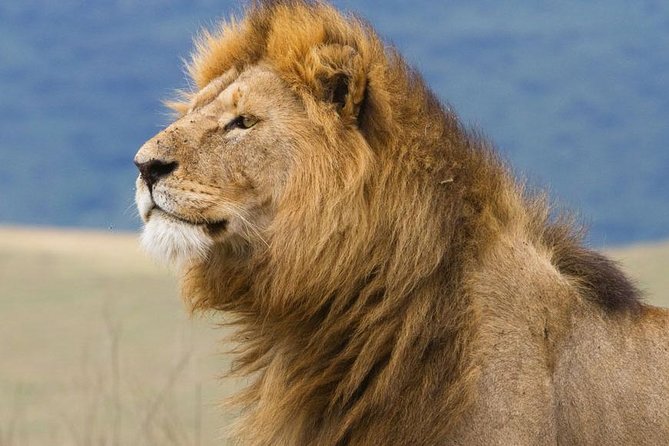
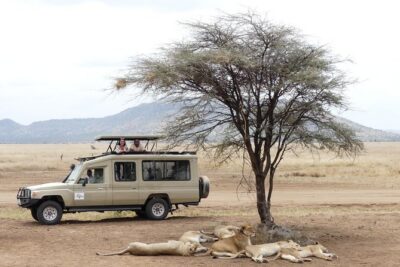
The park is much more than migration. Your guide will be looking for the animals that make the Serengeti special year-round, including large herbivores and predators. Several people who took this trip reported seeing the Big Five, and one account described seeing the migration. Those are excellent possibilities, not fixed features.
After lunch, you pack and begin the drive out of the Serengeti toward Simba Campsite near the Ngorongoro Crater rim. The drive is listed at about two hours, with more game viewing as you leave the park. Keep your eyes open around camp too. Animals can sometimes be spotted near campsites, though you should follow camp safety instructions at all times.
The benefit of sleeping near the crater is a much easier start the next morning. The cost is another night under canvas. Camping equipment is included, including a sleeping bag, mattress and tent, but you should confirm the precise campsite setup if you need more comfort.
Other safaris people book out of Arusha:
- 5 Days Group Camping Safari
★ 5.0 · 730 reviews - 3 Days Serengeti & Ngorongoro Group Camping Safari
★ 5.0 · 574 reviews - 7-Day Premium Luxury Tanzania Safari All-Inclusive
★ 5.0 · 426 reviews - 3-Day Classic Serengeti Safari
★ 5.0 · 263 reviews
Day 4: The Ngorongoro Crater at 6:15 a.m.
The early start is worth taking seriously. You descend into the crater at about 6:15 a.m., when the day is still cool and the animals are active.
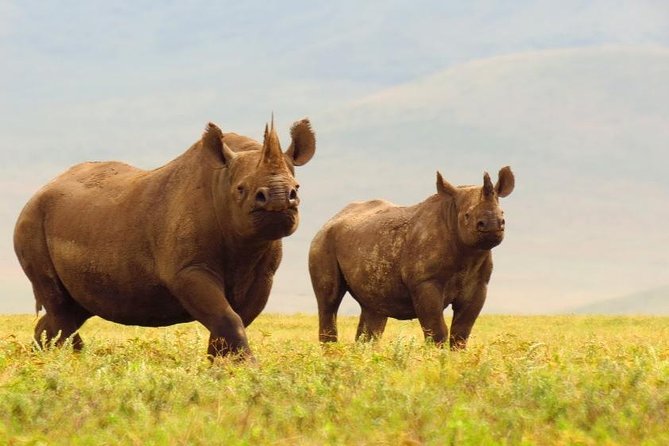
Ngorongoro is a crater floor, so the wildlife is concentrated in a relatively compact area compared with the open Serengeti. That can make animal spotting easier. The tour specifically focuses on finding black rhino, one of the most difficult animals to see in the crater.
You will have a game drive and lunch inside or around the crater schedule, then ascend and pack for the trip toward Fig Lodge and Campsite near Lake Manyara. This gives you a second full wildlife day, but it also means another transfer in the afternoon.
Ngorongoro is the visual highlight for many people because the crater walls frame the grasslands, water and wildlife below. You should not expect a quiet, private safari here. The crater is a major attraction, and the roads can feel busy at popular viewing points. Even so, the chance to see a rhino in this setting makes the early start worthwhile.
Day 5: Lake Manyara’s birds, hippos and hot springs
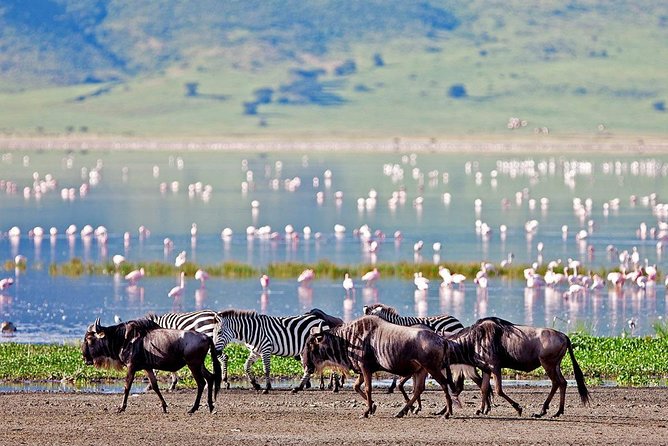
After breakfast, you enter Lake Manyara National Park for a game drive. The park is associated with large numbers of flamingoes, though their presence and numbers can change with water conditions.
You may also look for the park’s famous tree-climbing lions. They are rarely seen, so treat them as a lucky extra rather than the purpose of the day. The park still offers plenty to watch, including buffaloes, wildebeest, warthogs, vultures, eagles and monkeys.
The hippo pool gives you a closer look at hippos from a designated viewing area. You also visit a hot spring during the drive. These stops break up the search for wildlife and give the day a different feel from the wide plains of the Serengeti.
Lake Manyara is a good final park because it adds birds and smaller details to the big-animal focus of the earlier days. The possible drawback is time. After the Serengeti and Ngorongoro, this can feel like a shorter encore, especially if you are hoping to see every famous species.
Day 6: Materuni Waterfalls and a Chagga village walk
The final day takes you to Materuni, home of the Chagga people and the last village before Kilimanjaro National Park. The village is about 15 kilometers from Moshi Town.
You are picked up in the morning and driven to the village. The walk to the waterfall takes around 40 minutes. Along the way, your guide explains Chagga culture, village life, plants and animals in the area.
The waterfall is more than 80 meters high, so this is not just a quick roadside stop. You can expect a walk, views and a refreshing dip at the falls. The schedule also describes a coffee tour, making this a useful chance to learn about a local crop and the work behind the drink you may have enjoyed during the safari.
You might see the summit of Kilimanjaro if conditions are clear, but that view is not guaranteed. The walking portion makes this day a better fit for active visitors than for anyone who wants a fully vehicle-based final outing.
One point needs clarification before you pay. The summary names both Materuni Waterfalls and Kikuletwa, but the daily plan gives details only for Materuni. Ask if Kikuletwa Hot Springs is included, substituted or simply mentioned by mistake.
The jeep, group size and daily pace
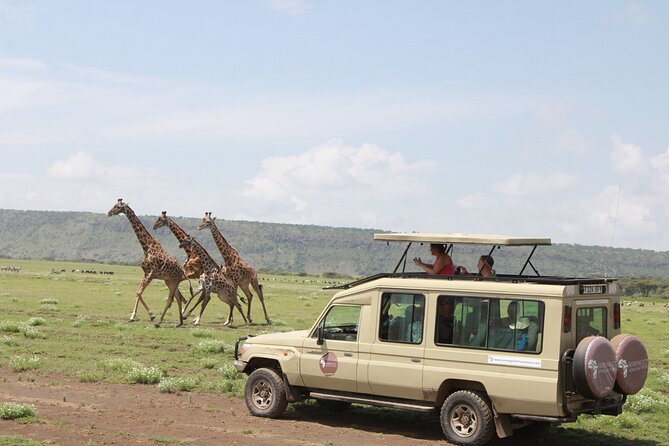
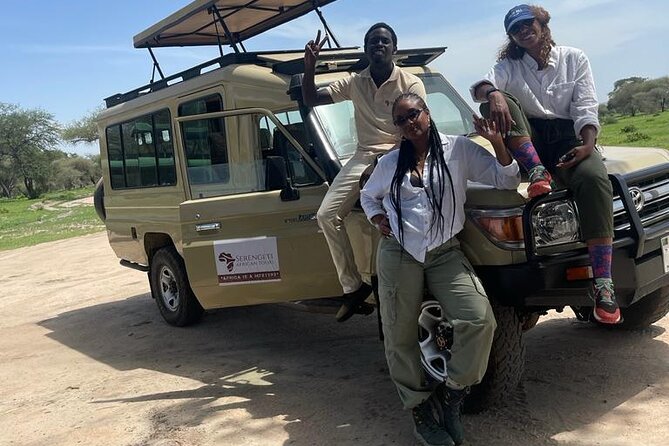
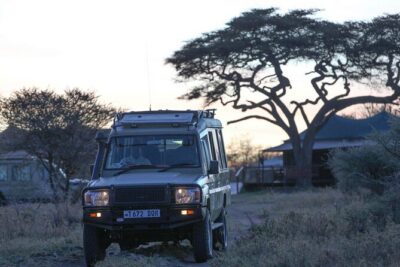
The safari uses a custom jeep with a pop-up roof. That roof is important. It lets you stand or sit higher for views and photographs, and it gives you more open sightlines than a closed vehicle.
The tour is described as a group trip with a maximum of six clients, a driver-guide and a chef. The additional information says the maximum may be seven travelers, so confirm the exact number for your departure. Low-season departures may combine groups, and one account specifically describes joining another couple because of low demand.
A smaller vehicle usually makes it easier to ask questions, choose a good viewing position and keep the group moving. It also means several hours sharing space with the same people. Your enjoyment will depend partly on how comfortable you are with a set schedule and close quarters.
The guide is central to the experience. The available names include David, Godfrey, Godlisten, Lewis, Malisa, Hachiem, Simon, Calvin, Abu and Mandarin. You may not receive one of these particular guides, but the company’s strongest praise is aimed at its driver-guides, especially their animal spotting, park knowledge and calm handling of the route.
Food, camping and what the price really covers
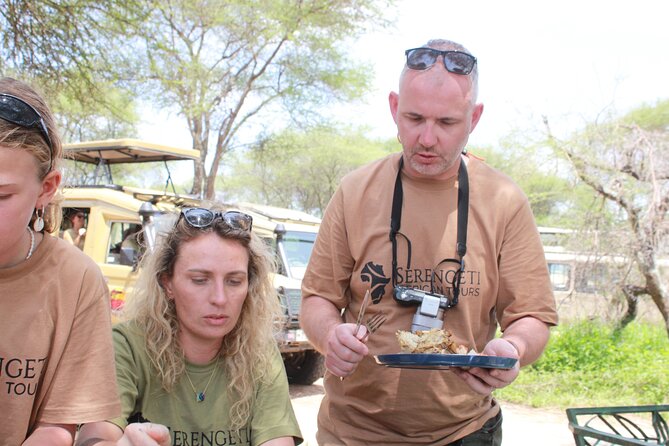
A chef travels with the group, and the food receives strong praise. One account singled out the chef’s dishes as better than expected, while another found the meals very good. You should still keep expectations sensible: this is camping safari food, not a lodge dining room.
The package includes camping equipment, sleeping bags, mattresses and tents. It also includes park fees, the safari vehicle, breakfast, lunch and dinner during the listed safari days. The meal counts in the details are not perfectly consistent, so ask for the exact meal schedule, especially for Day 6.
Bottled water was supplied for the full trip in one account, but water arrangements are worth confirming directly. The listed price does not include visas, tips or flights.
At $1,250, the value is strongest if you want the major northern parks and are happy to camp. A lodge-based version would normally cost more, while a shorter trip would give you less time in the Serengeti. You are paying less for polish and more for access, park time and a well-filled route.
Who should book this safari
I would choose this trip if you want the classic northern Tanzania circuit in one package, especially if seeing wildlife is your main goal. It suits solo visitors who are comfortable joining a small group, couples, families with older children and active people who like adding a village walk to a safari.
You should be ready for early starts, long drives, basic camping and changing conditions. The advertised start time is 12:00 a.m., which is unusual and likely needs clarification. Confirm the real pickup time, the group limit, the camping standard and the Day 6 plan before booking.
The cancellation policy is straightforward: cancel at least 24 hours before the local start time for a full refund. Cancellations or changes within 24 hours are not refunded or accepted.
Should you book the six-day route?
Book it if you want maximum park variety for the money, with two Serengeti days, Ngorongoro, Tarangire and Lake Manyara in one trip. The Materuni finish is a smart addition if you want culture and a little exercise after several days in the jeep.
Think twice if you dislike camping, long road transfers or a tightly packed schedule. Also confirm the five-day versus six-day wording, the maximum group size and whether Kikuletwa is truly included.
For a first Tanzania safari, I like the balance. You get elephants, big plains, a crater, birds, hippos, a waterfall and a coffee visit without paying for a high-end lodge circuit. Just book with clear expectations: the wildlife can be superb, but the road days and basic camping are part of the bargain.
FAQ
How long is the experience?
The experience is advertised as six days, although one description calls it a five-day group tour. Confirm the exact duration with the operator before booking.
What parks are included?
The route includes Tarangire National Park, Serengeti National Park, the Ngorongoro Conservation Area and Lake Manyara National Park. Day 6 is focused on Materuni Waterfalls and a coffee tour.
How many people are in the safari group?
The tour is described as having a maximum of six clients in the safari jeep. Additional details give a maximum of seven travelers, so confirm the final group size for your departure.
Is camping equipment provided?
Yes. The package includes a tent, sleeping bag and sleeping mattress.
Are meals included?
Meals during the safari are included. The details list breakfast, lunch and dinner, though the stated meal counts are not fully consistent. Ask for the exact meal schedule before departure.
Is the Maasai village visit included?
No. The Maasai village visit is optional and is not included in the tour price.
Is Kikuletwa included?
Kikuletwa is mentioned in the general description, but the daily schedule gives specific details only for Materuni Waterfalls. Confirm whether Kikuletwa is included in your booking.
What does the price exclude?
Visas, tips and flights are not included.
More waterfall and coffee tours from Arusha
- Materuni Waterfalls, coffee tour & Kikuletwa Hot Springs
★ 5.0 · 643 reviews - Materuni Waterfalls & Chemka Hotsprings Day Trip
★ 5.0 · 214 reviews - Materuni waterfalls coffee tour & Chemka hot springs Day trip
★ 5.0 · 131 reviews - Maasai village visit, Materuni waterfalls & coffee experience
★ 4.5 · 95 reviews
More Serengeti safaris from Arusha
- 5-Day Highlights mid-Range Crater, Serengeti, Tarangire
★ 5.0 · 296 reviews - Private 6-Day Tarangire Manyara Crater and Serengeti with Mid-Range Lodges
★ 5.0 · 238 reviews - 5 Days Camping Tarangire, Serengeti & Ngorongoro crater & Visiting Maasai
★ 5.0 · 229 reviews - 4 Days Join Group tour Tarangire Serengeti and Ngorongoro crater
★ 5.0 · 219 reviews
Just added in Arusha
- 2-Day Private Luxury Safari from Zanzibar with Flights★ 3.2 · 5 reviews
- Saadani Day Trip★ 5.0 · 13 reviews
- Nyssa Luxury Balloon in Safaris and Serengeti★ 5.0 · 69 reviews
- 7-Day Private Tanzania Safari with Sunset Walking on the Crater Rim and Maasai★ 5.0 · 40 reviews
- Arusha National Park Day Trip★ 4.5 · 18 reviews
- Arusha National Park Private Safari★ 5.0 · 59 reviews
- Arusha: Maasai Village Tour★ 4.8 · 22 reviews
- 3 Days Serengeti & Ngorongoro Tour★ 5.0 · 22 reviews
Serengeti Safaris, compared.
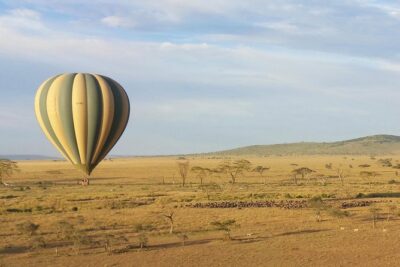
Serengeti Balloon Safari and authentic bush breakfast
Read our review →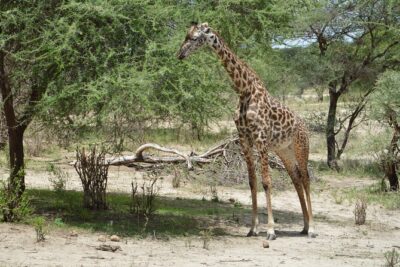
3 Days Serengeti & Ngorongoro Group Camping Safari
Read our review →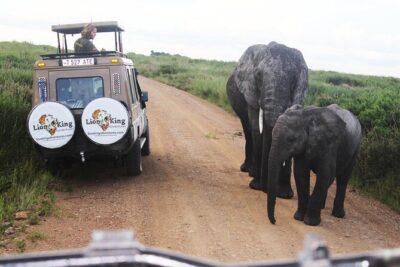
5-Day Highlights mid-Range Crater, Serengeti, Tarangire
Read our review →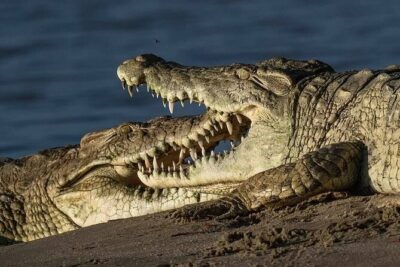
Private 6-Day Tarangire Manyara Crater and Serengeti with Mid-Range Lodges
Read our review →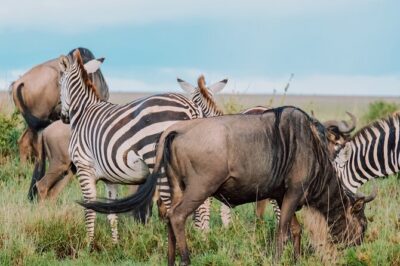
10-Day Serengeti Wildebeest Migration Safari from Arusha
Read our review →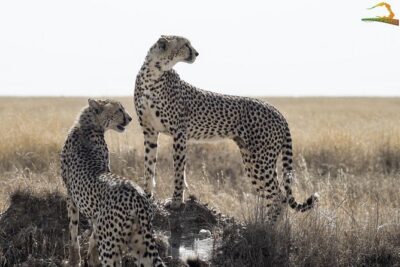
2 Day Serengeti Safari Experience from Mwanza
Read our review →Browse the lists this tour appears in