
Reviewed · KILIMANJARO TREKS
7-Day Guided Mount Kilimanjaro Climb by Machame Route
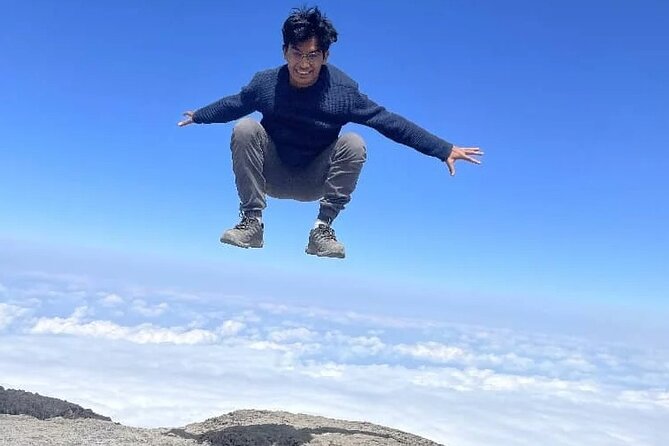
The Machame Route gives you Kilimanjaro in changing scenes: wet rainforest, open moorland, black volcanic rock, high desert, glaciers, and a sunrise summit. The route is harder than Marangu, but its seven-day plan gives your body more time to adjust to altitude.
I like the careful climb-high, sleep-lower pattern on Day 3, and I like that the price includes permits, rescue fees, airport transfers, two hotel nights, meals, and a full mountain crew. The catch is simple: this is a demanding trek, not a walk with a dramatic finish. You need moderate fitness, patience, and a willingness to hike for hours at a slow pace.
Key points to know
- Seven days gives you useful acclimatization time: Day 3 rises to Lava Tower before dropping to Barranco Camp.
- The route crosses five distinct habitats: Rainforest, moorland, semi-desert, alpine desert, and high mountain terrain.
- The summit day is the real test: You begin around midnight to 2 a.m. and climb to Uhuru Peak before descending to Mweka.
- The package covers major mountain costs: Park fees, camping, rescue fees, guides, cooks, porters, meals, transfers, and two hotel nights.
- The Barranco Wall adds a hands-on section: It is steep, but the climb is not technical mountaineering.
- Kisaza’s team has received praise for communication and organization: Names associated with the operation include Steve, Michael, Francis, Louis, David, Ezekiel, and Lusekelo.
Why the seven-day Machame Route works
Machame is often called the whiskey route, a nickname that hints at its tougher character compared with the gentler Marangu approach. You sleep in camps rather than huts, and the trail repeatedly rises and falls across ridges and valleys.
That extra effort brings better scenery. The route begins on Kilimanjaro’s southern side, moves east beneath the southern ice fields, and circles toward the summit. You see the mountain from changing angles instead of simply walking up and down one corridor.
The seven-day schedule matters. A six-day Machame climb is possible, but the extra day gives you a shorter acclimatization hike between Barranco and Karanga. That may not feel like a luxury when you are tired, yet it can make the overall attempt more manageable.
You do not need technical climbing skills. You do need to cope with steep trail, loose scree, long days, cold, altitude, and basic camping. If you have done some hiking or trekking, Machame is a sensible choice. If you are new to long mountain walks, it can still work, but the physical demand should not be underestimated.
Other routes up the mountain from Moshi:
- Kilimanjaro climb by Lemosho Route (7-day)
★ 5.0 · 651 reviews - Kilimanjaro climb, Machame Route (7-day)
★ 5.0 · 262 reviews - Kilimanjaro Climbing Lemosho Route 8 Days.
★ 5.0 · 186 reviews
Day 1: Moshi to Machame Camp through rainforest
The drive from Moshi to the Mount Kilimanjaro National Park Gate takes about 50 minutes. The road passes through Machame village, which sits on the lower slopes of the mountain, before the walking begins.
Your first 11-kilometer hike takes five to seven hours. You rise from about 5,400 feet to 9,400 feet, walking through rainforest on a winding trail that follows a ridge. The forest is the easiest place to feel the mountain’s moisture. Lower sections can be muddy and slippery, especially after rain.
Pack gaiters and trekking poles for this day. They are not glamorous, but they help keep mud out of your boots and give you balance on slick ground. You finish at Machame Camp, where the change from town life to mountain camp becomes real.
This is a long opening day, particularly if you are carrying too much personal gear. Keep your daypack light and let the porters handle the bulk of the load.
Day 2: Moorland and the climb to Shira Camp
After breakfast, the trail leaves the forest and enters heather country. The path climbs across a small valley, then follows a steep, rocky ridge. Eventually it turns west toward a river gorge.
The day covers only five kilometers, but the altitude rises from 9,400 feet to 12,500 feet. Hiking takes four to six hours. That short distance can feel slow because the trail is steep and the air is thinner.
Shira Camp sits in open moorland, a sharp change from the enclosed rainforest of Day 1. The views begin to widen here, and the mountain feels less like a forest hike and more like a high-altitude expedition.
This is a good night to pay attention to your body. Headache, poor sleep, and reduced appetite can occur at altitude. The schedule is not a race, so keep your pace steady and tell your guide promptly if you feel unwell.
Day 3: Lava Tower, Shark’s Tooth, and Barranco
Day 3 is one of the most useful parts of the route. From the Shira Plateau, you head east along a ridge, pass the junction toward Kibo, then turn southeast toward Lava Tower, also known as Shark’s Tooth.
The route climbs from about 12,500 feet to roughly 16,000 feet before dropping to Barranco Camp at 13,000 feet. You cover 10 kilometers in six to eight hours through semi-desert.
On paper, you finish only a little higher than where you started. That is the point. The high climb followed by a lower overnight stay gives your body valuable exposure to altitude without making you sleep at the day’s highest point.
You may pass the junction toward Arrow Glacier, listed at about 16,000 feet. This section is a reminder that Kilimanjaro is a serious high mountain, even though the route does not require technical climbing.
Barranco Camp is a dramatic place to stop, with the Barranco Wall rising nearby. The day is long, and the descent after Lava Tower can be tiring, but this is the sort of controlled strain that makes a seven-day itinerary more sensible than rushing the mountain.
Same base, a different kind of day out:
- Safari Serengeti And Ngorongoro
★ 5.0 · 288 reviews - Climbing Kilimanjaro – Machame Route
★ 5.0 · 170 reviews - Climbing Kilimanjaro through 7 days Machame Route
★ 5.0 · 151 reviews - Kilimanjaro climb, Lemosho Route (8-day)
★ 5.0 · 148 reviews
Day 4: The Barranco Wall and a short acclimatization day
The fourth day covers about three miles and takes four to five hours. You leave Barranco Camp, climb the Barranco Wall, and continue to Karanga Valley Camp at around 13,100 feet.
The wall sounds more intimidating than it is. This is a steep trail section where you may use your hands for balance, but the route is not described as technical climbing. A guide helps set the pace and choose the line.
The short day is valuable. You have already spent a long day near Lava Tower, and the extra time lets you rest, eat, drink, and prepare for the higher camp ahead. The scenery also changes again, with alpine desert replacing the moorland below.
Do not treat this as an easy stroll. At altitude, even a short distance can take effort. The advantage is that you are not spending the entire day on your feet.
Day 5: Karanga to Barafu Camp
From Karanga, the trail reaches the junction with the Mweka Trail before climbing to Barafu Camp. The hike is about 2.5 miles and takes four to five hours, with camp at approximately 15,300 feet.
You have now completed the South Circuit, which gives views of Kibo and Mawenzi from different angles. These are the two major volcanic cones associated with Kilimanjaro, and seeing both from Barafu makes the mountain’s scale clear.
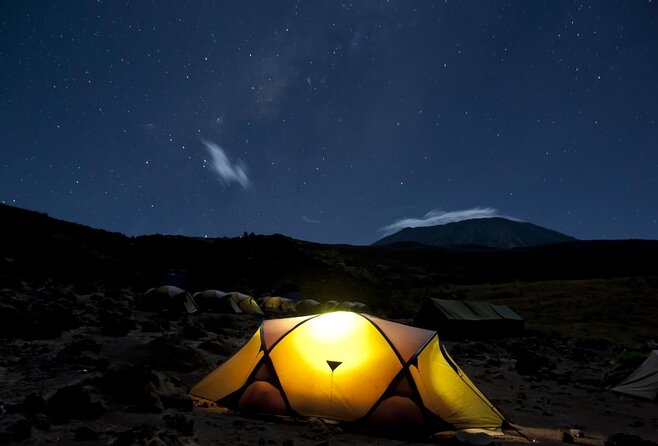
Barafu is the staging point for the summit attempt. You eat dinner, rest, and organize clothing, water, snacks, and headlamp equipment before an early start. The camp itself is high and exposed, so comfort is limited. Do not expect a relaxed evening.
The practical challenge here is sleep. You may go to bed early and get little rest before the midnight to 2 a.m. departure. That is normal for the itinerary, but it is one reason you should arrive in good physical condition and use the earlier days to pace yourself.
Day 6: Midnight start, Stella Point, and Uhuru Peak
Summit day is the hardest part of the climb. You leave Barafu between midnight and 2 a.m., heading northwest between the Rebmann and Ratzel glaciers.
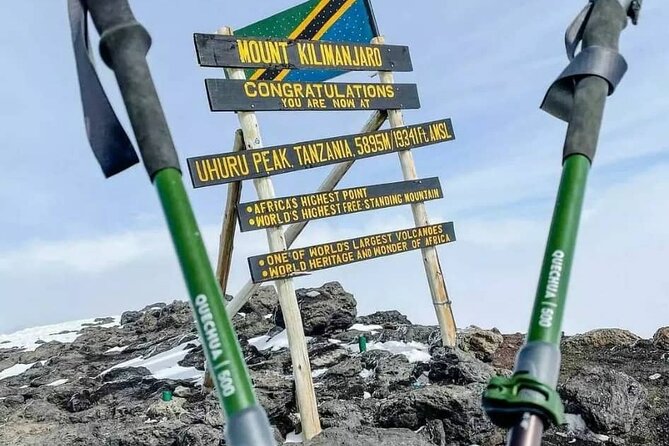
The trail rises over heavy scree toward Stella Point on the crater rim. Loose rock makes the ascent slow and tiring. From Stella Point, the route continues toward Uhuru Peak, the highest point on Kilimanjaro and in Africa.
The sunrise is the great reward at Stella Point, weather permitting. Some faster hikers may see sunrise from Uhuru Peak instead. Conditions can change, and the final hour may include snow, so keep warm layers and rain protection close at hand.
After reaching the summit, you descend toward Mweka Hut Camp. The information provided does not give a complete breakdown of the descent timing, so expect a full day rather than a quick morning walk. The combination of a midnight start, summit climb, and long descent is why this day demands mental as well as physical strength.
Your goal should be steady progress, not speed. The mountain does not care how quickly you climb, and a slow pace helps you conserve energy for the upper slopes.
Day 7: Mweka Gate and the return to Moshi

After breakfast, you continue down to Mweka Park Gate. The descent takes three to four hours over about six miles, dropping from around 10,000 feet to 5,400 feet through rainforest.
The lower trail can be wet and muddy. Gaiters and trekking poles are useful again, while shorts and a T-shirt may be comfortable at the lower elevation. Keep warmer clothing and rain gear handy because mountain weather can change before you reach the gate.
At Mweka Gate, you receive your summit certificate. From there, you walk about another hour to Mweka village, where a vehicle takes you back to your Moshi hotel.
This final walk adds time after a demanding summit day, but it also gives you a gradual return to normal life. By the time you reach the hotel, a shower, a proper bed, and a quiet meal will feel well earned.
What the $2,180 price covers
At $2,180 per person, this is not a cheap holiday, but the price includes many costs that can add up quickly on Kilimanjaro. You receive professional guides, cooks, and porters, along with park fees, camping fees, rescue fees, VAT, airport pickup and drop-off, and fair wages for the mountain crew.
The package also includes two hotel nights in Moshi or Arusha, one before and one after the climb. Meals on the mountain include seven lunches, six breakfasts, and six dinners. That removes much of the daily planning during the trek.
International flights, insurance, tips for the driver, guide, and hotel staff are not included. The listed exclusions also refer to the cost of Tanzania, so ask for a precise explanation of any visa, permit, or personal expenses before paying.
I see the biggest value in the permits, rescue coverage, crew, transfers, and hotel nights. A cheaper headline price may leave more of those items for you to arrange separately.
The Kisaza team and day-to-day support
Communication before the climb is an important part of this kind of trip. Steve has been associated with prompt replies and practical help with planning, while the mountain operation has included team members named Michael, Francis, Louis, David, Ezekiel, and Lusekelo.
The strongest praise connected with Kisaza focuses on organization, airport transfers, communication, and support from the mountain crew. That matters because a Kilimanjaro climb involves many moving parts: hotel timing, park entry, food, camp setup, porters, summit preparation, and transport after the descent.
The maximum group size is listed as 100 people. That is a large possible cap, although the actual climbing group may be smaller. Ask how your specific departure is organized, since group size can affect pace, meal service, and how much direct attention you receive.
Who should book this climb
I would recommend this route to you if you want:
- A scenic route with changing habitats
- A seven-day schedule rather than the shortest possible ascent
- A guided climb with porters, cooks, and rescue fees included
- A challenging trek that does not require technical climbing
- Airport transfers and hotel nights arranged as part of the package
- A route suited to hikers with some previous trekking experience
I would think twice if you dislike camping, struggle with long uphill walks, or want a gentle introduction to high altitude. The phrase moderate physical fitness should not be read as casual fitness. The summit day begins in the middle of the night and combines cold, altitude, loose rock, and a long descent.
Book as early as you can if your dates are fixed. This experience is booked an average of 34 days ahead, which gives you a useful planning guide. Confirm the airport pickup, hotel location, group size, guide arrangements, equipment advice, and exact meaning of the excluded Tanzania costs.
Free cancellation is available if you cancel at least 24 hours before the local start time. Changes or cancellations inside that window are not accepted for a refund.
Should you book the Machame Route with Kisaza?
Yes, if you want a serious but non-technical Kilimanjaro climb and value an organized package. The seven-day schedule, Day 3 acclimatization profile, full crew, rescue fees, meals, transfers, and hotel nights make the $2,180 price easier to justify.
I would choose it over a rushed six-day plan, especially if you have limited high-altitude experience. Just remember what you are buying: a demanding mountain journey with early starts and basic camp life, not a sightseeing tour with a summit added at the end.
FAQ
How long is the Kilimanjaro climb?
The climb lasts approximately seven days, beginning with pickup and the drive to the park area and ending with transport from Mweka village back to your Moshi hotel.
Where does the experience start?
The listed meeting point is Kilimanjaro International Airport on Kilimanjaro Airport Road, Tanzania. The stated start time is 9:00 a.m.
What is the highest point reached?
The climb reaches Uhuru Peak, the highest point on Mount Kilimanjaro and the continent of Africa.
Is the Machame Route technically difficult?
The route is not technically difficult, but it is physically demanding. It includes steep and long sections, loose scree, altitude, and repeated climbs and descents.
What meals are included?
The package includes seven lunches, six breakfasts, and six dinners.
Are airport transfers and hotels included?
Yes. Airport pickup and drop-off are included, along with two nights of accommodation in Moshi or Arusha, one before and one after the climb.
What is not included in the price?
International flights, insurance, tips for the driver, guide, and hotel staff are excluded. The listed details also identify the cost of Tanzania as excluded, so you should ask the provider to clarify that item before booking.
Just added in Moshi
- Wildlife Extravaganza: Manyara, Tarangire & Ngorongoro in 3 Days★ 5.0 · 3 reviews
- West Kilimanjaro cycling Adventures★ 4.5 · 8 reviews
- machame route★ 5.0 · 16 reviews
- Mt Kilimanjaro 6 days Marangu route hike★ 5.0 · 3 reviews
- Kilimanjaro Climb • Machame Route ~ 10 Day★ 5.0 · 6 reviews
- Kilimanjaro Climbing Umbwe Route★ 5.0 · 3 reviews
- 3 Days Private E-Bike Tour in West Kilimanjaro★ 5.0 · 3 reviews
- Private Cycle to Kilimanjaro Bike Park Safari★ 5.0 · 6 reviews
Kilimanjaro Treks, compared.



8-Day Small-group Lemosho Kilimanjaro Summit Trekking
Read our review →

5 Days Best of Tanzania Luxury Safari Northern Circuit
Read our review →

Climbing Kilimanjaro through 7 days Machame Route
Read our review →
7-Day Machame Kilimanjaro Summit Tour from Arusha
Read our review →Browse the lists this tour appears in