
Reviewed · KILIMANJARO TREKS
7-Day Kilimanjaro Climb Machame Route
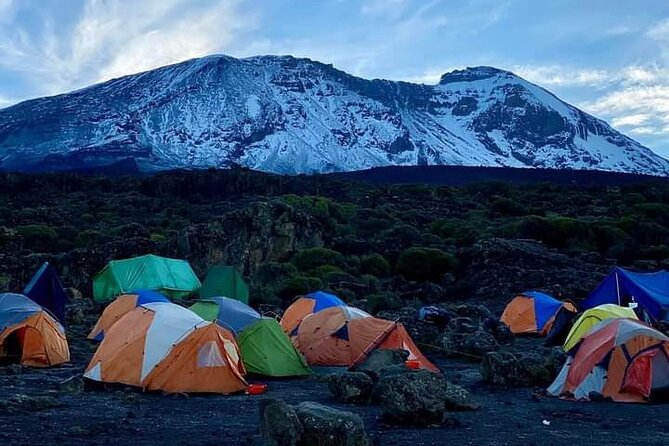
The Machame Route gives you Kilimanjaro in changing acts: wet rainforest, open moorland, stark volcanic ground, and a final push over scree to Uhuru Peak. It is the mountain’s popular Whiskey Route, and the name fits. You will hike steeper paths and sleep in tents rather than walk a gentler trail between huts.
I like two things right away. First, the route offers excellent scenery and several mountain habitats instead of one long climb through the same setting. Second, the schedule includes the important Shira to Lava Tower to Barranco acclimatization day, where you climb high and sleep lower.
The catch is simple: this is a serious high-altitude trek, not a brisk week in the hills. The 7-day schedule is shorter than longer Kilimanjaro programs, and summit night is demanding. You need a moderate fitness level, suitable clothing, and a willingness to walk slowly when your body would rather complain loudly.
Key points about the seven-day climb
- Machame Gate to Mweka Gate: You go up through the Machame side of the mountain and return by the Mweka route, giving the trip a point-to-point feel.
- Four distinct habitats: Expect rainforest, moorland, semi-desert, and alpine desert as the altitude rises.
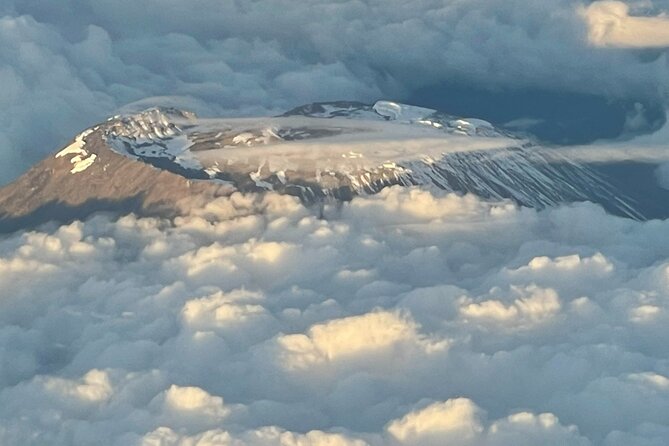
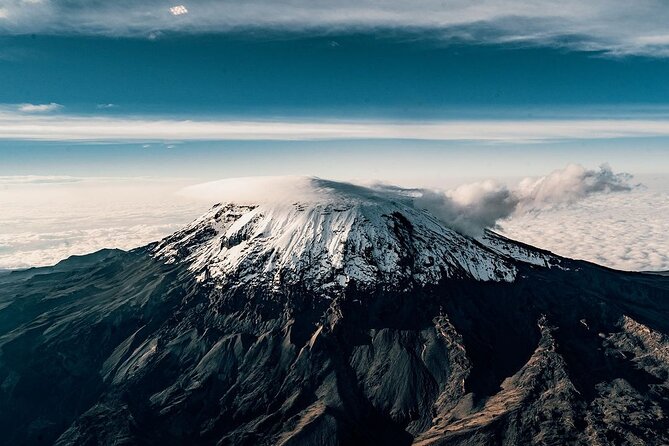
- Summit at 18,600 feet and higher: Stella Point sits at about 18,600 feet, while Uhuru Peak is the highest point on Kilimanjaro and in Africa.
- Camping throughout the mountain route: Machame uses tents, unlike the hut-based Marangu Route.
- Acclimatization built into the schedule: The Lava Tower and Barranco day gains height before dropping to Barranco Camp.
- A $2,280 package: Park fees, accommodation, meals, and airport transfers are included, but gear rental, visa costs, flights, and mountaineering insurance are extra.
Why Machame is Kilimanjaro’s popular hard route
Kilimanjaro has seven main climbing routes, and Machame is used by about half of all climbers. Its popularity comes from a useful mix of access, scenery, and price. The route reaches several sides of the mountain and gives you broad views as you cross the southern circuit.
The nickname Whiskey Route is a warning, not a branding trick. Machame is tougher than the Marangu, or Coca Cola, Route because the trails are steeper and the nights are spent in tents. The lower price reflects the route’s easy access and shorter schedule, not an easy walk.
I like the way the seven days are arranged. You do not simply walk uphill every day. Some stages are short, and the route uses the height gained near Lava Tower to help your body adjust before the summit attempt. That said, seven days still leaves little spare time if altitude affects you or weather slows the group.
The maximum group size is 20 people. That is large enough for a social climb and small enough to keep the group together if the operation is well managed. The provider, Unique Planet Safaris, also offers pickup, and the trip begins and ends around Moshi, with airport transfers included.
Other routes up the mountain from Moshi:
- Kilimanjaro climb by Lemosho Route (7-day)
★ 5.0 · 651 reviews - Kilimanjaro climb, Machame Route (7-day)
★ 5.0 · 262 reviews - Kilimanjaro Climbing Lemosho Route 8 Days.
★ 5.0 · 186 reviews
Day 1: Machame Gate and the wet rainforest
The drive from Moshi to Mount Kilimanjaro National Park Gate takes about 50 minutes and passes through Machame village on the lower slopes. This short transfer gets you from town to the trail without wasting a full morning on the road.
From the gate, you walk into the rainforest on a winding ridge. The first day covers 11 kilometers and climbs from about 5,400 feet to 9,400 feet. The stated hiking time is five to seven hours, so this is a full first day rather than a gentle stroll to camp.
The forest section can be muddy and slippery, especially lower down. I would treat gaiters and trekking poles as useful equipment, not optional extras. You will appreciate both when the trail turns slick and your boots begin collecting half the forest.
Machame Camp is the night’s destination. The habitat changes little by little as you climb, but the rainforest makes a strong opening scene. Keep rain gear easy to reach, even if the morning begins dry. The first day includes the park admission and overnight accommodation, with dinner and breakfast included as part of the package.
Day 2: Heather and moorland at Shira Camp
After breakfast, the forest gives way to heather and moorland. The trail continues upward across a small valley and along a steep, rocky ridge before turning west toward a river gorge.
This day is shorter in distance, at five kilometers, but the climb is sharper. You rise from about 9,400 feet to 12,500 feet and spend four to six hours hiking. The distance may look modest on paper. At this altitude and on a steep path, it can still feel like a proper day’s work.
Shira Camp brings a major change in atmosphere. The enclosed forest is gone, replaced by open ground and wider views. You can feel the mountain becoming less friendly to casual clothing and casual pacing. Layers matter more now, and evenings can feel very different from the warmer conditions near Moshi.
The short distance gives you time to rest, eat, and prepare for the bigger acclimatization day ahead. Do not use the spare hours to race around camp. The goal is to arrive at the summit attempt with energy in reserve.
Day 3: Lava Tower, altitude training, and Barranco
Day 3 is one of the most useful parts of this climb. From the Shira Plateau, you head east along a ridge, pass the junction toward Kibo, and continue toward Lava Tower, also called the Shark’s Tooth.
The day covers 10 kilometers and takes six to eight hours. You climb from 12,500 feet to roughly 16,000 feet near the Arrow Glacier junction, then descend to Barranco Camp at about 13,000 feet. Your sleeping elevation is close to the day’s starting elevation, but that is the point.
This climb high and sleep lower pattern gives your body a chance to respond to altitude without forcing you to spend the night at 16,000 feet. It is an important preparation for summit day, even though your legs may not thank you for the extra work.
The scenery becomes more spare and volcanic. The habitat is classed as semi-desert, and the trail feels more exposed than the first two days. You should keep water, sun protection, and warm layers close at hand. Weather can change quickly at height, and the route is no place for a bag packed like a city day trip.
Barranco Camp is a memorable stopping point because the Barranco Wall rises nearby. Dinner and overnight camping follow a long day, so a warm meal and an early rest matter more than a perfect camp photograph.
Same base, a different kind of day out:
- Safari Serengeti And Ngorongoro
★ 5.0 · 288 reviews - Climbing Kilimanjaro – Machame Route
★ 5.0 · 170 reviews - Climbing Kilimanjaro through 7 days Machame Route
★ 5.0 · 151 reviews - Kilimanjaro climb, Lemosho Route (8-day)
★ 5.0 · 148 reviews
Day 4: The Barranco Wall and Karanga Valley
After breakfast, you tackle the steep ridge beside the Barranco Wall and continue to Karanga Valley. This is a short acclimatization day, with five kilometers of hiking and four to five hours on the trail.
The elevation gain is small, from about 13,000 feet to 13,100 feet. That number can look almost silly until you remember that the purpose is not to gain lots of height. The purpose is to keep moving, spend time high up, and save strength for the summit.
The Barranco Wall is the day’s defining feature. The route passes it rather than treating the day as a simple uphill path. You should expect a steeper, more physical section, though the supplied details do not describe technical climbing equipment or technical climbing requirements.
Karanga Camp gives you a relatively early finish. Use it well. Eat, drink, check your clothing, and sort your personal gear before the next day. On a mountain, small jobs become tiresome jobs when left until the last minute.
Day 5: Barafu Camp and the final preparation
From Karanga, you reach the junction connecting with the Mweka Trail and continue to Barafu Hut. The distance is only four kilometers, but you climb from approximately 13,100 feet to 15,300 feet.
The hiking time is four to five hours. Habitat is now alpine desert, with little of the shelter and greenery found lower down. The route feels more stripped back, and the mountain’s final challenge is no longer abstract.
At Barafu, you have completed the South Circuit. The route has given you views of the summit from several directions, and from camp you can see Mawenzi and Kibo. These are useful visual landmarks before the night climb.
This is the day to prepare carefully. Your headlamp, warm layers, water, snacks, gloves, and any personal medication should be easy to reach. The schedule calls for rest and dinner before the summit push, but rest can be difficult when excitement and nerves are competing for space.
Because Barafu is already at about 15,300 feet, you will feel the altitude before summit night begins. Walk slowly, follow the guide’s pace, and do not treat the short distance as permission to spend all your energy early.
Day 6: Stella Point and Uhuru Peak
Summit day begins very early. You ascend between the Rebmann and Ratzel glaciers, heading northwest through heavy scree toward Stella Point on the crater rim.
This is the hardest section both physically and mentally. The route is steep, the ground is loose, and the altitude is severe. The supplied schedule gives eight hours for this stage, but the actual effort can feel longer because the summit attempt starts before dawn and includes the climb to Stella Point, the final ascent, and time at the top.
At Stella Point, about 18,600 feet, you pause for a short rest. Weather permitting, sunrise here can be spectacular. From Stella Point, snow may remain on the route, and the final ascent to Uhuru Peak takes about another hour according to the schedule.
Uhuru Peak is the highest point on Kilimanjaro and the highest point in Africa. Reaching it is the central goal of the trip, but do not measure the whole experience only by the summit photograph. Altitude can force a retreat, and a responsible guide should treat safety as more important than a certificate.
The schedule information for this day is abbreviated, so you should ask Unique Planet Safaris for the exact summit and descent timetable before booking. The available details confirm the early start, Stella Point, the sunrise stop, possible snow, and the final push to Uhuru Peak, but they do not state the full descent distance or camp arrangement for that day.
This is also the day when the guide team matters most. Several pieces of feedback praise the guides for keeping people motivated and helping the group reach the summit. The company’s information does not provide individual guide names, so ask who will lead your group and how the team handles altitude problems before departure.
Day 7: Mweka descent and the return to Moshi
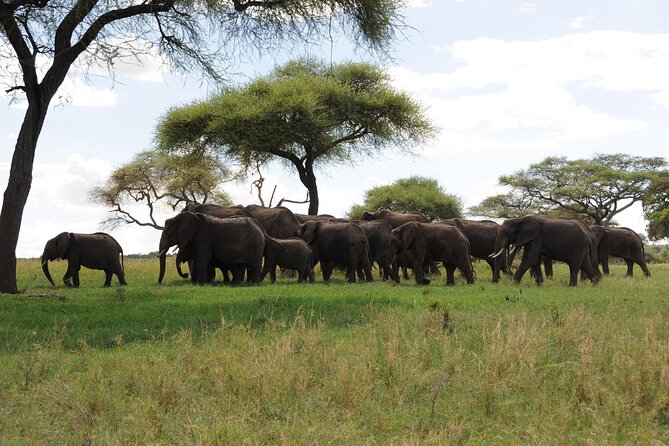
After breakfast, you descend through the rainforest to Mweka Park Gate. The listed hiking distance is 10 kilometers, with three to four hours of walking from about 10,000 feet to 5,400 feet.
Lower down, expect wet and muddy trail conditions. Gaiters and trekking poles are useful again. Shorts and a T-shirt may be comfortable in the warmer forest, but keep rain gear and a warmer layer within reach because conditions can change during the descent.
At Mweka Gate, you receive your summit certificates. You then continue for about another hour to Mweka village, where a vehicle takes you back to your Moshi hotel. After several days at altitude, that ride will feel very welcome.
The final day is not merely a checkout. It gives you the satisfying change from sparse alpine ground back to thick forest, then to roads and town. The descent is easier on the lungs but can be tiring on knees and feet, so do not underestimate it.
What the $2,280 price covers
At $2,280 per person, this is not a bare trail permit. The package includes airport transfers, park fees, accommodation, six dinners, seven lunches, and six breakfasts. Those inclusions cover the main costs that can otherwise make Kilimanjaro budgeting confusing.
The value depends on what you already own. Personal gear rentals are not included, and neither are your visa, international flights, or mountaineering insurance. You should price boots, warm layers, rain protection, sleeping equipment, and other personal items before deciding that the headline cost is your final cost.
The price makes more sense if you want one operator to arrange the mountain logistics and meals rather than assemble each piece yourself. The shorter seven-day format also keeps the base price below many longer routes, though the reduced duration means less spare time for altitude adjustment.
Meals are included for the listed mountain days, but the package wording is unusual in its count: six dinners, seven lunches, and six breakfasts. Ask what is provided on arrival and departure days, and confirm your accommodation in Moshi if you need a pre-climb or post-climb night.
Who should choose this climb?
This route suits you if you want strong scenery, a classic Kilimanjaro challenge, and a camping trip rather than hut accommodation. It is a good match for someone with moderate fitness who can handle five to eight hours of hiking on several days and a very demanding summit night.
You should think carefully before choosing it if you want a relaxed mountain holiday. The nickname Whiskey Route is deserved, and the steep trails, loose scree, cold high camps, and altitude require patience.
The 20-person maximum can work well for a group experience, but ask how many people will actually be in your departure group. A smaller group may feel more personal, while a larger group can provide company and shared motivation.
The strongest praise attached to this experience centers on organization, professional support, food, hospitality, and summit encouragement. Those are exactly the areas I would ask about before booking. Request the guide-to-climber ratio, the full summit-day schedule, the equipment list, and the policy for turning back if someone becomes unwell.
Practical choices that improve your chances
Pack gaiters and trekking poles for both the muddy rainforest and the descent. The same items solve problems at opposite ends of the trip.
Keep warm clothing and rain gear accessible rather than buried in your main bag. Machame moves from wet forest to cold alpine ground, and the weather details can change faster than your packing plan.
Use the short days for recovery. Karanga and Barafu are not invitations to wander around camp for hours. Eat, drink, organize your kit, and rest.
Treat the altitude plan seriously. The Lava Tower day is valuable because you climb high and sleep lower, but it does not remove the risk of altitude sickness. Follow guide instructions and ask the company how medical decisions are handled.
The experience has a 4.9 rating from 11 listed ratings and a 100 percent recommendation figure. That is encouraging, though the sample is small, and several comments repeat similar praise. I would take the positive picture seriously while still asking direct questions about equipment, staff numbers, and summit procedures.
Cancellation is free if you cancel at least 24 hours before the local start time. Within 24 hours, the payment is not refunded, and late changes are not accepted.
Should you book the seven-day Machame Route?
Book it if you want Kilimanjaro’s varied scenery, a tent-based route, and a strong acclimatization day without paying for a longer program. The route offers real value because park fees, meals, accommodation, and airport transfers are bundled into the $2,280 price.
Do not book it simply because Machame is popular or cheaper. You still face a hard summit night at very high altitude, and personal gear, insurance, flights, and visa costs will increase the total.
My practical call is this: choose this climb if you are fit, comfortable with basic camping, and ready to move slowly for seven demanding days. Before paying, get the missing summit-day details and confirm exactly what equipment and Moshi accommodation are included. If those answers are clear, this is a well-structured way to take on Africa’s highest mountain.
FAQ
Where does the Kilimanjaro climb begin?
The experience is based in Moshi, Tanzania. The first mountain transfer takes about 50 minutes from Moshi to Mount Kilimanjaro National Park Gate.
How long is the climb?
The experience lasts approximately seven days, with the route beginning at Machame Gate and ending with a return to Moshi after the Mweka descent.
Which route does the climb use?
It uses the Machame Route, also known as the Whiskey Route. The descent follows the Mweka route.
What is the highest point reached?
The climb aims for Uhuru Peak, the highest point on Mount Kilimanjaro and the highest point in Africa. Stella Point is listed at about 18,600 feet.
Is accommodation included?
Yes. Accommodation is included, and the Machame Route uses tent camping on the mountain rather than hut accommodation.
Are meals included?
The package includes six dinners, seven lunches, and six breakfasts.
Are airport transfers included?
Yes. Transfers to and from the airport are included.
What is not included in the price?
Personal gear rentals, a visa, international flights, and mountaineering insurance are not included.
Can I cancel for a full refund?
You can receive a full refund if you cancel at least 24 hours before the experience start time. Cancellations within 24 hours are not refunded, and changes within that period are not accepted.
Just added in Moshi
- Wildlife Extravaganza: Manyara, Tarangire & Ngorongoro in 3 Days★ 5.0 · 3 reviews
- West Kilimanjaro cycling Adventures★ 4.5 · 8 reviews
- machame route★ 5.0 · 16 reviews
- Mt Kilimanjaro 6 days Marangu route hike★ 5.0 · 3 reviews
- Kilimanjaro Climb • Machame Route ~ 10 Day★ 5.0 · 6 reviews
- Kilimanjaro Climbing Umbwe Route★ 5.0 · 3 reviews
- 3 Days Private E-Bike Tour in West Kilimanjaro★ 5.0 · 3 reviews
- Private Cycle to Kilimanjaro Bike Park Safari★ 5.0 · 6 reviews
Kilimanjaro Treks, compared.
8-Day Small-group Lemosho Kilimanjaro Summit Trekking
Read our review →
5 Days Best of Tanzania Luxury Safari Northern Circuit
Read our review →
Climbing Kilimanjaro through 7 days Machame Route
Read our review →
7-Day Machame Kilimanjaro Summit Tour from Arusha
Read our review →Browse the lists this tour appears in