Reviewed · SAFARI TOURS
7 Days Elephant Safari Experience in Arusha
The best part of this seven-day safari is the variety packed into one northern Tanzania route. You move from elephant country in Tarangire to the wide-open Serengeti, then into Ngorongoro Crater and the bird-filled shores of Lake Manyara. I like the small group limit of six and the chance to see the January to March birthing season, when young animals bring extra drama to every game drive.
I also like the human touch promised by guides such as Yusuph, who is praised for taking charge of the trip, and Isdory, who helped shape a photography and luxury-focused plan within a budget. The main caution is the pace: four parks in a week means long drives, early starts, and only two nights in the Serengeti.
Key points at a glance
- January to March wildlife season: This is a strong time to look for newborn animals and the predators that follow them.
- Four major safari areas: Tarangire, Serengeti, Ngorongoro Crater, and Lake Manyara each offer a different setting and animal mix.
- Small groups of up to six: A compact vehicle group can make game viewing and guide interaction easier.
- Guide continuity matters: Yusuph is named as a guide who stayed with the group through the safari.
- Comfortable lodge base: Springlands Hotel, Highview Coffee Lodge, Serengeti Safari Lodge, and Ngorongoro Safari Lodge or similar properties are used.
- A $2,995 package: The price includes listed meals and safari lodging, but insurance and international and local flights are extra.
Why the January to March season changes the safari
January through March is the reason this trip feels different from a standard wildlife circuit. Many animals give birth during this period, so you may see very young wildebeest, zebra, and other savanna species. Newborn animals also attract predators, giving you a better chance of seeing the natural cycle of hunting, protection, and survival.
That does not mean every drive will produce a dramatic sighting. Wildlife remains unpredictable, and no itinerary can promise a particular animal or behavior. Still, the timing gives the trip a clear purpose beyond simply checking parks off a list.
The route also offers useful variety. Tarangire is especially associated with elephants and dry-season gatherings around permanent water. Serengeti gives you open country and large animal concentrations. Ngorongoro puts you in a compact crater setting where black rhino and lion are among the main prizes. Lake Manyara adds forest, wetlands, monkeys, hippos, and water birds.
Other park itineraries that start in Arusha:
- Serengeti Balloon Safari and authentic bush breakfast
★ 5.0 · 2,480 reviews - Balloon Safari & Bush Breakfast in Serengeti – Miracle Experience
★ 5.0 · 1,646 reviews - 4 Days Group Camping Safari
★ 5.0 · 1,101 reviews
Day 1 in Arusha: an easy landing and a practical briefing
Your arrival day begins with an airport pickup in Arusha. A driver meets you with a sign bearing your name, then takes you to Springlands Hotel. That small arrival detail matters after an international flight. You do not need to find a taxi or work out a transfer while tired.
Springlands is described as having a swimming pool, garden, bar, and restaurant. You will receive a meal and later meet the safari coordinators for a pre-safari briefing. Use this time well. Confirm the next morning’s departure, ask about the vehicle, check how picnic lunches are handled, and make sure you understand the expected daily schedule.
The first day is not a game-viewing day, and that is sensible. Arusha gives you a buffer before the long road portions of the safari. The drawback is that the seven-day headline includes this arrival and setup day, so your time in the parks is closer to five active days.
Day 2 in Tarangire: elephants and the permanent river
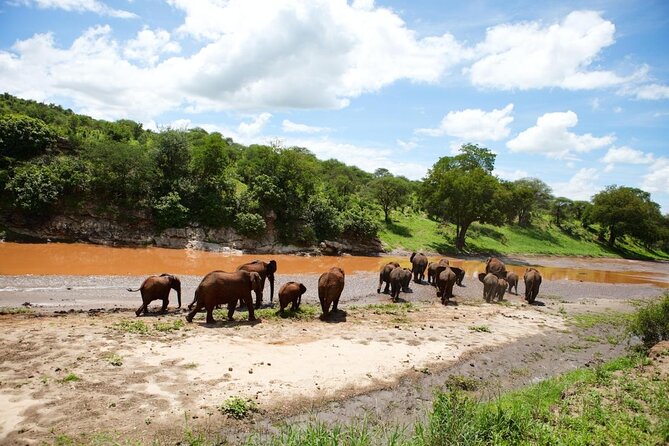
After breakfast, you drive to Tarangire National Park. The park is especially important during the dry season, when animals return to the permanent water of the Tarangire River. Large groups of wildebeest, zebra, elephant, eland, and oryx can gather here before the rains send them toward new grazing areas.
For an elephant-focused safari, this is one of the most useful stops. Tarangire gives you a better chance to see elephants as a major part of the park’s daily life, rather than as a lucky sighting along the road. The presence of water also draws many other species into the same general area.
You spend the night at Highview Coffee Lodge. The itinerary describes the day as roughly seven hours, but actual time on the road and in the park can vary. Tarangire is an early example of the trip’s tradeoff: you gain a strong wildlife setting, but you are also moving on a fixed route toward the Serengeti.
Days 3 and 4 in Serengeti: the trip’s main wildlife chapter
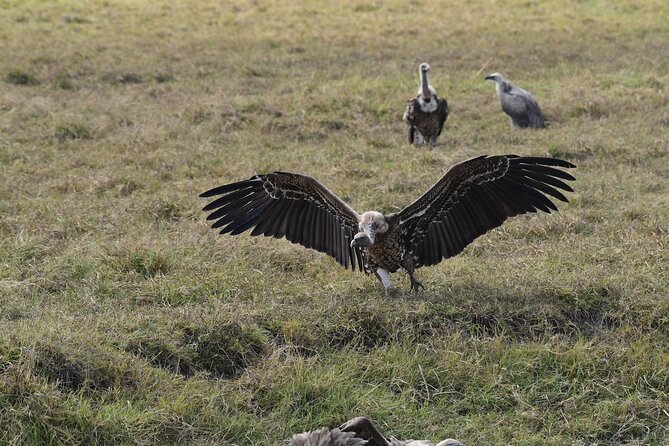
Day 3 takes you toward Serengeti National Park, with a drive of about three to four hours via Olduvai Gorge. The gorge stop is optional and lasts about 15 minutes. It is tied to some of the earliest human fossil discoveries and sits in a dramatic geological setting shaped by the same forces associated with the Great Rift Valley.
Do not expect a long museum visit here. The stop is brief, but it adds useful context to a safari that is otherwise focused on animals. If wildlife time matters more to you, ask how the optional stop affects the day’s game drive.
You then continue into Serengeti and stay at Serengeti Safari Lodge or a similar property. The Serengeti is the emotional center of this route. Its broad open country allows you to scan for large herds, lions, cheetahs, hyenas, and other animals without the more confined feeling of the crater.
Day 4 is a full Serengeti game-viewing day with a packed picnic lunch. That lunch arrangement is valuable because it lets you stay out in the park rather than return to the lodge midday. You can spend more time looking for animals and less time repeating the same road.
A second night in the Serengeti is important. One night would make the park feel like a transit stop, while two nights give you a full day to explore. Still, two nights is not a long stay for such a large park. If you care most about the Serengeti, ask the operator whether the route can be adjusted, though the supplied plan does not promise changes.
A walking safari or night safari is listed as an option. Treat this as an add-on to confirm before booking, since the basic plan is built around vehicle-based game drives. Extra activities may also affect the rhythm of your days.
Other safaris people book out of Arusha:
- 5 Days Group Camping Safari
★ 5.0 · 730 reviews - 3 Days Serengeti & Ngorongoro Group Camping Safari
★ 5.0 · 574 reviews - 7-Day Premium Luxury Tanzania Safari All-Inclusive
★ 5.0 · 426 reviews - 3-Day Classic Serengeti Safari
★ 5.0 · 263 reviews
Day 5 in Ngorongoro Crater: a compact wildlife bowl
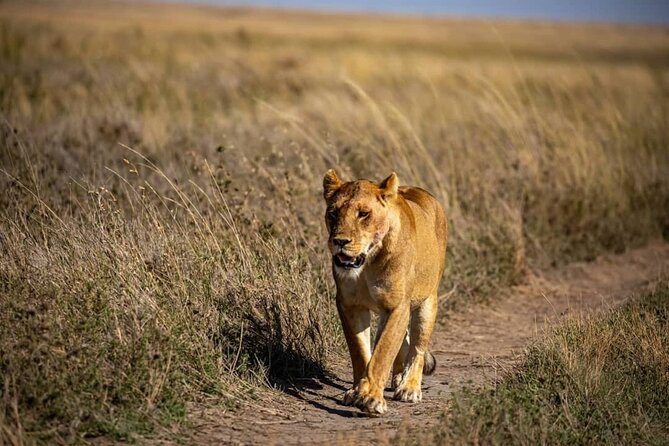
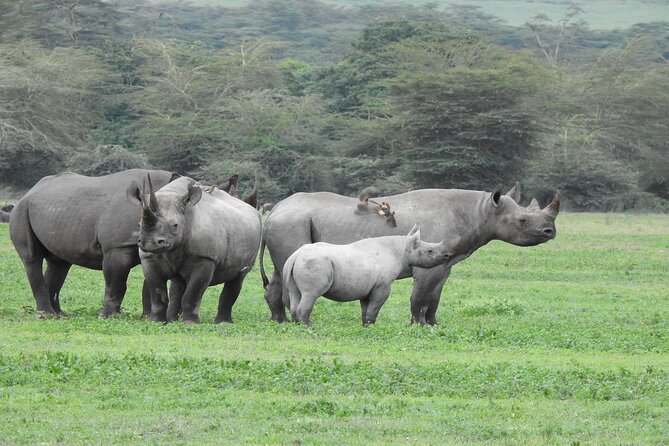
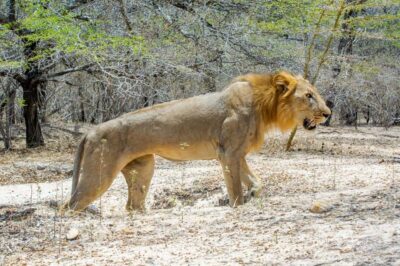
After breakfast, you drive to Ngorongoro Crater for a game drive inside the crater. This is one of Tanzania’s best places on the route to look for black rhino and lion. The crater’s enclosed setting brings many species into a relatively concentrated area, though sightings are never guaranteed.
You may also see flamingos and other water birds, along with leopard, cheetah, hyena, antelope, and smaller mammals. The mix gives the day a different feel from Serengeti. Instead of spending hours crossing open country, you are searching a contained area with varied habitats.
The overnight stay is at Ngorongoro Safari Lodge or a similar property. The itinerary allows about seven hours for this day. That sounds generous, but the drive, crater access, and game viewing all need to fit together. Bring patience and keep your expectations realistic. A crater visit can be productive, yet it is not a guarantee of every animal on the list.
Day 6 at Lake Manyara: forests, wetlands, and tree-climbing lions
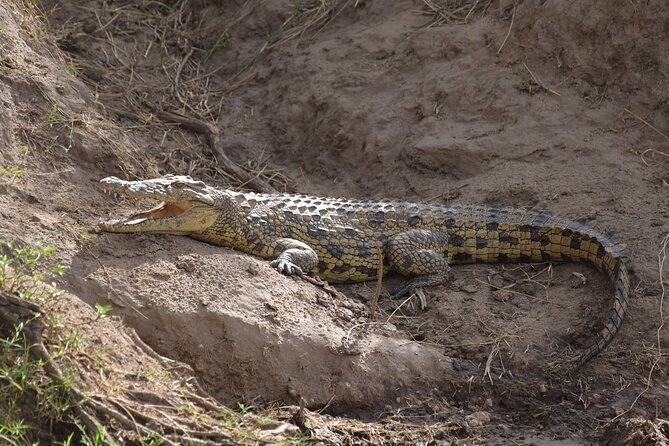
Lake Manyara National Park is the final major wildlife stop. It lies near the Rift Valley and contains several habitats in a small area: acacia woodland, grassy plains, a swampy delta, and the lake itself.
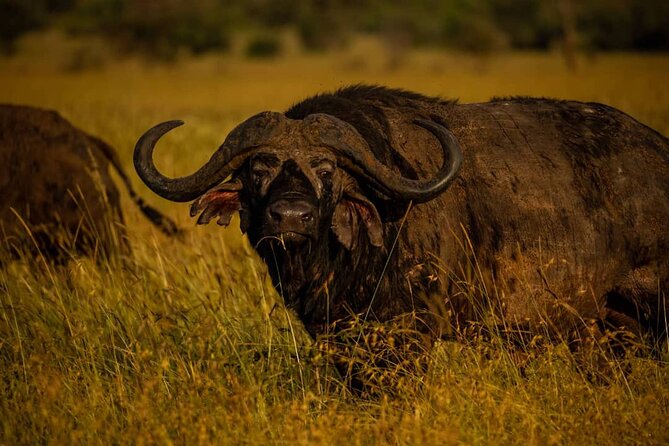
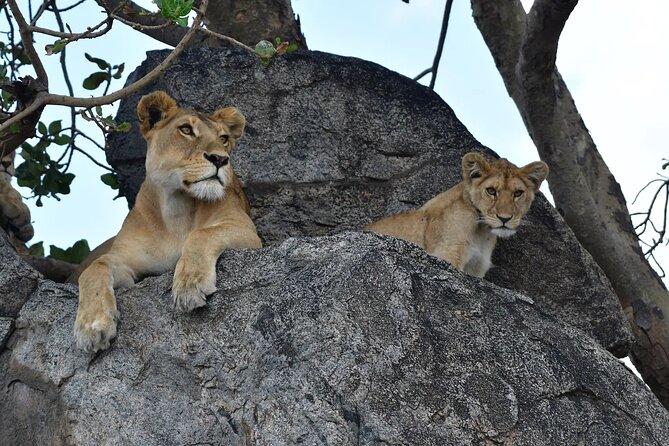
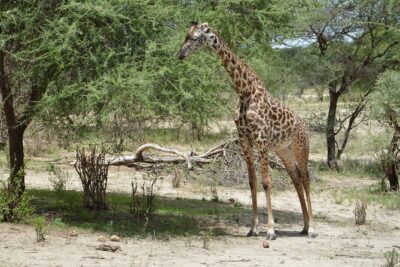
This variety explains the park’s appeal. You might see buffalo, impala, giraffe, warthogs, hippos, elephants, and several types of monkeys. Birds are another reason to pay attention, especially around the water and wetland areas. The park is also known for rare tree-climbing lions, though their appearance is not assured.
Lake Manyara works well as a final park because it changes the visual rhythm of the trip. After Serengeti’s open spaces and Ngorongoro’s crater floor, the trees and water create a more enclosed, textured setting. It also gives you one last chance to focus on elephants before returning to Arusha.
You spend the night at Springlands Hotel or a similar property. The day is listed at about seven hours, followed by a return to the same general hotel base used at the start.
Day 7: airport transfer and possible Zanzibar extension
The final day is a transfer to the airport in Arusha. The listed activity takes about five hours, though the exact timing will depend on your flight and departure arrangements.
You can also extend the trip with a stay in Zanzibar or day trips. That option is useful if you want to finish with beaches or add more time in the region, but it is not part of the seven-day price described here. International and local flights are also excluded, so plan those costs separately.
What $2,995 includes, and what it does not
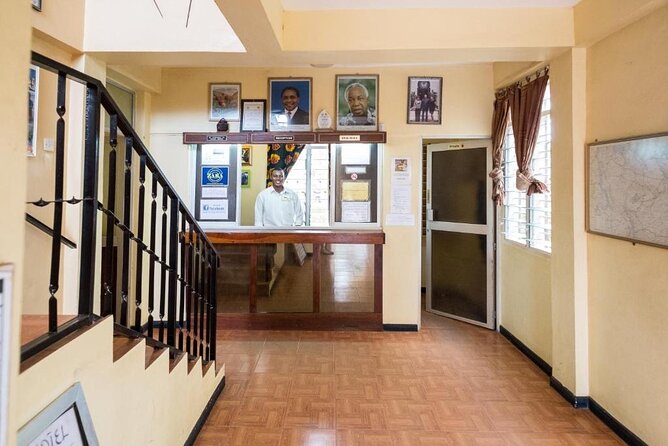
At $2,995 per person, this is not a budget road trip. The price makes more sense if you value a planned route, safari coordination, park access, lodge accommodation, meals, and a small group rather than arranging each piece yourself.
The listed package includes six breakfasts, four lunches, and four dinners. It also includes the Ngorongoro Crater admission noted in the plan. Other park entry costs and the exact details of transport are not fully itemized in the supplied information, so ask for a written list of inclusions before paying.
Insurance is not included. Neither are international or local flights. Those exclusions can change the final cost by a lot, especially if your trip to Tanzania requires several flight connections.
The accommodation is described as a mix of properties inside and outside park areas. That can affect both atmosphere and driving time. A lodge inside a park may give you a quieter setting and easier access to wildlife areas, while a property outside can be more practical for the next day’s route. The phrase or similar also means you should not assume a particular lodge until it is confirmed.
The guide can make or break the long drives
A safari guide is more than the person who points out animals. You will spend many hours in the vehicle, so clear planning, patience, and good communication matter.
Yusuph is specifically associated with two positive trip accounts. The useful detail is not just his name, but the role he played: taking charge of the trip and staying with the group through the route. That continuity can help when you are tired, deciding how long to wait at a sighting, or trying to balance photography with the day’s schedule.
Isdory is also named as someone who helped shape a trip around photography, luxury, and budget. If those priorities matter to you, raise them before arrival. Ask how much time can be given to photography, how flexible the daily route is, and which lodge category is planned.
The group maximum is six people. That is a strong feature for anyone who wants less crowding and more direct contact with the guide. It does not mean the vehicle will feel spacious in every situation, but it is more personal than a large coach-style group.
Who should book this safari
I would point this trip toward someone who wants a first northern Tanzania safari with a clear route and a broad sample of habitats. It suits you if you want elephants, big cats, birds, rhinos, and several different park settings without building the plan yourself.
It is also a good match for photographers who want a guide to help shape the trip. The January to March timing is especially appealing if newborn animals are high on your list.
You should think twice if you dislike long drives, early starts, or changing lodges. The route covers a lot in seven days, and the schedule leaves limited time for simply staying put. You also need moderate physical fitness, as stated in the booking information, even though the main activity is vehicle-based.
Mobile ticketing and confirmation at booking keep the administrative side simple. Service animals are allowed. Free cancellation applies when you cancel at least 24 hours before the local start time, but cancellations inside that window are not refunded.
Should you book it?
Book this safari if you want a compact, small-group introduction to Tanzania’s best-known northern parks, especially during the January to March birth season. The strongest reasons are the varied route, the six-person limit, two nights in Serengeti, and the guide continuity associated with Yusuph.
Before you commit, request the exact lodge names, vehicle details, all park fees, and a full cost breakdown. If the $2,995 price fits your budget after flights and insurance, this is a practical choice for seeing a lot in one week. If you prefer slow mornings and several nights in one place, choose a longer or more customized safari instead.
FAQ
Where does the safari start and end?
The safari starts in Arusha, Tanzania, and ends back at the meeting point after the airport transfer on Day 7.
What time does the safari start?
The listed start time is 7:00 am.
Which national parks are included?
The route includes Tarangire National Park, Serengeti National Park, Ngorongoro Crater, and Lake Manyara National Park.
How many people can join the tour?
The maximum group size is six people.
Are meals included?
Six breakfasts, four lunches, and four dinners are included.
Are flights and insurance included?
No. International and local flights, along with insurance, are not included.
Is Olduvai Gorge included?
The route passes via Olduvai Gorge, with an optional stop of about 15 minutes.
What is the cancellation policy?
You can receive a full refund if you cancel at least 24 hours before the experience start time. Cancellations or changes made less than 24 hours before the start are not accepted or refunded.
Just added in Arusha
- Extraordinary Hot air Bolloon ride in Serengeti | BURIGI CHATO SAFARIS CO L.T.D★ 5.0 · 6 reviews
- 4 Days Private Midrange Lodge Safari to Serengeti & Ngorongoro★ 5.0 · 4 reviews
- 3 days leopard safaris★ 5.0 · 4 reviews
- 8 Days Serengeti Migration safari★ 5.0 · 11 reviews
- tarangire, ngorongoro & lake manyara park 3 days private tour★ 5.0 · 11 reviews
- Mt. Kilimanjaro: Shira plateau to Cathedral point 3872m Day hike★ 5.0 · 7 reviews
- serengeti, ngorongoro & tarangire 4 days private tour★ 5.0 · 18 reviews
- tarangire & ngorongoro 2 days tour★ 5.0 · 14 reviews
Safari Tours, compared.
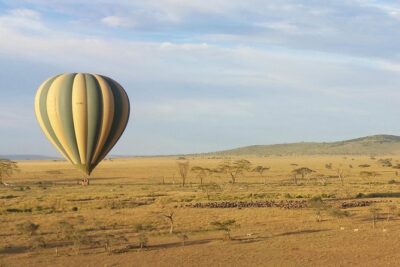
Serengeti Balloon Safari and authentic bush breakfast
Read our review →
Mikumi Safari Day Trip with Flights and Meal
Read our review →
3 Days Serengeti & Ngorongoro Group Camping Safari
Read our review →
7-Day Premium Luxury Tanzania Safari All-Inclusive
Read our review →
Safari Blue Lagoon Trip with Snorkeling and Lunch
Read our review →