
Reviewed · NGORONGORO CRATER TOURS
8 Days Safari (Lake Manyara /Tarangire/Serengeti/Ngorongoro)
The big draw here is the range: in eight days you move from Arusha’s mountain forest to Tarangire’s elephant country, the open Serengeti, Ngorongoro Crater and Lake Manyara. The route also gives you several days in Serengeti, which matters if your dream is to find wildebeest rather than simply tick the park off a list.
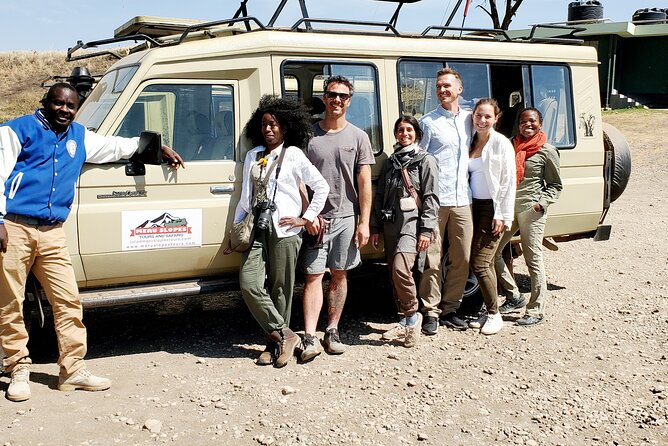
I like the pop-up-roof 4×4, which gives you a clear view for wildlife and photographs, and I like the mix of game drives with a Mto wa Mbu village walk and Maasai boma visit. The main consideration is pace: long drives, early breakfasts and camping make this an active safari, not a soft hotel holiday. Also confirm the final price and whether your departure is private or shared, since the supplied details describe both a private activity and a joining group safari.
Key points to know before booking
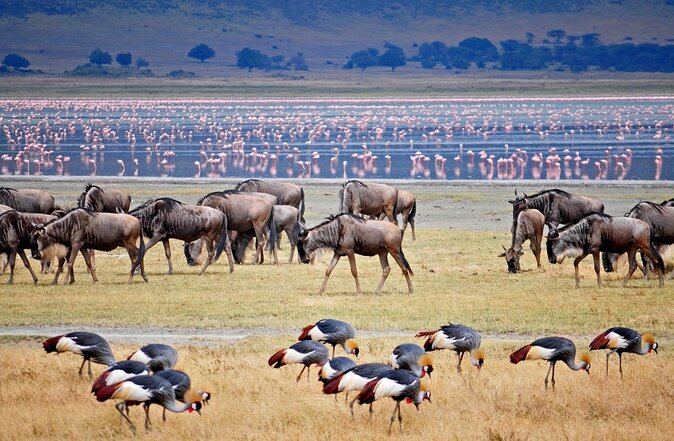
- Four major wildlife areas in one route: Tarangire, Serengeti, Ngorongoro Crater and Lake Manyara are joined by Arusha National Park.
- Three full Serengeti days: This gives you more time to search for predators and follow the seasonal wildebeest movement.
- Migration timing matters: June to September is presented as the best general period, while river crossings in northern Serengeti are most likely from July to October.
- Camping keeps the trip close to the parks: Overnight stops include Seronera campsite and Simba campsite, with lodge nights around Arusha and Mto wa Mbu.
- A useful cultural layer: The itinerary includes a Mto wa Mbu walking tour and a Maasai boma visit, not just vehicle-based wildlife viewing.
- The operator receives strong praise for staff: Guides and drivers named in past trips include Jacob, Nuru, Samwel, Benson, Douglas, Iddy and Mohamed, with cooks such as Dula and Eric also singled out for their work.
Why this eight-day route works
I like this itinerary because it does not spend the whole trip chasing one headline sight. You get forest, crater, river, open grassland, lake shore and village life. That variety helps you understand northern Tanzania as a connected region rather than a string of isolated park gates.
The route is also built around time in the Serengeti. Days three through six give you several chances at wildlife, including an evening drive, full days in the park and an early morning outing. That is a better setup for finding a moving herd or an elusive predator than a quick overnight stop.
The tradeoff is mileage. Day three includes the drive from the Ngorongoro area toward Serengeti, with views of the Rift Valley and Ngorongoro Crater along the way. Day six combines a morning game drive, lunch, packing and an onward drive toward Ngorongoro. You will spend real time in the vehicle, though the scenery and wildlife stops break up the journey.
This is described as a private activity, but the tour summary also calls it a joining group camping safari. That difference affects the feel of the trip, so ask before paying: will your group have its own vehicle and guide, or will you share the vehicle with other participants? The 4×4 has a pop-up roof, a major plus for viewing, but space and privacy depend on the final arrangement.
Other park itineraries that start in Arusha:
- Serengeti Balloon Safari and authentic bush breakfast
★ 5.0 · 2,480 reviews - Balloon Safari & Bush Breakfast in Serengeti – Miracle Experience
★ 5.0 · 1,646 reviews - 4 Days Group Camping Safari
★ 5.0 · 1,101 reviews
Day one: Arusha National Park’s forest and Ngurdoto Crater
The safari begins around 8:00 a.m. after breakfast in Arusha, with roughly a 40-minute drive to Arusha National Park. This is a smart first day because it eases you into safari life without sending you straight into a long interpark transfer.
Arusha National Park is more than a warm-up. The entrance road passes through montane forest where you may see blue monkeys, colorful turacos and trogons. It is also one of the better places on the northern circuit for spotting black-and-white colobus monkeys, according to the itinerary.
The main scenic stop is Ngurdoto Crater. Its steep cliffs surround a marshy floor where buffalo and warthogs may be seen. You are not visiting the famous Ngorongoro Crater yet, but this smaller crater gives the day its own character.
Plan on about eight hours for the park visit. The long day is useful because it allows time for both forest and crater scenery, but you will want to begin with comfortable clothes, water and patience. The package includes unlimited drinking water, which is helpful on full game-drive days.
Day two: Tarangire’s elephants and baobab country
Day two starts at about 8:00 a.m., followed by a drive of roughly three hours to Tarangire National Park. The itinerary describes a full day of game viewing before dinner and an overnight stay at Jambo Lodge.
Tarangire is known for the Tarangire River, which draws animals to water, and for its large elephant population. Baobab trees give the park a distinctive look, while lions, leopards and tree-climbing pythons add variety to the sightings.
The reference to tree-climbing pythons is worth noting. Wildlife sightings are never guaranteed, but Tarangire offers more than the usual big-cat checklist. You may spend part of the day watching elephants and another part scanning branches, riverbanks and open ground.
The schedule calls this an eight-hour stop, although one line in the supplied timing says eight minutes. Treat that as a typing error. This is clearly planned as a full park day, followed by an overnight stay outside the park area.
I like Tarangire early in the trip because it gives you a strong first taste of big-animal viewing before the longer Serengeti section. The drawback is the three-hour transfer from Arusha, followed by a full game drive. You will be tired by dinner, but that is normal for a camping-style safari.
Day three: Entering Serengeti through the Rift Valley
After breakfast, you pack the vehicle and travel toward Serengeti with lunch in the jeep. The drive includes views of the Rift Valley and Ngorongoro Crater, with arrival in central Serengeti expected around 3:00 p.m.
This is a travel-heavy day, but it is also the moment when the scenery begins to change dramatically. The route leads from the crater highlands toward the wide plains associated with the Serengeti. You should think of this as a game drive with a destination, not a day devoted entirely to stationary wildlife watching.
An evening drive in central Serengeti follows arrival. Sunset is a fine time to be out, and the itinerary allows you to look for animals before dinner and overnight camping at Seronera campsite.
Central Serengeti is a practical base for this route because it puts you among the park’s broad plains and near established safari activity. You may find the area busier than the more remote parts of the park, especially at popular sightings. The benefit is that the location supports several days of searching rather than one rushed pass through the region.
Other safaris people book out of Arusha:
- 5 Days Group Camping Safari
★ 5.0 · 730 reviews - 3 Days Serengeti & Ngorongoro Group Camping Safari
★ 5.0 · 574 reviews - 7-Day Premium Luxury Tanzania Safari All-Inclusive
★ 5.0 · 426 reviews - 3-Day Classic Serengeti Safari
★ 5.0 · 263 reviews
Days four and five: Searching for the wildebeest migration
These are the heart of the safari. Day four begins with breakfast and a game drive toward northern Serengeti, with the guide aiming for key areas linked to the wildebeest movement. Day five provides another full day to adjust the search based on where the herds are at that time.
The migration is not a parade that arrives on schedule. Around 1.5 million wildebeest and other grazing animals move through a huge area, and their position changes with rain, food and conditions. That makes the guide’s route choices important, but it also means no company can promise a river crossing on a particular morning.
The itinerary points to the Mara River and Kogatende as major viewing areas. River crossings are most likely from July through October, with July to September often considered the strongest period for the northern section. The herds can cross back and forth, so even a successful crossing does not mean the movement is over.
The tour also notes that June through September is generally a good period for the migration, while January through March brings the calving season. If you care most about newborn animals, plan around the calving months. If the dramatic river scene is your priority, ask specifically about northern Serengeti access and seasonal road conditions.
I like the fact that the itinerary gives you two full days for the northern search rather than treating the migration as a quick photo stop. Still, keep your expectations sensible. You might see huge herds without seeing a crossing, or you might spend hours waiting and then watch the action happen in seconds. That uncertainty is part of the experience, but it is also why extra time helps.
Day six: Sunrise in Serengeti and the road toward Ngorongoro
Day six starts early, around 5:45 a.m., with breakfast followed by a morning game drive until about 11:30. The early start is designed for sunrise and active wildlife, when the cooler hours can be productive for viewing.
After the morning drive, you return to camp for a hot lunch, pack the vehicle and continue with more game viewing while heading toward Ngorongoro. Dinner and overnight accommodation are planned at Simba campsite.
This is a long day, listed at about ten hours. It combines the best light for wildlife with a necessary transfer, so you should expect a full schedule. I would not choose this route if you need late mornings and long breaks, but I would choose it if seeing more of Serengeti matters more than moving slowly.
The overnight at Simba campsite places you near the next day’s early descent into the crater. That saves you from making the entire approach from Arusha or another distant base.
Day seven: Ngorongoro Crater and Mto wa Mbu
The day begins around 5:30 a.m. with breakfast before descending into Ngorongoro Crater. The crater floor is known for high concentrations of wildlife, and the itinerary specifically highlights the chance to see the Big Five, birds, black rhino and flamingos.
A six to seven-hour game drive inside the crater gives you substantial time on the floor. Lunch is taken there, with the natural setting continuing around you as you eat. Ngorongoro can feel very different from Serengeti: instead of endless open plains, you have a contained area with varied habitats and a strong sense of enclosure.
Black rhino sightings are never assured, but the chance to look for them is one of the reasons this stop matters. Flamingos may gather around the water, and the crater’s animal density can make it a strong day for first-time safari visitors.
After ascending, the route continues to Mto wa Mbu for a walking tour. You may see banana plantations, sample local food and learn about daily life in the village. This is one of the best parts of the schedule for anyone who wants more than vehicle views. It also breaks up the repeated pattern of breakfast, drive, animals and campsite.
You return to Jambo Lodge for dinner and overnight accommodation. The combination of crater wildlife and village walking makes day seven one of the most varied days of the trip.
Day eight: Lake Manyara and the return to Arusha
The final park day takes you to Lake Manyara after breakfast for a full game drive. The park is associated with tree-climbing lions, flamingos drawn by algae in the lake and a hot spring.
As with all wildlife claims, treat tree-climbing lions as a possibility, not a guarantee. The attraction is still worthwhile even when the lions stay on the ground because the park adds a different setting to the route. Lake, woodland and hot-spring scenery give the last day a change of pace.
The itinerary also includes a Maasai boma visit, where you can learn about local culture and traditions. That visit is a useful contrast to the Mto wa Mbu walk, though you should ask how much time is allocated to it because day eight already includes a full game drive and the drive back to Arusha.
Dinner and overnight accommodation in Arusha are included after the return. The package also includes a second Arusha hotel night after the safari, according to the accommodation details. Confirm the exact number of nights and which night is covered, since the itinerary wording lists dinner and overnight arrangements in several places.
Camping, meals and the safari vehicle
This is a camping safari with lodge nights mixed in. You will sleep at Seronera and Simba campsites, while Jambo Lodge and Arusha accommodation provide more conventional nights. The supplied details do not describe the tent type or bathroom setup, so ask about those points before booking if comfort is important to you.
An extended 4×4 safari jeep with a pop-up roof is included. The roof lets you stand or sit with a broad view during game drives, and it is one of the most useful features of the package. You also receive an English-speaking guide and unlimited drinking water.
Breakfast, lunch and dinner are listed as included, with the package showing eight breakfasts, eight lunches and nine dinners. Since the numbers do not line up neatly with an eight-day trip, confirm the meal count and final accommodation plan in writing.
Past trip details point to a strong guide and cook team. Names connected with earlier departures include Jacob, Nuru, Samwel, Benson, Douglas, Iddy and Mohamed. Cooks named include Dula and Eric. You cannot select one of these people unless the operator confirms availability, but you can ask who will lead your departure and who will prepare meals.
Price, value and what to confirm
The displayed price is $0.00 per person, which is almost certainly a placeholder rather than a genuine safari fare. Do not use that figure to judge value. Request a current written quote based on your dates, group size, park fees, accommodation level and private or shared vehicle arrangement.
The package includes a substantial list of costly elements: park fees and taxes, airport transfers in both directions, two Arusha hotel nights, a 4×4, guide, water and meals. That can make an eight-day safari good value if the quoted price is clear and no major park or camping charges are added later.
Visa costs, laundry, telephone use, drinks and tips are not included. You should also budget for gratuities for the guide and cook. The trip’s value is strongest for you if you want a broad northern Tanzania route and are comfortable with early mornings, long drives and camping.
Free cancellation is available if you cancel at least 24 hours before the experience start time. Changes made inside that window are not accepted, and poor weather may lead to a new date or full refund.
Who should book this safari?
I would recommend this route to a first-time safari visitor who wants the classic northern circuit in one trip. You get elephants in Tarangire, forest species in Arusha, the crater, lake country, Serengeti plains and a serious chance at migration viewing.
It also suits people who want a few cultural stops without turning the trip into a separate cultural tour. The Mto wa Mbu walk and Maasai boma visit are short additions to an animal-focused schedule.
I would hesitate if you want luxury lodges, slow mornings or a fixed guarantee of seeing the Mara River crossing. I would also ask detailed questions if you need a strictly private departure, since the description uses both private-tour and joining-group language.
Should you book it?
Book this safari if variety and time in Serengeti matter most to you. The strongest features are the three-plus Serengeti days, the pop-up-roof jeep, the combination of camping and lodge nights, and the chance to add village and Maasai experiences to the wildlife program.
Before committing, get the real price, confirm the private or group format, ask for the exact camps and lodges, and clarify which guide and cook are assigned. If those details suit your budget and you are ready for long days on the road, this is a well-rounded way to see Tanzania’s northern parks.
FAQ
What parks are included in the eight-day safari?
The route includes Arusha National Park, Tarangire National Park, Serengeti National Park, Ngorongoro Crater and Lake Manyara National Park.
Is airport transport included?
Yes. Transfers in both directions between the international airport and Arusha are included.
Is accommodation in Arusha included?
Yes. The package includes two nights of accommodation in Arusha town, described as the night before and the night after the safari.
When is the best time to see the wildebeest migration?
The information provided identifies June through September as a strong general period for the migration. For Mara River crossings in northern Serengeti, July through October is presented as the most likely period. January through March is the calving season.
Are meals and drinking water included?
Yes. Breakfast, lunch, dinner and unlimited drinking water are included. The meal totals should be confirmed because the listed numbers do not match perfectly with an eight-day schedule.
What is not included in the tour price?
Tanzania visa costs, personal expenses such as laundry, telephone use and beverages, plus tips and gratuities for the guide and cook, are not included.
More Serengeti safaris from Arusha
- 5-Day Highlights mid-Range Crater, Serengeti, Tarangire
★ 5.0 · 296 reviews - Private 6-Day Tarangire Manyara Crater and Serengeti with Mid-Range Lodges
★ 5.0 · 238 reviews - 10-Day Serengeti Wildebeest Migration Safari from Arusha
★ 5.0 · 218 reviews - 8 Day Spectacular Migration Serengeti mid -Range Tanzania Safari
★ 5.0 · 161 reviews
More Ngorongoro trips from Arusha
- 5 Days Camping Tarangire, Serengeti & Ngorongoro crater & Visiting Maasai
★ 5.0 · 229 reviews - 4 Days Join Group tour Tarangire Serengeti and Ngorongoro crater
★ 5.0 · 219 reviews - 4-Day Safari from Arusha: Tarangire, Serengeti and Ngorongoro
★ 5.0 · 173 reviews - 2 Days Tarangire and Ngorongoro Group Camping Safari
★ 5.0 · 146 reviews
Just added in Arusha
- 2-Day Private Luxury Safari from Zanzibar with Flights★ 3.2 · 5 reviews
- 7-Day Private Tanzania Safari with Sunset Walking on the Crater Rim and Maasai★ 5.0 · 40 reviews
- Saadani Day Trip★ 5.0 · 13 reviews
- Nyssa Luxury Balloon in Safaris and Serengeti★ 5.0 · 69 reviews
- Arusha National Park Day Trip★ 4.5 · 18 reviews
- Arusha National Park Private Safari★ 5.0 · 59 reviews
- 7 Days Tanzania Mid-range lodge safari★ 5.0 · 22 reviews
- Waterfall, coffee tour & hot springs – lunch and drinks included★ 5.0 · 22 reviews
Ngorongoro Crater Tours, compared.
3 Days Serengeti & Ngorongoro Group Camping Safari
Read our review →
4-Day Safari from Arusha: Tarangire, Serengeti and Ngorongoro
Read our review →
2 Days Tarangire and Ngorongoro Group Camping Safari
Read our review →
3 Days Private Safari – manyara, Ngorongoro & Tarangire
Read our review →
5 Days Tanzania Group Joining Safari, Tarangire/Serengeti/Ngorongoro Crater
Read our review →
4 Days Tarangire, Serengeti and Ngorongoro Mid-Range Group Safari
Read our review →Browse the lists this tour appears in