
Reviewed · MATERUNI WATERFALLS & COFFEE TOURS
Arusha: Traditional Coffee Preparation(coffee tour)
The most memorable part of this Arusha experience is the work itself. You do not simply watch coffee being made. You pound dried beans in a wooden mortar, roast them in a clay pot over charcoal, grind them by hand, and brew the final cup. It is a slow, earthy process, and it gives you a clear sense of what sits behind an ordinary morning coffee.
I like the smallholder farm visit, which adds a local farming story before the tasting. I also like the hands-on preparation, especially the charcoal roasting and handmade tools. The main thing to consider is the pace. This is a three-hour activity built around manual work, not a large coffee estate tour with extensive facilities or a broad tasting menu.
Key points to know before you go
- You make the coffee yourself: Husk, roast, grind, brew, and drink your own cup.
- The beans are local arabica: You visit a smallholder farm and learn about one of Tanzania’s major export crops.
- The roasting happens over charcoal: A clay pot gives the coffee a rustic flavor and makes the process feel genuinely traditional.
- The setting changes during the tour: Begin at the farm, then continue in a private garden for the preparation session.
- The tour lasts three hours: That is enough time for a guided walk and careful coffee making without turning it into a full-day outing.
- English-speaking guides lead the visit: Johnson and Derik are among the guides associated with the experience.
From Arusha road to smallholder coffee farm
The activity begins at Naturalland Expeditions and continues into the Arusha region. Your guide waits at the main road wearing a company shirt in gray or chocolate brown, so watch for the shirt rather than expecting a large sign or formal entrance.
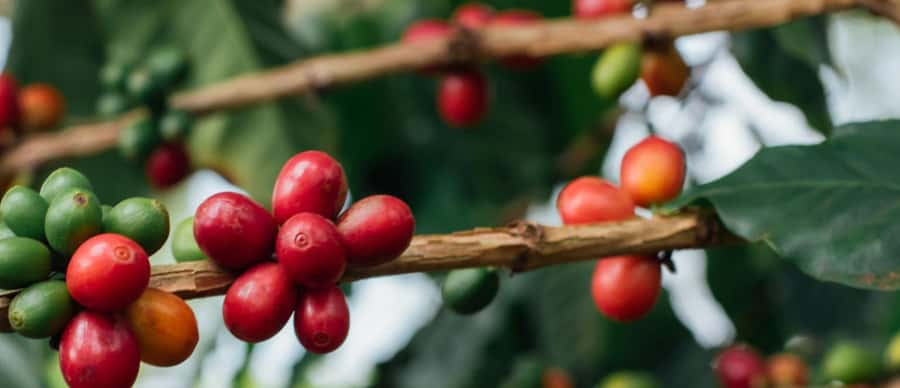
The first part is a short guided walk around a smallholder coffee farm. This matters because arabica coffee does not arrive in your cup as a neat brown bean. It begins as a crop that must be grown, dried, processed, and prepared before roasting. The farm visit gives you the first piece of that chain.
You learn about arabica cultivation and its role as one of Tanzania’s major export commodities. The scale is small and family-run. One particularly appealing detail is the chance to see a real local farm where three generations live together. That gives the visit a more personal feel than a polished commercial plantation tour.
Do not expect a long agricultural lecture. The farm tour is described as short, so its purpose is to set the scene rather than cover every stage of Tanzanian coffee production. If you want an in-depth lesson on soil, altitude, coffee varieties, or export economics, this activity may feel light. If you want a direct introduction before making your own drink, the length works well.
Other waterfall and coffee days from Arusha:
- Materuni Waterfalls, coffee tour & Kikuletwa Hot Springs
★ 5.0 · 643 reviews - Materuni Waterfalls & Chemka Hotsprings Day Trip
★ 5.0 · 214 reviews - Materuni waterfalls coffee tour & Chemka hot springs Day trip
★ 5.0 · 131 reviews
A private garden becomes the coffee workshop
After the farm walk, you continue to a private garden for the main activity. This change of setting is useful. The farm shows you where the coffee begins, while the garden gives you room to focus on each step without rushing from one demonstration to the next.
The guide explains the process and then lets you take part. The work is entirely manual. That means the session is less about polished equipment and more about seeing how much effort goes into a cup when electricity and modern machinery are removed from the process.
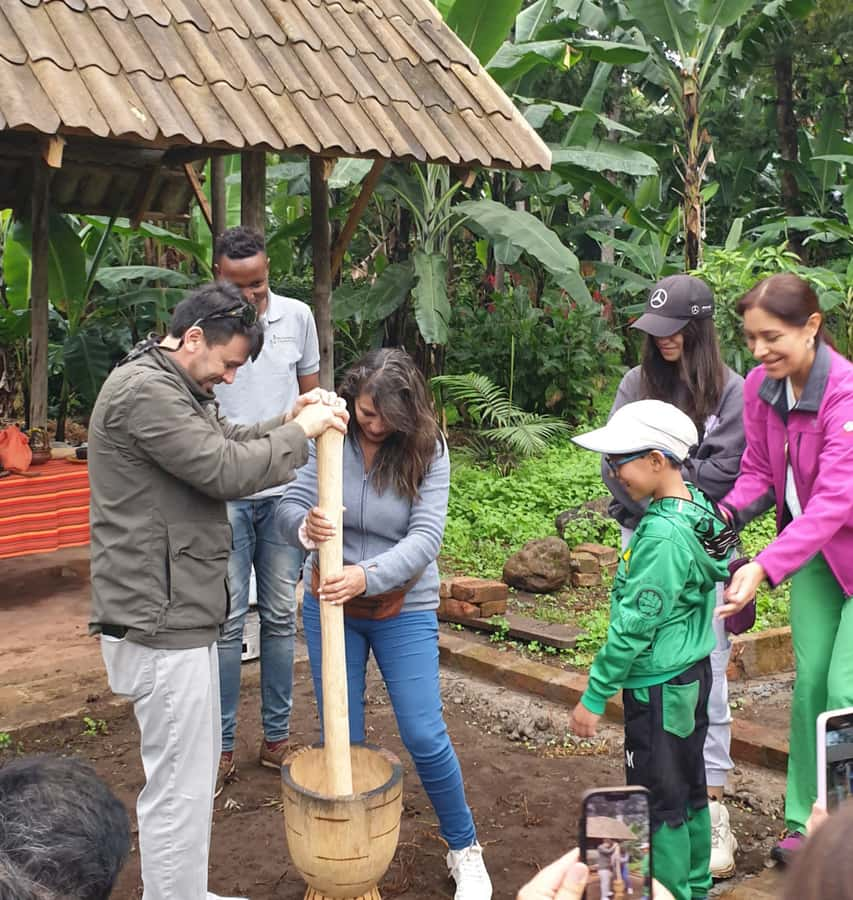
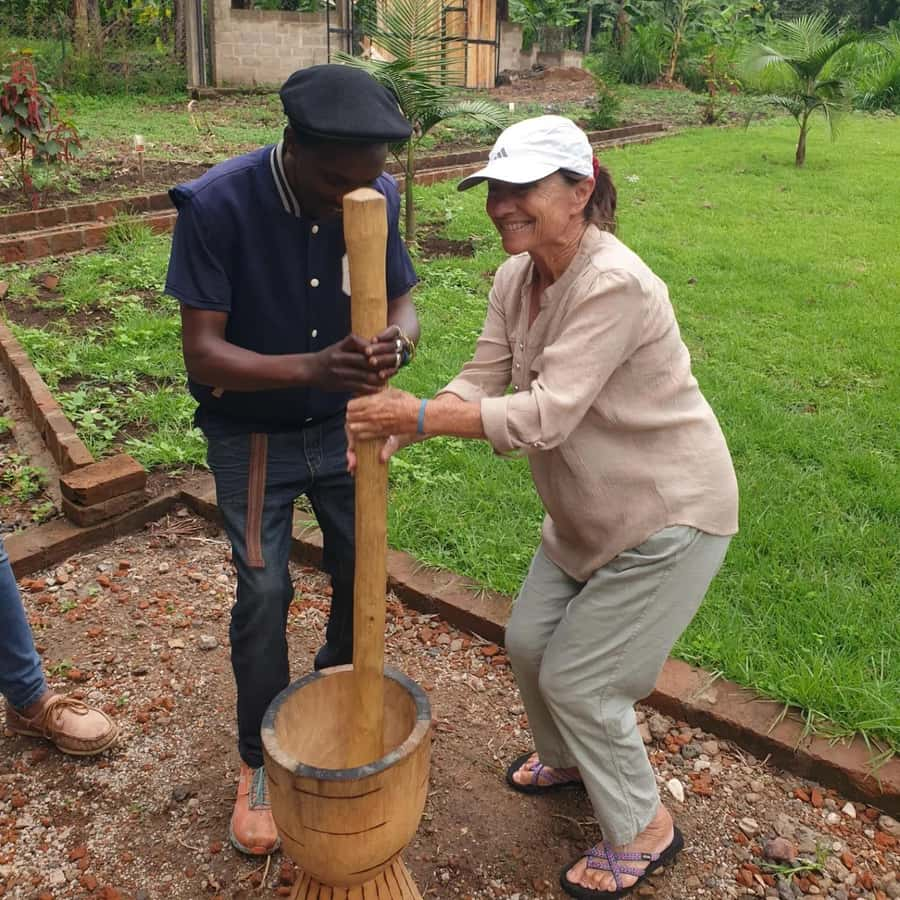
You begin with dried beans and a large wooden mortar and pestle. Your first task is to pound the beans to remove the outer husk. This is simple in theory, but the wooden tools make the step physical and a little messy. You will feel the difference between handling a finished coffee bean and handling coffee at an earlier stage.
This part is valuable because it shows that roasting is not the first step. The beans must be prepared before they can take on the smell and color most of us associate with coffee. The pounding also gives the experience a strong connection to household food preparation rather than factory production.
I would wear comfortable clothes and shoes that can cope with a garden setting. The supplied details do not specify a dress code or equipment beyond the traditional utensils, but you should expect to handle the beans directly and work around a charcoal fire.
Roasting coffee in a clay pot over charcoal
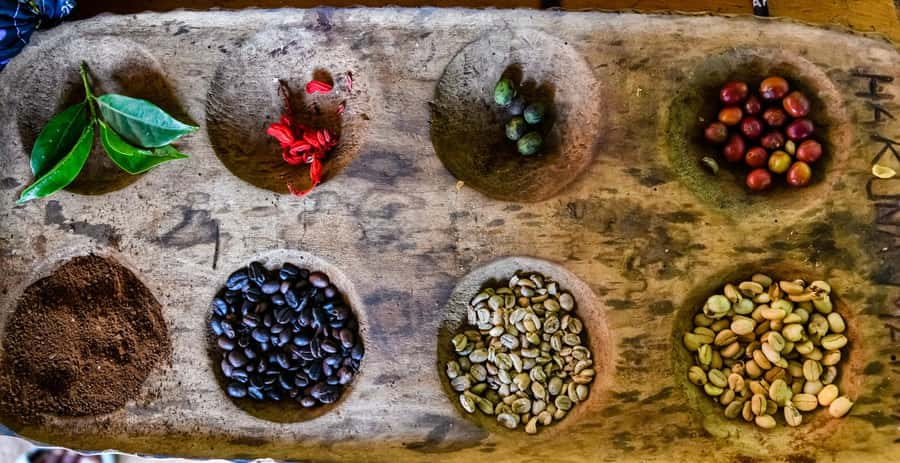
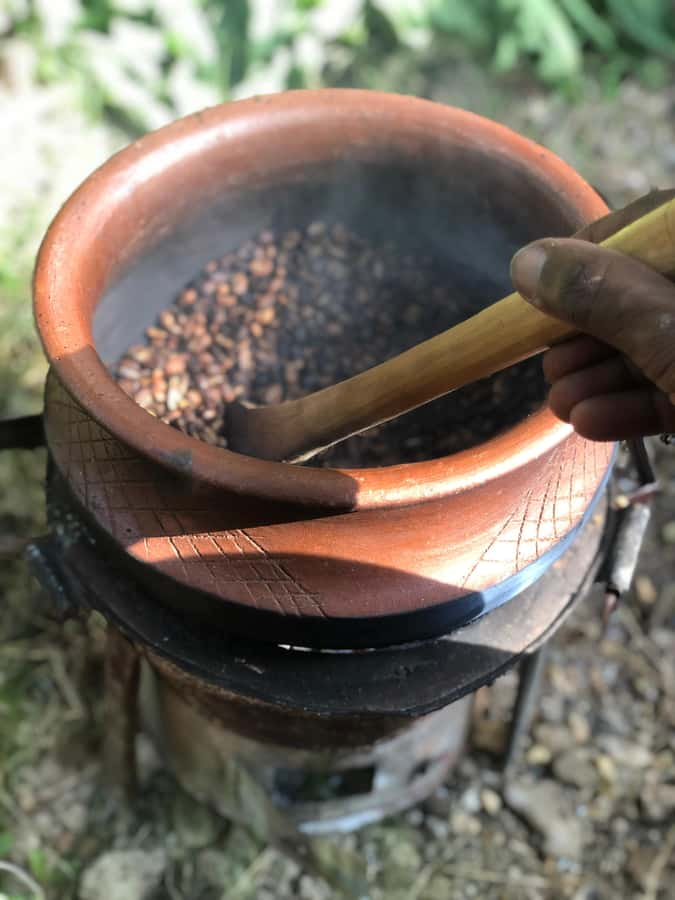
Once the husks are removed, the beans are roasted in a clay pot over a charcoal fire. This is the part that gives the activity its strongest sense of place. Modern coffee shops may talk about roast profiles and precise temperatures. Here, the method is much more direct: beans, clay, fire, and careful attention.
The charcoal contributes a rustic flavor, and the clay pot makes the process feel distinctly traditional. You can watch the beans change as they roast, then prepare them for grinding. The guide controls the flow of the session, but you are involved rather than standing at a distance.
This is also where expectations matter. The final flavor will not be identical to coffee made with commercial roasting machinery. That is part of the point. The coffee reflects the method, the local beans, and the small-scale setting. If you prefer a highly controlled specialty coffee tasting, this may not be the right choice. If you like seeing how flavor develops through a basic cooking method, it is a fine lesson.
The coffee is organic and single-origin. That tells you the drink is presented as coffee from one source rather than a blend of beans from several places. The activity does not provide a list of tasting notes or multiple coffees, so expect one main cup made through the traditional process.
Grinding beans with a mortar and pestle
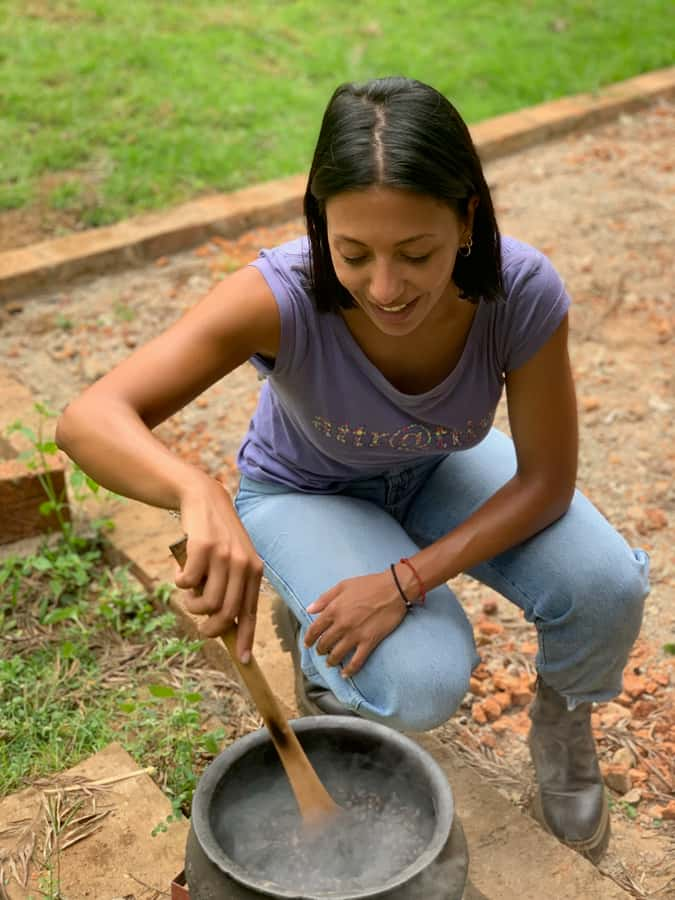
After roasting, the beans go back into the mortar. You pound them into a fine powder, again using handmade tools. This stage takes patience. The coffee must be ground well enough to brew, and the guide shows you how to work toward the right texture.
I like this part because it links the farm visit directly to the cup. You can see, smell, and handle the beans at each stage. The activity is not a quick photo opportunity followed by a ready-made drink. Your final coffee is the result of several small jobs completed in sequence.
The work also changes your sense of time. A machine can grind beans in seconds. A mortar and pestle asks you to slow down. That may be relaxing for some people and tiring for others. The tour suits you best if you enjoy practical activities and do not mind repeating a basic task by hand.
The guides keep the process moving and explain what to do. English is the stated tour language. Johnson and Derik are named as guides connected with the experience, and the available feedback specifically praises their friendly, energetic approach. Guide assignments can vary, so do not assume both will lead every departure.
A few more things to do in Arusha worth a look
- Maasai village visit, Materuni waterfalls & coffee experience
★ 4.5 · 95 reviews - Materuni Waterfalls & Coffee Tour from Moshi
★ 5.0 · 92 reviews - Arusha: Materuni Waterfalls, Coffee, and Hotsprings Tour
★ 4.8 · 78 reviews - Coffee tour and Buffet Lunch with Kingstone Asilia (Arusha)
★ 5.0 · 74 reviews
Brewing and tasting your single-origin cup
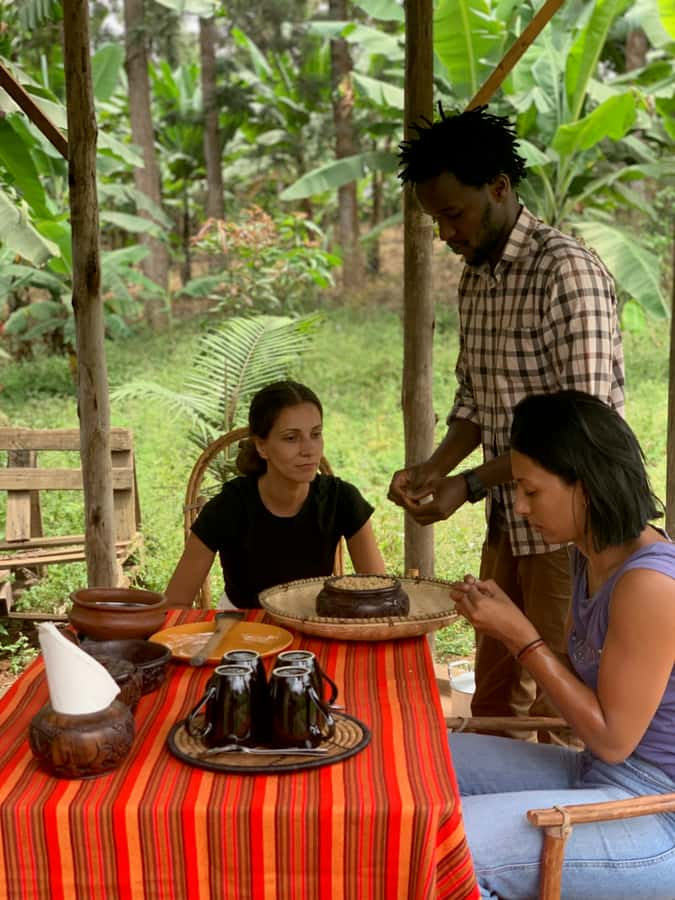
The final stage is brewing. Once the roasted beans have been ground into powder, you prepare the coffee and drink it in the garden. This gives the activity a satisfying finish: the cup is not an extra added to the tour, but the result of everything you have done.
The coffee is described as organic and single-origin. The taste will also carry the character of the roasting method, including the rustic note created by the clay pot and charcoal. If you normally drink coffee with milk or sugar, this is a good chance to notice the plain flavor first. The details do not promise a choice of brewing styles or add-ins, so the emphasis is on the traditional preparation.
A small food touch makes the tasting more enjoyable. Coconut rolls are served with the coffee, and they have been singled out as especially good. They provide a sweet partner to the strong, freshly prepared drink and make the final pause feel more like a local visit than a formal tasting.
The tasting itself is not described as a full meal. Plan on coffee and a snack, not lunch. If you have dietary concerns, the information provided does not list ingredients for the coconut rolls, so ask the guide before eating them.
What the three hours are really worth
The price is $30 per person. For that fee, you get the farm visit, guide service, drinks, and the full bean-to-cup activity. I consider that fair value if you want participation rather than just a farm walk or a cup of coffee.
The value comes from the number of stages packed into three hours. You see the crop, process the dried beans, roast them, grind them, brew them, and taste the result. The private garden setting and traditional tools add something you would not get from a standard café stop.
The price may feel less attractive if you are looking only for a quick tasting. You could spend much less on a drink elsewhere. But that comparison misses the main point. Here, you are paying for time with a guide, access to a smallholder farm, the use of traditional utensils, and the chance to prepare the coffee yourself.
The experience has a strong record of satisfaction, with a rating of 4.8 from 11 reviews. The most consistent praise centers on the organization, the friendly care from the team, the local farm, and the pleasure of making and drinking the coffee. One assessment called it short and sweet, which is a useful description: the activity offers a focused introduction rather than a sprawling coffee program.
Who will enjoy this Arusha coffee tour
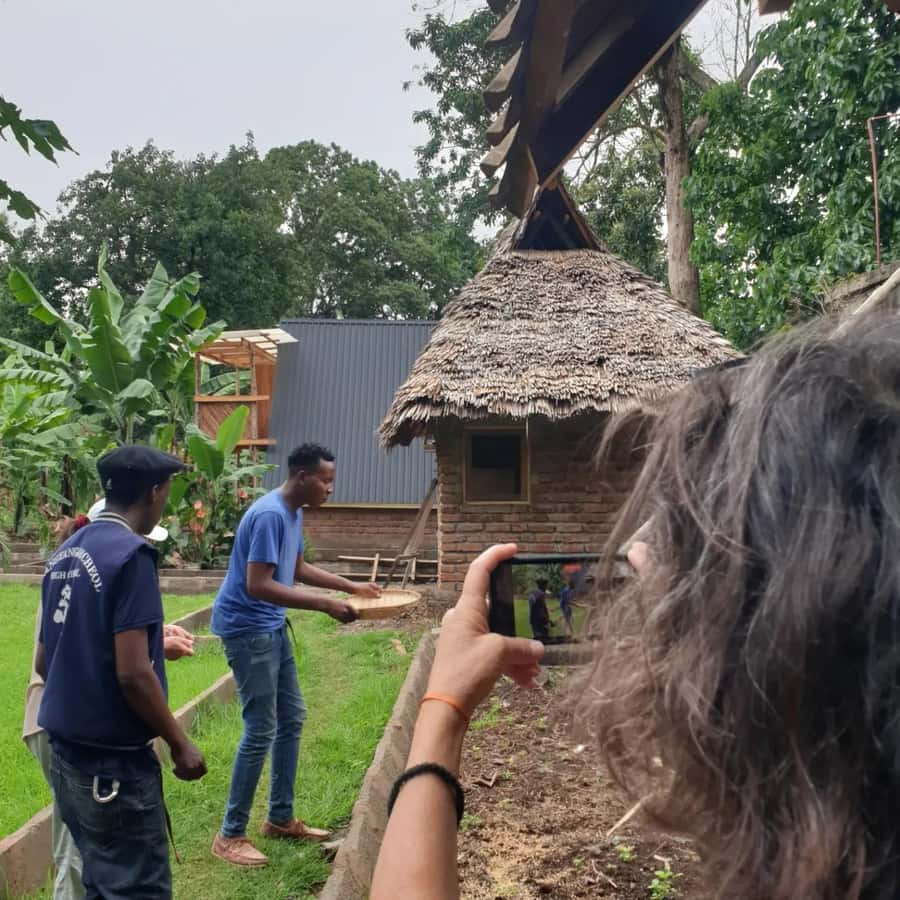
I would recommend this activity to you if you like food experiences that involve your hands. It is also a good choice before or after a safari, when you want a three-hour local activity instead of another long drive or formal sightseeing stop.
Coffee drinkers will get the most from it, especially if you enjoy learning how everyday products are made. You do not need specialist coffee knowledge. The guide takes you through the process from the beginning.
It also suits families and small groups that want a shared task. Pounding, roasting, and grinding create natural points for people to take turns. The supplied information does not state a minimum age, child price, or group size, so confirm those details before booking if they matter to your plans.
This is less suitable if you want a long farm trek, a detailed agricultural course, or a professional barista lesson. It is also not the best match if you dislike smoke, manual work, or the idea of preparing coffee with basic tools. The charcoal fire is central to the experience, not a minor detail.
Practical details that make the visit easier
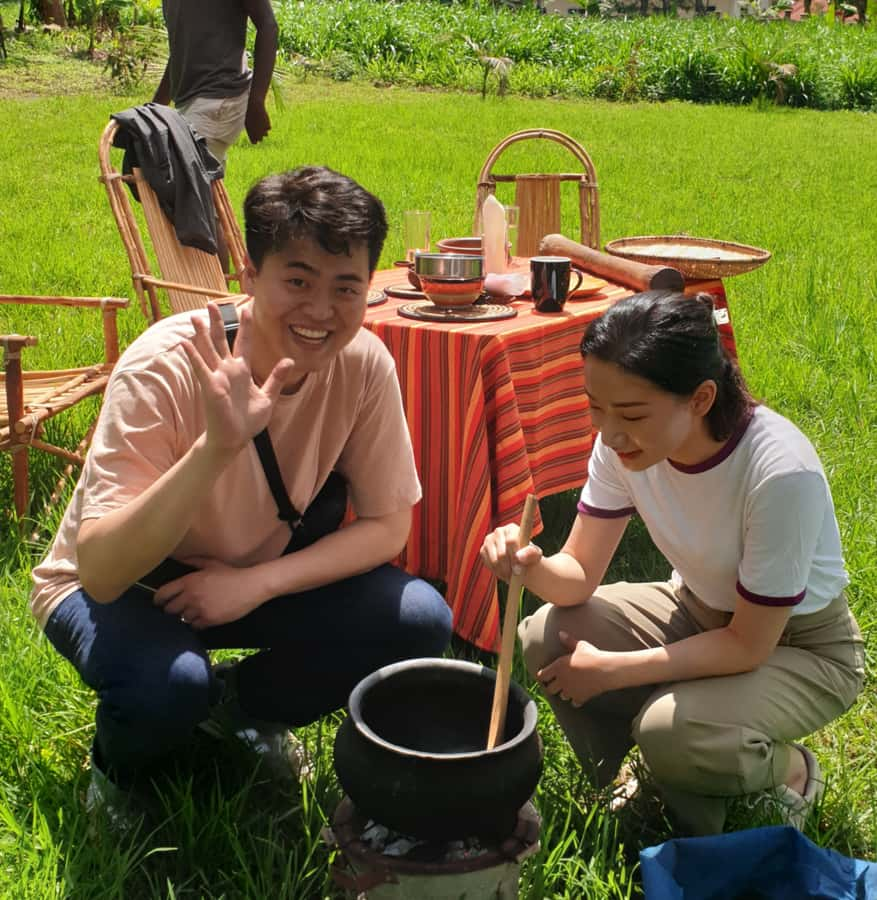
Allow the full three hours. The schedule includes walking at the farm, instruction in the garden, several hands-on preparation stages, and time to drink the finished coffee. Starting times vary, so check availability when selecting a date.
The meeting point is Naturalland Expeditions, with the guide waiting at the main road. Look for the gray or chocolate-colored company shirt. Since the meeting instructions focus on the road, keep your phone available and allow enough time to identify the guide.
English is the stated language, and a live guide leads the activity. Drinks and the guide fee are included. The coffee farm visit is also included, so you do not need to arrange a separate transfer or farm admission based on the information provided.
You can cancel up to 24 hours before the activity for a full refund. The reserve-now, pay-later option lets you hold a place without paying at the time of booking, which is useful when you are still arranging safari days and Arusha transport.
Should you book this traditional coffee experience?
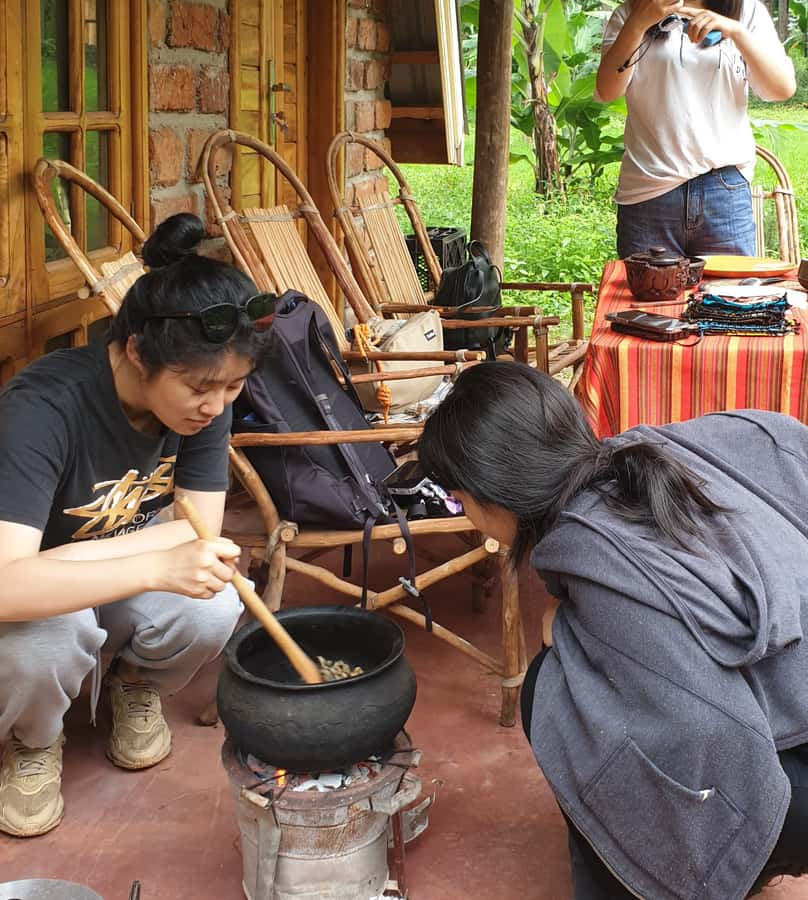
Book it if you want to understand coffee through action. The farm walk gives you the agricultural setting, and the mortar, clay pot, charcoal fire, and garden preparation make the process memorable. At $30, it offers a solid half-day value for a focused local activity.
Skip it if your main goal is a large plantation tour, a long tasting session, or a technical coffee class. This is a small-scale, traditional experience, and its appeal lies in the simple work of turning beans into one fresh cup.
For most coffee drinkers with three free hours in Arusha, I would choose it. Just arrive ready to work with your hands, expect a rustic method rather than café precision, and leave room to enjoy the coffee and coconut rolls at the end.
FAQ
How long does the traditional coffee preparation experience last?
The activity lasts three hours, including the farm visit, guided coffee preparation, and tasting.
How much does the experience cost?
The price is $30 per person.
What kind of coffee will I prepare?
You will prepare organic, single-origin arabica coffee. The beans come from a smallholder coffee farm in the Arusha region.
What steps are included in the coffee preparation?
You will husk the dried beans, roast them in a clay pot over charcoal, pound them into a fine powder, brew the coffee, and drink the finished cup.
Is a coffee farm visit included?
Yes. The experience begins with a short guided visit to a smallholder coffee farm.
What language does the guide speak?
The live tour guide speaks English.
Where does the activity start and finish?
The activity starts at Naturalland Expeditions, continues through the Arusha region, and returns to Naturalland Expeditions.
Can I cancel or pay later?
You can cancel up to 24 hours in advance for a full refund. You can also reserve your place and pay later.
Just added in Arusha
- 4 Days Private Midrange Lodge Safari to Serengeti & Ngorongoro★ 5.0 · 4 reviews
- Extraordinary Hot air Bolloon ride in Serengeti | BURIGI CHATO SAFARIS CO L.T.D★ 5.0 · 6 reviews
- 3 days leopard safaris★ 5.0 · 4 reviews
- 8 Days Serengeti Migration safari★ 5.0 · 11 reviews
- tarangire, ngorongoro & lake manyara park 3 days private tour★ 5.0 · 11 reviews
- Mt. Kilimanjaro: Shira plateau to Cathedral point 3872m Day hike★ 5.0 · 7 reviews
- serengeti, ngorongoro & tarangire 4 days private tour★ 5.0 · 18 reviews
- tarangire & ngorongoro 2 days tour★ 5.0 · 14 reviews
Materuni Waterfalls & Coffee Tours, compared.
Materuni Waterfalls, coffee tour & Kikuletwa Hot Springs
Read our review →
Materuni Waterfalls & Chemka Hotsprings Day Trip
Read our review →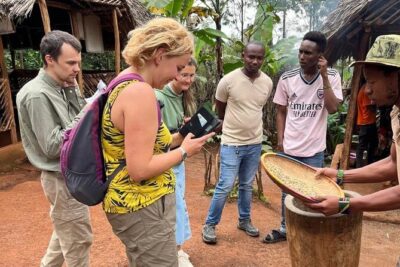
Materuni waterfalls coffee tour & Chemka hot springs Day trip
Read our review →
Materuni Waterfall, Coffee Tour and Picnic Hot Lunch
Read our review →
Maasai village visit, Materuni waterfalls & coffee experience
Read our review →
Arusha or Moshi : Hot Spring, Waterfall & Coffee Farm Tour
Read our review →
Materuni Waterfalls, Coffee, and Hotsprings Tour
Read our review →Browse the lists this tour appears in