Reviewed · SAFARI TOURS
From Arusha: 9 Days Private Guided Classic Game Drive in Tanzania
The biggest attraction here is the route: you move from elephant country in Tarangire to flamingos at Lake Natron, then spend three full days seeking the Great Migration in the Serengeti. The trip finishes with a crater drive in Ngorongoro, one of Tanzania’s best places to look for the Big Five.
I like the private format, since your driver-guide can shape the day around your interests. I also like the range of scenery and wildlife, from baboons in Lake Manyara’s forest to vast herds in the Serengeti. The tradeoff is a busy nine days with several long road transfers, and migration sightings can never be guaranteed.
Key points at a glance
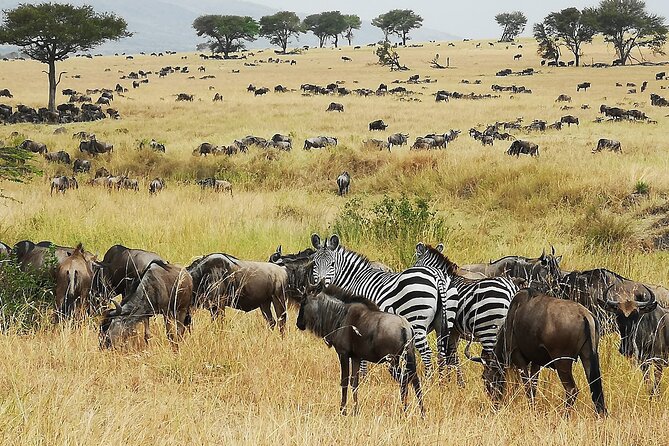
- Three Serengeti days: You have time to search for migrating wildebeest rather than making a rushed one-day visit.
- Lake Natron adds something different: A Maasai guide leads a flamingo walk to an important breeding site for lesser flamingos.
- Private guiding: Only your group takes part, with a driver-guide throughout the safari.
- Full-board pricing: Park fees, transport, accommodation, breakfast, lunch and dinner are included.
- Strong guide feedback: John, Joe, Hamisi, Alphonse and Ladan are among the guides praised for care, local knowledge and good humor.
- The route is demanding: Expect early starts, long drives and six-hour game-drive blocks on many days.
A northern Tanzania safari with real variety
This is not a simple circuit of the most famous parks. It takes you through several distinct parts of northern Tanzania, including a flamingo-breeding lake and the Game Controlled Area around Loliondo before reaching the Serengeti.
That variety is the main reason to consider it. You see more than a standard Tarangire, Serengeti and Ngorongoro loop. You also get three days in the Serengeti, giving your guide more time to respond to wildlife movement and search for the migration.
The price is $4,114 per person, which is a serious sum. It covers park fees, transport, a private vehicle and driver-guide, full-board accommodation, and eight breakfasts, eight lunches and eight dinners. That bundled price can offer fair value for a private nine-day safari, especially because park fees and long-distance transport add up quickly in Tanzania.
Still, this is not a luxury lodge-only holiday. The accommodation is described as unique and located near the parks, but the exact properties are not named. If you need a particular standard, room style or hotel brand, ask before booking.
Other park itineraries that start in Arusha:
- Serengeti Balloon Safari and authentic bush breakfast
★ 5.0 · 2,480 reviews - Balloon Safari & Bush Breakfast in Serengeti – Miracle Experience
★ 5.0 · 1,646 reviews - 4 Days Group Camping Safari
★ 5.0 · 1,101 reviews
Day 1: Arusha to Tarangire and the elephant herds
The safari begins with pickup in Arusha, at your accommodation or the airport, around 8:00 a.m. The drive to Tarangire takes roughly two to three hours, followed by a full day of game viewing.
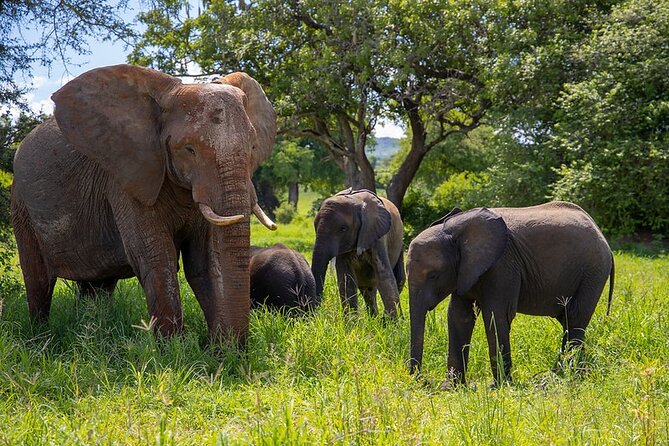
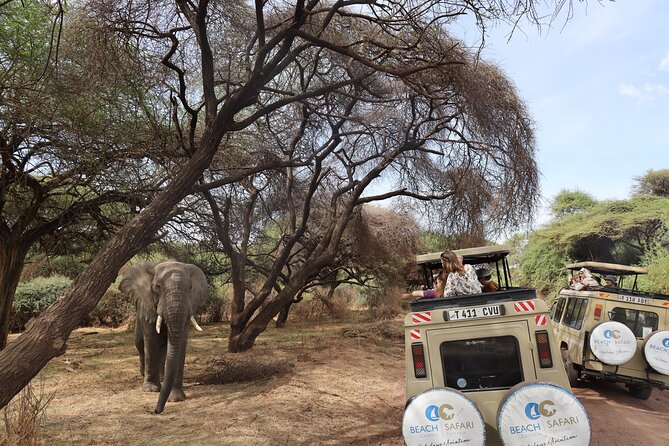
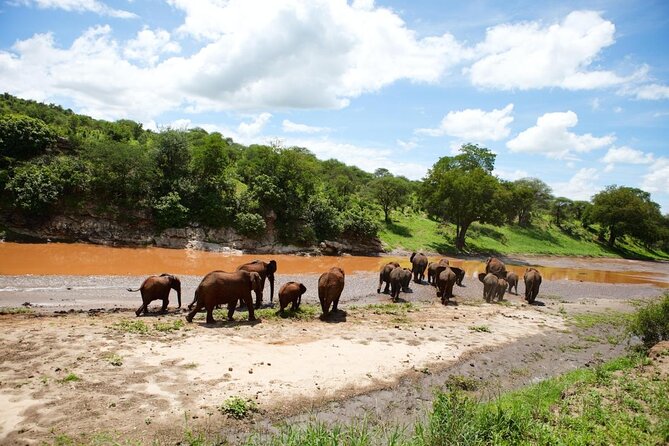
Tarangire is an excellent first park because wildlife is often easy to see across its open country. It is especially known for elephants, and the park’s large herds are the star attraction. You may also look for wildebeest, zebra, buffalo, giraffe, gazelle, impala, warthog, lion, leopard and python.
Birdlife is another reason to enjoy Tarangire. More than 50 bird species are noted in the tour details, so ask your guide to point out smaller and less obvious birds rather than focusing only on large mammals.
The first day combines a road transfer with about six hours of game viewing. That is a full opening day, so you may feel the pace by evening. On the other hand, starting with Tarangire gives you an immediate sense of Tanzania’s wildlife and avoids spending the first day only on the road.
Day 2: Lake Manyara’s forest, lake and tree-climbing lions
Lake Manyara National Park packs several habitats into a relatively small area. The road enters a groundwater forest where baboons often sit beside the route or in the trees. Farther on, grassy areas near the alkaline lake attract wildebeest, giraffe, zebra and buffalo.
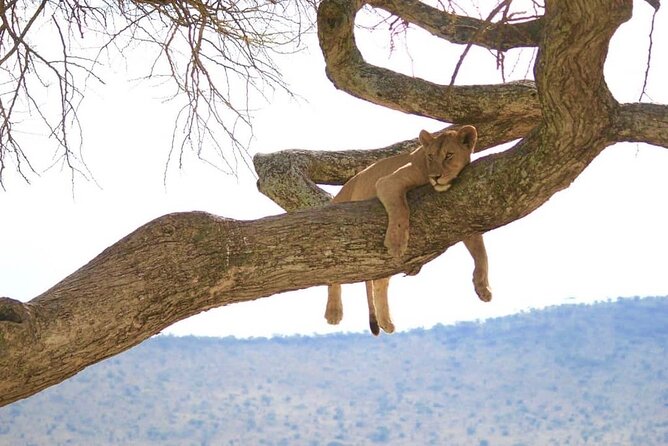
The park is also famous for tree-climbing lions. Seeing them depends on timing and luck, but the chance adds a different kind of excitement to the drive. Rather than searching only on the ground, you need to scan branches and shady trees.
Lake Manyara is particularly good for birdwatchers. More than 400 bird species have been recorded, and flamingos may gather around the water. The exact number and location of birds change with conditions, so keep expectations flexible.
This is another six-hour game-drive day. The park’s smaller scale makes it a sensible contrast to the much wider Serengeti later in the trip. The drawback is that the day may feel short if you want both extensive wildlife viewing and a long birdwatching session.
Day 3: The volcanic setting of Lake Natron
The drive to Lake Natron takes about three hours. The setting changes sharply, with volcanic ground and a stark, moon-like appearance. This is one of the more unusual stops on the route because it is not simply another big-game drive.
A Maasai guide leads the flamingo walk toward the lake. Lake Natron is described as a breeding site for millions of lesser flamingos, making the walk important for birdlife as well as scenery.
You should see this day as a slower, more focused nature experience. The walk gives you a chance to leave the safari vehicle and experience the area on foot. A moderate level of fitness is required for the overall tour, and this is the clearest part of the itinerary where walking matters.
Conditions around a soda lake can be demanding, and the itinerary does not promise a specific number of flamingos on the day. The attraction is the setting and the possibility of seeing a major breeding area, not a guaranteed close-up wildlife encounter.
Other safaris people book out of Arusha:
- 5 Days Group Camping Safari
★ 5.0 · 730 reviews - 3 Days Serengeti & Ngorongoro Group Camping Safari
★ 5.0 · 574 reviews - 7-Day Premium Luxury Tanzania Safari All-Inclusive
★ 5.0 · 426 reviews - 3-Day Classic Serengeti Safari
★ 5.0 · 263 reviews
Day 4: Crossing the Loliondo area to Ololosokwan
Day four takes you through the Game Controlled Area of Loliondo, with Ololosokwan as the main stop. This transfer is presented as a game drive, so the road itself becomes part of the wildlife search.
The important point here is that wildlife is not limited to national park borders. Animals move through wider areas, and this part of the route can feel less like a formal park circuit. The itinerary describes the game viewing as particularly strong, but exact sightings will depend on timing, conditions and the skill of your guide.
This is also a useful transition day. Instead of retracing your route, you continue toward the Serengeti through a different part of northern Tanzania. The downside is that the day is less structured than a full park drive. If your main goal is maximum time among the best-known animals, you may prefer more hours inside the Serengeti itself.
Days 5 to 7: Three full days in the Serengeti
The Serengeti is the heart of this safari. You get three days of full-day game drives, with the aim of finding at least part of the Great Migration.
That wording matters. The migration moves according to rainfall, grazing conditions and the time of year. You may see huge groups of wildebeest and zebra, but no operator can promise a particular crossing or herd location. The itinerary is flexible because the best area changes during the year.
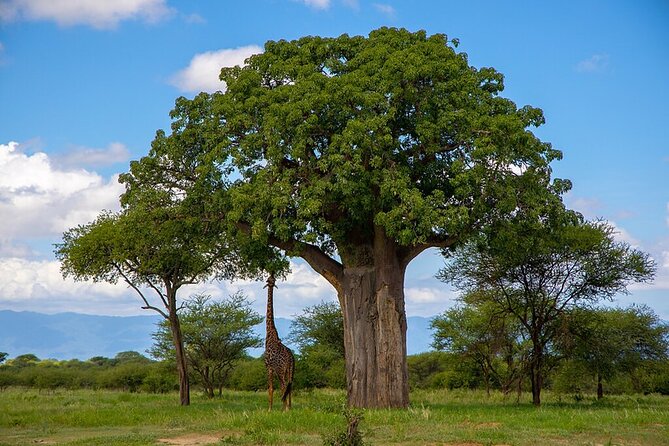
Three days give you a real advantage. Your guide can spend more time searching, and you are less dependent on one lucky drive. The Serengeti also offers much more than migrating herds. You may look for lions, leopards, cheetahs, elephants, buffalo, giraffe and other plains wildlife.
The private setup is valuable here. Guides reported on past departures include John, Joe, Hamisi, Alphonse and Ladan. Their roles are not interchangeable in practice, so the guide you receive will shape the experience. The strongest feedback centers on guides who explain animal behavior, answer questions, adapt to family interests and keep the mood pleasant during long hours in the vehicle.
Expect full days on rough park roads. You may spend six hours or more looking, waiting and driving between sightings. That can be tiring, but it is also how a safari works. Wildlife does not arrive on a timetable.
Day 8: The Ngorongoro Crater and the Big Five
The Ngorongoro Crater offers one of the most dramatic settings in Tanzania. It is the world’s largest intact volcanic caldera, with steep natural walls surrounding a wildlife-filled floor.
The crater is often considered one of the better places to seek the Big Five: lion, leopard, elephant, buffalo and rhinoceros. Seeing all five is possible, and some past departures did so, but it remains a matter of chance. Your guide can help you search, but no sighting is guaranteed.
The crater also gives you a different kind of safari view. Instead of vast open plains, you look down from the rim and then travel into a contained natural area. The cool air at the rim and cloud around the high edges can make the first view especially striking.
A full day here follows three Serengeti days, so the schedule remains active to the end. If you are tired by this point, the crater drive may feel demanding. If you still want wildlife, the concentration of animals can make it one of the most rewarding days of the trip.
Day 9: Returning from Karatu to Arusha
After breakfast, your driver-guide takes you back toward Arusha. The drive is roughly three hours, followed by drop-off in central Arusha, at your accommodation or at the airport.
The 30-minute Arusha drop-off window in the schedule is an estimate rather than a guarantee. If you have a flight, leave plenty of room for road conditions and delays. The tour does not state a fixed airport transfer time beyond the planned return.
Ending in Arusha makes this safari easy to connect with another Tanzanian stay, but the final day is mainly a transfer. There is no major game drive planned, so treat day nine as a travel day rather than an additional sightseeing day.
What the private format really adds
Only your group participates, which gives you more control than a shared vehicle. You can ask for extra time at a sighting, discuss which animals matter most and keep the pace suited to your group.
This flexibility seems to have been especially useful for families. Hamisi is praised for working well with teenagers, while other guide feedback highlights friendly conversation, safety and a strong grasp of animals, plants and Maasai life.
The private format does not remove the physical demands. You still face long drives, dusty roads and extended time in the vehicle. Its value comes from control and personal attention, not from turning a safari into a relaxed resort holiday.
Meals, accommodation and extra charges
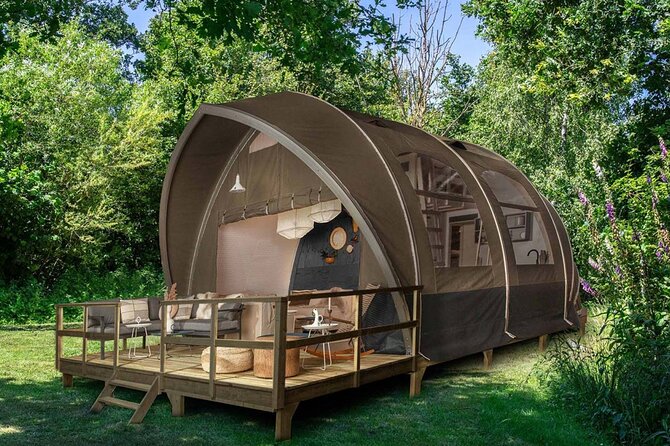
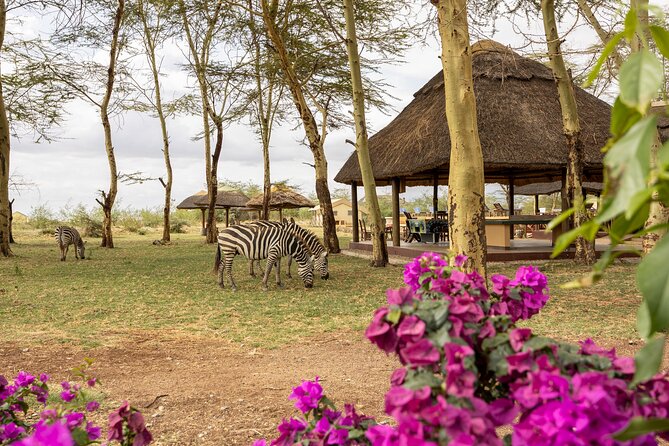
Accommodation is included on a full-board basis. That means breakfast, lunch and dinner are provided, along with overnight stays in distinctive properties near the parks.
The available information does not identify each lodge or camp, so you should request the full accommodation list before paying. Past descriptions point to comfortable beds, showers, friendly staff and food that was generally good, but standards may differ from one stop to the next.
Two small charges are not included: a tourism development levy of $1.50 per person per night and a village tax of $1 per person per night, payable at check-in. Drinks, personal expenses and tips are also extra.
Is $4,114 a fair price?
For nine days with private transport, a driver-guide, park fees, multiple national parks and full-board lodging, $4,114 can be reasonable. The itinerary covers a large area and includes the costly Serengeti and Ngorongoro sections, not just nearby parks around Arusha.
The value is strongest if you want a private safari and prefer one package that includes most major costs. You are also paying for route planning, vehicle logistics and three Serengeti days, which are more useful for migration viewing than a quick visit.
The value is weaker if you want high-end accommodation, short transfer times or a slow schedule. Ask about vehicle capacity, exact lodges, room arrangements and the guide assignment before booking. Those details can change how the price feels.
Who should book this safari?
I would choose this trip if you want a broad first look at northern Tanzania and do not mind active days. It suits couples, families with older children and small private groups who want wildlife, birds, scenery and several different habitats.
It is also a good match for someone who wants the Great Migration but understands that nature sets the timetable. Three Serengeti days improve your chances, but they do not turn a seasonal event into a promise.
I would hesitate if you dislike long road transfers, need guaranteed luxury hotels or want a slow holiday with plenty of free time. Lake Natron also adds walking and a more rugged stop, so it is not simply extra time in a safari vehicle.
Free cancellation is available up to 24 hours before the start time. Changes or cancellations inside that window are not accepted for a refund.
Should you book it?
Book this safari if your priority is range and wildlife time, especially the combination of Tarangire elephants, Lake Natron flamingos, three Serengeti days and Ngorongoro’s crater floor.
Before committing, confirm the accommodation list, vehicle details and likely route for your travel dates. If those answers suit you, this is a strong private itinerary with plenty to see and enough Serengeti time to give the migration a fair search.
FAQ
Where does the safari start?
The safari starts in Arusha, with pickup from your accommodation or the airport.
What time is pickup?
The scheduled start time is 8:00 a.m.
How long does the safari last?
The experience lasts approximately nine days.
Is this a private tour?
Yes. Only your group takes part in the private tour or activity.
What parks and areas are included?
The route includes Tarangire National Park, Lake Manyara National Park, Lake Natron, the Loliondo Game Controlled Area around Ololosokwan, Serengeti National Park and the Ngorongoro Crater.
Are park fees included?
Yes. Park fees are included in the tour price.
Are meals included?
Yes. The package includes full-board accommodation, with eight breakfasts, eight lunches and eight dinners.
Are drinks included?
No. Drinks and personal expenses are not included.
Is the Great Migration guaranteed?
No. The route changes because the migration location depends on the time of year. The safari aims to give you an impression of the migration during the three Serengeti game-drive days.
What extra taxes must be paid?
A tourism development levy of $1.50 per person per night and a village tax of $1 per person per night are payable at check-in.
Is a guide included?
Yes. Transport and a driver-guide are included throughout the safari. Past departures have been led by guides including John, Joe, Hamisi, Alphonse and Ladan.
Can I cancel for a refund?
You can cancel at least 24 hours before the start time for a full refund. Cancellations or changes made less than 24 hours before the start are not accepted for a refund.
Just added in Arusha
- 4 Days Private Midrange Lodge Safari to Serengeti & Ngorongoro★ 5.0 · 4 reviews
- Extraordinary Hot air Bolloon ride in Serengeti | BURIGI CHATO SAFARIS CO L.T.D★ 5.0 · 6 reviews
- 3 days leopard safaris★ 5.0 · 4 reviews
- 8 Days Serengeti Migration safari★ 5.0 · 11 reviews
- tarangire, ngorongoro & lake manyara park 3 days private tour★ 5.0 · 11 reviews
- Mt. Kilimanjaro: Shira plateau to Cathedral point 3872m Day hike★ 5.0 · 7 reviews
- serengeti, ngorongoro & tarangire 4 days private tour★ 5.0 · 18 reviews
- tarangire & ngorongoro 2 days tour★ 5.0 · 14 reviews
Safari Tours, compared.
Serengeti Balloon Safari and authentic bush breakfast
Read our review →
Mikumi Safari Day Trip with Flights and Meal
Read our review →
3 Days Serengeti & Ngorongoro Group Camping Safari
Read our review →
7-Day Premium Luxury Tanzania Safari All-Inclusive
Read our review →
Safari Blue Lagoon Trip with Snorkeling and Lunch
Read our review →