

Reviewed · MAASAI VILLAGE TOURS
Coffee walk with stay in the village
The most interesting part of this three-day experience is that you sleep at the source. This is not a quick plantation stop between bigger attractions. You stay two nights in the same village where coffee is grown, then walk through the farming process with a local guide such as Samwel, who grew up in the area. I like the direct link between the farm and your cup, and I like that the coffee operation pays farmers three times the usual price. The main consideration is the walking: this is a village and farm outing, not a sit-down tasting with a few easy photo stops.
I also like the home-cooked meals and the chance to see ordinary village life, including the hospital, primary and secondary schools, orphanage, and old church. The private format suits you if you want time for questions and conversation. At $270 per person, the value depends on using the full stay, since the price covers transport, two nights, meals, guiding, and the coffee program rather than one short tour.
Key points to know before booking
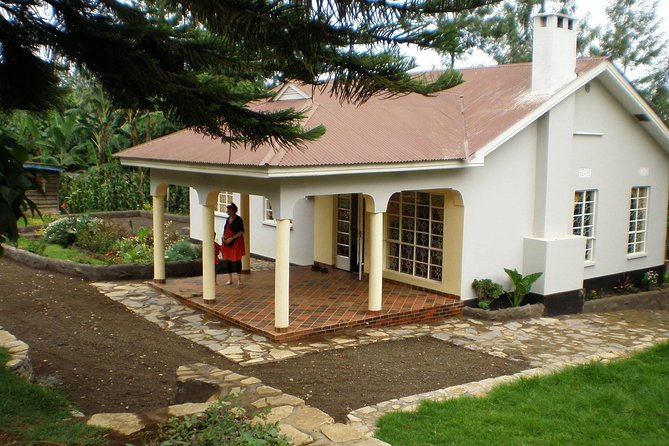
- Sleep on a working coffee farm: Two nights at the guesthouse put you close to the coffee-growing community.
- Meet guide Samwel: He can explain local plants, customs, village life, and coffee production from personal experience.
- Follow coffee from seed to cup: You see organic farming, traditional methods, roasting, and the final drink.
- Walk through the village: The route passes a hospital, schools, an orphanage, and an old church before reaching the farm.
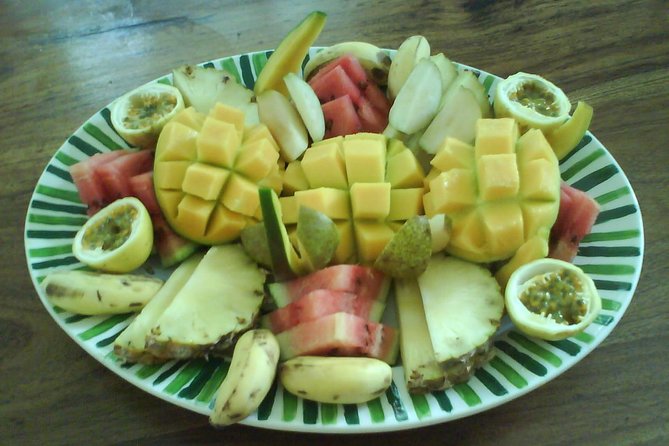
- Eat local food: Breakfast and dinner come from the guesthouse kitchen, while lunch includes chapati, roasted banana, rice, ugali, goat sauce, spinach, salad, and fruit.
- Plan around the schedule: Pickup from Arusha is at 5:00 p.m. on day one, with the main walk beginning around 9:30 a.m. on day two.
Why this coffee stay feels different
Coffee tours often explain the plant, show a few beans, and finish with a cup. This one gives you time to understand the people and place behind the product. The farm is organic and Fairtrade, and the operation pays farmers three times the normal price. That detail matters because coffee prices can leave small farmers with too little money for household needs, including school costs for their children.
You do not have to treat those claims as decoration. They give the tour a clear purpose: show you how coffee is produced while directing more money toward the people who grow it. You also see why avoiding chemical sprays matters for farm workers and for the coffee itself.
The stay adds another useful layer. Instead of returning to Arusha after a morning activity, you remain in the village for two nights. You can take a short walk on arrival, eat at the guesthouse, and start the next day at a relaxed pace. I would choose this for a slower introduction to the Arusha area, especially if your wider Tanzania trip includes a safari or mountain trek and you want a quieter rural stop in between.
Other waterfall and coffee days from Arusha:
- Materuni Waterfalls, coffee tour & Kikuletwa Hot Springs
★ 5.0 · 643 reviews - Materuni Waterfalls & Chemka Hotsprings Day Trip
★ 5.0 · 214 reviews - Materuni waterfalls coffee tour & Chemka hot springs Day trip
★ 5.0 · 131 reviews
Day one: Leaving Arusha at 5:00 p.m.
Pickup takes place in Arusha town at 5:00 p.m., and you should provide the exact place where you want to be collected. Airport pickup is also possible. The drive to the village takes about 30 to 40 minutes, so this is an easy transfer rather than a long road journey.
Once you arrive, you check into your room at the guesthouse. The timing leaves space for a short village walk before dinner, which is useful after a day in town or after arriving in Tanzania. Do not expect a packed evening program. The appeal is the change of pace: you move from Arusha traffic and hotels to a small community where the coffee farm is part of daily life.
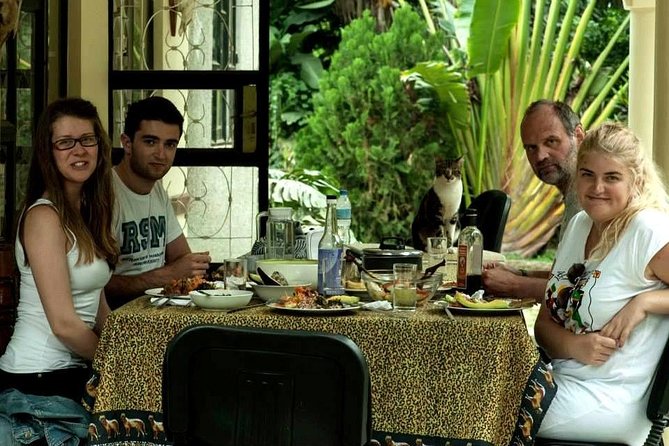
Dinner is prepared by the guesthouse chef. Breakfast and dinner are included as part of the stay, and the cooking is one of the strongest reasons to book the overnight option instead of only arranging a coffee walk. The food is home-made and tied to the village rather than designed as a generic tourist menu.
The first evening is also when you should settle in and prepare for the next day’s walk. The published schedule describes day two as a six-hour activity, with a walk to the farm and a 30 to 40-minute walk down to the roaster. Comfortable walking shoes make sense, even though the exact trail conditions are not specified.
Day two: A village walk before the coffee trees
Breakfast comes first, followed by the main activity at about 9:30 a.m. Your coffee guide meets you at the guesthouse, then you walk toward the village center. This opening section is important because it places coffee inside the community that supports it.
The route passes a hospital, a primary school, a secondary school, an orphanage, and the oldest church in the mountain. These are not separate sightseeing stops with formal presentations. They are part of the walk, giving you a look at the institutions and daily concerns of the village.
Guide Samwel is a useful name to know. He grew up in the area and can talk about local plants, culture, and traditions as well as coffee. The strongest part of a small private tour is often the conversation, and this experience gives you time to ask how farming fits into family and village life.
From the center, you continue on foot to the organic coffee farm. You learn how coffee is grown and how organic production differs from traditional production. The distinction is practical. You are looking at what is used on the plants, how farmers work, and how those choices affect both the person tending the trees and the person drinking the finished coffee.
The coffee story runs from seed to cup. Depending on the exact day’s presentation, you should expect the guide to connect the trees with the later stages of processing and roasting. The supplied schedule specifically includes the organic farm and a later visit to the roaster, so the experience is designed to show the full chain rather than stop at the plantation.
The walk to the roaster and a long Tanzanian lunch
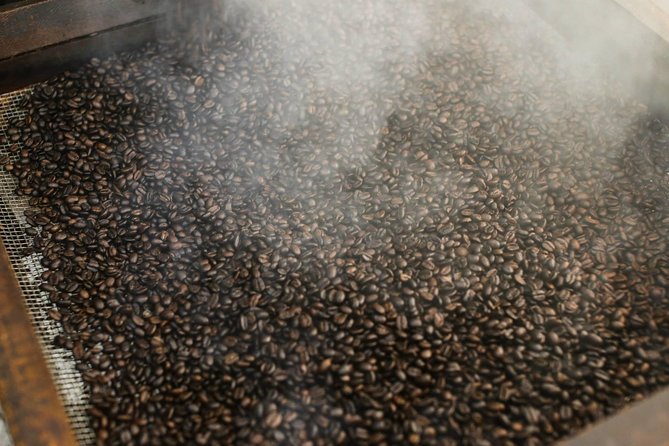
After the farm visit, the walk down to the roaster takes about 30 to 40 minutes. That time on foot is part of the experience, but it is also the main physical consideration. You are not simply transferred between sites in a vehicle. You need to be comfortable walking through a village and farm setting for several hours.
At the roaster, the coffee moves closer to the form you recognize at home. This is the point where the farm’s work becomes a prepared product. The coffee lesson makes more sense here because you have already seen the trees and heard about the farming choices.
Lunch is served in the garden and includes several Tanzanian staples: chapati, roasted banana, rice, ugali, goat sauce, spinach, salad, and fruit. This is a substantial meal, not a quick snack. If you want to understand local food, this is as useful as the coffee demonstration. Ugali and chapati offer familiar examples of regional cooking, while goat sauce and roasted banana add a stronger local character.
The day lasts about six hours, so the lunch break also provides a natural pause. Since the experience is private, your group can usually spend more time on questions than it could in a large scheduled group, though the exact pace will depend on your guide and the conditions that day.
Other village visits from Arusha:
- 5 Days Camping Tarangire, Serengeti & Ngorongoro crater & Visiting Maasai
★ 5.0 · 229 reviews - Maasai village visit, Materuni waterfalls & coffee experience
★ 4.5 · 95 reviews - Materuni Waterfalls, Visiting Chagga Village, CoffeeTour Kikuletwa Hotsprings
★ 5.0 · 63 reviews - Hidden Arusha Waterfall, Coffee & Village Tour (All-Inclusive)
★ 5.0 · 42 reviews
Two nights at the guesthouse

The overnight stay is the part I would protect when planning this experience. You can book a brief coffee activity in many places, but two nights in the producing village let you see the setting without rushing back to Arusha.
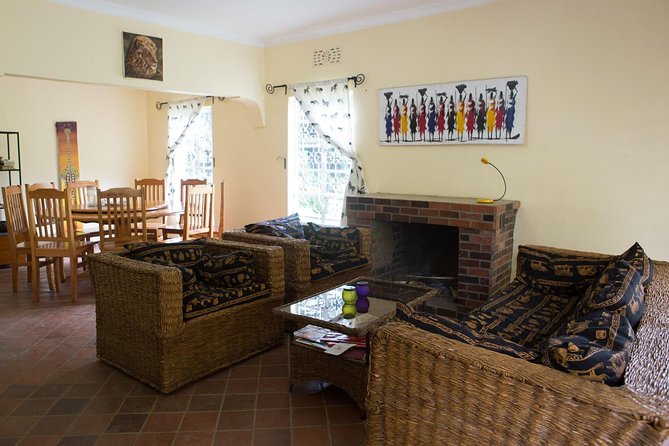
The guesthouse is in the same village as the coffee production, and the description places it on a coffee farm. You have breakfast and dinner prepared by the chef, with the garden and village close at hand. The information provided does not give room categories, private bathroom details, or other accommodation specifications, so you should ask about those points before paying if they matter to you.
The stay is a good match for you if you enjoy simple accommodation, local meals, and a slower rhythm. It may be less suitable if you want a full-service hotel or a tightly scheduled sightseeing package. This is a working village stay, and the focus is on contact with the community and the coffee process.
The extra night also makes the $270 price easier to understand. You are paying for more than a guided walk. The package includes pickup from Arusha, transport back to town, two nights, breakfast, dinner, the day-two lunch, a specialist guide, and the farm and roaster visits. The price is not cheap for a short Tanzania add-on, but it can be fair value if you would otherwise pay separately for lodging, meals, and transport.
How the Fairtrade model affects the experience
The social side is not a separate lecture added to the coffee tour. It is tied to how the farm operates. The producers receive three times the normal payment for their coffee, and the farm avoids chemical sprays.
For you, that means the tour offers a way to connect a consumer choice with a real production system. You see that coffee is not simply a crop waiting to be harvested. It depends on farmers, processing, roasting, transport, and prices that determine how much money reaches the people doing the hardest work.
This also gives the guide useful material to explain. You can ask about traditional and organic production, the cost of farming, and why the farm chooses its current method. The activity will be most rewarding if you arrive with questions rather than treating it as a quick tasting.
The Fairtrade focus should not lead you to expect a formal certification seminar. The provided details focus on the payment to farmers and organic methods. If certification standards or the exact supply chain are important to you, ask for more information when booking.
Who should book the coffee walk
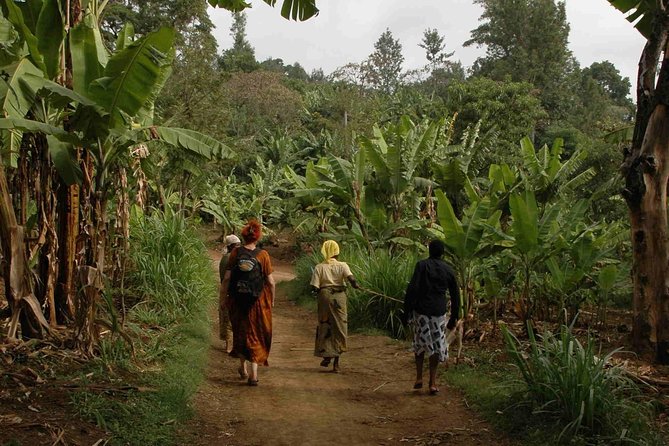
I would recommend this experience to you if you want a small-scale cultural activity before or after a safari. It suits people who like food, farming, and conversations with local guides more than people who want a long list of major sights.
It is also a good fit for coffee drinkers who have always wondered how beans reach the cup. You see the trees, learn about the difference between organic and traditional production, visit the roaster, and stay close to the farm for two nights.
Couples may especially appreciate the slower setting. One couple used the stay as part of an anniversary trip, and the format gives you space for shared time without a crowded schedule. It can also suit families or friends, since only your group participates and group discounts are available.
I would think twice if you dislike walking, rural accommodation, or a flexible village-based schedule. The activity includes a six-hour day and a 30 to 40-minute walk from the farm down to the roaster. The listing says most people can participate, but it does not provide detailed accessibility information, so ask about walking surfaces and room arrangements if you have mobility concerns.
Practical details that affect your plans
The tour lasts approximately three days. Day one begins with the 5:00 p.m. pickup in Arusha, day two begins around 9:30 a.m. after breakfast, and day three starts with a slow breakfast before the drive back to Arusha.
The return journey on day three is listed as about three hours, although the general transfer from Arusha to the village is only 30 to 40 minutes. Since the exact route and schedule are not explained, confirm the return timing if you have a flight, safari departure, or other fixed connection.
This is a private activity, so only your group participates. That is a useful feature for a coffee tour because it gives you more room to ask questions and set the pace. Group discounts may also make the price more attractive for friends or family traveling together.
Mobile tickets are offered, and confirmation is provided at booking. Pickup is available, but you need to tell the operator where to collect you. Public transportation is nearby, though the package itself is designed around private pickup and return.
Free cancellation is available if you cancel at least 24 hours before the experience begins. Changes or cancellations inside that 24-hour window are not accepted for a refund, and the cut-off follows local time.
Should you book it?
Book this coffee walk if you want the farm, the village, and the people behind the coffee, not just a tasting room. The best reasons are the two-night stay, the organic and Fairtrade focus, the locally led walk with Samwel, and the generous home-cooked meals.
The main trade-off is comfort and pace. You will walk, stay in a village guesthouse, and spend a full day following coffee production rather than ticking off famous Arusha sights. For me, that is exactly what makes the experience worth considering. At $270, it is strongest value when you use the whole package and want a meaningful rural stay between larger Tanzania adventures.
FAQ
How long does the coffee walk experience last?
The experience lasts approximately three days, including two nights at the guesthouse.
How much does the experience cost?
The listed price is $270 per person. Group discounts are available.
Where does the experience take place?
It takes place in a village in the Arusha region, where coffee is grown and processed.
Is pickup from Arusha available?
Yes. Pickup from Arusha town is available at 5:00 p.m. on day one, and airport pickup is also possible.
How long is the drive from Arusha to the village?
The drive from Arusha to the village takes about 30 to 40 minutes.
How many nights are included?
Two nights at the guesthouse are included. The guesthouse is in the same village as the coffee production and is described as being on a coffee farm.
What happens during the coffee walk?
You walk through the village, pass the hospital, schools, orphanage, and old church, then visit an organic coffee farm. You learn about local culture, traditions, coffee production, and roasting.
Who leads the coffee walk?
A specialist coffee guide leads the walk. Samwel is named as one of the guides and grew up in the area.
What meals are included?
Breakfast and dinner are served at the guesthouse. Day-two lunch is served in the garden and includes chapati, roasted banana, rice, ugali, goat sauce, spinach, salad, and fruit.
Can I cancel for a full refund?
Yes, if you cancel at least 24 hours before the experience start time. Cancellations or changes made less than 24 hours before the start time are not refunded.
More Coffee Experiences in Arusha
- Materuni Waterfalls & Coffee Tour from Moshi
★ 5.0 · 92 reviews - Arusha: Materuni Waterfalls, Coffee, and Hotsprings Tour
★ 4.8 · 78 reviews - Coffee tour and Buffet Lunch with Kingstone Asilia (Arusha)
★ 5.0 · 74 reviews - Materuni waterfalls,coffee tour & Kikuletwa(Chemka)Hot Springs
★ 5.0 · 49 reviews
Just added in Arusha
- 4 Days Private Midrange Lodge Safari to Serengeti & Ngorongoro★ 5.0 · 4 reviews
- Extraordinary Hot air Bolloon ride in Serengeti | BURIGI CHATO SAFARIS CO L.T.D★ 5.0 · 6 reviews
- 3 days leopard safaris★ 5.0 · 4 reviews
- 8 Days Serengeti Migration safari★ 5.0 · 11 reviews
- tarangire, ngorongoro & lake manyara park 3 days private tour★ 5.0 · 11 reviews
- Mt. Kilimanjaro: Shira plateau to Cathedral point 3872m Day hike★ 5.0 · 7 reviews
- serengeti, ngorongoro & tarangire 4 days private tour★ 5.0 · 18 reviews
- tarangire & ngorongoro 2 days tour★ 5.0 · 14 reviews
Maasai Village Tours, compared.

Sea Turtle Swim at Salam Cave in Kizimkazi Village
Read our review →
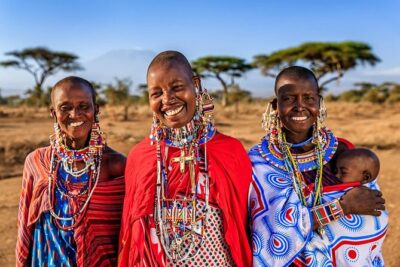
Maasai village visit, Materuni waterfalls & coffee experience
Read our review →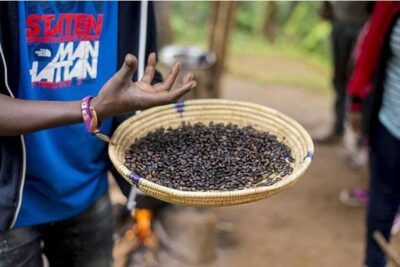
Materuni Waterfalls, Visiting Chagga Village, CoffeeTour Kikuletwa Hotsprings
Read our review →
5 Days Camping Tarangire, Serengeti & Ngorongoro crater & Visiting Maasai
Read our review →

Browse the lists this tour appears in