Reviewed · SAFARI TOURS
8 Days Green Season Offer – Luxury Serena Safari
The big draw here is simple: you get Tanzania’s classic northern safari route while sleeping at Serena properties throughout the trip. Lake Manyara, the Serengeti, Ngorongoro Crater, and Tarangire each offer a different wildlife setting, so the eight days never feel like the same game drive repeated.
I like the private-group format, which gives your party a more personal trip, and I like the sensible low-season price of $3,978 per person for full board and luxury lodging. The main consideration is the pace: this covers a lot of ground, and the long drives between parks are part of the deal.
Key points to know before booking
- Serena accommodation every night: You stay at Arusha Serena Hotel, Lake Manyara Serena Lodge, Serengeti Serena Lodge, and Ngorongoro Serena Lodge.
- Four major safari areas: The route includes Lake Manyara, Serengeti National Park, Ngorongoro Conservation Area, and Tarangire National Park.
- Private activity: Only your group participates, rather than joining a large shared vehicle.
- Best migration flexibility: The Seronera area can provide access toward both the southern plains and Western Corridor, although wildlife movement is seasonal and never guaranteed.
- Full-board pricing: Seven breakfasts, seven lunches, and seven dinners are included, along with pickup and the safari arrangements.
- Low-season value: The special Green Season rate applies to the listed April and May operating periods, making luxury safari travel less costly than many peak-season options.
Why the Serena-only plan works
This safari is built around comfort as much as wildlife. Instead of mixing basic camps, tented sites, and unrelated hotels, you stay within the Serena system from Arusha through the parks. That gives the trip a consistent feel and makes the $3,978 price easier to assess.
Arusha Serena Hotel, Resort & Spa is your first base. It is about 50 kilometers from Kilimanjaro International Airport, and the first day includes airport reception, the drive into Arusha, dinner, and a briefing about the safari ahead. That briefing matters. You can use it to confirm the route, ask about game-drive timing, and make sure you understand what is included.
At Lake Manyara, the Serena lodge sits high above the alkaline lake, with broad views from the escarpment. In the Serengeti, the lodge is designed to blend into the surroundings and offers a panoramic setting near the central and Western Corridor areas. The Ngorongoro Serena Lodge is built along the crater rim, where the structure is intended to disappear into the stone and vegetation when seen from the crater floor.
The benefit is not just polished accommodation. After a long day in a safari vehicle, having a reliable lodge, included meals, and a familiar standard of service can make a real difference. The tradeoff is that you are paying for a branded luxury style rather than choosing smaller independent camps or mixing lodge categories to lower the cost.
Other park itineraries that start in Arusha:
- Serengeti Balloon Safari and authentic bush breakfast
★ 5.0 · 2,480 reviews - Balloon Safari & Bush Breakfast in Serengeti – Miracle Experience
★ 5.0 · 1,646 reviews - 4 Days Group Camping Safari
★ 5.0 · 1,101 reviews
Day 1: A soft landing in Arusha
Your journey begins with arrival at Kilimanjaro International Airport. A Gilmag Safaris representative meets you after customs and immigration, then drives you roughly 50 kilometers to Arusha.
The first day is mainly for settling in. You are not expected to start wildlife viewing immediately, which is sensible after an international flight. At Arusha Serena Hotel, you receive a safari briefing and have dinner included.
I see this as a useful first night rather than wasted time. Arusha is the practical gateway to northern Tanzania, and starting here gives you a chance to rest before the early departures that follow. The schedule lists the day as lasting about 12 hours, but that includes the arrival process, transfer, check-in, and briefing rather than 12 hours of sightseeing.
Day 2: Birdlife and tree-climbing lions at Lake Manyara
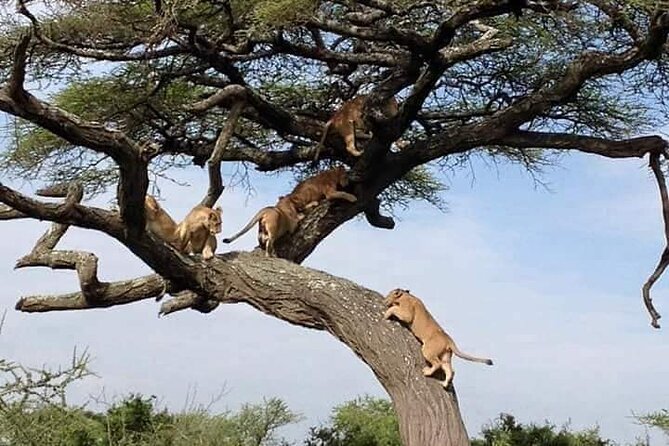
After breakfast, you drive to Lake Manyara National Park and arrive in time for lunch. The park is a good first wildlife stop because it offers more than the usual big-animal checklist.
More than 400 bird species have been recorded here. You could see large numbers of birds in a single day, along with elephants moving through acacia woodland. The park is also known for its tree-climbing lions, one of the trip’s more unusual wildlife possibilities.
The word possibility is important. No safari can promise that you will see lions in trees, and the same is true of any particular animal. Still, Manyara gives you a different kind of viewing from the open Serengeti. The park combines woodland, floodplain, and lake scenery, so the change of habitat is part of its appeal.
Lake Manyara Serena Lodge sits on the escarpment above the lake. The elevated position gives you a wide view over the water and makes the lodge feel distinct from the parks below. This is a strong first safari night because you get both a scenic room base and an introduction to Tanzania’s birdlife.
The drawback is timing. Since you arrive around lunch, this is not a full day in the park. If birding is your main interest, you may wish the schedule allowed more time here. For a first taste of northern Tanzania, though, the stop is well chosen.
Day 3: Across Ngorongoro toward the Serengeti
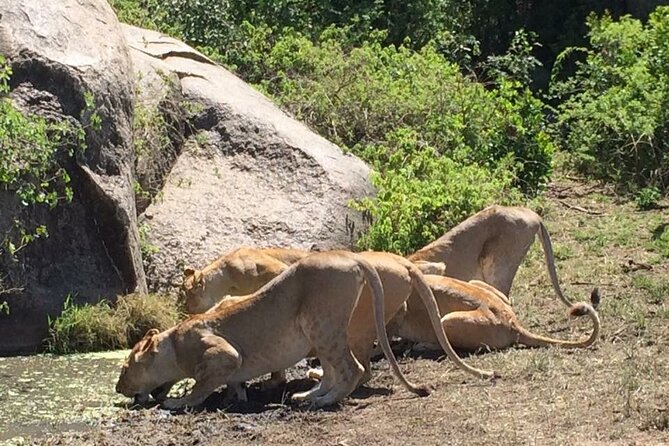
After breakfast, you drive toward the Serengeti through the Ngorongoro Conservation Area. The route includes a stop at the Ngorongoro Crater rim, where you get one of the most dramatic views of the trip before continuing toward the plains.
The Serengeti covers about 6,900 square miles, and its name is commonly translated as endless plain. That scale is what makes the first approach so memorable. The scenery opens out, and the sense of distance becomes part of the experience.
This is also a long transfer day. You are not simply moving from one hotel to another. You are crossing a large part of northern Tanzania, with game-viewing opportunities along the way. The benefit is that you reach the Serengeti without adding a separate domestic flight. The cost is time spent on the road.
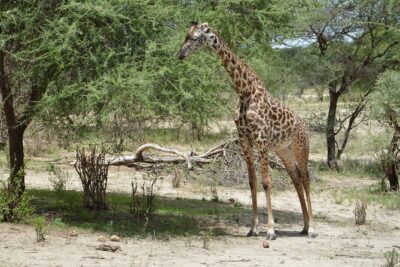
The central Serengeti offers the possibility of elephants, giraffes, hippos, warthogs, buffalo, gazelles, and predators. You may also see large herds of zebra and wildebeest. The guide’s skill matters here, since finding wildlife across such a broad area requires patience and close attention to the environment.
Your base is Serengeti Serena Lodge. Its location gives you access to central Serengeti viewing and places you within reach of areas associated with the Western Corridor and Grumeti River.
Other safaris people book out of Arusha:
- 5 Days Group Camping Safari
★ 5.0 · 730 reviews - 3 Days Serengeti & Ngorongoro Group Camping Safari
★ 5.0 · 574 reviews - 7-Day Premium Luxury Tanzania Safari All-Inclusive
★ 5.0 · 426 reviews - 3-Day Classic Serengeti Safari
★ 5.0 · 263 reviews
Days 4 and 5: Two full chances to see the Serengeti
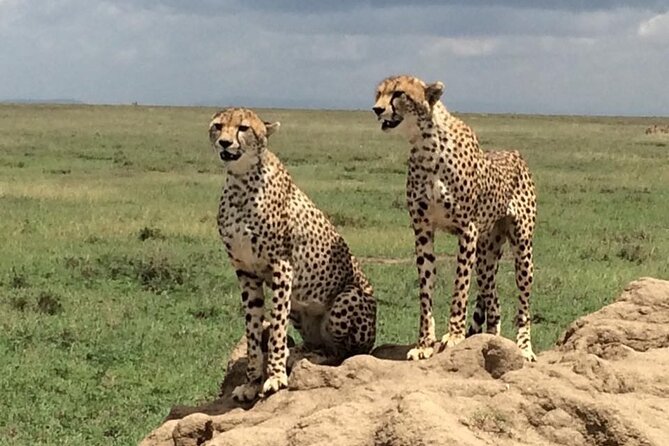
Two nights in the Serengeti are the heart of this trip. You have more than a quick drive through the park, and that improves your odds of seeing resident animals as well as seasonal herds.
The migration is often described as one event, but it is really a moving cycle shaped by grazing, water, and timing. The schedule notes that wildebeest generally pass through the area in April, May, and November, while the Seronera region can also provide access toward the southern plains and Western Corridor.
You should treat migration sightings as a seasonal chance, not a guarantee. Even when herds are elsewhere, central Serengeti remains valuable. Elephants, buffalo, lions, zebras, gazelles, and other herbivores and predators live in the area throughout the year.
The full-day drive on Day 5 lets you explore several types of habitat, including woodland, swamps, soda lakes, and short-grass plains. That variety matters because animals do not use every part of the park in the same way. Your guide may spend time watching a single area if the wildlife activity is strong, or cover more ground when sightings are thin.
The private format is especially useful on these days. Your group can discuss how long to stay at a sighting and what animals matter most to you. Gilmag’s safari team has included guides named Moses and Abu on other trips, and the company’s experience with personalized itineraries is worth discussing when you book. The exact guide for this safari is not specified, so ask for the name before departure if that matters to you.
Two Serengeti nights are also a practical compromise. A longer stay would give you more time and less pressure, but many shorter northern safari routes give the Serengeti only one night. Here, you have a better chance to enjoy the park without treating it as a rushed stop.
Day 6: Olduvai Gorge and the Ngorongoro rim
After breakfast, you leave the Serengeti for the Ngorongoro Conservation Area. The drive includes Olduvai Gorge, associated with the Leakey family and fossil discoveries dating back almost two million years.
This stop adds a human-history and archaeology element to a trip that otherwise focuses on wildlife. It also helps explain why the Ngorongoro area matters beyond its scenery and animals. You are moving through a place tied to major discoveries about early human development.
You spend the night at Ngorongoro Serena Lodge, built along the crater rim. The lodge’s position gives you a dramatic setting before the next day’s descent to the crater floor. Because the building is designed to blend with the rim, the setting feels less like a separate resort and more like a base attached to the geological site.
The day involves another substantial drive, so you should be comfortable with road time. The advantage is that the route links the Serengeti, Olduvai, and Ngorongoro without requiring an extra transfer day.
Day 7: A full day inside Ngorongoro Crater
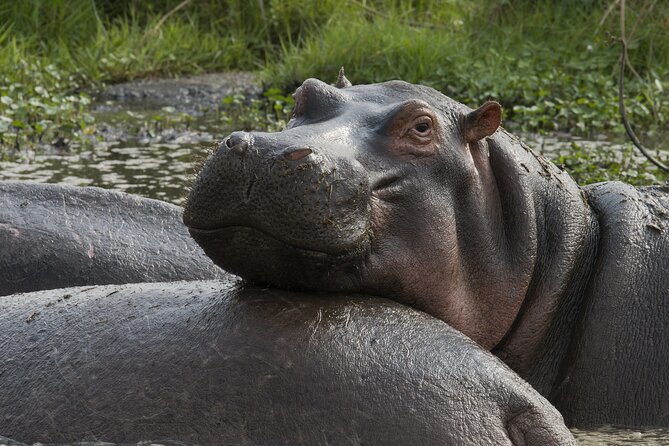
This is the trip’s most concentrated wildlife day. After breakfast, you descend into Ngorongoro Crater with a picnic lunch and spend the day on the crater floor.
The crater is about 600 meters deep from the rim to the floor. Its enclosed setting supports a wide range of animals in a relatively compact area, which is why it can be one of the most productive places for wildlife viewing in Tanzania.
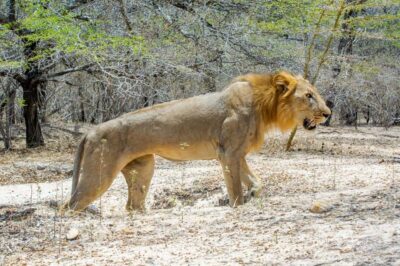
You may see zebras, wildebeest, gazelles, warthogs, hippos, waterbucks, hyenas, jackals, and lions. Lake Magadi can attract flamingos, and the crater is known as one of the better places to look for the endangered black rhino.
Again, the right expectation is a strong opportunity rather than a promise. Wildlife is free to move, and a full day does not guarantee every species. Still, the crater’s size and concentration of habitats give you a better chance of seeing several species without the same long distances required in the Serengeti.
The picnic lunch is practical. It lets you spend the day inside the crater instead of leaving for a lodge meal and returning later. By evening, you ascend to the rim and return to Ngorongoro Serena Lodge for dinner.
Day 8: Baobabs and elephants in Tarangire
The final safari day begins with an early breakfast and a drive to Tarangire National Park. You arrive in the middle of the morning for a game drive, stop for a picnic lunch overlooking the Tarangire River, and continue with afternoon viewing.
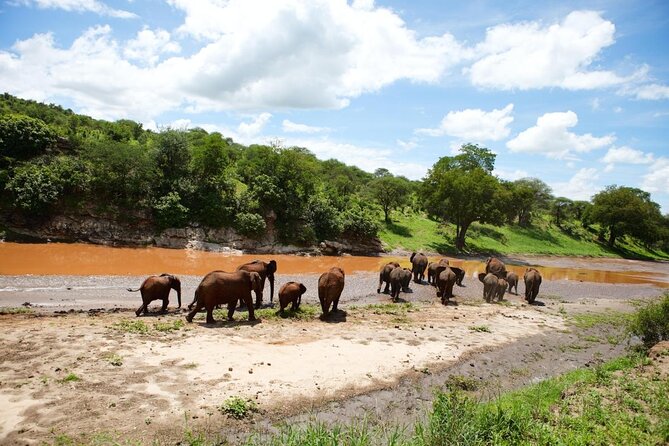
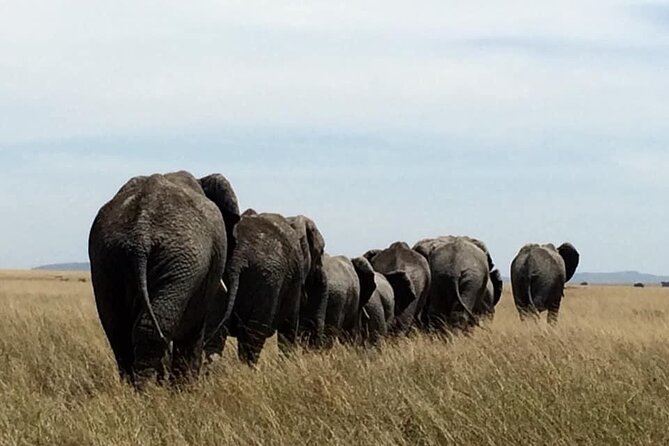
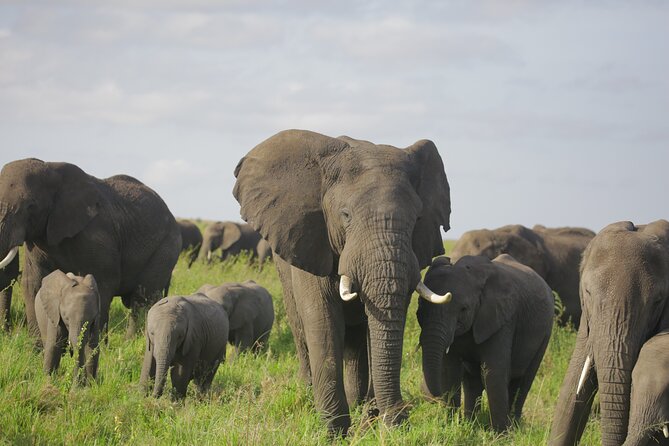
Tarangire has a very different character from the Serengeti. Ancient baobab trees mark the scenery, and the park is known for Tanzania’s largest concentration of elephants. The river is an important focal point, giving the day a clear sense of place rather than simply adding another park to the list.
Possible sightings include elephants, leopards, ostriches, lions, warthogs, zebras, and cheetahs. If you are fortunate, you may also encounter the endangered African wild dog.
Tarangire is sometimes left out of shorter safari routes because other parks are closer to Arusha. That is exactly why it earns its place here. The baobabs and elephant herds give the final day a look and feel you will not get in the crater or open Serengeti plains.
The listed duration is about 12 hours, making this another long day. You should be ready for an early start and a full schedule. The activity ends back at the meeting point, but the exact return time is not stated, so confirm your onward plans before booking flights or other transport.
What $3,978 includes, and what it does not
At $3,978 per person, this is not a budget safari. The value comes from combining luxury Serena accommodation, private participation, park visits, meals, airport pickup, and a route through four major northern Tanzania destinations.
Seven breakfasts, seven lunches, and seven dinners are included. That removes much of the daily meal planning and gives you a clearer idea of the trip’s real cost. Pickup is offered, and group discounts may be available, which could improve the price for a larger private party.
You still need to budget for:
- Tips for guides and hotel staff
- Laundry
- Soft drinks and alcoholic drinks
- Travel insurance
The low-season rate is the strongest financial reason to consider this trip. The special operating periods provided are April 1 through May 31 in 2025 and 2026. Since weather is a condition of the activity, ask how poor-weather changes are handled for your dates.
Who will enjoy this safari most
I would recommend this trip to you if you want a classic Tanzania route without giving up consistent lodge comfort. It suits couples, families, and private groups who value a polished stay after long drives and want the flexibility of traveling only with their own party.
It also works well for first-time safari visitors. The route gives you a clear progression: woodland and birds at Manyara, open plains in the Serengeti, archaeology near Olduvai, concentrated wildlife in Ngorongoro, and baobabs and elephants at Tarangire.
You should think twice if you dislike long road transfers or want a slow trip with several nights in each location. The eight days cover a lot of ground. You also need to be comfortable with the fact that migration timing, rhino sightings, tree-climbing lions, and rare wild dogs cannot be promised.
Gilmag has received strong praise for prompt communication, custom planning, rescheduling help, and well-organized bush-to-beach trips. Those qualities matter here because a safari with several parks depends on good timing and clear communication. Ask detailed questions before paying, especially about the exact guide, vehicle, room arrangements, and final-day return time.
Should you book the eight-day Serena safari?
Book it if you want a comfortable, private introduction to Tanzania’s northern parks and place real value on staying at Serena properties. The combination of two Serengeti nights, a full Ngorongoro day, and a final Tarangire visit gives you a broad wildlife experience for the time available.
Skip it if your priority is the lowest possible price, a slower schedule, or a single-region safari. You pay more for the Serena standard and cover long distances to see several distinct areas.
For the right person, the Green Season price makes this a solid luxury package. You get elephants beneath baobabs, a chance at crater rhinos, Serengeti plains, Manyara birdlife, and a private operating style without having to assemble every piece yourself.
FAQ
How long is the Serena safari?
The safari lasts approximately eight days.
Where does the safari begin?
It begins in Arusha, Tanzania. Airport pickup is provided from Kilimanjaro International Airport, followed by a drive of about 50 kilometers to Arusha City.
Where does the activity end?
The activity ends back at the meeting point. The exact final-day return time is not provided.
Which parks and conservation areas are included?
The route includes Lake Manyara National Park, Serengeti National Park, the Ngorongoro Conservation Area, Ngorongoro Crater, and Tarangire National Park.
Where do you stay?
Accommodation is at Arusha Serena Hotel, Lake Manyara Serena Lodge, Serengeti Serena Lodge, and Ngorongoro Serena Lodge.
Is this a private tour?
Yes. Only your group participates in the activity.
Are meals included?
Yes. Seven breakfasts, seven lunches, and seven dinners are included.
Are drinks included?
Soft drinks and alcoholic drinks are not included. Laundry, tips for guides and hotel staff, and travel insurance are also excluded.
When is the Green Season offer available?
The listed operating periods are April 1 through May 31, 2025, and April 1 through May 31, 2026. The activity requires good weather.
Just added in Arusha
- Extraordinary Hot air Bolloon ride in Serengeti | BURIGI CHATO SAFARIS CO L.T.D★ 5.0 · 6 reviews
- 4 Days Private Midrange Lodge Safari to Serengeti & Ngorongoro★ 5.0 · 4 reviews
- 3 days leopard safaris★ 5.0 · 4 reviews
- 8 Days Serengeti Migration safari★ 5.0 · 11 reviews
- tarangire, ngorongoro & lake manyara park 3 days private tour★ 5.0 · 11 reviews
- Mt. Kilimanjaro: Shira plateau to Cathedral point 3872m Day hike★ 5.0 · 7 reviews
- serengeti, ngorongoro & tarangire 4 days private tour★ 5.0 · 18 reviews
- tarangire & ngorongoro 2 days tour★ 5.0 · 14 reviews
Safari Tours, compared.
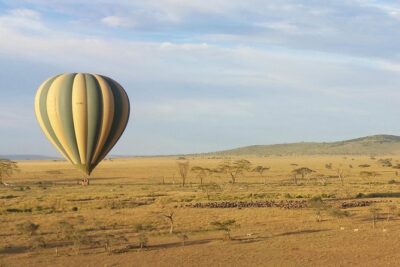
Serengeti Balloon Safari and authentic bush breakfast
Read our review →
Mikumi Safari Day Trip with Flights and Meal
Read our review →
3 Days Serengeti & Ngorongoro Group Camping Safari
Read our review →
7-Day Premium Luxury Tanzania Safari All-Inclusive
Read our review →
Safari Blue Lagoon Trip with Snorkeling and Lunch
Read our review →