Reviewed · TOURS IN ARUSHA
Tanzanite experience tour – Tanzanite shopping in Arusha
The most unusual souvenir in Arusha is a blue stone found only in Tanzania. This tour begins with the Tanzanite Experience museum, where you learn how tanzanite formed, was mined, cut, and graded before shopping for a certified stone. I like the combination of useful buying advice and cultural stops, especially the Shanga Foundation, where disabled artisans make crafts from recycled materials. I also like the private, hotel-to-hotel format, with drivers such as MPembo and Alfred helping you get around with less guesswork.
The main consideration is time. The outing can last from three to eight hours, depending on your shopping pace and the number of stops you make. Some people may find the commercial galleries too sales-focused, so set a budget before you go and treat the museum and artisan workshop as the heart of the visit.
Key points about shopping for tanzanite in Arusha
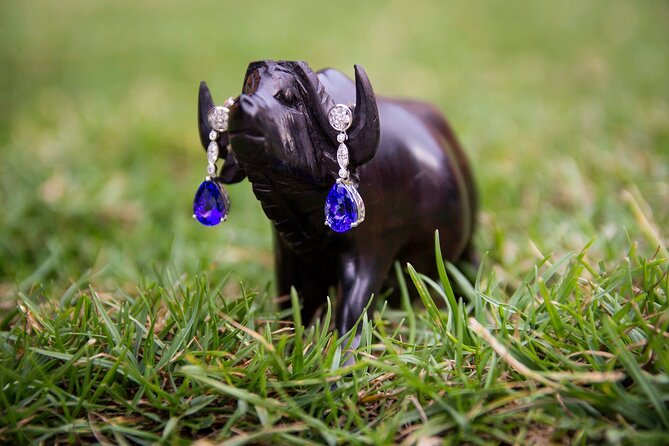
- Tanzanite is mined only in Tanzania: The museum explains why this blue December birthstone is so rare and closely linked to the country.
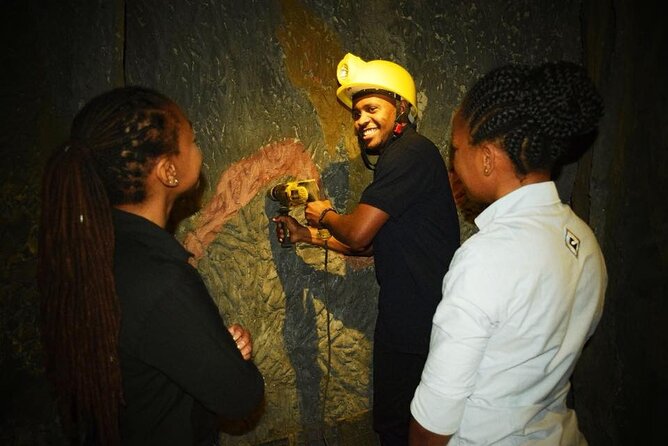
- The Tanzanite Experience includes a replica mine shaft: You see how the stone was mined and learn about cutting, polishing, grading, and naming.
- Certified stones are available: Tanzanite bought through the museum store comes with a certificate from The Tanzanite Laboratory.
- Shanga Foundation adds a human story: Disabled local artisans make glassware, beads, fabrics, paintings, and recycled-material crafts.
- Cultural Heritage Centre covers many budgets: You can browse tanzanite, other precious stones, jewelry, antiques, paintings, sculpture, and African crafts.
- Hotel pickup keeps the day simple: Round-trip transfers from your Arusha hotel are included, and an airport ride may be arranged for an extra fee.
Why tanzanite makes a special Arusha souvenir
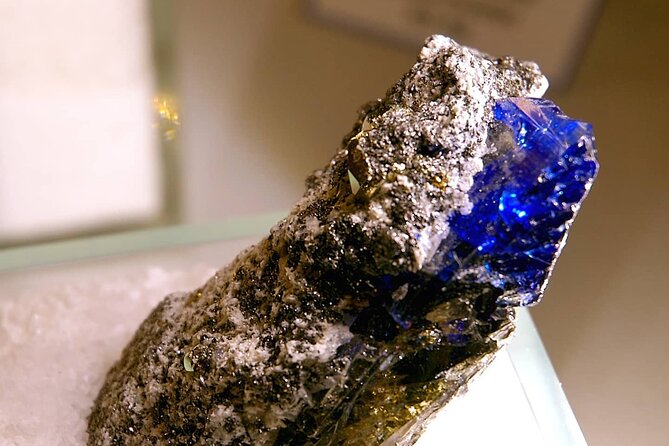
Tanzanite is not simply a pretty blue stone placed in a shop window. Its appeal comes from its narrow place of origin. It is mined in Tanzania, near the foothills of Mount Kilimanjaro, and is known as the birthstone for December.
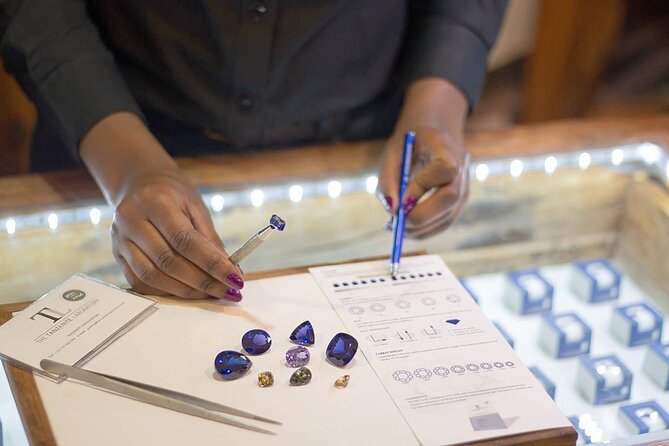
The museum presents tanzanite as a stone shaped by rarity, location, and careful workmanship. You learn how it was created, named, mined, cut, polished, and graded. That background matters when you are considering a costly purchase. Without it, the blue color is attractive, but you have little basis for judging what you are buying.
I like that the tour gives you a lesson before the sales counter. You can ask questions about the stone, see a replica of a mine shaft, and then look at jewelry with a better sense of what affects value. The museum store also offers stones directly from the source, with each purchased gemstone accompanied by a certificate from The Tanzanite Laboratory.
That certificate does not mean you should stop asking questions. You still need to decide what color, cut, setting, and price suit you. But buying through a recognized museum setting gives you a clearer starting point than making a rushed purchase from an unfamiliar street shop.
Other trips people book in Arusha:
- Serengeti Balloon Safari and authentic bush breakfast
★ 5.0 · 2,480 reviews - Balloon Safari & Bush Breakfast in Serengeti – Miracle Experience
★ 5.0 · 1,646 reviews - Tanzania Classic – 7 Days
★ 5.0 · 1,151 reviews
Starting at the Tanzanite Experience museum
Pickup begins at about 9:00 a.m. from your Arusha hotel. From there, your guide takes you to the Tanzanite Experience museum in the center of town. The central location makes this a practical first stop, especially if you have only part of a day before another activity or a flight.
The museum uses visual displays and interactive material to explain the stone’s story. The replica mine shaft helps you picture the work behind the jewelry, while the displays cover the stages from rough stone to finished product. This is a useful stop even if you do not plan to buy anything.
The attached shop is the obvious place to compare stones and jewelry after the museum visit. You might find bracelets, necklaces, and loose stones, depending on what is available. The tour description specifically presents the museum as a place to buy tanzanite with laboratory certification, which is a useful feature for anyone concerned about origin and documentation.
Give yourself time here. A quick visit can turn the museum into little more than a sales stop. A slower visit lets you understand why two blue stones may look different and why cutting and grading affect the final piece.
Buying tanzanite without rushing
Shopping for a valuable stone requires a cooler head than shopping for a carved wooden animal or a colorful cloth. I suggest deciding in advance how much you are comfortable spending, then telling your guide that you want to compare rather than buy immediately.
The tour is designed around safer, more informed shopping, with guides helping you reach established places. That is useful in Arusha, where the range of jewelry and craft shops can feel confusing if you are new to the city. Alfred, one of the drivers associated with the experience, is described as both a driver and guide. MPembo is also specifically identified as a driver and guide, and he helped one customer combine shopping with an airport transfer for an additional fee.
Do not assume the $35 tour price covers your jewelry. It does not. The $35 is the charge for the guided outing, transport, and planned visits. Any tanzanite, jewelry, art, food, or crafts you buy will be extra. That makes the tour good value for someone who wants structure and help, but less appealing if you only want a quick look at one shop.
A sensible purchase should come with clear details about the stone and its certification. Keep your receipts and certificates with your travel documents. The supplied information confirms that stones bought from the Tanzanite Experience store come with a certificate, while other shopping stops may offer different products and buying arrangements.
Shanga Foundation: crafts with a purpose
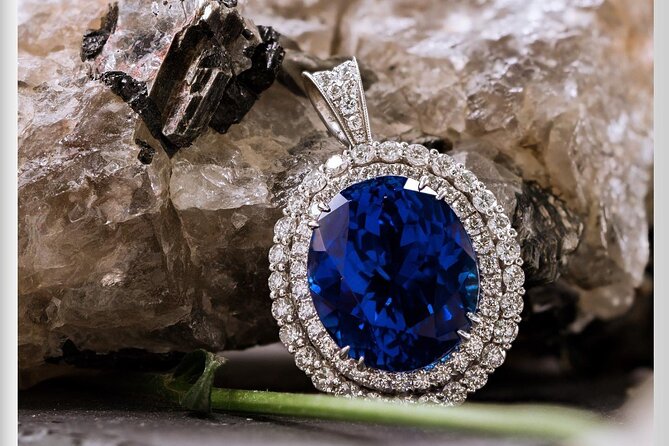
The Shanga Foundation changes the mood of the day. Instead of focusing only on precious stones, you see a workshop and craft store where disabled local artisans make goods for sale.
The items include glassware, beads, paintings, fabrics, and jewelry. Recycled materials play an important role. Walls made from recycled wine bottles catch the light, and the store displays jewelry and cloth made from reused materials. You might also see stuffed elephants made from old men’s shirts.
These details give the stop a practical appeal. You can buy gifts while seeing something about the people and methods behind them. The goods are more personal than generic airport souvenirs, and purchases support the work of the foundation.
The stop can also be another chance to order tanzanite bracelets or necklaces. I would treat that as a separate buying decision from the museum purchase. Enjoy the workshop first, look at the craft quality, and only then decide if a piece belongs in your luggage.
This is one of the strongest parts of the itinerary for people who want their shopping day to include local work and social purpose. It also suits families, since the recycled materials and handmade objects give younger visitors something concrete to notice.
Same base, a different kind of day out:
- 4 Days Group Camping Safari
★ 5.0 · 1,101 reviews - 5 Days Group Camping Safari
★ 5.0 · 730 reviews - Materuni Waterfalls, coffee tour & Kikuletwa Hot Springs
★ 5.0 · 643 reviews - 3 Days Serengeti & Ngorongoro Group Camping Safari
★ 5.0 · 574 reviews
Cultural Heritage Centre and its wide range of goods
The Cultural Heritage Centre sits on the outskirts of Arusha and is much larger in scope. It combines curio shops, a jewelry boutique, precious-stone counters, a restaurant, a bargain center, and a commercial art gallery.
The range is broad. You may see tanzanite alongside rubies, emeralds, tsavorite, diamonds, sapphires, and opals. There are also African antiques, contemporary paintings, sculpture, ornaments, and local crafts. This is the place to compare different kinds of souvenirs rather than focusing on one stone.
The center is useful for mixed groups. One person can examine jewelry while another looks at paintings, carvings, or antiques. If you are shopping for several people at different price points, the bargain center and craft displays may be more useful than a specialist jewelry counter.
You can also stop for food, including traditional African dishes and hummus. The supplied details do not give a fixed meal plan or say that food is included, so budget for lunch separately. The restaurant is simply a convenient option during a longer outing.
The size of the center is both its benefit and its weakness. You get variety, but you may need patience. A short tour of three hours may not leave enough time to examine every gallery and shop carefully. If you want the full eight-hour version, confirm the planned timing with the operator before setting other appointments.
Transport, timing, and the private feel
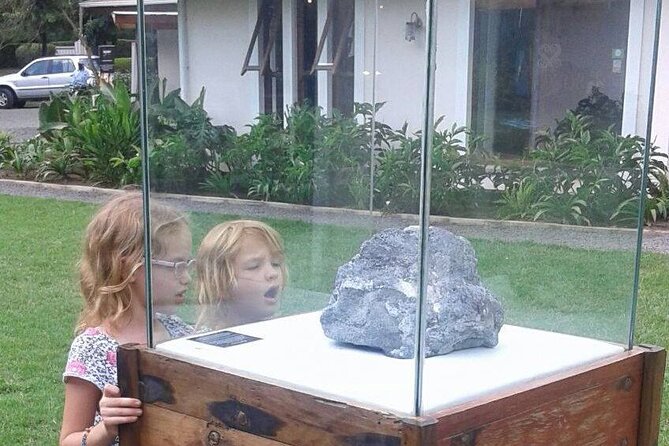
Pickup and return to your Arusha hotel are included, which removes the need to arrange separate rides between the museum, workshop, and Cultural Heritage Centre. That matters because the stops are spread across central Arusha and its outskirts.
The experience is limited to your group, so the day can be adjusted around your interests. You may spend longer with jewelry, move quickly through a gallery, or give more attention to crafts. The tour lasts approximately three to eight hours, a large range that reflects this flexible format.
Ask about the schedule when you book. The stated start time is 9:00 a.m., but the information does not set fixed durations for each stop. If you have a flight, tell the operator early. One customer used the outing on a final day and arranged an airport ride for an extra fee. That can make the tour useful as a practical last-day plan, but you should confirm the transfer cost and timing rather than assume they are included.
The private setup also means the guide can focus on your questions. Alfred and MPembo are named as drivers and guides connected with the experience. Their role is especially useful when you want help getting around Arusha and shopping with more confidence.
Is $35 a fair price?
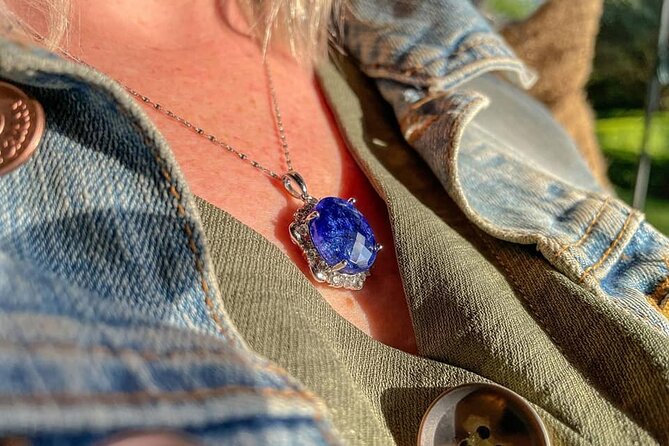
At $35 per person, the tour is reasonably priced if you value transport, a guide, and several organized stops. The fee is not just for entry to a museum. It also covers the convenience of hotel pickup and return, plus a planned route through three different shopping and cultural venues.
The value is strongest for first-time visitors to Arusha, people with limited free time, and anyone uneasy about buying an expensive stone without help reaching established sellers. It is also useful if you need something to do on your last day and want to combine shopping with transport planning.
The value is weaker if you already know exactly which store you want or if you dislike commercial shopping centers. You could spend part of the day looking at jewelry and souvenirs, with the final cost rising sharply if you buy tanzanite, art, or several gifts.
Think of the $35 as a guiding and transport fee, not a shopping allowance. Set your purchase budget separately. That simple distinction will keep the day enjoyable.
Who should book this Arusha tour?
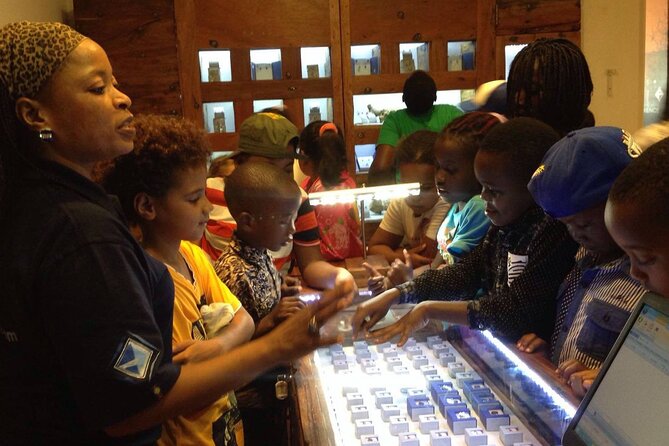
I would recommend it to you if you want a first introduction to tanzanite and prefer to shop with a guide. The museum provides context, the Shanga Foundation adds handmade crafts and a social purpose, and the Cultural Heritage Centre gives you the widest choice.
It suits couples looking for a meaningful souvenir, families who need a structured half-day, and people with a free final day in Arusha. The airport-transfer option may add practical value if you have arranged it in advance.
You may want another plan if your main goal is wildlife, local history, or outdoor scenery. This is a shopping and cultural outing. It includes useful background and local craft, but much of the time is spent at museums, workshops, galleries, and stores.
The flexible duration also deserves attention. If you want only the tanzanite museum, ask about a shorter plan. If you want all three stops and time to eat or shop carefully, allow closer to the longer end of the three-to-eight-hour range.
Final verdict: a smart way to shop for Tanzanian stone
Book this tour if you want to understand tanzanite before spending money on it, and if hotel pickup makes your day easier. The museum certificate option, private transport, and named guides such as Alfred and MPembo give the experience practical value.
Go in with a budget and a willingness to browse. The strongest day combines the museum lesson, a thoughtful look at Shanga’s recycled crafts, and a measured visit to the Cultural Heritage Centre. If you want a quick, no-shopping cultural tour, this is not the right choice. If you want a blue Tanzanian stone and a safer, more organized way to shop for it, this is a sensible Arusha outing.
Free cancellation is available up to 24 hours before the start time for a full refund. Changes made within 24 hours are not accepted, and poor weather may lead to a different date or a refund.
FAQ
Where does the Tanzanite Experience tour take place?
The tour takes place in Arusha, Tanzania. It includes the Tanzanite Experience museum in central Arusha, the Shanga Foundation, and the Cultural Heritage Centre on the outskirts of the city.
What time does the tour start?
The stated start time is 9:00 a.m. Hotel pickup is offered.
How long does the experience last?
The tour lasts approximately three to eight hours. The length can vary according to the stops and the amount of time you spend shopping.
Is hotel pickup included?
Yes. Round-trip transfers from your Arusha hotel are included.
Can I buy certified tanzanite during the tour?
Yes. The Tanzanite Experience museum has an attached store, and gemstones purchased there are accompanied by a certificate from The Tanzanite Laboratory.
Does the tour include an airport transfer?
An airport ride may be arranged for an additional fee. Confirm this with the operator before the day of the tour.
Can I cancel for a full refund?
You can cancel for a full refund if you do so at least 24 hours before the experience start time. Cancellations or changes made less than 24 hours before the start time are not accepted for a refund.
Just added in Arusha
- 4 Days Private Midrange Lodge Safari to Serengeti & Ngorongoro★ 5.0 · 4 reviews
- Extraordinary Hot air Bolloon ride in Serengeti | BURIGI CHATO SAFARIS CO L.T.D★ 5.0 · 6 reviews
- 3 days leopard safaris★ 5.0 · 4 reviews
- 8 Days Serengeti Migration safari★ 5.0 · 11 reviews
- tarangire, ngorongoro & lake manyara park 3 days private tour★ 5.0 · 11 reviews
- Mt. Kilimanjaro: Shira plateau to Cathedral point 3872m Day hike★ 5.0 · 7 reviews
- serengeti, ngorongoro & tarangire 4 days private tour★ 5.0 · 18 reviews
- tarangire & ngorongoro 2 days tour★ 5.0 · 14 reviews
Tours in Arusha, compared.
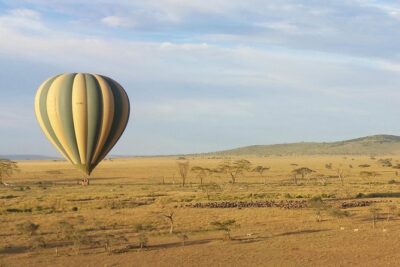
Serengeti Balloon Safari and authentic bush breakfast
Read our review →
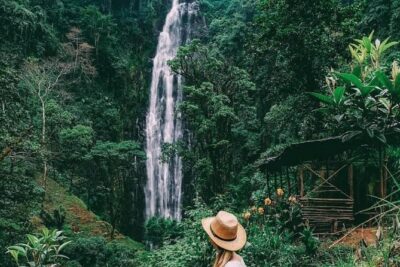
Materuni Waterfalls, coffee tour & Kikuletwa Hot Springs
Read our review →
3 Days Serengeti & Ngorongoro Group Camping Safari
Read our review →
7-Day Premium Luxury Tanzania Safari All-Inclusive
Read our review →
5-Day Highlights mid-Range Crater, Serengeti, Tarangire
Read our review →