Reviewed · TOURS IN ARUSHA
6 Day: Magnificent Wildlife Adventure
The big draw here is the sheer variety packed into six days: elephant country in Tarangire, endless Serengeti plains, the wildlife-rich Ngorongoro Crater, and bird-filled Lake Manyara. You get a classic northern Tanzania route without having to arrange park permits, meals, transport, or daily game drives yourself.
I like the flexible schedule, especially the choice between a full-day Serengeti outing and a morning drive followed by a rest at camp. I also like the open-roof 4×4, included meals, and airport transfers. The main caution is the amount of driving. You will cover a lot of ground, and the published itinerary has a small Day 6 inconsistency that you should clarify before paying.
At a glance
- Four major parks in six days: Tarangire, Serengeti, Ngorongoro Crater, and Lake Manyara form a strong northern Tanzania circuit.
- Tarangire is the elephant specialist: Baobabs, river wildlife, and large elephant families give the first day a clear identity.
- Two Serengeti days: You have time for a full safari day, with the option of picnic dining or a return to camp between drives.
- Ngorongoro begins early: A pre-dawn start aims for active animals and sunrise inside the crater.
- Meals and core safari costs are covered: Six breakfasts, six lunches, five dinners, park fees, taxes, a guide, and the safari vehicle are included.
- Guide quality matters here: Past bookings specifically praise guides such as Chedi, Idd, Joseph, Lucus, and Freddy for safe driving, flexibility, and animal knowledge.
Four parks, one busy northern Tanzania route
This safari is built around Tanzania’s best-known northern circuit. From Arusha, you head first to Tarangire, then west toward the Serengeti. After two nights or days in the Serengeti, the route turns toward Ngorongoro before finishing at Lake Manyara.
That order works well for variety. Tarangire starts with big trees and elephants. The Serengeti supplies the grand open plains and predator country. Ngorongoro brings a concentrated wildlife experience in a dramatic volcanic setting. Lake Manyara adds forest, hippos, and more than 500 bird species.
The trade-off is distance. A six-day safari covering four parks is active rather than leisurely. You will spend long stretches in the vehicle, especially on the move between Tarangire, Serengeti, and Ngorongoro. If you want a slower trip with more time at one camp, this route may feel rushed. If you want a broad first look at Tanzania, it is a sensible use of six days.
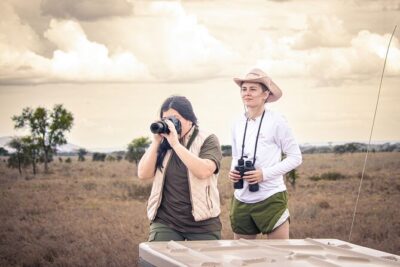
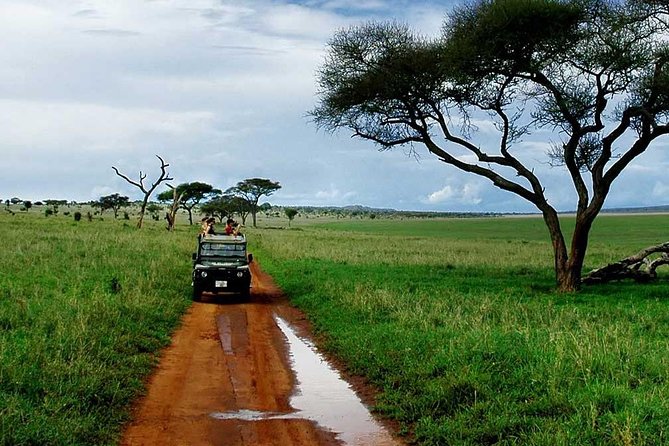
The safari vehicle is a 4×4 with a pop-up roof and six window seats. That setup matters. You can rise above the vehicle for better views and photography, then lower yourself when the sun or dust becomes tiring. The listing describes the activity as both a private tour and a group safari, so confirm the exact vehicle arrangement and who will share it before booking.
A few more things to do in Arusha worth a look
- Tanzania Wildlife Encounters – 6 Days
★ 5.0 · 277 reviews - 6 Day Tanzania Wildlife Mid range Safari
★ 5.0 · 54 reviews - 5 Days 4 Nights Tarangire, Serengeti , Ngorongoro & Manyara Wildlife Safari
★ 5.0 · 40 reviews
Day 1: Tarangire’s elephants and baobabs
Pickup from your Arusha hotel is scheduled for 8 a.m. The first park is Tarangire, known for nine vegetation zones and its tall, ancient baobab trees. These trees give the park a distinct look, and their scale makes nearby giraffes, elephants, and other animals seem surprisingly small.
Tarangire’s river is the center of much of the wildlife activity. You may see lions, leopards, zebras, giraffes, buffaloes, antelopes, and a wide range of birds. The park is especially noted for its large elephant population, making it a good place to watch family groups interact.
I like that this first day is not treated as a simple transfer to the Serengeti. Tarangire has its own character, and the baobabs give you something visually different before the open plains arrive. The river also gives your guide a natural place to look for animals.
The drawback is time. The listed visit is about six hours, and the overall day includes the drive from Arusha. You should expect a full day on the road and in the vehicle. Lunch is included, with the itinerary referring to a lunch area inside or near the park, but the exact dining setup is not specified.
Day 2: The long road into the Serengeti
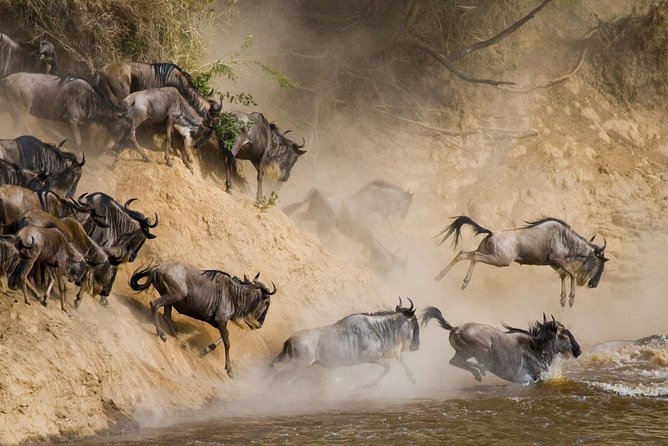
After an early breakfast, you head toward Serengeti National Park. The drive is long, but the changing scenery is part of the experience. As the route reaches the Serengeti, the view opens into the famous plains that gave the park its name, often translated as endless plains.
The Serengeti covers about 6,900 square miles, or 18,000 square kilometers. That scale changes how you see distance. An animal that looks close may be far away, and a line of vehicles can quickly disappear into the open country.
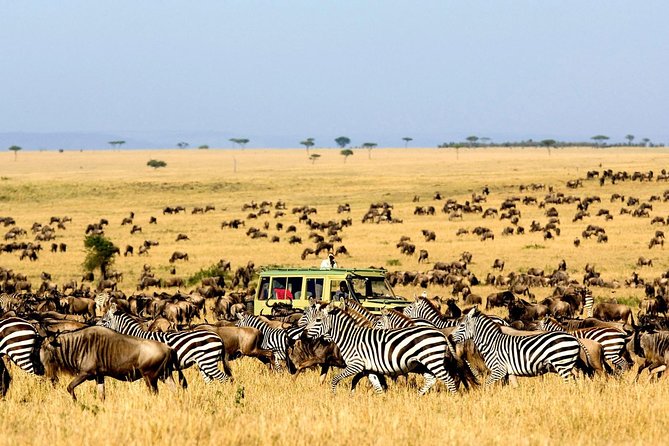
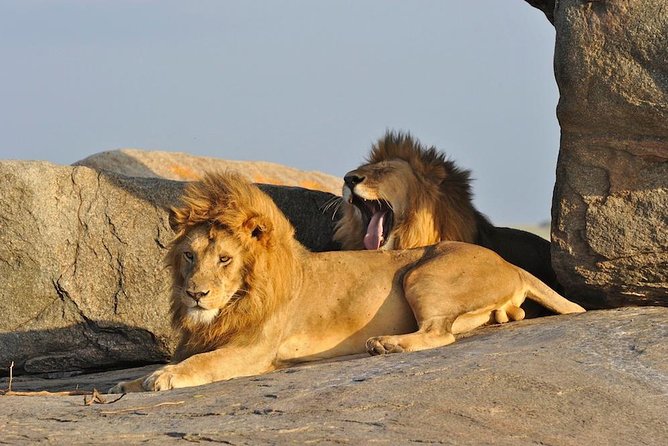
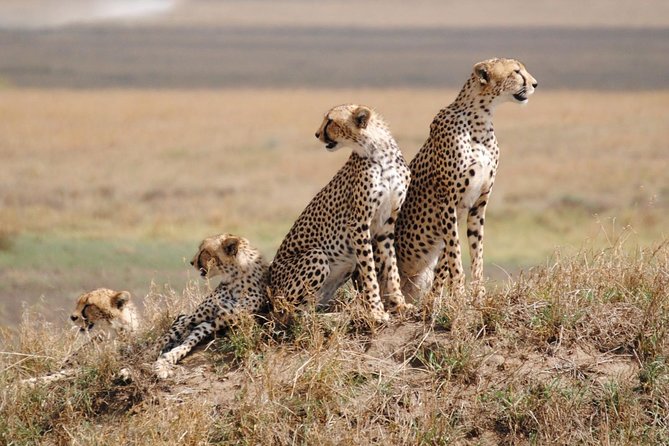
This is the park associated with the Great Migration, involving roughly two million wildebeests along with large numbers of zebras and antelopes. The Serengeti is also prime country for lions, cheetahs, leopards, and other predators. A guide who reads animal behavior well can make a major difference, since finding wildlife in such a large area requires patience and good judgment.
The itinerary lists about six hours at the park, but the road portion means this is still a demanding day. Do not think of it as six easy hours of game viewing. The value comes from reaching one of Africa’s most important wildlife areas, not from a relaxed transfer.
Day 3: Your most flexible safari day
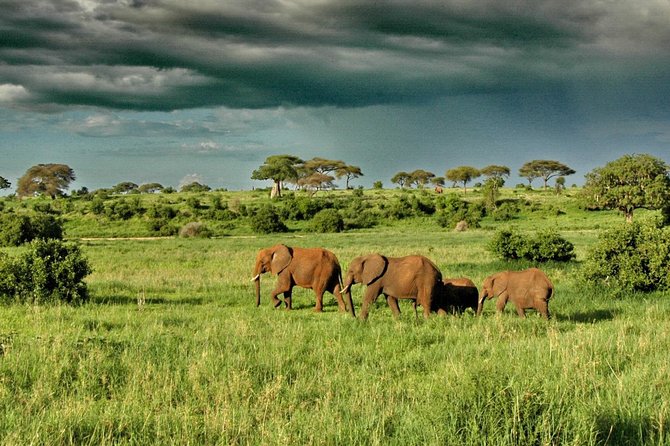
Day 3 is the strongest part of the schedule for setting your own rhythm. You can choose an early morning game drive, return to camp for lunch and a rest, then head out again in the afternoon. Or you can spend the whole day in the park with a picnic lunch.
I like having this choice because safari energy comes in waves. Early morning is often appealing for light and animal activity, but a full-day drive lets you reach farther areas without returning to camp. Families or mixed-age groups may prefer the split schedule, while serious wildlife watchers may choose the picnic option.
The guide is expected to discuss wake-up time and game-drive timing with you each day. That flexibility is useful, but you should still be clear about your priorities. Tell the guide if you care most about big cats, the migration, birds, photography, or simply time in the open country.
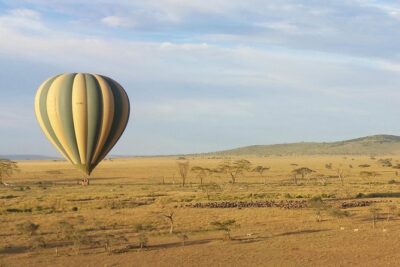
A balloon safari is available for an extra charge. It is not part of the $5,000 price, so treat it as an optional add-on rather than a built-in feature. Ask about the cost and timing before you arrive if this is important to you.
Same base, a different kind of day out:
- Serengeti Balloon Safari and authentic bush breakfast
★ 5.0 · 2,480 reviews - Balloon Safari & Bush Breakfast in Serengeti – Miracle Experience
★ 5.0 · 1,646 reviews - Tanzania Classic – 7 Days
★ 5.0 · 1,151 reviews - 4 Days Group Camping Safari
★ 5.0 · 1,101 reviews
Day 4: Sunrise in the Serengeti, then toward Ngorongoro
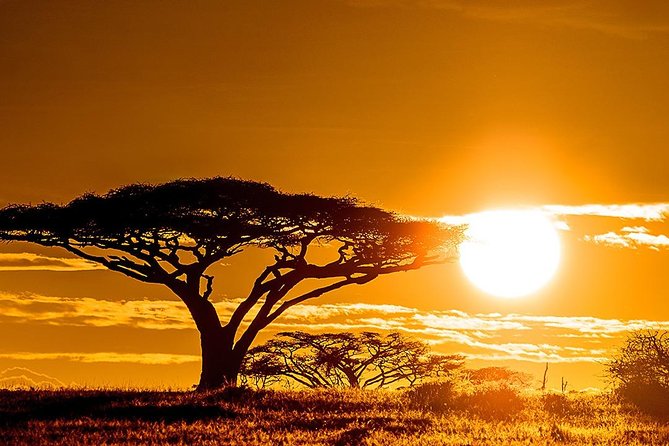
The suggested start is very early. The reward is a sunrise game drive, when the changing light can make the Serengeti feel entirely different from the previous day. Afterward, you return to camp or a lodge for brunch, then continue with more game viewing before heading toward Ngorongoro.
This is another long day with a lot of movement. You are not simply leaving the Serengeti after breakfast. The plan gives you more time among the animals before the route turns east toward the crater area.
The overnight stop is listed as O’ldeani Mountain Lodge, where dinner and lodging are planned. Because the package description does not give a full accommodation list or room category, I would ask for the exact lodging plan before booking. That matters at this price, especially if you are comparing camping, lodge, or upgraded room options.
The early start is worth considering carefully. You may see more active wildlife and catch sunrise, but several consecutive early mornings can be tiring. The schedule is best for someone who would rather trade sleep for more time in the parks.
Day 5: Down into Ngorongoro Crater
Ngorongoro Crater is the visual centerpiece of this route. The crater covers about 102 square miles and has walls rising roughly 2,000 feet. Once you descend to the floor, the surrounding walls make the area feel enclosed, while the mix of plains, forest, swamps, a river, and a soda lake creates varied animal habitat.
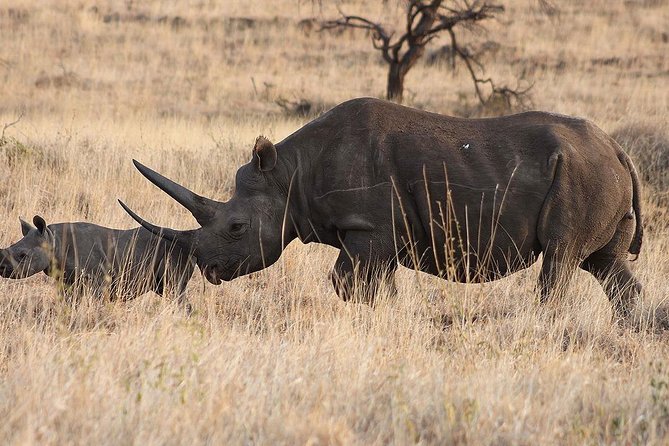
The crater is known for dense wildlife, including wildebeests, elands, lions, zebras, gazelles, elephants, and blue monkeys. The soda lake can attract flamingos, and the area is one of the rare places in Tanzania where you might see a black rhino.
The day begins early, which is sensible for both wildlife activity and light. A picnic lunch near the hippo lake is included in the plan, followed by more driving before you ascend and leave the conservation area.
Ngorongoro can feel more concentrated than the Serengeti. You may see several species in a shorter stretch of driving, but the setting can also be busier with safari vehicles. The two experiences are different, and that is why including both is worthwhile. The Serengeti gives you space and distance; Ngorongoro gives you a compact wildlife bowl with dramatic walls.
Day 6: Lake Manyara and a published itinerary detail to confirm
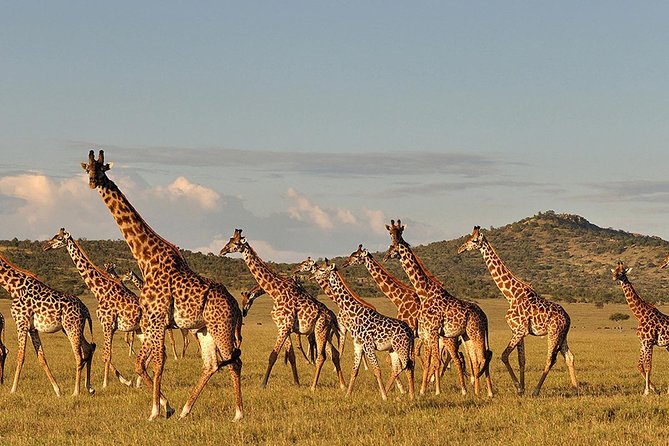
The final day is assigned to Lake Manyara National Park, although the written description repeats the Ngorongoro morning-drive language before describing the crater. The practical route appears to place the crater experience first, followed by Lake Manyara, but you should ask the operator to confirm the exact order, start time, and final return to Arusha.
Lake Manyara is known for dense animal populations, with the itinerary citing approximately 25,000 animals. The park can offer wildebeests, elands, lions, zebras, gazelles, elephants, blue monkeys, and more than 500 bird species.
A picnic lunch near the hippo lake is part of the described plan, followed by a short game drive. The park adds a different habitat to the safari, with birdlife and water features complementing the larger mammals seen earlier.
Because this is the last day, the timing matters. Ask when you are expected back at the meeting point in Arusha and how much time is allocated to Lake Manyara. The published material says the activity ends back at the meeting point, but it does not provide a final arrival hour.
What the $5,000 price includes
At $5,000 per person, this is a major purchase. The value depends on what kind of safari you want and how many people are in your booking.
The package includes the 4×4 safari jeep, a professional guide and driver, park fees, taxes, six breakfasts, six lunches, and five dinners. Airport pickup and drop-off are also offered, along with hotel pickup at the start of the safari.
That removes several costs and planning tasks that can quickly add up on a Tanzania trip. You are paying for access to four major parks, a dedicated safari vehicle arrangement, guiding, meals, and park administration over six days.
Still, the price does not include international flights, visa fees, travel insurance, personal items, or tips for the guide, driver, and chef. The listing also does not spell out every accommodation category, so ask for that information in writing. Find out if the quoted price includes all overnight stays, which properties are planned, and whether any supplement applies for a private room.
The price looks easier to assess if you are traveling as a small private group and want flexibility. It is harder to judge if the vehicle is shared or if the lodging is basic. The conflicting private-tour and group-safari descriptions make this an important pre-booking question.
The guide can make or break the six days
Safari guiding is not just about naming animals. Your guide controls the pace, handles long road days, watches the clock, and helps decide when to stay with a sighting or move on.
Several guide names appear in the tour’s customer feedback, including Chedi, Idd, Joseph, Lucus, and Freddy. Specific praise focuses on safe driving, good communication, flexibility, and strong knowledge of animals. Anita is also repeatedly highlighted as a responsive contact during trip planning.
You cannot assume one particular guide will be assigned to you, so request a named guide if that matters. It is also worth asking how the company handles guide assignments, chef support, and communication before departure.
The most useful feature is the daily discussion of timing. You are not locked into one rigid game-drive pattern. Use that freedom well. Tell your guide what you want, but also listen when the guide suggests an early start, a longer drive, or a return to camp.
Comfort, meals, and practical expectations
Six breakfasts and six lunches are included, along with five dinners. That covers the basic food structure for the route, though the supplied details do not specify menus, dietary arrangements, or drink policies.
Tell the operator about dietary needs before arrival. Do not wait until the first meal, especially if you have allergies or strict restrictions.
The open-roof vehicle is ideal for viewing, but safari roads can be dusty and tiring. Bring practical clothing, sun protection, and a way to protect cameras or phones from dust. The tour data does not provide a luggage limit, so ask before packing large bags.
The schedule includes early breakfasts, sunrise drives, picnic lunches, and several long transfers. You should be comfortable with rough roads and repeated vehicle time. Most people can participate, according to the activity information, but the pace is still active.
Free airport pickup and drop-off can make the beginning and end of a Tanzania trip much easier. Confirm the pickup location and flight details in advance, particularly if you are arriving outside the main Arusha hotel area.
Who should book this safari
I would choose this tour if you want a first Tanzania safari with the major northern parks in one trip. It suits people who value variety, flexible game drives, included meals, and a guide who can adjust the day.
It is a good fit for families and small groups who want to discuss the pace as they go. The six-window-seat vehicle also gives the group a clearer viewing setup than a cramped vehicle, though the exact seating arrangement should be confirmed.
I would hesitate if you dislike long drives, need a late start each morning, or want a slow lodge holiday. I would also compare other options if you care deeply about a particular migration location, since wildlife movements change and the itinerary does not promise a specific migration crossing.
Should you book the Magnificent Wildlife Adventure?
Book it if your priority is seeing four major northern Tanzania parks with the main logistics handled for you. Tarangire’s elephants, the Serengeti’s scale, Ngorongoro’s dense wildlife, and Lake Manyara’s birdlife create a strong six-day mix.
Before you commit to $5,000 per person, ask three direct questions: Is the safari fully private or shared, what exact accommodations are included, and what is the corrected Day 6 schedule? If the answers match your expectations, the included park fees, meals, vehicle, guiding, and airport transfers make this a practical high-end safari package.
The strongest reasons to go are the flexible Serengeti day, the range of parks, and the repeated praise for guides such as Joseph, Lucus, Chedi, Idd, and Freddy. The main reasons to pause are the long driving days, extra costs for tips and personal expenses, and the need to clarify the package details.
FAQ
Where does the safari start?
The safari starts in Arusha, Tanzania, with a listed start time of 8 a.m.
Where does the activity end?
The activity ends back at the meeting point in Arusha.
Which national parks are included?
The route includes Tarangire National Park, Serengeti National Park, Ngorongoro Crater, and Lake Manyara National Park.
Is hotel pickup included?
Yes. Hotel pickup is offered, and free airport pickup and drop-off are also listed.
What kind of vehicle is used?
The safari uses a 4×4 vehicle with a pop-up roof and six window seats.
Are meals included?
Yes. The package includes six breakfasts, six lunches, and five dinners.
Are park fees and taxes included?
Yes. All listed fees and taxes are included.
Is the tour private or shared?
The information describes the activity as a private tour in which only your group participates, but it also calls it a group safari. Confirm the vehicle arrangement before booking.
Can the Serengeti schedule be adjusted?
Yes. The Serengeti day is described as flexible, with a choice between morning and afternoon drives or a full-day drive with a picnic lunch.
Is a balloon safari included?
No. A Serengeti balloon safari is available for an extra payment.
What is not included in the price?
International flights, tips for the safari guide, driver, and chef, personal items, travel insurance, and visa fees are not included.
Can I cancel for a full refund?
Yes. You can cancel at least 24 hours before the experience starts for a full refund. Changes or cancellations made less than 24 hours before the start time are not accepted or refunded.
Just added in Arusha
- 4 Days Private Midrange Lodge Safari to Serengeti & Ngorongoro★ 5.0 · 4 reviews
- Extraordinary Hot air Bolloon ride in Serengeti | BURIGI CHATO SAFARIS CO L.T.D★ 5.0 · 6 reviews
- 3 days leopard safaris★ 5.0 · 4 reviews
- 8 Days Serengeti Migration safari★ 5.0 · 11 reviews
- tarangire, ngorongoro & lake manyara park 3 days private tour★ 5.0 · 11 reviews
- Mt. Kilimanjaro: Shira plateau to Cathedral point 3872m Day hike★ 5.0 · 7 reviews
- serengeti, ngorongoro & tarangire 4 days private tour★ 5.0 · 18 reviews
- tarangire & ngorongoro 2 days tour★ 5.0 · 14 reviews
Tours in Arusha, compared.
Serengeti Balloon Safari and authentic bush breakfast
Read our review →
Materuni Waterfalls, coffee tour & Kikuletwa Hot Springs
Read our review →
3 Days Serengeti & Ngorongoro Group Camping Safari
Read our review →
7-Day Premium Luxury Tanzania Safari All-Inclusive
Read our review →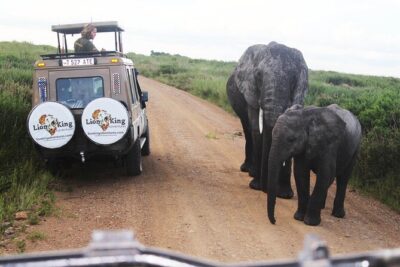
5-Day Highlights mid-Range Crater, Serengeti, Tarangire
Read our review →