
Reviewed · WALKING TOURS
Private Walking Tour with Giraffes
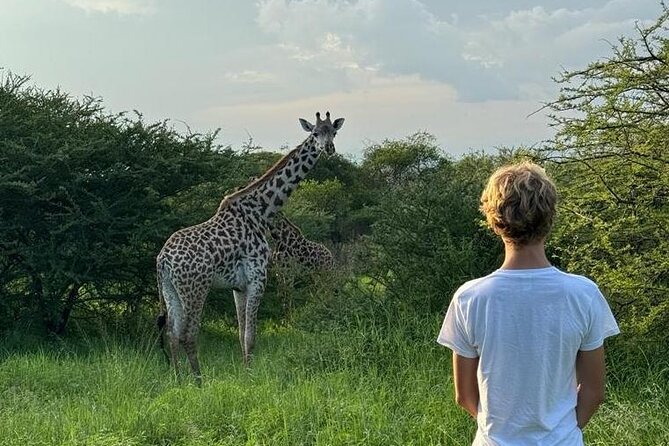
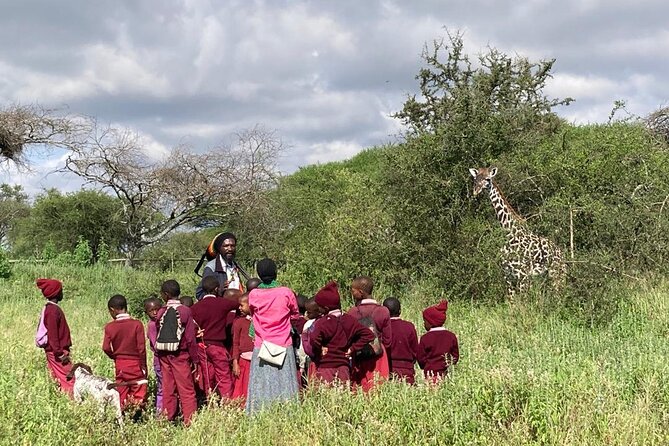
Walking within about five feet of giraffes is the main draw here, but the animals are only half the story. At the Arusha Giraffe Centre, you’ll learn how wildlife protection, farming, land restoration, and local education are tied together. Guides such as Jerome, Nic, and Nick bring different backgrounds to the walk, including teaching and wildlife studies.
I like two things right away: the private format, which gives you time to ask questions without a group crowding the guide, and the serious focus on conservation rather than a quick photo stop. The centre also works well for families, with children able to see the giraffes at close range while learning why their habitat matters.
The main thing to consider is the setting and timing. This is a roughly 1-hour-20-minute activity, not a full safari, and the access road may be rough. You must reach the centre at 21 Giraffe Centre Road in Moita on your own unless separate transport has been arranged.
Key points to know before you book
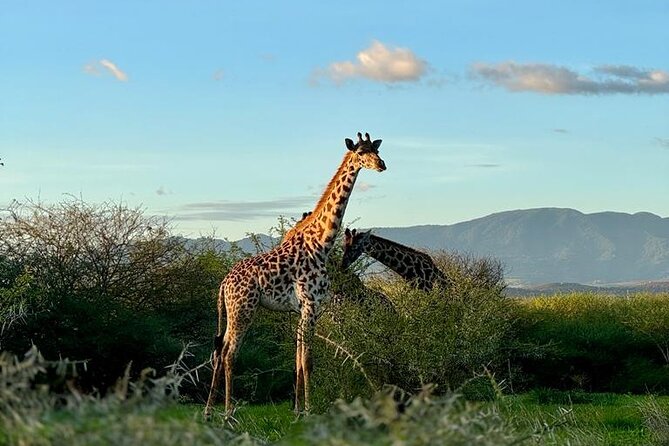
- Walk close to giraffes in a natural setting: The encounter can bring you within around five feet of the animals, with the guide managing the experience.
- Learn about more than wildlife: The visit connects giraffe protection with community needs, land regeneration, and Eco-Ag farming methods.
- Enjoy a private guide: Your group takes part alone, so you can ask as many questions as you like.
- Choose morning or afternoon: The schedule gives you room to fit this visit around other plans near Arusha.
- Expect a short but active outing: The walk takes place outdoors, and a moderate level of fitness is advised.
- Pay for an experience with a purpose: At $55 per person, admission and personal guiding are included, along with support for a conservation project.
Getting to the Arusha Giraffe Centre
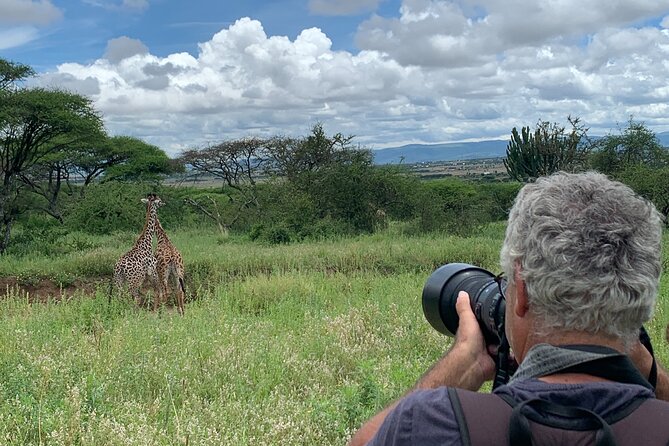
The meeting point is the Arusha Giraffe Centre at 21 Giraffe Centre Road, Moita, Tanzania. The activity begins and ends there. No hotel pickup is listed, so check your route carefully before setting out from Arusha.
The drive to the centre may feel more rural than you expect. The access road has been described as rough and suitable for an all-terrain vehicle, so allow a little patience on the way in. That setting is part of the experience, but it also means you should not treat the centre like an attraction in the middle of town.
The practical upside is a simple start. You do not need to find a second meeting point after the walk, and your own vehicle or arranged transfer remains with you. If you are pairing this visit with another Arusha activity, confirm the driving time and road conditions before booking a tight schedule.
Other guided walks in Arusha:
- Arusha Guided Walking City Tour, Culture, Lifestyle & History
★ 5.0 · 150 reviews - 7-Day Private Tanzania Safari with Sunset Walking on the Crater Rim and Maasai
★ 5.0 · 40 reviews - 4 Days lodge safari Tarangire , Ngorongoro crater & Walking
★ 5.0 · 39 reviews
The first lesson: wildlife, land, and community
The visit begins with a guided session at the education centre. This part is important because the giraffes are not presented as isolated animals in a fenced display. Instead, the guide explains three connected concerns: wildlife, the environment, and the community.
That connection gives the close encounter more meaning. Giraffe populations are under pressure, and protecting them requires more than keeping animals safe in one small area. Land use, farming, and local livelihoods all affect the places giraffes need to live.
The centre’s approach also includes education for local children. That focus matters because conservation lasts only when people who live near wildlife can take part in protecting it. You’ll hear how young people can become part of the future work, rather than seeing conservation as something controlled only by outside visitors or specialists.
Guides have different strengths. Jerome has been praised for his attention to land regeneration and giraffe care. Another guide, described as a former teacher with a bachelor’s degree in wildlife studies, brings a clear teaching style. Nic is known for explaining the project with enthusiasm, while Nick has spoken at length about farming and environmental change in Tanzania.
The exact guide depends on the day, but you can expect a personal introduction to the centre’s aims before the walk begins.
Walking with giraffes at close range
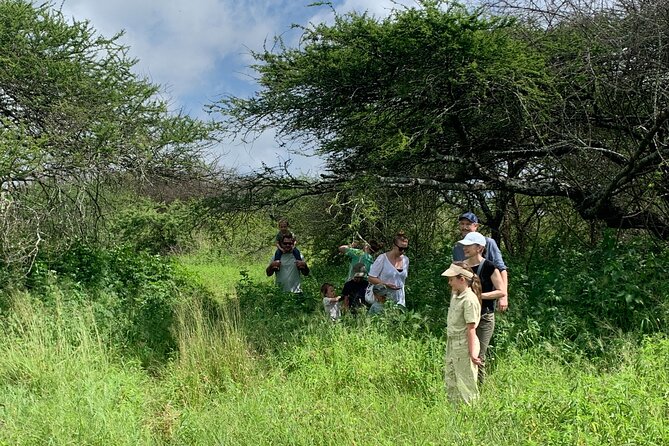
After the education session, you head into the centre’s outdoor area for the giraffe encounter. The animals can come very close, sometimes within about five feet. That distance makes this different from watching giraffes from a safari vehicle, where the view is often longer and more detached.
You’ll have time to watch how the giraffes move and respond to the people around them. The guide explains what you are seeing and helps keep the encounter respectful. You should follow instructions closely, give the animals room when asked, and avoid treating the walk like a petting-zoo visit.
The phrase walking with giraffes is accurate in the sense that you move through their area on foot while they are nearby. It does not mean you should chase them, touch them, or expect a guaranteed performance. Wildlife remains unpredictable, and the quality of the encounter depends on the animals’ behavior that day.
The outdoor setting changes with the season. During the rainy season, the centre can become especially green and attractive. That may make the walk more pleasant, but rain also affects the activity itself. Good weather is required, and poor conditions can lead to a new date or a full refund.
Bring sensible walking clothes and shoes suited to uneven ground. The tour only lasts about 1 hour and 20 minutes, but you will be outside and moving around, so a moderate level of fitness is recommended.
Why the conservation work adds value
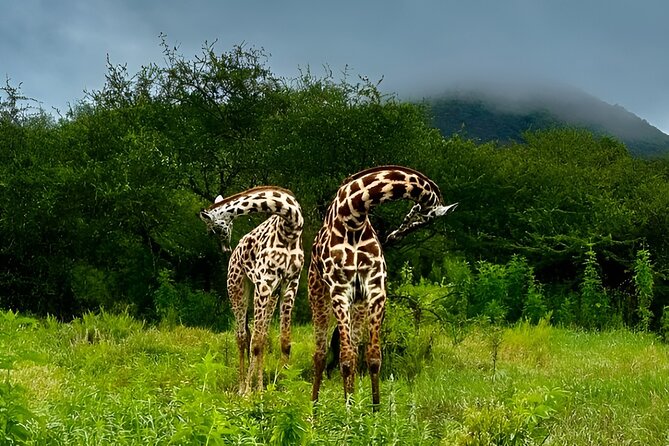
A close animal encounter can be memorable on its own. Here, the $55 price also pays for a better understanding of why the animals need protection.
The centre’s stated solution is called Eco-Ag, a form of regenerative agriculture that links farming with the recovery of natural systems. The visit explains how better farming practices may help reduce damage to giraffe habitat. This gives you a useful view of conservation at ground level, where land and food production are part of the same problem.
That is a strong reason to choose this outing instead of a simple animal photo stop. You are not just looking at giraffes. You are learning how a small conservation area tries to restore land, involve communities, and prepare giraffes for life beyond the centre.
The project has been developed over many years by people who have dedicated themselves to the area. You may meet members of the team involved in that work, including the owners, Natalie and Nate, or Nat and Nick, depending on the day. Their personal role gives the visit a hands-on feel, though the exact format can vary.
The conservation message will suit you if you like understanding the work behind an attraction. If you want only a fast animal sighting with little discussion, the educational opening may feel longer than necessary.
Same base, a different kind of day out:
- Serengeti Balloon Safari and authentic bush breakfast
★ 5.0 · 2,480 reviews - Balloon Safari & Bush Breakfast in Serengeti – Miracle Experience
★ 5.0 · 1,646 reviews - Tanzania Classic – 7 Days
★ 5.0 · 1,151 reviews - 4 Days Group Camping Safari
★ 5.0 · 1,101 reviews
A private tour makes a real difference
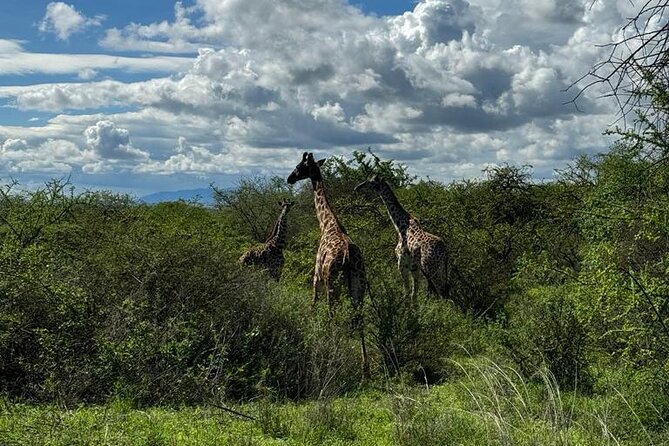
The private format is one of the clearest advantages. Only your group takes part, so the guide can adjust the pace and answer your questions. You do not need to wait while a large group gathers for photos or moves from one point to the next.
This is especially useful for families. Children can ask simple questions, pause to watch the giraffes, and receive explanations suited to their age. Adults can ask about farming, re-wilding, giraffe behavior, or the centre’s wider aims.
It is also helpful for people who want more detail. The guides have been described as enthusiastic and well prepared, with some bringing experience in teaching and wildlife studies. You can use the private setting to turn the visit into a focused conversation rather than a standard speech.
The tradeoff is price. At $55 per person, this is not the cheapest short activity near Arusha. But admission is included, and the cost covers a private experience rather than a place in a large group. If you value personal guiding and conservation support, the price is reasonable. If you are counting every dollar and mainly want a quick photograph, a private tour may not be your best use of the budget.
How long the visit really feels
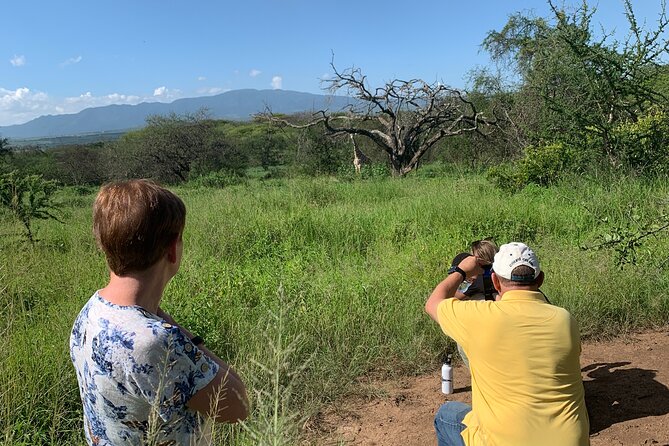
The advertised duration is approximately 1 hour and 20 minutes. The centre portion is listed at about 1 hour and 15 minutes, leaving very little spare time for delays or an extended visit.
That makes this a good fit before or after another activity. You might pair it with a nearby cultural attraction for a fuller half-day, as long as you allow time for the drive and do not assume the visit will run like a clock.
The short duration also keeps the activity manageable for children. You get the main educational talk and the giraffe walk without committing an entire day. On the other hand, anyone expecting a full safari should set expectations correctly. You will not spend hours searching for a range of African animals across a large park.
The walk may include more than giraffes, and the centre’s wider work concerns other animals and the surrounding land. Still, giraffes are the clear focus, and you should book this for that close encounter rather than for a broad wildlife count.
Who will enjoy this most
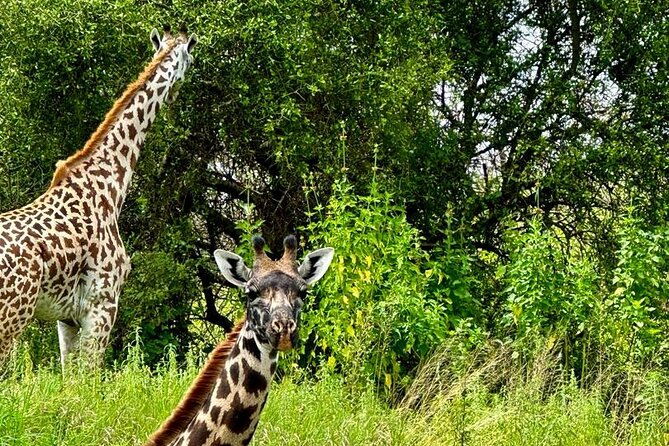
I would recommend this tour to families, first-time visitors to Tanzania, and anyone staying in Arusha who wants a short wildlife activity without committing to a full safari day.
It suits people who enjoy asking questions and learning how conservation works. The combination of a personal guide, close animal viewing, and practical discussion of farming gives the visit more substance than a standard photo stop.
It is also a good choice for children who are old enough to listen and follow directions around large animals. The centre puts emphasis on education, including the role of local children in future conservation efforts.
You may want to skip it if you dislike rough roads, outdoor walking, or educational presentations. It is also less suitable if you need a fully passive activity, since moderate fitness is advised and the encounter takes place on foot.
What to bring and how to plan
Wear comfortable shoes that can handle an uneven outdoor path. Bring water, sun protection, and rain protection if the forecast looks uncertain. These suggestions are basic, but they matter because the tour depends on good weather and takes place outside.
Use the morning or afternoon choice to fit the visit around your Arusha plans. Since the tour begins and ends at the centre, confirm how you will get there before booking. The rough access road may take longer than a map estimate suggests.
Keep your phone or booking confirmation available because the ticket is mobile. Confirmation is provided when you book, and admission to the centre is included.
The cancellation terms are fair but strict near departure. You can cancel for a full refund up to 24 hours before the start time. Cancellations or changes made within 24 hours are not accepted for a refund. If bad weather forces the centre to cancel, you will be offered another date or a full refund.
Should you book this giraffe walk?
Book it if you want a close giraffe encounter with a clear conservation purpose. The private guide, small-group setting, and links between wildlife, farming, and local education make this more worthwhile than a quick stop for photographs.
At $55 per person, the value comes from the personal attention and the centre’s conservation work, not from the length alone. You receive about 80 minutes, but the ideas you take away can shape how you understand wildlife protection across Tanzania.
I would be especially keen to recommend it to families and people with limited time in Arusha. Just plan for the rough approach road, wear practical shoes, and remember that this is a guided educational walk, not a full safari.
FAQ
Where does the private giraffe tour begin and end?
It begins at the Arusha Giraffe Centre, 21 Giraffe Centre Road, Moita, Tanzania. The activity ends back at the same meeting point.
How long does the experience last?
The experience lasts approximately 1 hour and 20 minutes. The guided centre visit is listed as about 1 hour and 15 minutes.
How close can I get to the giraffes?
The walking encounter can bring you within about five feet of the giraffes. You should follow the guide’s instructions and keep the interaction respectful.
Is this a private tour?
Yes. Only your group participates, and you can ask the guide questions throughout the visit.
Can I choose a morning or afternoon time?
Yes. The tour offers a choice of morning or afternoon departure.
What happens if the weather is poor?
The experience requires good weather. If it is canceled because of poor conditions, you can choose another date or receive a full refund. You can also cancel for a full refund up to 24 hours before the start time.
Just added in Arusha
- 4 Days Private Midrange Lodge Safari to Serengeti & Ngorongoro★ 5.0 · 4 reviews
- Extraordinary Hot air Bolloon ride in Serengeti | BURIGI CHATO SAFARIS CO L.T.D★ 5.0 · 6 reviews
- 3 days leopard safaris★ 5.0 · 4 reviews
- 8 Days Serengeti Migration safari★ 5.0 · 11 reviews
- tarangire, ngorongoro & lake manyara park 3 days private tour★ 5.0 · 11 reviews
- serengeti, ngorongoro & tarangire 4 days private tour★ 5.0 · 18 reviews
- tarangire & ngorongoro 2 days tour★ 5.0 · 14 reviews
- Mt. Kilimanjaro: Shira plateau to Cathedral point 3872m Day hike★ 5.0 · 7 reviews
Walking Tours, compared.
3 Hours Private Stone Town walking Tour with Guide
Read our review →
Stone Town Historical Cultural Walking Guided Tour
Read our review →

Arusha Guided Walking City Tour, Culture, Lifestyle & History
Read our review →


Browse the lists this tour appears in