
Reviewed · NGORONGORO CRATER TOURS
From Arusha: Tarangire and Ngorongoro Crater Camping Safari
Tarangire’s giant baobabs and elephant herds make a strong first act, but the real prize comes on day two: the steep descent into Ngorongoro Crater, where black rhinos, lions, and other wildlife gather on the crater floor. This is a short safari with a lot packed into it.
I like the clear contrast between the parks. Tarangire gives you wide views, old trees, and elephants, while Ngorongoro offers a compact wildlife area with a dramatic volcanic setting. I also like that park fees, meals, water, lodging, transport, and a private group are included.
The main caution is time. Two days means long drives, early starts, and little room for delays. A vehicle repair once cost one group about two hours, and wildlife sightings are never guaranteed, especially for rhinos and hyenas. At $800 per person, you should confirm exactly what accommodation and vehicle arrangement you are receiving before paying.
Key points to know before booking
- Tarangire begins with elephants and baobabs: The park is especially good for large elephant herds and striking old baobab trees.
- Ngorongoro starts early: Breakfast is at 6 AM, followed by a crater viewpoint and a descent in search of black rhinos.
- Guides can shape the whole safari: Malisa, Simon, and Lucas have been praised for friendly service, wildlife knowledge, safe driving, and photography.
- The price covers most major costs: At $800, you get park fees, taxes, meals, soft drinks, water, accommodation, and hotel transfers.
- Expect a fast two-day pace: This works well for a first safari, but it is not a leisurely schedule.
- Bring bug spray and practical patience: Pets are not allowed, and the tour is not suitable for children under three, people with back problems, or people with mobility impairments.
Why this two-park safari works so well
If you have only two days from Arusha, this pairing makes sense. Tarangire and Ngorongoro are close enough to combine, yet each offers a different kind of safari experience.
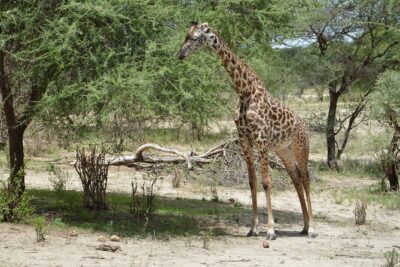
Tarangire is about scale and scenery. Its ancient baobabs give the park a distinctive look, and elephants are the main attraction. You may also search for lions, cheetahs, leopards, giraffes, wildebeest, and zebras.
Ngorongoro is more concentrated. The crater is a large natural enclosure, so animals can be easier to find than in a spread-out park. The setting is the star: you look down from the rim, then travel onto the crater floor for a close search for wildlife.
I like that this is a first safari rather than a narrow animal-watching trip. You get big trees, open country, a dramatic volcanic formation, a picnic stop, game drives, and an overnight stay. The experience gives you a useful taste of northern Tanzania without requiring a week away from your trip.
Other park itineraries that start in Arusha:
- Serengeti Balloon Safari and authentic bush breakfast
★ 5.0 · 2,480 reviews - Balloon Safari & Bush Breakfast in Serengeti – Miracle Experience
★ 5.0 · 1,646 reviews - 4 Days Group Camping Safari
★ 5.0 · 1,101 reviews
The 7:30 AM start from Arusha
Pickup begins at your hotel at 7:30 AM. You meet the guide, chef, and other clients before setting off toward Tarangire, a drive of about two hours.
The practical detail here is that the tour combines transport with a working safari team. Your guide handles the driving and wildlife spotting, while a chef prepares the meals. English is the stated tour language, and an English audio guide is also included.
Although the activity is described as a private group, the first-day plan also refers to meeting other clients. Ask the operator how your booking will be arranged if traveling with a small party. Group size affects how easy it is to take photographs, ask questions, and adjust the vehicle at animal sightings.
The road time is part of the bargain. You will spend a good portion of the first morning getting to the park, so this is not a quick city excursion. Still, the two-hour transfer is reasonable for access to one of Tanzania’s best-known elephant parks.
Tarangire: baobabs, elephants, and a full afternoon drive
Once inside Tarangire National Park, the focus turns to a game drive. The park is particularly known for its large elephant population and ancient baobab trees, giving you two strong reasons to keep your eyes moving even when animals are not close to the vehicle.
The animal list is impressive: lions, cheetahs, leopards, giraffes, wildebeest, and zebras are all possible sightings. That list should be treated as a guide to what lives in the park, not a promise. One group saw nearly all the expected animals in Tarangire but missed rhinos and hyenas, which were then hoped for at Ngorongoro.
The varied scenery also helps the day feel less repetitive. You are not simply driving from one animal to the next. The baobabs create memorable photographs, while the Tarangire River gives the park a natural focus.
Lunch is planned at the Tarangire River picnic site. You can eat with a view of the river and nearby animals, though you should keep the usual safari caution around food and wildlife. Soft drinks and water are included, as are all meals on the tour.
After lunch, the game drive continues until about 4:30 PM, when you leave the park and head to the accommodation. This second drive is important. The morning can feel exciting and busy, but the afternoon gives your guide more time to search for animals and respond to changing sightings.
A good guide matters here. Malisa was praised for combining safe driving with clear explanations, while Simon, also called Safari Monster, was singled out for enthusiasm, helpfulness, and taking strong photographs. Those details matter because the quality of a safari depends on more than the park itself. You want a guide who keeps looking, explains what you are seeing, and does not rush every stop.
The overnight stay near Mto wa Mbu
After Tarangire, you spend the night at accommodation before the early Ngorongoro departure. The exact property is not specified, but the stay is described as clean, comfortable, and accompanied by a good dinner. One overnight lodge in Mto wa Mbu was especially well received.
This night is functional rather than a major attraction. Its purpose is to break up the route and put you in position for the crater morning. You should still ask what type of room or tent is included, since the word camping can cover different standards.
The included dinner and breakfast make the $800 price easier to assess. You are not paying only for park entry and a vehicle. The package also covers the overnight stay, food, drinks, water, guide, chef, taxes, and transfers.
Other safaris people book out of Arusha:
- 5 Days Group Camping Safari
★ 5.0 · 730 reviews - 3 Days Serengeti & Ngorongoro Group Camping Safari
★ 5.0 · 574 reviews - 7-Day Premium Luxury Tanzania Safari All-Inclusive
★ 5.0 · 426 reviews - 3-Day Classic Serengeti Safari
★ 5.0 · 263 reviews
The 6 AM start and Ngorongoro viewpoint
Breakfast is scheduled for 6 AM on the second day. That is early, but it gives you the best chance to make the most of the crater visit before returning to Arusha.
The first stop is the Ngorongoro viewpoint. From here, you can take in the crater from above before descending. The order is sensible: you see the full scale of the volcanic setting first, then experience the crater floor from inside.
Ngorongoro is often described as one of Tanzania’s finest wildlife areas because animals are concentrated within the crater. That does not mean every sighting is certain. Black rhinos are specifically the target here, but they are also among the hardest animals to find.
Keep your expectations realistic. One group missed both rhinos and hyenas despite having a strong safari in Tarangire. That is not a failure of the park. Wild animals move, hide, and stay far from the road. A good guide can improve your chances, but no short tour can guarantee a particular species.
Inside the crater: the main wildlife search
The descent into Ngorongoro is the emotional center of the trip. You are moving from the rim’s wide view into a contained wildlife area, with the crater walls rising around you.
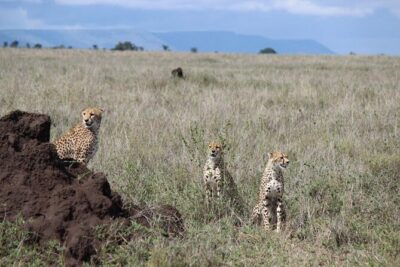
The plan is to search for black rhinos first, then continue with a game drive after lunch. You may also look for lions, cheetahs, elephants, giraffes, and other animals listed for the safari. The crater’s compact layout makes it a strong choice when your time is limited.
Lunch comes during the crater visit, followed by more driving and a final ascent. You then return to your accommodation in Arusha. The return schedule is not specified, so do not book a tight evening flight or an important connection without confirming the expected arrival time.
This day is demanding. You have an early breakfast, a viewpoint, a descent, wildlife watching, lunch, more driving, an ascent, and the return trip. If you prefer long stays at each site and slow mornings, a longer safari would suit you better.
What the guides add to the experience
The guide is the person who turns a park entrance into a safari. Several guides connected with this tour received strong praise, including Malisa, Simon, and Lucas.
Malisa was described as friendly, safe, and highly informed about the parks. Simon was praised for his energy, kindness, and willingness to help visitors get the best possible experience. Lucas was remembered for being exceptionally friendly and for finding many different animals.
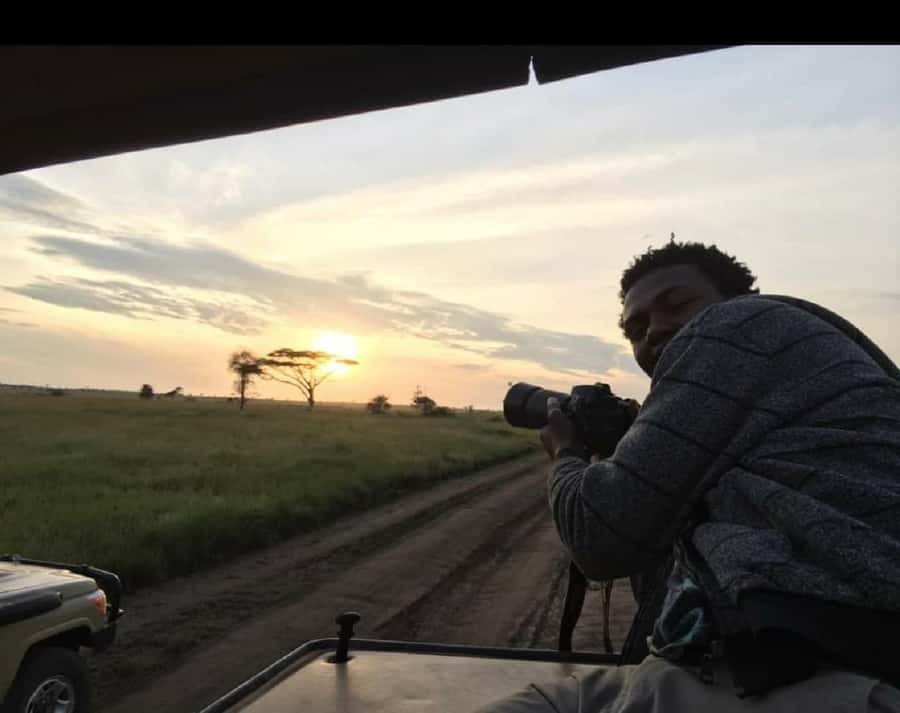
Those comments point to the qualities you should value: careful driving, clear explanations, good animal-spotting habits, and a willingness to help with photographs. Simon was also praised for taking memorable pictures, which can be useful if you want more than quick phone snapshots.
You can request a particular guide, but availability is not guaranteed. If guide choice matters to you, ask before booking rather than assuming Simon, Malisa, or Lucas will be assigned.
Transport, meals, and the value of $800
The price is listed at $800 per person. That is a serious cost, but it includes many of the expenses that can add up quickly on a safari: hotel pickup and return, park entrances, taxes, accommodation, all meals, soft drinks, and water.
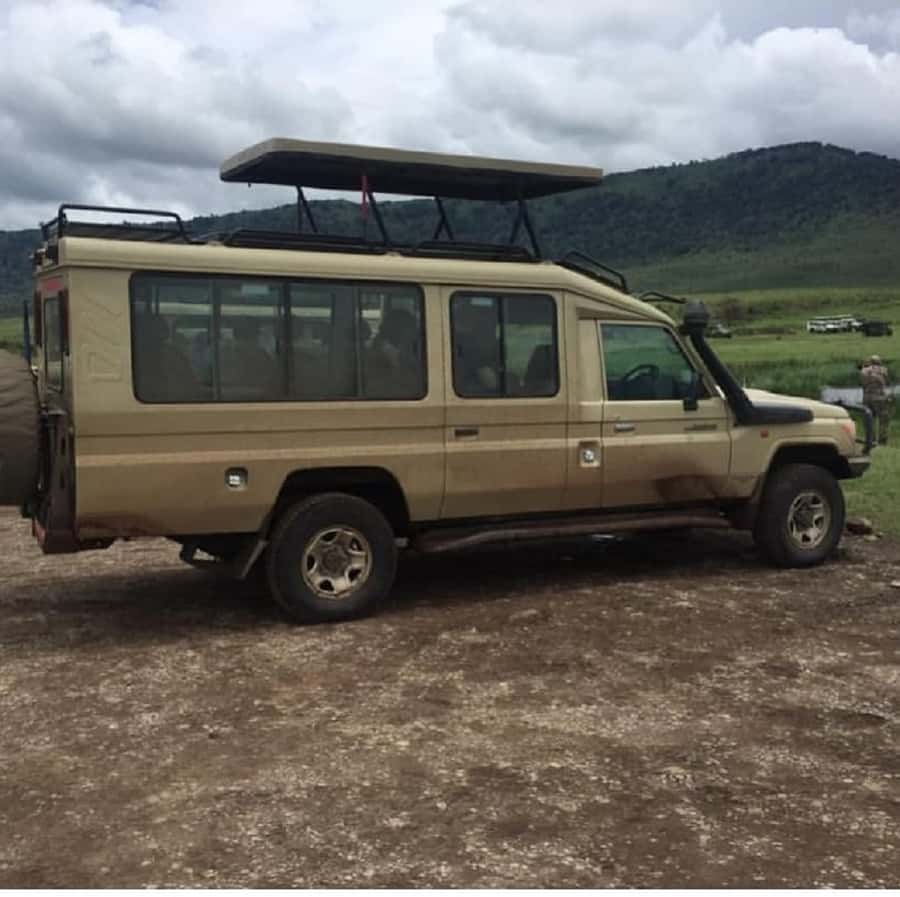
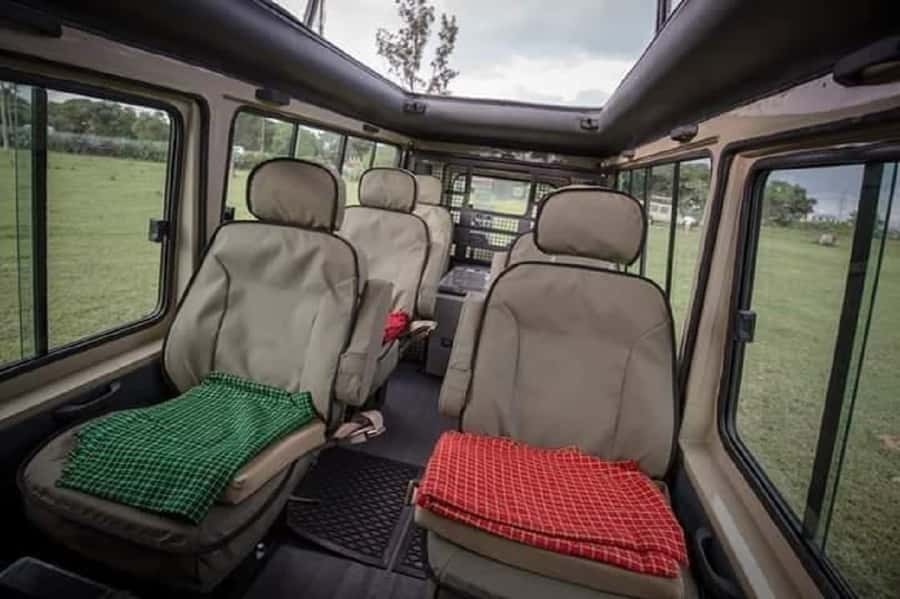
The tour uses a Toyota Land Cruiser according to one detailed account. That type of vehicle is associated with safari driving, although the exact vehicle supplied for your departure should be confirmed. One group lost about two hours to a vehicle repair, so mechanical delays are a real possibility on a demanding road trip.
There is also a pricing point worth checking. A past group reported that fellow participants had paid around $400 for the same two-day arrangement, while their own price was above $600 at the time. Prices can change by date, booking channel, room type, or group arrangement, but such a large difference is a reason to compare carefully before committing to $800.
Ask these questions in writing:
- Is the accommodation a tent, lodge room, or another arrangement?
- Is the group fully private, or will you share the vehicle?
- Are all meals served by the safari chef?
- Is the Toyota Land Cruiser guaranteed?
- Are hotel transfers included from your exact Arusha address?
The cancellation policy is friendly: you can cancel up to 24 hours before departure for a full refund. You can also reserve now and pay later. Those options help if your Arusha plans are still shifting.
Who should choose this safari
I would point this tour toward a first-time safari visitor with only two available days. It gives you two major parks, a good chance of seeing many familiar African animals, and a dramatic setting without asking you to plan each piece separately.
It also suits people who value an organized package. Your meals, water, park fees, lodging, guide, chef, and hotel transport are bundled together. That takes care of the fiddly parts.
The pace may be too hard for anyone with back problems or limited mobility. The activity is also not suitable for children under three. Pets are not allowed, and the itinerary includes long drives, rough park roads, early mornings, and extended time in a safari vehicle.
If black rhinos are your top priority, I would choose a longer safari instead of relying on one crater visit. The same applies if you want a relaxed camp stay or several days in each park.
What to pack and what to expect
Bring bug spray, as specifically advised. Comfortable clothing, sun protection, and a camera are sensible additions, but the confirmed requirement is insect repellent.
Wait in your hotel lobby for pickup. English is the listed language, and the activity includes an English audio guide. Meals, soft drinks, and water are included, so you do not need to plan for basic food and drink during the safari.
Expect plenty of sitting, early starts, and changing wildlife conditions. You may have a spectacular animal sighting one minute and a quiet stretch of road the next. That uneven rhythm is part of safari travel, not a flaw in the itinerary.
Should you book it?
Book this safari if you want a short, well-organized introduction to northern Tanzania and value seeing Tarangire’s elephants alongside Ngorongoro’s crater wildlife. The guide quality, included costs, strong vehicle-based format, and contrast between the parks make it a practical choice for a first visit.
Before booking at $800, confirm the accommodation, group setup, vehicle, and final price. Choose a longer itinerary if you need a slower pace or have a particular animal, especially black rhino, at the top of your list.
FAQ
How long is the safari?
The safari lasts two days.
Where does the safari begin?
Pickup is provided from your hotel in Arusha. You should wait in the hotel lobby.
Which parks does the tour visit?
The tour visits Tarangire National Park on the first day and Ngorongoro Crater on the second day.
What time does pickup begin?
Pickup begins at 7:30 AM on the first day.
What time does breakfast begin on the second day?
Breakfast is scheduled for 6 AM before the trip to the Ngorongoro viewpoint and crater.
Is accommodation included?
Yes. Accommodation during the safari is included, although the specific property and accommodation type are not stated.
Are meals and drinks included?
Yes. All meals, soft drinks, and water are included.
Is a guide included?
Yes. The tour includes a live English-speaking guide, and an English audio guide is also listed.
Can the tour be canceled for a refund?
Yes. You can cancel up to 24 hours in advance for a full refund. You can also reserve now and pay later.
More Tarangire safaris from Arusha
- 5-Day Highlights mid-Range Crater, Serengeti, Tarangire
★ 5.0 · 296 reviews - Private 6-Day Tarangire Manyara Crater and Serengeti with Mid-Range Lodges
★ 5.0 · 238 reviews - 4 Days Tarangire Serengeti Ngorongoro Crater
★ 5.0 · 117 reviews - 3 Days Tarangire, Ngorongoro & Lake Manyara Group Camping Safari
★ 5.0 · 102 reviews
More Ngorongoro trips from Arusha
- 5 Days Camping Tarangire, Serengeti & Ngorongoro crater & Visiting Maasai
★ 5.0 · 229 reviews - 4 Days Join Group tour Tarangire Serengeti and Ngorongoro crater
★ 5.0 · 219 reviews - 4-Day Safari from Arusha: Tarangire, Serengeti and Ngorongoro
★ 5.0 · 173 reviews - 2 Days Tarangire and Ngorongoro Group Camping Safari
★ 5.0 · 146 reviews
Just added in Arusha
- 4 Days Private Midrange Lodge Safari to Serengeti & Ngorongoro★ 5.0 · 4 reviews
- Extraordinary Hot air Bolloon ride in Serengeti | BURIGI CHATO SAFARIS CO L.T.D★ 5.0 · 6 reviews
- 3 days leopard safaris★ 5.0 · 4 reviews
- 8 Days Serengeti Migration safari★ 5.0 · 11 reviews
- tarangire, ngorongoro & lake manyara park 3 days private tour★ 5.0 · 11 reviews
- Mt. Kilimanjaro: Shira plateau to Cathedral point 3872m Day hike★ 5.0 · 7 reviews
- serengeti, ngorongoro & tarangire 4 days private tour★ 5.0 · 18 reviews
- tarangire & ngorongoro 2 days tour★ 5.0 · 14 reviews
Ngorongoro Crater Tours, compared.
3 Days Serengeti & Ngorongoro Group Camping Safari
Read our review →
4-Day Safari from Arusha: Tarangire, Serengeti and Ngorongoro
Read our review →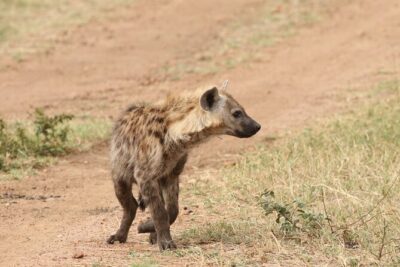
2 Days Tarangire and Ngorongoro Group Camping Safari
Read our review →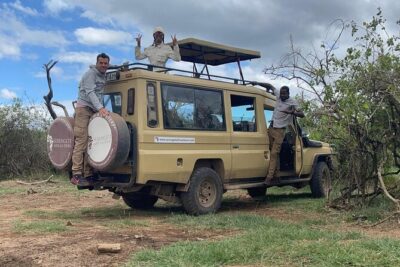
3 Days Private Safari – manyara, Ngorongoro & Tarangire
Read our review →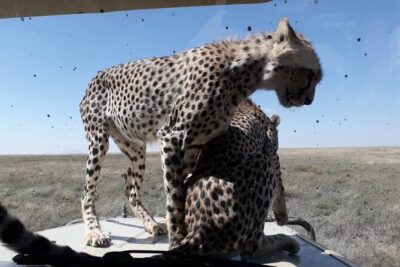
5 Days Tanzania Group Joining Safari, Tarangire/Serengeti/Ngorongoro Crater
Read our review →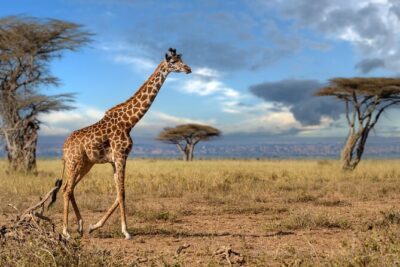
4 Days Tarangire, Serengeti and Ngorongoro Mid-Range Group Safari
Read our review →Browse the lists this tour appears in