Reviewed · TOURS IN MOSHI
From Moshi or Arusha: Serval Wildlife Sanctuary Trip
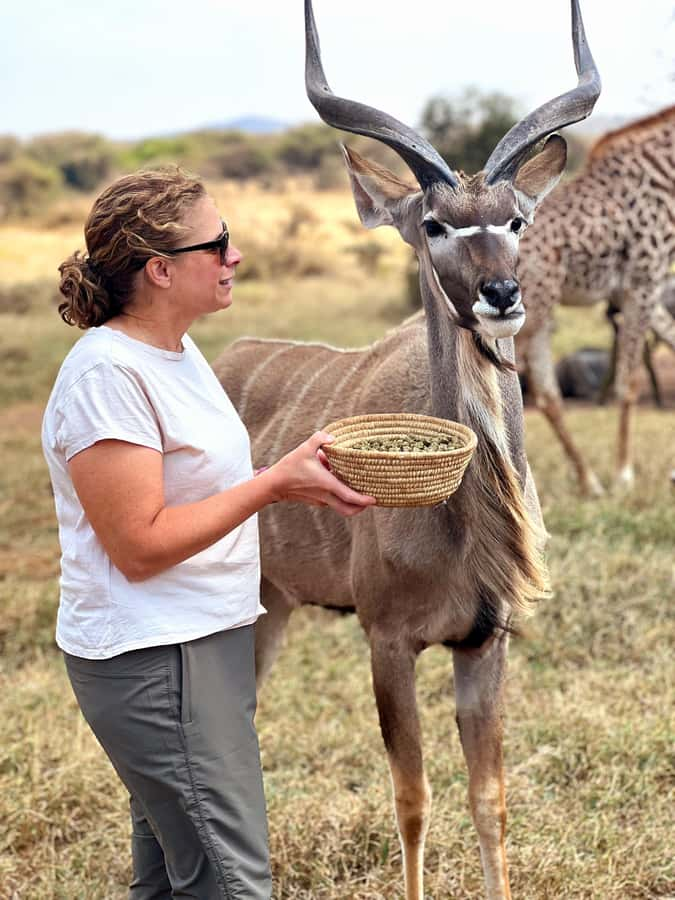
Serval Wildlife Sanctuary gives you something a standard game drive cannot: close contact with African animals under keeper supervision. In one hour, you may feed, pet, and photograph lions, Masai giraffes, bat-eared foxes, elands, ostriches, and monkeys.
I like the sanctuary’s choice-based approach, which lets an animal walk away when it has had enough. I also like the simple half-day format, with pickup, drinks, and transport from either Moshi or Arusha. The main catch is price: the $90 activity cost does not include the $120 park entry fee, making the stated minimum total $210 per person.
Key points
- An hour of close animal contact: Feed, pet, and photograph several species in a supervised setting.
- Animal choice comes first: Animals decide when they want to approach or leave the interaction.
- Easy access from two towns: Pickup and drop-off are available in Moshi and Arusha.
- Five-hour schedule: The trip includes roughly 1.5 hours of transfer time and a one-hour guided sanctuary visit.
- English-speaking support: A driver-guide handles the transfer, with trained keepers overseeing animal contact.
- Check the full cost carefully: The $120 park entry fee is not included in the $90 activity price.
Getting close to wildlife at Serval Sanctuary
The main appeal here is distance. Instead of watching animals from a vehicle, you are given time to feed, pet, and photograph them at close range. That can be especially meaningful for families and anyone who wants a more direct animal encounter than a traditional safari provides.
The experience includes African lions, Masai giraffes, bat-eared foxes, elands, ostriches, and monkeys. The exact order of the encounters is not specified, so I would treat the species list as a guide to what you may see rather than a promise that every animal will be available for hands-on contact.
There is also an element of play in the visit, though the important point is not simply getting a good photograph. The sanctuary says the interactions are arranged to be positive for both people and animals, with trained keepers present throughout.
That supervision matters. Large animals require firm rules, and the staff direct how you approach, feed, pet, and photograph them. You should expect to follow their instructions rather than move freely between animals.
A few more things to do in Moshi worth a look
- Wildlife Safari Tanzania
★ 5.0 · 19 reviews - Moshi: Serval Wildlife Tour with food and drinks
★ 3.2 · 11 reviews - 6 Days Essence of Tanzania Wildlife Safari
★ 5.0 · 8 reviews
Why the animal-choice policy matters
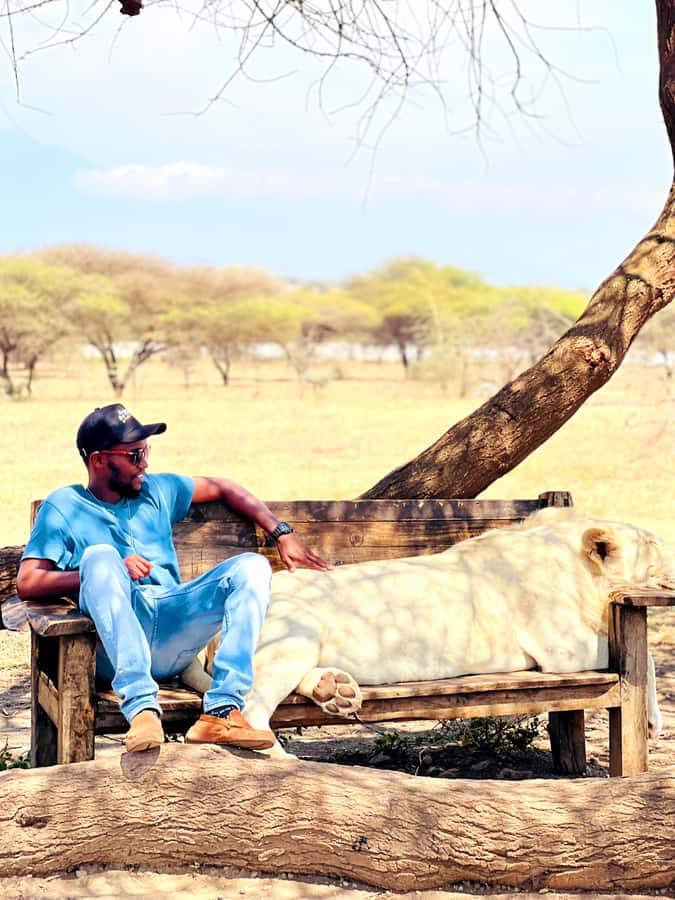
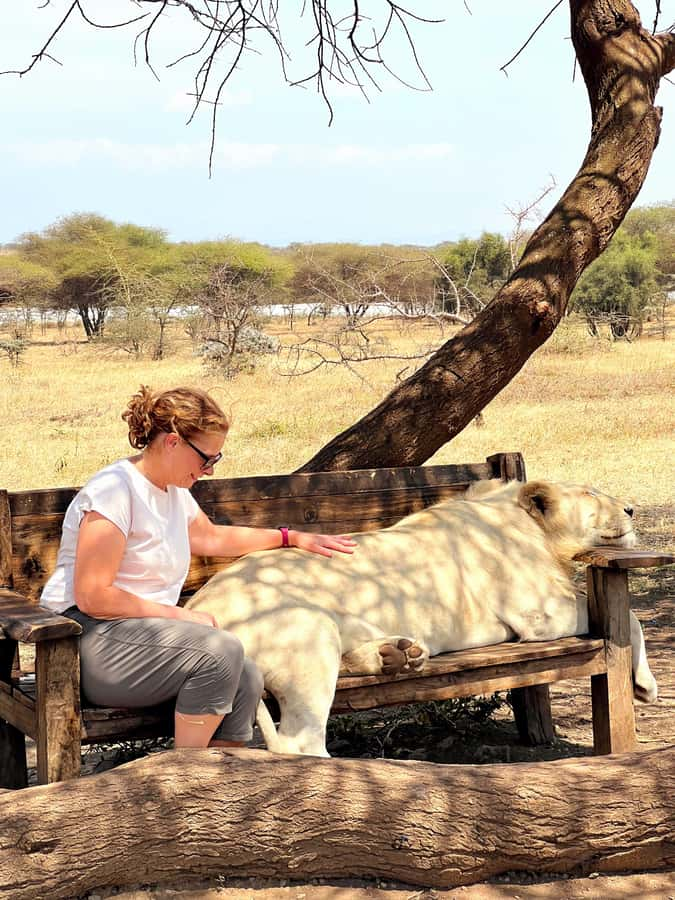
The most thoughtful part of this experience is the rule that animals may choose whether they want to interact. If an animal feels secure and wants to move away, it can do so. That creates a calmer setting than an encounter built around forcing an animal to remain in place.
I like this approach because it changes your role. You are not promised constant contact. Instead, you are asked to pay attention to the animal’s behavior and respect its space. A photograph may be less important than letting a giraffe, fox, monkey, or lion decide what happens next.
This also means your experience may vary. One animal may come close at once, while another may show little interest. That is not a flaw in the visit. It is part of a wildlife encounter that gives the animals some control.
You should also keep your expectations realistic. This is a sanctuary visit with structured contact, not a full safari and not an open-ended chance to handle every animal. The one-hour guided portion goes quickly, especially if several species are available and everyone wants time to take pictures.
The one-hour guided visit
After arriving at Serval Wildlife Sanctuary, you receive about an hour for the animal encounters. This is the core of the trip, so I would keep your attention on the instructions from the keepers and be ready to move between activities when asked.
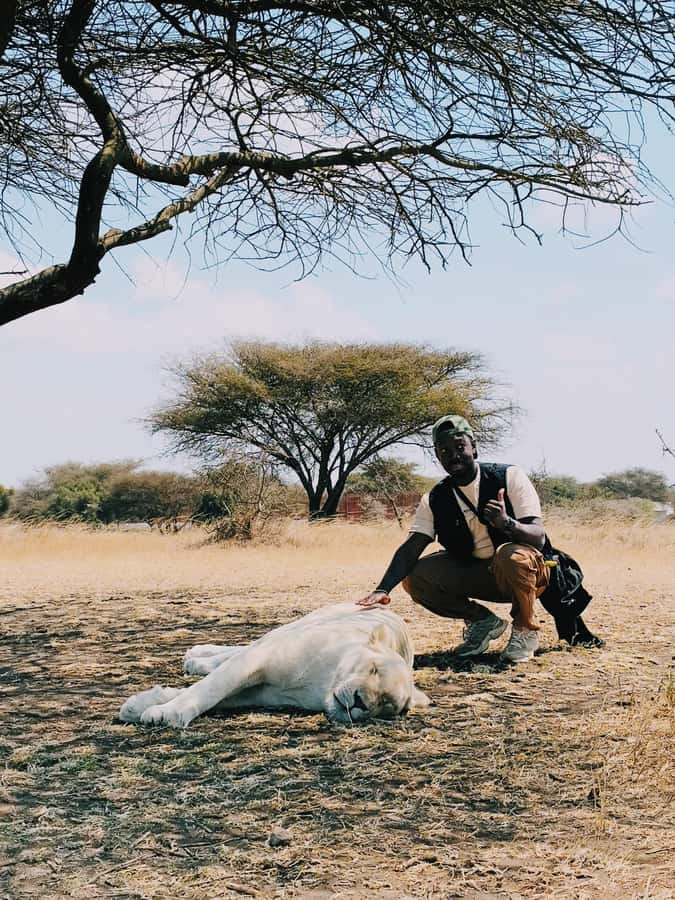
The available experiences include feeding, petting, and taking photographs. You may get close to African lions, Masai giraffes, bat-eared foxes, elands, ostriches, and monkeys. The supplied details do not specify how long you spend with each species, so the pace can depend on the animals, the keeper’s directions, and the number of people taking part.
The close contact is likely to be most memorable with the giraffes, since their height and calm feeding style create a very different encounter from seeing them at a distance. The foxes and monkeys offer a smaller-scale experience, while lions require especially careful attention to the keeper’s instructions.
Families may find the combination of feeding and photographs appealing. One translated rating specifically highlights children feeding animals and seeing giraffes, zebras, and antelope up close, although zebras are not included in the main species list provided for this activity. I would not book on the assumption that every one of those animals will be part of your visit.
Bring patience. You may want a perfect photograph, but the animals will not follow a script. The sanctuary’s policy allows them to decide when to approach, so the best moments may come from watching rather than trying to stage the scene.
What the keepers add to the experience
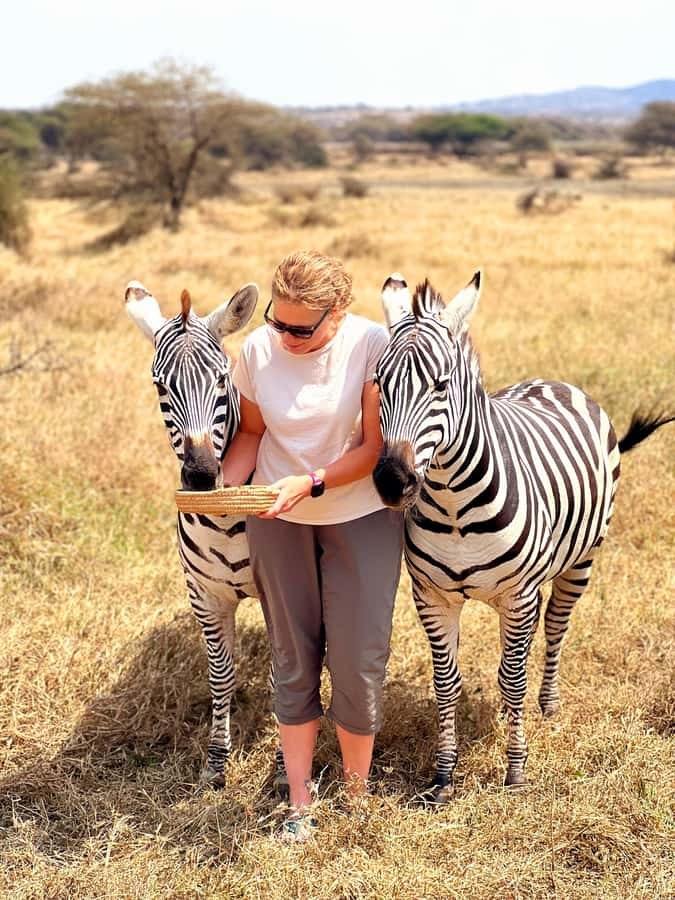
The keepers are not just there for safety. They also set the tone of the encounter. You are shown how to behave around the animals, when to feed, where to stand, and when to give an animal more room.
That makes this a better choice than an unsupervised animal-contact setting. The sanctuary’s stated aim is to keep the interactions comfortable for the animals and positive for you. If you follow the directions, you help maintain that balance.
The tour includes a live English-speaking guide, and the driver-guide handles the transport portion. No individual guide names are provided, so you should not expect a particular named guide when booking. The supplier is Naturalland Expeditions.
One useful point from the available feedback is the praise for a calm and competent guide. That description fits the kind of support this visit needs. You do not need a guide who fills every pause with a speech. You need someone who can keep the transfer moving and help you understand the rules around the animals.
Same base, a different kind of day out:
- Kilimanjaro climb by Lemosho Route (7-day)
★ 5.0 · 651 reviews - Safari Serengeti And Ngorongoro
★ 5.0 · 288 reviews - Kilimanjaro climb, Machame Route (7-day)
★ 5.0 · 262 reviews - Kilimanjaro Climbing Lemosho Route 8 Days.
★ 5.0 · 186 reviews
The Moshi or Arusha transfer
The trip takes five hours in total and offers pickup and drop-off in either Moshi or Arusha. The transfer takes about 1.5 hours according to the stated schedule. That makes this a half-day activity, though the road time takes a meaningful part of the day.
Choosing the departure town is useful if you are staying in either major base near Kilimanjaro. You do not need to arrange a separate taxi to the sanctuary, and return transport is included.
The tradeoff is simple: you spend about three hours of a five-hour trip on the wider journey and about one hour at the sanctuary, with the remaining time covering arrival and departure arrangements. If you want a full day of wildlife viewing, this will feel short. If you want one focused animal encounter without committing to a longer safari, the schedule works well.
Because the transfer is listed as about 1.5 hours, I would avoid booking another fixed activity too close to the return time. The exact starting time depends on availability, and the description does not provide a group size or a detailed road route.
Drinks are included, which is a small but useful touch on a half-day outing. You should still confirm what you need for the rest of the day, since no meal is listed.
Is $210 per person good value?
The advertised activity price is $90 per person, but park entry is listed separately at $120 per person. That brings the stated minimum to $210 per person before considering anything else not listed as included.
For a five-hour private-feeling animal encounter, that may be worthwhile if your priority is close contact, photographs, and a guided sanctuary setting. The included pickup, drop-off, driver-guide, and drinks also save you from arranging the transfer yourself.
The value is weaker if you are mainly looking for a conventional wildlife drive. You receive about one hour of guided animal interaction rather than a full day in a national park. You are paying for access and proximity, not for many hours of searching across a large protected area.
The price also deserves careful checking before you pay. The separate $120 entry charge is substantial and easy to overlook if you focus only on the $90 headline price. I would confirm that the total cost is still current and ask how the park fee is collected.
The high rating of 4.9 from 14 ratings suggests strong satisfaction with the close animal contact and guide support. The available comments repeatedly praise being near the animals, feeding them, and taking photographs. One comment says the prices are somewhat high, which is a fair warning when the entry fee is added.
Who should choose this sanctuary visit?
I would put this near the top of the list for families who want a manageable wildlife activity. The one-hour contact period is easier for children than a long vehicle-based search, and feeding animals gives them something active to do.
It also suits photographers who want close portraits rather than distant views. Keepers supervise the contact, and the animals’ choice to participate can produce natural moments instead of a fixed performance.
This is a good fit if you are based in Moshi or Arusha and want a half-day plan around a Kilimanjaro stay. The included transport keeps the logistics simple, particularly if you do not have a car.
I would be more cautious if you are looking for a traditional safari, a large number of wild species, or a long period in the field. This is a sanctuary visit with managed encounters. It should not replace a national park safari if seeing animals in a broad natural setting is your main goal.
The activity may also disappoint anyone who expects guaranteed handling or constant contact. The sanctuary specifically asks you to respect animal space, and the animals can choose not to interact.
Practical details before you book
Pickup and drop-off are available in Moshi and Arusha. The listed duration is five hours, with starting times subject to availability.
The activity is conducted in English. A driver-guide is included, while trained keepers supervise the animal encounters. Drinks are included, but food is not listed.
Cancellation is free up to 24 hours before the activity for a full refund. You can also reserve now and pay later, which helps if your Kilimanjaro schedule is still changing.
The headline price is $90 per person, but the $120 park entry fee is not included. Treat the full stated cost as $210 per person and confirm the current amount before booking.
Take the animal rules seriously. Listen to the keepers, give animals room when instructed, and accept that the strongest moment may be one you cannot plan. The sanctuary’s approach works best when you see the visit as a guided meeting with animals, not a guaranteed photo session.
Should you book the Serval Wildlife Sanctuary trip?
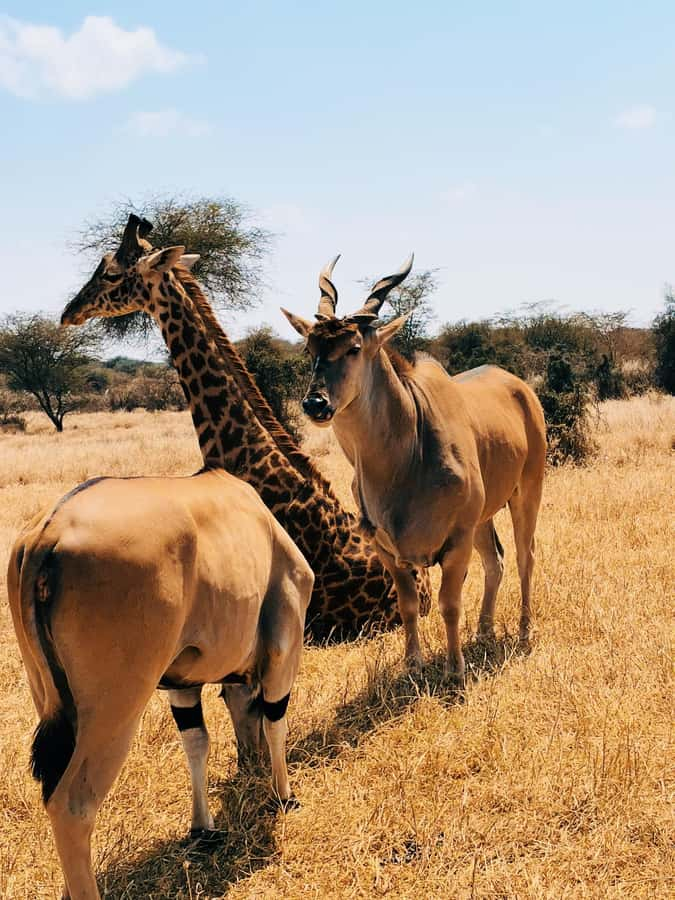
Book it if you want close, supervised animal encounters and a straightforward half-day from Moshi or Arusha. The chance to feed and photograph giraffes, lions, foxes, elands, ostriches, and monkeys is the clear reason to go.
I would book with two conditions. First, confirm the total price, since the $120 park entry fee sits outside the $90 activity cost. Second, choose it for the sanctuary experience, not as a substitute for a full safari.
For families, first-time safari visitors, and anyone who values proximity and photographs, this is a focused and memorable option. If you prefer animals at a distance in a wide natural setting, put the money toward a longer park excursion instead.
FAQ
Where does the Serval Wildlife Sanctuary trip start?
You can choose pickup in Moshi or Arusha.
Where can the trip end?
Drop-off is available in Arusha or Moshi.
How long does the activity last?
The total duration is five hours.
How long is the transfer?
The stated transfer time is about 1.5 hours.
How long is the guided sanctuary visit?
The guided visit at Kilimanjaro is listed as one hour.
Which animals can you see?
The activity information lists African lions, Masai giraffes, bat-eared foxes, elands, ostriches, and monkeys. A translated rating also refers to giraffes, zebras, and antelope, but those additional animals are not guaranteed in the main description.
Can you feed and pet the animals?
Yes. You can feed, pet, and photograph animals during the guided encounter, under keeper supervision.
Do the animals have to interact with you?
No. The sanctuary allows animals to choose when they want to interact and encourages you to respect their space.
Is a guide included?
Yes. A driver-guide and live English-speaking guide are included. The animal encounters are supervised by trained keepers.
What is included in the price?
Pickup, drop-off, a driver-guide, and drinks are included. Park entry is not included.
How much is the park entry fee?
The stated park entry fee is $120 per person. The activity price is listed separately at $90 per person.
Can you cancel for a refund?
Yes. You can cancel up to 24 hours in advance for a full refund.
Can you pay later?
Yes. The activity allows you to reserve now and pay later.
Just added in Moshi
- Wildlife Extravaganza: Manyara, Tarangire & Ngorongoro in 3 Days★ 5.0 · 3 reviews
- West Kilimanjaro cycling Adventures★ 4.5 · 8 reviews
- machame route★ 5.0 · 16 reviews
- Kilimanjaro Climb • Machame Route ~ 10 Day★ 5.0 · 6 reviews
- Kilimanjaro Climbing Umbwe Route★ 5.0 · 3 reviews
- Mt Kilimanjaro 6 days Marangu route hike★ 5.0 · 3 reviews
- 3 Days Private E-Bike Tour in West Kilimanjaro★ 5.0 · 3 reviews
- Private Cycle to Kilimanjaro Bike Park Safari★ 5.0 · 6 reviews
Tours in Moshi, compared.





Climbing Kilimanjaro through 7 days Machame Route
Read our review →
Materuni Waterfall, Coffee Tour and Picnic Hot Lunch
Read our review →