
Reviewed · KILIMANJARO TREKS
Mt. Kilimanjaro Climb – 8 Day Lemosho Route
The Lemosho route gives you something many shorter Kilimanjaro climbs cannot: time. You cross forest, moorland, the Shira Plateau, volcanic rock, and the high southern slopes before making a carefully paced attempt on Uhuru Peak. The route is scenic and generally quieter than the more direct options.
I like the extra acclimatization day around Shira Plateau and Moir Hut, and I like that the package includes airport transfers, hotel nights, a support crew, meals, tents, and a private toilet tent. The main consideration is simple: this is still a demanding high-altitude climb, not a sightseeing walk. Strong fitness, patience, and proper personal gear matter.
Key points to know before booking
- Eight days gives your body more time to adjust: The route uses the climb-high, sleep-lower approach on several days.
- You cross several distinct habitats: Expect rainforest, heather, moorland, volcanic rock, high-altitude desert, and the Senecio Forest.
- The summit night begins around midnight: You climb in darkness toward Stella Point, then continue to Uhuru Peak.
- The group is capped at 12 people: That is small enough for individual attention while still giving you a social trek.
- The package includes substantial support: Guides, porters, cooks, a waiter, tents, meals, hotel nights, and transfers are covered.
- The Barranco Wall looks worse than it is: It is steep and narrow but non-technical, with no climbing equipment required according to the supplied route details.
Why Lemosho is a smart eight-day choice
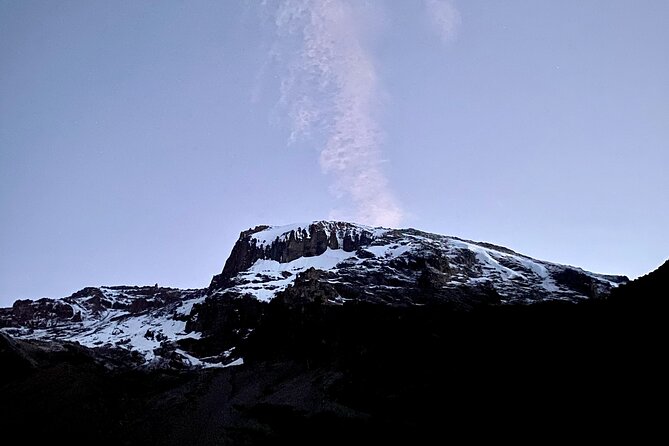
Kilimanjaro is not a technical mountain for this route, but altitude makes it serious. You begin near forest and finish at 19,341 feet at Uhuru Peak, Africa’s highest point. The eight-day schedule helps by spreading the climb over more days instead of rushing upward.
The route’s reported summit success rate is around 95 percent, though no operator can guarantee that every climber will reach the top. Weather, altitude sickness, fitness, pacing, and individual health all affect the result. The extra day is valuable because it lets you spend more time at altitude without immediately sleeping at the highest point reached.
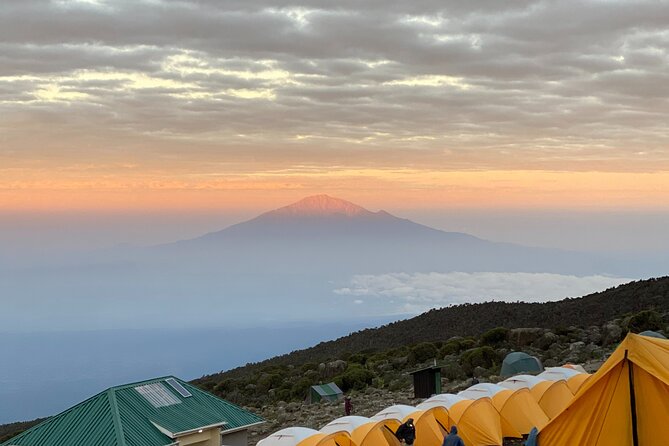
Lemosho also earns its reputation from scenery. You begin on the western side of Kilimanjaro, where broad views can reach toward Mount Meru and Moshi. Later, the route joins the southern circuit, giving you changing views of Kibo and Mawenzi, the mountain’s two principal peaks.
I also like the limited group size. A maximum of 12 climbers can make a real difference when you are tired, cold, or unsure how you are responding to altitude. The company’s guiding team includes people such as Ezekiel, whose experience was repeatedly praised for pacing, judgment, safety, and attention to small details. Michael and other assistant guides are also part of the support operation.
Other routes up the mountain from Moshi:
- Kilimanjaro climb by Lemosho Route (7-day)
★ 5.0 · 651 reviews - Kilimanjaro climb, Machame Route (7-day)
★ 5.0 · 262 reviews - Kilimanjaro Climbing Lemosho Route 8 Days.
★ 5.0 · 186 reviews
What the $3,099 price covers
At $3,099 per person, this is not a cheap mountain walk, but the price covers more than the trail permit. You receive airport pickup and drop-off, a hotel night before the climb, a hotel night afterward, park fees and taxes, guides, porters, cooks, meals on the mountain, a three-person mountaineering tent, a sleeping mat, and a private toilet tent.
That package matters because Kilimanjaro logistics are labor-heavy. Food, tents, fuel, camp equipment, and supplies must reach camps along the route. Your support team includes certified guides, porters, and cooks, with some groups also receiving a waiter and a camp porter. One past five-person group had a lead guide, two assistant guides, a chef, a waiter, and 17 porters. Staffing varies by group, but you should expect a sizable mountain crew.
Six breakfasts, six lunches, and six dinners are included. Hotel meals are not included, and neither are drinks or snacks. You also pay separately for airfare, your Tanzanian visa, personal travel insurance, tips for the support team, sleeping bags, rental equipment, and other personal gear.
That last point deserves attention. A sleeping mat is included, but a sleeping bag is not. Warm layers, waterproof clothing, sturdy boots, gloves, a headlamp, and other mountain equipment remain your responsibility unless arranged as a rental. The company has been praised for the quality of rented gear, but confirm availability and cost before you arrive.
Day 1: Londorossi Gate and the first forest camp
The first day begins with a drive from Moshi to Londorossi Gate, roughly four hours away. You complete entry formalities there, then continue by vehicle to the Lemosho trailhead.
Your first walk passes through undisturbed forest. The route winds upward toward the first camp, with blue monkeys sometimes visible in the trees. This is a gentle introduction compared with the days ahead, but the day can feel long because of the drive, registration, and hiking combined.
The forest is one of Lemosho’s early rewards. It feels quiet and enclosed, a sharp contrast to the open high country later in the climb. Wear footwear with a good grip, since forest trails can be damp. Your tour begins at 9 a.m., although the exact time spent walking can vary.
Day 2: From rainforest to the Shira Plateau
On day two, the forest gives way to tall grasses, heather, volcanic rock, and lichen-covered terrain. You climb across rolling ground and cross several streams before reaching Shira Ridge.
From the ridge, the route drops gently toward Shira 1 Camp. This is where the scale of Kilimanjaro begins to change. You get your first view of Kibo, the summit cone, across the Shira Plateau.
This day is scenic but not effortless. The air is thinner, the trail is more exposed, and the change from trees to open moorland can make the climb feel more remote. Keep your pace slow. The guides’ job is not to get you to camp quickly, but to help you conserve energy for the later days.
Same base, a different kind of day out:
- Safari Serengeti And Ngorongoro
★ 5.0 · 288 reviews - Climbing Kilimanjaro – Machame Route
★ 5.0 · 170 reviews - Climbing Kilimanjaro through 7 days Machame Route
★ 5.0 · 151 reviews - Kilimanjaro climb, Lemosho Route (8-day)
★ 5.0 · 148 reviews
Day 3: Shira Plateau and Moir Hut acclimatization
Day three is an acclimatization day, and that makes it one of the most useful parts of the itinerary. You walk east through moorland meadows toward Shira 2 Camp, then leave the main trail for Moir Hut near the base of the Lent Hills.
The route offers several possible walks on the Lent Hills. The key idea is climb high, sleep lower. You spend time at a higher elevation, then return to camp rather than rushing into a higher overnight stop.
This is also one of the quieter sections of the mountain. The Shira Plateau feels broad and open, with volcanic ground and distant mountain views. The drawback is that the day may feel slow if you expect a nonstop push toward the summit. That slower rhythm is exactly the point.
Day 4: Lava Tower and the Senecio Forest
Day four is a major altitude day. You climb along a ridge and head southeast toward Lava Tower, a roughly 300-foot volcanic rock formation. You then descend to Barranco Camp through the unusual Senecio Forest.
Barranco Camp sits at about 13,000 feet. You begin and end the day at nearly the same elevation, but you spend time much higher near Lava Tower before descending. This is another useful acclimatization pattern.
The scenery changes quickly. Volcanic formations replace the softer moorland, and giant senecio plants give the descent an almost prehistoric feel. This is one of the route’s most memorable days, but it can also expose altitude problems. Tell your guide early if you develop a headache, nausea, unusual fatigue, or shortness of breath. Do not try to hide symptoms to keep up with the group.
Day 5: The Barranco Wall and Karanga Camp
The morning begins with a descent into a ravine at the foot of the Barranco Wall. Then you climb the steep, nearly 900-foot rock face.
The wall is non-technical, but it is not a casual staircase. One section is only about three feet wide, and you may need to use your hands for balance as the route turns around the rock. It looks intimidating from below, yet the route is designed for trekkers rather than technical climbers.
At the top, you cross hills and valleys before dropping into Karanga Valley. One last steep climb takes you to Karanga Camp. This is a shorter day than some earlier stages, which gives your legs a useful break before the summit approach.
You will want a small daypack that keeps your water, snacks, rain layer, camera, and gloves easy to reach. Porters carry the larger load, but you still carry what you need during the day. Pack carefully, because searching through a large bag on a narrow trail is not much fun.
Day 6: Barafu Camp and the final preparation
From Karanga, you reach the junction with the Mweka Trail and continue across rocky ground to Barafu Hut. At this point, you have completed the Southern Circuit and seen the summit from several angles.
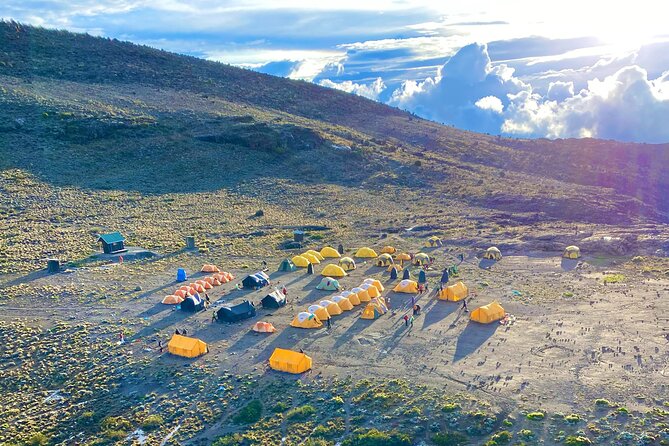
Barafu is the staging point for summit night. Kibo and Mawenzi are visible from camp, and the mountain feels close. You eat an early dinner, organize your summit clothing, and rest as much as possible.
This is not the evening for last-minute packing. Keep your warmest layers, headlamp, gloves, water, snacks, and personal medication ready. You will likely have little time between dinner and the midnight start, and sleep may be brief.
Day 7: A midnight start for Stella Point and Uhuru Peak
Summit day is the hardest part of the climb. Around midnight, you start upward in darkness, moving slowly with frequent short breaks. The cold, thin air and steep route test your patience more than your technical ability.
Near Stella Point, at roughly 18,900 feet, you may see sunrise over Mawenzi Peak. This is one of the strongest moments of the climb, but do not spend too long treating it like a normal photo stop. The summit still lies ahead.
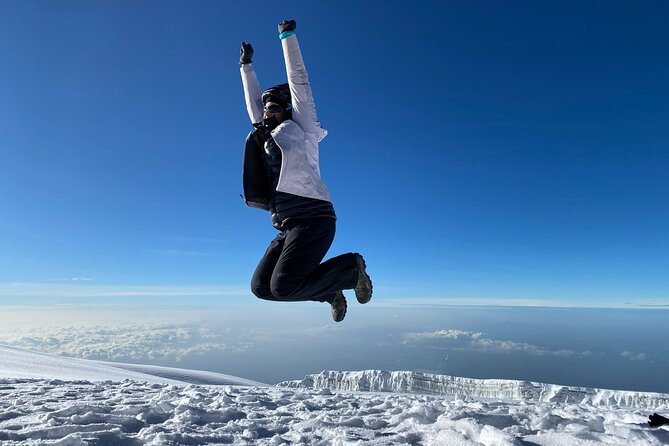
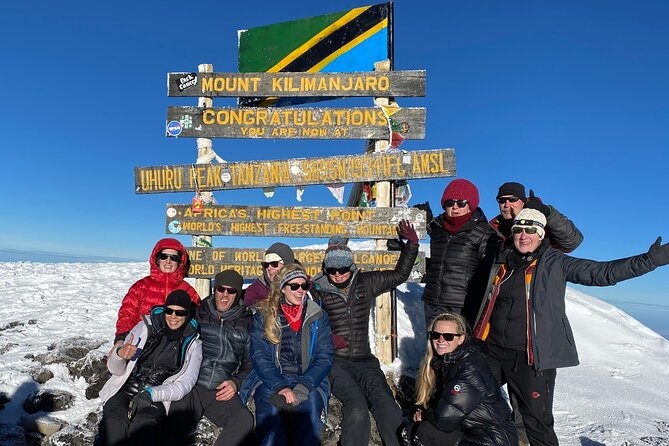
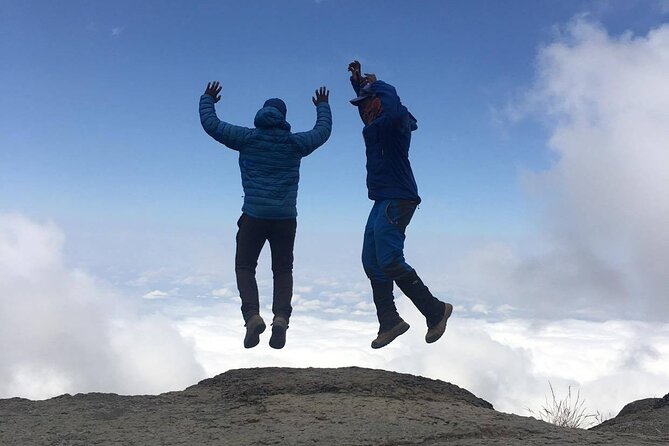
From Stella Point, you continue around the crater rim toward Uhuru Peak. At 19,341 feet, Uhuru is the highest point on Kilimanjaro and the highest point in Africa. You have time for photographs and a brief pause before beginning the descent.
The descent continues toward a lower camp, with the exact camp sequence depending on the operating plan and conditions. After reaching camp, you rest before continuing down the mountain. This is a very long day, and your legs may feel as tired on the descent as they did on the climb.
Day 8: Mweka Gate, certificates, and a shower in Moshi
The final day continues downhill toward Mweka Gate. Lower elevations can be wet and muddy, so keep your waterproof shoes or gaiters available rather than burying them in your luggage.
At the gate, your driver takes you to Mweka Village, about another hour away by route description, and then onward to your hotel in Moshi. You can relax with refreshments, possibly a Kilimanjaro beer, and receive your summit certificate.
The return to the hotel is more than a transport detail. After eight days outside, a bed, shower, clean clothes, and a proper place to sort your gear feel like part of the reward. The airport transfer included in the package also makes the final logistics easier, especially if you have arranged your flights around the scheduled return.
Food, camping, and support on the mountain
You sleep in three-person mountaineering tents, with a sleeping mat supplied. The private toilet tent is a useful comfort, especially at exposed camps where public facilities can be basic.
Meals are prepared by the camp cooks, and the food has been praised for quality. Still, you should bring personal snacks that you know you can eat at altitude. Drinks and snacks are not included, so budget for them and ask the operator how water is handled for your departure dates.
The human support structure is a major part of the price. Guides set the pace, monitor how you are doing, and help with decisions when altitude becomes a concern. Porters move camp equipment and supplies, while cooks handle meals. Tips are not included, so plan a separate gratuity budget for the support team.
The company also presents itself as woman-owned, eco-minded, and active in community giving. If those values matter to you, ask for current details about its environmental and local support work rather than relying only on a general description.
Who should book this Kilimanjaro climb
This route suits you if you want a scenic approach, a smaller group, and more acclimatization time than a short Kilimanjaro itinerary allows. It is a strong choice for a first major high-altitude trek if you arrive fit, prepared, and willing to walk slowly.
You should have a strong level of physical fitness. The route includes long walking days, steep climbs, cold conditions, rough ground, and a midnight summit attempt. You do not need technical rock-climbing experience for the Barranco Wall, but you do need confidence on steep and narrow terrain.
This may not suit you if you want a relaxed holiday, dislike camping, or need a fixed schedule with little physical strain. Altitude can affect even fit people, and reaching the summit is never automatic.
The maximum group size is 12. That is large enough for company but small enough for guides to keep track of individual needs. If you want a private climb, confirm the arrangement before booking, since the listed group limit does not mean every departure is private.
Booking details and cancellation terms
Confirmation is provided when you book. Pickup is offered, and airport pickup and drop-off are included in the package. The stated start time is 9 a.m., with the first major transfer heading from Moshi toward Londorossi Gate.
You can cancel for a full refund if you do so at least 24 hours before the experience start time. Cancellations or changes made inside that 24-hour window are not accepted for a refund, and the cutoff uses local time.
Should you book the eight-day Lemosho route?
I would choose this itinerary over a shorter Kilimanjaro route if scenery and acclimatization are your priorities. The Shira Plateau, Lava Tower, Senecio Forest, Barranco Wall, and Southern Circuit give you a varied approach, while the extra day provides useful time for your body to adjust.
The $3,099 cost is reasonable for a package that includes permits, mountain staff, meals, camping equipment, two hotel nights, and airport transfers. You still need to add airfare, visa, insurance, tips, snacks, sleeping bag, and personal gear, so calculate the full cost before committing.
Book it if you are ready for a demanding climb and value careful pacing, strong support, and a quieter route. Skip it if you want a light adventure or are not prepared to train and purchase the right equipment. Kilimanjaro rewards patience, and this eight-day plan gives you more of it.
FAQ
How long does the Lemosho Kilimanjaro climb last?
The climb lasts approximately eight days, including the approach, summit attempt, descent, and return to Moshi.
What is the maximum group size?
The maximum group size is 12 people.
Is airport transportation included?
Yes. Airport pickup and drop-off are included, along with hotel lodging the night before and the night after the climb.
Are meals included?
Six breakfasts, six lunches, and six dinners are included during the mountain portion. Hotel lunches and dinners, drinks, and snacks are not included.
Is a sleeping bag provided?
No. A sleeping mat is included, but sleeping bags and other personal gear are not. Rental gear is also separate.
What fitness level is required?
You should have a strong physical fitness level. The route includes long hiking days, steep sections, high altitude, and a midnight summit push.
What is the cancellation policy?
You can receive a full refund if you cancel at least 24 hours before the experience start time. Cancellations or changes made less than 24 hours before the start time are not accepted for a refund.
Just added in Moshi
- Wildlife Extravaganza: Manyara, Tarangire & Ngorongoro in 3 Days★ 5.0 · 3 reviews
- West Kilimanjaro cycling Adventures★ 4.5 · 8 reviews
- machame route★ 5.0 · 16 reviews
- Kilimanjaro Climb • Machame Route ~ 10 Day★ 5.0 · 6 reviews
- Kilimanjaro Climbing Umbwe Route★ 5.0 · 3 reviews
- Mt Kilimanjaro 6 days Marangu route hike★ 5.0 · 3 reviews
- 3 Days Private E-Bike Tour in West Kilimanjaro★ 5.0 · 3 reviews
- Private Cycle to Kilimanjaro Bike Park Safari★ 5.0 · 6 reviews
Kilimanjaro Treks, compared.



8-Day Small-group Lemosho Kilimanjaro Summit Trekking
Read our review →

5 Days Best of Tanzania Luxury Safari Northern Circuit
Read our review →

Climbing Kilimanjaro through 7 days Machame Route
Read our review →
7-Day Machame Kilimanjaro Summit Tour from Arusha
Read our review →Browse the lists this tour appears in