
Reviewed · KILIMANJARO TREKS
8 Days Lemosho Route Climbing
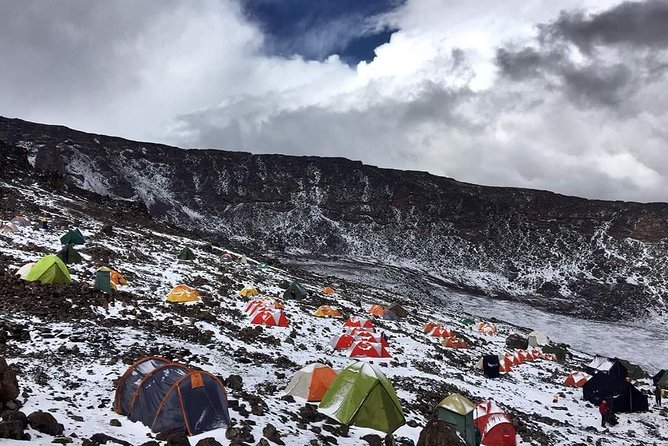
The best reason to choose this climb is simple: eight days gives you more time to adjust to altitude before the hard push toward Uhuru Peak. Lemosho is also the quieter, more scenic approach to Kilimanjaro, beginning on the western side and crossing toward the Shira Plateau rather than rushing straight upward.
I like the remote route and the sensible pace. I also like the human side of this operation. Guides named Patrick, Ringo, Arthur, Michael, and Eden have been praised for steady support, while the porter team and cook, known as Mr Delicious, add welcome comfort to a demanding week. The main drawback is the price, $2,713.47 per person, and the fact that summit day will still be very tough even with eight days of preparation.
Key points to know before choosing Lemosho
- Eight days helps your body adjust: The extra day is intended to reduce the effects of altitude sickness and allow more rest before the summit attempt.
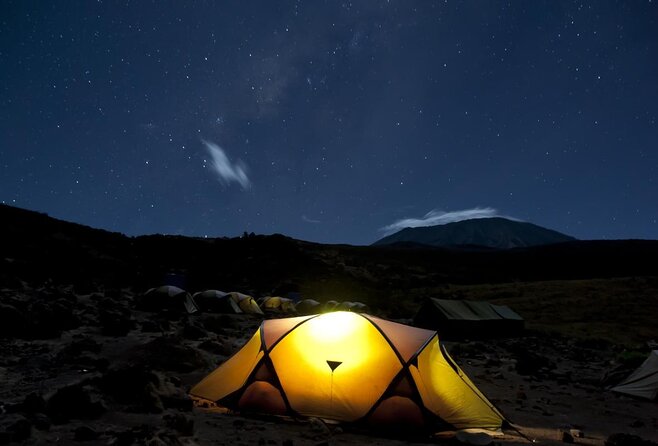
- Lemosho starts quietly: The route uses a remote approach to the Shira Plateau and is described as less used than other Kilimanjaro routes.
- Your first day begins with a long transfer: Expect about three hours by vehicle from Moshi to Londorossi Gate, followed by a 4WD track toward the trailhead.
- The opening hike is moderate: Day one covers about 6 kilometers in two to three hours, rising from 1,830 meters to 2,650 meters.
- The support team matters: Patrick and other named guides have been praised for encouragement, while the porters and cooking team are a major part of camp life.
- This is a private climb: Only your own group participates, with pickup offered and the activity ending back at the Moshi meeting point.
Why eight days is the wiser Lemosho plan
Kilimanjaro is not a technical climbing trip in the usual rock-and-rope sense, but altitude makes it serious. Your legs may be ready before your lungs and head are. That is why the eight-day version makes sense.
The Lemosho route can be completed in as few as six days, but the longer schedule gives you another day for adjustment. That does not guarantee you will avoid altitude sickness. It does give your body more time to respond to the changing elevation, and it gives you a better chance to reach summit day rested rather than already worn down.
I would choose this duration for anyone who values a steadier pace over the shortest possible itinerary. The extra time also makes the trip feel less like a race. You still face a demanding summit attempt, but the climb is spread across more days.
Other routes up the mountain from Moshi:
- Kilimanjaro climb by Lemosho Route (7-day)
★ 5.0 · 651 reviews - Kilimanjaro climb, Machame Route (7-day)
★ 5.0 · 262 reviews - Kilimanjaro Climbing Lemosho Route 8 Days.
★ 5.0 · 186 reviews
From Moshi to Londorossi Gate
The experience begins in Moshi Urban, Tanzania. Pickup is offered, and the climb ends back at the meeting point after the mountain portion is complete. The initial drive to Kilimanjaro National Park’s Londorossi Gate takes about three hours after breakfast and a briefing.
That transfer is a real part of the day, not just a minor prelude. You leave the town behind, pass through the park entrance process, and continue toward the Lemosho starting area. From Londorossi, the route uses a forest track that requires a 4WD vehicle to reach Lemosho Glades.
This is one place where you should keep your expectations practical. The trip does not begin with a dramatic summit view. It begins with transport, permits and route preparation, followed by a forest approach. The reward comes from the gradual change in setting and the feeling of entering the mountain from a quieter side.
Day one at Mti Mkubwa Camp
The first walk leads through montane forest to Mti Mkubwa Camp, also called Big Tree Camp. You gain about 820 meters on this opening day, moving from 1,830 meters to 2,650 meters. The distance is about 6 kilometers, and the stated walking time is two to three hours.
That is a manageable introduction, though the altitude gain still deserves respect. The forest habitat gives you a gentler start than a bare, exposed climb would. It also makes the first day feel like a transition from ordinary travel into a week of mountain walking.
Meals are listed as lunch and dinner for this day, along with breakfast before departure, and overnight lodging is at Mti Mkubwa Camp. The information provided does not give a full day-by-day account of the remaining camps, so you should ask for the complete schedule before booking if exact distances, elevations and sleeping locations matter to you.
The Shira Plateau approach
The appeal of Lemosho is the route’s quieter approach to the Shira Plateau. Rather than joining the mountain from a busier side at the outset, you begin in a more remote area and work your way across the mountain.
That matters because the first stages are not only about covering distance. They help your body adjust while giving you time to settle into the daily rhythm of walking, eating and resting at altitude. The additional eighth day is particularly useful here. It is not just an extra box to tick. It is part of the route’s safety-minded design.
The word scenic can get used too easily for mountain trips, but the appeal here is clear from the route description: forest at the start, a remote trail, and a gradual approach toward the high plateau. You should expect the route to become more exposed and strenuous as it rises, but the supplied details do not specify every habitat or camp beyond the first day.
Same base, a different kind of day out:
- Safari Serengeti And Ngorongoro
★ 5.0 · 288 reviews - Climbing Kilimanjaro – Machame Route
★ 5.0 · 170 reviews - Climbing Kilimanjaro through 7 days Machame Route
★ 5.0 · 151 reviews - Kilimanjaro climb, Lemosho Route (8-day)
★ 5.0 · 148 reviews
Guides, porters and camp support
For a Kilimanjaro climb, the people around you can shape the entire week. The guide is responsible for keeping the group moving at a reasonable pace, helping you handle the long days and supporting the summit effort. Tanzania Joy Tours has guides named Patrick, Ringo, Arthur, Michael and Eden associated with this climb.
Patrick receives especially strong praise for experience and for keeping close track of the details needed for a successful summit. Ringo, Arthur, Michael and Eden are also described as supportive and welcoming. Since guide assignments can vary, confirm who will lead your group before departure if a particular guide is important to you.
The porters are another key part of the operation. They carry much of the camp equipment and help make it possible for you to walk with a lighter personal load. This is demanding work, and the positive comments about the porter team point to their importance rather than treating them as an invisible part of the trip.
Food is one of the more memorable details attached to this climb. The cook, referred to as Mr Delicious, receives unusually warm praise. Do not expect restaurant service on a mountain, but dependable meals can make a long day feel far more manageable. Ask what is included in the package so you know exactly what meals and camp services the $2,713.47 price covers.
What summit day means for you
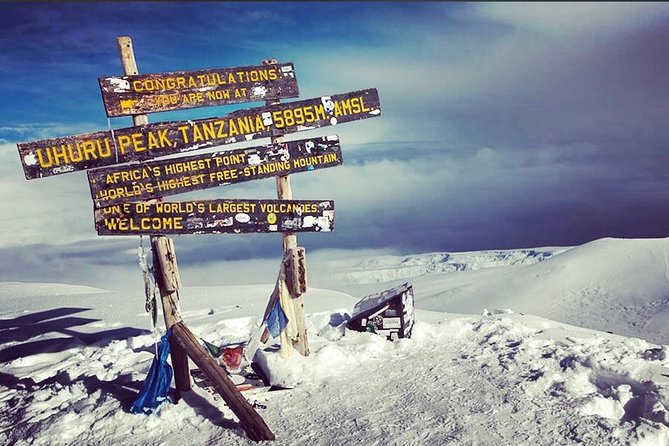
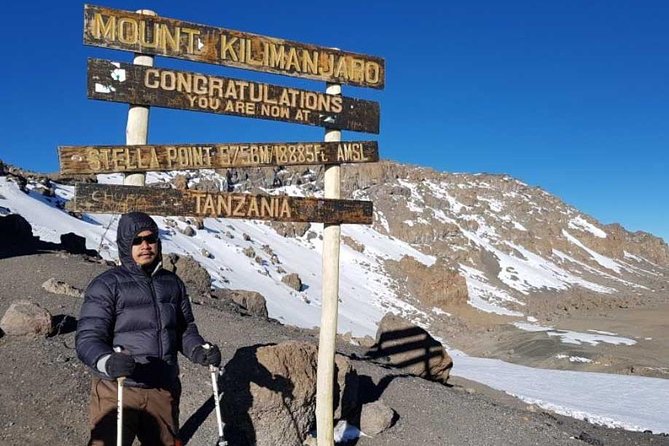
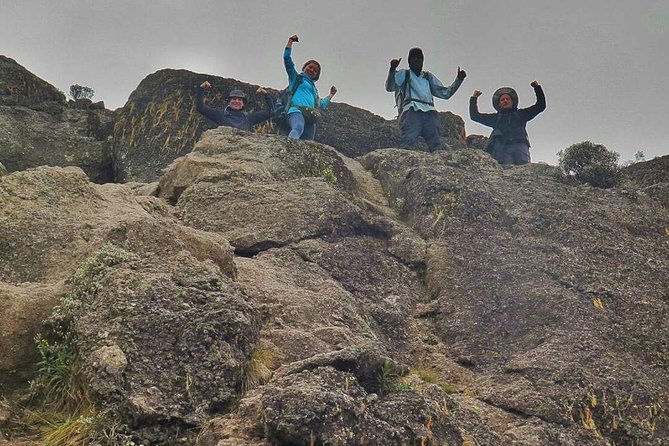
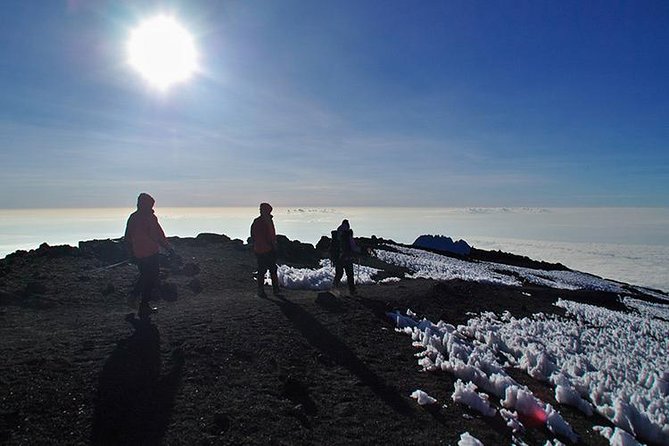
The summit attempt is the hardest part of the climb. One account of the trip describes summit day as tough, with the view from Uhuru Peak making the effort feel worthwhile afterward. That is a useful expectation to carry: the summit is a major achievement, but reaching it requires patience and stamina.
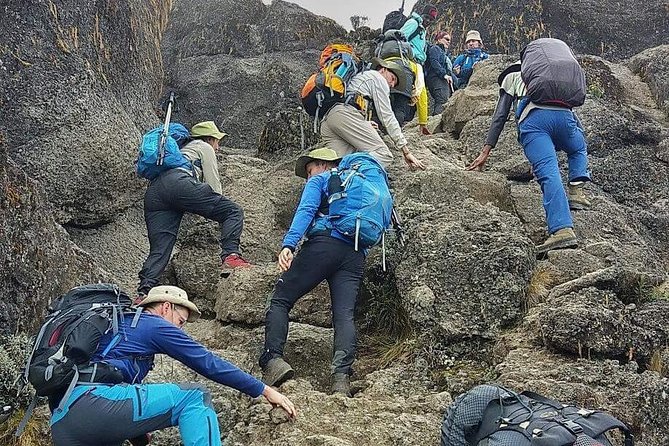
The eight-day schedule helps because you have more time to rest before this attempt. Still, no itinerary can remove the effects of high altitude, cold, fatigue or the need to keep walking when the day feels long. A moderate fitness level is required, and you should approach this as a serious physical challenge rather than a sightseeing outing with a short hike attached.
The mountain’s appeal is not limited to the summit. The days before and after the attempt are part of the experience, giving you time to see the route change and to share the effort with the guide and support team. The return to Moshi can feel just as satisfying as the summit itself because the entire week has demanded steady work.
Is the $2,713.47 price good value?
At $2,713.47 per person, this is a major travel expense. The value depends on what is included, and the supplied information does not itemize permits, meals, equipment, transfers or gratuities. You should request a written list of inclusions before paying.
The price is easier to justify if you want a private trip, an eight-day schedule and a full support team. A private activity means only your group participates, which can make the pace and group atmosphere more comfortable. The longer duration also costs more than choosing the six-day minimum, but that extra time has a clear purpose: improved acclimatization and more rest before the summit.
I would not choose the cheapest possible Kilimanjaro itinerary simply because it saves money. Cutting days can make a demanding climb feel rushed. At the same time, you should compare this quote with other operators and check what each one includes. The fair comparison is not the headline price alone, but the guide support, food, park costs, transport and porter arrangements behind it.
Who will enjoy this climb most?
This trip fits you best if you want a private mountain experience, can handle sustained physical effort and prefer a slower route to the summit. It is also a good match if you value a quieter approach and want the extra acclimatization day.
The climb may not suit you if you want a soft adventure, dislike long vehicle transfers or need a detailed, fixed schedule before committing. The route is remote, and the summit day remains demanding even after seven nights on the mountain.
A moderate fitness level is requested. You do not need to arrive as an elite athlete, but you should be prepared for several days of walking at increasing elevation. The most useful attitude is steady and patient. Let the guides set a sensible pace, protect your rest time and treat symptoms of altitude seriously.
Booking, cancellation and practical details
Confirmation is provided at the time of booking. Pickup is offered, and the activity starts in Moshi Urban and ends back at the meeting point. The experience has a mobile ticket and is near public transportation, which makes the Moshi meeting arrangements fairly straightforward.
The activity is private, but the supplied details do not state the maximum group size. Ask how many people will be in your party and which guides are assigned. That will help you judge how personal the support is and how decisions will be made during the climb.
Free cancellation is available if you cancel at least 24 hours before the experience start time. Cancellations or changes made less than 24 hours ahead are not accepted for a refund, and cut-off times follow local time in Tanzania.
Should you book the 8-day Lemosho Route?
I would book this climb if you want the quieter Lemosho approach and can afford the longer schedule. The extra day is the strongest reason to choose it, while the praised guide and porter support adds confidence for a trip where camp service and encouragement matter every day.
Before paying, get the full itinerary and a clear list of inclusions. Confirm the guide team, meals, transfers and any equipment arrangements. If those details are satisfactory, the eight-day plan offers a sensible balance of scenery, private support and time to adjust. If your main goal is the lowest price or the shortest possible climb, this is probably not the right version of Kilimanjaro.
FAQ
Where does the climb start?
The activity starts in Moshi Urban, Tanzania.
Where does the activity end?
The activity ends back at the meeting point in Moshi.
How long is the climb?
The climb lasts approximately eight days.
How much does the experience cost?
The listed price is $2,713.47 per person.
Is pickup available?
Yes, pickup is offered.
Is this a private activity?
Yes. Only your group participates.
What is the first day like?
After breakfast and a briefing, you drive for about three hours to Londorossi Gate. A 4WD vehicle then uses a forest track to reach Lemosho Glades, followed by a hike to Mti Mkubwa Camp.
How far is the first day’s hike?
The first day covers about 6 kilometers, or 4 miles, and takes approximately two to three hours.
What elevation does the first day reach?
The route rises from 1,830 meters, or 6,000 feet, to 2,650 meters, or 8,700 feet, at Mti Mkubwa Camp.
Can I cancel for a full refund?
Yes, if you cancel at least 24 hours before the experience start time. Cancellations made less than 24 hours before the start are not refundable.
Just added in Moshi
- Wildlife Extravaganza: Manyara, Tarangire & Ngorongoro in 3 Days★ 5.0 · 3 reviews
- West Kilimanjaro cycling Adventures★ 4.5 · 8 reviews
- machame route★ 5.0 · 16 reviews
- Kilimanjaro Climb • Machame Route ~ 10 Day★ 5.0 · 6 reviews
- Kilimanjaro Climbing Umbwe Route★ 5.0 · 3 reviews
- Mt Kilimanjaro 6 days Marangu route hike★ 5.0 · 3 reviews
- 3 Days Private E-Bike Tour in West Kilimanjaro★ 5.0 · 3 reviews
- Private Cycle to Kilimanjaro Bike Park Safari★ 5.0 · 6 reviews
Kilimanjaro Treks, compared.



8-Day Small-group Lemosho Kilimanjaro Summit Trekking
Read our review →

5 Days Best of Tanzania Luxury Safari Northern Circuit
Read our review →

Climbing Kilimanjaro through 7 days Machame Route
Read our review →
7-Day Machame Kilimanjaro Summit Tour from Arusha
Read our review →Browse the lists this tour appears in