
Reviewed · KILIMANJARO TREKS
9 Days Kilimanjaro Hiking or Climbing via Northern Circuit route
The best thing about this Northern Circuit climb is its patient route to Uhuru Peak. You cross the Shira Plateau, pass Lava Tower and Moir Hut, circle the mountain’s remote northern side, then make the summit push from School Hut. That extra time matters at altitude, and the route gives you a quieter look at Kilimanjaro than the shorter approaches.
I like the wide variety of terrain, from wet rainforest to open moorland and stark volcanic rock. I also like the sensible acclimatization plan, especially the climb to Lava Tower followed by a descent to Moir Hut. The main drawback is the summit day: up to 14 hours of hiking, bitter cold, and a long descent to Mweka Camp make this a serious physical test.
Key points to know before you book
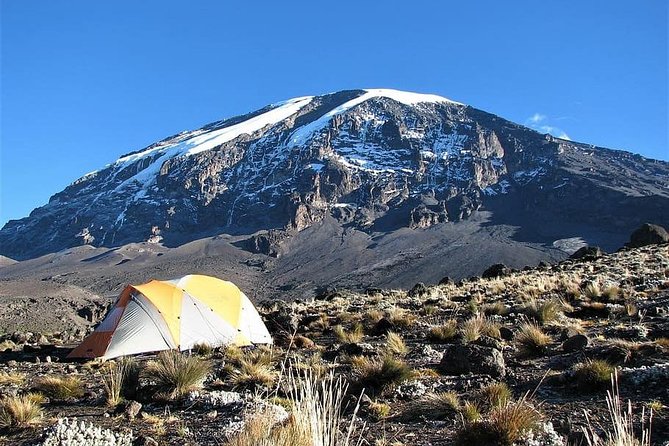
- Nine days gives you more time to adjust: The route rises gradually, with several high camps before summit night.
- The northern side is quiet: Buffalo Camp and Third Cave offer a remote mountain setting with views toward Kenya and Tanzania.
- Lava Tower is an important altitude test: You climb to 15,190 feet, then sleep lower at Moir Hut.
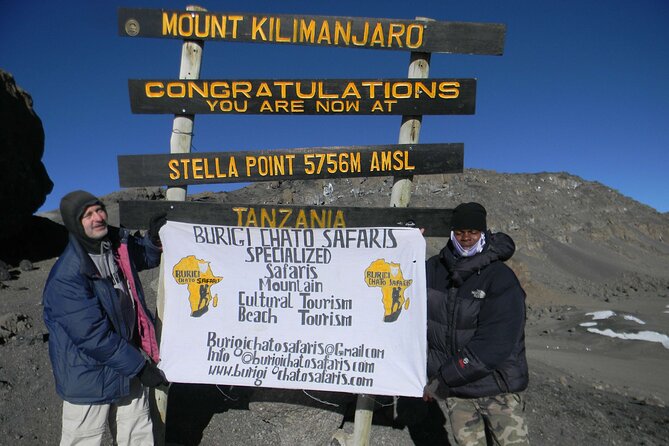
- Summit night starts around midnight: Expect 6 to 8 hours to Uhuru Peak, followed by another 4 to 6 hours down to Mweka Camp.
- Most major costs are covered: Park fees, crew wages, transfers, meals, and hotel accommodation are included, but tips, flights, visas, insurance, and personal gear are not.
- The price is $1,584 per person: That is a useful value if you need an organized climb with food, transport, and pre-and-post-climb lodging included.
Why the Northern Circuit is worth nine days
Kilimanjaro is not a technical climb in the mountaineering sense, but it is a demanding high-altitude trek. The real challenge is thin air, repeated long days, cold, and the mental effort of continuing when your body wants to stop.
The Northern Circuit helps by spreading the ascent over more days. You begin near 7,742 feet and reach Uhuru Peak at 19,341 feet, with several gradual steps in between. You also climb high and sleep lower on Day 4, a useful pattern for getting your body used to altitude.
I would choose this route if your priority is a better acclimatization schedule and a quieter trail. If you only have five or six days, this is not the right plan. If you want the best chance to adjust before the summit, the nine-day schedule makes good sense.
Other routes up the mountain from Moshi:
- Kilimanjaro climb by Lemosho Route (7-day)
★ 5.0 · 651 reviews - Kilimanjaro climb, Machame Route (7-day)
★ 5.0 · 262 reviews - Kilimanjaro Climbing Lemosho Route 8 Days.
★ 5.0 · 186 reviews
Day 1: Londorossi Gate to Mti Mkubwa
Your morning begins at the meeting point in Moshi at 8:30 am. The drive to Londorossi Gate takes about four hours, so the first day involves a substantial transfer before you even start walking.
At the gate, you complete entry formalities before continuing to the Lemosho trailhead. The first hike covers about 4 miles and takes 3 to 4 hours. You gain roughly 1,756 feet, ending at Mti Mkubwa Camp at 9,498 feet.
This opening section passes through rainforest. Expect thick vegetation, damp ground, and a more enclosed feel than the open slopes higher up. The short walking day is helpful after the road transfer, but you should not treat it as a free pass. You are already beginning the altitude climb.
Days 2 and 3: Shira Plateau and the first big views
Day 2 takes you from Mti Mkubwa to Shira 1 Camp. The route covers 5 miles in 5 to 6 hours and rises to 11,500 feet. The rainforest gives way to heath, tall grasses, heather, volcanic rock, and lichen.
The trail crosses streams and climbs toward Shira Ridge before dropping gently to camp. This is where Kilimanjaro begins to feel wide open. You get an early view of Kibo, the mountain’s highest cone, across the Shira Plateau.
Day 3 is shorter, with 4 miles between Shira 1 and Shira 2 Camp. The walk takes 3 to 4 hours and reaches 12,500 feet. You move across moorland meadows, where wildflowers and giant senecio plants add character to the otherwise spare surroundings.
This day may feel easy on paper, but that is part of its value. You gain altitude without burning through your energy. I would use the extra time to drink, eat, rest, and keep an eye on how your body responds.
Day 4: Lava Tower and Moir Hut
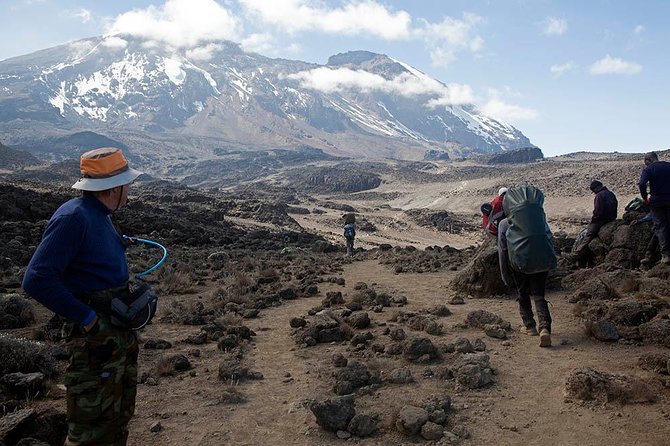
Day 4 is the route’s key acclimatization day. You climb from Shira 2 at 12,500 feet to Lava Tower at 15,190 feet, then descend to Moir Hut at 13,580 feet.
The total distance is about 8 miles, with 3 to 4 hours to Lava Tower and another 2 to 3 hours to Moir Hut. The terrain changes to alpine desert, with far less vegetation and more exposed volcanic ground.
Lava Tower is a striking 300-foot volcanic rock formation, but the altitude is the important part. You spend time at a high point before sleeping lower. That climb-high, sleep-lower pattern is one of the strongest features of this itinerary.
Moir Hut sits near Lent Hills, where optional walks are available for further adjustment. The drawback is that this day can feel long and uncomfortable if altitude symptoms begin. Take the pace seriously, report problems to the crew, and do not measure success by walking fast.
Same base, a different kind of day out:
- Safari Serengeti And Ngorongoro
★ 5.0 · 288 reviews - Climbing Kilimanjaro – Machame Route
★ 5.0 · 170 reviews - Climbing Kilimanjaro through 7 days Machame Route
★ 5.0 · 151 reviews - Kilimanjaro climb, Lemosho Route (8-day)
★ 5.0 · 148 reviews
Days 5 and 6: The quiet northern side
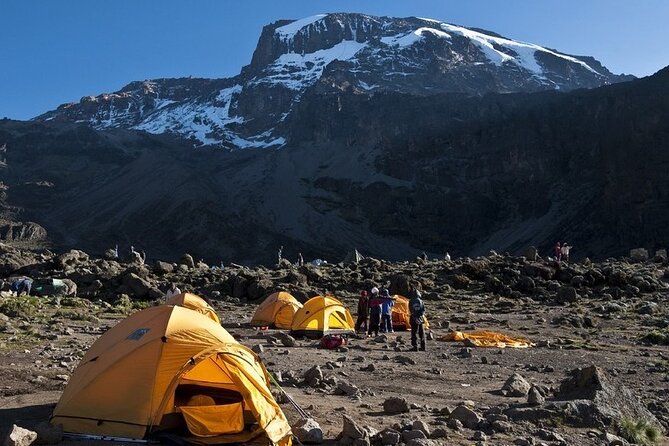
From Moir Hut, Day 5 travels to Buffalo Camp. The distance is 7 miles, with 5 to 7 hours of hiking. You make a moderately steep climb out of Moir Valley, reach the top of Lent Hills, then return to the main route.
The trail crosses a rock field and rises and falls gently before Buffalo Camp at 13,200 feet. From this side of Kilimanjaro, you can look toward the plains and the Kenya and Tanzania border. The setting feels more remote than the early days on the southern and western slopes.
Day 6 covers 5 miles from Buffalo Camp to Third Cave, taking 5 to 7 hours. You climb Buffalo Ridge, where the terrain becomes increasingly bare, then cross remote valleys on the northern slopes.
This is one of my favorite parts of the route on paper because it provides a real sense of mountain wilderness. It also asks more from you than the distance suggests. Uneven rock, thin air, and repeated rises can make five miles feel like a full day.
Day 7: The Saddle and School Hut
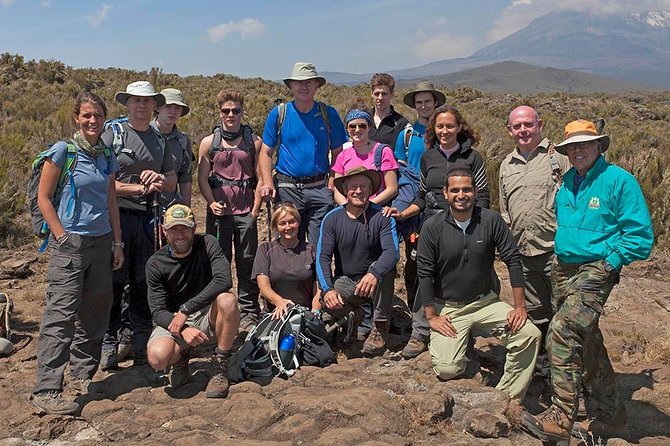
You leave Third Cave for School Hut, a 5-mile climb that takes 4 to 5 hours. The route rises from 12,700 feet to 15,600 feet and crosses the Saddle, the broad area between Kibo and Mawenzi.
The terrain becomes alpine desert, with little shelter and a stark, open appearance. School Hut is not the place for a late evening. The plan is to arrive, rest, and eat an early dinner before the summit attempt.
This is the moment to organize your warm layers, water, snacks, headlamp, and personal gear. The summit attempt begins around midnight, so your rest period is short. You should think of Day 7 as preparation rather than a normal hiking day.
Day 8: Uhuru Peak and the long descent
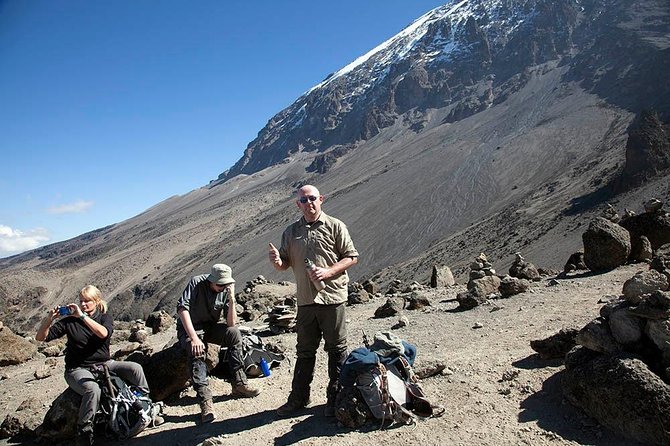
Summit day is the hardest part of the climb. You start around midnight and walk in darkness toward Uhuru Peak at 19,341 feet. The route from School Hut covers about 4 miles and takes 6 to 8 hours.
Cold and wind can be severe at this height. You take frequent short breaks while climbing toward Gilman’s Point at 18,600 feet. Reaching that point near sunrise can bring a spectacular view over Mawenzi Peak, but you still have work ahead.
From Gilman’s Point, you continue toward Uhuru Peak, the highest point on Mount Kilimanjaro. The final section is physically and mentally demanding because you have already been walking for hours in thin air.
After the summit, you descend to Mweka Camp at 10,065 feet. This is another 7 miles and takes 4 to 6 hours. The full day can last about 14 hours, making it the clearest warning in this trip plan: reaching the summit is only half of the day.
The descent is not just a tiring add-on. It helps you return to thicker air and a lower camp, but tired legs can make the route feel rough. Save energy where you can, follow the guide’s pace, and keep drinking.
Day 9: Mweka Gate and the return to Moshi
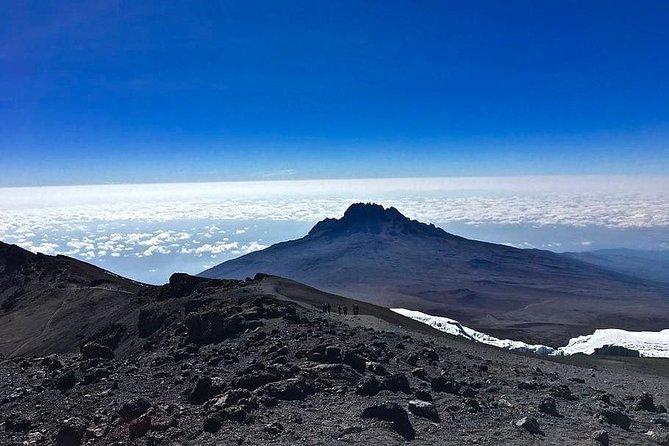
The final hiking day runs from Mweka Camp to Mweka Gate. You descend about 6 miles in 3 to 4 hours, moving from the high mountain zone back into rainforest.
Lower sections can be wet and muddy, so gaiters or clothing that handles dirt may be useful, though personal hiking gear is not included. At the gate, you collect summit certificates before continuing for about an hour to Mweka Village.
A vehicle meets you at Mweka Village for the drive back to your Moshi hotel. After eight demanding days on the mountain, this transfer and hotel stay are practical parts of the package, not minor extras.
What the $1,584 price covers
At $1,584 per person, the cost is easier to judge when you look at what is bundled together. The package includes park fees and taxes, airport pickup and drop-off, gate transfers, crew wages, meals on the mountain, and hotel accommodation before and after the hike.
You receive eight breakfasts, nine lunches, and eight dinners. That removes a major source of planning during a trip where you will already be thinking about pace, clothing, hydration, and rest.
Hotel accommodation can be booked through the operator or arranged directly by you. Confirm exactly what room nights are included before paying, especially if you are adding extra nights in Moshi.
You still need to budget for:
- Crew tips
- International and local flights
- Visas
- Medical and travel insurance
- Personal hiking equipment
The price looks reasonable for a nine-day supported climb, but the final cost will be higher once flights, insurance, equipment, and tips are added. Do not compare the headline price with a basic trek until you check which of these items each company includes.
Meals, transfers, and group size
Pickup is offered, and the activity begins at the Burigi Chato Safaris office on Mkwawa Street in Moshi. The stated maximum is 500 people, which is a very large overall booking limit, though that number does not necessarily describe the size of your climbing party.
I would ask for the expected group size and guide-to-climber ratio before booking. A small working group can make a big difference on summit night, particularly when someone needs a slower pace or extra support.
The food plan covers breakfast, lunch, and dinner across the mountain schedule. Since no specific menu is provided, ask about dietary needs before departure. The same applies to airport transfers: pickup and drop-off are included, but you should confirm the exact airport, arrival time, and transfer arrangements.
Who should choose this climb
This experience suits you if you have good general fitness, can walk for several hours on consecutive days, and want a gradual route to high altitude. You do not need to be an expert mountaineer based on the information provided, but you do need to accept cold, rough ground, long days, and basic mountain camping conditions.
It is also a good match if quiet trails matter to you. The northern section is described as rarely used, with remote valleys and broad views toward the northern plains.
I would not choose it if you dislike early starts, have only a few days in Tanzania, or want a relaxed sightseeing holiday. The summit day alone is a major endurance effort, and the itinerary requires you to remain focused for nine days.
The route has also worked for mixed-experience groups, including people from their twenties through their sixties. That does not guarantee an easy climb, but it does show why the gradual schedule can appeal to people with different hiking backgrounds.
Booking, cancellation, and preparation
Confirmation is provided when you book, and most people can participate. You need to arrange your own flights, visa, insurance, and personal hiking gear unless you make separate arrangements with the operator.
Free cancellation is available if you cancel at least 24 hours before the start time. Cancellations or changes made within 24 hours are not refunded or accepted. If poor weather forces cancellation, you are offered another date or a full refund.
Before booking, confirm the accommodation, airport transfer details, equipment options, group size, tipping guidance, and medical support procedures. These points matter more than a polished route description when you are committing to a high-altitude climb.
Should you book the Northern Circuit climb?
I would book this trip if you want the longer route, value time for altitude adjustment, and like the idea of crossing Kilimanjaro’s quieter northern side. The price includes many costly essentials, and the Lava Tower to Moir Hut section gives the schedule a useful acclimatization feature.
I would look elsewhere if you need a short itinerary or want a highly private, small-group experience without first confirming group size. The summit day is severe, and the 500-person maximum listed for the activity makes that question worth asking.
For a fit hiker who can commit nine days and prepare properly, this is a strong route choice. Its best feature is not a single viewpoint. It is the steady progression from rainforest to Uhuru Peak, with enough time to give your body a fair chance at the top.
FAQ
Where does the climb start?
The activity starts at Burigi Chato Safaris on Mkwawa Street in Shanty Town, Moshi, Tanzania. The stated start time is 8:30 am.
How long does the Kilimanjaro climb last?
The climb lasts approximately nine days, including the return to Mweka Gate and transfer back to the hotel in Moshi.
Which route does the climb use?
The climb follows the Northern Circuit route, beginning at Londorossi Gate and using the Lemosho trailhead before crossing the Shira Plateau and northern slopes.
Is airport pickup included?
Airport pickup and drop-off are included in the stated package. You should confirm the exact transfer details with the provider before arrival.
Are meals included?
Yes. The package includes eight breakfasts, nine lunches, and eight dinners.
Is hotel accommodation included?
Hotel accommodation before and after the Kilimanjaro hike is included in the package description. It can be booked directly by you or through the operator, so confirm the exact arrangement before booking.
What is not included in the price?
Tips for the crew, local and international flights, personal hiking gear, visas, medical costs, and travel insurance are not included.
Can I cancel for a full refund?
You can receive a full refund if you cancel at least 24 hours before the experience begins. Cancellations or changes made less than 24 hours before the start time are not refunded or accepted. If poor weather causes cancellation, you are offered a different date or a full refund.
More Hiking & Trekking in Moshi
- Private Kilimanjaro Hike 7 Day Lemosho Route
★ 5.0 · 60 reviews - Best Kilimanjaro hiking day trip tour with Kilinge Adventures
★ 4.5 · 54 reviews - #1. Best Kilimanjaro Day hike Tour-Machame Route-ISMANI
★ 4.2 · 47 reviews - Best Kilimanjaro Adventure 7 days Machame route Trekking
★ 5.0 · 42 reviews
Just added in Moshi
- Wildlife Extravaganza: Manyara, Tarangire & Ngorongoro in 3 Days★ 5.0 · 3 reviews
- West Kilimanjaro cycling Adventures★ 4.5 · 8 reviews
- machame route★ 5.0 · 16 reviews
- Kilimanjaro Climb • Machame Route ~ 10 Day★ 5.0 · 6 reviews
- Kilimanjaro Climbing Umbwe Route★ 5.0 · 3 reviews
- Mt Kilimanjaro 6 days Marangu route hike★ 5.0 · 3 reviews
- Private Cycle to Kilimanjaro Bike Park Safari★ 5.0 · 6 reviews
- Kilimanjaro Climb • Marangu Route ~ 9 Day★ 5.0 · 4 reviews
Kilimanjaro Treks, compared.



8-Day Small-group Lemosho Kilimanjaro Summit Trekking
Read our review →

5 Days Best of Tanzania Luxury Safari Northern Circuit
Read our review →

Climbing Kilimanjaro through 7 days Machame Route
Read our review →
7-Day Machame Kilimanjaro Summit Tour from Arusha
Read our review →Browse the lists this tour appears in