
Reviewed · KILIMANJARO TREKS
Kilimanjaro climb, Marangu route (6-day)
Kilimanjaro’s Marangu Route gives you the mountain’s most straightforward path to Uhuru Peak, but straightforward does not mean easy. You’ll move from warm rainforest to cold volcanic high country, sleep in shared wooden huts, and make the summit push through the night. The six-day schedule is efficient, demanding, and carefully supported.
I like the hut accommodation, which avoids carrying or sleeping in a tent, and I like the serious safety setup: Wilderness First Responder guides, oxygen, oximeters, medical kits, and regular health checks. The main concern is acclimatization. Six climbing days leave less time than longer routes, so altitude, not trail difficulty, may decide how far you get.
Key points to know before booking
- The summit night starts from Kibo Hut at 4,700 meters, with Uhuru Peak reached at 5,895 meters.
- You sleep in shared huts, usually with 8 to 16 people per hut under park rules.
- The route includes an acclimatization hike, gaining about 200 meters above Horombo Hut before returning to sleep lower.
- Meals and drinks are supplied on the mountain, with vegetarian, vegan, gluten-free, halal, lactose-free, and other plans available.
- A trained support crew handles much of the practical work, including porters, cooks, equipment, and medical monitoring.
- The advertised $2,902 price includes major park and operating costs, but not flights, visas, insurance, personal gear, or tips.
What the six-day Marangu Route is really like
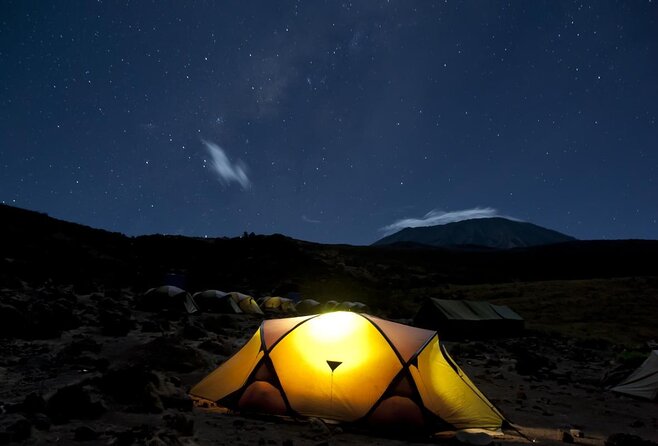
This climb is best understood as a high-altitude trek with one very serious night, not as a long technical mountaineering expedition. You do not need climbing ropes or advanced rock skills from the information provided, but you do need moderate fitness, patience, and the ability to keep moving when the air gets thin.
The Marangu Route approaches Kilimanjaro from the east and uses the same trail for ascent and descent. That makes navigation simple, but you see less variety than on routes that go up one side of the mountain and down another. The tradeoff is comfort: you sleep in huts rather than tents.
The schedule covers about eight calendar days, including airport transfers, two hotel nights, and six mountain days. That extra hotel time matters. You arrive, rest, attend a briefing, climb, return to the foothills, and have another hotel night before your flight or onward plans.
Other routes up the mountain from Moshi:
- Kilimanjaro climb by Lemosho Route (7-day)
★ 5.0 · 651 reviews - Kilimanjaro climb, Machame Route (7-day)
★ 5.0 · 262 reviews - Kilimanjaro Climbing Lemosho Route 8 Days.
★ 5.0 · 186 reviews
Arrival in Moshi and the first night
Your trip begins with pickup at Kilimanjaro International Airport. An Altezza Travel representative meets you and takes you to Aishi Machame Hotel, where two people share a room unless you pay for single accommodation.
The hotel provides hot water, internet access, a swimming pool, and breakfast. The evening briefing is more important than it may sound. This is when you can check your personal gear, ask about the mountain routine, discuss food needs, and make sure you are ready for an early start.
You should arrive with enough time to recover from your flight. The mountain schedule becomes increasingly demanding, and starting tired is a poor bargain. The hotel price includes breakfast, but lunch and dinner are extra, with an average cost of about $15 per person for each meal.
Day 1 on the mountain: Marangu Gate to Mandara Hut
After breakfast, you meet the guide and mountain crew at the hotel before driving to Marangu Gate at 1,860 meters. Park registration, permits, and search and rescue registration are handled before you begin walking.
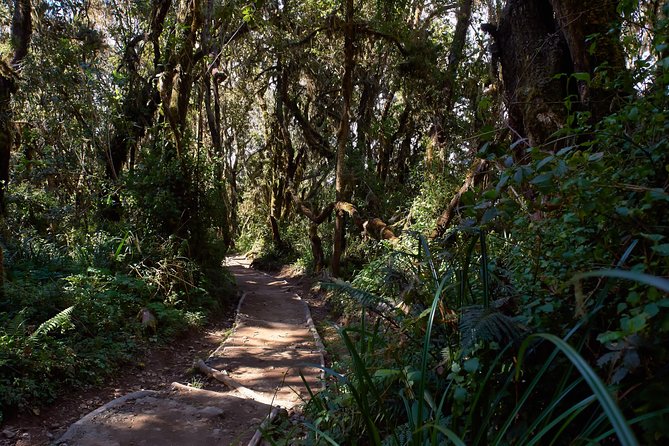
The first trail section passes through rainforest. It is a pleasant introduction to Kilimanjaro, with thick vegetation and a cooler, shaded path, but rain is highly possible. Pack your rain jacket where you can reach it, not buried at the bottom of your duffel.
The walk to Mandara Hut at 2,700 meters takes about seven hours. That is a long first day, even though the altitude gain is moderate. You’ll want spare dry clothes for the evening. Wet socks or a damp base layer can make the first night much less comfortable.
At camp, the support crew takes over the practical work. You have a meal, settle into the shared hut, and begin the daily pattern of eating, resting, drinking, and checking how your body responds to altitude.
Day 2: Mandara Hut to Horombo Hut
The second mountain day takes you from Mandara Hut to Horombo Hut at 3,720 meters. The walk lasts about eight hours and is described as moderate, but the altitude begins to matter more here.
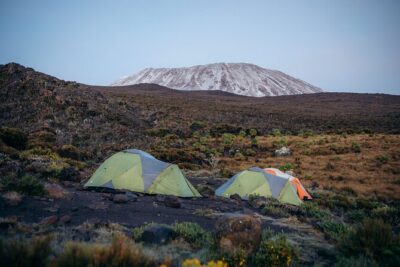
The reward is the first broad volcanic view, with Kibo and Mawenzi visible together. Kibo is the main summit cone, while Mawenzi has a sharper, more jagged profile. These are the views that make the climb feel like more than a long uphill walk.
After lunch at Horombo, you take an acclimatization hike toward Kibo Hut, gaining about 200 meters before returning to sleep at Horombo. This is a smart part of the schedule. You climb higher during the day, then rest at a lower elevation, giving your body a better chance to adjust.
Walk these acclimatization outings slowly. They are not a test of speed. The aim is to spend time at altitude without wasting energy, so keep your water close and tell your guide if you develop a headache, nausea, unusual fatigue, or other symptoms.
Same base, a different kind of day out:
- Safari Serengeti And Ngorongoro
★ 5.0 · 288 reviews - Climbing Kilimanjaro – Machame Route
★ 5.0 · 170 reviews - Climbing Kilimanjaro through 7 days Machame Route
★ 5.0 · 151 reviews - Kilimanjaro climb, Lemosho Route (8-day)
★ 5.0 · 148 reviews
Day 3: the second acclimatization hike
Day 3 is designed to prepare you for the summit attempt rather than simply move you from one hut to another. You again walk toward Kibo Hut and return, reaching a point around 4,500 meters.
The hike covers about 5 to 8 kilometers and takes three to four hours. After lunch, you can rest, take photographs of Mawenzi, or sleep. That quiet afternoon is valuable. The next stage is the long push to Kibo Hut, followed by the night ascent.
This day may feel less dramatic than the others, but it is one of the most useful parts of the route. The six-day schedule is already compact. Without these acclimatization hikes, the jump toward the summit would be even harsher.
Day 4: Horombo Hut to Kibo Hut
You leave Horombo after breakfast and walk 10 kilometers to Kibo Hut at 4,700 meters. The trek takes roughly four to eight hours, depending on pace and conditions.
The surroundings change sharply as you leave the lower vegetation behind. The route crosses high, dry terrain that can feel stark and exposed. There is no need to race. A slow pace protects your energy for the summit night, and your guides will encourage you to keep a steady rhythm.
Once you arrive at Kibo Hut, you eat lunch and rest. Avoid strenuous activity, drink plenty of water, and sleep if you can. Do not worry if sleep is difficult. The altitude, cold, and anticipation can all work against you, and the summit departure comes during the night.
This is also the point where your personal gear matters most. Your warm layers, gloves, headlamp, water, snacks, and rain protection should be organized before you lie down. Personal equipment is not included in the price, though rental is available.
Summit night: Kibo Hut to Uhuru Peak
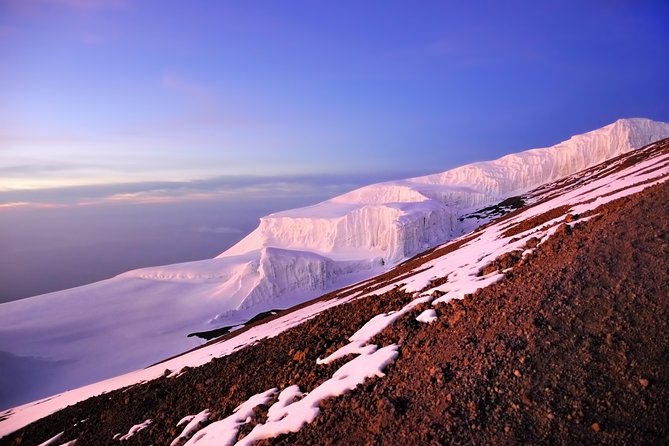
The hardest section begins at night from Kibo Hut. You climb toward Uhuru Peak, the summit at 5,895 meters, then return to Kibo Camp for about two hours of rest before continuing to Horombo Hut.
The physical trail is described as moderate, but the altitude is the true challenge. At this height, a pace that feels absurdly slow at home can be exactly right. Your guide watches stamina and mental condition, and each pair of climbers is accompanied by its own guide for this part of the ascent.
The schedule can take about 12 hours. Expect darkness, cold, fatigue, and a long descent after reaching the summit. Reaching Uhuru Peak is only half of the summit day. The return to Kibo and then Horombo demands care, especially because tired legs make slips more likely.
The operator notes that most accidents occur during descent, which is a useful warning rather than a reason to panic. Slow down, use your poles if you have them, and tell the guide when you need a pause. Oxygen, oximeters, medical kits, and trained guides are included, but no safety system replaces honest communication.
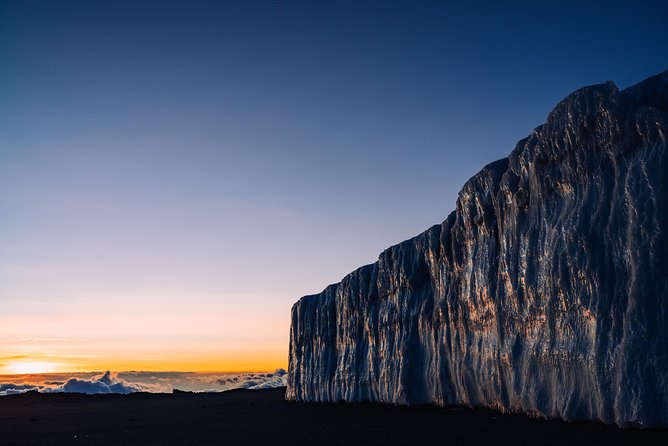
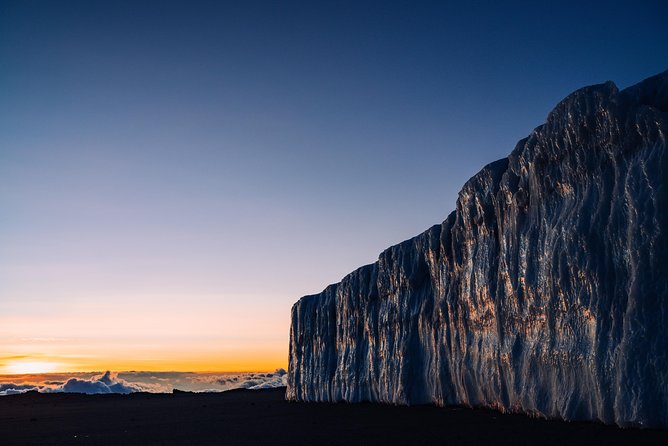
A glacier visit is offered after reaching Uhuru Peak if you still have the strength and conditions allow. Treat it as optional. The summit itself is the main goal, and conserving energy for the descent is sensible.
Day 6: Horombo Hut to Marangu Gate
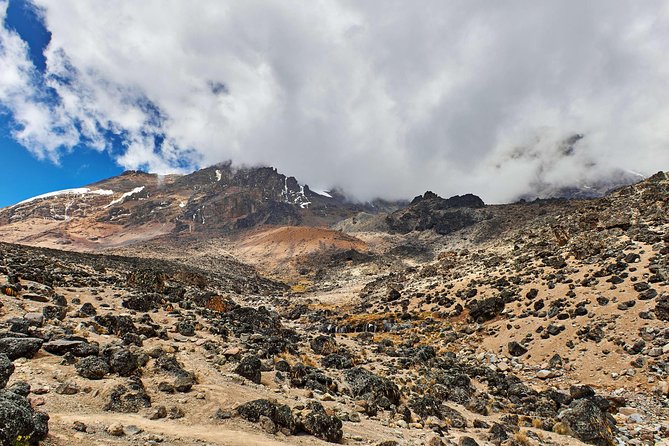
After a warm breakfast at Horombo, you descend 18 kilometers to Marangu Gate at 1,860 meters. The walk takes about five to six hours.
This is a long final trail day, but the lower altitude usually makes breathing easier. Your knees may be less grateful. Take the descent at a controlled pace and watch your footing, especially if rain has made the forest trail slippery.
At the gate, the group gathers to celebrate. You can record your thoughts in the guestbook, receive commemorative certificates at the office, and transfer back to the hotel. The certificate is a small touch, but after nearly a week on the mountain, it will feel earned.
Food, huts, porters, and daily comfort
The support system is one of the strongest reasons to consider this climb. Porters carry equipment, cooks prepare three meals a day, and group equipment includes sleeping mats, chairs, crockery, and cutlery.
Mountain meals are designed to provide energy rather than restaurant-style variety, but the plan offers several choices at each meal. Drinks include tea, coffee, juices, and soda. Vegetarian, vegan, lactose-free, gluten-free, halal, and other meal plans can be arranged.
You should still bring personal snacks that you know you can eat at altitude. The supplied meals are a major inclusion, but appetite can become unpredictable during a hard climb.
The huts are shared under national park rules, with roughly 8 to 16 people in each hut. This is more comfortable than camping for many people, but you do not get privacy. If you are a light sleeper, earplugs may be useful, though the supplied information does not specify whether they are provided.
The hotel rooms are for two people by default. Solo hotel accommodation costs extra, while solo climbs have separate arrangements from the standard shared-room setup.
Safety and the role of the guides
The guides are certified Wilderness First Responders, and the program includes medical checkups, oxygen tanks, oximeters, and medical kits. Those details matter because altitude problems can develop even in fit people.
The crew’s role is not limited to showing you the trail. Guides monitor how you are eating, drinking, walking, and coping. Past praise has singled out guides including Rashid, Charles, Justin, and Joseph, but you should confirm your assigned team before departure rather than assume you will be paired with a particular person.
The most useful habit is simple: report symptoms early. A headache or sudden drop in energy may be minor, but your guide needs to know. Trying to hide a problem to avoid slowing the group is poor judgment on a mountain.
The activity is described as private, meaning only your group participates, though group discounts are offered. Ask how the group size affects guide coverage, hut arrangements, and the summit schedule before you pay.
Is $2,902 a fair price?
At $2,902 per person, this is not a low-cost trek. Still, the price includes the major expenses that can make Kilimanjaro planning complicated: airport transfers, ground transport, two hotel nights, huts, national park fees, meals, drinks, group equipment, porters, cooks, guides, medical supplies, and health checks.
You still need to budget for international flights, a Tanzanian visa, insurance that covers mountain trekking, personal clothing and gear, hotel lunches and dinners, and crew tips. Most nationalities pay $50 for a visa at the airport, while US passport holders pay $100. Single hotel accommodation costs extra.
The value is strongest if you want a tightly organized package and do not want to arrange separate transfers, park payments, meals, and mountain support. It is less compelling if you already have equipment, local contacts, or plans to extend the climb beyond six days.
A six-day route is also less forgiving than a longer climb. The price includes substantial support, but it does not buy extra acclimatization time. If you are new to high altitude or concerned about summit odds, ask about a seven-day Marangu option before booking. The supplied information includes examples of people choosing seven days for greater comfort, but this package itself is six mountain days.
Who should book this climb?
This experience suits you if you want Kilimanjaro with hut lodging, organized meals, professional support, and a clear airport-to-airport structure. It is a good match for people with moderate fitness who can commit to long walking days and a difficult overnight summit attempt.
It is less suitable if you want a private room on the mountain, a relaxed schedule, or a route with no repeated trail sections. It is also not a casual sightseeing tour. You need to prepare your boots, clothing, sleeping bag, insurance, and fitness before arriving.
Families and younger climbers have completed this type of trip with strong guide support, but the information only specifies moderate fitness and does not set a minimum age. Ask the provider about age, medical requirements, and family arrangements before paying.
The free cancellation rule allows a full refund when you cancel at least 24 hours before the experience begins. Changes or cancellations inside that window are not accepted or refunded.
Should you book the six-day Marangu Route?
Book it if hut comfort, strong logistics, and an established support crew matter more to you than having the longest possible acclimatization schedule. The inclusion of food, park fees, airport transfers, medical equipment, and professional guides makes the $2,902 price easier to understand.
Think twice if you want the best possible margin for altitude adjustment. The six-day plan moves efficiently, and the summit night is a major physical and mental test. A longer version may suit you better if you prefer a slower pace.
For the right person, this is a practical way to attempt Africa’s highest peak without carrying a full camp or managing every detail yourself. Arrive prepared, listen to the guides, protect your energy, and treat the descent as seriously as the climb up.
FAQ
How long does the full experience last?
The full program takes about eight days, including airport transfers, two hotel nights, six mountain days, and the return to the airport.
Where does the climb begin?
The climb begins at Marangu Gate in Kilimanjaro National Park, at an elevation of 1,860 meters.
How high is Uhuru Peak?
Uhuru Peak is 5,895 meters above sea level.
Where do I sleep on Kilimanjaro?
You sleep in shared mountain huts. National park rules place about 8 to 16 people in each hut.
Are meals included?
Yes. Breakfast, lunch, and dinner are included on the mountain, along with drinks such as tea, coffee, juices, and soda.
Can special diets be accommodated?
Yes. Vegetarian, vegan, lactose-free, gluten-free, halal, and other meal plans are available.
Are airport transfers included?
Yes. Pickup and drop-off at Kilimanjaro International Airport, along with ground transportation, are included.
Is personal hiking gear included?
No. You need to provide or hire personal equipment such as hiking clothing, boots, and a sleeping bag.
What is not included in the $2,902 price?
International flights, the Tanzanian visa, mountain trekking insurance, hotel lunches and dinners, personal equipment, tips, and single hotel accommodation are not included.
Just added in Moshi
- Kilimanjaro Airport Private Transfer from/to Moshi★ 5.0 · 14 reviews
- 4 Day Mid-range Serengeti Safari★ 5.0 · 22 reviews
- Kilimanjaro Climbing 5 days Marangu route★ 5.0 · 22 reviews
- 6 Days Machame route Kilimanjaro climbing★ 5.0 · 22 reviews
- 7 Days Highlight of Tanzania Mid-Range Standard★ 5.0 · 22 reviews
- 4 Days Tanzania Budget Safari★ 5.0 · 26 reviews
- 7 Days Machame Route Climbing Mt. Kilimanjaro★ 5.0 · 24 reviews
- Machame Route 6 days 5 Nights/Kilimanjaro Climb★ 5.0 · 23 reviews
Kilimanjaro Treks, compared.
8-Day Small-group Lemosho Kilimanjaro Summit Trekking
Read our review →
5 Days Best of Tanzania Luxury Safari Northern Circuit
Read our review →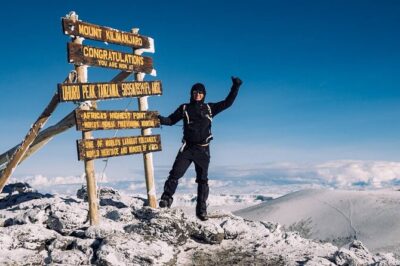
Climbing Kilimanjaro through 7 days Machame Route
Read our review →
7-Day Machame Kilimanjaro Summit Tour from Arusha
Read our review →Browse the lists this tour appears in