
Reviewed · KILIMANJARO TREKS
6 Days Climb Kilimanjaro Through Marangu Route
The Marangu Route gives you Kilimanjaro’s classic big-mountain experience in a compact six-day plan. You begin in rainforest, cross open moorland and alpine desert, then make the hard midnight push from Kibo Hut to Uhuru Peak at 5,895 meters, Africa’s highest point.
I like the built-in rest day at Horombo, which gives your body a better chance to adjust, and I like that the price includes guides, porters, meals, park fees, rescue fees, first-aid equipment, and transport from Moshi. The main caution is the pace: six days is short for a high-altitude climb, and the summit day is long, cold, and physically serious.
Key points to know before you book
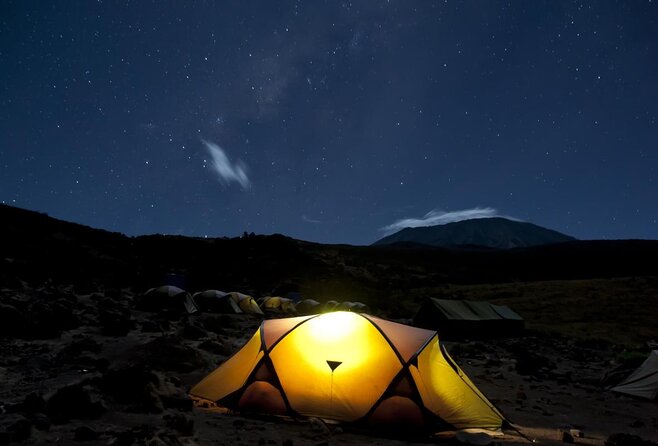
- The Marangu Route uses huts or camping areas: Sleeping arrangements are listed as provided huts at some stops, with tents and mattresses also included.
- A rest day comes before the hardest section: Day three at Horombo is set aside for recovery or an optional hike toward Mawenzi Peak.
- Summit night begins around midnight to 2 a.m.: You climb from Kibo Hut to Gilman’s Point and then continue toward Uhuru Peak.
- The crew is a major part of the experience: Guides, porters, a cook, waiter, and other mountain staff are included, with previous trips naming Teacher, Joseph, Goodluck, Tuliza, and Temba.
- The price covers many costly essentials: At $1,899 per person, the package includes park and rescue fees, meals, transport, equipment for the camp, and boiled water.
- You must budget for extras: Tips, personal gear, unspecified meals and drinks, visas, and emergency oxygen are not included.
Marangu Route: the most direct six-day path to the summit
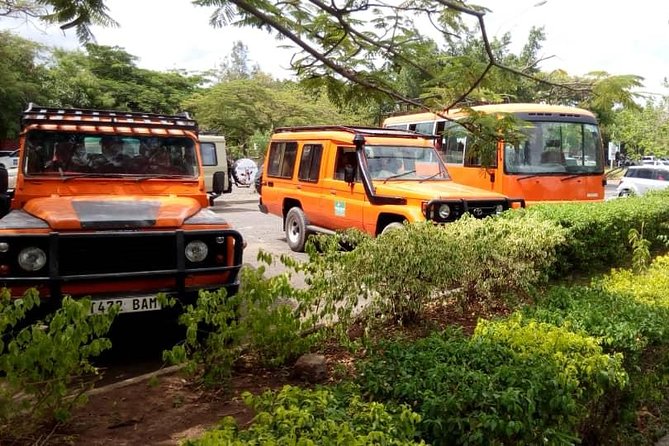
This trip begins and ends in Moshi, Tanzania. A vehicle collects you after breakfast and a briefing, then drives for about an hour to the Kilimanjaro National Park entrance at Marangu.
The Marangu Route is often called the direct or classic route because the ascent and descent use the same general corridor. That makes the trip easier to follow, but it also means you do not get the variety of a route that climbs one side of the mountain and descends another.
You are not simply buying a walk with a guide. The package includes national park fees, rescue fees, guides, porters, a cook, waiter service, meals, boiled water, first-aid supplies, pulse oximeters, camping equipment, and return transportation. Those inclusions matter on Kilimanjaro, where park charges and support staff can make up a large part of the cost.
At $1,899, the trip is not a bare-bones park entry and guiding service. It is a full mountain package. Still, check exactly where you will sleep, what personal gear can be rented, and how tips are handled before paying. The supplied information says tents and sleeping mattresses are provided, while the route description also refers to huts and camping areas.
Other routes up the mountain from Moshi:
- Kilimanjaro climb by Lemosho Route (7-day)
★ 5.0 · 651 reviews - Kilimanjaro climb, Machame Route (7-day)
★ 5.0 · 262 reviews - Kilimanjaro Climbing Lemosho Route 8 Days.
★ 5.0 · 186 reviews
Day 1: rainforest, Mandara Hut, and Maundi Crater
The first walk rises from about 1,860 meters to 2,700 meters. The distance is 8 kilometers, and the planned hiking time is three to four hours.
This is a gentle way to meet the mountain. The path passes through montane forest, where you may see tall eucalyptus trees, birds, and colobus monkeys. The forest can feel damp, shaded, and muddy, so do not treat the first day as a casual stroll just because the altitude gain is modest.
Mandara Hut is the first overnight stop. If your energy is good, the optional walk to Maundi Crater gives you a wider view toward northern Tanzania and Kenya. I would take that side trip only if the guide feels you have enough time and strength. The main goal on day one is not to rack up extra distance. It is to start slowly and save energy.
Lunch and dinner are included. That is useful from the first day because you do not need to arrange food at the gate or carry several days of meals. The crew handles the mountain kitchen, while you focus on walking, drinking, and keeping your clothing dry.
Day 2: open heathland and the Horombo camp
Day two is longer. You climb from 2,700 meters to about 3,700 meters, covering 12 kilometers in roughly five to six hours.
The rainforest thins out, replaced by heathland and open moorland. You should begin to see giant lobelias and groundsels, with views toward Mawenzi and Kibo. These two peaks help you understand the mountain’s shape: Mawenzi has a jagged profile, while Kibo is the broad summit cone that leads to Uhuru Peak.
This is also where altitude may begin to affect you. Headache, tiredness, poor sleep, and reduced appetite can appear as you gain height. The supplied plan includes pulse oximeters and first-aid equipment, but those tools do not remove the need to report symptoms honestly to your guide.
The best advice here is simple: walk pole pole, or slowly. The previous groups who enjoyed this trip placed strong emphasis on steady pacing, encouragement, and support from the crew. A fast first two days can make the summit attempt much harder.
Horombo Hut is a good place for the planned pause on day three. You get breakfast, lunch, and dinner, and the extra time allows your body to adjust before the higher section.
Day 3: a rest day that should not be wasted
Day three is listed as a rest day at 3,700 meters. There is no scheduled distance, but an optional hike toward Mawenzi Peak is available.
I like this part of the itinerary. A six-day Kilimanjaro climb is quick, and the rest day gives you a better chance to handle the altitude than a nonstop schedule would. Do not feel pressured to turn it into a full hiking day. Rest, drink water, eat your meals, and keep your body ready for the climb to Kibo.
The optional Mawenzi walk can help with acclimatization, but it also adds effort. Your guide should help decide how far to go. The aim is to spend time at altitude without exhausting yourself.
Horombo is also where you may appreciate the mountain crew most. The package includes a cook, waiter, porters, and guides. Past groups singled out people such as Teacher, Joseph, Goodluck, Tuliza, and Temba for encouragement and practical help, although you should confirm which guide team is assigned to your departure.
For sleeping, pack earplugs and an eye mask. One previous participant specifically found the six-day schedule fast and recommended both for grabbing rest between early starts and long days. That is a small tip, but it can make a real difference.
Same base, a different kind of day out:
- Safari Serengeti And Ngorongoro
★ 5.0 · 288 reviews - Climbing Kilimanjaro – Machame Route
★ 5.0 · 170 reviews - Climbing Kilimanjaro through 7 days Machame Route
★ 5.0 · 151 reviews - Kilimanjaro climb, Lemosho Route (8-day)
★ 5.0 · 148 reviews
Day 4: from Horombo to Kibo through a high desert
The fourth day covers 9 kilometers and takes about five to six hours. You climb from 3,700 meters to Kibo Hut at approximately 4,700 meters.
The route first crosses upper heathland. Then the vegetation fades into alpine desert, a stark stretch often described as a moonscape. You pass the last watering point before crossing the broad saddle between Mawenzi and Kibo.
This is a mentally important day. The trees and shrubs disappear, the air gets thinner, and the summit begins to feel close but still demanding. There is no need to rush. Save your strength for the hardest climb.
Dinner comes at Kibo, followed by rest and preparation for the summit attempt. Your clothing should be organized before bed. Keep warm layers, gloves, a hat, rain protection, and any personal items you need during the night close at hand. The tour provides camping and eating equipment, but personal climbing gear is your responsibility unless you arrange rental separately.
Emergency oxygen is not included. The package does include rescue fees, first-aid supplies, and pulse oximeters, but you should ask the operator how emergency procedures work and what support is available if you cannot continue.
Day 5: the midnight climb to Uhuru Peak
This is the day that defines the trip. The summit walk begins between midnight and 2 a.m., with a steep climb over loose scree or snow to Gilman’s Point on the crater rim.
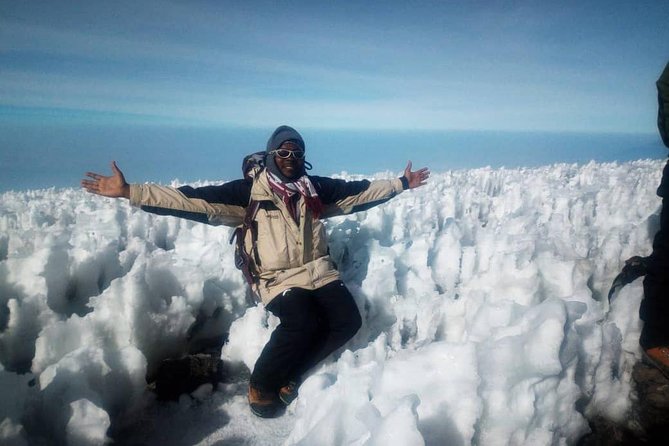
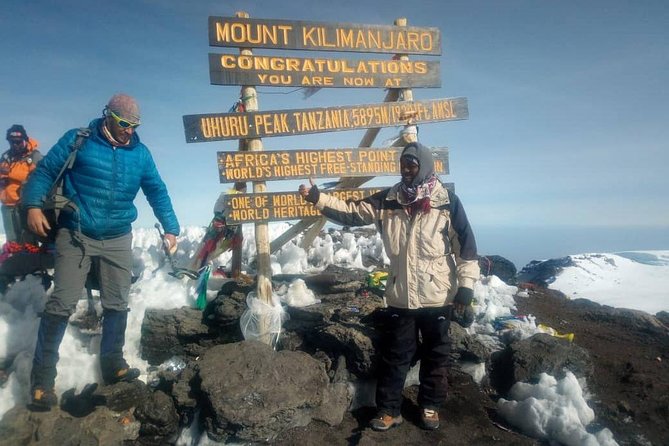
The ascent from Kibo Hut to the summit is listed as 6 kilometers and six to eight hours. From Gilman’s Point, you continue along the crater rim toward Uhuru Peak, at 5,895 meters. This is the highest point in Africa.
The hours are difficult. You walk in darkness, often in cold conditions, with very little oxygen. The route description promises wide views, but weather may limit what you see. Reaching the summit is never guaranteed, even with a strong crew and good preparation.
After the summit, you descend to Kibo for lunch and rest, then continue down to Horombo. The full descent is listed as 15 kilometers. The schedule calls this an eight-hour day, but the distances and altitude make it a demanding stretch, and you should be ready for a very tiring return to camp.
This is where good guiding matters. Past groups praised the support and encouragement offered by teams led by Teacher, Joseph, Goodluck, Tuliza, and Temba. The repeated advice to move slowly is not just a slogan. A patient pace helps you conserve energy and gives the guide a better chance to notice trouble.
If you reach Uhuru Peak, you can take a summit photograph. But do not judge the whole experience only by the sign at the top. Turning back safely can be the right decision if altitude sickness, exhaustion, or weather becomes serious.
Day 6: a long descent through forest to Moshi
After breakfast at Horombo, you descend through moorland to Mandara Hut, then continue through forest to the Marangu park gate.
The distance is 20 kilometers, with four to five hours of walking and a drop from about 3,700 meters to 1,700 meters. The downhill walk can feel easy at first, but tired legs and knees may make the final hours surprisingly demanding.
At lower elevations, rain can make the path wet and muddy. Gaiters and trekking poles are useful, while shorts and a T-shirt may be comfortable once you are lower down. Keep rain gear and warmer clothing handy because conditions can change before you reach the gate.
A vehicle waits at Marangu for the approximately one-hour drive back to your Moshi hotel. Breakfast is included on this final day, but other food and drinks not specified in the plan are excluded.
What the $1,899 price really covers
The cost makes more sense when you look past the headline figure. You are paying for:
- Return transport between Moshi and the mountain
- Qualified guides and a mountain crew
- National park entry fees
- Rescue fees
- Tents and sleeping mattresses
- Dining equipment and a mess tent
- Small camping chairs
- Porters, cook, waiter, and guide salaries
- Breakfast, lunch, and dinner on the mountain
- Boiled water
- First-aid equipment and pulse oximeters
That is a substantial package. You do not need to arrange food, carry every shared item, or pay park charges separately.
The price does not include tips, personal climbing gear, visas, emergency oxygen, or meals and drinks not named in the plan. Tips are especially important to budget for because a large crew supports your climb. Ask the operator for current tipping guidance before departure rather than waiting until the final morning.
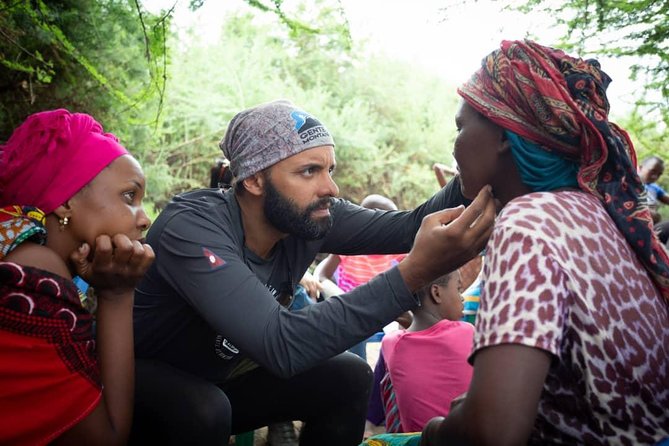
The listing gives a 4.7 rating and a 93 percent recommendation figure from 15 ratings. The strongest praise centers on the crew’s encouragement, careful support, and friendly spirit. One large group of 20 had 15 people reach the summit, while other accounts describe the team as professional and helpful with equipment rental.
There is also a serious warning in the feedback. One negative account describes poor communication, weak organization, an inexperienced guide, and disappointing transport and accommodation. That is why I would confirm the guide’s name, pickup time, sleeping arrangements, equipment condition, and emergency plan before you arrive.
Who this six-day climb suits best
This trip suits you if you want a supported Kilimanjaro climb without arranging every part yourself. You should be comfortable with long days on foot, basic mountain accommodation, an early summit start, and a fast schedule.
It may work well for a private group because only your group participates. The available information does not state a fixed maximum group size, so ask how many people will be in your party and how many crew members will accompany you.
The route is not limited to expert mountaineers. The notes say most people can participate, but that should not be mistaken for an easy hike. You still need to prepare for significant altitude, cold, steep scree, and a long summit day.
You should think twice if you need a slow itinerary, private rooms, or a strong guarantee of reaching the top. Six days gives you one rest day, but it remains a compressed climb. Adding time, if possible, may make the experience less rushed.
Practical preparation for a better climb
Bring reliable rain protection, warm summit clothing, sturdy footwear, gloves, a hat, and a headlamp or other lighting suitable for the night climb. Personal gear is not included, so ask if the operator can rent anything before you pack.
Use the first two days to find a comfortable pace. Eat the provided meals even when your appetite drops, drink the boiled water, and tell your guide about headaches, nausea, dizziness, or unusual weakness.
Pack earplugs and an eye mask for rest at camp. Trekking poles and gaiters are useful for the muddy descent through the forest. You can keep lighter clothes close for the warm lower slopes, but never put away your warm layers too early.
The experience requires good weather. If the operator cancels because conditions are unsafe, you are offered a different date or a full refund. If you cancel for another reason, the booking is non-refundable and cannot be changed, so plan your flights and hotel nights carefully.
Should you book this Marangu Route climb?
I would book it if you want a full-service, private six-day climb with meals, porters, park fees, rescue fees, and Moshi transport included. The Horombo rest day is a smart feature, and the repeated praise for guides such as Teacher, Joseph, Goodluck, Tuliza, and Temba points to the human support that can make a hard climb feel manageable.
I would not book it without first confirming the practical details. Ask who your lead guide will be, where you will sleep each night, what equipment can be rented, how many people are in your group, and how the crew handles altitude problems.
This is a strong value for a prepared hiker who accepts a demanding schedule. It is a poor match for anyone expecting a relaxed mountain holiday or hotel-style comfort. Go slowly, pack for wet and freezing conditions, and treat the summit as a goal rather than a promise.
FAQ
Where does the Kilimanjaro climb start and finish?
The activity starts at Mount Kilimanjaro in Tanzania, with pickup and return transportation provided from Moshi. It ends back at the meeting point after the descent.
How long is the climb?
The experience lasts approximately six days.
What route does the climb use?
The climb uses the Marangu Route.
Is a rest day included?
Yes. Day three is a rest day at Horombo Hut, with an optional hike toward Mawenzi Peak.
Are meals included?
Breakfast, lunch, and dinner are included on the mountain. The final day includes breakfast. Other meals and drinks not specified are excluded.
Are guides and porters included?
Yes. The package includes qualified guides, porters, a cook, a waiter, and other mountain crew salaries.
What happens if bad weather cancels the climb?
If the experience is canceled because of poor weather, you are offered a different date or a full refund. The experience is otherwise non-refundable and cannot be changed after booking.
Just added in Moshi
- Wildlife Extravaganza: Manyara, Tarangire & Ngorongoro in 3 Days★ 5.0 · 3 reviews
- West Kilimanjaro cycling Adventures★ 4.5 · 8 reviews
- machame route★ 5.0 · 16 reviews
- Kilimanjaro Climb • Machame Route ~ 10 Day★ 5.0 · 6 reviews
- Kilimanjaro Climbing Umbwe Route★ 5.0 · 3 reviews
- Mt Kilimanjaro 6 days Marangu route hike★ 5.0 · 3 reviews
- 3 Days Private E-Bike Tour in West Kilimanjaro★ 5.0 · 3 reviews
- Private Cycle to Kilimanjaro Bike Park Safari★ 5.0 · 6 reviews
Kilimanjaro Treks, compared.



8-Day Small-group Lemosho Kilimanjaro Summit Trekking
Read our review →

5 Days Best of Tanzania Luxury Safari Northern Circuit
Read our review →

Climbing Kilimanjaro through 7 days Machame Route
Read our review →
7-Day Machame Kilimanjaro Summit Tour from Arusha
Read our review →Browse the lists this tour appears in