
Reviewed · KILIMANJARO TREKS
Kilimanjaro Private Climbing in 6 Days Marangu Route
The big draw here is the six-day Marangu Route, a hut-to-hut climb that takes you from muddy rainforest to the stark saddle below Kibo. I like the extra acclimatization night at Horombo, and I like that the climb includes daily health checks, fresh meals, emergency oxygen, and a well-supported crew.
The main caution is the schedule. Summit day lasts about 14 hours, begins between midnight and 2 a.m., and follows five demanding days at altitude. The Marangu Route uses huts rather than tents, but that does not make it easy.
Key points to know before booking
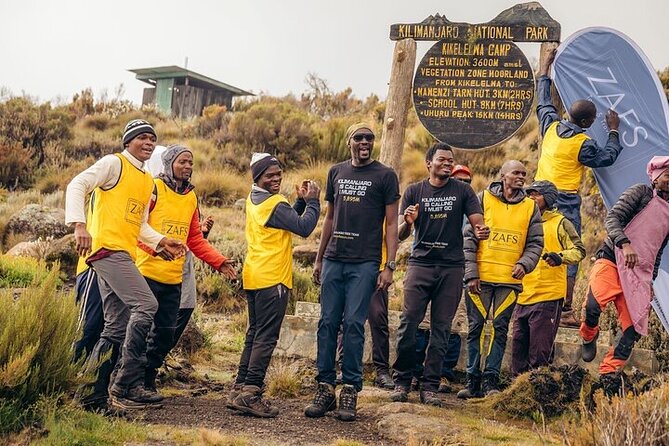
- A full acclimatization day at Horombo: The extra night allows a walk toward Mawenzi or a rest day before the summit push.
- Hut accommodation throughout the mountain section: You sleep at Mandara, Horombo, and Kibo huts rather than carrying a tent.
- A serious summit day: Expect an early start, scree, possible snow, Gillman’s Point, Uhuru Peak, and a roughly 14-hour day.
- Private support for your group: Only your party takes part, with an average support ratio of four crew members per climber.
- Meals, water, rescue fees, and emergency oxygen included: These inclusions reduce many of the large costs that can surprise first-time climbers.
- Moshi transfers are built in: Airport pickup, hotel accommodation, mountain transfers, and the return drive to Moshi are included.
What the six-day Marangu climb is really like
At $2,000 per person, this is not a casual mountain walk. You are paying for permits, huts, rescue fees, meals, water, transport, hotel accommodation, porters, cooks, guides, and medical support. You also get a private climb, so your group does not have to match the pace of strangers.
That price looks reasonable for a fully supported Kilimanjaro trip, but you still need to budget for trekking equipment, snacks, insurance, tips, visas, international flights, and meals or drinks away from the mountain. The required insurance must cover trekking up to 6,000 meters, so check the wording carefully before you travel.
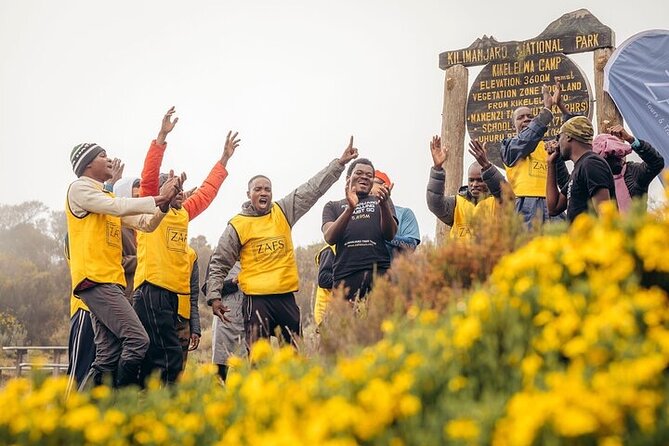
The operator says its guides have at least eight years of mountain experience and Wilderness First Responder certification. The crew also includes people who have climbed the mountain more than 100 times. That matters most when you are tired, cold, or dealing with altitude symptoms and need calm decisions rather than loud encouragement.
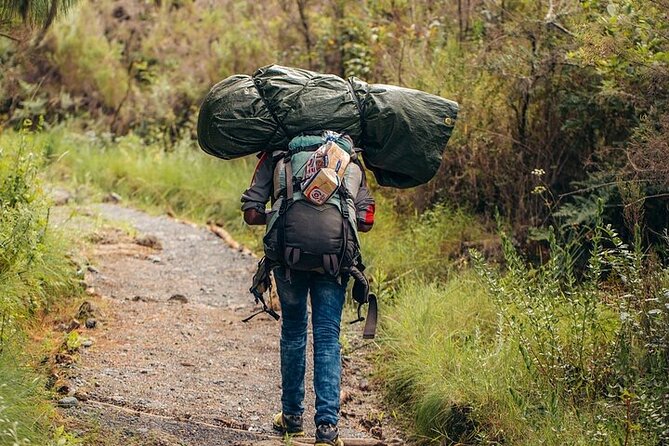
The support ratio averages four staff members per climber. That is a sizeable crew, including guides, cooks, and porters. You carry your daypack, while the porters handle the larger bags. Tips are not included, and you should plan a separate amount for the guides, cooks, and porters.
Other routes up the mountain from Moshi:
- Kilimanjaro climb by Lemosho Route (7-day)
★ 5.0 · 651 reviews - Kilimanjaro climb, Machame Route (7-day)
★ 5.0 · 262 reviews - Kilimanjaro Climbing Lemosho Route 8 Days.
★ 5.0 · 186 reviews
Day 1: Marangu Gate to Mandara Hut
Your climb begins with about a 60-minute drive from Moshi to Marangu. This is where permits are issued and the mountain crew prepares for the route. The gate area can be busy with teams sorting bags and paperwork, so do not expect to stride straight onto the trail.
The first walk takes about four hours through rainforest. This is one of the most pleasant parts of the route, with thick vegetation, changing light, and a chance to learn about Kilimanjaro’s plants, animals, and mountain conditions from your guide.
The trail can be muddy and slippery at this lower elevation. Rain gear is essential, even if the morning begins dry. Trekking poles are also useful here, particularly on wet downhill sections later in the trip.
Mandara Hut is a group of wooden A-framed huts in a forest clearing. You get a proper roof and a bed, but this is still basic mountain accommodation. The advantage is that you do not need to carry or sleep in a tent. The tradeoff is that hut space is simple and shared in nature, so pack for cool nights and keep essential items close.
Day 2: Mandara Hut to Horombo Hut
After breakfast, the forest thins and the route enters heathland. Giant lobelias and groundsels give the trail a very different feel from the previous day. You continue into open moorland, where shrubs replace the taller forest growth.
This seven-hour day is a steady climb rather than a technical one. Your guide will likely set a slow pace, often described in Tanzania as pole pole, or slowly slowly. That pace can feel overly cautious at first, but it helps you conserve energy and adjust to the increasing altitude.
A lunch stop gives you time to look across toward Mawenzi. The views open up as the trees disappear, and you begin to see why this route is more than a simple endurance test. You are moving through distinct plant zones in a matter of days.
Horombo Hut sits beneath the Kibo summit area, with Mawenzi also part of the great mountain setting. Temperatures drop noticeably by late afternoon. Put on a warm layer before you become cold, and keep water accessible.
Day 3: Acclimatization around Horombo
This is one of the strongest parts of the itinerary. You spend a second night at Horombo rather than rushing higher. The planned walk toward Mawenzi, passing Zebra Rocks, gives your body more time to adjust while keeping you active.
You can also rest at the huts. I would not treat this as a wasted day. The extra night can make the difference between reaching the summit with some energy left and struggling before the final ascent.
The hike toward Mawenzi is listed at about four hours. It also helps you understand how altitude affects you before summit night. Your guide carries out daily health checks during the trek, so this is a useful point to discuss headaches, poor sleep, appetite, breathing, or unusual fatigue.
You should not feel pressured to take the optional walk if you are unwell. The purpose of this day is acclimatization, not collecting extra mileage. Follow the guide’s advice and remember that reaching the top safely is more important than proving toughness.
Same base, a different kind of day out:
- Safari Serengeti And Ngorongoro
★ 5.0 · 288 reviews - Climbing Kilimanjaro – Machame Route
★ 5.0 · 170 reviews - Climbing Kilimanjaro through 7 days Machame Route
★ 5.0 · 151 reviews - Kilimanjaro climb, Lemosho Route (8-day)
★ 5.0 · 148 reviews
Day 4: Horombo Hut to Kibo Hut
The route now crosses the broad saddle between Mawenzi and Kibo. Vegetation fades into a stark, open moonscape. This is a long seven-hour day, and the visual change can be striking because the lush lower slopes now feel far away.
You stop for lunch during the crossing. The final water point is at about 4,130 meters, and Kibo Hut is still 1,195 meters below the summit. That detail explains why you need to fill bottles and carry enough water before continuing.
At Kibo Hut, the summit climb is visible ahead. You go to bed early because the final ascent begins between midnight and 2 a.m. Sleep may be short or broken. Organize your headlamp, gloves, warm layers, water, snacks, and trekking poles before lying down.
This is also the point where your personal gear matters most. The tour does not include trekking equipment or snacks. You need to bring suitable cold-weather clothing, sturdy footwear, rain protection, and anything you need for a long night climb.
Day 5: Gillman’s Point, Uhuru Peak, and the long return
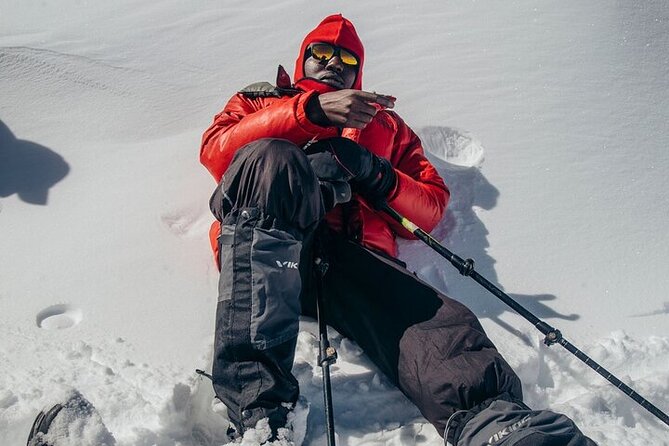
Summit day is the heart of the trip and its hardest section. You leave between midnight and 2 a.m., climbing by switchbacks over heavy scree and possibly snow. The slow pace can feel frustrating, but it helps conserve energy and allows the guide to watch your condition.
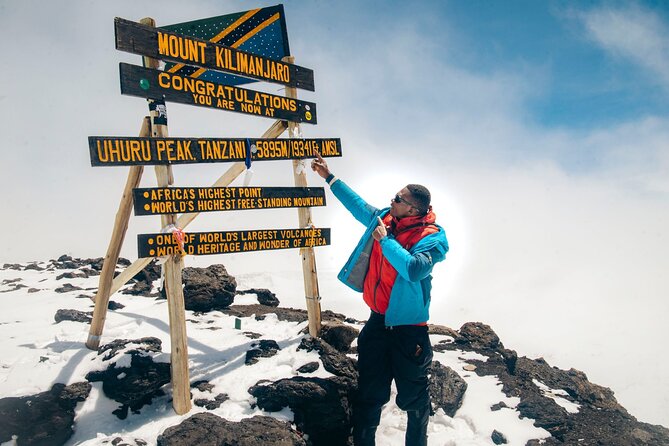
Gillman’s Point is reached on the crater rim. From there, you have a further hour to Uhuru Peak, depending on conditions and your pace. A sunrise from the rim is one of the great rewards of the climb, with faster climbers possibly seeing it from the summit itself.
Do not underestimate this section. The cold, darkness, thin air, loose rock, and lack of sleep all combine to make the summit push mentally tough. You may be moving slowly and stopping often. That is normal. The guides’ role is not just to point out the trail, but to manage the pace and monitor your health.
The day is listed at about 14 hours. That includes the summit effort and the return toward the huts. Once you reach Uhuru Peak, take your summit certificate photos, enjoy the moment, and begin the descent carefully. Going down can be hard on tired knees, especially over loose scree.
Emergency oxygen is carried on the climb, and the guides have first-aid training. These are useful safety measures, but they are not a guarantee against altitude sickness. You still need proper insurance, honest communication with your guide, and a willingness to stop or descend if instructed.
Day 6: Mandara Hut to the Marangu Gate
After breakfast and a team appreciation ceremony, you begin the descent. You stop at Mandara Hut for lunch before continuing through the rainforest to the park gate.
The lower trail can be wet, steep, and muddy, even if the summit day was dry. Gaiters and trekking poles are particularly helpful here. The descent may feel easier because you are losing altitude, but tired legs make slips more likely.
At the gate, you receive your summit certificate and meet the vehicle for the drive back to your Moshi hotel. The journey takes about an hour. The trip ends at the meeting point, and the included hotel accommodation gives you a place to clean up and recover.
The final ceremony and the chance to thank the crew are welcome touches. Remember that tips are not included. You leave the guides, cooks, and porters at the gate, so prepare cash and ask before the climb about the operator’s preferred tipping method.
Food, water, and crew support
Food is included on the mountain, along with drinking water. The operator describes the meals as fresh and nutritious, and the crew includes cooks who prepare food throughout the climb. This is more important than it may sound. At altitude, eating enough can become difficult, so warm, familiar meals are a real practical benefit.
Snacks are not included. Bring the foods you know you can eat while walking or when your appetite is low. The supplied details do not specify a menu, dietary arrangements, or how water is treated, so ask those questions before departure if they affect you.
Past descriptions of the crew emphasize friendly guides, supportive porters, and strong meals. Guides named Alex and Moshi are specifically associated with this Marangu operation in the available trip feedback. Staff can make a major difference on summit night, but you should still confirm who will lead your group before setting out.
Who will get the most from this route
This climb suits you if you want a private Kilimanjaro experience with hut accommodation and a clearly planned support system. It is especially useful if you prefer not to organize separate transfers, permits, meals, rescue fees, and hotel nights.
The six-day schedule is better than a rushed five-day version because it includes the Horombo acclimatization day. Still, it is not a gentle program. You need a moderate level of fitness and the ability to walk for up to seven hours on regular days, followed by a 14-hour summit day.
You should think carefully if you dislike early starts, basic huts, cold weather, muddy trails, or carrying a daypack for several hours. You also need to accept that altitude can affect anyone, including fit people.
This is a strong choice for a small family group, a couple, or friends who want the guide team focused on them. The private format can also help if members of your group have different walking speeds, though you should discuss this with the operator in advance.
What to pack and what to arrange first
The supplied package includes transport, food, water, huts, rescue fees, first aid, emergency oxygen, and hotel accommodation. It does not include your personal trekking gear, snacks, travel insurance, flights, visas, or tips.
Before you arrive, check that you have:
- Waterproof rain gear for the rainforest
- Warm layers for Horombo, Kibo, and summit night
- Trekking poles
- Gaiters for the muddy descent
- Suitable trekking footwear
- Personal snacks
- Insurance covering trekking up to 6,000 meters
- Cash for guide, cook, and porter tips
Airport pickup and drop-off are included. The listed meeting point is Kilimanjaro Airport, and the activity finishes back at the meeting point after the mountain and Moshi transfer arrangements. The stated start time is 12:00 a.m., so confirm the exact pickup time and hotel plan before you fly.
Confirmation is provided at booking. Free cancellation is available up to 24 hours before the experience begins. A cancellation inside that window is not refunded, and the operator may offer a new date or a full refund if the minimum group requirement is not met.
Is the $2,000 price good value?
For a private six-day climb, $2,000 is a fair price if the listed inclusions are delivered as described. National Park fees, hut fees, rescue fees, airport transfers, mountain transfers, hotel accommodation, meals, water, guides, cooks, porters, emergency equipment, and a certificate add up quickly.
The value is strongest for first-time climbers who want one company handling the difficult pieces. You do not need to arrange a separate vehicle to the gate or build your own mountain support team.
The price is not all-in. Personal equipment can be costly, and insurance for high-altitude trekking is essential. Add snacks, visas, flights, drinks away from the mountain, and tips before deciding what the trip will cost you in total.
Should you book this Marangu Route climb?
I would book this trip if you want the convenience of a private, fully supported climb and like the idea of sleeping in huts instead of tents. The Horombo acclimatization day is a real advantage, and the package covers the major mountain costs.
I would not choose it simply because six days sounds short or because the huts seem easier than camping. The summit day is long, the altitude is serious, and the weather can turn the rainforest trail into a muddy challenge.
Ask ZAFS Tours to confirm your lead guide, hotel nights, gear advice, dietary needs, exact airport arrangements, and tipping guidance. If the answers are clear and you are prepared for the physical demands, this is a practical Marangu package with strong support and a sensible acclimatization plan.
FAQ
How long is the Kilimanjaro climb?
The experience lasts approximately six days. The mountain itinerary runs from Day 1 at Marangu Gate through the descent on Day 6, with hotel accommodation included before and after the climb.
Which route does the climb use?
The climb uses the Marangu Route, beginning near the Marangu village and Marangu National Park Gate.
How much does the private climb cost?
The listed price is $2,000 per person.
Is airport pickup included?
Yes. Airport pickup and drop-off are included, along with transfers to and from the mountain.
Where do I sleep on the mountain?
You sleep in mountain huts, including Mandara Hut, Horombo Hut, and Kibo Hut. The package also includes hotel accommodation before and after the climb on a bed-and-breakfast basis.
Are meals and water included?
All meals and drinking water on the mountain are included. Meals and drinks away from the mountain, as well as snacks on the mountain, are not included.
Is this a private activity?
Yes. Only your group takes part in the climb.
What level of fitness do I need?
A moderate level of physical fitness is required. The itinerary includes walking days of about four to seven hours and a summit day of about 14 hours.
What happens if I need to cancel?
You can receive a full refund if you cancel at least 24 hours before the experience begins. Cancellations or changes made less than 24 hours before the start time are not accepted for a refund.
Just added in Moshi
- Wildlife Extravaganza: Manyara, Tarangire & Ngorongoro in 3 Days★ 5.0 · 3 reviews
- West Kilimanjaro cycling Adventures★ 4.5 · 8 reviews
- machame route★ 5.0 · 16 reviews
- Kilimanjaro Climb • Machame Route ~ 10 Day★ 5.0 · 6 reviews
- Kilimanjaro Climbing Umbwe Route★ 5.0 · 3 reviews
- Mt Kilimanjaro 6 days Marangu route hike★ 5.0 · 3 reviews
- 3 Days Private E-Bike Tour in West Kilimanjaro★ 5.0 · 3 reviews
- Private Cycle to Kilimanjaro Bike Park Safari★ 5.0 · 6 reviews
Kilimanjaro Treks, compared.



8-Day Small-group Lemosho Kilimanjaro Summit Trekking
Read our review →

5 Days Best of Tanzania Luxury Safari Northern Circuit
Read our review →

Climbing Kilimanjaro through 7 days Machame Route
Read our review →
7-Day Machame Kilimanjaro Summit Tour from Arusha
Read our review →Browse the lists this tour appears in