
Reviewed · KILIMANJARO TREKS
6 Days Climb Private Tour in Mount Kilimanjaro
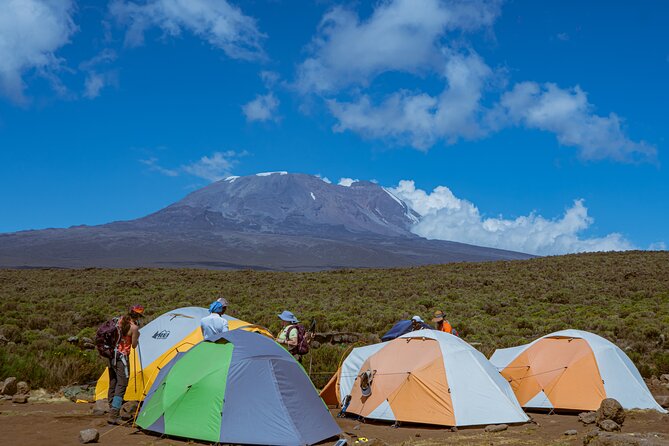
Kilimanjaro’s six-day Machame Route gives you a demanding but well-shaped path to Uhuru Peak, Africa’s highest point. You begin in coffee country and tropical forest, then climb through moorland and alpine desert before the midnight push to 5,895 meters. The most useful feature is the climb high, sleep low day at Lava Tower, which gives your body a better chance to adjust to altitude.
I like the strong safety setup, including regular health checks, rescue oxygen, first-aid training, and evacuation plans. I also like that this is a private trip, with camping equipment, meals, transport, and two Moshi hotel nights included. The main drawback is the pace: summit day can run 12 to 15 hours, and the six-day schedule gives you less acclimatization time than longer routes.
Key points to know before you book
- Machame Route scenery: You pass from Chagga coffee and banana farms into five changing mountain zones.
- High-altitude training day: Day three reaches Lava Tower at 4,600 meters before dropping to Barranco Camp.
- Serious summit night: You start around midnight and may hike for up to 15 hours.
- Safety is built in: Guides carry emergency oxygen and a first-aid kit, with health checks and evacuation plans.
- Private value: The $1,980 price covers transport, porters, meals, camping gear, rescue fees, and two Moshi hotel nights.
- A demanding six-day plan: You need moderate fitness, good pacing, and a willingness to accept a very early summit morning.
What the six-day Machame climb is really like
This is not a technical mountaineering trip. You do not need ropes or climbing skills for the Barranco Wall, but you do need stamina, patience, and a sensible attitude toward altitude.
The walking is usually slow and steady. That matters more than speed. Your guides set the pace, check how you are coping, and decide when to rest. The route is private, so only your group takes part, which can make the days feel more personal and easier to manage.
The mountain changes character quickly. On day one, you walk under trees. By day four, the vegetation is sparse and the air is thin. On summit morning, the ground is rocky, the cold is serious, and the main challenge is staying steady for several hours.
Nafika Tours supplies guides, porters, cooks, tents, sleeping pads, sleeping bags, tables, and chairs. That leaves you carrying only your personal day gear, although the exact porter luggage arrangement should be confirmed before departure.
Other routes up the mountain from Moshi:
- Kilimanjaro climb by Lemosho Route (7-day)
★ 5.0 · 651 reviews - Kilimanjaro climb, Machame Route (7-day)
★ 5.0 · 262 reviews - Kilimanjaro Climbing Lemosho Route 8 Days.
★ 5.0 · 186 reviews
Day one: coffee farms to Machame Camp
The day begins with hotel pickup in Moshi at about 8:00 a.m. The drive to Machame Gate takes you past coffee and banana plantations cultivated by the Chagga people. This is a useful beginning because it connects the climb to local life before you enter the park.
At Machame Gate, the company handles the pre-hike formalities. Once those are complete, you start walking through montane forest toward Machame Camp at 2,835 meters.
The numbers are manageable on paper: about 11 kilometers and seven hours of hiking. The forest, however, can make the first day feel longer. The path is shaded, and you might spot blue monkeys high in the trees. Expect a gradual introduction rather than an easy stroll.
Breakfast, lunch, and dinner are included. That removes one large worry from a long mountain day, though you should still bring personal snacks if you have favorite energy foods.
Day two: Shira Plateau and the first big views
You leave Machame Camp after breakfast, usually around 8:00 a.m. The route climbs for about an hour toward the top of the forest, then enters the moorland zone.
This section covers roughly six kilometers in about five hours. The distance is short, but you are gaining height, finishing at Shira Camp around 3,750 meters. The change in vegetation is one of the pleasures of the route. Trees give way to open ground, rocks, and unusual high-altitude plants.
After a short lunch and rest, the path continues along a rocky ridge toward the Shira Plateau. Views open toward the western side of Kibo, including the Western Breach and its glaciers.
This is where the climb starts to feel like a high mountain journey rather than a forest hike. You are not at extreme altitude yet, but sleeping above 3,700 meters can affect your appetite, sleep, and energy. Tell your guide about headaches, nausea, unusual tiredness, or breathlessness rather than trying to hide them.
Day three: Lava Tower makes the route smarter
Day three is one of the most important parts of the schedule. You climb to Lava Tower at about 4,600 meters, then descend to Barranco Camp at roughly 3,900 meters.
This high point and lower overnight stop give you useful acclimatization. It follows the simple mountain rule of climbing higher during the day and sleeping lower at night. You walk around 10 kilometers in approximately six hours, though your own pace and rest stops can change that.
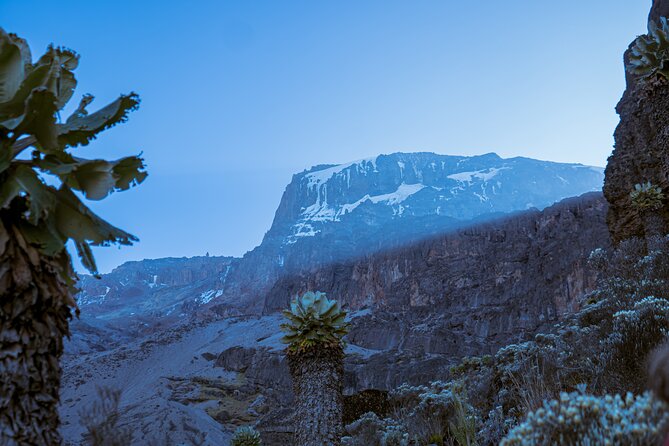
The environment becomes alpine desert, with little shelter and a stark, rocky feel. Lava Tower is a serious altitude checkpoint. You may feel fine on the ascent, or you may notice the thin air more clearly. Either way, follow the guide’s instructions and do not treat reaching the tower as a race.
The descent to Barranco takes around three hours. The camp sits below the Barranco Wall, with views toward the Western Breach and a good chance of a memorable sunset. Dinner and a night in the tent follow a day that is physically useful, not merely scenic.
Same base, a different kind of day out:
- Safari Serengeti And Ngorongoro
★ 5.0 · 288 reviews - Climbing Kilimanjaro – Machame Route
★ 5.0 · 170 reviews - Climbing Kilimanjaro through 7 days Machame Route
★ 5.0 · 151 reviews - Kilimanjaro climb, Lemosho Route (8-day)
★ 5.0 · 148 reviews
Day four: the Barranco Wall and Barafu Base Camp
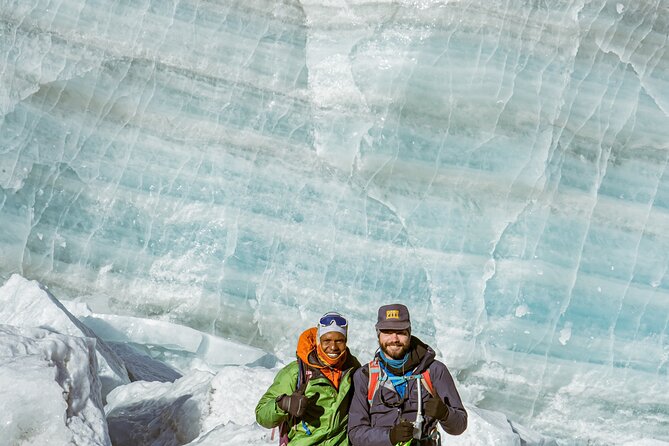
The route from Barranco Camp to Barafu Camp is about eight kilometers and is expected to take roughly eight hours. It is one of the most tiring days before the summit.
You begin with the Barranco Wall. Despite its appearance, this is not a technical climb. You use hands at times and move over rocky ground, but ropes and specialist climbing skills are not part of the stated plan. The section is long and tiring, so a calm pace helps.
From there, you continue toward Karanga Camp, where lunch is served. The crew collects water here because Barafu is the last water stop before the summit. That detail explains why the support team needs to move supplies carefully and why your own water capacity matters.
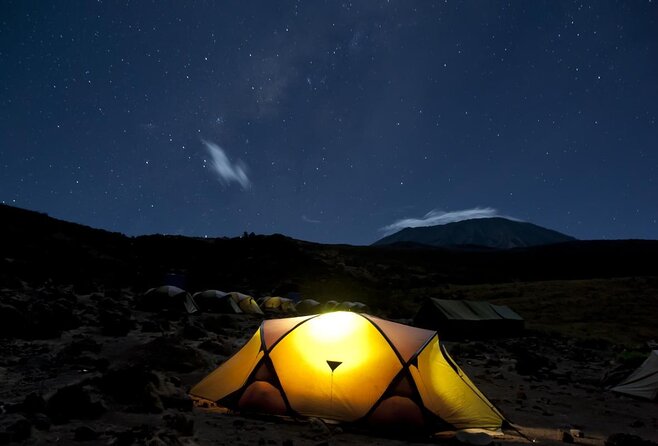
The final section reaches Barafu Camp at about 4,640 meters. This is base camp for the summit attempt. The alpine desert offers little cover, and the camp can feel exposed. You eat dinner, prepare your summit clothing and headlamp, and try to sleep before the midnight wake-up.
Do not expect a normal night. The schedule calls for light tea and breakfast around midnight, followed by the climb to the crater rim.
Day five: Stella Point, Uhuru Peak, and the long descent
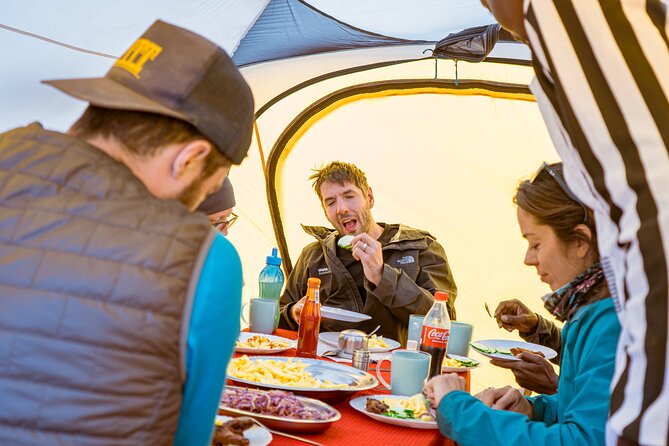
Summit day is the hardest part of the trip. The supplied schedule gives a 12 to 15-hour hiking day and about 15 kilometers, though one itinerary entry also lists 10 hours. Plan for the longer figure. It is safer to expect a very full day than to assume the shorter estimate.
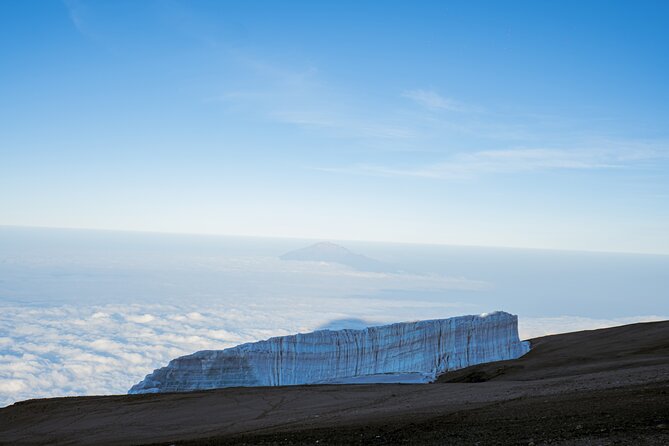
You begin with a four to five-hour climb from Barafu, gaining height over a short distance. The route reaches Stella Point on the crater rim at 5,756 meters, ideally around sunrise. From Stella Point, Uhuru Peak is another hour, bringing you to 5,895 meters.
The final approach is not just about distance. Cold, darkness, thin air, and fatigue all add weight to each step. You should keep eating small amounts, drink regularly, and follow the guide’s pace. If altitude sickness becomes a concern, the correct choice is descent, not a photograph at the summit.
At Uhuru Peak, you have time for photos and a short celebration before descending. The descent is often rough on tired legs. The schedule then continues to Millennium Camp at about 3,950 meters, so this is a very long day with both a summit ascent and a major drop in height.
That combination is the central tradeoff of a six-day climb. You reach the top without adding another night on the mountain, but the summit day becomes a test of endurance.
Day six: returning through forest to Mweka Gate
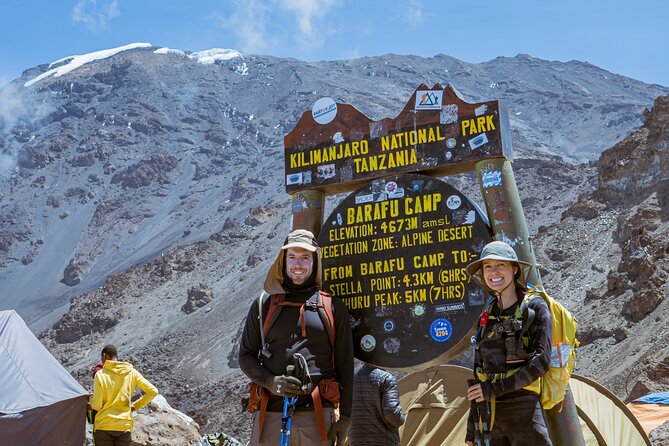
After breakfast at Millennium Camp, you descend about 14 kilometers to Mweka Gate. The walk takes around five hours and passes through moorland and tropical rain forest.
The downhill route is a welcome change after the summit, but descending can still be hard on knees and feet. Trekking poles can be useful, though they are not listed among the included supplies, so ask the company about equipment before you arrive.
At Mweka Gate, you collect your certificates and meet the private vehicle back to your Moshi hotel. Breakfast and lunch are included on this final day. The return to a hot shower and a cold drink will feel well earned.
The package includes two hotel nights in Moshi, one on arrival and one after the climb. That gives you a place to recover before or after the mountain, though you should confirm the hotel name and room arrangements when booking.
Safety, guides, porters, and camp support
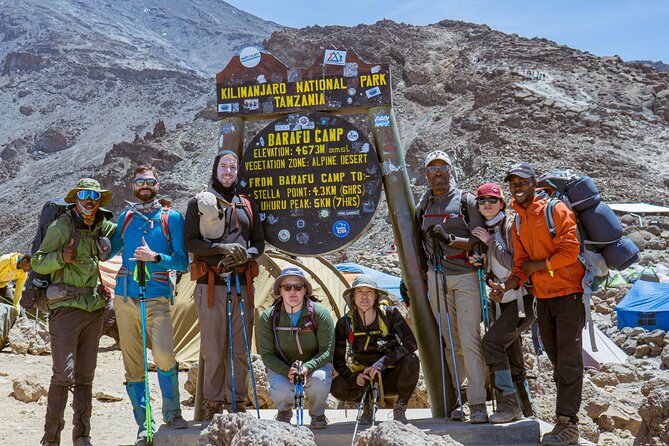
The safety provisions are a strong part of this trip. Guides receive first-aid and mountain-rescue training. The team performs regular health checks and is prepared to prevent, identify, and treat altitude sickness.
Emergency oxygen is carried on every climb, and evacuation plans are in place. Oxygen is not a guarantee against serious altitude problems, but its presence shows that the company has planned for emergencies rather than treating them as an afterthought.
The company describes its guides as highly experienced, with thousands of successful summits across the team. Names associated with the company include Meshaki, Mr. Dixon, Karrimor, and Godchance. Elias is also praised for answering planning questions clearly before departure. Guide assignments can change, so ask who will lead your group and how many support staff will accompany you.
Porters and cooks are part of the mountain operation. Fair wages for guides and porters are included in the stated package, which is important both for the crew and for you. A well-run support system means tents, food, water, and camp furniture reach each site while you concentrate on walking.
You receive treated water throughout the trek, a first-aid kit, and sleeping equipment. The tents are described as waterproof, warm, and roomy, with thick foam sleeping pads. Mountain camping is still camping, so do not expect hotel comfort. You should bring warm layers, weather protection, and personal items that help you sleep.
Food, water, and what the $1,980 price covers
The listed price is $1,980 per person. That is a large payment, but it covers much more than a guide and a park walk.
Included are private transportation, camping equipment, sleeping bags, treated water, porters and guides, rescue fees, emergency oxygen, meals, and two Moshi hotel nights. Breakfast, lunch, and dinner are listed for the mountain days, with breakfast and lunch on the final descent. The inclusion list says seven breakfasts, seven lunches, and seven dinners, which does not match the six-day outline exactly, so ask the operator to confirm the meal count and hotel-night details.
The value is strongest if you want a private, supported climb and would otherwise need to arrange equipment, airport or hotel transfers, meals, camping staff, and rescue cover separately. It is less attractive if you already own all your gear and are comparing only the walking days.
A visa is not included and is listed at $50 per person. Budget separately for personal clothing and gear, travel to Tanzania, insurance, tips if you choose to give them, and any extra accommodation or safari plans. Only the visa cost is specified here, so do not assume other expenses are covered.
Who should choose this route
This trip suits you if you want a private Kilimanjaro climb with a clear support structure and a direct route through several habitat zones. It also suits people who want to combine the climb with a Tanzania safari, something several company packages are designed to do, though a safari is not included in this price.
You need moderate physical fitness. The biggest demands are repeated uphill walking, sleeping at altitude, the Barranco Wall, and the long summit day. You do not need to be a technical climber, but you should prepare your legs and practice long walks before arrival.
The route may not suit you if you prefer a slower acclimatization schedule. A longer Kilimanjaro itinerary can spread the same altitude gains over more days. This six-day plan is efficient, but efficiency comes with more pressure on summit day.
The private format is helpful for couples, families, or friends who want their own pace and group dynamic. It also gives you a direct channel with the guide when you feel unwell or need a change in pace.
Booking details worth checking
Confirmation is provided at booking, pickup is offered, and the activity is listed as private. The experience runs from Moshi, with the initial hotel pickup around 8:00 a.m. on day one.
The cancellation policy allows a full refund if you cancel at least 24 hours before the start time. Cancellations or changes made inside that window are not accepted for a refund.
Before paying, I would ask Nafika Tours to confirm the exact guide names, hotel details, meal totals, day five timing, porter baggage limits, and the equipment you must bring yourself. These questions are especially useful because the written schedule gives both 10 hours and 12 to 15 hours for the summit day.
Should you book this Kilimanjaro climb?
I would consider this tour if you want a private Machame Route climb with safety equipment, experienced mountain staff, camping supplies, meals, and Moshi accommodation bundled into one price. The high point of the itinerary is its climb-high, sleep-low day, and the support package makes the $1,980 easier to justify.
Book it only if you are ready for a demanding schedule. The summit night is long, the altitude is real, and six days leaves little room for an easy adjustment. If you prefer a gentler pace, ask about a longer route before committing.
For a fit hiker who wants the classic forest-to-summit experience and values a local team, this is a strong option. Go in with realistic expectations, confirm the schedule details, and treat safety decisions as more important than reaching the top.
FAQ
Where does the Kilimanjaro climb begin?
The climb begins with pickup from your Moshi hotel at about 8:00 a.m. You are driven to Machame Gate, where the pre-hike formalities are completed before walking.
How long is the tour?
The tour lasts approximately six days. The summit day is the longest, with an estimated hiking time of 12 to 15 hours, although another schedule entry lists 10 hours.
What route does the climb use?
The itinerary follows the Machame Route. It travels through montane forest, moorland, alpine desert, and the summit area of Mount Kilimanjaro.
What altitude does the climb reach?
Uhuru Peak is listed at 5,895 meters. You reach Stella Point at about 5,756 meters before continuing for roughly one hour to the summit.
Is this a private tour?
Yes. Only your group participates in the activity, and private transportation is included.
Is camping equipment provided?
Yes. The package includes tents, sleeping pads, tables, chairs, sleeping bags, and other camping equipment. The tents are described as warm, waterproof, and roomy.
Are meals and water included?
Treated water is provided throughout the trek. Breakfast, lunch, and dinner are included during the climb, with breakfast and lunch listed for the final descent.
Is emergency support included?
Yes. The package includes rescue fees, emergency oxygen, and a first-aid kit. Guides receive first-aid and mountain-rescue training, and health checks are carried out during the climb.
Is a visa included in the price?
No. The visa is listed separately at $50 per person.
Just added in Moshi
- Kilimanjaro Airport Private Transfer from/to Moshi★ 5.0 · 14 reviews
- 6 Days Machame route Kilimanjaro climbing★ 5.0 · 22 reviews
- 7 Days Highlight of Tanzania Mid-Range Standard★ 5.0 · 22 reviews
- 4 Day Mid-range Serengeti Safari★ 5.0 · 22 reviews
- Kilimanjaro Climbing 5 days Marangu route★ 5.0 · 22 reviews
- 6-Day Kilimanjaro Climbing Via Machame Route★ 5.0 · 23 reviews
- 9-Day Enchanting Tanzania Safari -High End All Inclusive★ 5.0 · 27 reviews
- Kilimanjaro Trekking 7Days 6Night Lemosho Route★ 5.0 · 23 reviews
Kilimanjaro Treks, compared.
8-Day Small-group Lemosho Kilimanjaro Summit Trekking
Read our review →
5 Days Best of Tanzania Luxury Safari Northern Circuit
Read our review →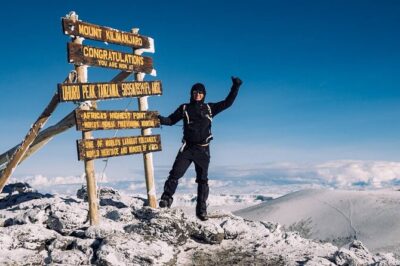
Climbing Kilimanjaro through 7 days Machame Route
Read our review →
7-Day Machame Kilimanjaro Summit Tour from Arusha
Read our review →Browse the lists this tour appears in