
Reviewed · KILIMANJARO TREKS
8 Days Climbing Mt.Kilimanjaro (Lemosho Route)
Kilimanjaro’s Lemosho Route gives you a gradual start, broad views across the Shira Plateau, and a useful acclimatization plan before the final push. You begin in montane forest, cross moorland and semi-desert, then reach the cold alpine desert around Barafu Camp. The reward is Uhuru Peak, Africa’s highest point, reached after a midnight climb.
I like two things right away. First, you get a full support team with guides, porters, a cook, a waiter, tents, mattresses, meals, boiled water, first-aid supplies, and pulse oximeters. Second, the private small-group setup lets your team walk at its own pace rather than being tied to a large crowd.
The main caution is that this is still a serious high-altitude climb, not a long sightseeing walk. The summit day can take about six hours to reach the top, followed by a descent to Mweka Camp, and the $2,300 price does not include tips, personal gear, visas, drinks, or two nights of hotel accommodation.
Key points to know before booking
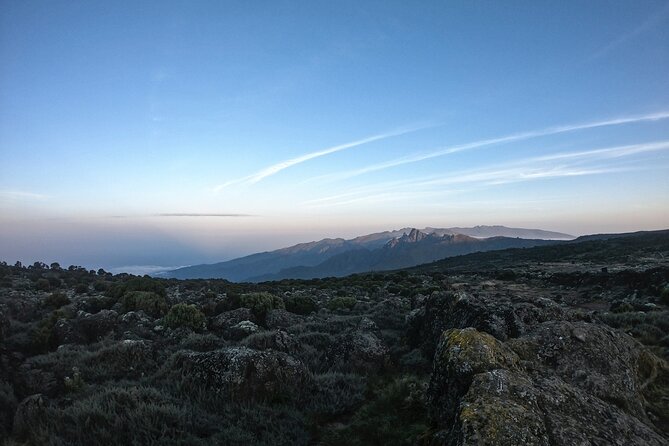
- A slow, scenic approach: The route moves from forest to heather moorland, the Shira Plateau, semi-desert, and alpine desert.
- The best acclimatization day: Day 4 climbs toward Lava Tower before descending to Barranco Camp, helping you sleep lower than your highest point.
- A full mountain crew: Guides, porters, a cook, waiter, tents, mattresses, meals, rescue fees, and boiled water are included.
- The summit starts at midnight: You climb from Barafu Camp toward Stella Point and Uhuru Peak, then descend to Mweka Camp.
- Private group format: Only your own party takes part, with pickup offered and a vehicle returning you to Moshi.
- A budget that needs checking: Hotel nights, tips, climb gear, drinks, visas, personal items, and emergency oxygen are extra.
Why the Lemosho Route earns eight days
Kilimanjaro is not technically difficult in the same way as a rock-climbing expedition, but altitude makes it demanding. The 8-day plan gives your body more time to adjust than a short itinerary, and the route uses the useful climb-high, sleep-lower pattern on Day 4.
You start at about 1,830 meters and finish at 5,895 meters at Uhuru Peak. That change is huge. The daily distances are not always long, but thin air, cold, steep ground, and poor sleep make each day count.
The Lemosho side is also appealing for its changing scenery. You walk through montane forest, giant heather, moorland, semi-desert, and alpine desert before reaching the summit zone. The route feels like a journey through several climate bands rather than one long uphill path.
The cultural promise deserves a little care. The experience is based in Tanzania and uses a local crew, which gives you direct contact with guides, porters, cooks, and other Tanzanian staff. Still, the schedule itself is focused on climbing. It does not list a separate village visit, tribal museum, or cultural performance, so ask the operator if that part matters to you.
Other routes up the mountain from Moshi:
- Kilimanjaro climb by Lemosho Route (7-day)
★ 5.0 · 651 reviews - Kilimanjaro climb, Machame Route (7-day)
★ 5.0 · 262 reviews - Kilimanjaro Climbing Lemosho Route 8 Days.
★ 5.0 · 186 reviews
Day 1: Lemosho Gate to Mti Mkubwa Camp
After breakfast and a briefing, you drive toward Lemosho Park Gate. A 4WD vehicle uses a forest track to reach Lemosho Glades, where you begin walking through the trees to Mti Mkubwa Camp.
This is a gentle first day by Kilimanjaro standards. The route covers about 6 kilometers in two to three hours, rising from 1,830 meters to 2,650 meters. Lunch and dinner are provided.
The forest is the main attraction here. The pace gives you time to meet the support crew, settle into the walking rhythm, and learn how the camp works. You may find the rough access road more tiring than the hike itself, especially if the drive is slow.
Mti Mkubwa means big tree, and the name fits the forest setting. Do not expect a dramatic summit view yet. Day 1 is about getting started without rushing.
Day 2: Mti Mkubwa to Shira 1 Camp
The path steepens as you leave the forest and enter the giant heather moorland zone. You cross streams, climb over Shira Ridge, and then descend gently toward Shira 1 Camp on the Shira Plateau.
The day covers about 8 kilometers in four to five hours. You rise from 2,650 meters to 3,500 meters, with all three meals included.
This is where the route begins to feel distinctly high-altitude. The trees thin out, the air gets cooler, and the views open. The Shira Plateau is one of the best reasons to choose this route. You get a broad, open setting without the enclosed feeling of forest walking.
The gain in elevation is noticeable, so keep your pace slow. Your guide sets the walking speed, but you should still speak up if you feel unwell. The route description includes several stream crossings, so trekking shoes with good grip and waterproof protection are sensible.
Day 3: Shira 1 to Shira 2 Camp
Day 3 is a gentle traverse across the plateau. You walk about 8 kilometers in four to five hours, rising from 3,500 meters to 3,850 meters. Breakfast, lunch, and dinner are included.
This is an important day, even though it may not feel dramatic. The schedule allows for extra hikes on the plateau, giving your group room to adjust the day to its energy and altitude needs. That flexibility is more useful than cramming in another long march.
The moorland meadows and streamside camp provide a calmer setting before the route turns toward the summit. You should use this time to organize your pack, protect your water from freezing later in the trip, and ask your guide about the next day’s longer climb.
The drawback is simple: you are already sleeping high, but the summit is still several days away. A good day here means moving slowly, eating properly, and saving energy rather than trying to prove your fitness.
Same base, a different kind of day out:
- Safari Serengeti And Ngorongoro
★ 5.0 · 288 reviews - Climbing Kilimanjaro – Machame Route
★ 5.0 · 170 reviews - Climbing Kilimanjaro through 7 days Machame Route
★ 5.0 · 151 reviews - Kilimanjaro climb, Lemosho Route (8-day)
★ 5.0 · 148 reviews
Day 4: Shira 2, Lava Tower, and Barranco Camp
Day 4 is the key acclimatization day. From Shira 2, you climb east along a ridge and pass the junction toward Kibo, Kilimanjaro’s highest cone. You continue toward Lava Tower, also called Shark’s Tooth, at about 4,650 meters, then descend to Barranco Camp at roughly 4,000 meters.
The listed walking time is five to six hours for about 8 kilometers. You may finish the day at nearly the same sleeping elevation where you began, but your body has spent time higher. That is the point.
The scenery changes again as the moorland gives way to semi-desert. Lava Tower is a major visual marker, and the descent to Barranco makes the day more varied than a straight climb.
This day can expose altitude problems. You may feel fine at Shira 2 and then notice a headache or shortness of breath near the tower. Tell the guide promptly. The supplied pulse oximeters and first-aid equipment are useful tools, but they do not replace careful monitoring and honest communication.
Day 5: Barranco Wall to Karanga Camp
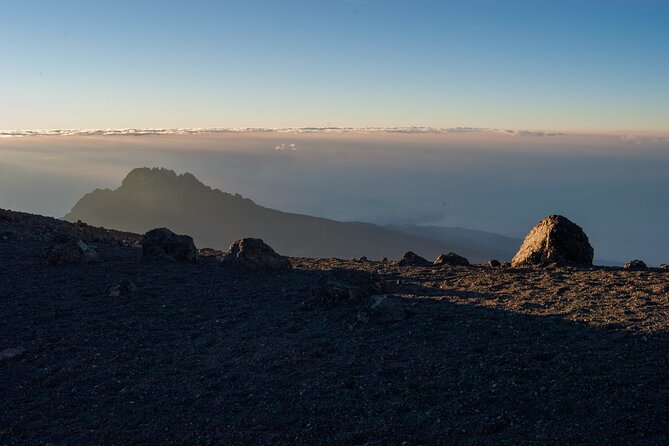
You leave Barranco Camp and climb the Barranco Wall before entering the Karanga Valley. The route then reaches the junction with the Mweka Trail.
This is a short day by distance, about 5 kilometers, taking three to four hours. You climb only from 4,000 meters to about 4,050 meters, but the steep ridge makes it feel like real work.
The Barranco Wall is one of the most memorable sections of the route. It is not described as technical climbing, but you should expect steep ground and the need to use your hands at times. Move carefully, keep your pack close, and follow the guide’s line.
Karanga Camp sits in alpine desert. The sparse setting, rock, and cold make it clear that you are approaching the upper mountain. The short schedule is welcome. Use the afternoon to rest, drink, eat, and prepare clothing for Barafu.
Day 6: Karanga to Barafu Camp
The path climbs from Karanga Camp to Barafu Camp, covering roughly 4 kilometers in three to four hours. You gain about 650 meters, reaching 4,700 meters.
Barafu means ice, and the camp marks the end of the South Circuit. From here, you have seen the summit from several angles, and the mountain becomes less about scenery and more about preparation.
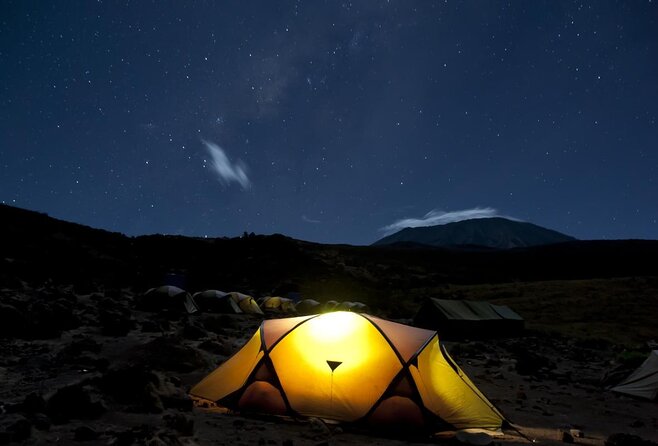
You eat dinner, rest, and organize your summit clothing before the early start. The timing matters. The group normally begins the summit attempt between midnight and 2 a.m., so you may have only a short period in your tent before getting up again.
This is often an uncomfortable afternoon. You are high, the air is thin, and sleep may be poor. Keep your night kit close. Warm layers, headlamp, gloves, water, snacks, and any personal medicine should not be buried in your main bag.
Day 7: Barafu Camp to Uhuru Peak and Mweka Camp
Summit day is the hardest part of the trip. You leave between midnight and 2 a.m. and climb through heavy scree toward Stella Point on the crater rim, passing between the Rebmann and Ratzel glaciers.
The climb to Stella Point is mentally and physically demanding. The ground can be loose, the air is thin, and the darkness makes the slope seem endless. The slow pace is deliberate. This is not the moment to race.
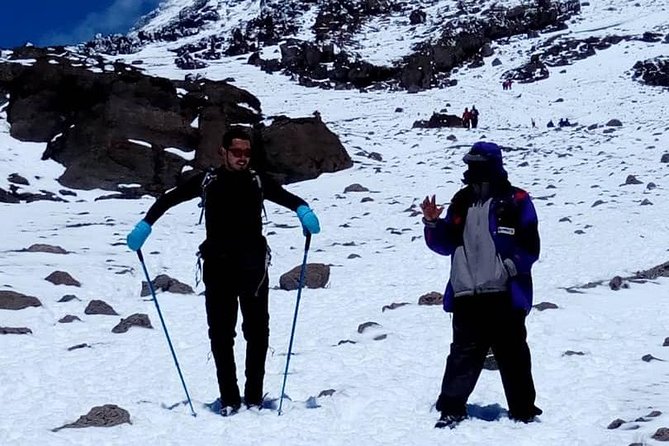
At Stella Point, you rest briefly and may see sunrise. Faster walkers might reach Uhuru Peak in time for sunrise, while others see the light spread across the mountain during the final hour. From Stella Point, the summit is about another hour, with possible snow along the route.
At 5,895 meters, Uhuru Peak is the highest point in Africa. You then descend to Barafu and continue to Mweka Camp, making this a very long day. The supplied itinerary gives six hours for the summit portion, but your full day includes the descent and can feel much longer.
The emotional high point is obvious, but the descent deserves equal respect. Many people feel exhausted after the summit and are tempted to hurry downhill. Slow steps protect your knees and reduce slips on scree.
Day 8: Mweka Camp to Moshi
After breakfast, you descend through forest to Mweka Gate. The route covers about 10 kilometers in three to four hours, dropping from 3,090 meters to 1,680 meters.
The lower section can be wet and muddy. Gaiters and trekking poles are specifically useful here, while shorts and a T-shirt may be enough in the warmer lower elevations. Keep rain gear and a warmer layer handy because mountain weather can change.
At Mweka Gate, you receive summit certificates. A Monkey Adventures vehicle then takes you back to your Moshi hotel, with the drive listed at about 60 minutes.
This is a practical final day rather than a grand finale. Your legs may be tired, and the forest descent can feel long after the summit. Still, reaching the gate, collecting the certificate, and getting into a vehicle makes the transition back to town clear and satisfying.
What the $2,300 price really covers
At $2,300 per person, the price is not just paying for a guide to walk beside you. It includes park entry, rescue fees, tents, sleeping mattresses, a dining tent, mini camping chairs, tables, cutlery, candles, meals, boiled water, and the wages of guides, porters, cooks, and waiters.
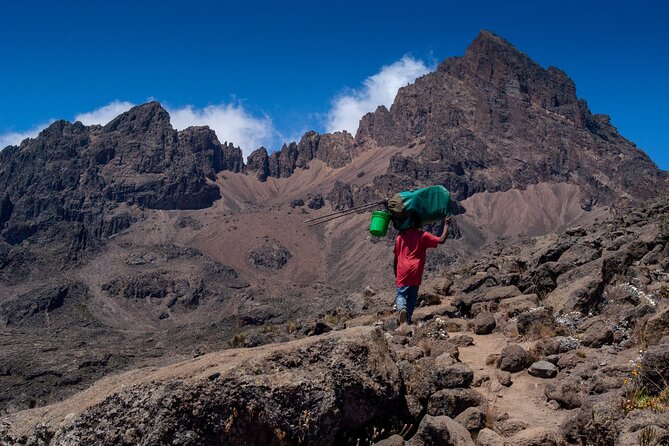
That level of support matters on Kilimanjaro. Your crew carries and organizes much of the camp, cooks meals, and helps keep the trek moving. The price can be good value if you want a private, fully supported climb rather than arranging each part yourself.
Still, set aside money beyond the advertised rate. Tips are not included, and neither are climb gear, drinks, meals outside the stated schedule, personal items, visas, or emergency oxygen. Two nights of accommodation before and after the trek are also listed separately at $50 for a full-body arrangement at Kili Base Hotel. Confirm exactly what that $50 covers before paying.
The operator also offers help finding rental equipment at local hiking stores. That can save money and luggage space, but you should check every rented item before leaving town. Fit and condition matter more than getting the lowest price.
Guides, crew, and group style
This is a private activity, so only your group takes part. That is valuable if you want to stop for water, adjust the pace, or spend more time on the Shira Plateau without negotiating with a large party.
The booking material names several guides and crew members associated with different climbs, including Haji, Mariki, Musa, Jonathan, Fabian, Moses, Adam, Tulzia, Geoffrey, Kaniki, and Seif. Do not assume one of those people will lead your trip. Ask for the names of your guide and assistant guide before departure.
The strongest pattern in the available feedback is praise for the human support. Guides are repeatedly credited with encouragement, summit planning, safety attention, and flexibility. One family specifically valued the team’s care during a climb with a 10-year-old, while solo climbers appreciated the personal support.
There are also serious warnings about inconsistent communication, promises not matching delivery, and disputes over large advance payments. Those complaints are not minor. Get the full cost, hotel arrangements, crew numbers, inclusions, payment schedule, and refund terms in writing before you travel.
Practical details that affect your decision
Pickup is offered, and the trip ends back at the meeting point. The data lists the start point as Machame, Tanzania, while the daily route begins with a drive to Lemosho Gate. Confirm the exact pickup location and transfer plan with the operator.
Confirmation is provided at booking. Service animals are allowed, and the activity is described as suitable for most participants. That does not mean it suits everyone. You need to be ready for long uphill walking, high altitude, cold conditions, early starts, and a demanding summit day.
Free cancellation is available if you cancel at least 24 hours before the start time. Inside 24 hours, the payment is not refunded, and changes are not accepted. If poor weather cancels the climb, you are offered another date or a full refund.
The experience has a 4.6 rating from 37 ratings, with 92 percent recommending it. Those figures are encouraging, but the mixed experiences mean you should judge the company by the clarity of its answers before committing money.
Who should book this climb?
I would choose this trip if you want the scenic Lemosho approach, a full camp crew, private-group pacing, and eight days for altitude adjustment. It is especially suitable if you value support and do not want to carry or cook all your own camp equipment.
You should think twice if you want a hotel-comfort trek, dislike shared camping arrangements, or expect a dedicated cultural tour alongside the climb. The cultural connection comes mainly through the Tanzanian crew and the setting, not a listed program of village visits.
Should you book the 8-day Lemosho climb?
Book it if the route, private format, and included crew support match your priorities. The Shira Plateau, Lava Tower acclimatization day, Barranco Wall, and sunrise summit attempt give the trip a strong progression. The inclusion of meals, tents, porters, rescue fees, and boiled water also makes the $2,300 cost easier to understand.
Before booking, get written answers about the exact meeting point, hotel nights, rental gear, guide names, payment protection, crew size, and tip expectations. If those details are clear and you are prepared for a cold, tiring, high-altitude week, this is a well-structured way to approach Uhuru Peak. If the answers remain vague, choose a different operator.
FAQ
How long is the climb?
The experience lasts approximately eight days, including the approach, summit attempt, descent, and return to Moshi.
What route does the climb use?
The climb uses the Lemosho Route, beginning near Lemosho Gate and crossing the Shira Plateau before joining the southern circuit toward Barranco, Karanga, and Barafu.
What is included in the price?
The price includes qualified guides, the mountain crew, national park fees, tents, sleeping mattresses, a dining tent, camp furniture, cutlery, rescue fees, pulse oximeters, first-aid supplies, crew salaries, boiled water, and breakfast, lunch, and dinner on the mountain.
Are hotel nights included?
Two nights of accommodation before and after the trek are not included in the main package. The supplied information lists them separately at $50 for a full-body arrangement at Kili Base Hotel.
What is not included?
Tips, unspecified meals and drinks, personal climbing gear, personal items, visas, and emergency oxygen are not included. Climbing gear can be rented with help from the operator.
When does the summit attempt begin?
The summit climb from Barafu Camp begins very early, normally between midnight and 2 a.m.
What happens if bad weather cancels the climb?
If poor weather causes cancellation, you are offered a different date or a full refund. For regular cancellations, you must cancel at least 24 hours before the local start time to receive a full refund.
Just added in Moshi
- Kilimanjaro Airport Private Transfer from/to Moshi★ 5.0 · 14 reviews
- 6 Days Machame route Kilimanjaro climbing★ 5.0 · 22 reviews
- 7 Days Highlight of Tanzania Mid-Range Standard★ 5.0 · 22 reviews
- 4 Day Mid-range Serengeti Safari★ 5.0 · 22 reviews
- Kilimanjaro Climbing 5 days Marangu route★ 5.0 · 22 reviews
- 6-Day Kilimanjaro Climbing Via Machame Route★ 5.0 · 23 reviews
- 9-Day Enchanting Tanzania Safari -High End All Inclusive★ 5.0 · 27 reviews
- Kilimanjaro Trekking 7Days 6Night Lemosho Route★ 5.0 · 23 reviews
Kilimanjaro Treks, compared.
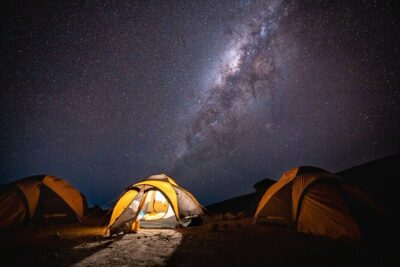
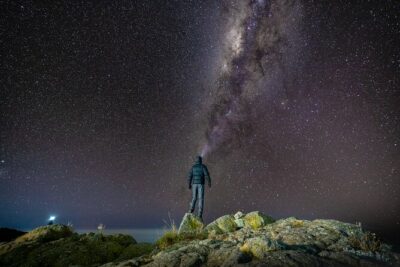
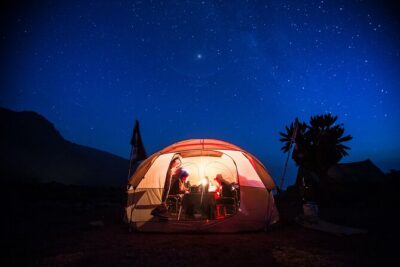
8-Day Small-group Lemosho Kilimanjaro Summit Trekking
Read our review →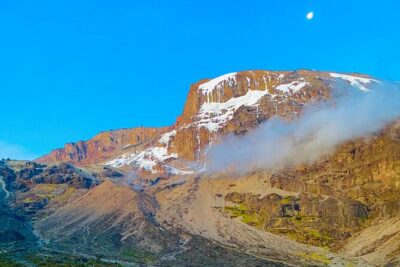
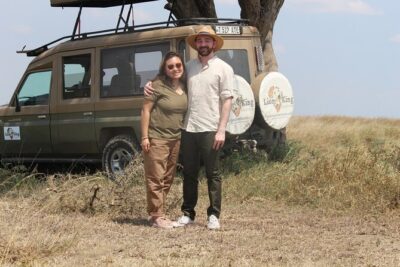
5 Days Best of Tanzania Luxury Safari Northern Circuit
Read our review →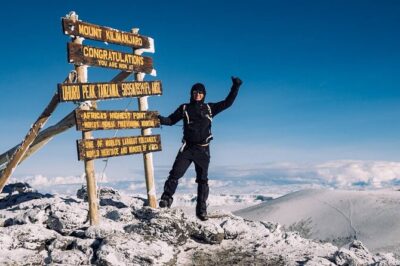
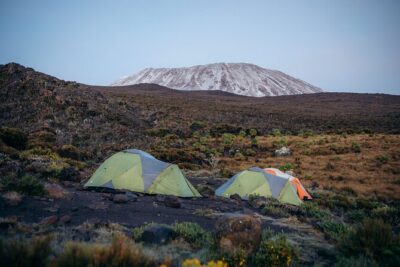
Climbing Kilimanjaro through 7 days Machame Route
Read our review →
7-Day Machame Kilimanjaro Summit Tour from Arusha
Read our review →Browse the lists this tour appears in