
Reviewed · KILIMANJARO TREKS
Kilimanjaro 7 Days Machame Route Private Tour
Kilimanjaro’s Machame Route gives you a real mountain journey, not a quick walk to a viewpoint. You move from rainforest to moorland, alpine desert, ice, and finally Uhuru Peak at 5,895 meters. I like the carefully spaced acclimatization day and the support of cooks, porters, oxygen, and certified wilderness first responder guides.
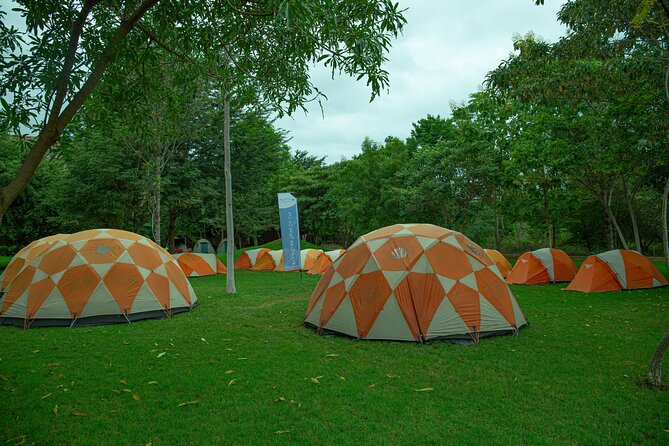
I also like that this is a private trip, so your group can move at its own pace. The camp meals, dining tent, sleeping pads, and pre-trek equipment check make a major difference after long hours on your feet. The catch is simple: the summit night is very hard, and a moderate fitness level is the minimum, not a guarantee of success.
Key points
- Seven trekking days, about nine days total: Arrival, briefing, climb, descent, and recovery day are all part of the schedule.
- Machame’s changing habitats: Walk from montane forest through heather, moorland, alpine desert, and ice near the summit.
- Strong acclimatization plan: The Lava Tower climb and descent to Barranco Camp help you gain height, then sleep lower.
- Private support team: Guides, porters, cooks, dining equipment, and sleeping tents are included.
- Safety equipment included: Certified wilderness first responder guides, pulse oximeters, portable oxygen, and a first aid kit are provided.
- A demanding summit push: Expect 12 to 14 hours on summit day, followed by a long descent.
What the nine-day schedule really means
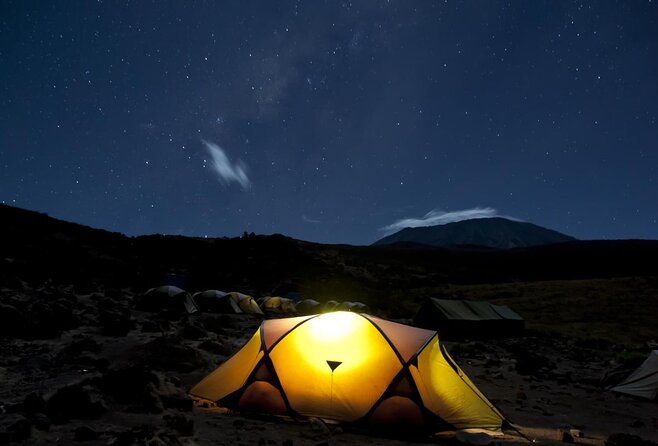
The name says seven days, but you should plan for about nine days in Tanzania. The mountain portion runs from Day 2 through Day 8, while Day 1 is used for arrival and preparation and Day 9 is a recovery and departure day.
You should arrive at least one day before the climb begins. On the first day, you meet your guide at your hotel in Moshi and review your gear. Missing equipment can be rented from the operator’s store, which is useful if your luggage is incomplete or you discover that your clothing is not warm enough.
Airport transfers are optional. Pickup is offered from Kilimanjaro Airport, with a transfer to a hotel in Moshi or Arusha. The listed meeting time is 9:00 a.m., so check your arrival plans carefully before booking flights.
Other routes up the mountain from Moshi:
- Kilimanjaro climb by Lemosho Route (7-day)
★ 5.0 · 651 reviews - Kilimanjaro climb, Machame Route (7-day)
★ 5.0 · 262 reviews - Kilimanjaro Climbing Lemosho Route 8 Days.
★ 5.0 · 186 reviews
Day 1: briefing, gear checks, and a sensible start
The preparation day may feel quiet compared with what follows, but it is one of the most useful parts of the trip. Your guide reviews your equipment and helps arrange rentals where needed.
Use this time to ask direct questions about clothing, sleeping gear, water, and the summit night. A good gear check can prevent small problems from becoming large ones at altitude. You are responsible for personal equipment such as hiking clothes, boots, and a sleeping bag, so do not assume everything is supplied.
The overnight stay before the climb also gives you a chance to rest after your flight. That matters. Starting the route tired is a poor bargain when the final day can last up to 14 hours.
Day 2: Machame Gate to Machame Camp
The first hiking day starts with a vehicle transfer from your hotel to Machame Gate. Registration comes first, then you enter the montane forest and begin the long climb toward camp.
The figures show an ascent from about 1,200 meters to 3,000 meters, with 13 kilometers of walking and five to seven hours on the trail. This is not a gentle stroll, but the forest gives you shade and a softer introduction than the bare upper mountain.
Your tents are already set up at Machame Camp, and dinner is served there. That prepared camp is a small luxury after a full day on foot. The kitchen team prepares breakfast, lunch, and dinner during the trip, so you are not carrying cooking equipment or planning meals at the end of each stage.
The first day also introduces one practical feature of this climb: porters carry your equipment. You still need a daypack with the items you use while walking, but you will not haul the complete camping load uphill.
Day 3: Machame Camp to Shira Camp
The forest thins as you climb from 3,000 to about 3,800 meters. The route covers roughly nine kilometers and takes five to six hours, moving into moorland with heather and rocky ridges.
This section feels more exposed and more dramatic than the opening day. You cross small valleys and continue toward the western side of the mountain. Shira Camp brings wide views toward Mount Meru, the Shira Plateau, and Kibo Peak. Sunset can be one of the memorable moments here, provided clouds do not block the view.
The shorter distance does not make this an easy day. Altitude begins to affect people differently, and your guide will need to watch how the group is responding. Walk slowly, drink regularly, and do not treat a strong first day as proof that the rest will feel the same.
Same base, a different kind of day out:
- Safari Serengeti And Ngorongoro
★ 5.0 · 288 reviews - Climbing Kilimanjaro – Machame Route
★ 5.0 · 170 reviews - Climbing Kilimanjaro through 7 days Machame Route
★ 5.0 · 151 reviews - Kilimanjaro climb, Lemosho Route (8-day)
★ 5.0 · 148 reviews
Day 4: Lava Tower and the descent to Barranco
This is the route’s key acclimatization day. You climb from about 3,800 to 4,600 meters at Lava Tower, then descend to Barranco Camp at approximately 3,950 meters.
The walking distance is about 13 kilometers, and the schedule allows seven to eight hours. The important idea is climb high, sleep lower. You spend time at a greater elevation, then lose height before bed. That gives your body a better chance to adjust than a steady climb with no relief.
Barranco Camp sits below the Barranco Wall, a large rocky feature that dominates the next morning. The setting is one of the most memorable on the Machame Route, but the day can be tiring. You are gaining altitude while also covering a long distance, so this is where a patient pace matters.
Day 5: the Barranco Wall and Karanga Camp
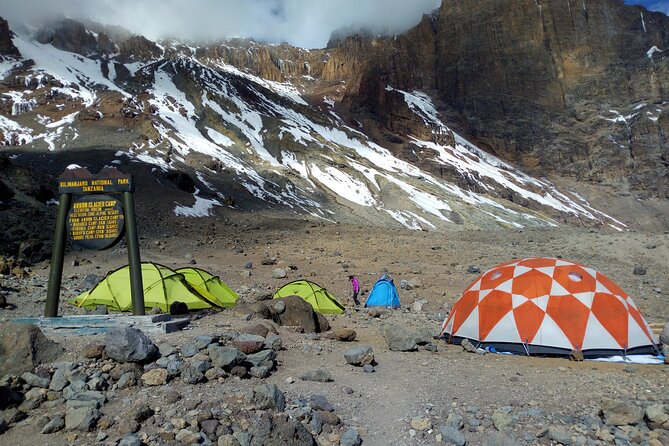
The day begins with a descent into the Great Barranco before the route turns sharply upward toward the Barranco Wall. This is a steep rock climb, but it is described as nontechnical. You do not need climbing equipment, though you do need balance, steady feet, and enough energy for a long uphill section.
The route passes below the Heim and Kersten glaciers before reaching Karanga Valley. From there, you climb again to Karanga Camp at about 3,963 meters. The distance is only 5.5 kilometers, with four to five hours of walking, but the steep rock and repeated climbs make the day more demanding than the mileage suggests.
If you feel strong, the schedule includes a possible afternoon acclimatization walk to around 4,200 meters, followed by a return to camp. That extra effort should be treated as optional. Rest is valuable now, since the summit attempt begins the next night.
Day 6: Karanga to Barafu Camp
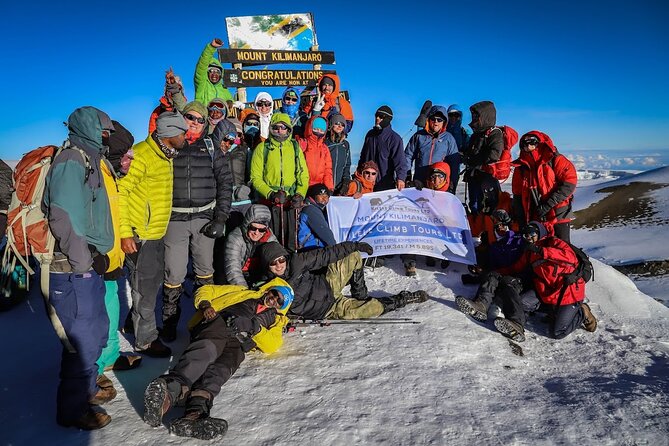
From Karanga, you climb to Barafu Camp at about 4,643 meters. The distance is only three kilometers, and the walking time is listed as three to four hours, but the high altitude and steep scree make this a serious preparation day.
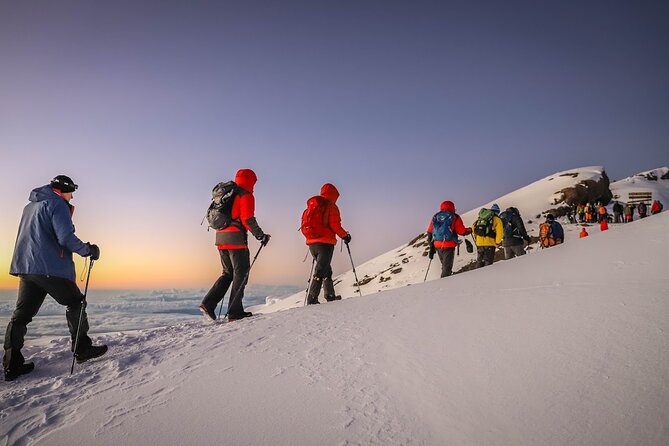
Vegetation disappears, leaving a bare alpine desert of rock and slope. At Barafu, you eat and rest through the afternoon before the midnight start. The summit is still about 1,342 meters above camp, and the final ascent will take place in darkness.
This is the time to organize every item you will need: warm layers, gloves, headlamp, camera, and walking poles. The itinerary specifically advises preparing a replacement headlamp and camera. That may sound fussy, but summit night is a poor time to discover that a battery has failed.
Sleep can be difficult at this altitude, and the early start means you may get only a short rest. Keep your expectations realistic. The goal is not comfort at Barafu. The goal is to be ready for the summit attempt.
Day 7: Stella Point, Uhuru Peak, and the long descent
Summit day is the physical test. You wake around midnight, eat a light breakfast, and start up steep switchbacks through scree, with possible snow. The aim is to reach Stella Point on the crater rim between about 4:00 and 5:00 a.m., then continue along the rim to Uhuru Peak.
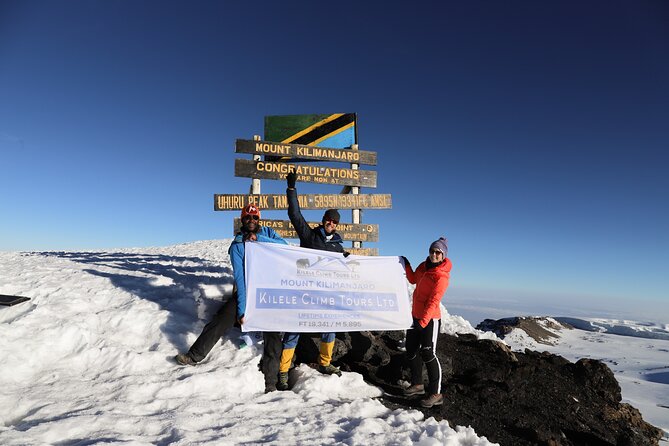
The summit elevation is 5,895 meters. From Stella Point, the route to the true summit takes about another hour, with views toward the crater and glaciers. Reaching Uhuru Peak shortly before or after sunrise gives you the best chance of seeing the mountain in its clearest morning light, though weather is never guaranteed.
The full day covers about 15 kilometers and takes 12 to 14 hours. That number includes the descent, which is easy to underestimate. After reaching the summit, you return to Barafu Camp and continue down toward the lower camp area, according to the mountain team’s exact plan.
Altitude is the main concern here. The included pulse oximeters, portable oxygen, and first aid kit add sensible safety support, but they do not remove the risk. Follow the guide’s instructions, report symptoms early, and understand that turning around can be the correct decision.
Day 8: the forest descent and certificate presentation
After breakfast, you descend from about 3,100 meters to 1,700 meters through montane forest. The walking distance is about nine kilometers, with three to four hours on the trail.
The change in altitude usually feels welcome, but descending is not effortless. Tired legs and knees take a beating after summit day, and damp forest conditions can make footing less certain. Take your time.
At Mweka Park Gate, you sign out and transfer back to your hotel. The operator presents certificates there, followed by a well-earned celebration. This is also when you feel the full value of having porters carry the heavy camping gear and a cook handle meals throughout the climb.
Day 9: rest before flying or continuing in Tanzania
The final day is deliberately light. You have breakfast and check out by 10:00 a.m., with the option to arrange a day room until 6:00 p.m. for an additional cost.
That extra rest period is worth considering if your flight leaves later in the day. You may also arrange an airport transfer, continue to a safari, or add time in Zanzibar. The operator can provide a pre-safari briefing for those continuing into a wildlife trip.
Do not book a tight same-day international connection without checking the transfer plan carefully. The schedule allows a recovery morning, and you will appreciate not rushing straight from a mountain descent into an airport queue.
Food, tents, porters, and the value of $1,895
At $1,895 per person, this is not a budget walk, but the price covers the parts of a Kilimanjaro trip that are expensive and labor-intensive. Park fees and taxes are included, as are sleeping tents, sleeping pads, a dining tent, tables, chairs, crockery, and cutlery.
You receive eight breakfasts, seven lunches, and six dinners. A kitchen team prepares fully nutritious meals on the mountain, which means you can focus on eating enough and keeping your energy up rather than carrying food and a stove.
The crew is another major part of the value. Certified wilderness first responder guides lead the climb, porters carry equipment, and fair wages are listed according to Kilimanjaro National Park Authority standards. Tips are not included, so budget separately for gratuities to the mountain crew.
Personal gear remains your responsibility. You need your own hiking outfit, boots, sleeping bag, and other clothing unless you rent selected items. Before you compare this price with a cheaper package, check exactly what that other package supplies.
Who should book this Machame climb?
I would recommend it to someone who wants a private mountain experience with a full support team and enough time for acclimatization. The route suits an active person who can handle long days, steep walking, cold nights, and a midnight summit start.
It is also a good fit if you value organization. The pre-trek briefing, equipment rental option, prepared tents, cooked meals, and mountain safety equipment reduce the number of practical problems you must solve yourself.
I would not choose it for a casual holiday or for someone who dislikes camping. The route is physically demanding, and the summit day is especially punishing. A private group does not make the mountain easier. It does give you a more personal setup and may make communication with your guide simpler.
The published record is strong, with a 4.9 rating from 15 reviews and a 100 percent recommendation figure. The most consistent praise centers on organization, guide experience, food, porters, and careful support. One particularly notable achievement involved four veterans with prosthetics reaching the summit, which shows the crew has handled demanding individual needs, though it should not be read as a promise of success for every participant.
Final verdict: a serious climb with solid support
Book this Machame Route trip if you want the classic Kilimanjaro progression, private arrangements, cooked food, porters, and a clear safety structure. The climb gives you varied scenery, a well-planned acclimatization day, and a genuine summit attempt rather than a rushed high-altitude outing.
Before paying, confirm your airport transfer, hotel arrangements, rental gear, sleeping bag needs, tipping plan, and exact summit-day schedule. If you arrive prepared and accept that success depends on altitude, weather, and your condition, the $1,895 price offers a substantial amount of practical support for one of Africa’s great mountain challenges.
FAQ
How long does the Kilimanjaro Machame tour take?
The mountain trek takes seven days, but the full program lasts about nine days, including the arrival and briefing day and the final recovery and departure day.
Where does the tour begin?
The experience begins in Moshi, with optional pickup from Kilimanjaro Airport and transfer to a hotel in Moshi or Arusha.
Do I need to arrive before the trek starts?
Yes. You should plan to arrive at least one day before the climb so you can attend the pre-trek briefing and complete the equipment check.
What is the highest point reached?
The summit is Uhuru Peak on Mount Kilimanjaro, at 5,895 meters.
How difficult is the summit day?
Summit day involves about 15 kilometers and 12 to 14 hours of hiking. You start around midnight, climb to Stella Point, continue to Uhuru Peak, and then descend.
Are meals included?
Yes. The package includes eight breakfasts, seven lunches, and six dinners.
Is camping equipment provided?
Yes. Camping equipment includes sleeping tents, sleeping pads, a dining tent, tables, chairs, crockery, and cutlery. Personal items such as boots, hiking clothing, and a sleeping bag are not included.
Are airport transfers included?
Airport transfers are optional. Pickup can be arranged from Kilimanjaro Airport, and a transfer back to the airport can also be booked.
More Kilimanjaro treks from Moshi
- Kilimanjaro climb, Lemosho Route (6-day)
★ 5.0 · 129 reviews - 7 Days Kilimanjaro via Machame route affordable price
★ 5.0 · 110 reviews - Kilimanjaro climb, Marangu route (6-day)
★ 5.0 · 72 reviews - Kilimanjaro Lemosho Route
★ 5.0 · 71 reviews
Just added in Moshi
- Wildlife Extravaganza: Manyara, Tarangire & Ngorongoro in 3 Days★ 5.0 · 3 reviews
- West Kilimanjaro cycling Adventures★ 4.5 · 8 reviews
- machame route★ 5.0 · 16 reviews
- Kilimanjaro Climb • Machame Route ~ 10 Day★ 5.0 · 6 reviews
- Kilimanjaro Climbing Umbwe Route★ 5.0 · 3 reviews
- Mt Kilimanjaro 6 days Marangu route hike★ 5.0 · 3 reviews
- 3 Days Private E-Bike Tour in West Kilimanjaro★ 5.0 · 3 reviews
- Private Cycle to Kilimanjaro Bike Park Safari★ 5.0 · 6 reviews
Kilimanjaro Treks, compared.



8-Day Small-group Lemosho Kilimanjaro Summit Trekking
Read our review →

5 Days Best of Tanzania Luxury Safari Northern Circuit
Read our review →

Climbing Kilimanjaro through 7 days Machame Route
Read our review →
7-Day Machame Kilimanjaro Summit Tour from Arusha
Read our review →Browse the lists this tour appears in