
Reviewed · KILIMANJARO TREKS
6 Days MARANGU ROUTE (Kilimanjaro Trekk)
Reaching Uhuru Peak at 19,340 feet is the main event here, but the route earns its keep long before summit morning. In six days, you move from thick rainforest to stark alpine desert and finally the cold arctic zone, with a full rest and acclimatization day at Horombo Hut. That extra day matters.
I like the clear route structure and the support system. Park fees, meals, accommodation, camping equipment, safety equipment, and a professional guide are included, while names such as Rama, Sanke, and William appear in the company’s guiding team. I also like the Marangu Route’s hut-to-hut format, which avoids carrying a tent for every night.
The main consideration is altitude. The schedule is demanding, especially the push from Kibo Hut to the summit and back down to Horombo on Day 5. Also, the description refers to signature camping while the daily plan names huts, so confirm your exact sleeping arrangements before paying.
Key points to know before you book
- Uhuru Peak comes after a tough overnight summit push: You begin the climb in the early hours and aim to reach Africa’s highest point before sunrise.
- A full acclimatization day is built in at Horombo Hut: You can hike toward Zebra Rocks or rest before moving higher.
- You pass through six ecological zones: The route changes from rainforest and heathland to alpine desert and the arctic summit zone.
- The route uses Mandara, Horombo, and Kibo huts: This is a practical advantage for hikers who prefer fixed accommodation, but confirm the camping wording with the operator.
- The guide team is central to the experience: Rama, Sanke, and William are names associated with the company, and past accounts particularly praise careful health checks, encouragement, and summit support.
- The $1,980 price covers major trek costs: Park fees, meals, safety gear, accommodation, equipment, taxes, and a guide are included, but you still need to budget for a visa, insurance, personal gear, and tips.
Why the Marangu Route works well in six days
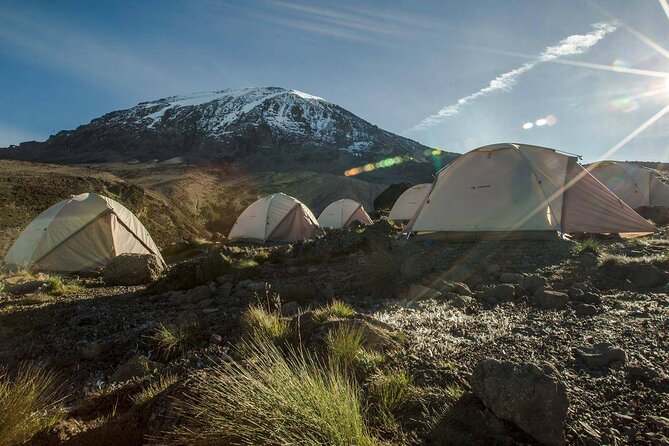
The Marangu Route is often called the easier-looking side of Kilimanjaro because the trail is clearly laid out and overnight huts are used. That does not make the mountain easy. You still climb from the Marangu Gate to 4,700 meters at Kibo Hut, then higher to the summit, where cold, thin air, and fatigue become serious concerns.
This six-day plan gives you a useful rhythm. The first two days build height. Day 3 gives your body a chance to adjust. Day 4 takes you to Kibo Hut, and Day 5 handles the summit attempt. You then descend to Horombo before completing the walk out on Day 6.
I like that the schedule does not rush straight from Horombo to Kibo and then to the summit without a pause. The Horombo acclimatization day is one of the strongest parts of the plan. You can use it for a short walk to Zebra Rocks, which helps you spend time at altitude, or rest if your body needs it.
Still, six days is not a guarantee of success. The summit day combines a steep ascent, a descent to Kibo, and a further descent to Horombo. That is a long, tiring day. You should arrive with sensible physical preparation and be ready to walk slowly, drink regularly, and follow your guide’s advice.
Other routes up the mountain from Moshi:
- Kilimanjaro climb by Lemosho Route (7-day)
★ 5.0 · 651 reviews - Kilimanjaro climb, Machame Route (7-day)
★ 5.0 · 262 reviews - Kilimanjaro Climbing Lemosho Route 8 Days.
★ 5.0 · 186 reviews
Day 1: Marangu Gate to Mandara Hut through rainforest
The trek begins at Marangu Gate, where you complete park formalities and meet your guides and porters. The listed start time is 9:00 am, and pickup is offered, but confirm the exact pickup point and transport timing before the day begins.
The first section leads through lush rainforest to Mandara Hut at about 2,700 meters. The walk covers roughly 8 kilometers and is described as relatively easy, making it a gentle introduction to the mountain. You will see a sharp change from ordinary town surroundings to thick forest, with plenty of plant life and possible bird and wildlife sightings.
Mandara is a good first overnight stop because you gain height without facing the hardest walking immediately. Even so, do not treat Day 1 as a casual stroll. Your feet, shoulders, and breathing will set the tone for the days ahead, so use the day to establish a comfortable pace.
Accommodation details need a small clarification here. The daily plan names Mandara Hut, while the general description mentions signature camping and the included equipment list includes camping gear. Ask whether this particular departure sleeps in huts, tents, or uses a mix. That answer matters if you are choosing the route for comfort.
Day 2: The heathland climb to Horombo Hut
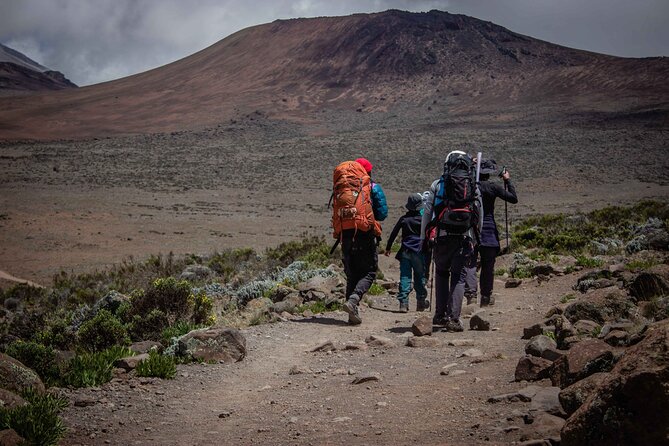
After breakfast, you leave the rainforest and enter the heathland zone. The route covers about 12 kilometers and ends at Horombo Hut, roughly 3,700 meters above sea level. This is a noticeable step up in altitude, and you may feel the difference even if the walking itself remains manageable.
One of the day’s rewards is the chance to glimpse Mawenzi Peak. Kilimanjaro is not just one smooth cone. Its volcanic forms give the route a stronger sense of place, and the views toward Mawenzi add variety as the forest falls away.
Horombo is an important base for this trip. You return here after summit day, and you also spend the third day here for acclimatization. That makes the hut more than a simple overnight stop. It becomes the point where you learn how your body responds to height.
If you have trouble sleeping or develop a headache, nausea, unusual tiredness, or other altitude symptoms, tell your guide promptly. The supplied material emphasizes health checks and careful support, and one of the company’s named guides, Sanke, is specifically associated with monitoring health and mood during a Marangu climb. Your assigned guide may differ, so confirm names before departure.
Day 3: Acclimatization at Horombo and the choice of Zebra Rocks
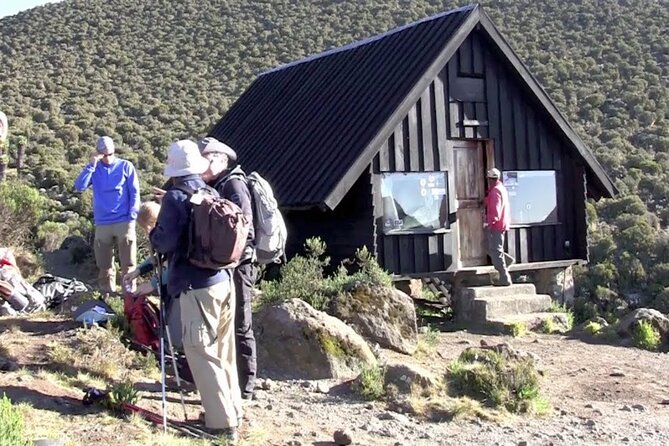
Day 3 is the quiet hinge of the trek. You are not simply waiting around. You are giving your body time to adjust before sleeping at 4,700 meters and attempting the summit.
The plan gives you two choices: take a short hike toward Zebra Rocks for scenery, or rest at Horombo Hut. That flexibility is valuable. A short walk may help with acclimatization and gives you another view of the mountain. Rest may be the smarter choice if you feel worn down.
I would not feel guilty about choosing rest. Kilimanjaro rewards patience more than bravado. A strong summit attempt depends on arriving at Kibo with enough energy to handle the night climb, and Day 3 is your best chance to protect that energy.
The schedule lists about seven hours for this day, although the description also calls the hike short or presents resting as an option. Confirm what your guide plans for your group. The exact shape of the day may depend on health, weather, and the pace of the people in your party.
Same base, a different kind of day out:
- Safari Serengeti And Ngorongoro
★ 5.0 · 288 reviews - Climbing Kilimanjaro – Machame Route
★ 5.0 · 170 reviews - Climbing Kilimanjaro through 7 days Machame Route
★ 5.0 · 151 reviews - Kilimanjaro climb, Lemosho Route (8-day)
★ 5.0 · 148 reviews
Day 4: From Horombo to Kibo across the alpine desert
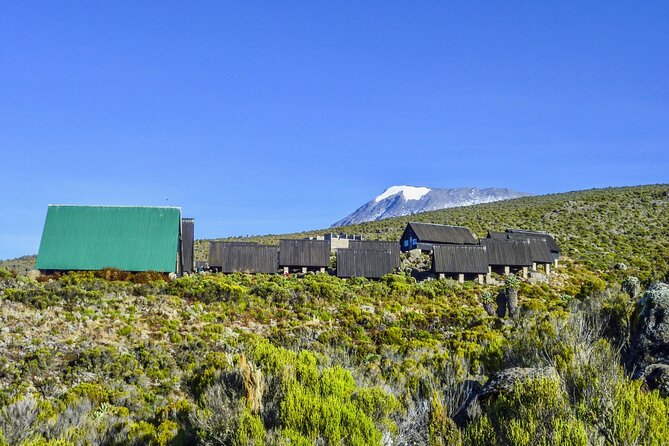
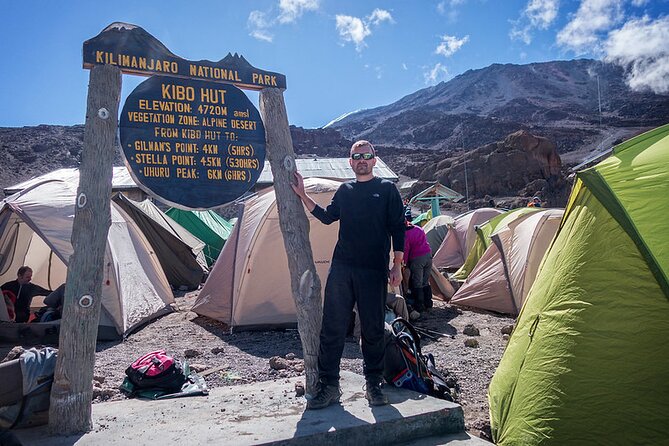
Day 4 takes you from Horombo to Kibo Hut at about 4,700 meters. The forest and heathland are now behind you, replaced by the sparse alpine desert. The scenery becomes harsher and more open, with the saddle between Mawenzi and Kibo coming into view.
This is a memorable walking day because the mountain begins to look like a high-altitude expedition rather than a forest hike. It is also where the air and effort can become more serious. The plan specifically calls for careful pacing and hydration, and you should take that advice literally.
Kibo is the launch point for the summit attempt. Once you arrive, the practical goal is to eat, organize your gear, and rest before the early-hours start. The supplied information does not specify the exact summit departure time, so ask the operator for the expected schedule. The general meeting time of 9:00 am applies to the tour, not necessarily to the summit morning.
This is another point where your personal equipment matters. The tour includes safety equipment and camping equipment, but not personal gear. You remain responsible for the clothing, footwear, and other items you need for cold, high-altitude walking. Ask for a current packing list rather than assuming that included equipment covers everything.
Day 5: Uhuru Peak and the longest day on the mountain
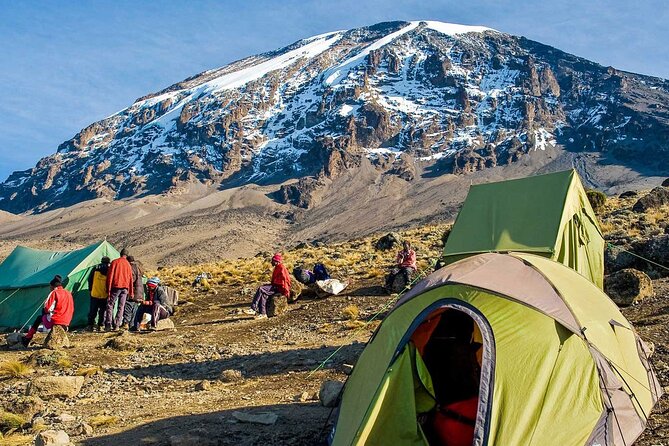
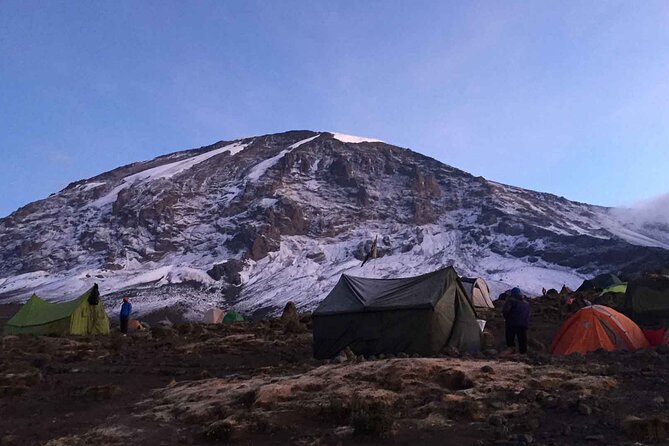
Summit day is the heart of the experience. You start in the early hours and climb toward Uhuru Peak, aiming to arrive before sunrise. The goal is Africa’s highest point, listed here at 19,340 feet.
The timing gives you the chance to see the first light from high on Kilimanjaro, but it also makes the day physically and mentally demanding. You may be walking in darkness before the summit, then dealing with cold, thin air, and fatigue as you continue upward. This is not the day to race. A slow pace, steady breathing, and close contact with your guide are more useful than speed.
After time at the summit, you descend to Kibo Hut and then continue to Horombo Hut. That second descent is easy to underestimate. Reaching the top does not mean the work is finished. Your legs still have to carry you down, and the return to Horombo is a major reason to prepare well before arrival.
The company’s named guiding staff receive their strongest praise around this part of the climb. Rama is associated with careful support during a summit attempt, while another account credits William and his team with encouragement that helped a hesitant group commit to the six-day route. These names are useful when you speak with the operator, but do not assume one of them will lead your trip unless that is confirmed in writing.
Day 6: Descending through heathland and rainforest
The final day returns you from Horombo Hut to Marangu Gate. You pass back through heath and rainforest, covering about five hours of walking according to the schedule.
Descending is easier on the lungs but can be hard on knees and feet. Take care on the trail, especially after the long summit day. The return through lower vegetation also gives you a welcome visual change after the bare high-altitude zones.
At Marangu Gate, you receive summit certificates and say goodbye to the guides and porters. This is a practical finish, but it is also an important one. The support team has a large role in making a high-altitude trek possible, and the accounts connected with this operator repeatedly highlight friendly, professional help and safe return to the gate.
What the $1,980 price really covers
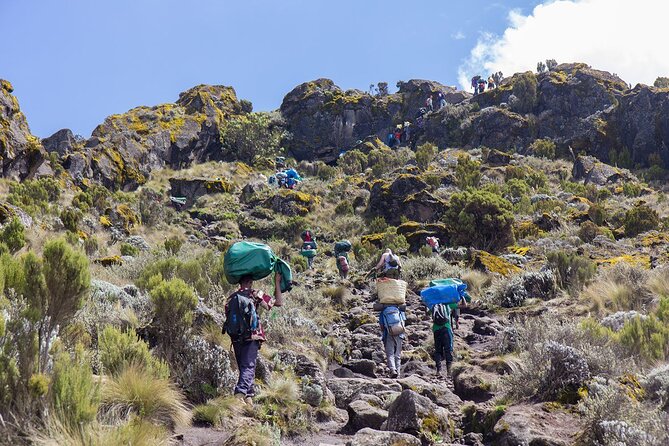
At $1,980 per person, this is not a budget walk, but the price includes many of the costs that can otherwise accumulate quickly. Park fees, meals, all fees and taxes, accommodation, camping equipment, safety equipment, and a professional guide are listed as included.
That package gives you a clearer sense of the actual value. Kilimanjaro fees and mountain support are not small extras, and meals and accommodation are needed every day of the trek. You are paying for the organized structure as well as the walking itself.
The exclusions are important. You must arrange your own visa, travel insurance, personal gear, and tipping. The final amount will therefore be higher than the advertised price. I would also ask what safety equipment is provided, what meals include, and how the hut or tent accommodation is arranged.
The maximum group size is listed as 100 people. That is a large possible upper limit, although it does not tell you how many people will be in your own hiking group. Ask for the expected group size and guide-to-hiker ratio. Those details affect how personal the support feels, especially on summit day.
Guides, support, and the human side of the climb
A Kilimanjaro route is only as good as the team managing it. The information supplied names Rama, Sanke, and William in connection with different climbs and organizing roles. The strongest themes are careful health checks, encouragement, professional conduct, and getting people safely to the top and back down.
That tells you what to look for when you communicate with Spirit of Kilimanjaro. Ask who your chief guide will be, how altitude concerns are handled, and how the pace is set if people in the group move at different speeds.
You should also ask what porter support means in practical terms. The trip includes porters in the opening description, but the detailed inclusions do not spell out porter arrangements. Confirm what personal luggage you carry, what the porters carry, and what weight limits apply.
Who should choose this six-day trek
This trip suits you if you want a structured Kilimanjaro climb with a built-in acclimatization day and fixed overnight stops. The hut format may appeal to you more than carrying or sleeping in a tent each night, provided the accommodation wording is clarified.
It also suits someone who values a full mountain experience rather than a quick summit attempt. You see several ecological zones, spend time near Mawenzi Peak, rest at Horombo, and approach the summit from Kibo.
It is less suitable if you want a relaxed holiday with plenty of spare time. The summit day is hard, the altitude is serious, and six days leaves limited room for delays. You also need to be comfortable with basic mountain accommodation and the possibility of long walking days.
Most travelers can participate according to the supplied information, but that should not be confused with an easy level of effort. Physical preparation, appropriate personal gear, insurance, and honest communication with your guide are essential.
Booking details and cancellation terms
Confirmation is provided at booking, and pickup is offered. The meeting time is listed as 9:00 am, with the location in Moshi, Tanzania. The route begins at Marangu Gate, so confirm whether pickup from your accommodation is included in your specific booking.
Free cancellation is available if you cancel at least 24 hours before the experience start time. Cancellations made less than 24 hours before the start time are not refunded, and changes within that period are not accepted. The cut-off follows local time.
Should you book the Marangu Route?
I would book this trek if you want the convenience of a planned six-day climb, value a full acclimatization day, and like the idea of moving through several climate zones with a professional support team. The strongest practical feature is the Horombo rest day, and the human support described around guides such as Rama, Sanke, and William adds confidence.
Before booking, get written answers about hut versus tent accommodation, the expected group size, the assigned guide, the included personal or safety equipment, and the exact pickup plan. If you are prepared for a demanding summit day and budget separately for insurance, visa, personal gear, and tips, the $1,980 package offers a solid structure for a serious Kilimanjaro attempt.
FAQ
Where does the Kilimanjaro trek begin?
The trek begins at Marangu Gate in Kilimanjaro National Park. The tour is based in Moshi, Tanzania, and pickup is offered.
How long is the Marangu Route experience?
The experience lasts approximately six days.
What time does the tour start?
The listed start time is 9:00 am. The summit climb on Day 5 begins in the early hours, so ask the operator for that specific departure time.
Which huts are used during the trek?
The daily plan names Mandara Hut, Horombo Hut, and Kibo Hut. The general description also refers to camping and included camping equipment, so confirm the exact accommodation arrangement before booking.
Is an acclimatization day included?
Yes. Day 3 is spent at Horombo Hut for acclimatization. You can take a short hike toward Zebra Rocks or rest at the hut.
What is the highest point reached?
The trek aims for Uhuru Peak, listed at an elevation of 19,340 feet.
What does the tour price include?
The $1,980 price includes park fees, safety equipment, meals, all fees and taxes, camping equipment, a professional guide, and accommodation.
What is not included in the price?
A visa, travel insurance, personal gear, and tipping are not included.
Can I cancel for a full refund?
Yes, if you cancel at least 24 hours before the experience start time. Cancellations made less than 24 hours before the start time are not refunded.
Just added in Moshi
- Wildlife Extravaganza: Manyara, Tarangire & Ngorongoro in 3 Days★ 5.0 · 3 reviews
- West Kilimanjaro cycling Adventures★ 4.5 · 8 reviews
- machame route★ 5.0 · 16 reviews
- Kilimanjaro Climb • Machame Route ~ 10 Day★ 5.0 · 6 reviews
- Kilimanjaro Climbing Umbwe Route★ 5.0 · 3 reviews
- Mt Kilimanjaro 6 days Marangu route hike★ 5.0 · 3 reviews
- 3 Days Private E-Bike Tour in West Kilimanjaro★ 5.0 · 3 reviews
- Private Cycle to Kilimanjaro Bike Park Safari★ 5.0 · 6 reviews
Kilimanjaro Treks, compared.



8-Day Small-group Lemosho Kilimanjaro Summit Trekking
Read our review →

5 Days Best of Tanzania Luxury Safari Northern Circuit
Read our review →

Climbing Kilimanjaro through 7 days Machame Route
Read our review →
7-Day Machame Kilimanjaro Summit Tour from Arusha
Read our review →Browse the lists this tour appears in