
Reviewed · KILIMANJARO TREKS
Kilimanjaro Lemosho Route
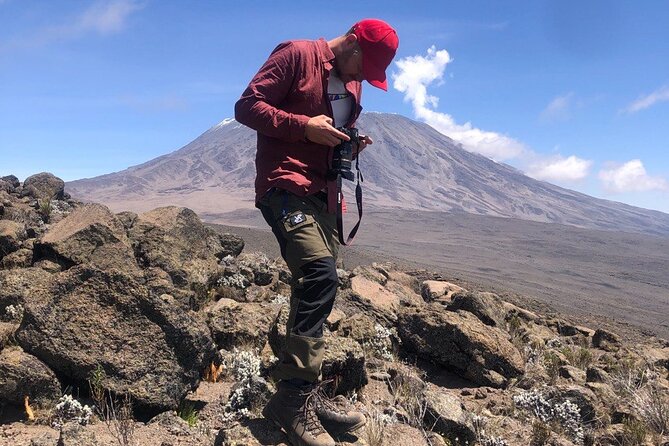
Mount Kilimanjaro’s Lemosho Route gives you the mountain in full: forest trails, open moorland, volcanic rock, the Barranco Wall, and a night climb to Uhuru Peak. I like the eight-day pace, which gives your body more time to adjust, and I like the strong camp support, with porters pitching tents and a chef preparing fresh meals.
I also like that this is a private trip for up to five people, so your group can move at its own pace. The hard truth is the summit day: you may hike for more than 15 hours, beginning around 11:30 PM, in cold and darkness. This is a serious physical challenge, not a simple sightseeing walk.
Key points to know before you book
- Lemosho gives you varied scenery: Expect forest, moorland, semi-desert rock, volcanic scree, snow, and wide views.
- The summit attempt is the hardest part: You climb to Stella Point, continue to Uhuru Peak, descend to Barafu, then walk on to Mweka Camp.
- The eight-day schedule helps with acclimatization: The route includes a high climb to Lava Tower followed by a lower night at Barranco.
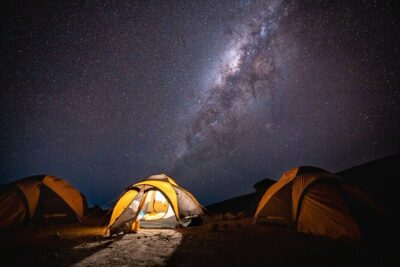
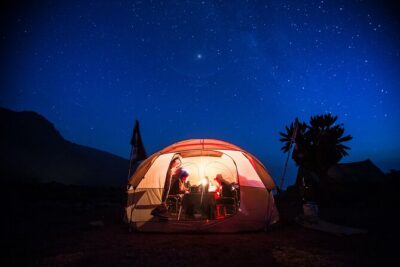
- Camp life is well supported: Porters carry equipment, set up tents, and a chef prepares meals along the route.
- The price covers a private group of up to five: At $2,890 per group, the value depends on how many people share the booking and what is included in your final confirmation.
- The route details need checking: The supplied schedule repeats Shira Camp information on Days 2 and 3, so confirm the exact camp plan before paying.
Why Lemosho is a good choice for Kilimanjaro
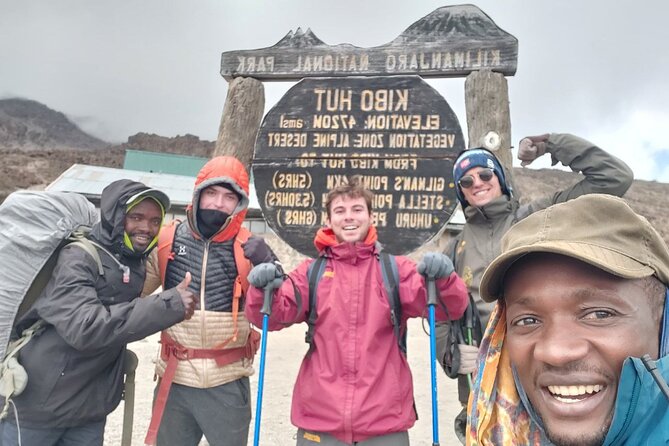
Lemosho is a scenic route with a gradual opening section. From the Lemosho Park Gate, you start in forest and then move through higher plant zones before reaching the stark volcanic country near the summit. That change is one of the trek’s great rewards. Each day feels different.
The route is also designed around altitude adjustment. You do not simply march uphill every day. On Day 4, you climb toward Lava Tower at about 4,630 meters, then descend to Barranco Camp at about 3,960 meters. That high-up, sleep-lower pattern gives you useful time at altitude before the summit push.
Your support team matters here. Zara’s mountain operation includes guides, assistant guides, porters, and a cook. Names associated with successful Zara climbs include Festo, Nechi Teti, Emmanuel, John, Said, and Augustino. The exact guide team can vary, but you should expect the lead guide to control the pace, watch for altitude problems, and explain the next day’s route.
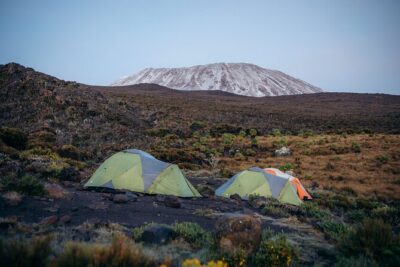
The camp routine is simple. You walk with a daypack while porters carry much of the group equipment. At camp, tents are prepared before or around your arrival, and meals are served by the cook. This makes the climb more manageable, but it does not make it easy. You still need to carry your own water and personal essentials, and you still have to put in the hours.
Other routes up the mountain from Moshi:
- Kilimanjaro climb by Lemosho Route (7-day)
★ 5.0 · 651 reviews - Kilimanjaro climb, Machame Route (7-day)
★ 5.0 · 262 reviews - Kilimanjaro Climbing Lemosho Route 8 Days.
★ 5.0 · 186 reviews
Day 1: Lemosho Gate to Mti Mkubwa Camp
The day begins at Springlands Hotel with breakfast, a briefing, and a roughly 1.5-hour transfer to the park entrance. The itinerary gives the starting elevation as about 2,100 to 2,200 meters, with Mti Mkubwa Camp at roughly 2,780 meters.
Registration at Londorossi Gate takes place before you begin walking. The first trail runs through forest, with about 7 kilometers of hiking and roughly five hours on foot. This is a good opening day because the distance is reasonable and the surroundings are cooler and more sheltered than the upper mountain.
Once you reach Mti Mkubwa, the porters set up camp and the chef prepares lunch. You then have time to rest before dinner and an evening briefing. Take that quiet time seriously. The climb gets longer soon, and your best early habit is to eat, drink, and sleep whenever the schedule allows.
Day 2: From Mti Mkubwa toward the Shira plateau
The next section climbs from about 2,780 meters to approximately 3,840 meters. You walk around 12 kilometers, with an estimated hiking time of six to seven hours.
The forest thins into moorland, and Kibo Volcano begins to appear across the open country. You are gaining altitude quickly, so the guide’s slow pace matters. Do not treat this as a race. If you feel strong, save that energy for later.
The planned lunch stop is Shira Camp 1, followed by another two or three hours to Shira Camp 2. The route description says you spend the night at Shira Camp 2, where the views open across the high plateau.
One point deserves attention before booking: the written schedule for Day 3 also describes a Shira 1 to Shira 2 walk, even though Day 2 already places you at Shira Camp 2. Ask Zara to confirm whether Day 2 ends at Shira 1 or Shira 2, and how the extra acclimatization day is arranged. This is a small paperwork issue, but on a mountain trek, clear timing is useful.
Day 3: Extra time around Shira Camp
The third day is intended as a shorter acclimatization day, with about 5 kilometers and three to four hours of walking. The supplied plan describes a move from Shira 1 to Shira 2, with lunch and a long rest afterward.
If this is the actual plan, it gives you a gentler day after the longer climb from Mti Mkubwa. You can enjoy the wide views without spending all day on your feet. The Shira area is also one of the best places for photographs, since the trees are mostly behind you and Kibo dominates the horizon.
The exact camp sequence should be confirmed. The itinerary lists the altitude range as about 3,500 to 3,840 meters, which suggests the day may be structured around acclimatization rather than a major gain. I would ask for the final day-by-day schedule, including the overnight camp, before departure.
Same base, a different kind of day out:
- Safari Serengeti And Ngorongoro
★ 5.0 · 288 reviews - Climbing Kilimanjaro – Machame Route
★ 5.0 · 170 reviews - Climbing Kilimanjaro through 7 days Machame Route
★ 5.0 · 151 reviews - Kilimanjaro climb, Lemosho Route (8-day)
★ 5.0 · 148 reviews
Day 4: Lava Tower and the descent to Barranco
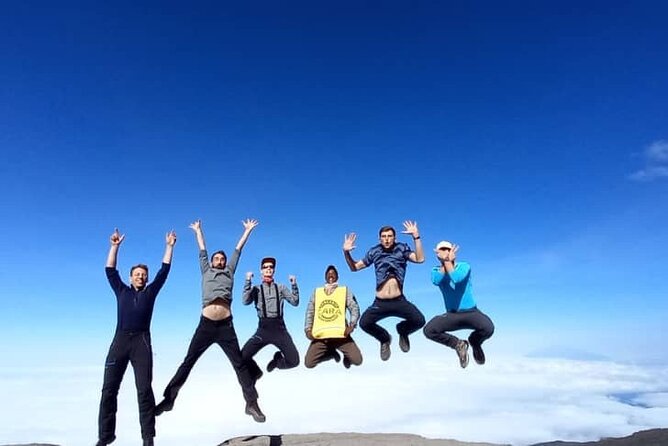
This is one of the most useful days on the route and one of the toughest. You walk about 11 kilometers for seven to eight hours, climbing through a dry, rocky zone toward Lava Tower at approximately 4,630 meters.
The climb may feel slow and exposed. You are high enough for altitude symptoms to appear, and the ground becomes rougher. Lunch is planned near the Lava Tower section before you descend about 680 meters to Barranco Camp at approximately 3,960 meters.
That descent is not wasted effort. It is the route’s key acclimatization idea: climb high, then sleep lower. You also get striking views of the Western Breach and a chance to watch the light change across the volcanic slopes.
Barranco Camp is memorable, but the day can test your confidence. A headache, poor appetite, unusual tiredness, or nausea should be reported to the guide. The guide’s job is not simply to get you uphill. It is to help decide when a symptom is manageable and when it is unsafe to continue.
Day 5: The Barranco Wall and Karanga Valley
You leave early for a five-kilometer day that takes about five hours. The main feature is the Barranco Wall, a steep rocky section that looks intimidating from camp.
You should expect hands-on scrambling in places, but the supplied details do not describe technical climbing equipment. Your guide controls the pace and shows you where to place your feet. This is not the moment to hurry or worry about how it looks from below.
After the wall, the trail descends into Karanga Valley, where the vegetation becomes more noticeable again. Karanga Camp sits around 4,035 meters. After lunch, the schedule includes an acclimatization walk toward Barafu Camp, gaining about 200 meters before returning to camp.
That short extra climb is valuable because it lets you spend time at a higher elevation without sleeping there yet. The evening briefing covers the next day’s route and the summit attempt. Use it to ask about water, clothing, timing, and what you should carry for the night ascent.
Day 6: Barafu Camp and preparation for summit night
The walk to Barafu Camp is about 5 kilometers and takes roughly five hours. The elevation rises from around 4,035 meters to approximately 4,640 meters.
This is high, dry, rocky country with little comfort beyond the camp itself. The trail includes gradual slopes and rough sections, and the altitude can make a short distance feel long. Once you arrive, porters prepare the tents and the chef serves lunch.
The rest period is not optional in spirit, even if you feel eager. The summit attempt begins late at night, so eat what you can, organize your clothing, and try to sleep. Your guide will explain the route, safety points, and expected timing.
Barafu is where the nature of the trip changes. Until now, the days have followed a normal trekking rhythm. From here, you are preparing for a cold night climb, a summit at 5,895 meters, and a very long descent.
Day 7: Stella Point, Uhuru Peak, and Mweka Camp
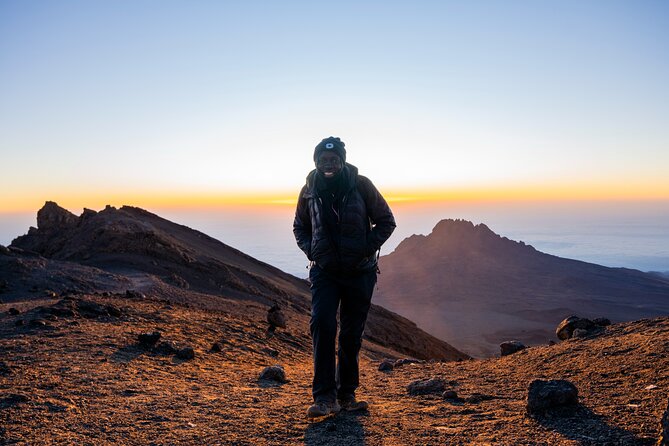
Summit day starts around 11:30 PM with tea and biscuits. You climb through scree toward Stella Point on the crater rim, reaching roughly 5,685 meters after about six hours.
This is often the hardest mental section. The slope is steep, the air is thin, and darkness hides the distance ahead. The correct pace is slow and steady. If your guide uses the familiar pole pole rhythm, accept it. A slow pace saves energy and helps your body cope with the altitude.
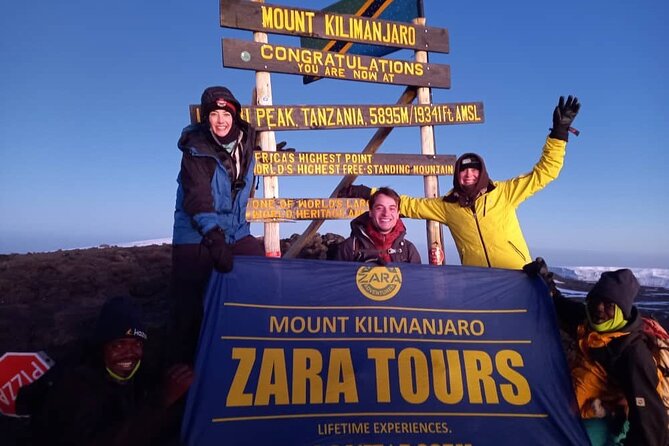
At Stella Point, you may see sunrise if the weather is clear. From there, the final walk to Uhuru Peak takes about two hours and crosses snow-covered ground according to the itinerary. The summit is at 5,895 meters, the highest point in Africa.
You will not want to linger for long. Cold, wind, tiredness, and altitude all matter. Take your photographs, recognize the achievement, and follow the guide’s advice about moving down.
The descent returns to Barafu for a short rest, then continues to Mweka Camp at about 3,090 meters. The full day covers around 17 kilometers and lasts 15 hours or more. This is the single biggest drawback of the itinerary. Even strong walkers may find the combination of night climbing and afternoon descent punishing.
Day 8: Mweka Gate and the return to Springlands Hotel
The final walk runs downhill from Mweka Camp to Mweka Gate. It covers about 10 kilometers and takes four to five hours.
After signing out, you are driven back to Springlands Hotel for a hot lunch and shower. That return to ordinary comfort will feel especially welcome after the summit night.
The hotel also has envelopes available for tipping the team. Tipping is encouraged, and you should plan for it as part of the trip budget rather than treating it as an unexpected extra. The porters, cook, assistant guides, and lead guide all contribute to the climb.
If you want to continue with a safari, a safari coordinator can brief you at the hotel. The company offers options for extending the trip into Tanzania’s wildlife areas, but the safari is not part of the Kilimanjaro price described here.
Food, tents, porters, and the human side of the climb
The food is a real part of the value. The cook prepares hot meals at camp, and the schedule includes lunch after several major walking sections. You should still tell the company about dietary needs before departure, since no specific dietary arrangements are listed.
The porters are central to the setup. They carry equipment, pitch tents, and prepare camp before or around your arrival. You carry a daypack, but do not underestimate what that means. One useful habit is to keep your water, rain gear, warm layer, snacks, and personal medication easy to reach.
The strongest praise attached to this operation concerns care and organization. Guides such as Festo, Nechi Teti, John, Said, and Augustino are associated with successful summit days, while the wider team is credited with kindness, safety, fresh food, and reliable camp work.
You should still ask practical questions. Confirm the guide-to-climber ratio, porter welfare standards, equipment supplied, emergency procedures, and the exact inclusions in the $2,890 price. The information provided does not spell out every included service, so do not assume airport transfers, hotel nights, park fees, gear rental, or tips are all covered.
Is $2,890 good value for a private group?
The listed price is $2,890 per group of up to five people, not per person. If five people share it equally, the basic cost works out to $578 each. For two people, it becomes $1,445 each, and a solo booking would carry the full group price.
That makes the group size important. The private format is especially attractive if you already have four or five compatible companions. You can share the guide team and camp operation without joining a large public departure.
The price also buys eight days of organized mountain support, including guides, porters, camp setup, and a cook. Still, compare the final written inclusions carefully. A low headline price can look different once transfers, accommodation, tips, equipment, and park-related costs are clarified.
Cancellation is flexible if your plans change early: you can receive a full refund by canceling at least 24 hours before the local start time. Changes or cancellations inside that window are not accepted for a refund.
Who should choose this trek?
I would choose this route if you want the most varied scenery and prefer a longer schedule for altitude adjustment. The private format suits friends, couples, families with appropriate fitness, or a small group that wants direct contact with its guide.
You need moderate physical fitness at minimum, but that phrase understates the summit day. You should be ready for long uphill walks, rough volcanic ground, cold conditions, limited sleep before the summit, and a full day of climbing and descending.
This is not the right choice if you want a relaxed mountain holiday, dislike camping, or need a short walking day every day. The route is demanding even with excellent support.
Should you book the Zara Lemosho Route?
I would book it if the eight-day route, private group setup, and camp support match your priorities. The scenery changes constantly, the acclimatization plan is sensible, and the small group price can be strong value when shared by five people.
Before booking, get the Shira Camp schedule corrected in writing and confirm what the $2,890 includes. If Zara gives you clear answers about equipment, transfers, park costs, porter arrangements, and summit safety, this looks like a well-supported way to attempt Kilimanjaro.
The final decision comes down to your tolerance for hardship. You get a caring team, fresh camp meals, and a carefully paced route, but you also get a cold, exhausting summit night. If that trade feels worthwhile, Lemosho gives you one of Kilimanjaro’s fullest approaches.
FAQ
How long is the Kilimanjaro Lemosho Route experience?
The planned duration is eight days, including the arrival at Mti Mkubwa Camp, the summit attempt, the descent to Mweka Camp, and the final walk to Mweka Gate.
Where does the trek start?
The trek begins with a transfer from Springlands Hotel to Lemosho Park Gate and Londorossi Gate in Kilimanjaro National Park. The listed meeting point is Kilimanjaro Airport, with a stated start time of 12:00 AM.
How many people can join the private tour?
The price applies to one private group of up to five people. Only your group participates in the activity.
How much does the experience cost?
The listed price is $2,890 per group of up to five people. The supplied information does not provide a full itemized list of inclusions, so confirm those details before booking.
How difficult is the climb?
You need a moderate level of physical fitness. The summit day is the most demanding section, lasting 15 hours or more and including the climb to Stella Point, Uhuru Peak, Barafu, and Mweka Camp.
What altitude does Uhuru Peak reach?
Uhuru Peak is listed at 5,895 meters. Stella Point is listed at about 5,685 meters, and Barafu Camp is around 4,640 meters.
Are meals and tents provided during the trek?
The itinerary states that porters set up tents and that a chef prepares meals, including hot lunches and dinners at camp. Ask Zara to confirm the exact meal and camping inclusions for your booking.
What is the cancellation policy?
You can cancel at least 24 hours before the local start time for a full refund. Cancellations or changes made less than 24 hours before the start are not accepted for a refund.
Just added in Moshi
- Kilimanjaro Airport Private Transfer from/to Moshi★ 5.0 · 14 reviews
- Kilimanjaro Climbing 5 days Marangu route★ 5.0 · 22 reviews
- 6 Days Machame route Kilimanjaro climbing★ 5.0 · 22 reviews
- 7 Days Highlight of Tanzania Mid-Range Standard★ 5.0 · 22 reviews
- 4 Day Mid-range Serengeti Safari★ 5.0 · 22 reviews
- Machame Route 6 days 5 Nights/Kilimanjaro Climb★ 5.0 · 23 reviews
- Private 4-Days Northern Circuit National Parks in Tanzania★ 4.5 · 26 reviews
- Tanzania Safari – The Great Migration in the North of the Serengeti and Lake Natron★ 5.0 · 25 reviews
Kilimanjaro Treks, compared.
8-Day Small-group Lemosho Kilimanjaro Summit Trekking
Read our review →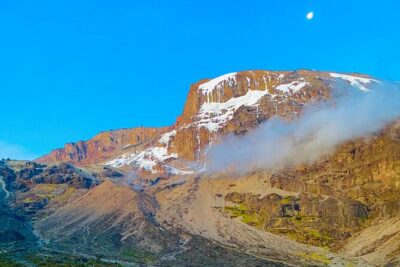
5 Days Best of Tanzania Luxury Safari Northern Circuit
Read our review →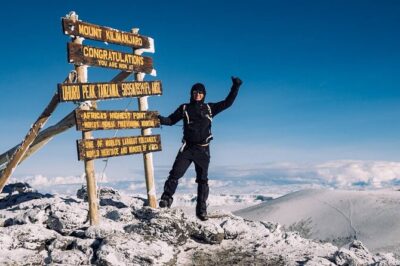
Climbing Kilimanjaro through 7 days Machame Route
Read our review →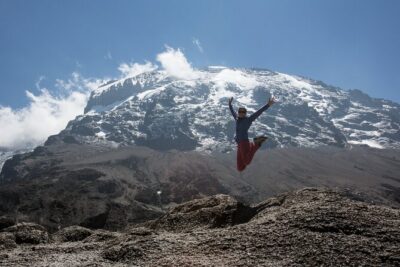
7-Day Machame Kilimanjaro Summit Tour from Arusha
Read our review →Browse the lists this tour appears in