
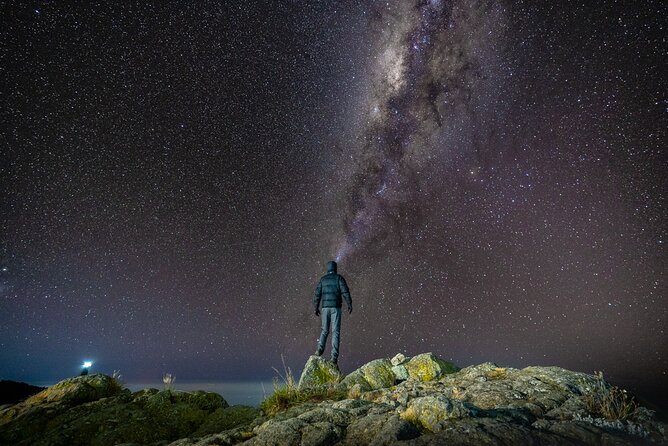
Reviewed · KILIMANJARO TREKS
Kilimanjaro climb, Machame Route (7-day)
The heart of this trip is the route’s careful rhythm: climb high, sleep lower, then repeat it before the final push to Uhuru Peak. You begin in rainforest, cross the open slopes of the Shira Plateau, spend time above 4,600 meters at Lava Tower, and finish with a night climb to Africa’s highest point.
I like the practical support here. Wilderness First Responder guides, oxygen, oximeters, medical checks, porters, cooks, and proper camp equipment take much of the strain out of a huge physical challenge. I also like the food planning, since vegetarian, vegan, gluten-free, halal, lactose-free, and other meal needs can be arranged.
The main caution is the altitude, not technical climbing. The seven-day route gives you useful acclimatization, but summit day still means about 12 hours on your feet, often starting at night. You need moderate fitness, suitable gear, trekking insurance, and a willingness to walk slowly.
Key points to know before booking
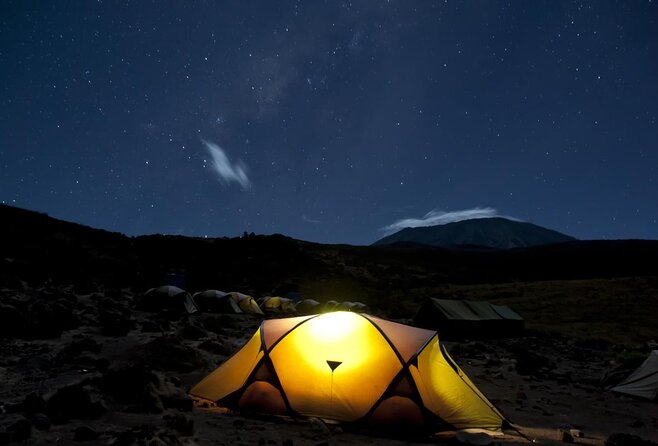
- The summit attempt starts at night: You leave Barafu Camp at 4,640 meters and climb to Uhuru Peak at 5,895 meters.
- Acclimatization is built into the route: The Lava Tower stop and several short altitude hikes help your body adjust.
- Your support crew carries the heavy load: Porters, cooks, camp staff, and guides handle camp work and group meals.
- Safety is taken seriously: Guides are certified Wilderness First Responders, with oxygen tanks, oximeters, medical kits, and regular checks.
- The advertised climbing trip lasts seven days, but the full plan is about nine days: Two nights at Aishi Machame Hotel are included.
- The price includes more than the mountain days: Park fees, airport transfers, tents, meals, drinks, transport, and hotel stays are covered.
What the $3,377 price really covers
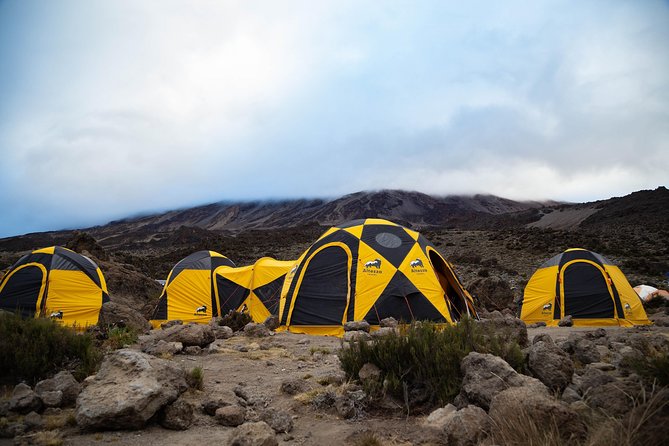
At $3,377 per person, this is not a basic walk-in camping trip. The cost includes airport pickup and drop-off at Kilimanjaro International Airport, ground transport, two nights at Aishi Machame Hotel, park fees, a mountain crew, meals, drinks, medical supplies, tents, sleeping pads, dining equipment, and camp furniture.
That matters on Kilimanjaro. You are not simply paying for a guide to point toward the summit. The crew carries group equipment and sets up camp, while cooks prepare hot meals and staff handle the daily camp routine. You still need to carry personal items, but the heavy shared load is managed for you.
The hotel nights also make the schedule easier to handle. You arrive, sleep in a proper room, attend the briefing, climb for seven days, return to the hotel, and have time to rest before your flight. The hotel includes breakfast, but lunch and dinner there cost extra, with an average price of about $15 per meal.
The price does not include your flight to Tanzania, visa, insurance, personal mountain clothing, boots, sleeping bag, or crew tips. Equipment can be hired, and insurance should cover mountain trekking. Most nationalities pay a $50 visa fee at JRO, while US passport holders pay $100.
Other routes up the mountain from Moshi:
- Kilimanjaro climb by Lemosho Route (7-day)
★ 5.0 · 651 reviews - Kilimanjaro Climbing Lemosho Route 8 Days.
★ 5.0 · 186 reviews - Climbing Kilimanjaro – Machame Route
★ 5.0 · 170 reviews
Day 1: Arrival, briefing, and a proper night of sleep
An Altezza representative meets you at Kilimanjaro International Airport and transfers you to Aishi Machame Hotel. Check-in begins at 2:00 PM. The hotel offers hot water, Internet access, a swimming pool, and a comfortable base before the climb.
The evening briefing is useful rather than decorative. Managers check that you are ready, go through the coming days, and help identify anything missing before you head up the mountain. I would use this time to confirm your personal gear, medication, sleeping arrangements, and dietary needs.
Airport pickup is included, which removes one awkward task after a long international flight. If your arrival time does not match the standard hotel schedule, confirm the details ahead of time.
Day 2: Machame Gate to Machame Camp
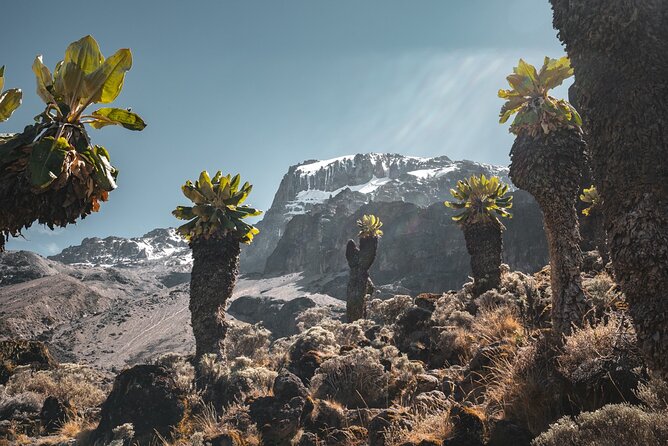
The first mountain day begins with a hotel pickup, a crew briefing, and a drive to Machame Gate at about 1,800 meters. Permits are handled there, and climbers register with the search and rescue service before setting off.
The route rises through rainforest to Machame Camp at 3,010 meters. This is a beautiful opening, but it is also a wet one. Tropical showers are highly likely, so keep rain protection and spare clothes easy to reach, not buried at the bottom of your bag.
The walk takes about six hours. Your first job is not to prove your fitness. It is to settle into a steady pace and listen to your guide. A rushed first day can make later altitude problems worse.
You may see local wildlife as the route passes through different natural zones, but the main pleasure today is the change from cultivated foothills to thick forest. The camp marks your first night high above the starting point.
Day 3: Shira Plateau and the first acclimatization hike
After breakfast, you climb to Shira Camp at 3,845 meters. The rainforest gives way to more open ground, and the Shira Plateau appears ahead. The scenery becomes wider and more dramatic, with views toward Kibo, the main volcanic cone.
The seven-hour day is not described as technically hard, but the altitude begins to make itself known. This is where the local phrase pole pole, meaning slowly, becomes practical advice. Let the guide set the pace, drink regularly, and report symptoms early.
After reaching camp and eating lunch, you take an acclimatization hike toward Lava Tower Camp, gaining about 300 meters before returning to Shira. That extra climb is valuable because it lets your body experience a higher elevation without forcing you to sleep there.
You will have dinner back at Shira Camp. This pattern of climbing higher and sleeping lower can feel inefficient, but it is one of the most useful parts of the schedule.
Same base, a different kind of day out:
- Safari Serengeti And Ngorongoro
★ 5.0 · 288 reviews - Climbing Kilimanjaro through 7 days Machame Route
★ 5.0 · 151 reviews - Kilimanjaro climb, Lemosho Route (8-day)
★ 5.0 · 148 reviews - Kilimanjaro climb, Lemosho Route (6-day)
★ 5.0 · 129 reviews
Day 4: Lava Tower at 4,630 meters, then Barranco
This is one of the most important days on the Machame Route. You leave Shira at 3,845 meters and make your way to Lava Tower at 4,630 meters. The route includes repeated climbs and descents, and many people feel some discomfort at this height.
The plan is to spend at least one or two hours at Lava Tower, including lunch. That time is not wasted. It gives the guides a chance to check how you are responding and gives your body a real test of high altitude before you descend to Barranco Camp at 3,960 meters.
Barranco is memorable for its huge wall, which looks far more intimidating from camp than it feels on the trail. The next morning, you climb it. The route is described as simple hiking rather than technical climbing, but you still need to use care and follow the guide’s instructions.
This eight-hour day can be tiring because of the repeated elevation changes. The benefit is strong preparation for the higher camps ahead.
Day 5: Barranco Wall, Karanga Camp, and another short hike
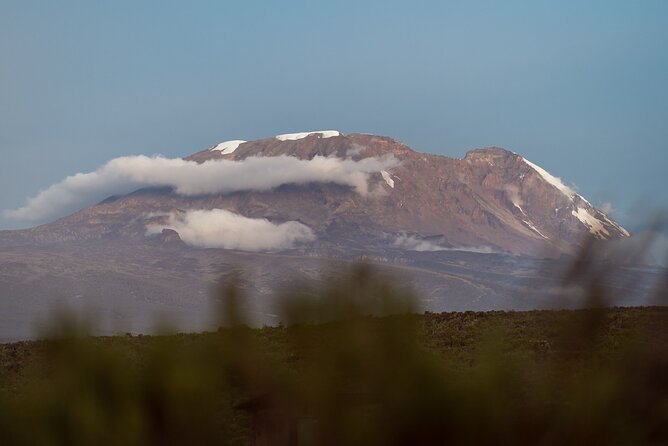
You start early to climb Barranco Wall before the route becomes crowded. The ascent takes about an hour, and the reward is a fine position for photographs with Kibo in view.
After the wall, the route to Karanga Camp at 4,035 meters becomes a series of ups and downs. It is not a straightforward uphill walk, so the mileage can feel harder than the numbers suggest. The guides adjust the pace to the group, which is especially useful when climbers have different levels of experience.
A warm lunch waits at camp. Later, you take an acclimatization hike toward Barafu Camp before returning to Karanga. Again, the point is to give your body more time at altitude without spending the night at the higher camp.
This is a full seven-hour day, and you should resist the temptation to spend the evening celebrating too early. The summit attempt is close, but the hardest hours are still ahead.
Day 6: Barafu Camp and preparation for summit night
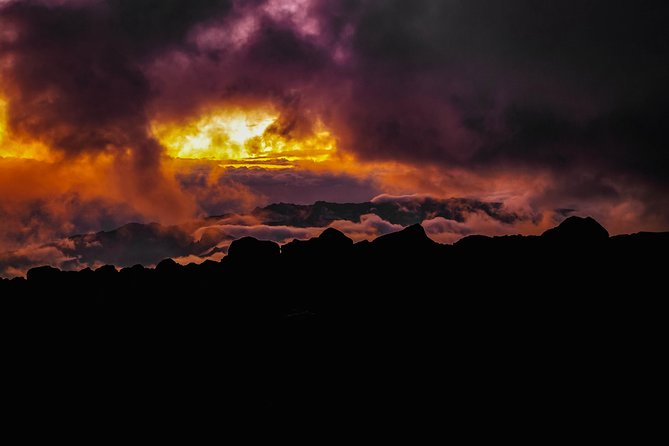
The climb from Karanga to Barafu Camp gains elevation from 4,035 to 4,640 meters. Barafu is the launch point for the night ascent to Uhuru Peak, so the atmosphere changes. You are no longer simply moving between camps. You are preparing for the decisive effort.
The crew sets up your tent and sleeping bags ahead of time. After settling in, you take an acclimatization hike toward Kosovo Summit Camp at about 4,800 meters, then return to Barafu for a hot dinner.
The rest of the day should be quiet. Eat, organize your summit clothing, fill your water bottles, and sleep as much as possible. A night at altitude is rarely perfect, and the early start means you may spend only a short time in bed.
This seven-hour day is manageable on paper, but the combination of height and anticipation can make it feel demanding. Keep your evening simple.
Day 7: The night climb to Uhuru Peak
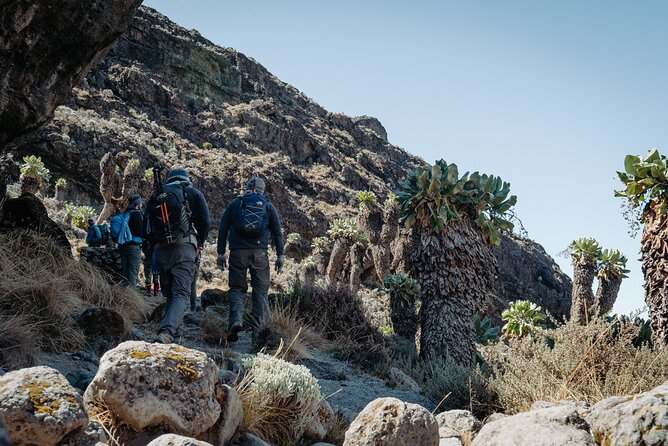
You leave Barafu at night and begin the climb to Uhuru Peak, at 5,895 meters. The technical difficulty is relatively low, but the altitude makes this the hardest part of the trip.
Each pair of climbers receives a personal guide for the ascent. That close attention allows the guide to monitor your physical and mental condition and adjust the pace. It is one of the strongest safety features of the schedule.
The summit day takes about 12 hours. Expect a slow climb, a cold start, and a long descent after reaching the top. The final approach is physically draining, but the reward is the view from the highest point in Africa and the satisfaction of reaching the summit under your own effort.
A glacier visit is possible after the summit if desired, but it should not be treated as essential. Your priority is a safe descent. The schedule warns that most accidents occur while going down, including serious leg and arm injuries, so watch your footing and do not rush.
After returning to Barafu, you rest for about two hours, then continue to Millennium Camp at 3,820 meters. This second descent makes summit day especially long. The guides and support crew are central here, since you may be tired, cold, and mentally spent.
Day 8: Millennium Camp to Mweka Gate
The drop in altitude is welcome when you wake at Millennium Camp. The camp sits in rainforest, and breakfast comes after the relief of being below the summit zone.
You then descend to Mweka Gate at 1,640 meters. The walk covers about 12 kilometers and takes four to five hours. The trail returns you to thicker forest and warmer air, while the pressure of the climb finally lifts.
At the gate, the group gathers to celebrate. You can leave comments in the guestbook, receive commemorative certificates at the company office, and transfer back to the hotel. The hotel night is important because it gives you a shower, a proper bed, and a chance to recover before departure.
Food, tents, porters, and the human side of the climb
The mountain support system is a major part of the value. Porters carry equipment, camp staff prepare tents, and cooks provide breakfast, lunch, and dinner across the climb. Tea, coffee, juices, soda, and other drinks are also supplied on the mountain.
Meals are planned to be nutritious, not merely filling. Special plans include vegetarian, vegan, lactose-free, gluten-free, halal, and other dietary needs. Tell the operator early and repeat the information at the briefing.
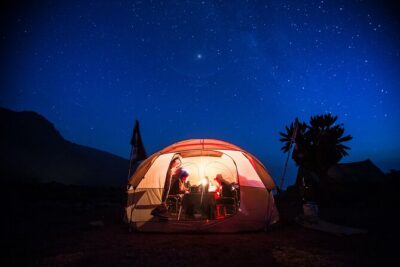
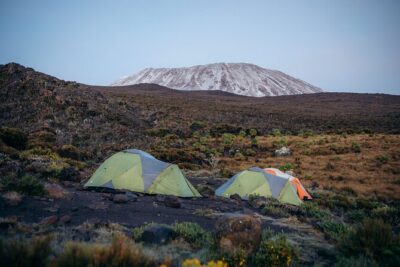
The camping setup includes North Face VE-25 tents for two climbers, sleeping pads, a dining tent, tables, chairs, crockery, and cutlery. This makes camp more organized than carrying your own minimal shelter and cooking kit.
The crew is also part of the experience. Guides such as Victor, Joseph, Stanford, Rashid, and Nolasco have led different departures, while other trips have included camp leaders and porters with their own specialist roles. Names and assignments can change, but the key point is that the mountain runs on a large team effort, not on the guide alone.
Tips are optional and based on your satisfaction. Carry this cost in your planning, since the porters and camp team do much of the work that lets you focus on walking.
Who should book this Machame Route trip?
I would choose this trip if you want a structured first Kilimanjaro climb with strong logistical support. It suits someone with moderate fitness who can handle long walking days, rough ground, cold conditions, basic mountain camping, and a very demanding summit day.
It can also suit a private group, since only your group participates in the activity. Group discounts may be available. Solo climbs are possible, but single hotel and tent arrangements cost extra.
This is not a casual sightseeing tour. You need to train, carry personal equipment, protect yourself from rain, and take altitude symptoms seriously. Guides can monitor you and provide medical support, but no operator can remove the physical risk.
The schedule works well for people who want more acclimatization than a shorter climb provides. Still, seven mountain days do not guarantee a summit. Your health, weather, response to altitude, and pacing all matter.
Practical booking details and cancellation
The experience starts at 9:00 AM, with pickup offered. Confirmation is provided when you book, and the package includes airport pickup and return transport.
You can cancel up to 24 hours before the local start time for a full refund. Cancellations or changes made within 24 hours are not accepted for a refund.
The trip is listed at about nine days, although the mountain climb itself takes seven days. The first and last hotel days account for the difference. On the final day, hotel check-out is at 11:00 AM. Late check-out is possible for an extra fee if your flight leaves later.
Should you book it?
I would book this Machame Route program if you value careful pacing, a full support crew, included park fees, and a hotel night on each side of the climb. The strongest parts are the acclimatization hikes, personal guide support during summit night, medical checks, and the practical food and camp setup.
I would think twice if you want a cheap, short, or comfortable holiday. The $3,377 price does not include flights, insurance, visa, personal gear, or tips, and the final ascent is a serious physical test.
For a first Kilimanjaro climb, though, this is a well-supported plan with a sensible route and a clear focus on safety. Train beforehand, bring reliable rain gear and boots, arrange trekking insurance, and save your energy for the descent. That is how you give yourself the best chance of enjoying the mountain rather than merely surviving it.
FAQ
How long is the full Kilimanjaro experience?
The full program lasts about nine days. The Machame Route climb takes seven days, with one hotel night before the trek and one hotel night after returning from the mountain.
What elevation does the climb reach?
The summit is Uhuru Peak at 5,895 meters. The route also reaches Lava Tower at 4,630 meters and Barafu Camp at 4,640 meters before the summit attempt.
Are meals included?
Yes. The package includes six lunches, eight breakfasts, and six dinners, along with drinks such as tea, coffee, juices, and soda on Kilimanjaro. Hotel lunch and dinner are not included.
Can special diets be accommodated?
Yes. Vegetarian, vegan, lactose-free, gluten-free, halal, and other meal plans are available. You should provide your dietary requirements before the climb.
Is airport transportation included?
Yes. Pickup and drop-off at Kilimanjaro International Airport are included, along with ground transportation during the experience.
What equipment and safety support are provided?
The package includes tents, sleeping pads, dining equipment, porters, camp staff, cooks, certified Wilderness First Responder guides, medical kits, oxygen tanks, oximeters, and medical check-ups. Personal clothing, boots, sleeping bags, insurance, and other personal equipment are not included.
Just added in Moshi
- Kilimanjaro Airport Private Transfer from/to Moshi★ 5.0 · 14 reviews
- 6 Days Machame route Kilimanjaro climbing★ 5.0 · 22 reviews
- 7 Days Highlight of Tanzania Mid-Range Standard★ 5.0 · 22 reviews
- 4 Day Mid-range Serengeti Safari★ 5.0 · 22 reviews
- Kilimanjaro Climbing 5 days Marangu route★ 5.0 · 22 reviews
- 6-Day Kilimanjaro Climbing Via Machame Route★ 5.0 · 23 reviews
- 9-Day Enchanting Tanzania Safari -High End All Inclusive★ 5.0 · 27 reviews
- Kilimanjaro Trekking 7Days 6Night Lemosho Route★ 5.0 · 23 reviews
Kilimanjaro Treks, compared.
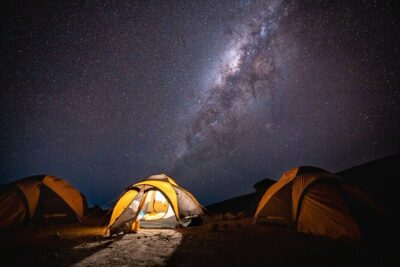
8-Day Small-group Lemosho Kilimanjaro Summit Trekking
Read our review →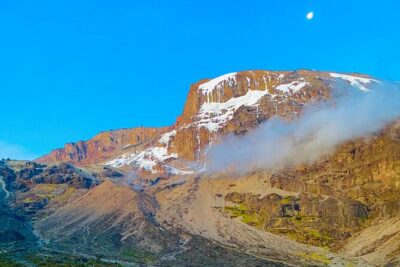
5 Days Best of Tanzania Luxury Safari Northern Circuit
Read our review →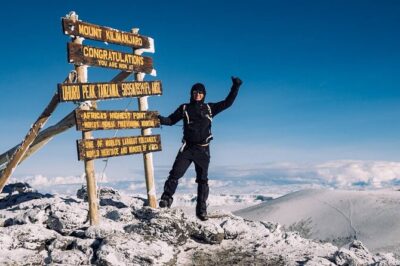
Climbing Kilimanjaro through 7 days Machame Route
Read our review →
7-Day Machame Kilimanjaro Summit Tour from Arusha
Read our review →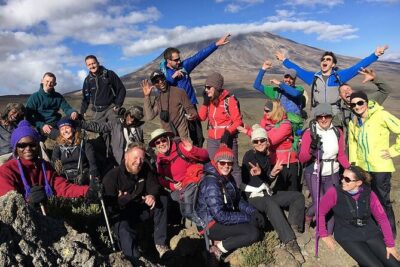
7 Days Kilimanjaro via Machame route affordable price
Read our review →Browse the lists this tour appears in