
Reviewed · KILIMANJARO TREKS
Kilimanjaro climb, Rongai Route (6-day)
Rongai gives you a quieter way up Kilimanjaro, approaching from the northern side and finishing near Marangu. You get six mountain days, a night at Mawenzi Tarn, and a summit attempt from School Hut at 4,715 meters. It is a serious climb, not a sightseeing walk.
I like the route’s lower traffic and changing scenery, from conifer forest to rocky semidesert. I also like the level of support: airport transfers, hotel nights, cooks, porters, medical checks, oxygen, and certified Wilderness First Responder guides are included. The main caution is the short schedule. Six hiking days leave less room for acclimatization than longer Kilimanjaro routes, so this suits fit regular hikers best.
Key points to know before booking
- Rongai approaches Kilimanjaro from the northern side: You begin at Nalemuru Gate and finish at Marangu Gate, seeing a different side of the mountain than many climbers.
- The summit attempt starts at night: From School Hut, you climb toward Uhuru Peak at 5,895 meters, then descend to Kibo and Horombo camps.
- Mawenzi Tarn adds a useful acclimatization stop: The planned 200-meter hike up toward Mawenzi is easy, but it matters at this altitude.
- Support is unusually complete for the price: Park fees, tents, meals, drinks, equipment, airport transfers, hotel nights, and medical supplies are included.
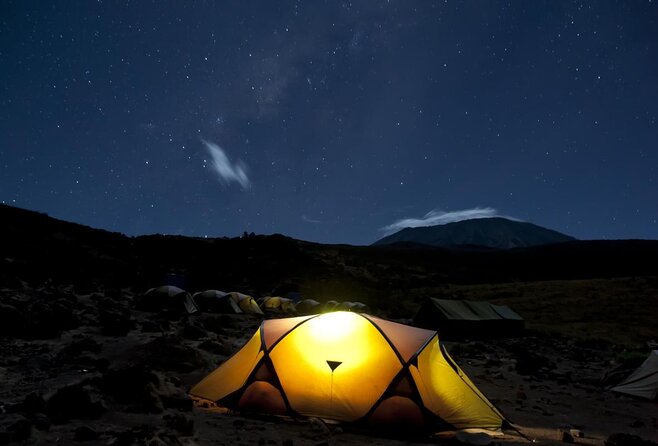
- You sleep in walk-in North Face VE-25 tents: Two hikers share a tent unless you pay for a solo arrangement.
- The climb is best for fit, experienced hikers: Previous high-altitude experience can make the short acclimatization plan easier, but it does not remove the risks.
A quieter route to Africa’s highest summit
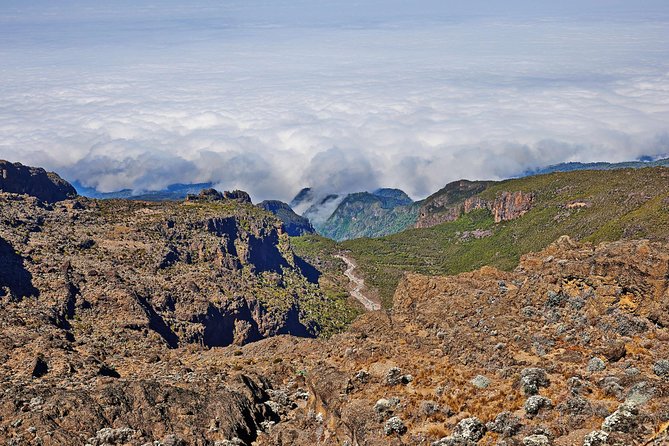
The Rongai Route is one of Kilimanjaro’s less-used paths. That gives you a more private feel at the start, with fewer people around as you walk up the northern slope. You still get the classic Kilimanjaro experience, but the approach is less crowded than the better-known southern routes.
Your climb begins at 2,020 meters at Nalemuru Gate. The summit, Uhuru Peak, rises to 5,895 meters, so the real challenge is not simply distance. Your body must adjust to thin air while you keep walking, eating, drinking, and sleeping as well as possible.
Altezza Travel charges $3,064 per person for the package described here. That is a substantial price, but it covers many costs that can quickly add up on a mountain climb. You receive airport transfers, ground transport, two hotel nights, park charges, mountain tents, a dining tent, sleeping pads, camp furniture, meals, drinks, guides, porters, medical equipment, and oxygen.
I would compare the total package rather than judging the price against a basic route-only quote. The biggest value comes from the support system. You are not carrying the camp, arranging park permits, buying food for six days, or trying to manage emergency equipment yourself.
Other routes up the mountain from Moshi:
- Kilimanjaro climb by Lemosho Route (7-day)
★ 5.0 · 651 reviews - Kilimanjaro climb, Machame Route (7-day)
★ 5.0 · 262 reviews - Kilimanjaro Climbing Lemosho Route 8 Days.
★ 5.0 · 186 reviews
Arrival in Moshi and the first hotel night
At Kilimanjaro International Airport, an Altezza representative meets you and transfers you to the hotel. The package includes two nights at Aishi Machame Hotel, with two people sharing a room unless you choose single accommodation for an added fee.
The hotel is meant to give you a practical start, not a luxury holiday. The listed facilities include hot water, Internet access, a swimming pool, and polite staff. Breakfast is included, while lunch and dinner at the hotel cost extra, with an average price of about $15 per person for either meal.
The evening briefing is important. You will meet the company managers, check that you are ready, and get a chance to raise questions before heading into the park. Use this time to sort your personal gear, since hiking clothes, boots, and a sleeping bag are not included. Equipment rental is available if needed.
Airport transfers are included at both ends. That removes one common travel headache, especially if you arrive tired or have an evening flight home. Check-in begins at 2:00 PM, and the final hotel check-out is at 11:00 AM. A later check-out can be arranged for an extra fee.
Day 1 on the mountain: Nalemuru Gate to Simba Camp
The mountain portion starts with a morning briefing at the hotel, followed by a vehicle ride to Nalemuru Gate on Kilimanjaro’s northern side. Staff handle the permits and registration with the park’s search and rescue service before you begin walking.
The first trek leads from 2,020 meters to Simba Camp at 2,625 meters. The route passes through conifer forest and gains height at a moderate rate. This is a good day to settle into the group’s pace and learn how your body feels while climbing.
The advice here is simple: walk slowly from the first hour. You may feel strong at this lower elevation, but spending that energy too soon can hurt later. The mountain crew sets up camp while you walk, so you should not need to carry the full load of tents, cooking gear, or food.
The included dining tent, tables, chairs, crockery, and cutlery make a real difference after a day outside. You eat three meals daily, with choices available for each meal. Vegetarian, vegan, lactose-free, gluten-free, halal, and other meal plans can be arranged.
Day 2: Simba Camp to Kikilewa Camp
The next morning, you walk from Simba Camp to Kikilewa Camp at 3,630 meters. The climb is more demanding than the previous day, both because of the height and because your legs are beginning to work day after day.
This section offers broad views toward Kibo, Kilimanjaro’s main summit, when clouds allow. The northern approach gives you a strong sense of distance and open space. At camp, full rest is the smart choice. You may feel tempted to explore, but the best use of your time is eating, drinking, and letting your body adjust.
This is also where the short length of the route starts to matter. On a longer Kilimanjaro plan, you may have more time for gradual acclimatization. Here, you need to follow the guides’ pace and report symptoms early. A headache, nausea, unusual tiredness, or trouble walking should not be hidden from the crew.
Same base, a different kind of day out:
- Safari Serengeti And Ngorongoro
★ 5.0 · 288 reviews - Climbing Kilimanjaro – Machame Route
★ 5.0 · 170 reviews - Climbing Kilimanjaro through 7 days Machame Route
★ 5.0 · 151 reviews - Kilimanjaro climb, Lemosho Route (8-day)
★ 5.0 · 148 reviews
Day 3: Mawenzi Tarn and the 200-meter acclimatization hike
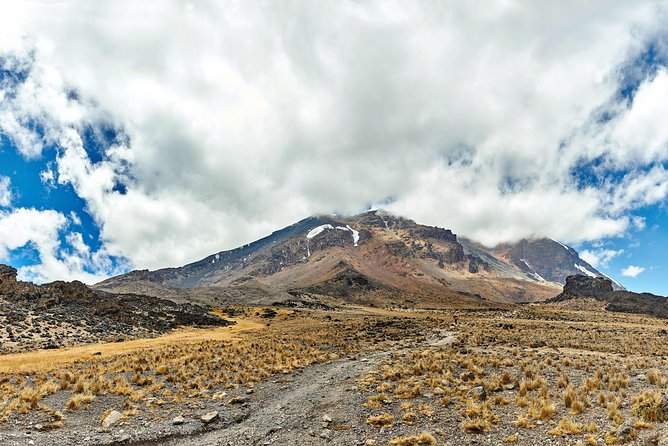
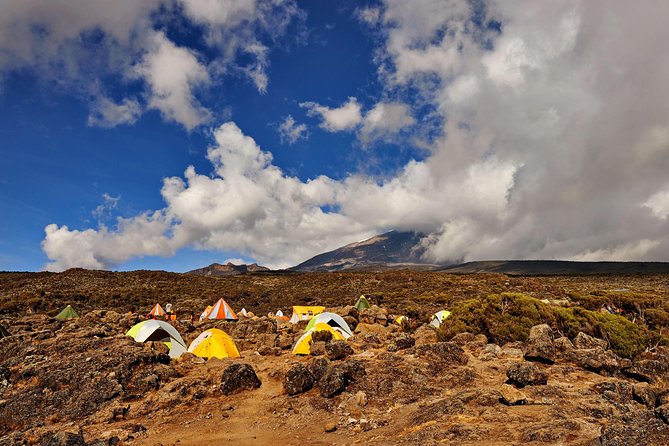
From Kikilewa, you head toward Mawenzi Tarn Camp at the foot of Mawenzi, Kilimanjaro’s second summit. This is one of the most memorable camp locations on the route, with Mawenzi’s rugged volcanic form nearby.
After lunch, you rest for about two hours. Then comes a short acclimatization walk with a 200-meter gain in height before you return to camp for dinner. This follows the useful mountain rule of climbing higher during the day and sleeping lower than your highest point.
The walk is not meant to exhaust you. Treat it seriously anyway. It gives your body another controlled exposure to altitude and helps your guides see how you are responding. You should not race it or turn it into a test of strength.
Mawenzi Tarn is also a mental reset. You are high now, and the summit no longer feels like a distant idea. The price of that progress is comfort. Nights are colder, air is thinner, and ordinary tasks take more effort.
Day 4: The rocky route to School Hut
The next stage takes you to School Hut Camp at 4,715 meters. The vegetation gives way to rocky semidesert, and the surroundings become more severe. This is not described as the hardest walking day in physical terms, but altitude makes even a moderate route feel different.
Keep your pace steady. Do not spend energy trying to arrive early. Once at School Hut, the goal is to eat, drink, organize your summit clothing, and sleep if you can.
That final sleep may be short or broken. You are scheduled to leave during the night for Uhuru Peak. Put your headlamp, warm layers, gloves, water, and personal snacks where you can reach them easily. You do not want to repack your bag in the cold at midnight.
The crew provides tea, coffee, juices, soda, and other drinks on the mountain. Three meals a day are included, with energy-rich food and meal choices. Still, bring any personal snacks you know you can eat at altitude, since appetite often changes.
Summit night: School Hut to Uhuru Peak
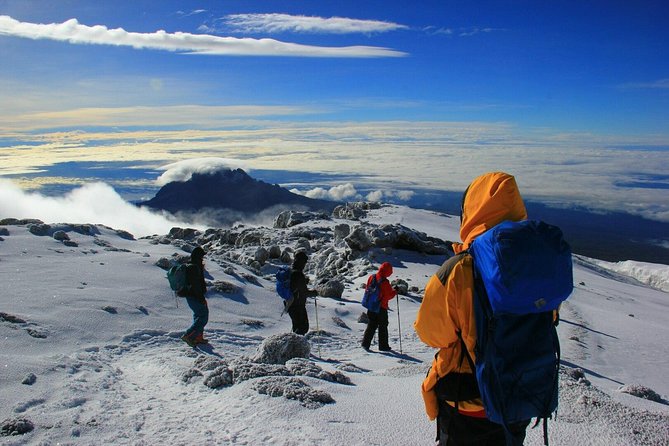
The summit attempt begins at night from 4,715 meters. The distance is not the only issue. The altitude is the serious part, and the climb can test your stamina and mental focus more than your ordinary hiking ability.
For the summit section, each pair of climbers is accompanied by a guide. That close attention is one of the strongest parts of the setup. The guide can monitor your pace, condition, and response to the height. The team also carries oxygen, oximeters, and medical kits, while the guides hold Wilderness First Responder certification.
Your goal is Uhuru Peak at 5,895 meters. The exact timing and conditions can vary, but the plan is to reach the summit, descend to Kibo Camp, rest for about two hours, and then continue down to Horombo Camp at 3,720 meters.
That is a long day. The descent is not an afterthought. Tired knees, cold, loose rock, and altitude can make going down just as demanding as going up. If you are offered the chance to descend toward a glacier after reaching the summit, treat it as optional. The safer choice may be to conserve strength for the main descent.
This is the point where the route’s six-day design asks the most from you. You gain height efficiently, but there is less spare time if you struggle with acclimatization. I would choose this trip only if you are comfortable with long hiking days and understand that reaching the summit is never guaranteed.
The long descent to Marangu Gate
After breakfast at Horombo, you descend through the park toward Marangu Gate at 1,860 meters. This gives you a different exit from your northern approach, so the climb does not simply retrace its steps.
The descent takes about five hours. It may feel easy at first because the air becomes thicker and your breathing improves, but tired muscles can make the trail awkward. Keep your boots tied firmly and use any support you normally rely on for downhill walking.
At the gate, the group gathers to mark the end of the climb. Certificates are presented at the company office, and you return to the hotel for a shower, food, and rest. That hotel night is valuable. After the summit push, a proper bed and hot water are not small comforts.
The following day is set aside for hotel rest and the airport transfer. If you have an evening flight, pay attention to the 11:00 AM check-out time. A late check-out costs extra, but it may be worth it after the summit night.
Guides, porters, food, and safety
The strongest feature of this climb is its crew structure. The company supplies guides, porters, camp masters, and cooks, so you can focus on walking and looking after yourself. Past trips have included guides named Shabane, Kelvin, Emmanuel, Gerald, Adam, Peter, Richard, Stanford, and Innocent, though your exact team will depend on the departure.
The guide team has received especially strong praise for communication, encouragement, organization, and attention to safety. Names such as Professor Gerald, DJ Adam, Peter, Richard, and Stanford appear in the trip feedback, along with repeated approval for the porters and cooks.
Food is more important than many first-time climbers expect. You receive breakfast, lunch, and dinner on the mountain, with drinks included. The cooks prepare meals designed to provide energy, and the company can accommodate several dietary plans if you state them ahead of time.
Medical monitoring includes check-ups, oximeters, oxygen tanks, and medical kits. Those tools are reassuring, but they do not make altitude sickness harmless. You still need suitable insurance covering trekking up to 6,000 meters, which is strongly recommended and not included in the price.
Tips for the crew are optional and based on your satisfaction. Plan for them as a normal part of the mountain budget, but do not confuse an optional tip with an included cost.
Who should book this Rongai climb?
I would recommend this route to a fit person who wants a quieter approach and prefers a managed, all-inclusive climb. It also suits people with limited holiday time, since the mountain section is condensed into six hiking days and the full package runs about eight days.
Previous high-altitude experience is helpful. Regular hikers may manage the physical work, but ordinary fitness does not automatically predict how you will react above 4,000 meters. You should be ready for early starts, cold nights, thin air, and a summit day that lasts many hours.
This is not the best choice if you want a relaxed walk with a guaranteed summit. It is also less suitable if you need a large acclimatization margin or prefer an unhurried schedule. A longer route may give you more time to adjust, though this package has the benefit of a quieter trail and a strong support system.
The trip is private, meaning only your group participates. Group discounts are available, and single hotel or tent arrangements cost extra. Two people normally share a hotel room and a mountain tent.
Should you book it?
Book this Kilimanjaro Rongai climb if you value professional logistics, close guide support, and a less-used route more than a slow acclimatization schedule. The $3,064 price is easier to justify because it covers permits, transport, hotels, meals, tents, crew, medical supplies, and airport transfers.
Before paying, confirm the personal gear you must bring or rent, your insurance coverage, dietary needs, single-room costs, and the exact plan for your arrival and departure flights. If you are a regular hiker with a tight schedule and respect the altitude, this can be a strong way to reach Uhuru Peak. If you are unsure about high-altitude trekking, choose a longer route instead.
Cancellation is free with at least 24 hours’ notice before the start time. Changes or cancellations inside that window are not accepted for a refund.
FAQ
How long does the full Kilimanjaro package take?
The package lasts about eight days. Six days are spent hiking on the mountain, with hotel nights before and after the climb.
Where does the Rongai Route climb begin?
The trek begins at Nalemuru Gate on Kilimanjaro’s northern side, at an elevation of 2,020 meters.
Where does the climb finish?
The descent finishes at Marangu Gate, at 1,860 meters. You then transfer back to the hotel.
Is airport transportation included?
Yes. Pickup and drop-off at Kilimanjaro International Airport are included, along with ground transportation during the trip.
Are meals included on the mountain?
Yes. Breakfast, lunch, dinner, and mountain drinks are included. Vegetarian, vegan, lactose-free, gluten-free, halal, and other meal plans are available.
Do I need to bring my own hiking equipment?
Yes. Personal clothing, hiking boots, and a sleeping bag are not included. Equipment is available for hire.
Is travel insurance included?
No. Mountaineering insurance covering trekking up to 6,000 meters is recommended but must be purchased separately.
Just added in Moshi
- Wildlife Extravaganza: Manyara, Tarangire & Ngorongoro in 3 Days★ 5.0 · 3 reviews
- West Kilimanjaro cycling Adventures★ 4.5 · 8 reviews
- machame route★ 5.0 · 16 reviews
- Kilimanjaro Climb • Machame Route ~ 10 Day★ 5.0 · 6 reviews
- Kilimanjaro Climbing Umbwe Route★ 5.0 · 3 reviews
- Mt Kilimanjaro 6 days Marangu route hike★ 5.0 · 3 reviews
- 3 Days Private E-Bike Tour in West Kilimanjaro★ 5.0 · 3 reviews
- Private Cycle to Kilimanjaro Bike Park Safari★ 5.0 · 6 reviews
Kilimanjaro Treks, compared.



8-Day Small-group Lemosho Kilimanjaro Summit Trekking
Read our review →

5 Days Best of Tanzania Luxury Safari Northern Circuit
Read our review →

Climbing Kilimanjaro through 7 days Machame Route
Read our review →
7-Day Machame Kilimanjaro Summit Tour from Arusha
Read our review →Browse the lists this tour appears in