
Reviewed · KILIMANJARO TREKS
Kilimanjaro climb, Lemosho Route (8-day)
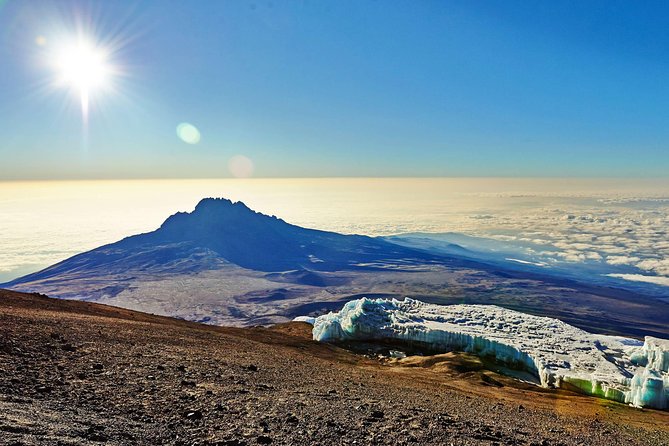
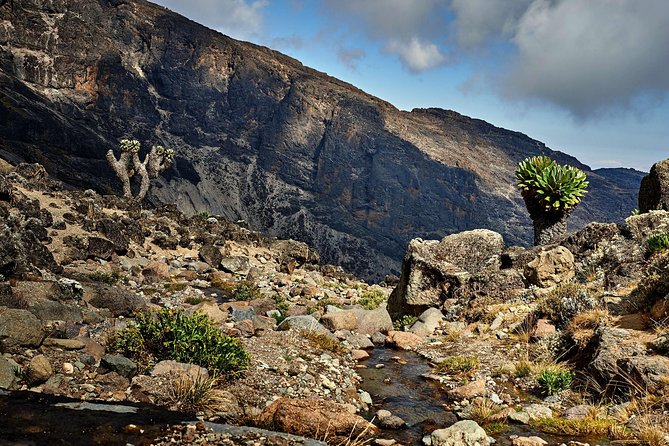
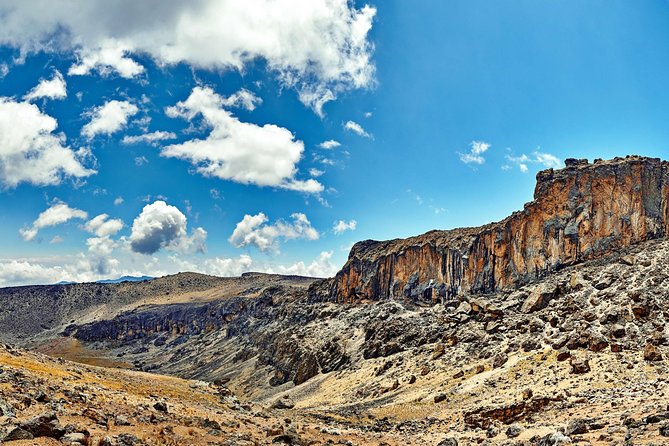
Kilimanjaro changes character almost every day on the eight-day Lemosho Route. You begin in rainforest, cross the open Shira Plateau, pass strange high-altitude plants and volcanic rock, then reach an arctic world of ice, dust, and thin air before climbing to Uhuru Peak at 5,895 meters.
I like the route’s slow acclimatization plan, which includes high points followed by lower sleeping camps. I also like the strong support package: airport transfers, hotel nights, meals, porters, cooks, medical checks, oxygen, and a personal guide for each pair on summit night. The main catch is simple: this is a serious high-altitude climb, not a long sightseeing walk. You need sound fitness, proper gear, insurance, and patience.
Key points to know before booking
- Lemosho gives you varied scenery: rainforest, Shira Plateau, volcanic terrain, glaciers, and arctic desert.
- The eight hiking days become a 10-day trip: two hotel nights are included before and after the mountain.
- Acclimatization is built into the route: you climb high to Lava Tower and Kosovo Camp, then sleep lower.
- The support crew handles the camp work: guides, porters, cooks, and camp staff prepare meals and tents.
- Summit night is the hardest part: you leave Barafu around midnight and climb to 5,895 meters.
- The $3,975 price covers a lot: park fees, transport, lodging, food, crew, equipment, and safety supplies, but not personal gear, insurance, or tips.
What the $3,975 price really covers
At $3,975 per person, this is not a budget Kilimanjaro trip. But the price includes many costs that can quickly add up on a mountain expedition.
You receive pickup and drop-off at Kilimanjaro International Airport, ground transportation, two hotel nights at Aishi Machame Hotel, park fees, mountain tents, sleeping pads, dining equipment, three meals a day, drinks, guides, porters, cooks, camp staff, medical kits, oxygen tanks, oximeters, and routine medical checks.
That package matters because Kilimanjaro is not a simple hut-to-hut walk. The team must move tents, food, cooking supplies, tables, chairs, crockery, and other equipment up and down the mountain. You carry your own personal clothing and equipment, while the support crew manages the camp system.
The hotel offers hot water, Internet, a swimming pool, and a comfortable place to recover before and after the climb. Two people share a room and a tent by default. Solo accommodation is available for an extra charge, both at the hotel and on the mountain.
You still need to budget for the flight to Tanzania, mountain clothing, boots, a sleeping bag, insurance covering trekking up to 6,000 meters, hotel meals, and tips for the mountain crew. Hotel lunch and dinner cost about $15 to $20 per meal. The price looks far better once those included services are counted, but it is still a premium trip.
Other routes up the mountain from Moshi:
- Kilimanjaro climb by Lemosho Route (7-day)
★ 5.0 · 651 reviews - Kilimanjaro climb, Machame Route (7-day)
★ 5.0 · 262 reviews - Kilimanjaro Climbing Lemosho Route 8 Days.
★ 5.0 · 186 reviews
Day 1: A soft landing in Moshi
Your airport pickup begins the trip. An Altezza representative meets you at Kilimanjaro International Airport and takes you to the hotel. Check-in starts at 2:00 PM, so an early arrival may mean some waiting before your room is ready.
The first evening is useful, not just restful. Company managers hold a briefing and check that you are ready for the climb. Use this time to sort personal gear, ask questions, and settle into the pace of the week.
The hotel has hot water, Internet, a swimming pool, and polite staff. Those comforts matter because the next morning begins the move toward the mountain. The first night is also a good chance to sleep properly before several early starts.
Day 2: From Londorossi Gate into rainforest
A guide and support crew meet you at the hotel in the morning for another briefing. Then you ride for roughly three to four hours to Londorossi Gate, the western entrance to Kilimanjaro National Park, at about 2,200 meters.
The gate formalities include permits and registration with the search and rescue service. Once those are complete, you start walking toward Mti Mkubwa Camp at 2,780 meters.
This first trail passes through rainforest, so a raincoat is essential. The day takes about five hours, and the climb is moderate, but wet weather can make the path slower and less comfortable. Your crew sets up the tents and prepares lunch at camp, which lets you concentrate on walking instead of camp chores.
The rainforest is a strong opening to the route. It feels very different from the dry upper mountain, and it gives you an early reminder that Kilimanjaro is a series of climate zones rather than one uniform climb.
Day 3: First views of Shira Plateau
You wake early, eat breakfast, and climb gradually toward 3,500 meters. This is where the mountain begins to open up, with views toward the Shira Plateau and Kibo Volcano.
The walk from Mti Mkubwa to Shira 1 Camp, at 3,505 meters, takes about five to six hours. It is described as an easier day, which is welcome after the transfer and rainforest walk.
The important feature here is not the distance. It is the controlled rise in sleeping altitude. Your body starts adjusting before the route becomes more demanding. At camp, you can rest in your tent or walk nearby, but take the rest seriously. The mountain does not reward people who spend their early days trying to prove how fast they can go.
Same base, a different kind of day out:
- Safari Serengeti And Ngorongoro
★ 5.0 · 288 reviews - Climbing Kilimanjaro – Machame Route
★ 5.0 · 170 reviews - Climbing Kilimanjaro through 7 days Machame Route
★ 5.0 · 151 reviews - Kilimanjaro climb, Lemosho Route (6-day)
★ 5.0 · 129 reviews
Day 4: Shira 2 and the first acclimatization hike
From Shira 1, you walk to Shira 2 Camp at 3,900 meters. The route is not considered difficult, and the day offers broad views across Africa, along with Kilimanjaro’s unusual high-altitude plant life.
Mount Meru, described as Africa’s fifth summit, may be visible from Shira 2 when the weather is clear. This is one of the route’s best scenic points, but clouds can easily block the view.
After lunch and about two hours of rest, you complete an acclimatization walk toward Lava Tower, gaining another 300 meters before returning to camp. This climb-high, sleep-lower pattern is one of the smarter features of the itinerary.
The day lasts about eight hours, counting the walking and acclimatization outing. It is not a summit day, but the altitude begins to shape the experience. Move slowly, drink regularly, and tell your guide if you feel unwell.
Day 5: Lava Tower, Barranco Wall, and a useful altitude test
You leave Shira 2 and climb toward Lava Tower at 4,630 meters. The route includes repeated ascents and descents, and this section can feel tough because you reach a high point before dropping to camp.
The plan keeps you at Lava Tower for one to two hours, with lunch there, to help your body adjust. You then descend to Barranco Camp at 3,960 meters.
This is an excellent example of why the route takes eight hiking days. You gain height without sleeping at the highest point you reach that day. That does not remove the effects of altitude, but it gives your body more time to respond.
Barranco Camp sits below the famous Barranco Wall. It looks imposing, yet the trail up it is described as straightforward. The view is a highlight, though the day’s repeated climbing and descending can leave you tired.
If someone in the group is not feeling well, the schedule may be adjusted. That flexibility is important on a mountain where health must matter more than a fixed timetable.
Day 6: Barranco Wall and Karanga Camp
Start early from Barranco Camp. Leaving early helps you avoid some of the crowding that can gather on the wall. The climb takes about an hour and is not technically difficult, though you will use your hands in places and move carefully.
At the top, you can stop for photographs with Kibo Volcano behind you. Then comes a demanding walk to Karanga Camp, with repeated climbs and descents along the way.
The guide team sets the pace for the group, which is one of the most valuable parts of a guided climb. A fast pace early in the day can cause trouble later, especially when the air is thin.
After reaching Karanga Camp, you eat a warm lunch and rest. Later, you take an acclimatization walk toward Barafu Camp, gaining about 200 meters before returning to camp. The full day is listed at about 14 hours, making it one of the longest and most tiring days of the route.
Do not treat this as a casual camp-to-camp stroll. You need enough fitness to keep walking after the excitement of Barranco Wall has passed.
Day 7: Barafu Camp and a quiet afternoon before the summit
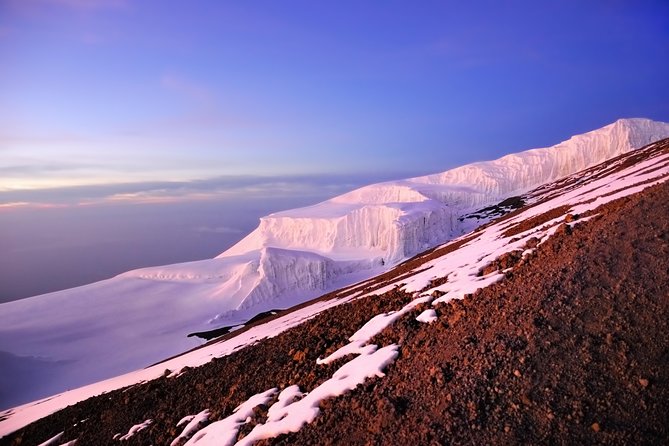
The walk to Barafu Summit Camp reaches 4,640 meters. Barafu is the launch point for the night climb to Uhuru Peak, so the day has a strange rhythm: you keep moving upward, then try to rest while your mind waits for the hardest part.
The crew prepares your camp, including tents and sleeping bags. After recovering your strength, you complete another acclimatization walk toward Kosovo Summit Camp at 4,800 meters before returning to Barafu.
A hot dinner follows, then you should spend the remaining time resting and sleeping. This may be difficult because the start is during the night, but even quiet rest helps.
The itinerary gives this day about 12 hours. That figure includes the approach to Barafu and the acclimatization walk. You should expect cold conditions, limited energy, and little room for last-minute gear problems. Have your layers, headlamp, gloves, water, and snacks ready before trying to rest.
Day 8: Uhuru Peak and the long descent
You leave Barafu at night for Uhuru Peak, the summit of Kilimanjaro at 5,895 meters. The route is not technically complex, but the altitude makes it hard. Cold, darkness, fatigue, and thin air are the real obstacles.
Each pair of climbers receives a personal guide for the ascent. The guide monitors your physical and mental condition, controls the pace, and helps decide how to respond if the altitude becomes a problem. The support is especially important here because the summit attempt begins when you would normally be asleep.
After reaching Uhuru Peak, you can descend toward the nearest glacier if you wish. The climb then returns to Barafu Camp, where you rest for about two hours before continuing to Millennium Camp at 3,820 meters.
This is the day to respect the schedule and your body. The summit is only half of the job. The descent to Millennium Camp comes after hours at altitude, so tired legs and reduced attention can become a real concern. The description notes that most accidents occur during descent, which is a useful warning to keep your pace controlled.
Day 9: Rainforest again and the return to the hotel
Millennium Camp sits in tropical rainforest, and waking there should feel markedly easier than waking at Barafu. After breakfast, you descend to Mweka Gate at 1,650 meters.
The listed distance is 12 kilometers, taking about four to five hours. The lower altitude brings relief, but downhill walking can be hard on knees and feet after the summit push.
At the gate, the group gathers to celebrate, share opinions in a guestbook, and receive commemorative certificates at the company office. You then return to the hotel.
That hotel night is valuable. You have a proper bed, hot water, and a chance to recover before your flight. It also gives you a buffer if the mountain schedule runs late.
Day 10: A simple departure day
The final day is reserved for rest and the airport transfer. Hotel check-out is at 11:00 AM. If your flight leaves in the evening, a later check-out can be arranged for an extra fee.
The airport transfer is included, which removes one of the last practical worries. Still, check your flight time and allow enough room for the drive from Moshi to Kilimanjaro International Airport.
Food, tents, and mountain support
Food is a major strength of this trip. Three meals are provided each day, with choices at each meal, plus tea, coffee, juices, and soda. The kitchen can handle vegetarian, vegan, lactose-free, gluten-free, halal, and other meal plans.
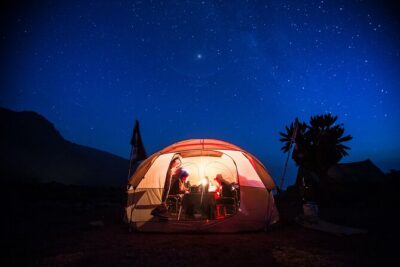
The meals are designed to provide plenty of energy, not just a token plate. The crew prepares food in a dining setup with tables, chairs, crockery, and cutlery. That makes camp feel more organized than a basic backpacking trip.
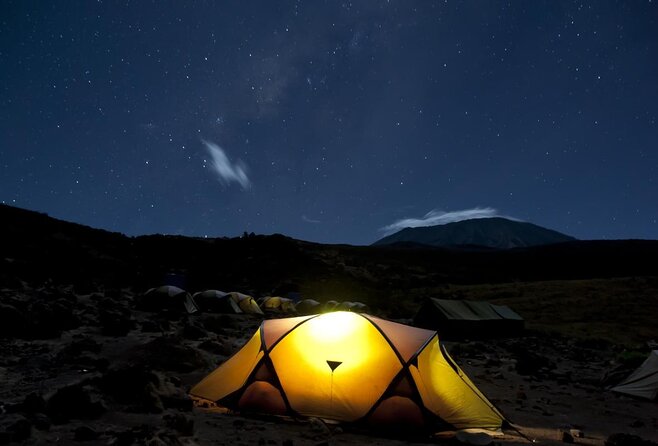
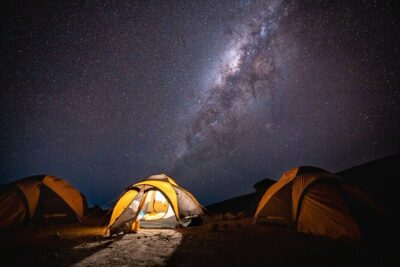
The tents are North Face VE-25 models, with two hikers per tent unless you pay for single accommodation. Sleeping pads are included, but your sleeping bag is not. You can hire personal gear from the company’s gear store, but confirm what you need before arrival.
The strongest praise for this operation focuses on the crew. Names associated with the guiding team include Richard, Kelvin, Donovan, Michael, Rayson, Ally, Andrea, and head guide Richard Chande. The practical benefit is more important than any individual name: guides set the pace, porters move camp, cooks keep meals coming, and the medical system gives the group a way to monitor altitude problems.
Who should book this climb?
This route suits you if you want a supported first high-altitude climb and value scenery over a rushed ascent. It also suits experienced hikers who want a well-organized mountain setup rather than carrying every camp item themselves.
You need moderate physical fitness, but that phrase should not be read as easy. The itinerary includes several long days, repeated uphill and downhill sections, a night summit attempt, and a full descent after reaching the peak.
This is less suitable if you dislike cold camping, shared tents, early starts, long uphill walks, or uncertain weather. It is also a poor choice without mountaineering insurance covering elevations up to 6,000 meters.
The trip is described as a private activity for your group, but the supplied details do not specify the group size. Ask how many people will be in your departure group before booking, especially if you prefer a small team.
Should you book the 8-day Lemosho Route?
I would choose this trip if you want a scenic route with careful acclimatization and strong support from airport to summit. The included hotel nights, park fees, meals, medical supplies, transport, tents, and full mountain crew make the price easier to justify.
I would not book it casually. Personal gear, insurance, tips, and international flights remain outside the package, and summit night is genuinely demanding. Prepare your boots, layers, sleeping bag, and fitness well before arrival.
The best reason to choose the route is its rhythm: climb high, sleep lower, rest when needed, and let the crew manage the camp. If you can handle the altitude and accept a hard final push, this is a polished way to tackle Kilimanjaro.
FAQ
How long is the Kilimanjaro experience?
The trip lasts approximately 10 days, including two hotel nights. The mountain portion follows an eight-day hiking route.
What altitude does Uhuru Peak reach?
Uhuru Peak reaches 5,895 meters, making it the summit target on the Lemosho Route.
Are airport transfers included?
Yes. Pickup and drop-off at Kilimanjaro International Airport are included, along with ground transportation during the trip.
Is accommodation included?
Yes. Two nights at Aishi Machame Hotel are included, with two people sharing a room by default. North Face VE-25 mountain tents are also included, normally shared by two hikers.
Are meals included on the mountain?
Yes. Three meals a day are provided during the climb, along with drinks such as tea, coffee, juices, and soda. Several dietary plans are available.
Do I need to bring my own climbing gear?
Yes. Personal clothing, hiking boots, and a sleeping bag are not included. Gear hire is available at the company’s gear store.
Is travel insurance required?
Mountaineering insurance covering trekking up to 6,000 meters is not included, but it is highly recommended. You are also responsible for tips, international travel costs, and hotel lunch and dinner.
Just added in Moshi
- Kilimanjaro Airport Private Transfer from/to Moshi★ 5.0 · 14 reviews
- Kilimanjaro Climbing 5 days Marangu route★ 5.0 · 22 reviews
- 6 Days Machame route Kilimanjaro climbing★ 5.0 · 22 reviews
- 7 Days Highlight of Tanzania Mid-Range Standard★ 5.0 · 22 reviews
- 4 Day Mid-range Serengeti Safari★ 5.0 · 22 reviews
- Tanzania Safari – The Great Migration in the North of the Serengeti and Lake Natron★ 5.0 · 25 reviews
- The 6 Days Kilimanjaro Climbing Tour via Machame Route in 2025/26★ 5.0 · 23 reviews
- 6-Day Kilimanjaro Climbing Via Machame Route★ 5.0 · 23 reviews
Kilimanjaro Treks, compared.
8-Day Small-group Lemosho Kilimanjaro Summit Trekking
Read our review →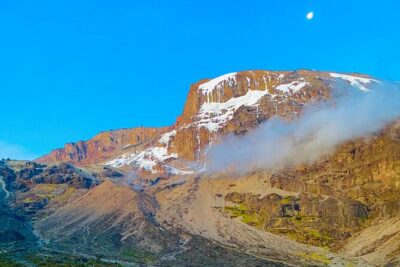
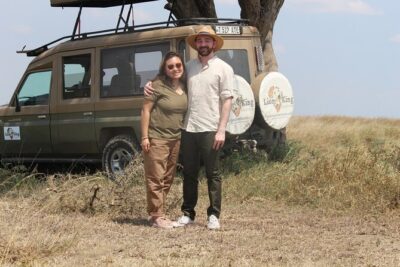
5 Days Best of Tanzania Luxury Safari Northern Circuit
Read our review →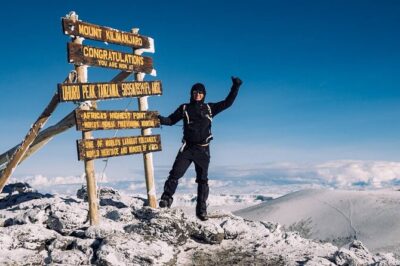
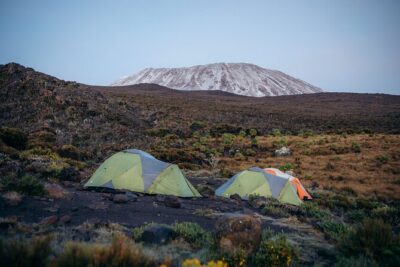
Climbing Kilimanjaro through 7 days Machame Route
Read our review →
7-Day Machame Kilimanjaro Summit Tour from Arusha
Read our review →Browse the lists this tour appears in