
Reviewed · KILIMANJARO TREKS
Kilimanjaro climb, Lemosho Route (6-day)
Kilimanjaro’s Lemosho Route gives you a strong mix of scenery, wildlife country, and gradual altitude gain before the summit push. The high-altitude vehicle drop-off toward the Shira Plateau saves some early effort, but the route still delivers a serious climb, with a 12-hour summit day and a final ascent to Uhuru Peak at 5,895 meters.
I like the safety setup here. Wilderness First Responder guides, regular medical checks, oxygen, oximeters, and personal summit support give you more than simple trail leadership. I also like the camp service: porters, cooks, dining equipment, hot meals, and tents are handled for you, so your main job is to walk, eat, rest, and manage your breathing.
The main drawback is the schedule. Six trekking days is enough for this route, but it is still a compressed plan for a mountain where altitude, not technical climbing, causes the trouble. You need moderate fitness, patience, and a willingness to spend a very long day walking uphill and then downhill.
Key Points to Know Before Booking
- The climb takes six mountain days, but the full trip lasts about eight days, including arrival, hotel time, and airport transfer.
- The Lemosho Route reaches the Shira Plateau by vehicle at about 3,500 meters, giving you striking views early in the climb.
- Summit night begins at Barafu Camp, with a personal guide assigned to each pair of climbers for the ascent.
- Medical support is built into the trip, including checks, oximeters, oxygen tanks, medical kits, and Wilderness First Responder guides.
- Meals are more generous than a basic trekking package, with three daily meals, drinks, and dietary choices included.
- The $3,034 price covers major park and operating costs, but flights, visas, insurance, personal gear, and crew tips remain your responsibility.
What the $3,034 Price Covers
At $3,034 per person, this is not a bargain backpacking climb. It is a supported expedition with airport transfers, hotel nights, park fees, food, equipment, and a full mountain crew included.
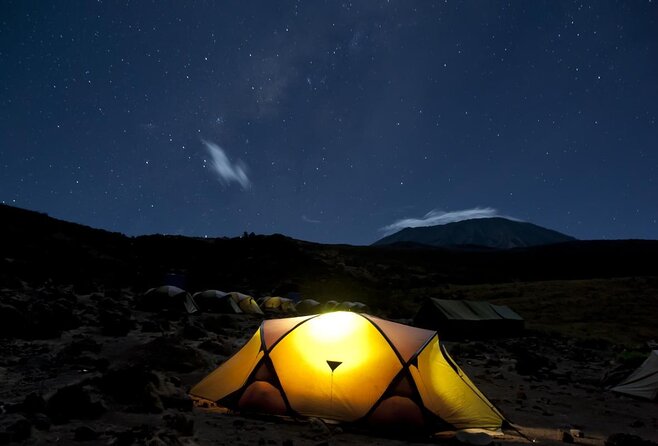
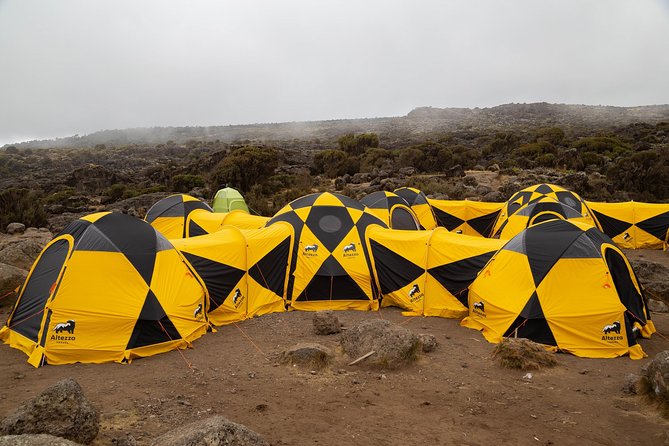
You get pickup and drop-off at Kilimanjaro International Airport, ground transport, two nights at Aishi Machame Hotel, and a shared hotel room for two people. On the mountain, two climbers share a North Face VE-25 tent unless you pay extra for single accommodation.
The package also includes sleeping pads, a dining tent, tables, chairs, crockery, and cutlery. Those details matter more than they may sound. After a tiring day at altitude, sitting at a table for a hot meal is far easier than eating outside on the ground.
Park charges make up a large part of any Kilimanjaro climb, and they are included here. You also receive three meals each day, tea, coffee, juices, soda, and other drinks. Vegetarian, vegan, lactose-free, gluten-free, halal, and other meal plans can be arranged.
You still need to budget for flights to Tanzania, your visa, insurance, personal clothing, boots, a sleeping bag, and tips. Most nationalities pay $50 for a visa at Kilimanjaro International Airport, while US passport holders pay $100. Hotel lunches and dinners are not included, with an average cost of about $15 per meal.
The value is strongest if you want a managed climb and do not want to arrange separate transport, cooks, porters, permits, and accommodation. It is less attractive if you already own all the equipment and prefer a very lean, low-cost trek.
Other routes up the mountain from Moshi:
- Kilimanjaro climb by Lemosho Route (7-day)
★ 5.0 · 651 reviews - Kilimanjaro climb, Machame Route (7-day)
★ 5.0 · 262 reviews - Kilimanjaro Climbing Lemosho Route 8 Days.
★ 5.0 · 186 reviews
Arrival in Moshi and the First Briefing
Your experience begins with airport pickup and a transfer to Aishi Machame Hotel. Check-in starts at 2:00 PM, so you may have time to rest before the evening briefing.
The hotel has hot water, Internet access, a swimming pool, and breakfast. It gives you a useful buffer before the mountain rather than sending you straight from the airport to the trailhead.
The evening meeting is practical. Managers check that you are ready, and you can sort out missing items before the climb begins. Personal equipment is not included, but gear is available for hire, which can help if you do not want to bring a full high-altitude kit from home.
The next morning, your guide and support crew meet you at the hotel. You then drive for roughly three to four hours to Londorossi Gate on the western side of Kilimanjaro.
Day One on the Mountain: Londorossi Gate to Shira 2
At Londorossi Gate, the crew handles park permits and registration with the search and rescue service. This paperwork takes time, so you should not expect to step out of the vehicle and start walking immediately.
The route then continues by off-road vehicle toward a drop-off point near 3,500 meters. This is one of the unusual features of this version of the Lemosho climb. You gain altitude quickly by road, then begin hiking across the Shira Plateau.
Shira 2 Camp sits at about 3,900 meters. The walk from the drop-off point has a moderate gain and is described as manageable, but the altitude may still make the first day feel different from an ordinary hike.
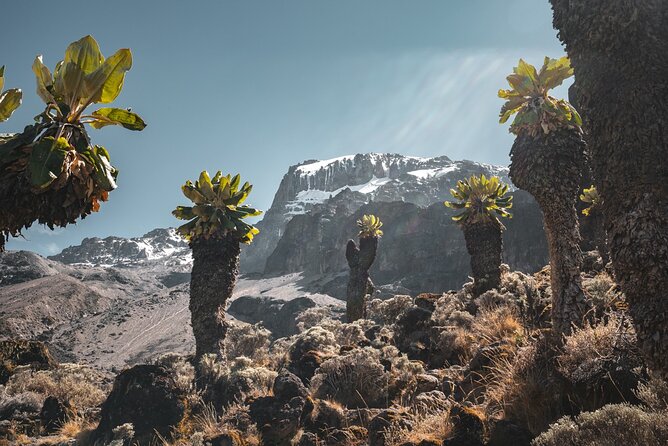
The payoff is the first broad view of the Shira Plateau. You begin among Kilimanjaro’s upper climate zones rather than spending as much time on the lower approach. That saves time, but it also means you should take the first day slowly and drink regularly.
Day Two: Lava Tower and the Barranco Wall
Day two is an important acclimatization day. You leave Shira 2 and climb toward Lava Tower at 4,630 meters, with repeated ascents and descents along the way.
This section may feel difficult because you spend time at a higher altitude than your camp. The plan intentionally has you remain at Lava Tower for at least one to two hours, eating lunch there before descending to Barranco Camp at about 3,960 meters.
This climb-high, sleep-lower pattern is useful for adapting to altitude. It also gives you an honest preview of how your body responds above 4,500 meters, well before summit night.
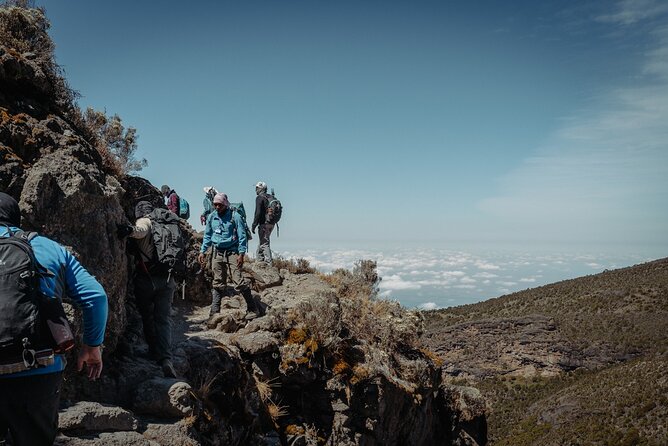
Barranco Camp sits below the famous Barranco Wall. The wall looks intimidating from camp, but the route up it is a straightforward hiking trail rather than a technical climb. You will use your hands at times, but no climbing skills are listed as necessary.
The repeated up-and-down walking can be tiring, and this is one reason the six-day schedule demands reasonable fitness. You are not simply walking toward a higher camp each day. Some of the work is designed to prepare you for the summit.
Same base, a different kind of day out:
- Safari Serengeti And Ngorongoro
★ 5.0 · 288 reviews - Climbing Kilimanjaro – Machame Route
★ 5.0 · 170 reviews - Climbing Kilimanjaro through 7 days Machame Route
★ 5.0 · 151 reviews - Kilimanjaro climb, Lemosho Route (8-day)
★ 5.0 · 148 reviews
Day Three: Barranco Wall to Karanga
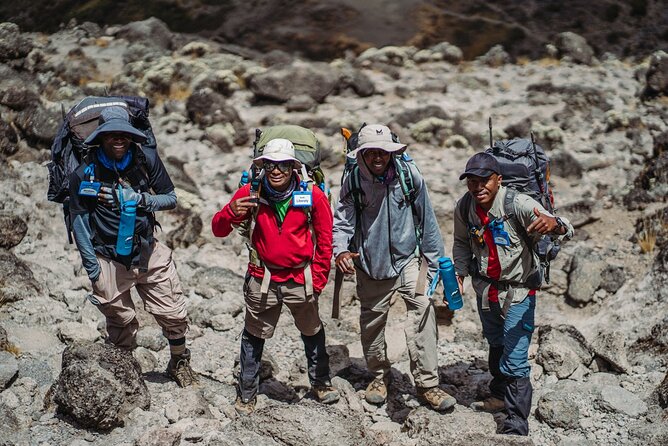
An early start helps you reach the Barranco Wall before larger groups arrive. The climb takes roughly an hour and gives you a close look at the rock, the gorge, and the upper slopes of Kibo.
After the wall, you hike toward Karanga Camp at about 4,035 meters. This day includes plenty of short ascents and descents, so it can feel harder than its distance suggests.
Your guides set the pace for the group. That is important because rushing early in the day can leave you worn out before the summit. The schedule includes a warm lunch at Karanga, followed by an acclimatization walk toward Barafu Camp and a return to Karanga.
That extra walk is not wasted time. You gain more time at altitude without sleeping at the higher camp yet. It also lets the guides watch how you are coping before the final stage.
Day Four: Karanga to Barafu Camp
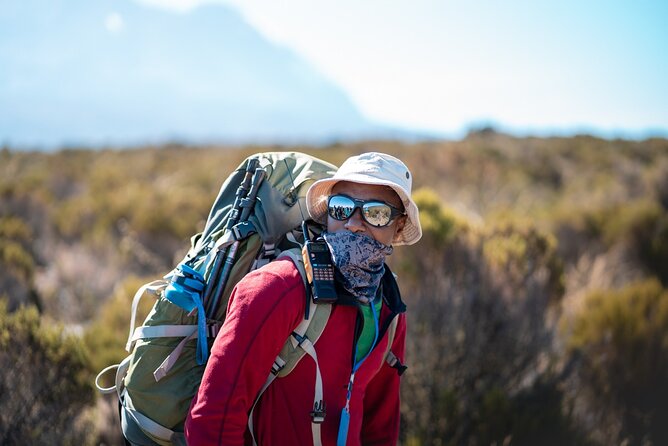
The route from Karanga to Barafu Camp rises from about 4,035 meters to 4,640 meters. Barafu is the base for the night ascent to Uhuru Peak.
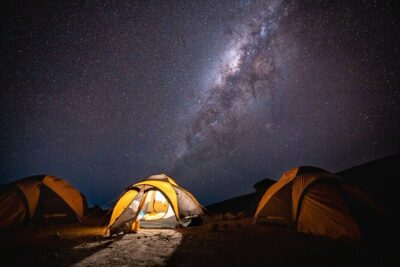
Your tents and sleeping bags are prepared ahead of you, so you can rest when you arrive. A second acclimatization walk goes toward Kosovo Summit Camp at roughly 4,800 meters, followed by a return to Barafu for dinner.
This is the day to keep your expectations simple. You eat, organize your summit clothing, drink, and sleep if you can. The early dinner and afternoon rest are not optional comforts. They are part of preparing for a night start.
Barafu is exposed and high, and you may feel less comfortable here than at the lower camps. The schedule gives you time to adjust before the hardest day, but the limited six-day route leaves little spare time if you become unwell.
Summit Night: Barafu to Uhuru Peak
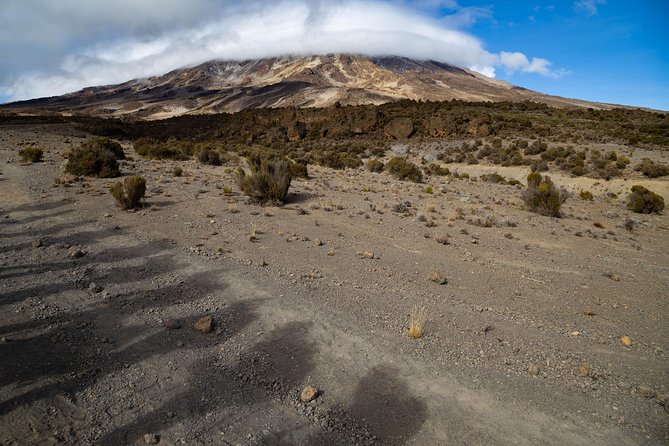
You leave Barafu at night and begin the climb to Uhuru Peak, the highest point on Kilimanjaro, at 5,895 meters. The route is not technically complex, but the altitude makes it demanding.
Each pair of climbers receives a personal guide for the ascent. That guide monitors your physical and mental condition and can help keep the pace controlled. This close support is one of the strongest reasons to choose a professionally organized climb.
Expect a long effort. The summit day lasts about 12 hours in total and includes the climb to the top, the return to Barafu, a roughly two-hour rest, and the descent to Millennium Camp at 3,820 meters.
You can descend to the nearest glacier after reaching the summit if you wish. That should be treated as an optional extra, since your main priority is returning safely after a night at high altitude.
The descent deserves your full attention. Fatigue makes footing less reliable, and the route down to Barafu is not the moment to rush for photographs or lose concentration. Trekking poles, careful steps, and following your guide’s instructions matter here.
The team carries oxygen tanks, medical kits, and oximeters. Those tools are useful safeguards, but they do not make altitude sickness harmless. If you feel seriously unwell, you need to tell the guide promptly rather than trying to prove toughness.
Millennium Camp to Mweka Gate
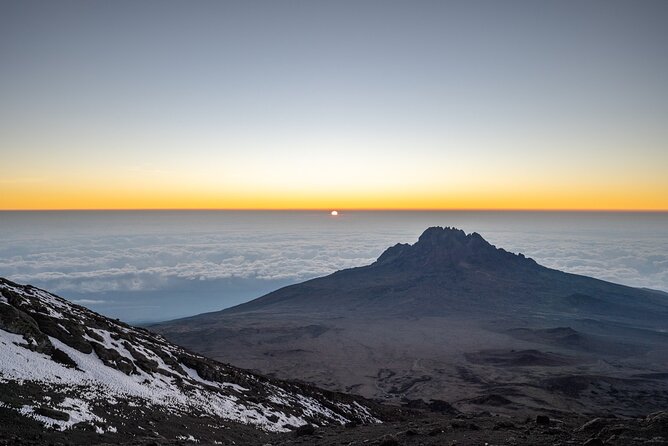
After the summit, Millennium Camp feels much lower and warmer at 3,820 meters. You wake in rainforest country, with the psychological lift that comes from having completed the summit attempt.
The final walk takes you to Mweka Gate at 1,640 meters. The distance is about 12 kilometers and usually takes four to five hours.
This descent can be surprisingly hard on tired legs. You should still pay attention to your feet, especially after the summit night, and keep your pace controlled.
At the gate, the group gathers to mark the end of the climb. You can add your thoughts to the guestbook, receive a commemorative certificate at the company office, and transfer back to the hotel.
Food, Tents, and the Human Side of the Climb
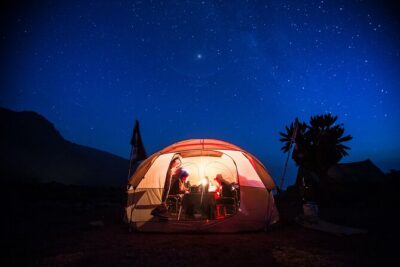
The camp system is a major part of the value. Porters set up the tents, the kitchen crew prepares food, and camp staff handle much of the daily work before you arrive.
The food is designed to provide energy rather than fancy presentation. You receive breakfast, lunch, and dinner, with several choices for each meal, plus drinks. A dietary request is much easier to manage when it is arranged before departure.
The human side of the expedition is also part of the experience. The crew may sing and dance around camp, and the atmosphere can feel warm even on demanding days. Specific team members praised in the supplied information include Stanford, Balthazar, Phillipo, Ayubo, Frank, Hance, Lema, Israel, Jonas, Othman, Emmanuel, Innocent, Richard, and Agrey.
Those names do not guarantee who will lead your climb, but they show the size and depth of the operating team. Ask for your guide lineup before departure if that matters to you.
Safety, Fitness, and Who Should Choose This Route
You need moderate physical fitness for this climb. You do not need technical mountaineering skills for the route described, but you do need to handle long walking days, repeated climbs and descents, cold nights, and a high-altitude summit attempt.
The medical checks are a valuable feature. Guides can use oximeters and monitor your condition throughout the climb, while Wilderness First Responder training gives the crew a formal basis for dealing with mountain problems.
I would choose this trip if I wanted strong logistics, a known support crew, and a clear safety structure. It suits first-time high-altitude climbers who want help with permits, camps, meals, transport, and pacing.
I would think twice if you want the gentlest possible acclimatization plan. Six trekking days is efficient, but a longer Kilimanjaro route generally gives you more time on the mountain. The provided schedule does include acclimatization walks, yet the summit remains a serious physical test.
Practical Details Before You Pay
The activity starts at 9:00 AM, although airport pickup and the first hotel day shape the opening schedule. The tour is private, meaning only your group participates, even though the mountain crew supports the climb.
Free cancellation is available if you cancel at least 24 hours before the local start time. Changes or cancellations inside that window are not accepted for a refund.
Insurance is strongly recommended and should cover mountain trekking. You should also confirm your personal gear list, single-room or single-tent costs, dietary needs, airport timing, and the expected tipping arrangement before departure.
The final hotel night gives you time to recover after the descent. Check-out is at 11:00 AM, with late check-out available for an extra fee if your flight leaves later in the day.
Should You Book the Altezza Lemosho Climb?
Book this climb if you value professional support, built-in safety checks, good camp service, and simple logistics more than the lowest possible price. The package covers enough major expenses that the $3,034 cost can be reasonable for a fully supported Kilimanjaro trip.
You should also be comfortable with the six-day pace. The summit day is long, the route includes substantial altitude gain, and the climb requires disciplined pacing from the first morning.
Before paying, make sure you have a trekking insurance policy, suitable boots and clothing, a realistic gear plan, and enough time to recover after the mountain. If those pieces are in place, this is a well-organized choice for reaching Uhuru Peak by a scenic route without having to manage every camp and meal yourself.
FAQ
How long does the full experience last?
The full program lasts about eight days. Six days are spent climbing and descending Kilimanjaro, with hotel time in Moshi at the start and end.
What is included in the price?
The price includes airport pickup and drop-off, ground transport, two hotel nights, mountain tents, park fees, camp equipment, three meals daily, drinks, guides, porters, cooks, medical checks, oxygen tanks, oximeters, and medical kits.
Is the summit climb technical?
The route to Uhuru Peak is described as technically simple, but the high altitude makes the summit day difficult. You leave Barafu Camp at night and may spend about 12 hours completing the summit and descent to Millennium Camp.
What hotel is used?
The hotel is Aishi Machame Hotel. It includes rooms, hot water, Internet access, a swimming pool, and breakfast.
Can dietary requirements be accommodated?
Yes. Vegetarian, vegan, lactose-free, gluten-free, halal, and other meal plans are available when arranged for the climb.
What is not included?
Flights to Tanzania, the visa fee, personal hiking equipment, insurance, hotel lunches and dinners, crew tips, and optional single accommodation are not included.
Just added in Moshi
- Kilimanjaro Airport Private Transfer from/to Moshi★ 5.0 · 14 reviews
- 4 Day Mid-range Serengeti Safari★ 5.0 · 22 reviews
- Kilimanjaro Climbing 5 days Marangu route★ 5.0 · 22 reviews
- 6 Days Machame route Kilimanjaro climbing★ 5.0 · 22 reviews
- 7 Days Highlight of Tanzania Mid-Range Standard★ 5.0 · 22 reviews
- 6 Days Climb Private Tour in Mount Kilimanjaro★ 5.0 · 27 reviews
- 4 Days Tanzania Budget Safari★ 5.0 · 26 reviews
- 7 Days Machame Route Climbing Mt. Kilimanjaro★ 5.0 · 24 reviews
Kilimanjaro Treks, compared.
8-Day Small-group Lemosho Kilimanjaro Summit Trekking
Read our review →
5 Days Best of Tanzania Luxury Safari Northern Circuit
Read our review →
Climbing Kilimanjaro through 7 days Machame Route
Read our review →
7-Day Machame Kilimanjaro Summit Tour from Arusha
Read our review →Browse the lists this tour appears in