
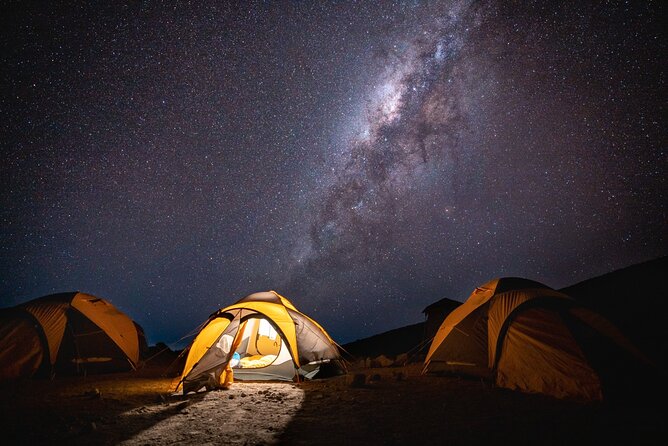
Reviewed · KILIMANJARO TREKS
Kilimanjaro climb by Lemosho Route (7-day)
Kilimanjaro’s Lemosho Route gives you a long, gradual approach to Africa’s highest summit, with wide views across the Shira Plateau and a useful climb-high, sleep-low pattern for altitude adjustment. I like the careful support system: guides, cooks, porters, oxygen, oximeters, and medical checks are all built into the trip.
I also like the practical start and finish. Airport pickup, two hotel nights, park fees, tents, meals, and ground transport are included, so you can focus on walking rather than sorting out mountain logistics. The main drawback is the price, $3,476 per person, and the fact that summit night is a very long, cold push at high altitude.
Key points at a glance
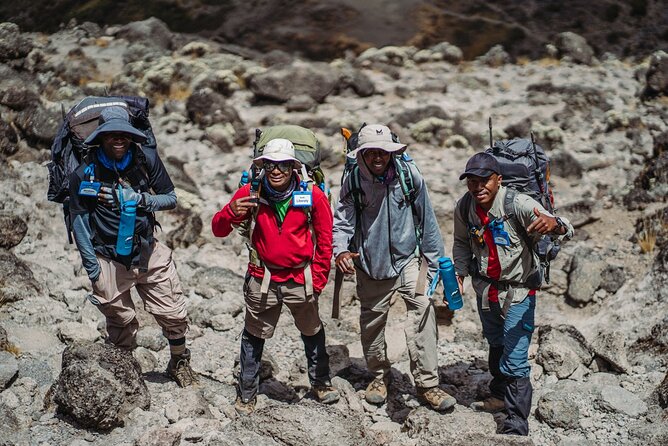
- Lemosho begins high at Londorossi Gate, then continues toward Shira 1 at about 3,505 meters.
- The route uses several acclimatization hikes, including a climb toward Lava Tower and a walk toward Kosovo Summit Camp.
- Summit night lasts about 14 hours, with an overnight departure from Barafu Camp for Uhuru Peak.
- A personal guide accompanies each pair during the summit ascent, monitoring physical and mental condition.
- Food and comfort are unusually well covered, with three meals daily, hot drinks, dining equipment, sleeping pads, and dietary options.
- The nine-day package includes hotel nights, airport transfers, mountain accommodation, park fees, and a final certificate.
Why the Lemosho Route is a smart choice
Lemosho is a strong option if you want a serious Kilimanjaro climb without rushing straight into the upper mountain. The approach begins on the western side of the park, where the drive to Londorossi Gate takes roughly three to four hours from the hotel.
From there, off-road vehicles continue toward a drop-off point near 3,500 meters. That saves you from a long, low-altitude approach and puts you quickly among the open views of the Shira Plateau. The trade-off is that your first day begins at altitude, so you need to take the guide’s slow pace seriously from the start.
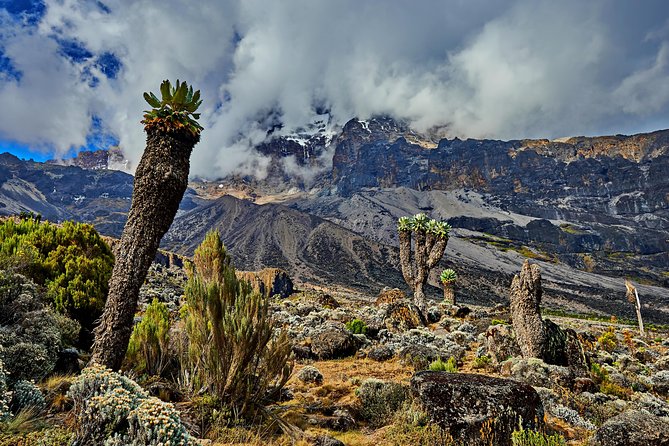
You cross several climate zones as you climb. The route begins with forest and higher moorland, then moves into rocky high-altitude country and Arctic desert near the summit. That changing scenery helps keep the long days interesting, but the mountain is still a physical test. You need moderate fitness and comfort with walking for several hours at a time.
The package is described as a private activity, meaning only your group participates. That can make pacing and meal arrangements easier, especially if your group has a mix of hiking experience. Solo climbing is also possible, though single hotel rooms and single tents cost extra.
Other routes up the mountain from Moshi:
- Kilimanjaro climb, Machame Route (7-day)
★ 5.0 · 262 reviews - Kilimanjaro Climbing Lemosho Route 8 Days.
★ 5.0 · 186 reviews - Climbing Kilimanjaro – Machame Route
★ 5.0 · 170 reviews
Day 1: Airport pickup and a useful hotel briefing
Your climb starts at Kilimanjaro International Airport, where an Altezza Travel representative meets you and transfers you to the hotel. The included airport transfer is a real convenience after a long international flight, particularly if this is your first visit to Tanzania.
The hotel provides hot water, Internet access, a swimming pool, and breakfast. Check-in begins at 2:00 PM. In the evening, managers hold a briefing and check that you are ready for the mountain.
This is also the time to ask practical questions about your personal gear. Hiking clothes, footwear, and a sleeping bag are not included, though gear rental is available. Use the briefing to confirm what you have packed and what still needs attention. A missing warm layer is a small problem in Moshi and a much bigger one near Barafu.
Day 2: Londorossi Gate and the first night at Shira 1
The mountain crew meets you at the hotel in the morning for another briefing before the long drive west. At Londorossi Gate, about 2,200 meters above sea level, the team handles park permits and registration with the search and rescue service.
You then continue by off-road vehicle toward the trailhead, reaching roughly 3,500 meters. The first views of the Shira Plateau arrive early, and the short trek to Shira 1 Camp adds only a modest amount of elevation. The walking time is about five hours.
This is a gentle physical opening, but altitude may still make it feel harder than the distance suggests. Walk slowly, drink regularly, and do not try to prove anything on day one. The mountain rewards restraint.
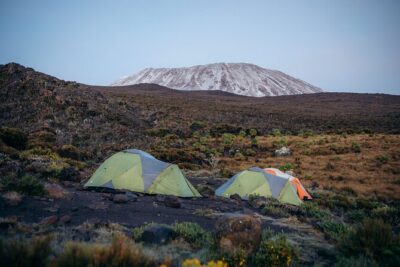
Sleeping at Shira 1 places you in a high camp immediately. You will use North Face VE-25 tents, normally with two hikers per tent. Solo accommodation is available at an extra charge.
Day 3: Shira 2 and the first altitude lesson
The walk from Shira 1, at about 3,505 meters, to Shira 2, at about 3,900 meters, is not technically difficult. It takes around six hours, with time to enjoy views toward Mount Meru when the weather is clear.
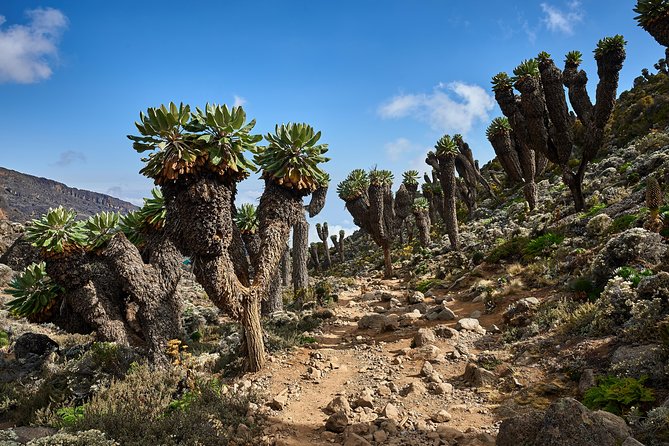
The flora changes as you climb, and the open setting gives you a broad sense of the mountain’s scale. This is one of the calmer days, but it has an important job: getting your body used to higher ground before the harder sections begin.
After lunch and a two-hour rest at Shira 2, you take an acclimatization walk toward Lava Tower. The walk adds about 200 meters of elevation before you return to camp. This is a smart part of the schedule because you climb higher during the day, then sleep lower than your highest point.
The tour includes medical check-ups, oximeters, unlimited oxygen tanks, and medical kits. That does not remove the risk of altitude sickness, but it gives the guide team tools to monitor you and respond if a problem develops.
Same base, a different kind of day out:
- Safari Serengeti And Ngorongoro
★ 5.0 · 288 reviews - Climbing Kilimanjaro through 7 days Machame Route
★ 5.0 · 151 reviews - Kilimanjaro climb, Lemosho Route (8-day)
★ 5.0 · 148 reviews - Kilimanjaro climb, Lemosho Route (6-day)
★ 5.0 · 129 reviews
Day 4: Lava Tower, Barranco Wall, and a long drop
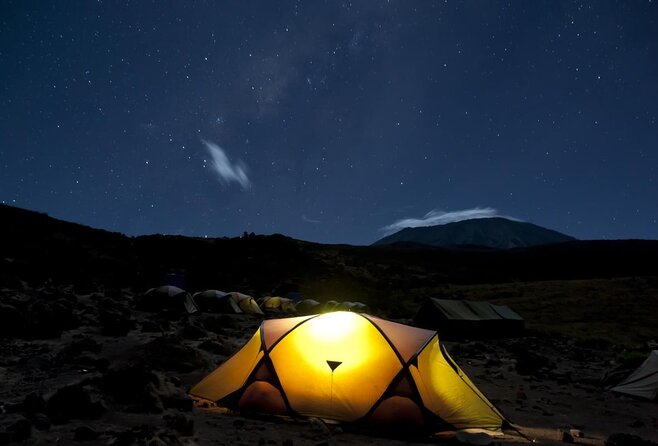
Day four is one of the most useful and demanding days on the route. You leave Shira 2 and climb toward Lava Tower at about 4,630 meters. The trail includes repeated ascents and descents, and the day takes around eight hours.
The high point is uncomfortable for some people. You spend at least one to two hours at Lava Tower, including lunch, before descending to Barranco Camp at roughly 3,960 meters. This is another climb-high, sleep-lower day, and it is central to the route’s altitude plan.
Barranco Camp gives you your first close view of the Barranco Wall. It looks steep and imposing, but the route up is a straightforward hike rather than a technical climb. You will still need steady footing, particularly if conditions are wet or the trail is crowded.
A small practical point matters here: your body may feel tired even though you finish lower than you started. Do not mistake the descent for an easy finish. Eat, drink, and rest when you reach camp.
Day 5: Barranco Wall and Karanga Camp
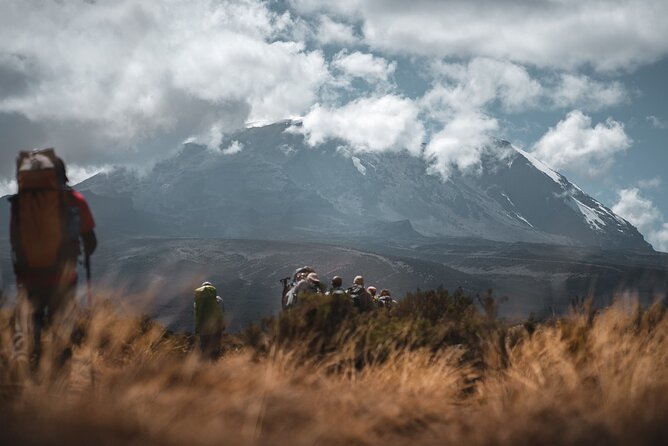
The day starts early, and that is good advice. Leaving Barranco Camp sooner helps you avoid some of the crowding that can develop on the wall.
The climb takes around an hour. It is steep in places, but no special climbing technique is required. At the top, you can rest and take photos with Kibo, the volcanic summit massif, behind you.
The route then becomes more demanding as you head toward Karanga Camp. The trail has several ups and downs, so this is not simply a steady climb. The guides set the pace to match the group, which is important because rushing here can leave you short of energy for summit night.
After warm lunch at camp, you take another acclimatization walk in the direction of Barafu Camp and return to Karanga. The day lasts about seven hours. This extra walk may seem like hard work when you are already tired, but it gives your body more time at altitude and helps you learn how you respond before the final push.
Day 6: Barafu Camp and a long rest before the summit
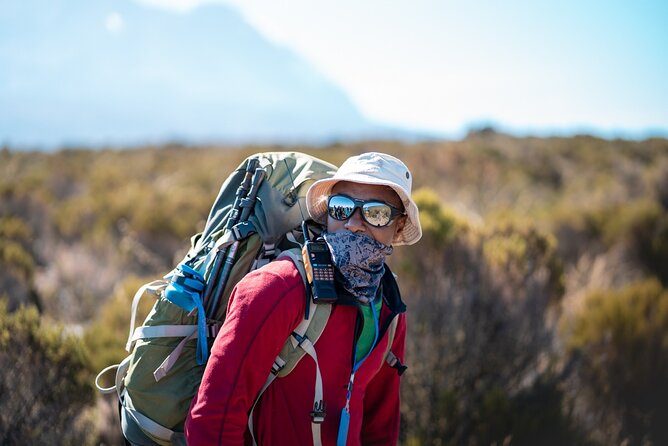
From Karanga, you walk to Barafu Camp at about 4,640 meters. This section takes roughly four hours, according to the stated schedule. The crew sets up the tents and sleeping bags ahead of time, so you can settle in without handling camp chores.
Barafu is the launch point for the night ascent. After lunch and a period of rest, you take an acclimatization hike toward Kosovo Summit Camp at around 4,800 meters, then return to Barafu for a hot dinner.
This day is less about distance than preparation. You need to eat, organize your clothing, protect your water from freezing, and sleep if you can. The schedule allows only a short rest before the night departure, so avoid wasting energy on unnecessary tasks.
The total summit day is listed at about 14 hours. That figure includes the ascent to Uhuru Peak, the descent to Barafu, and the continued walk to Millennium Camp. It is the hardest part of the trip by a clear margin.
Day 7: Uhuru Peak and the long descent
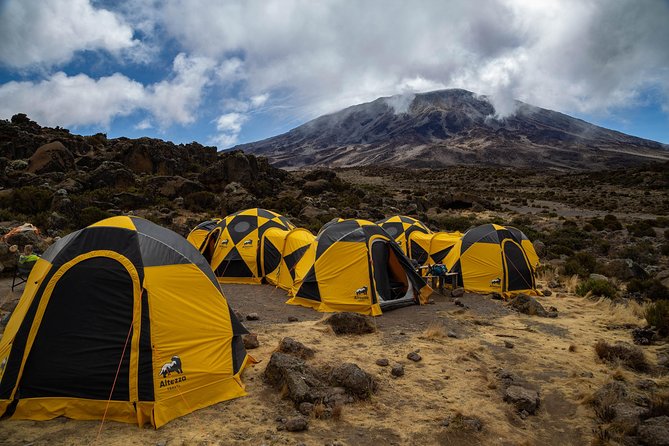
You leave Barafu during the night for Uhuru Peak at 5,895 meters. The route is not technically complex, but the altitude makes it slow and demanding. You climb in darkness, likely stopping often, with the pace set by your guide.
Each pair of climbers receives a personal guide for the ascent. That close attention is valuable during the hardest hours, when a guide needs to watch your breathing, balance, alertness, and mood. The guide team includes Wilderness First Response certified leaders, and named guides associated with this operation include Kombe, Elia, Joshua, Bosco, George, and Hamza. Your assigned team may be different.
At the summit, you have time for the achievement and the views, weather permitting. A descent toward the nearest glacier is offered if you wish, but do not treat it as required. You still have a long way to go.
After returning to Barafu, you rest for about two hours before descending to Millennium Camp at 3,820 meters. This is where tired legs need careful attention. Most accidents on the mountain occur during descent, so slow down, watch each step, and do not let excitement about finishing make you careless.
Day 8: Rainforest, Mweka Gate, and the return to Moshi
Millennium Camp sits in tropical rainforest, and the lower altitude should feel like a relief after the summit. After breakfast, you descend to Mweka Gate at about 1,640 meters.
The walk takes around five hours. The scenery changes quickly as the high, dry mountain gives way to thicker vegetation. At the gate, the group gathers, shares opinions in the company guestbook, and receives commemorative certificates at the office before transferring back to the hotel.
This night at the hotel matters. You get a proper room, hot water, and the chance to repack without a tent around you. Two hotel nights are included in the package, one at the beginning and one after the climb.
Day 9: A slow finish and airport transfer
The final day is set aside for rest and transfer to the airport. Hotel checkout is at 11:00 AM, though late checkout can be arranged for an extra fee if your flight leaves in the evening.
The package includes airport drop-off and all ground transportation. Lunch and dinner at the hotel are not included, with an average price of about $15 per person for either meal. Keep that in mind when working out the total cost.
Food, tents, guides, and the human support behind the climb
The strongest part of this package is how much daily work is handled for you. A cook prepares three meals a day, with choices available at each meal. Tea, coffee, juice, soda, and other drinks are included on the mountain.
Vegetarian, vegan, lactose-free, gluten-free, halal, and other meal plans are available. That is important because appetite often changes at altitude, and familiar food can make it easier to keep eating.
The crew includes porters, camp masters, cooks, and guides. The equipment package includes a dining tent, sleeping pads, tables, chairs, crockery, and cutlery. You are not simply carrying your own small tent and cooking for yourself at the end of a long day.
The highly praised part of the operation is the personal care from the guides and porters. Names such as Kombe, Donovan, Adam, Ally, Musa, Margaret, Catherine, and Ambery have been associated with past teams, but you should confirm your own guide assignments before departure. Tips are not included and are optional, based on your satisfaction.
Is $3,476 good value?
At $3,476 per person, this is not a budget mountain trip. But the price includes much more than trail guiding. Airport transfers, two hotel nights, ground transport, park fees, tents, mountain equipment, meals, drinks, medical supplies, guides, porters, cooks, and camp staff are all covered.
You still need to budget for international flights, a Tanzanian visa, personal gear, insurance covering trekking up to 6,000 meters, hotel meals beyond breakfast, and crew tips. Most nationals pay $50 for a visa at JRO, while US passport holders pay $100.
I see the package as good value for a climber who wants strong logistics and does not want to assemble separate suppliers. The price is harder to justify if you already own mountain equipment, have your own support team, or are comparing it with a shorter route. The seven-day Lemosho schedule gives you more acclimatization than a rushed climb, which is one of the better reasons to pay for it.
Who should book this Kilimanjaro climb?
I would recommend it to a reasonably fit first-time high-altitude climber who wants a supported challenge. You do not need to be an elite athlete, but you do need to manage long walking days, steep sections, cold nights, and a difficult summit push.
It also suits experienced hikers who want a well-organized ascent. The private group format can work well for friends, families, or a solo climber who is comfortable joining a support crew.
I would not choose it if you want a relaxed holiday with only occasional walking. The summit day begins at night and can last 14 hours. Altitude, not technical climbing, is the central difficulty.
Cancellation is free if you cancel at least 24 hours before the local start time. Changes or cancellations made later are not accepted for a refund.
Should you book it?
Book this climb if you value careful pacing, strong mountain support, included meals, and a route with several acclimatization walks. The Lemosho approach gives you varied scenery, a gradual build toward the summit, and a better chance to settle into the mountain than a short, hurried itinerary.
Before paying, confirm the exact gear rental costs, your insurance coverage, sleeping arrangements, dietary needs, and the likely guide team. If you accept that summit night will be cold, tiring, and demanding, this is a well-equipped way to take on Kilimanjaro with the practical details largely handled.
FAQ
How long does the full experience last?
The package lasts approximately nine days. Seven days are spent on the Kilimanjaro route, with hotel nights before and after the climb.
Is airport transportation included?
Yes. Pickup and drop-off at Kilimanjaro International Airport are included, along with all ground transportation during the trip.
What accommodation is provided?
Two hotel nights at Aishi Machame Hotel are included, with two people per room unless you are climbing solo. On the mountain, you sleep in North Face VE-25 tents, normally with two hikers per tent.
Are meals included?
Three meals a day are included on the mountain, along with drinks such as tea, coffee, juices, and soda. Breakfast is included at the hotel, while hotel lunch and dinner cost extra.
Can special diets be accommodated?
Yes. Vegetarian, vegan, lactose-free, gluten-free, halal, and other meal plans are available.
Is special climbing equipment included?
Group mountain equipment is included, including the dining tent, sleeping pads, tables, chairs, crockery, and cutlery. Personal gear such as hiking clothing, footwear, and a sleeping bag is not included, but rental is available.
What fitness level do I need?
You should have a moderate level of physical fitness. The route includes walking days of about five to eight hours, followed by a summit day of about 14 hours. The climb is not described as technically difficult, but altitude makes the upper sections demanding.
Just added in Moshi
- Kilimanjaro Airport Private Transfer from/to Moshi★ 5.0 · 14 reviews
- 6 Days Machame route Kilimanjaro climbing★ 5.0 · 22 reviews
- 7 Days Highlight of Tanzania Mid-Range Standard★ 5.0 · 22 reviews
- 4 Day Mid-range Serengeti Safari★ 5.0 · 22 reviews
- Kilimanjaro Climbing 5 days Marangu route★ 5.0 · 22 reviews
- Mt Kilimanjaro Climb – 7 days Machame★ 5.0 · 26 reviews
- 6 Days: Classic Camping( Tarangire, Manyara, Serengeti And Ngorongoro).★ 5.0 · 26 reviews
- 10-Day Predators Tanzania Safari Luxury Package★ 5.0 · 24 reviews
Kilimanjaro Treks, compared.
8-Day Small-group Lemosho Kilimanjaro Summit Trekking
Read our review →
5 Days Best of Tanzania Luxury Safari Northern Circuit
Read our review →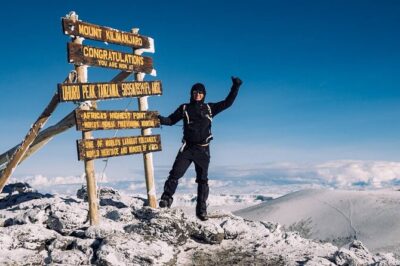
Climbing Kilimanjaro through 7 days Machame Route
Read our review →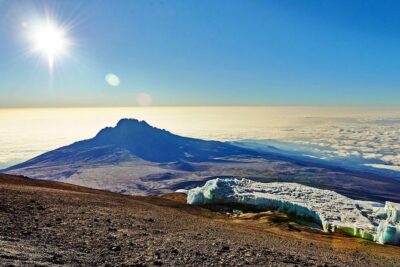
7-Day Machame Kilimanjaro Summit Tour from Arusha
Read our review →Browse the lists this tour appears in