
Reviewed · KILIMANJARO TREKS
8 Day Kilimanjaro Trek via Lemosho Route
The best thing about this Lemosho Route Kilimanjaro trek is its steady change of scenery. You begin in rainforest, cross the open Shira Plateau, pass the Lava Tower, and finish among rocks, ice, and thin air near Uhuru Peak. The route gives your body time to adjust instead of rushing straight upward.
I like the practical support here: three cooked meals a day and two daily health checks with an oximeter. I also like that the crew includes Wilderness First Responder guides, with Baraka and Baltazar among the guides named in the trip feedback. The main drawback is summit day, a demanding 14 to 16 hours on foot, after nearly a week of climbing.
Key points before you book
- Eight mountain days, ten calendar days: The trek includes arrival and departure days, two Moshi hotel nights, and eight days on the mountain.
- A gradual Lemosho ascent: The route reaches high ground at Lava Tower before dropping to Barranco Camp for sleep.
- Full mountain support: Porters carry your main equipment, while you carry only a day pack.
- Safety receives serious attention: Guides are certified Wilderness First Responders, and the crew conducts two health checks daily.
- Comfort comes at a cost: The $3,450 price covers park charges, transport, hotels, tents, meals, and crew support, but not airfare, insurance, equipment, or tips.
- A very long summit day: You leave Barafu Camp in the early morning, reach Uhuru Peak at 19,340 feet, and descend to Mweka Camp.
Why the Lemosho Route is worth the extra days
Kilimanjaro is not a technical climbing trip in the usual mountaineering sense, but it is a serious high-altitude walk. The challenge comes from altitude, cold, fatigue, and the long summit push. The Lemosho Route helps by spreading the climb over several days and giving you time to adjust.
This route also gives you more than a summit photograph. You move through several climate zones, beginning in thick forest and ending in an alpine desert near the summit. The changing vegetation helps you feel the mountain’s scale in a way a faster route may not.
The trip is private, so only your group participates. That matters if you want the walking pace, meal arrangements, and daily rhythm shaped around your party rather than a large mixed group. It also means you should choose companions carefully. A private trek can feel warm and flexible, but group fitness levels still affect the pace.
The price is $3,450 per person. That is a substantial outlay, but much of the major cost is already handled: national park fees, rescue and camping fees, airport transfers, ground transport, two hotel nights, mountain tents, sleeping mats, meals, guides, porters, and an emergency oxygen canister. You still need to budget for airfare, a visa, mountain clothing and equipment, travel and mountaineering insurance, hotel lunches and dinners, and tips for the mountain crew.
Other routes up the mountain from Moshi:
- Kilimanjaro climb by Lemosho Route (7-day)
★ 5.0 · 651 reviews - Kilimanjaro climb, Machame Route (7-day)
★ 5.0 · 262 reviews - Kilimanjaro Climbing Lemosho Route 8 Days.
★ 5.0 · 186 reviews
Day 1: Arriving in Moshi and getting organized
Your trip begins with pickup at Kilimanjaro International Airport and transfer to a hotel in Moshi. The package includes two nights at Kili Wonders Hotel or a similar property, with breakfast included.
The first evening is for rest and briefing. This is useful because you can check equipment, ask questions, and settle into the schedule before heading into the park. Lunch and dinner at the hotel are not included, so plan for those separately.
Moshi is the practical base for Kilimanjaro trips. You are not being asked to arrive at the trailhead and begin climbing immediately, which gives you a little breathing room after an international flight. Still, strong fitness is required, and you should treat the briefing as part of the climb, not as a casual orientation.
Day 2: Lemosho Gate to Mti Mkubwa Camp
The mountain portion starts at Lemosho Gate, at about 7,824 feet. From there, you walk through lush rainforest for three to four hours to Mti Mkubwa Camp, at 9,251 feet.
This is a gentle opening by Kilimanjaro standards. The rainforest provides shade and a softer introduction to the trail, though damp conditions can make the path feel slower. You will carry your day pack while porters handle the main equipment.
Mti Mkubwa means big tree, and the camp marks your first night in the mountain system. Do not judge your summit prospects by how easy or hard this day feels. The real test is the cumulative effect of altitude over the following week.
Day 3: Mti Mkubwa to Shira 1 Camp
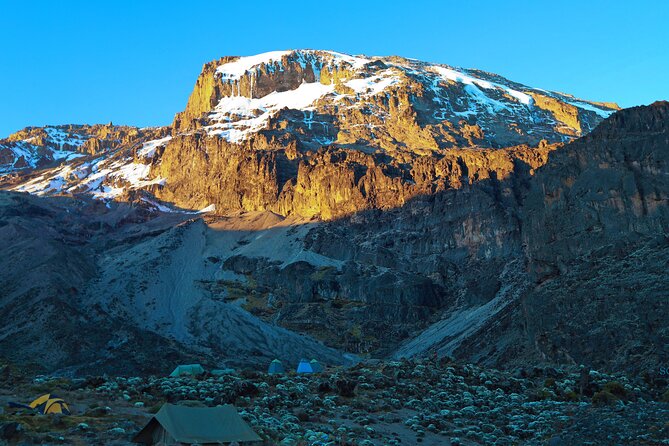
The route leaves the forest behind as you climb toward Shira 1 Camp, at 11,499 feet. The walk takes about five to six hours, with the vegetation becoming more open as you move above the tree line.
This is one of the days when the route begins to feel like a proper high-altitude trek. You gain more than 2,000 feet from the previous camp, so the slow pace matters. Your guides are expected to control the rhythm, and you should resist the common urge to walk quickly while you still feel fresh.
Shira 1 is your first clear sign that the mountain is changing. The rainforest is gone, and the air is thinner. Your chef prepares breakfast, lunch, and dinner each day, which is especially valuable here. Eating enough can become difficult at altitude, so regular meals remove one problem from your list.
Same base, a different kind of day out:
- Safari Serengeti And Ngorongoro
★ 5.0 · 288 reviews - Climbing Kilimanjaro – Machame Route
★ 5.0 · 170 reviews - Climbing Kilimanjaro through 7 days Machame Route
★ 5.0 · 151 reviews - Kilimanjaro climb, Lemosho Route (8-day)
★ 5.0 · 148 reviews
Day 4: Crossing the Shira Plateau to Shira 2
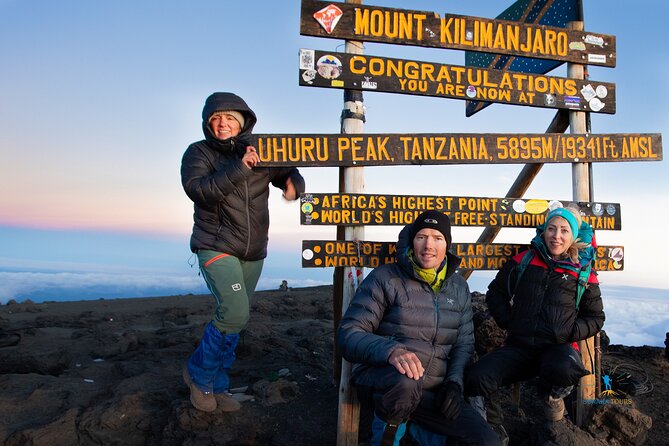
You continue from Shira 1 to Shira 2 Camp, at about 12,598 feet. The walking time is shorter, roughly four to five hours, but the altitude continues to rise.
The Shira Plateau is a broad, open part of the route. Instead of walking beneath trees, you cross a high, exposed area with sparse vegetation and wide views. Conditions can feel more severe here because there is less shelter from wind and weather.
This is a useful acclimatization day because the distance is manageable while your sleeping elevation increases. Your two daily health checks are important at this stage. The crew uses an oximeter and asks specific health questions, giving you a chance to report headaches, nausea, unusual tiredness, or other problems before they become serious.
Day 5: Lava Tower and the descent to Barranco
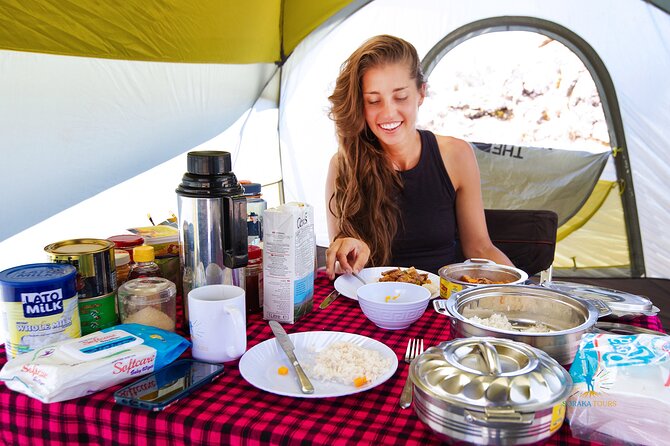
Day five is the key altitude-training day. You walk from Shira 2 to Barranco Camp, reaching Lava Tower at approximately 15,091 feet before descending to sleep at Barranco, at about 12,959 feet. The full day takes six to seven hours.
The climb to Lava Tower may feel rough even if you are fit. That is partly the point. You go high during the day, then sleep lower, giving your body exposure to a greater altitude without making you spend the night at the highest point reached.
The descent to Barranco also changes the mood of the day. You leave the stark Lava Tower area and head toward the dramatic Barranco setting. It is a long day, so keep your day pack light and use the support offered by the crew. Warm sleeping mats, a tent shared by two people, and a dining tent with tables and chairs make camp life more manageable.
Day 6: The Barranco Wall to Karanga Camp
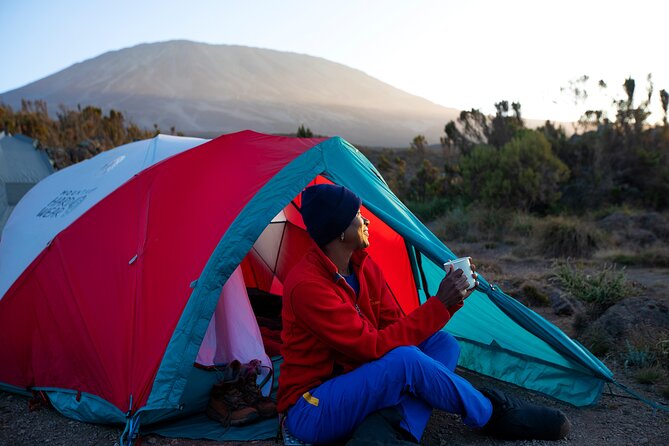
From Barranco Camp, you climb the famous Barranco Wall and continue to Karanga Camp, at 13,106 feet. The walking time is about four to five hours.
The Barranco Wall sounds more intimidating than it usually is for a strong hiker, but you should expect hands-on, uneven walking in places. Your guide’s job is to set a careful pace and help the group move safely through the steeper sections.
Karanga is a relatively short day on paper, yet you are now high enough that every step costs more energy. The camp provides a useful pause before the push to Barafu. Take the afternoon seriously: drink, eat, inspect your feet, and prepare the clothing and gear you will need for summit night.
Day 7: Karanga to Barafu Camp
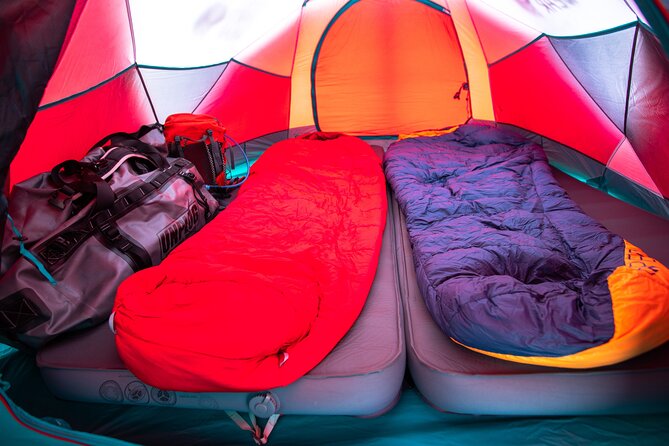
The route from Karanga to Barafu Camp takes four to five hours and reaches about 15,223 feet. Barafu is the last camp before the summit and the place where you rest before the hardest part of the trip.
There is no need to race this section. The goal is to reach camp with enough energy left for the summit attempt. Barafu is high and exposed, and sleeping may be uncomfortable. That is normal for this part of the climb, but you should report any health concerns during the crew’s checks.
The schedule often feels strange here because you need to rest before leaving in the early hours. Organize your summit clothing and day pack before lying down. The included sleeping mat helps, but you still need your own sleeping bag and personal climbing equipment.
Day 8: Uhuru Peak and the long descent
Summit day begins in the early morning from Barafu Camp. You climb to Uhuru Peak, at 19,340 feet, then descend all the way to Mweka Camp. The total day takes 14 to 16 hours.
This is the part of the trek that demands the most from you. The ascent is slow, cold, and tiring. Reaching the top is only half the day because the descent to Mweka still lies ahead. Save energy where you can, eat even when your appetite is low, and follow the guide’s pace.
The appeal is clear: Uhuru Peak is the highest point in Africa, and the route’s early start may put you near the summit around sunrise. The views can be extraordinary, but the summit is not guaranteed. Altitude affects people unpredictably, and a responsible guide may turn you around if your health is at risk.
Soraka provides emergency oxygen and a medical kit, and the guides are certified Wilderness First Responders. Those measures are reassuring, but they do not make the mountain safe in every circumstance. Mountaineering insurance is strongly recommended, and you should be honest during health checks.
The descent to Mweka Camp can be hard on tired knees. Trekking poles, sturdy boots, and good pacing matter here. You should expect to feel worn out when you arrive.
Day 9: Mweka Gate and a return to Moshi
The final mountain day takes you from Mweka Camp to Mweka Gate. After leaving the park, ground transportation returns you to the hotel for the included overnight stay.
This day is less dramatic than the summit push, but it has its own reward. You are moving back toward lower altitude, showers, a proper bed, and the everyday world. Do not schedule an important same-day flight. The route requires a transfer and a final hotel night is part of the plan.
Day 10: Airport transfer
The last day includes drop-off at the airport. The airport service covers Kilimanjaro International Airport, making this a fairly simple end to the trip.
The package is designed as a complete arrival-to-departure arrangement, but you should still keep your flight details aligned with the provided transfer plan. Any extra hotel nights or other transport arrangements are not listed as included.
Food, tents, and daily comfort
Three freshly prepared meals each day are one of the most useful parts of this package. The chef can accommodate vegetarian, gluten-free, halal, and kosher meal plans. Tell the operator about dietary needs before departure so the kitchen can plan properly.
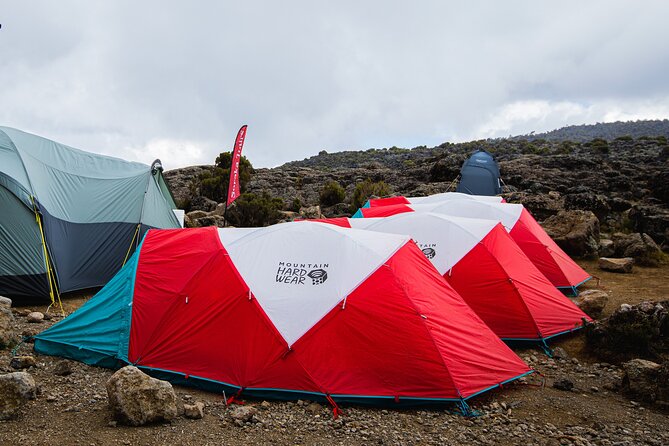
You sleep in four-season Mountain Hardware tents, with two people per tent. Single accommodation is available for an extra charge. The camp setup includes a dining tent, tables, chairs, cutlery, and warm sleeping mats.
This is not a luxury lodge trek. You still sleep in a tent at high altitude, deal with cold nights, and carry a personal day pack. But the dining setup and prepared meals can make the mountain routine feel much less rough than an unsupported hike.
Porters carry your main equipment, leaving you with your day pack. That does not mean the walk is easy. Your pack should still hold water, warm layers, rain protection, snacks, personal medication, and anything you need between camps.
The crew and the human side of the climb
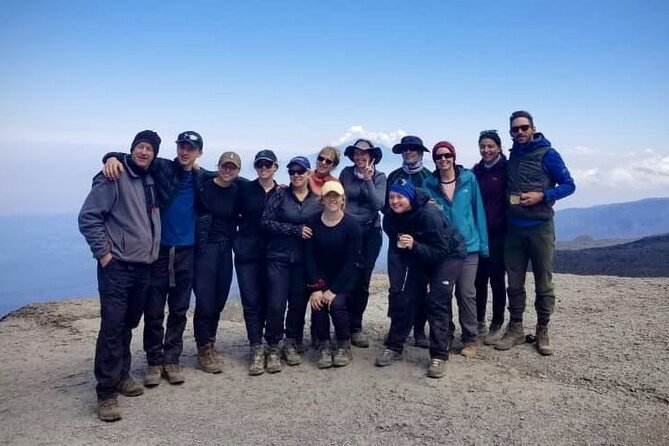
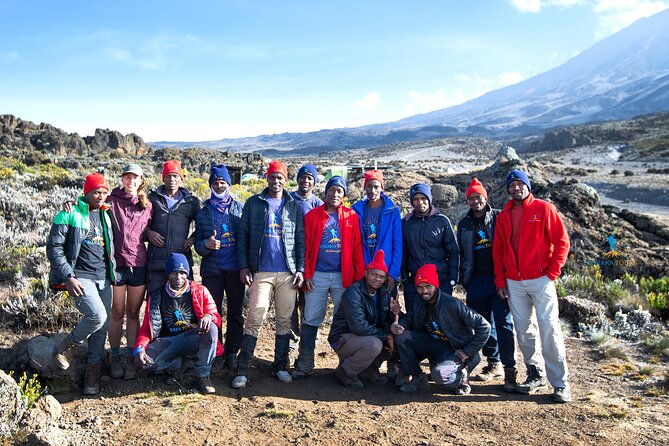
The strongest praise for this operation focuses on its people. Names that come up repeatedly include Baraka, Baltazar, and Sophia, with Baraka and Baltazar praised for their calm support and explanations of the mountain.
The team is described as friendly, flexible, and attentive, including during difficult situations. One climb involved a participant dealing with a twisted ankle, which makes the point that support matters most when the day does not go to plan.
The company also says mountain staff are paid fair wages set by KINAPA. You should still plan for tips, since gratuities are not included. Ask before the trip how many crew members will support your group and how tipping is normally handled.
Who should book this Kilimanjaro trek?
I would choose this trip if you want a slower route, strong logistical support, and a private group. It suits you if you are comfortable hiking for several hours a day, sleeping in tents, and managing a long summit day.
It is also a good fit if food matters to you. A dedicated chef and multiple dietary options are not minor details at altitude. You will need regular fuel, and familiar meal planning can make the week easier.
I would hesitate if you want a short, casual holiday or dislike cold camping. The summit day is very long, and the altitude can stop even fit people. You also need to purchase or rent personal gear, arrange insurance, and budget for tips and meals in Moshi.
The booking terms are fairly flexible before departure. You can cancel for a full refund up to 24 hours before the start time, based on local time. Cancellations or changes inside that window are not accepted.
Should you book the $3,450 Lemosho trek?
Book it if you value a gradual route and want the major logistics handled by an experienced mountain crew. The combination of park fees, transport, hotels, tents, meals, porters, daily health checks, and emergency equipment gives the price real substance.
Before paying, ask for a current equipment list, the expected guide-to-climber ratio, the tipping guidance, and the plan for altitude-related evacuation. If those answers are clear, this is a well-supported way to attempt Kilimanjaro.
Do not book it simply because the summit is on your bucket list. Book it because you are ready for eight demanding mountain days and understand that good guides can improve your chances, but cannot remove the risks of high altitude.
FAQ
How long does the full Kilimanjaro experience last?
The trip lasts about ten days. You spend the first day arriving in Moshi, eight days on the mountain from Lemosho Gate through Mweka Camp, and the final day traveling to the airport.
What is included in the $3,450 price?
The price includes Kilimanjaro National Park charges, rescue and camping fees, three daily mountain meals, airport pickup and drop-off, ground transportation, two hotel nights with breakfast, shared tent accommodation, dining equipment, warm sleeping mats, guides, porters, emergency oxygen, and a medical kit.
Are flights and travel insurance included?
No. Airfare, visa fees, travel insurance, and mountaineering insurance are not included. Mountaineering insurance is strongly recommended.
Can dietary requirements be accommodated?
Yes. The mountain kitchen can provide vegetarian, gluten-free, halal, and kosher meal plans.
Do I need to bring my own sleeping bag and boots?
Yes. Personal climbing equipment is not included. This includes items such as a sleeping bag and hiking boots.
Is this a private tour?
Yes. Only your group participates in the activity. Single tent accommodation is also available for an extra charge.
More Hiking & Trekking in Moshi
- Private Kilimanjaro Hike 7 Day Lemosho Route
★ 5.0 · 60 reviews - Best Kilimanjaro hiking day trip tour with Kilinge Adventures
★ 4.5 · 54 reviews - #1. Best Kilimanjaro Day hike Tour-Machame Route-ISMANI
★ 4.2 · 47 reviews - Best Kilimanjaro Adventure 7 days Machame route Trekking
★ 5.0 · 42 reviews
Just added in Moshi
- Wildlife Extravaganza: Manyara, Tarangire & Ngorongoro in 3 Days★ 5.0 · 3 reviews
- West Kilimanjaro cycling Adventures★ 4.5 · 8 reviews
- machame route★ 5.0 · 16 reviews
- Kilimanjaro Climb • Machame Route ~ 10 Day★ 5.0 · 6 reviews
- Kilimanjaro Climbing Umbwe Route★ 5.0 · 3 reviews
- Mt Kilimanjaro 6 days Marangu route hike★ 5.0 · 3 reviews
- Kilimanjaro Climb • Marangu Route ~ 9 Day★ 5.0 · 4 reviews
- 3 Days Private E-Bike Tour in West Kilimanjaro★ 5.0 · 3 reviews
Kilimanjaro Treks, compared.



8-Day Small-group Lemosho Kilimanjaro Summit Trekking
Read our review →

5 Days Best of Tanzania Luxury Safari Northern Circuit
Read our review →

Climbing Kilimanjaro through 7 days Machame Route
Read our review →
7-Day Machame Kilimanjaro Summit Tour from Arusha
Read our review →Browse the lists this tour appears in