
Reviewed · KILIMANJARO TREKS
Climbing Kilimanjaro – Machame Route
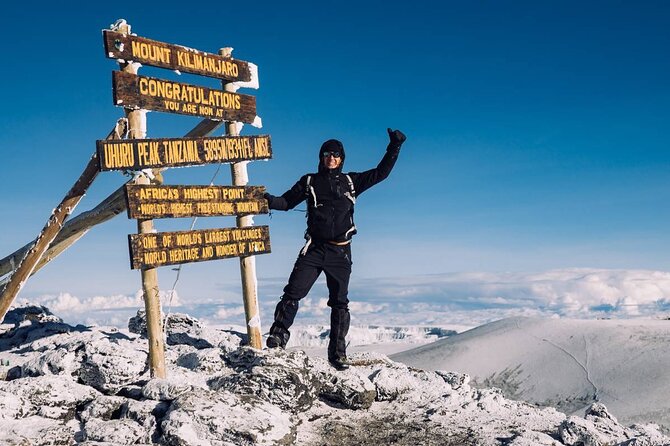
Kilimanjaro’s Machame Route gives you a full week of changing scenery, from wet rainforest to freezing summit scree. The real test comes on day five, when you leave Barafu Camp around midnight for Uhuru Peak at 5,895 meters.
I like the way the crew handles the heavy work: porters carry supplies, a cook prepares meals, and guides manage the route and safety checks. I also like the route’s dramatic shape, especially the climb to Lava Tower followed by a descent to Barranco Camp, which helps you spend time high before sleeping lower. The drawback is clear: six days is a hard schedule, with little spare time before the summit push.
Key points to know before you book
- The route changes scenery every day: rainforest, moorland, semi-desert, alpine desert, and summit scree all appear in one climb.
- The toughest section is day five: expect a midnight start, about eight hours to Uhuru Peak, then a long descent to Mweka Camp.
- The crew carries the camp: guides, porters, cook, and waiter are included, along with tents, mattresses, meals, boiled water, and a dining tent.
- The group is capped at 12 people: that is small enough for personal attention, though pace and morale can still vary within the group.
- The package covers a lot: park fees, rescue fees, airport transfers, mountain transport, and two nights at Springlands Hotel are included.
- An extra day may suit some hikers better: the six-day plan is demanding, and one group found it too short for enough rest and energy.
What the $2,322 price really buys you
At $2,322.06 per person, this is not a simple guided walk. The price includes the permits and support system needed for a high-altitude expedition.
You get two nights at Springlands Hotel in Moshi, one before and one after the climb. Return transport to the mountain is included, as are airport transfers to and from Kilimanjaro International Airport. On the mountain, the package covers national park fees, rescue fees, tents, sleeping mattresses, a mess tent, tables, chairs, eating utensils, and boiled water.
The food arrangement is another major part of the value. Breakfast, lunch, and dinner are provided on the mountain, with a cook and waiter assigned to the group. Several climbers were surprised by the quality and variety of the meals, which matters more than it may sound when you are hiking for hours at altitude.
You still need to budget for tips for guides, porters, the cook, and waiters. You also pay for climbing gear, personal items, visas, drinks and meals not listed, single-room supplements at the hotel, extra nights, and emergency oxygen. Read the gear requirements carefully before departure, since the package does not supply your personal climbing kit.
The full group limit is 12. That is a useful middle ground. You are not paying for a private climb, but the number is still manageable for safety checks, meal service, and communication with the guide team.
Other routes up the mountain from Moshi:
- Kilimanjaro climb by Lemosho Route (7-day)
★ 5.0 · 651 reviews - Kilimanjaro climb, Machame Route (7-day)
★ 5.0 · 262 reviews - Kilimanjaro Climbing Lemosho Route 8 Days.
★ 5.0 · 186 reviews
Day one: Machame Gate and the rainforest
The day begins with a briefing, breakfast, and a roughly 45-minute drive from Moshi to Machame village. Moshi sits at about 910 meters, while Machame village is around 1,490 meters.
The road condition affects how close the vehicle can get to the gate. If the road is poor, you may walk about three muddy kilometers from the village to Machame Gate. That transfer can take about an hour, so allow for a slower start than the schedule may suggest.
After registration, you enter the montane forest. The planned hike to Machame Camp is about 18 kilometers and takes roughly seven hours. The forest is the first major reward of the route, but the trail can feel long because you are beginning at low altitude and carrying your daypack.
A lunch pack is provided at the gate. Porters and crew organize the camping supplies while you hike, which lets you focus on your pace and footing. At Machame Camp, you sleep at about 2,980 meters.
This first day is a useful warning. The climb is not technical in the mountaineering sense, but it is a serious physical undertaking from the start. Good boots, dry layers, and a sensible pace matter more than trying to prove your fitness in the opening hours.
Day two: Moorland and the Shira Plateau
From Machame Camp, the trail climbs through the upper forest before reaching moorland. The route covers about nine kilometers and takes around six hours, though the daily schedule lists seven hours including breaks and camp routines.
The setting opens up as you leave the trees. You climb more gently for a time, then continue along a rocky ridge toward the Shira Plateau. This is where the mountain begins to feel broad and exposed, with views toward Kibo and the Western Breach glaciers.
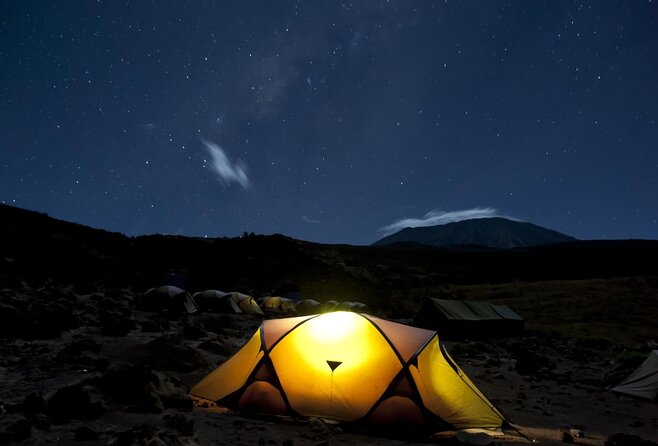
Shira Camp sits at about 3,840 meters. The camp is exposed, and temperatures can fall well below freezing at night. The crew boils water for drinking and washing, then serves dinner in the mess tent or camping area.
I would treat this night as a test of your cold-weather setup. Keep spare layers, gloves, and essential items inside your sleeping bag or close to your body as appropriate for your gear. The point is not comfort for its own sake. Cold hands and poor sleep can make the following days harder.
Day three: Lava Tower, altitude, and Barranco Camp
Day three is the route’s key acclimatization day and one of its hardest. You climb from Shira to Lava Tower at 4,630 meters, then descend to Barranco Camp at about 3,950 meters.
The distance is about 15 kilometers, with around seven hours of walking. The surroundings change to semi-desert, with rock and little shelter. After several hours, you reach Lava Tower for lunch. This is the high point of the day, and you may notice breathlessness, headaches, or irritability.
The descent to Barranco is not a wasted effort. Spending time at a higher point before sleeping lower is part of the route’s pacing plan. You still need to move carefully, though. The rocky path can be tiring, especially after the climb to Lava Tower.
Barranco Camp is known for the view toward the Barranco Wall. The next morning brings a steep, rocky section, so use the evening to organize your daypack and clothing. This is also a good time to tell your guide about any symptoms. The crew carries pulse oximeters and a first aid kit, but those tools do not replace honest communication.
Same base, a different kind of day out:
- Safari Serengeti And Ngorongoro
★ 5.0 · 288 reviews - Climbing Kilimanjaro through 7 days Machame Route
★ 5.0 · 151 reviews - Kilimanjaro climb, Lemosho Route (8-day)
★ 5.0 · 148 reviews - Kilimanjaro climb, Lemosho Route (6-day)
★ 5.0 · 129 reviews
Day four: Barranco Wall and the exposed Barafu ridge
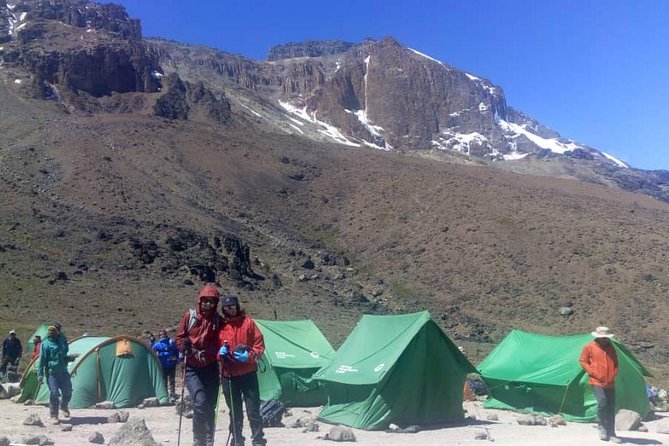
The route continues from Barranco toward Karanga Valley and then Barafu Camp. The listed hiking time is about seven hours, covering roughly 13 kilometers through alpine desert.
The Barranco section is one of the most memorable parts of the climb. It is steep and rocky, but the route is designed as a hiking ascent rather than a technical rock climb. You will use your hands at times for balance, and the pace can slow when the group is spread across the trail.
Barafu Camp sits at about 4,550 meters on a narrow, stony ridge. The area is exposed to strong winds, and the camp can feel stark after the shelter of the forest. Take care around camp, especially after dark, since the ground is uneven.
This is not a relaxed evening. Your final ascent begins the same night, so you need to prepare your headlamp, warm clothing, snacks, water, and camera batteries before lying down. The plan calls for a summit departure around 11:30 p.m.
Keep water from freezing as much as your equipment allows. The itinerary specifically advises carrying water in a suitable container and keeping spare batteries available. Small failures feel large at this altitude, so organize everything before fatigue takes over.
Day five: Uhuru Peak and the long descent
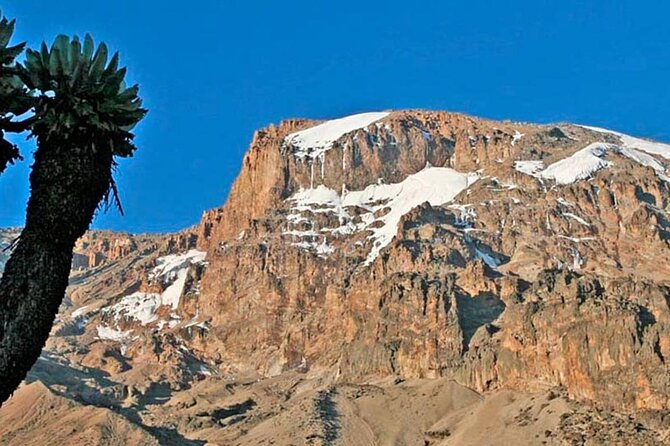
Summit day begins around 11:30 p.m. with tea and biscuits. You walk through the night toward Stella Point on the crater rim, climbing heavy scree in the direction of the northwest.
The ascent to Stella Point takes about six hours for many people. This is the most demanding part of the trek mentally and physically. The darkness hides much of the slope, the air is thin, and progress can feel slow.
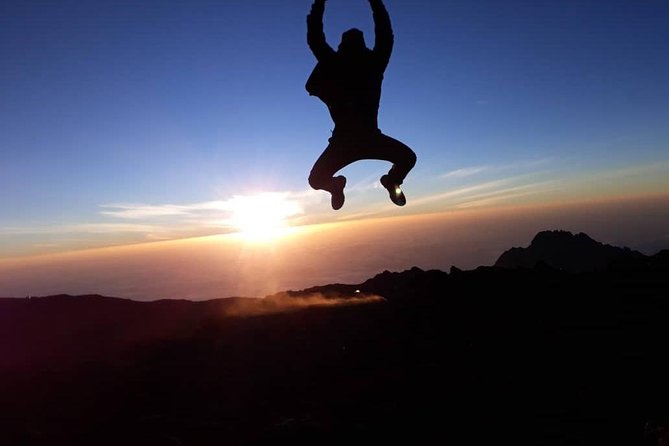
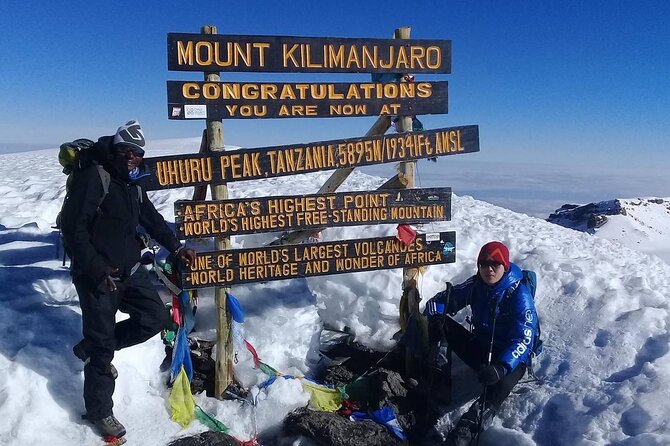
At Stella Point, around 5,685 meters, you pause briefly. If you continue to Uhuru Peak, the highest point on Kilimanjaro, you reach 5,895 meters. The reward is the sunrise and the view across the summit area, though conditions can be cold and visibility can change.
The schedule allows about eight hours to reach Uhuru Peak. You then descend around seven or eight hours to Mweka Camp, covering about 23 kilometers downhill after only seven kilometers of ascent. That is an enormous day.
The distance explains why the six-day itinerary is not for casual walkers. A group of seven found the schedule too physically demanding, with too little time to rest and recover energy, and only some continued to the summit. If you are uncertain about your fitness or altitude experience, ask Zara Tours about a longer Machame itinerary before committing.
Mweka Camp is at about 3,100 meters. Reaching it is a major relief, but do not expect to feel fresh. Eat, drink, and protect your knees on the descent. Guides may support you closely here, and the crew’s care can make a real difference. One climber singled out Reggie for helping during the final push, while other strong guide names connected with this route include Salim, Yesse Lema, Julius, Godlisten, Abdallah Chombo, Festo, and Mike.
Day six: Mweka Gate and the return to Moshi
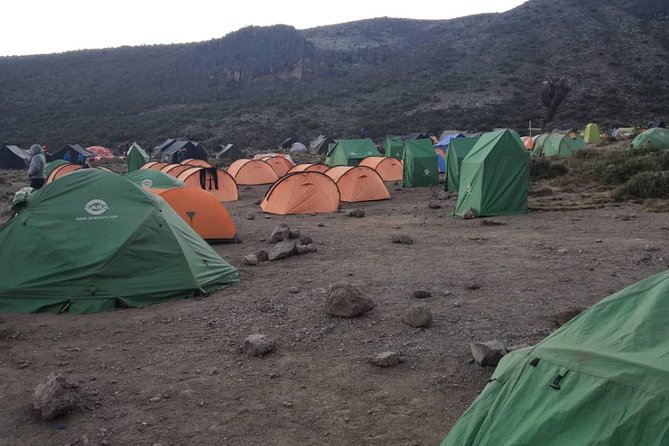
The final mountain section descends from Mweka Camp to Mweka Gate at about 1,980 meters. The hike is listed at roughly three hours, with a distance of about 15 kilometers through forest.
The trail may be muddy, and the walk from the gate toward Mweka village can add about an hour. Afterward, you drive to Springlands Hotel, where a hot lunch and shower are waiting.
This is when the support package feels especially useful. You are not searching for transport or food while tired and dirty. The hotel also provides the setting for tips and the presentation of summit certificates.
Climbers who reach Stella Point receive green certificates. Those who reach Uhuru Peak receive gold certificates. That distinction gives you a formal record of how far you climbed, including for anyone who had to stop short of the summit.
The crew, meals, and camp routine
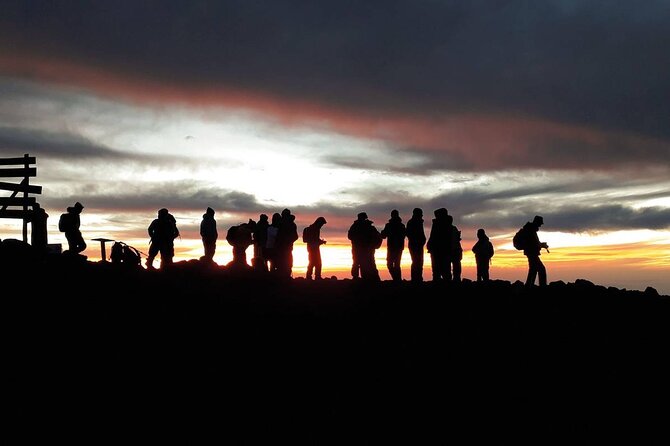
The guides do more than lead the trail. They manage the pace, monitor your condition, and help the group handle steep or exposed sections. English-speaking guides were repeatedly praised, and named guides such as Salim, Yesse Lema, Julius, and Godlisten were noted for route knowledge, care, and encouragement.
Porters carry equipment and supplies, while the cook prepares meals. A waiter is also included in the mountain crew. You dine in a mess tent with tables, chairs, candles, and standard eating utensils, rather than eating every meal from a packet in your tent.
That setup gives the climb a social rhythm. You walk during the day, gather for meals, and prepare for the next stage together. Food quality received particularly strong praise, with varied meals that surprised climbers who expected basic camp fare.
The practical question is crew welfare. Tips are not included, and they are highly appreciated. Plan this cost in advance and ask Zara Tours for current tipping guidance so you are prepared to thank the team fairly.
Who should choose this six-day climb?
I would choose this route if you want scenery, a demanding physical challenge, and a well-supported camp experience. You should have moderate physical fitness and be ready for seven-hour hiking days, cold nights, steep rocky ground, and one very long summit day.
This trip fits adventurous hikers who value the route itself as much as the summit. The Machame trail offers more changing scenery than a simple uphill march, and the Lava Tower to Barranco section gives the climb a strong rhythm.
I would hesitate if you need a generous rest schedule. The six-day version is compact, and the summit day follows a demanding approach to Barafu Camp. An extra day may provide a better margin for rest and altitude adjustment, especially if you are in your fifties, have limited hiking experience, or want more time to recover.
The maximum group size of 12 also matters. You get a shared expedition rather than a private trek. That can be encouraging, but your pace may not match everyone else’s, and group delays are possible.
Booking details worth noting
Pickup is offered, and mobile tickets are available. The stated meeting point is Kilimanjaro Airport, with operating hours listed every day from midnight to 11:30 p.m.
Confirmation is provided at booking. Free cancellation is available up to 24 hours before the experience begins, based on local time. Cancellations or changes inside that window are not accepted for a refund.
The package lists emergency rescue fees and pulse oximeters, but emergency oxygen is not included. Ask direct questions about medical procedures, personal gear, and the exact hotel room arrangement before you pay.
Should you book the Machame Route?
Book this climb if you want Kilimanjaro with strong logistical support, excellent scenery, and a crew that handles food, camp, transport, and mountain supplies. The price is substantial, but it covers the costly basics that make a guided summit attempt possible.
Think twice about the six-day schedule if you prefer a slower climb. The biggest concern is not the rainforest or the Barranco Wall. It is the compressed finish: Barafu Camp, a midnight start, Uhuru Peak, and a very long descent to Mweka all arrive in quick succession.
For a fit hiker who accepts cold, fatigue, and early starts, this is a serious but rewarding route. For anyone unsure about the pace, ask about a seven-day Machame option. The extra day may be worth more than saving time on the mountain.
FAQ
How long is the Machame Route experience?
The listed duration is six days, including the climb from Machame Gate to Mweka Gate and hotel accommodation in Moshi before and after the trek.
What is the highest point reached?
The summit is Uhuru Peak at 5,895 meters. Climbers who reach Stella Point at 5,685 meters but do not continue to Uhuru Peak receive a green certificate, while Uhuru Peak climbers receive a gold certificate.
Is transportation included?
Yes. The package includes return transport from Moshi to the mountain starting and finishing points, plus return airport transfers to Kilimanjaro International Airport.
Are meals included?
Yes. Breakfast, lunch, and dinner are provided on the mountain. The package also includes boiled water, a cook, a waiter, and dining equipment.
Where do I sleep during the climb?
You sleep in mountain tents with sleeping mattresses. The package also includes two nights at Springlands Hotel in Moshi, one before and one after the climb.
How many people can join the group?
The activity has a maximum of 12 participants.
Do I need to bring climbing equipment?
Yes. Personal climbing gear is not included. Items of a personal nature and emergency oxygen are also excluded.
Are tips included in the price?
No. Tips for guides, porters, the cook, and waiters are not included and are highly appreciated at the end of the trek.
Can I cancel for a full refund?
You can cancel at least 24 hours before the experience start time for a full refund. Cancellations or changes made less than 24 hours before the start time are not accepted for a refund.
Just added in Moshi
- Kilimanjaro Airport Private Transfer from/to Moshi★ 5.0 · 14 reviews
- Kilimanjaro Climbing 5 days Marangu route★ 5.0 · 22 reviews
- 6 Days Machame route Kilimanjaro climbing★ 5.0 · 22 reviews
- 7 Days Highlight of Tanzania Mid-Range Standard★ 5.0 · 22 reviews
- 4 Day Mid-range Serengeti Safari★ 5.0 · 22 reviews
- Private 4-Days Northern Circuit National Parks in Tanzania★ 4.5 · 26 reviews
- Machame Route 6 days 5 Nights/Kilimanjaro Climb★ 5.0 · 23 reviews
- Tanzania Safari – The Great Migration in the North of the Serengeti and Lake Natron★ 5.0 · 25 reviews
Kilimanjaro Treks, compared.
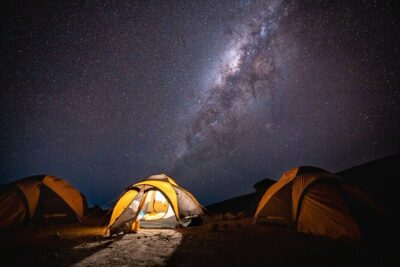
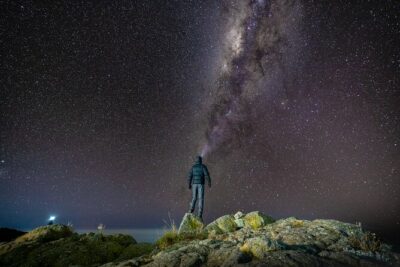
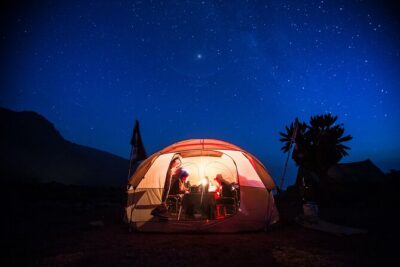
8-Day Small-group Lemosho Kilimanjaro Summit Trekking
Read our review →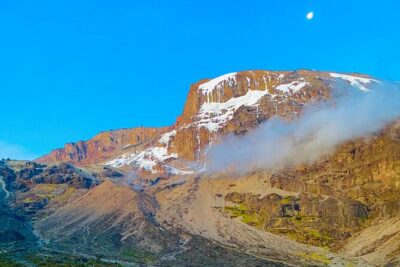
5 Days Best of Tanzania Luxury Safari Northern Circuit
Read our review →
Climbing Kilimanjaro through 7 days Machame Route
Read our review →
7-Day Machame Kilimanjaro Summit Tour from Arusha
Read our review →
7 Days Kilimanjaro via Machame route affordable price
Read our review →Browse the lists this tour appears in