
Reviewed · KILIMANJARO TREKS
6-Day Rongai Route Trek in Mount Kilimanjaro
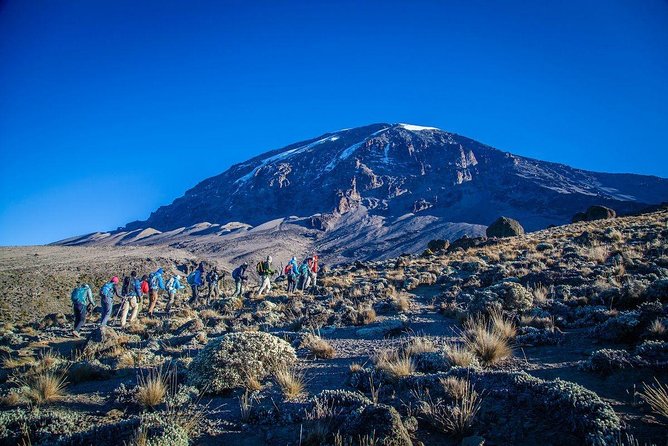
The Rongai Route gives you a different way up Kilimanjaro. You approach from the Kenyan border, walk through quiet northern country, and descend on the Marangu side. The gradual climb is friendly to your legs, while the remote opening days may offer a better chance of seeing wildlife than busier routes.
I like the low-crowd setting and the route’s steady ascent. I also like that the price includes guides, porters, a cook, camping equipment, meals, park fees, airport transfers, and hot wash water. The main drawback is the short six-day schedule, especially since summit day can last 10 to 16 hours.
- Northern approach: Start near Nale Moru and cross remote country close to Kenya.
- Five nights on the mountain: Sleep in tents or mountain huts, depending on the night.
- Gradual climb: Reach Kibo Hut at 4,700 meters before the summit attempt.
- Long summit day: Start around midnight, reach Gilman’s Point, continue to Uhuru Peak, then descend to Horombo.
- Experienced mountain team: Guides such as Tuma and Issa have been praised for safety, pacing, and summit encouragement.
- Price includes the major basics: Meals, park fees, porters, camping equipment, transfers, and emergency oxygen are included.
Why the Rongai Route feels different
Most people picture Kilimanjaro as a straight climb toward the summit. Rongai gives you a more varied journey. You begin on the mountain’s northern side, close to the Kenyan border, then cross toward Kibo and descend through the Marangu route.
That change of direction matters. You do not simply walk up and walk back down the same trail. The first days feel more remote, with views toward the Kenyan plains and less of the foot traffic associated with the Marangu approach.
The walking profile is also fairly gentle at first. Rongai is often regarded as one of Kilimanjaro’s easier routes because the ascent is gradual and steady. Do not confuse that with easy overall. The summit is still 5,895 meters high, and altitude remains the main test.
The route can also offer early wildlife sightings. Nothing is guaranteed, and the information provided does not promise specific animals, but the northern wilderness gives you a better chance than a heavily used trail.
What the $2,353 price covers
At $2,353 per person, this is not a cheap mountain walk. It is a full guided expedition with a large amount of practical support built into the cost.
You receive return transfers between Kilimanjaro Airport and Moshi, all fees and taxes, a qualified mountain guide, assistant guides, porters, and a cook. Camping gear includes tents, chairs, tables, and a sleeping mattress. You also receive fresh drinking water and hot water for washing each day.
Meals are supplied throughout the climb: five breakfasts, six lunches, and four dinners are listed. Dinner coverage appears to change with the route schedule, so confirm the exact meal plan before departure. Snacks, personal drinks, and meals not specified are your responsibility.
The value comes from the support system. Carrying your own tent, mattress, food, water, and group equipment would change the character of the climb. Here, the mountain crew handles much of that work, allowing you to concentrate on walking, eating, drinking, and managing your energy.
You still need to budget for flights, visas, insurance, personal medication, water-purifying tablets, snacks, and hiking gear. A portable toilet is optional but strongly recommended, and it costs extra. Personal gear can be rented from equipment shops in Moshi, which may help if you do not want to bring bulky items from home.
Other routes up the mountain from Moshi:
- Kilimanjaro climb by Lemosho Route (7-day)
★ 5.0 · 651 reviews - Kilimanjaro climb, Machame Route (7-day)
★ 5.0 · 262 reviews - Kilimanjaro Climbing Lemosho Route 8 Days.
★ 5.0 · 186 reviews
Day 1: Nale Moru and the northern forest
After breakfast at your Moshi hotel, you are collected by the head guide and driven to Kilimanjaro National Park. Registration takes place at Rongai Gate, followed by a vehicle transfer toward Nale Moru at about 1,950 meters.
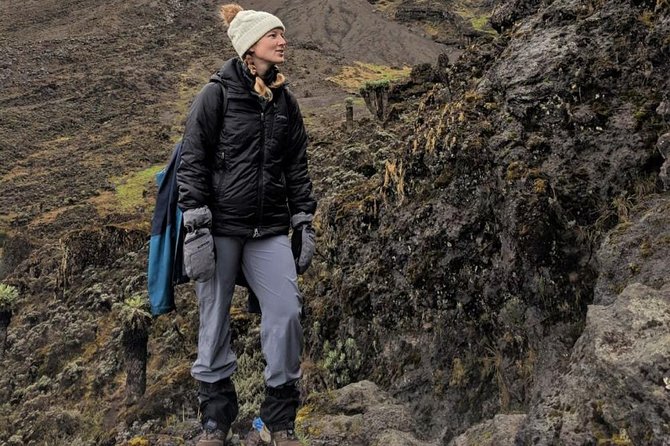
The first walking section lasts roughly three to four hours. The trail begins among fields of maize and potatoes before entering pine forest. You gradually gain height toward the moorland zone.
This is a pleasant opening day because the route does not throw you straight into a hard climb. The views over the Kenyan plains are the main reward. The forest can be wet, so keep waterproof clothing in your daypack rather than buried in your main luggage.
The stated route details use both Rongai Gate and Nale Moru, so the road transfer is part of the day. Your guide will handle the park entry process, but you should expect a road journey before the actual walking begins.
Day 2: Second Cave and Kikelelwa at 3,800 meters
Day two is longer, with about nine kilometers of walking and five to seven hours on the trail. You climb steadily toward Second Cave at around 3,450 meters, then continue toward the Kikelelwa Caves area, where camp is listed at 3,800 meters.
The big reward is the view of Kibo, Kilimanjaro’s main summit cone, along with the eastern ice fields on the crater rim. Weather controls how much you see. Cloud can hide the mountain, so do not treat a bad-weather day as a failure.
This is also where the altitude begins to matter more. The gain is listed as about 950 meters. Walk slowly, drink regularly, and listen to your guide. A gradual route helps, but it does not remove the need for careful pacing.
The night near Kikelelwa Caves gives you a more basic mountain-camp experience. You will be sleeping at high elevation, and the temperature can feel very different from Moshi. Keep warm layers and a headlamp close at hand.
Day 3: Mawenzi Tarn and a useful acclimatization walk
Day three covers about six kilometers in three to four hours. It is shorter than day two, but some sections are steeper. You leave the remaining vegetation behind and climb grassy slopes toward Mawenzi Tarn Hut at 4,330 meters.
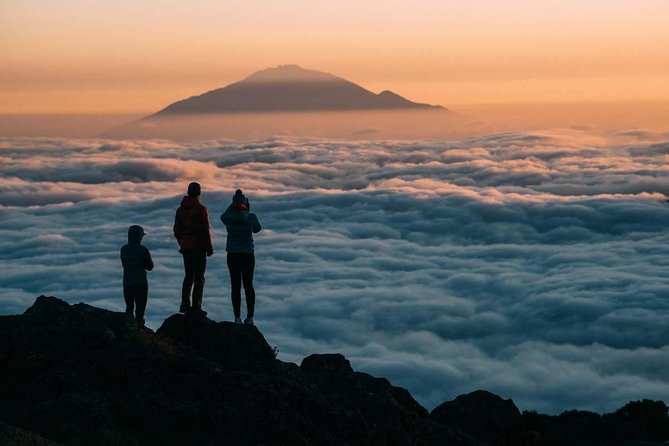
The setting changes quickly. The forest and moorland are now behind you, replaced by open high-altitude ground and wide views around Mawenzi Peak. The route feels more exposed and more serious, even though the walking day is shorter.
An afternoon acclimatization walk reaches about 4,500 meters before you return to camp. This extra climb is useful because it lets your body experience greater height without requiring you to sleep at the highest point reached that day.
Mawenzi Tarn is one of the more memorable camps on the route. It sits beneath the jagged Mawenzi massif, one of Kilimanjaro’s two main peaks. The day’s shorter distance gives you time to eat, rest, and prepare for the crossing toward Kibo.
Same base, a different kind of day out:
- Safari Serengeti And Ngorongoro
★ 5.0 · 288 reviews - Climbing Kilimanjaro – Machame Route
★ 5.0 · 170 reviews - Climbing Kilimanjaro through 7 days Machame Route
★ 5.0 · 151 reviews - Kilimanjaro climb, Lemosho Route (8-day)
★ 5.0 · 148 reviews
Day 4: Crossing the saddle to Kibo Hut
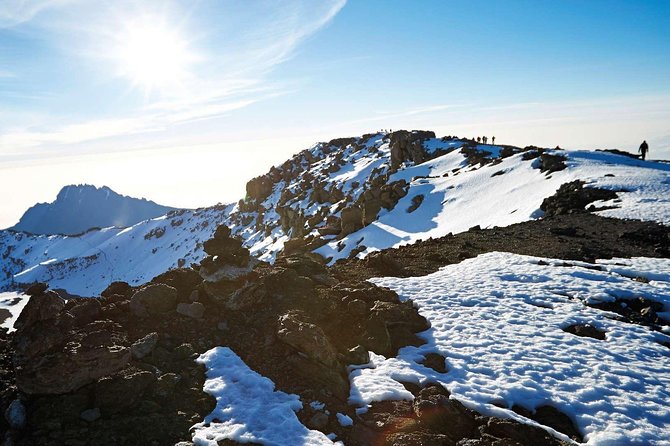
Day four takes you across the lunar-looking saddle between Mawenzi and Kibo. The walk is about nine kilometers and four to five hours, with an altitude gain of roughly 370 meters.
There is little shelter across this broad high-altitude zone. The terrain is open and spare, with the two great volcanic peaks framing the route. It is not a technical climb, but the height can make every step feel slower.
You arrive at Kibo Hut at 4,700 meters. An early dinner and an early attempt at sleep follow, since the summit start is scheduled for around midnight.
This is a demanding evening even before summit day begins. Keep your summit clothing, water, snacks, headlamp, and gloves ready. You will not want to search through luggage in the dark while the group is preparing to leave.
Day 5: Gilman’s Point, Uhuru Peak, and the long descent
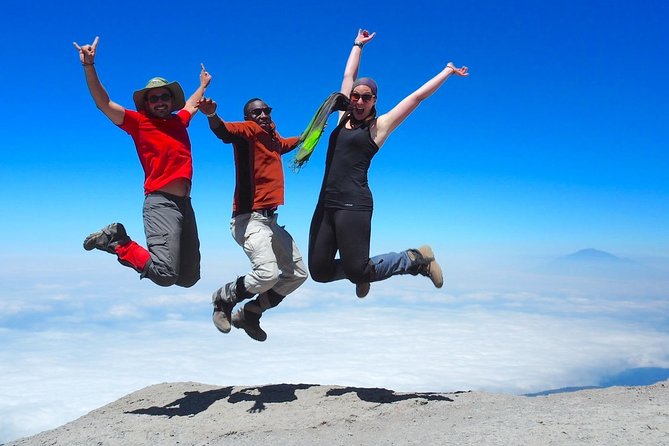
Summit day is the hardest part of the trek. You wake around midnight for a hot drink and snack, then begin walking by torchlight at a very slow pace.
The first major target is Gilman’s Point on the crater rim at 5,685 meters. The ascent is listed at about five to six hours, though the actual timing can vary. Reaching the rim near sunrise gives you a chance to rest and watch the light spread across Mawenzi Peak.
From Gilman’s Point, you continue to Uhuru Peak at 5,895 meters, the highest point in Africa. The additional height is significant, and some climbers will find this final section much harder than expected.
The ascent distance is about five kilometers. After reaching the summit, you descend to Kibo Hut at 4,700 meters for brunch and a rest. Then you continue to Horombo Hut at 3,720 meters.
The full day can last 10 to 16 hours. The listed descent distance is about 15 kilometers, with a total descent of roughly 2,195 meters. This is why the six-day schedule demands respect. You need enough fitness for a long day, but you also need patience and mental strength when the summit seems to take longer than planned.
The guide can make a real difference here. Tuma is specifically praised for careful attention to safety, while Issa is credited with encouraging a climber who was moving almost two hours behind schedule. Those names may not be your assigned guides, so confirm your team before departure, but they show the sort of support you should expect from a serious mountain operation.
Emergency oxygen is included for emergencies only. It is not intended to help you reach the summit when you are struggling with altitude. If you become seriously unwell, follow the guide’s instructions rather than treating oxygen as a shortcut.
Day 6: Descending through Marangu forest
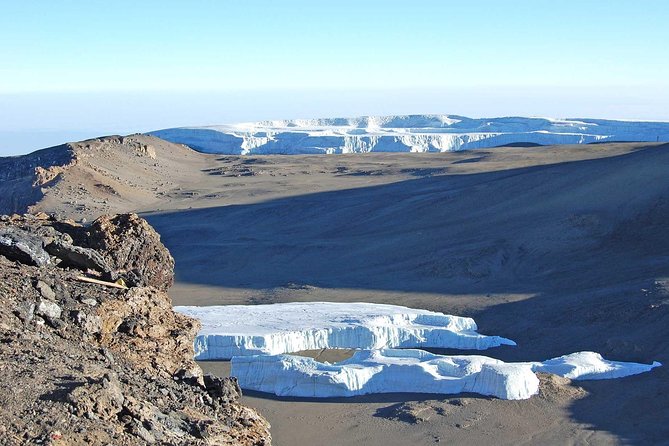
The final day is a five to seven-hour descent to Marangu Park Gate at about 1,700 meters. The stated distance is long, around 20 kilometers, but the trail runs through lush forest on good paths.
After the high, dry ground around Kibo, the forest can feel like a different world. The descent is easier on breathing but can be tough on knees and tired feet. Trekking poles may be useful, though personal hiking equipment is not included.
At the park gate, you sign out of the mountain. A driver then takes you to your hotel in Moshi or Arusha. The activity is described as ending back at the meeting point, with Moshi used as the main starting point.
Guides, porters, and the level of support
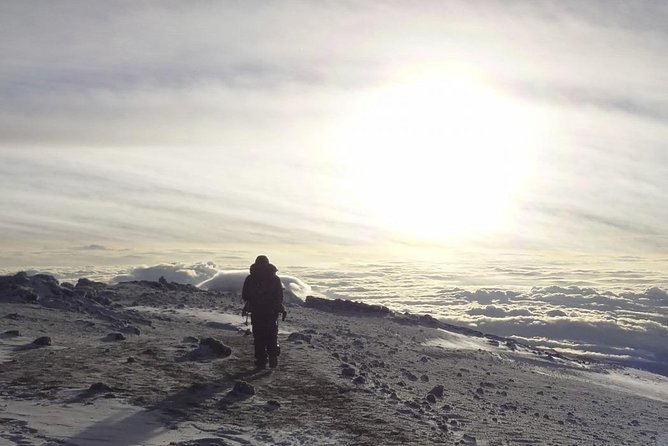
The support team is one of the strongest reasons to consider this climb. A head guide, assistant guides, porters, and a cook are included, along with their wages.
That arrangement gives you help with mountain logistics, meals, camp equipment, route decisions, and pacing. The guides are also responsible for basic safety. Several specific experiences praise the team’s professionalism, with special attention given to guide quality and porter effort.
You should still ask how porter welfare is handled, what weight each porter carries, and how tips are organized. Those details are not provided here, but they are sensible questions before booking any guided climb.
The experience is described as a private activity for your group, although group discounts are offered and one account describes joining an open group. Ask the operator to confirm the exact group setup and discount terms for your dates.
Who should choose this six-day climb
I would consider this route a good fit if you want a quieter approach, do not need luxury, and like the idea of entering on one side of the mountain and leaving on another.
It suits you if you can manage several hours of walking each day, sleep in basic mountain conditions, and accept a very long summit push. The gradual climb is helpful, but the short duration leaves less time for acclimatization than longer Kilimanjaro routes.
It may not suit you if you want a relaxed schedule, private bathrooms, or a short summit day. A portable toilet is recommended but optional, and personal gear is not supplied unless you arrange rentals in Moshi.
Most people can participate according to the supplied information, but that should not replace honest preparation for high altitude. Travel and health insurance are not included, and you should arrange both before arrival.
Booking, cancellation, and practical planning
Pickup is offered from Moshi, and the package includes airport transfers to and from Kilimanjaro Airport. The listed operating hours cover every day from midnight to 11:30 p.m., which reflects the fact that summit preparation begins around midnight.
Confirmation is provided at booking. The cancellation rule allows a full refund if you cancel at least three full days before the experience start time. Cancellations or changes made inside that period are not accepted for a refund.
Plan to arrive with waterproofs, warm layers, suitable trekking shoes, personal medicine, snacks, and any water-purifying tablets you want to use. Keep waterproofs in your daypack on the first day, since the forest can be wet.
Should you book the Rongai Route?
Book it if quiet northern trails, a gradual ascent, and a full support crew matter more to you than a leisurely summit schedule. The route offers a good mix of forest, moorland, high desert, Mawenzi views, and a different descent through Marangu.
Think carefully if you are new to high altitude or dislike very long walking days. The summit push can last up to 16 hours, and the $2,353 price does not include flights, visas, insurance, snacks, personal gear, or the recommended portable toilet.
For a prepared climber who wants a less crowded route and values strong guide support, this is a well-rounded Kilimanjaro plan. Before paying, confirm the group format, meal schedule, guide assignment, rental options, and porter arrangements. Those answers will tell you if the package matches your expectations.
FAQ
Where does the Rongai Route trek start?
The trek starts in Moshi, Tanzania. You are collected after breakfast and transferred to Kilimanjaro National Park, Rongai Gate, then toward Nale Moru.
How long does the trek last?
The trek lasts approximately six days.
How high is Uhuru Peak?
Uhuru Peak is 5,895 meters above sea level.
How long is summit day?
Summit day may take about 10 to 16 hours in total. The schedule includes a midnight start, ascent to Gilman’s Point and Uhuru Peak, descent to Kibo Hut, and continued descent to Horombo Hut.
Are meals included?
Yes. The package lists five breakfasts, six lunches, and four dinners, along with fresh drinking water and hot water for a daily wash. Snacks and meals not specified are not included.
Is camping equipment included?
Yes. Tents, camp chairs, tables, and a sleeping mattress are included.
Is airport transportation included?
Yes. Return transfers between Kilimanjaro Airport and Moshi are included.
Can I cancel for a full refund?
Yes, if you cancel at least three full days before the experience start time. Cancellations or changes made less than three full days before the start time are not accepted for a refund.
More Hiking & Trekking in Moshi
- Private Kilimanjaro Hike 7 Day Lemosho Route
★ 5.0 · 60 reviews - Best Kilimanjaro hiking day trip tour with Kilinge Adventures
★ 4.5 · 54 reviews - #1. Best Kilimanjaro Day hike Tour-Machame Route-ISMANI
★ 4.2 · 47 reviews - Best Kilimanjaro Adventure 7 days Machame route Trekking
★ 5.0 · 42 reviews
Just added in Moshi
- Wildlife Extravaganza: Manyara, Tarangire & Ngorongoro in 3 Days★ 5.0 · 3 reviews
- machame route★ 5.0 · 16 reviews
- West Kilimanjaro cycling Adventures★ 4.5 · 8 reviews
- Kilimanjaro Climb • Machame Route ~ 10 Day★ 5.0 · 6 reviews
- Kilimanjaro Climbing Umbwe Route★ 5.0 · 3 reviews
- Mt Kilimanjaro 6 days Marangu route hike★ 5.0 · 3 reviews
- 3 Days Private E-Bike Tour in West Kilimanjaro★ 5.0 · 3 reviews
- Private Cycle to Kilimanjaro Bike Park Safari★ 5.0 · 6 reviews
Kilimanjaro Treks, compared.



8-Day Small-group Lemosho Kilimanjaro Summit Trekking
Read our review →

5 Days Best of Tanzania Luxury Safari Northern Circuit
Read our review →

Climbing Kilimanjaro through 7 days Machame Route
Read our review →
7-Day Machame Kilimanjaro Summit Tour from Arusha
Read our review →Browse the lists this tour appears in