
Reviewed · KILIMANJARO TREKS
Pedal power the villages on foothills of Mt. Kilimanjaro
The best part of this half-day ride is the chance to see ordinary Chagga life below Mount Kilimanjaro rather than simply admire the mountain from a roadside viewpoint. You pedal through banana and coffee farms, pass village centers, and stop at a school, markets, and a coffee plantation. I especially like the local focus and the fact that lunch, a mountain bike, helmet, and one liter of water are included.
I also like the small-group setup, since this is a private activity for your party alone. Guides such as Charles and Saït add a personal touch, with Charles praised for his explanations of local culture and Saït noted for patience. The main consideration is fitness: this is not a casual bicycle outing, and you need intermediate cycling skills and a moderate level of fitness.
Key points at a glance
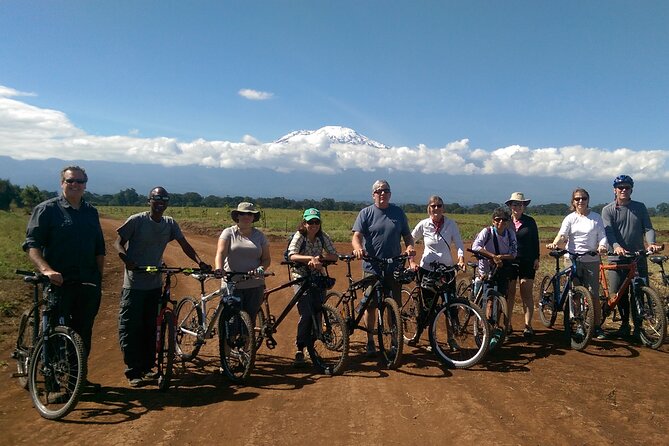
- Ride through Chagga villages: The route takes you into village areas around Kibosho Magharibi, with stops that show daily life rather than only scenic views.
- Coffee has a central role: At Mweka, you visit a coffee plantation and learn about coffee’s place in Tanzania.
- A private activity: Only your own group participates, allowing the guide to adjust the pace and explain local customs.
- Lunch and water are included: You receive a lunch box and one liter of bottled water, useful on a five- to six-hour ride.
- Intermediate fitness is needed: You should be comfortable spending several hours on a mountain bike.
- Moshi finish: The ride ends in Moshi town at Coffee Union Cafe, while the listed starting point is Mr. Price Village.
Why this ride gives you a better view of Moshi
Moshi is often treated as a staging point for climbing Mount Kilimanjaro. That is a shame. The lower slopes and foothills are home to farms, village roads, markets, and long-established Chagga communities. A bicycle lets you move through these places at a slower pace than a vehicle, with time to stop and look around.
The route links two areas, Kibosho Magharibi and Mweka. You are not simply cycling in circles for exercise. The ride is built around local life, farming, Chagga culture, coffee, and the stories connected with Kilimanjaro.
That makes this a good choice for a day before or after a climb, but you do not need to be a mountaineer to appreciate it. The experience offers a useful introduction to the communities that live on the mountain’s lower slopes.
Other routes up the mountain from Moshi:
- Kilimanjaro climb by Lemosho Route (7-day)
★ 5.0 · 651 reviews - Kilimanjaro climb, Machame Route (7-day)
★ 5.0 · 262 reviews - Kilimanjaro Climbing Lemosho Route 8 Days.
★ 5.0 · 186 reviews
Starting in Kibosho Magharibi
The first major part of the outing lasts about three hours. In Kibosho Magharibi, you ride through villages and farm areas, with regular stops at village centers, a local school, and markets.
The appeal is the variety. You get movement on the bike, then short breaks where the guide can explain what you are seeing. The stops also keep the ride from becoming a long, tiring stretch of pedaling without context.
The banana and coffee farms are especially important. They connect the scenery to daily work and food production. Rather than treating the countryside as a pretty backdrop, the guide can explain how farming fits into Chagga life and how coffee became part of Tanzania’s story.
The school stop may be of interest to you if you want a clearer sense of community life. The available information does not promise a formal school visit or a set meeting with teachers, so think of it as a planned stopping point rather than a guaranteed classroom tour.
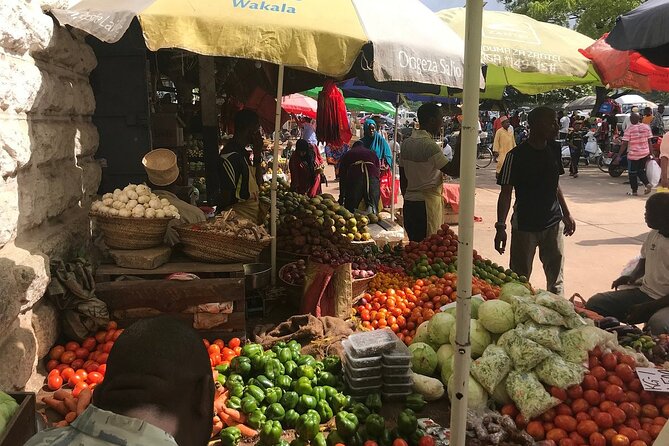
Markets and village centers add another practical layer. These are places where local commerce happens, and they can help you understand how small communities function. The pace may vary depending on the day and local conditions, so do not expect every stop to feel like a staged attraction.
Meeting the Chagga communities
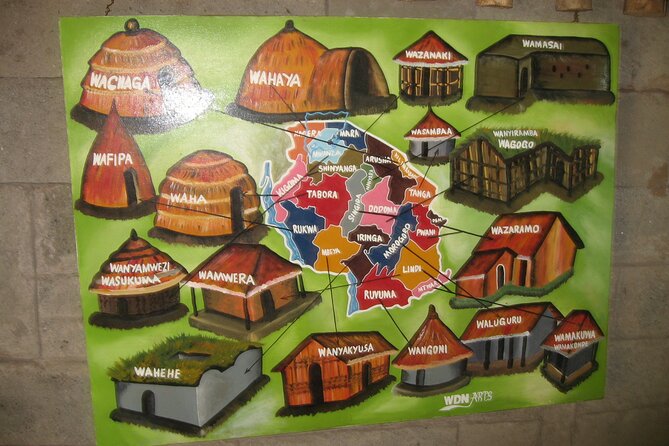
The tour places the Chagga people at the center of the experience. Your guide introduces the traditions and history connected with the communities living around Kilimanjaro, along with the legends associated with the mountain.
This is where the guide matters most. Charles, who leads some departures through Safari by Leo, is described as able to explain the history and culture of different tribes. Saït is noted for being patient and showing the real life of Moshi. Those details are useful if you prefer a guide who talks with you rather than simply points out landmarks.
Because this is a private tour, you can ask questions as they come up. You may want to ask about farming, village organization, coffee production, or the relationship between Kilimanjaro and local identity. A private format is often worth more than a larger group here because the value comes from conversation and explanation.
You should still approach village visits with courtesy. Ask before photographing people, homes, schools, or market activity. The experience is strongest when you treat the communities as places where people live, not as scenery for a bicycle excursion.
The one-hour coffee stop in Mweka
The Mweka section lasts about one hour and focuses on coffee plantation sightseeing. The guide explains coffee’s history in Tanzania and how it fits into the country’s farming traditions.
For many visitors, this will be the most distinctive part of the day. Coffee is not just something served at breakfast; it is a major part of the local economy and a useful way to understand the relationship between land, labor, and trade.
The stop is shorter than the village ride, so you should not expect a full-day agricultural course. Still, it adds purpose to the route. You see where coffee is grown, then hear about its background from someone who can connect the plantation to Tanzania’s wider story.
The description does not specify a tasting, roasting demonstration, or coffee purchase. Do not book this expecting those particular activities. The confirmed focus is sightseeing and learning about the plantation’s history.
Same base, a different kind of day out:
- Safari Serengeti And Ngorongoro
★ 5.0 · 288 reviews - Climbing Kilimanjaro – Machame Route
★ 5.0 · 170 reviews - Climbing Kilimanjaro through 7 days Machame Route
★ 5.0 · 151 reviews - Kilimanjaro climb, Lemosho Route (8-day)
★ 5.0 · 148 reviews
What the cycling is really like
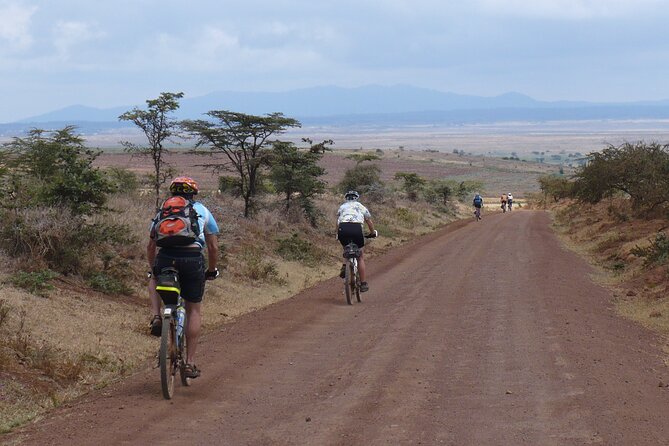
The tour lasts roughly five to six hours, including the village and coffee stops. You use a mountain bike supplied by the operator, along with a helmet. The bikes were praised as good quality, but you should still provide your height when booking so the operator can prepare a suitable size.
Intermediate cycling ability is required. The route passes through village and farm areas, so you should be ready for an active ride rather than a flat, leisurely cycle along a paved promenade. The exact surface and elevation details are not provided, so it is sensible to ask about current route conditions before booking.
Moderate physical fitness is also listed as a requirement. You need enough stamina for several hours of riding, stopping, listening, and continuing. If you have just completed a demanding Kilimanjaro climb, you may find the outing more tiring than expected. If you are planning to climb soon, consider how a half-day bike ride fits into your rest schedule.
The guide can likely help with pacing because the activity is private, but do not assume that the ride can be transformed into a gentle sightseeing trip. If you are unsure of your ability, ask the operator about distance, hills, and terrain before you commit.
Lunch, water, and the value of the $55 price
At $55 per person, the tour offers good value if you want transport-free access to several local themes in one outing: cycling, village life, coffee farming, Chagga culture, and a Moshi finish. The fee includes the mountain bike, helmet, guide, lunch box, and one liter of bottled water.
The lunch matters more than it may sound. Cycling for five or six hours can leave you hungry, and one direct account described the lunch as enormous. That suggests you should not need to plan a separate midday meal, though the exact menu is not stated.
One liter of water is supplied, but you may want to bring extra water if you normally drink a lot during exercise. The tour includes a lunch box and bottled water, not a full range of snacks or sports drinks.
Private participation adds value. You are not paying only for a bike rental. You receive a guide who links the route to local history and culture, and your group does not have to match the pace of strangers. For a first visit to the foothills, that combination makes the price easier to justify.
Transport and timing details to confirm
The listed starting point is Mr. Price Village on Kilimanjaro Road. The ride ends at Coffee Union Cafe on Arusha Road in Moshi town. The scheduled operating hours are 8:30 a.m. to 2:30 p.m., Monday through Sunday.
Pickup is offered, but private transportation is also listed as not included. That wording deserves attention. Before booking, confirm exactly where pickup is available, if it costs extra, and how you will reach Mr. Price Village if you arrange your own way there.
The Moshi finish is convenient if you are staying in town or have plans there afterward. Allow some flexibility, since a village stop, market visit, or weather change can affect the exact finish time.
The activity requires good weather. If poor weather causes cancellation, you can choose another date or receive a full refund. You can also cancel for a full refund if you do so at least 24 hours before the start time. Changes or cancellations made inside that window are not accepted for a refund.
Who will enjoy this most
I would recommend this ride to you if you want active sightseeing and prefer local encounters to a checklist of major sights. It suits people who are comfortable on a mountain bike and curious about how communities around Kilimanjaro live and work.
It is also a strong option for anyone who wants more context before a mountain climb. The Chagga story, coffee farming, and village stops give you a wider understanding of the area than a hotel-to-trailhead transfer can provide.
Families with older, active children might consider it, but the moderate fitness requirement matters. The available information does not give a minimum age, child-bike details, or a shorter route, so ask the operator before booking for younger riders.
This is less suitable if you want a relaxed vehicle tour, a short bicycle ride, or a highly polished cultural performance. The appeal is the physical effort and the everyday setting. You should be comfortable with some uncertainty in the rhythm of village travel.
Practical preparation for the ride
Wear clothing that allows easy movement and shoes suitable for cycling. Bring sun protection and any personal snacks you like, since only lunch and one liter of water are confirmed.
Give the operator your height when booking so the bike can be sized properly. Also tell the guide about your fitness level and any concerns before the ride starts. Since the route details are not fully specified, ask about hills, road surfaces, distance, and the expected pace.
Carry a little patience. A market, school, or village stop may not run on a strict sightseeing timetable. That is part of the point, but it also means this is not a tightly scripted attraction with every minute controlled.
Should you book this Moshi bike tour?
Book it if you want to pedal into the foothills, meet the cultural side of Kilimanjaro, and learn how coffee and village life connect. The private format, included equipment, substantial lunch, and guides such as Charles and Saït make it a useful value at $55.
Skip it if you lack intermediate cycling skills, dislike active days, or need firm details about route distance and terrain before committing. For the right rider, this is a thoughtful way to spend a morning and early afternoon in Moshi, with far more local context than a quick mountain viewpoint stop.
FAQ
How long does the bike tour last?
The experience takes approximately five to six hours. The Kibosho Magharibi portion lasts about three hours, and the Mweka coffee plantation stop lasts about one hour, with additional time for riding and breaks.
What is included in the price?
The price includes use of a bicycle, a helmet, a mountain bike guide, a lunch box, and one liter of bottled water.
Is transportation included?
Pickup is offered, but private transportation is listed as not included. Confirm the pickup arrangement and any related cost before booking.
Where does the tour start and finish?
The listed starting point is Mr. Price Village on Kilimanjaro Road, Tanzania. The tour ends at Coffee Union Cafe on Arusha Road in Moshi town.
What level of fitness is required?
You need intermediate cycling skills and a moderate level of physical fitness. The outing lasts five to six hours and involves mountain biking through village and farm areas.
Can I cancel for a refund?
Yes. You can receive a full refund if you cancel at least 24 hours before the experience starts. Poor weather cancellations offer a different date or a full refund.
Just added in Moshi
- Wildlife Extravaganza: Manyara, Tarangire & Ngorongoro in 3 Days★ 5.0 · 3 reviews
- West Kilimanjaro cycling Adventures★ 4.5 · 8 reviews
- machame route★ 5.0 · 16 reviews
- Kilimanjaro Climb • Machame Route ~ 10 Day★ 5.0 · 6 reviews
- Kilimanjaro Climbing Umbwe Route★ 5.0 · 3 reviews
- Mt Kilimanjaro 6 days Marangu route hike★ 5.0 · 3 reviews
- 3 Days Private E-Bike Tour in West Kilimanjaro★ 5.0 · 3 reviews
- Private Cycle to Kilimanjaro Bike Park Safari★ 5.0 · 6 reviews
Kilimanjaro Treks, compared.



8-Day Small-group Lemosho Kilimanjaro Summit Trekking
Read our review →

5 Days Best of Tanzania Luxury Safari Northern Circuit
Read our review →

Climbing Kilimanjaro through 7 days Machame Route
Read our review →
7-Day Machame Kilimanjaro Summit Tour from Arusha
Read our review →Browse the lists this tour appears in