
Reviewed · KILIMANJARO TREKS
7 Day Trek To The Roof Of Africa Kilimanjaro via Machame Route
The big draw here is the route itself: you climb from tropical rainforest to Africa’s highest summit, passing moorland, high alpine desert, glaciers, and the famous Barranco Wall along the way. This is a serious trek, not a scenic stroll, but the slow seven-day mountain plan gives your body useful time to adjust.
I like the acclimatization hike to Lava Tower, and I like that the package includes airport transfers, hotel nights, meals, tents, park fees, emergency oxygen, and twice-daily health checks. The main concern is the summit day: reaching 19,341 feet and then descending to Mweka Camp in one long push demands strong fitness, patience, and careful attention to altitude symptoms.
Key points to know before booking
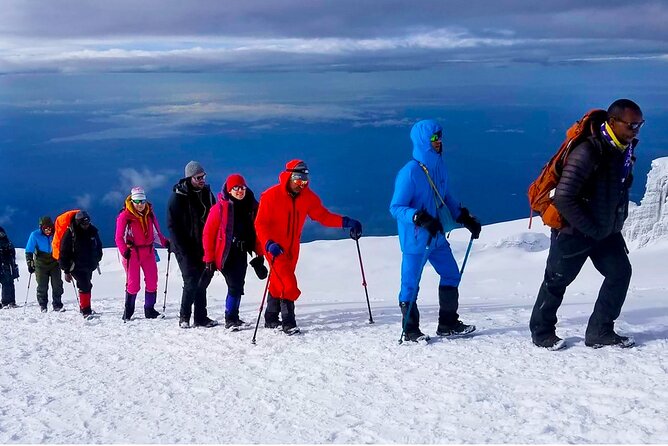
- Rainforest to glacier country: The Machame Route changes scenery almost every day, from dense forest to stark alpine desert.
- Lava Tower acclimatization: Day four takes you up to 15,190 feet before sleeping lower at Barranco Camp, a useful high-climb, low-sleep pattern.
- A demanding summit day: You climb from Barafu Camp to Uhuru Peak, then descend to Mweka Camp the same day.
- Strong support package: Park charges, three daily mountain meals, tents, mats, transport, hotel nights, and airport pickup are included.
- Small maximum group: The stated limit is 15 people, with certified wilderness first responder guides.
- Good dietary flexibility: Vegetarian, gluten-free, halal, and kosher meal plans can be arranged.
Why the Machame Route earns its reputation
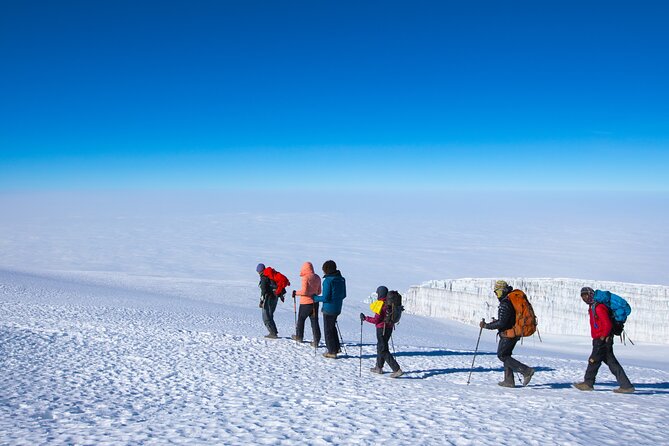
Kilimanjaro is not a technical rock climb, but altitude makes it a hard physical test. The Machame Route is popular because it gives you a varied climb and more time on the mountain than very short itineraries.
You begin near 5,905 feet at Machame Gate and finish at 19,341 feet at Uhuru Peak. That rise is huge, so the route’s shape matters. The plan does not simply march upward every day. On day four, you climb toward Lava Tower at 15,190 feet, then sleep at Barranco Camp at 12,960 feet. That change gives you a chance to spend time high up without sleeping at the highest point yet.
I also like the sense of progression. The early forest feels sheltered and green. The upper mountain becomes open, dry, and severe. By the time you reach Barafu Camp, at 15,190 feet, there are few distractions left. You eat, rest, and prepare for the summit attempt.
The tradeoff is clear. This route is physically demanding, and the summit schedule leaves little room for a leisurely finish. You need to accept slow walking, early starts, shared tent accommodation, and a long final day.
Other routes up the mountain from Moshi:
- Kilimanjaro climb by Lemosho Route (7-day)
★ 5.0 · 651 reviews - Kilimanjaro climb, Machame Route (7-day)
★ 5.0 · 262 reviews - Kilimanjaro Climbing Lemosho Route 8 Days.
★ 5.0 · 186 reviews
Day 1: Arriving through Kilimanjaro Airport
Your trip begins with pickup at Kilimanjaro International Airport, known as JRO. Ground transportation is included, which removes one of the first practical headaches after a long flight.
You spend the first night in Moshi at Kili Wonders Hotel or a similar hotel. Breakfast is included. Lunch and dinner at the hotel are not, so budget separately for those meals.
This arrival day matters more than it may seem. You can check your equipment, meet the team, and get ready for the mountain without rushing straight from an airplane to the trail. The trip is listed as approximately nine days, with the seven mountain days framed by arrival, hotel, and transfer time.
Day 2: Machame Gate to Machame Camp
The climb starts at Machame Gate, at about 5,905 feet. The first section moves through rainforest toward Machame Camp at 9,875 feet.
This is a steady introduction rather than a dramatic summit push. The forest gives you shade and a softer start, but wet or uneven ground may make the walking feel more tiring than the modest distance suggests. Keep your pace calm. The goal is not to prove anything on day one.
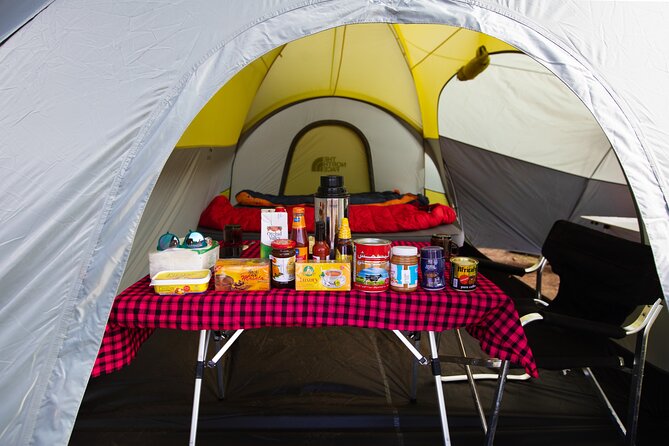
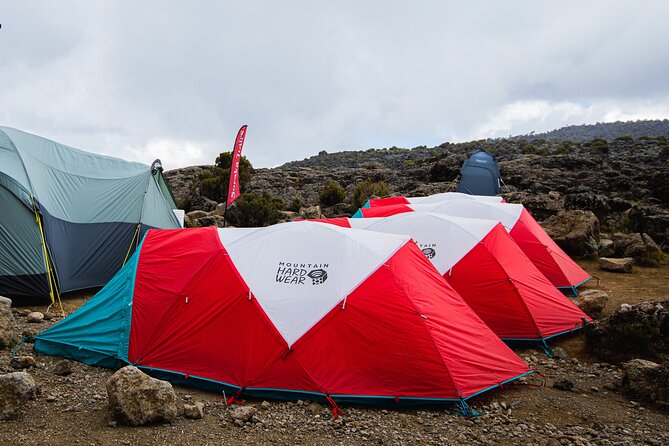
Your mountain accommodation is in four-season Mountain Hardware tents, with two people per tent unless you pay extra for single accommodation. A dining tent, tables, chairs, cutlery, and warm sleeping mats are included. Three freshly prepared meals are served each day on the mountain.
That meal setup is a real advantage. You do not need to depend only on packed snacks, and the crew can accommodate vegetarian, gluten-free, halal, and kosher diets. Tell the operator about dietary needs before departure.
Day 3: Heather and moorland to Shira Camp
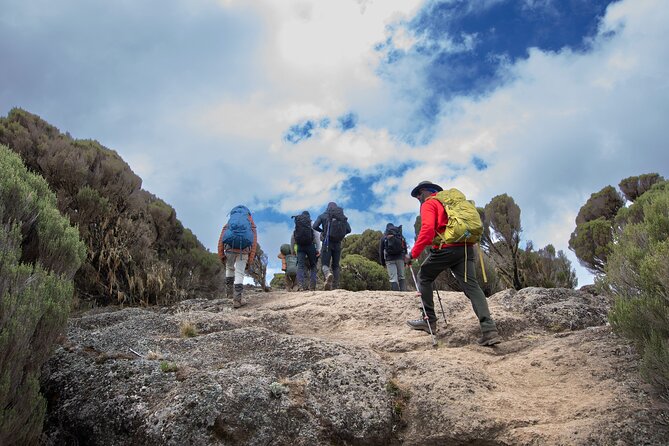
The forest thins as you climb through heather and moorland. The destination is Shira Camp, at approximately 12,600 feet.
This day brings a noticeable change in the feel of the climb. You leave the dense lower vegetation and enter more exposed high country. The views open up, but so does the weather. You may find the air colder and the sun stronger than it felt below.
This is one reason the Machame Route works well for people who want changing scenery rather than a single type of trail. You can see the mountain’s zones unfold in order, each with its own weather and footing.
The altitude begins to matter here. A moderate fitness level is required, but fitness alone does not guarantee an easy climb. Walk slowly, drink as advised by your guide, and pay attention during the scheduled health checks.
Same base, a different kind of day out:
- Safari Serengeti And Ngorongoro
★ 5.0 · 288 reviews - Climbing Kilimanjaro – Machame Route
★ 5.0 · 170 reviews - Climbing Kilimanjaro through 7 days Machame Route
★ 5.0 · 151 reviews - Kilimanjaro climb, Lemosho Route (8-day)
★ 5.0 · 148 reviews
Day 4: Lava Tower and Barranco Camp
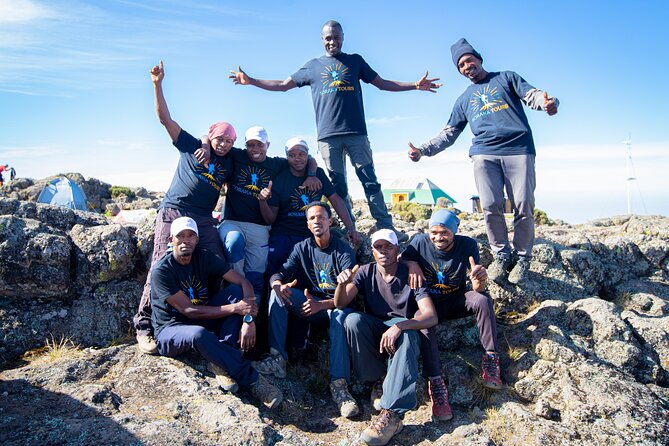
Day four is one of the most useful parts of the plan. You travel from Shira Camp to Barranco Camp, but first climb to Lava Tower at 15,190 feet for acclimatization.
The route offers views toward the Western Breach and Southern Glacier. These upper-mountain views give you a first proper look at the harsher world above the moorland. Then you descend to Barranco Camp, at 12,960 feet, where you spend the night.
The value is in the pattern: climb high, then sleep lower. It does not remove the risk of altitude illness, but it gives your body more exposure to high elevation before the summit attempt.
The drawback is that this can be a demanding day even before the summit. You gain and lose elevation, and you must still reach camp under your own power. It is a day for patience, not speed.
Day 5: The Barranco Wall to Karanga Camp
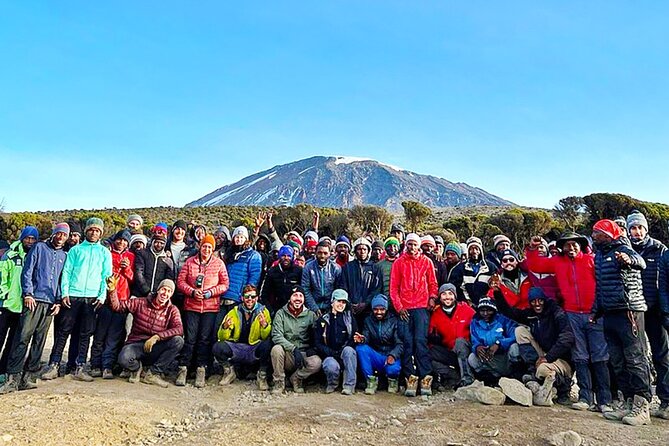
The famous Barranco Wall is the day’s main feature. From Barranco Camp at 12,960 feet, you climb toward Karanga Camp at 13,270 feet.
The height gain is small on paper, but the route is not flat or effortless. You will use your hands in places and move carefully over the wall’s uneven terrain. The reward comes from the view above, where the scale of the mountain becomes clearer.
This is also a good example of why route descriptions based only on mileage can mislead. A short elevation gain may still involve steep ground, slow movement, and a lot of concentration.
Past climbs with this operator have named guides such as Baltasari and Baraka. Baraka was also described as the head guide on one Christmas Day summit attempt. The company says its guides are certified Wilderness First Responders, with more than ten years of climbing experience each.
Day 6: Karanga Camp to Barafu Camp
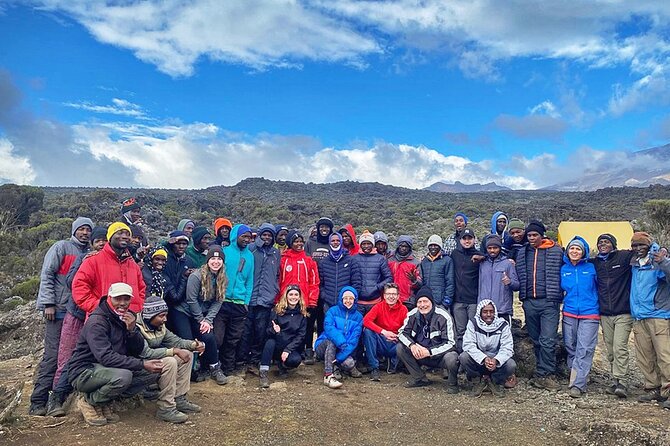
From Karanga Camp, you continue into the high alpine desert and climb to Barafu Camp at 15,190 feet.
Barafu is the final camp before the summit attempt. It is a functional stopping point, not a place to expect comfort or entertainment. You will need to organize your clothing, headlamp, water, and personal equipment before resting.
The package includes warm sleeping mats, but you must bring personal climbing equipment, including a sleeping bag and hiking boots. Those are not minor items. Your boots need to be comfortable and suitable for the terrain, while your sleeping bag must be appropriate for cold mountain nights.
The crew carries and manages much of the camp operation, but you still need to manage your own essentials. Keep frequently used items close and avoid packing your summit-day gear at the bottom of your bag.
Day 7: Barafu Camp to Uhuru Peak and Mweka Camp
Summit day begins at Barafu Camp and climbs to Uhuru Peak, at 19,341 feet. The plan is to reach the summit around sunrise, when the glaciers and surrounding mountain views may be at their most striking.
This is the hardest part of the trek. You will be tired before you begin, the altitude is extreme, and the cold can make every task slower. The correct approach is steady and conservative. Follow your guide’s pace and report symptoms rather than trying to hide them.
After the summit, you descend all the way to Mweka Camp at 10,170 feet. That descent is welcome because the air becomes thicker, but it also adds many hours to an already exhausting day.
The operator provides emergency oxygen and a medical kit, along with two daily health checks using an oximeter and targeted health questions. Those safeguards are valuable, but they are not a guarantee that everyone will summit. A responsible guide may turn someone around for safety.
Day 8: Mweka Camp to the gate and back to the hotel
You leave Mweka Camp at 10,170 feet and descend to Mweka Gate at roughly 5,380 feet. Then you return to the hotel.
After the intensity of summit day, this final trail section may feel easier, but tired legs can make downhill walking uncomfortable. Trekking poles may be useful if you already use them, though personal equipment is not included in the package.
The return to a hotel bed, shower, and breakfast is part of the value of the nine-day format. You are not forced to fly out immediately after the mountain.
Day 9: Airport transfer or more time in Tanzania
The final day includes a transfer to the airport or the option to continue with safari plans.
Airport drop-off is included. Airfare, visas, travel insurance, and any safari adventure are not included, so you need to arrange those separately.
The safari option is a useful extension if you want to combine Kilimanjaro with more time in Tanzania. The mountain trek itself, however, ends with the Mweka Gate descent and hotel return.
What the $3,190 price covers
At $3,190 per person, this is not a budget walk. But the cost includes several large expenses that can otherwise appear as add-ons:
- Kilimanjaro National Park fees, rescue fees, and camping fees
- Airport pickup and drop-off
- All ground transportation
- Two hotel nights with breakfast
- Mountain tents shared by two people
- Dining tent equipment and warm sleeping mats
- Three freshly prepared meals per day on the mountain
- Certified wilderness first responder guides
- Emergency oxygen and a medical kit
- Twice-daily health checks
- The climbing crew
The biggest value is that park and rescue charges are already included. The safety structure also matters. Fair wages for the mountain crew, according to the operator, are part of the package, and the stated group limit is 15 people.
You still need to budget for airfare, a visa, travel insurance, hotel lunches and dinners, tips for the mountain crew, alcoholic drinks, a sleeping bag, hiking boots, and other personal climbing equipment. Tips are especially important to plan for because the crew supports the climb from arrival at the gate through camp service and summit day.
Who should book this Kilimanjaro climb?
I would recommend it to a fit hiker who wants a supported expedition rather than a self-guided challenge. You should be comfortable walking for several days, sleeping in a tent, dealing with cold conditions, and accepting that the summit is not guaranteed.
It also suits someone who values logistics handled in advance. Airport transfers, hotel nights, food, tents, health checks, and park charges are all arranged.
I would hesitate if you want a short, easy holiday or dislike shared accommodation. You should also think carefully before booking if you have no experience with prolonged physical effort. The listing asks for moderate fitness, but the summit day is much more demanding than that phrase may suggest.
The strongest human element is the guide support. Past climbs named Baltasari and Baraka, and the detailed attention described during summit attempts points to a crew that stays involved from morning until evening. Still, ask about guide-to-climber ratios, equipment rental, tipping guidance, and the exact meal plan before paying.
Cancellation and booking details
You receive confirmation at booking, and the activity accepts a maximum of 15 people. Free cancellation is available if you cancel at least 24 hours before the experience start time. Cancellations made less than 24 hours before the start are not refunded, and late changes are not accepted.
Pickup is offered from Kilimanjaro International Airport. The stated operating period runs through June 17, 2026, with service listed every day around the clock.
Should you book it?
Book this climb if you want the full Machame experience, including rainforest, the Barranco Wall, Lava Tower acclimatization, high alpine desert, and a sunrise attempt on Uhuru Peak. The inclusions are broad, and the safety arrangements make the $3,190 price easier to justify.
Do not book it simply because the summit sounds impressive. Book it if you are ready for seven hard mountain days, a long summit descent, shared tents, extra personal gear costs, and the possibility that your guide may stop your ascent for safety. With that mindset, this is a well-supported route to one of Africa’s great physical challenges.
FAQ
How long is the full experience?
The trip lasts approximately nine days. Seven days are devoted to the mountain trek, with arrival, hotel, transfer, and departure time around it.
Where does the experience begin?
Pickup begins at Kilimanjaro International Airport in Tanzania.
What route does the climb use?
The climb uses the Machame Route on Mount Kilimanjaro.
How high is Uhuru Peak?
Uhuru Peak is listed at 19,341 feet.
Is airport transportation included?
Yes. Pickup and drop-off at Kilimanjaro International Airport are included, along with ground transportation.
Are hotel nights included?
Yes. Two nights at Kili Wonders Hotel in Moshi, or a similar hotel, are included with breakfast.
What food is provided on the mountain?
Three freshly prepared meals are provided each day on the mountain. Vegetarian, gluten-free, halal, and kosher meal plans can be accommodated.
Is camping equipment included?
Four-season Mountain Hardware tents, a dining tent, camp furniture, cutlery, and warm sleeping mats are included. Sleeping bags and hiking boots are not included.
How many people can join the group?
The maximum group size is 15 people.
Is cancellation free?
Yes, if you cancel at least 24 hours before the experience start time. Cancellations made less than 24 hours before the start are not refunded.
More Hiking & Trekking in Moshi
- Private Kilimanjaro Hike 7 Day Lemosho Route
★ 5.0 · 60 reviews - Best Kilimanjaro hiking day trip tour with Kilinge Adventures
★ 4.5 · 54 reviews - #1. Best Kilimanjaro Day hike Tour-Machame Route-ISMANI
★ 4.2 · 47 reviews - Best Kilimanjaro Adventure 7 days Machame route Trekking
★ 5.0 · 42 reviews
Just added in Moshi
- Wildlife Extravaganza: Manyara, Tarangire & Ngorongoro in 3 Days★ 5.0 · 3 reviews
- West Kilimanjaro cycling Adventures★ 4.5 · 8 reviews
- machame route★ 5.0 · 16 reviews
- Kilimanjaro Climb • Machame Route ~ 10 Day★ 5.0 · 6 reviews
- Kilimanjaro Climbing Umbwe Route★ 5.0 · 3 reviews
- Mt Kilimanjaro 6 days Marangu route hike★ 5.0 · 3 reviews
- 3 Days Private E-Bike Tour in West Kilimanjaro★ 5.0 · 3 reviews
- Private Cycle to Kilimanjaro Bike Park Safari★ 5.0 · 6 reviews
Kilimanjaro Treks, compared.



8-Day Small-group Lemosho Kilimanjaro Summit Trekking
Read our review →

5 Days Best of Tanzania Luxury Safari Northern Circuit
Read our review →

Climbing Kilimanjaro through 7 days Machame Route
Read our review →
7-Day Machame Kilimanjaro Summit Tour from Arusha
Read our review →Browse the lists this tour appears in