
Reviewed · KILIMANJARO TREKS
Kilimanjaro Climb • Marangu Route ~ 9 Day
Kilimanjaro’s Marangu Route gives you a rare combination: a serious high-altitude climb with mountain huts instead of tents. Tusker Trail adds two nights at Horombo, careful medical planning, custom support, and cooks trained to feed people who are working hard at altitude. I like the extra acclimatization day and the warm-up time in Moshi with your guides. I also like the small maximum group size of 16 and the company’s long record on Kilimanjaro.
The main drawback is the price, $5,699 per person, before gear rental and any safari or travel costs. The route is also demanding, with a midnight summit start and a long summit day. The advertised trip lasts nine days, but the booking notes refer to checking the calendar for an open 12-day trip start date, so confirm the exact departure format before paying.
Key points to know before you book
- Huts all the way: Sleep at Mandara, Horombo, and Kibo in shared mountain huts rather than camping.
- Two nights at Horombo: The extra acclimatization day gives your body more time to adjust before the summit push.
- A safety-first team: Guides including Urio and Pastorey are supported by altitude medical training and an operation built around careful monitoring.
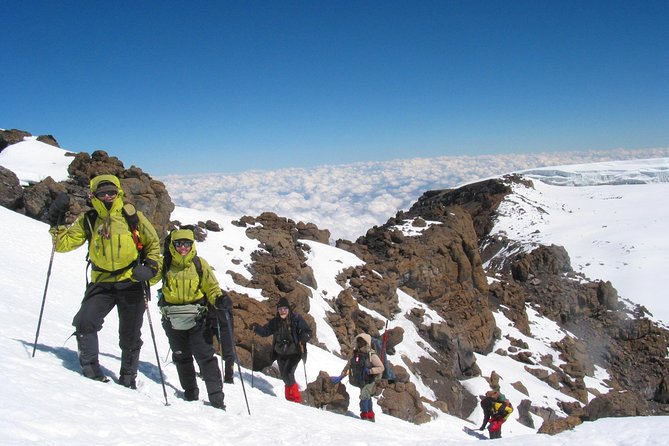
- A serious summit morning: You wake just before midnight, climb through scree to Gillman’s Point, then continue to Uhuru Peak at 19,340 feet.
- Food is part of the package: Eight breakfasts, eight lunches, and seven dinners are included, with Tusker’s own mountain cooks preparing meals.
- A 16-person maximum: The group cap is useful for an expedition where pace, communication, and medical attention matter.
Why the Marangu Route works for some climbers
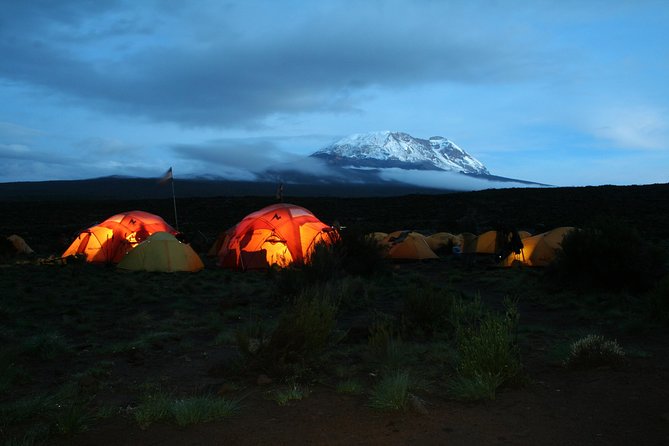
Marangu is often called the hut route because you sleep in fixed huts rather than tents. That changes the feel of the trip. You still face cold, altitude, steep ground, and a hard summit day, but you do not have to sleep in a tent every night or eat every meal under a dining tent.
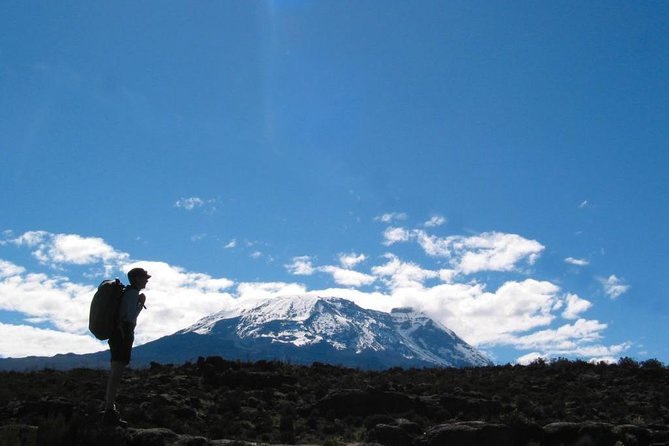
The route begins in the montane forest and moves through several distinct zones. You pass from thick forest to heath and moorland, then to alpine desert before reaching the high slopes of Kibo. This gradual change helps you see how quickly conditions shift as you climb.
The tradeoff is that the Marangu path uses the same general trail for the ascent and descent. It may feel less remote than routes that approach and leave by different sides of the mountain. You should choose it for the huts, the straightforward route, and the established support system, not because it is easy.
Tusker Trail’s published success rate is 99 percent. That is an impressive figure, but it should not make you casual about altitude. A successful summit depends on how your body responds, how well you follow your guide’s pace and instructions, and how carefully the team handles symptoms.
Other routes up the mountain from Moshi:
- Kilimanjaro climb by Lemosho Route (7-day)
★ 5.0 · 651 reviews - Kilimanjaro climb, Machame Route (7-day)
★ 5.0 · 262 reviews - Kilimanjaro Climbing Lemosho Route 8 Days.
★ 5.0 · 186 reviews
Two useful days in Moshi before the climb
Your first day is a soft landing in Moshi. You check into a family-owned hotel, rest, and get ready for the days ahead. This matters more than it sounds. A climb begins better when you are not rushing from the airport straight onto the trail.
The second day is also in Moshi. You meet the guides, receive a detailed climb orientation, and check your gear. I consider this one of the stronger parts of the plan because it gives you a chance to catch missing equipment before you are at altitude.
The team connected with the trip includes Julian in Moshi and mountain leaders Urio and Pastorey. Katie is also identified as a US-based contact. Having named points of contact can make a complicated international trip feel easier to manage, especially when you need clear instructions before arrival.
Use the gear check honestly. Equipment rental is not included, so confirm exactly what you need to bring or rent. The provided information does not list a rental shop, a full packing list, or specific equipment prices. Ask those questions before departure.
Day 3: forest walking to Mandara Hut
A vehicle takes you to Marangu park gate, where the climb begins. The first walk takes about four to five hours through lush montane forest, although the listed activity duration says three hours, so confirm the expected walking time with the operator.
This is a gentle introduction compared with the days ahead. Look into the trees for black and white colobus monkeys. The forest is also a good place to settle into the slow, steady rhythm that matters on Kilimanjaro.
Mandara is a group of mountain huts shared with other climbers. You have running water and toilets, and meals are served in a common dining area. That shared room gives the first night a social feel. You may meet people from several countries, compare plans, and hear the usual mix of excitement and nerves.
The huts are practical, not private hotel rooms. If you want solitude, you will need to find it outside the dining area or during the walk. Still, the hut setup is a real advantage for anyone who prefers a solid sleeping structure over a tent.
Days 4 and 5: moorland views and acclimatization at Horombo
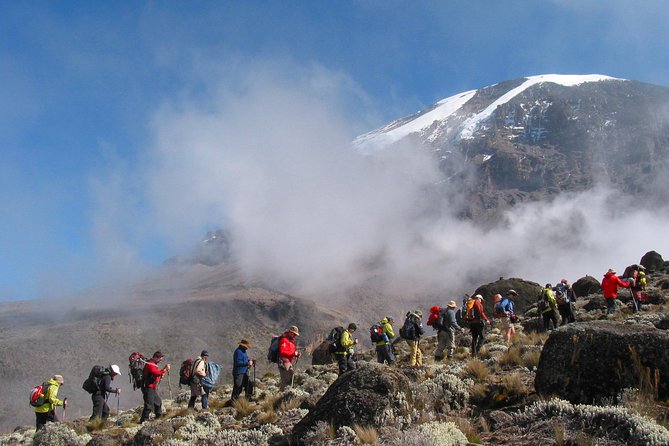
On Day 4, you leave the forest and enter the heath and moorland zone. The route opens up, and you get your first views of Mawenzi and Kibo Peaks. The walking time is listed as about eight hours, so this is a full day even if the pace is controlled.
Horombo Hut is at about 12,340 feet. You arrive in the afternoon, eat a meal prepared by the mountain cooks, and have time to rest. The setting gives you a useful look at the scale of the climb still ahead.
Day 5 is the key acclimatization day. You spend two nights at Horombo and take a shorter hike before returning for lunch and a quiet afternoon. This is one of the reasons I find the itinerary sensible. The extra night costs you time, but it gives your body a chance to adjust before you move higher.
Do not treat the acclimatization walk as an optional sightseeing stroll. Its purpose is to gain some height, move your legs, and return to sleep lower than the highest point reached that day. The schedule lists eight hours, so ask your guide how the day will be paced.
The views around Horombo are likely to be one of the trip’s high points. You can see the mountain opening up around you, with Mawenzi and Kibo giving the climb a clear sense of direction.
Same base, a different kind of day out:
- Safari Serengeti And Ngorongoro
★ 5.0 · 288 reviews - Climbing Kilimanjaro – Machame Route
★ 5.0 · 170 reviews - Climbing Kilimanjaro through 7 days Machame Route
★ 5.0 · 151 reviews - Kilimanjaro climb, Lemosho Route (8-day)
★ 5.0 · 148 reviews
Day 6: across the Kibo Saddle to high camp
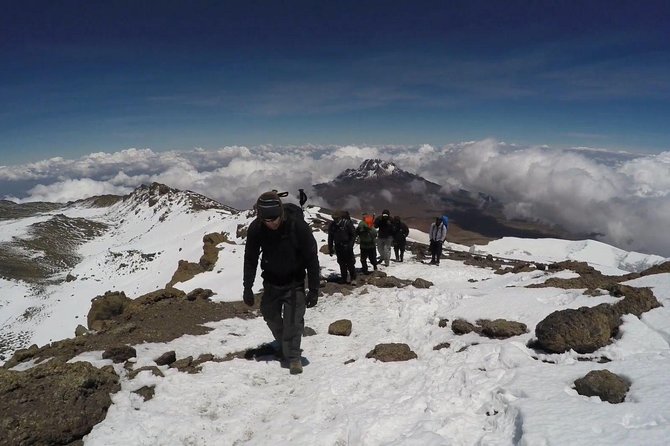
After breakfast, you enter the alpine desert. The vegetation thins, the ground becomes more barren, and the route crosses the Kibo Saddle between Mawenzi and Kibo Peaks.
This section is not just a scenic transition. You are gaining serious height while walking through an exposed area. The listed duration is about seven hours, ending at Kibo Hut on Kibo Peak’s slopes.
You arrive around mid-afternoon, then rest, eat dinner, and prepare for a midnight summit attempt. That schedule can feel strange. You may be trying to sleep soon after arriving, then waking only a few hours later. Keep your evening simple and follow the guide’s instructions.
On a clear day, you may be able to see Gillman’s Point on the crater rim. It is an important landmark because reaching it means you have completed the steepest part of the summit route. Seeing it from below can make the next morning feel more real, and perhaps a little intimidating.
Day 7: Gillman’s Point and Uhuru Peak
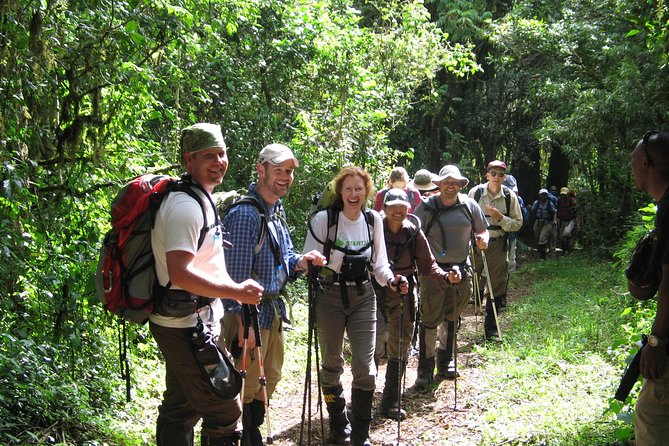
The summit day begins just before midnight with hot tea and snacks. You climb in darkness, moving slowly over rocky ground and scree toward Gillman’s Point.
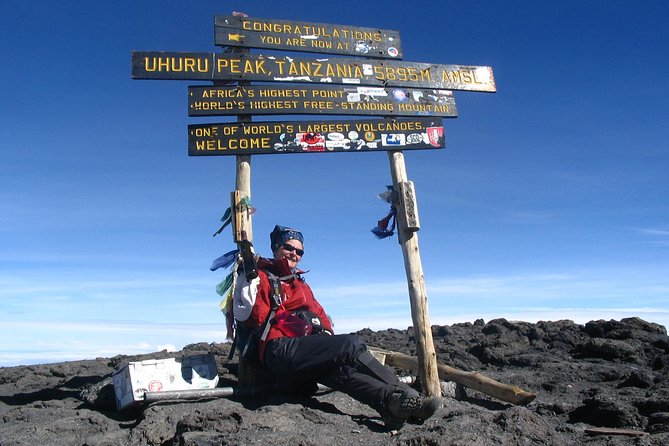
The summit is listed at 19,340 feet, or 5,895 meters. The itinerary gives 4.2 miles, or 6.7 kilometers, to the summit and lists five hours for the activity. The schedule also includes the return to Horombo, so ask how the walking segments are timed. The full day is clearly much more demanding than the brief duration label suggests.
The hardest section is the climb to the crater rim. You gain height in a slow series of switchbacks and rocky stretches. Sunrise views can reveal Mawenzi, the Kibo Saddle, and the plains below. The light arriving over the mountain is one of the great rewards of the route, but you earn it through a cold and tiring night.
At Gillman’s Point, the route eases somewhat, with about two hours remaining to Uhuru Peak. You celebrate at the summit, then begin the long descent toward Horombo.
This is where the company’s safety approach matters most. One of the strongest themes in the available feedback is the attention to safety, medical preparation, and personal care. One climber described developing a headache early in the climb, and the response from the company emphasized monitoring and caution rather than pushing blindly toward the summit.
That is the right attitude. A summit is not worth a dangerous medical decision. Tusker says its guides receive altitude medical training, and the trip is designed around safety first. You should still tell your guide about headaches, nausea, unusual fatigue, breathing trouble, or any other symptoms.
Day 8: back through the forest to Moshi
After breakfast at Horombo, you descend past Mandara Hut and continue to the park gate. The listed walking time is about four hours, followed by a 90-minute drive to Moshi.
The return through the rainforest gives you a welcome change from the high, dry zones above. The Tusker vehicles meet you at the gate, so you do not need to arrange your own transport back to the hotel.
A shower and a final climb celebration wait in Moshi. After several nights at altitude, that simple return to comfort may feel like a major reward. You also have a chance to reflect on the full route, from forest to summit and back down again.
Day 9: departure or a Tanzania safari
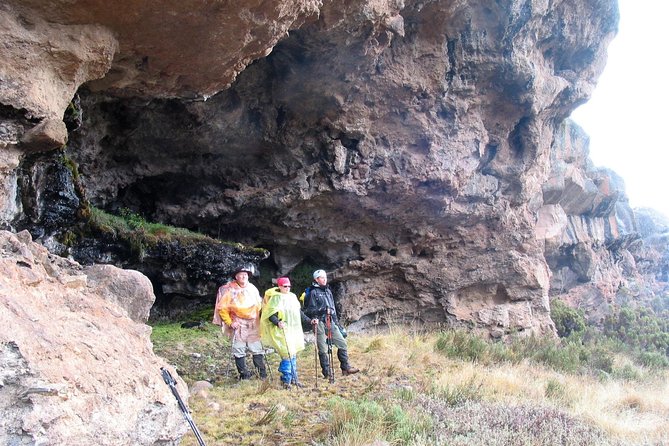
The final day is open for departure or for continuing into Tanzania’s wildlife reserves. Tusker Trail has operated East Africa safaris since 1983 and can arrange a safari after the climb, according to the supplied information.
This combination makes practical sense. You are already in Tanzania, and a safari can turn a mountain trip into a wider East Africa journey. The safari is not part of the $5,699 climb price as described here, so treat it as a separate extension and request a detailed cost before booking.
Food, support, and group size
Meals are included for most of the active program: eight breakfasts, eight lunches, and seven dinners. Tusker describes its mountain chefs as trained through the Culinary Institute of America. That does not mean you should expect restaurant dining at high camp, but it does suggest food is treated as a central part of the operation rather than an afterthought.
Good meals matter on a climb. You need regular food, and familiar meal times help you keep moving when appetite fades at altitude. Ask about dietary needs before you arrive because the supplied details do not specify how special diets are handled.
The maximum group size is 16. That is not a private climb, but it is small enough for the guide team to keep track of the group more easily than on a large commercial departure. The exact guide-to-climber ratio is not provided, so ask for it if personal attention is important to you.
Tusker also says it pays its crew at a high level and provides pensions and medical benefits for them and their families. It supports community development through the local Lions Club, including a school for deaf children. For you, this means part of the price supports a stated local responsibility program, although the exact amount allocated is not given.
Is $5,699 a fair price?
At $5,699, this is a premium Kilimanjaro trip. The price includes the organized climb, park admission, pickup, hotel time in Moshi, mountain meals, guides, cooks, and the support system behind the operation. It does not include equipment rental, flights, and any safari extension or other personal costs.
I would compare this price by asking what happens when the climb becomes difficult. A low-cost trip may look attractive until you compare guide training, medical preparation, food, crew treatment, group size, and the number of acclimatization nights. Tusker’s 43 years of operation, Eddie Frank’s 52 personal Kilimanjaro climbs, and its stated altitude medical focus help explain why the price sits at the high end.
The value is strongest for you if safety, food, staff care, and planning matter more than finding the cheapest possible climb. If you already own gear and want a basic route with minimal extras, you may find the price harder to justify.
The cancellation policy allows a full refund if you cancel at least 24 hours before the experience start time. Changes or cancellations within 24 hours are not accepted for a refund. Confirm the exact start time, since the booking information lists 12:00 am.
Who should book this climb?
I would consider this trip for a fit person who wants a structured Kilimanjaro experience and prefers huts to tents. The two nights at Horombo suit anyone who wants a more careful acclimatization plan rather than the shortest possible schedule.
It is also a good match if you want a company that puts attention on guide training, medical safety, food, and crew welfare. The strong praise directed toward the Tusker team centers on warm personal service, preparation, and careful handling of safety concerns.
I would hesitate if you want a quiet, private mountain experience. The huts are shared, the maximum group is 16, and other climbing groups use the route and common dining areas. I would also hesitate if you are looking for a low-cost trip or if you dislike a midnight start followed by a long summit day.
Should you book Tusker Trail’s Marangu climb?
Book it if you want the reassurance of a long-established operator, a hut-based route, an extra acclimatization day, included meals, and a team built around safety. The named contacts and guides, including Julian, Urio, and Pastorey, add a personal face to what can otherwise feel like a large logistical purchase.
Before committing, clarify the nine-day versus 12-day scheduling note, the exact group and guide ratio, gear rental costs, the full packing list, and what your Moshi hotel nights include. If those answers suit your budget, this is a well-supported way to take on Kilimanjaro without cutting corners on preparation.
FAQ
How long is the Kilimanjaro climb?
The experience is advertised as approximately nine days. The booking information also advises checking the calendar for an open 12-day trip start date, so confirm the exact departure length before booking.
What route does the climb use?
The climb uses the Marangu Route, which passes through montane forest, heath and moorland, alpine desert, and the high slopes of Kibo.
Where do you sleep on the mountain?
You sleep in shared mountain huts at Mandara Hut, Horombo Hut, and Kibo Hut. The huts have running water and toilets, and meals are served in a common dining area.
Is acclimatization time included?
Yes. You spend two nights at Horombo and take a shorter acclimatization hike on the additional day before continuing toward Kibo Hut.
How high is the summit?
Uhuru Peak is listed at 19,340 feet, or 5,895 meters.
What meals are included?
The price includes eight breakfasts, eight lunches, and seven dinners. Mountain cooks prepare the meals.
Is equipment rental included?
No. Equipment and gear rental are not included in the stated price.
How many people can join the trip?
The maximum group size is 16 people.
Is pickup available?
Yes. Pickup is offered, and vehicles meet the group at the park gate after the descent for the drive back to the Moshi hotel.
Just added in Moshi
- Wildlife Extravaganza: Manyara, Tarangire & Ngorongoro in 3 Days★ 5.0 · 3 reviews
- West Kilimanjaro cycling Adventures★ 4.5 · 8 reviews
- machame route★ 5.0 · 16 reviews
- Kilimanjaro Climb • Machame Route ~ 10 Day★ 5.0 · 6 reviews
- Kilimanjaro Climbing Umbwe Route★ 5.0 · 3 reviews
- Mt Kilimanjaro 6 days Marangu route hike★ 5.0 · 3 reviews
- 3 Days Private E-Bike Tour in West Kilimanjaro★ 5.0 · 3 reviews
- Private Cycle to Kilimanjaro Bike Park Safari★ 5.0 · 6 reviews
Kilimanjaro Treks, compared.



8-Day Small-group Lemosho Kilimanjaro Summit Trekking
Read our review →

5 Days Best of Tanzania Luxury Safari Northern Circuit
Read our review →

Climbing Kilimanjaro through 7 days Machame Route
Read our review →
7-Day Machame Kilimanjaro Summit Tour from Arusha
Read our review →Browse the lists this tour appears in