
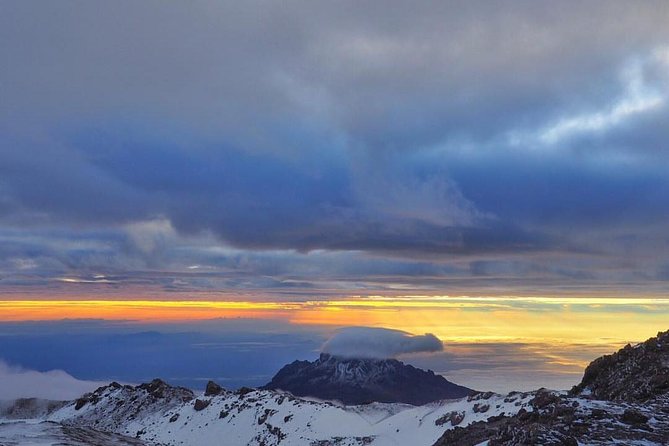
Reviewed · KILIMANJARO TREKS
Mt Kilimanjaro 6 days Marangu route hike
Kilimanjaro’s Marangu Route gives you the mountain’s most direct trail, moving from rainforest to Uhuru Peak in six days. Its gradual slope and hut-based overnight stops make it a sensible choice if you want a classic Kilimanjaro climb without camping.
I like the built-in acclimatization day at Horombo and the changing plant life, from Colobus monkeys and tall Eucalyptus trees to giant lobelias and a stark moonscape. The main caution is altitude: the route may be considered the easiest, but summit night is still a hard, cold, steep push, and no itinerary can promise that you will reach the top.
Key points before you book
- Six days from Moshi: The trip includes transport to the park gate, five nights of hiking, and a return drive after the descent.
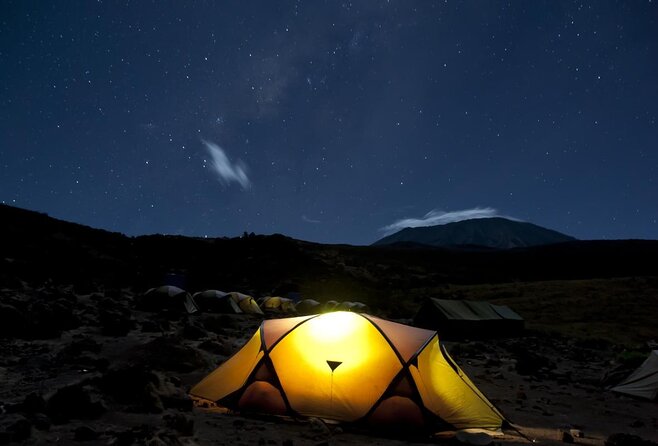
- A hut-based route: Overnight stops are at Mandara, Horombo, and Kibo encampments rather than tent camps.
- One useful acclimatization day: Day three lets you rest at Horombo or make an optional hike toward Mawenzi Hut.
- Summit night begins around midnight: You need a headlamp, warm layers, and enough energy for the steep climb to Gilman’s Point and Uhuru Peak.
- Private departure: Only your group participates, with pickup offered and group discounts available.
- Price: At $2,269.24 per person, the value depends on what is included beyond the listed meals, park access, guiding, transport, and hut arrangements.
Why the Marangu Route works for a six-day climb
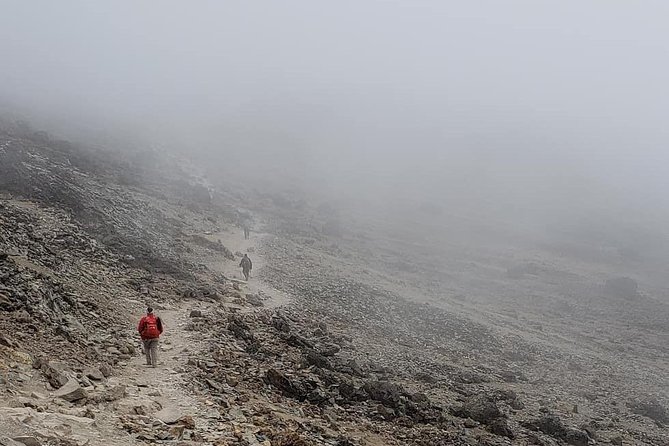
The Marangu Route is popular because it follows a fairly direct line up Kilimanjaro. You do not spend days circling the mountain, and the trail changes clearly as you gain height.
That direct route is also its main limitation. You get fewer days to adjust than on longer Kilimanjaro routes, and the summit attempt comes after only a short rest at Kibo. The extra night at Horombo helps, but you still need to walk slowly and pay attention to how your body feels.
I would choose this route if you value a straightforward climb, hut accommodation, and a clear day-by-day plan. I would not choose it simply because it is called easy. Kilimanjaro rises to nearly 5,895 meters, and altitude can affect you even when the trail itself is not technically difficult.
The private format is useful. Your pace, rest stops, and optional acclimatization walk can be discussed with your own group and guide rather than fitted into a large mixed party. Ask for the exact group size before paying, since private does not necessarily mean one client and one guide.
Other routes up the mountain from Moshi:
- Kilimanjaro climb by Lemosho Route (7-day)
★ 5.0 · 651 reviews - Kilimanjaro climb, Machame Route (7-day)
★ 5.0 · 262 reviews - Kilimanjaro Climbing Lemosho Route 8 Days.
★ 5.0 · 186 reviews
Day one: rainforest, Mandara, and Maundi Crater
Your morning begins with breakfast and a briefing, followed by about two hours of driving to the Kilimanjaro National Park Gate. Registration takes place there before you start walking from about 1,860 meters.
The first trail section passes through rainforest to Mandara Hut, gaining roughly 840 meters over eight kilometers. The walk usually takes three to four hours, so this is a manageable opening day if you keep a steady pace.
The forest gives you a gentle introduction to the mountain. Look for tall Eucalyptus trees, bird life, and Colobus monkeys. Sightings are never guaranteed, but the chance to notice wildlife makes this more than a simple uphill transfer.
Maundi Crater is offered as a side trip. It is a worthwhile option if your energy and timing allow it, since it gives you views toward northern Tanzania and Kenya. You should ask your guide whether the side trip fits comfortably into the day rather than treating it as another compulsory climb.
Mandara is your first hut stop. The supplied plan lists breakfast, lunch, and dinner for the day, which matters because you are already walking at altitude and do not want to rely on snacks alone. Confirm the sleeping arrangements and what you need to bring, since the information provided names hut encampments but does not give room details.
Day two: heathland and the long climb to Horombo
Day two covers about 12 kilometers, with five to six hours of walking from Mandara at 2,700 meters to Horombo at 3,700 meters. The forest thins out, and you enter open heathland.
This is one of the prettiest sections of the route. Mawenzi and Kibo come into view, and giant lobelias and groundsels give the trail a distinctly high-altitude look. The vegetation is unusual enough to make frequent short pauses worthwhile.
The climb is not described as technical, but the altitude begins to matter here. You may notice a headache, unusual tiredness, or shortness of breath. Tell your guide early if you feel unwell. Walking slowly is not wasted time on Kilimanjaro. It gives your body a better chance to adjust.
Horombo is an important stop because it is both an overnight camp and your base for the following acclimatization day. It also gives you your first serious taste of sleeping high on the mountain. Keep your evening simple: eat, drink what has been provided, organize your layers, and rest.
Day three: the Horombo acclimatization day
The extra day at Horombo is one of the strongest features of this itinerary. Rather than gaining altitude every day, you spend a full day allowing your body to adjust at about 3,700 meters.
You can rest around the hut or take an optional day hike toward Mawenzi Hut at approximately 4,600 meters. That walk gives you more altitude exposure without making you sleep at the higher elevation. Your guide can help decide how far to go based on your condition.
Breakfast and dinner are served at the hut. Lunch can be packed or taken at the hut, depending on your preference for the day. That flexibility is practical. If you make the Mawenzi walk, a packed lunch lets you keep moving without returning for a midday meal.
Do not treat this day as a chance to prove your toughness. A gentle walk and a long rest may help more than pushing hard. The goal is to reach summit night with energy left.
Same base, a different kind of day out:
- Safari Serengeti And Ngorongoro
★ 5.0 · 288 reviews - Climbing Kilimanjaro – Machame Route
★ 5.0 · 170 reviews - Climbing Kilimanjaro through 7 days Machame Route
★ 5.0 · 151 reviews - Kilimanjaro climb, Lemosho Route (8-day)
★ 5.0 · 148 reviews
Day four: across the saddle to Kibo
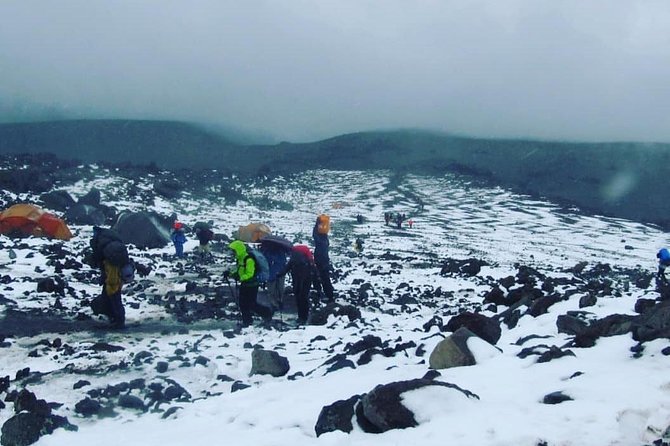
From Horombo, you climb from about 3,700 meters to 4,700 meters, covering nine kilometers in roughly five to six hours. The trail passes the last watering point and crosses the broad saddle between Mawenzi and Kibo.
The environment changes quickly. Upper heathland gives way to alpine desert, with less vegetation and a stark, open feel. The route becomes more exposed, and the scale of the mountain becomes easier to grasp.
Kibo is your base before the summit attempt. Dinner comes early, followed by rest and preparation for a midnight to 2:00 a.m. start. This schedule is not comfortable, but it is designed to put you on the upper mountain in the early morning.
Use this afternoon to prepare methodically. Set out your headlamp or flashlight, warm layers, water, snacks if you carry them, and any trekking poles you plan to use. The provided plan does not list a full equipment package, so ask the operator exactly what is supplied and what belongs in your bag.
Day five: Gilman’s Point and Uhuru Peak
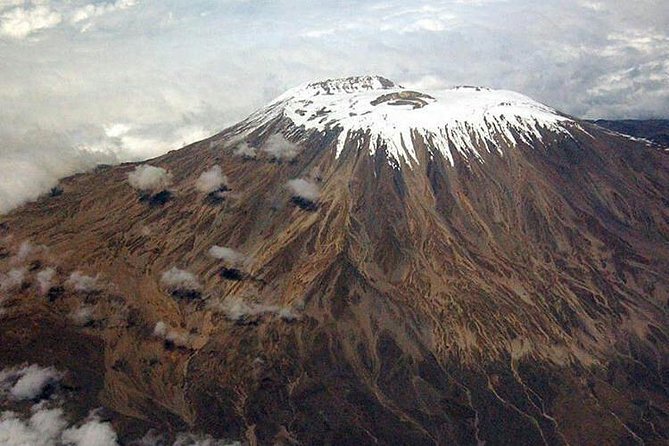
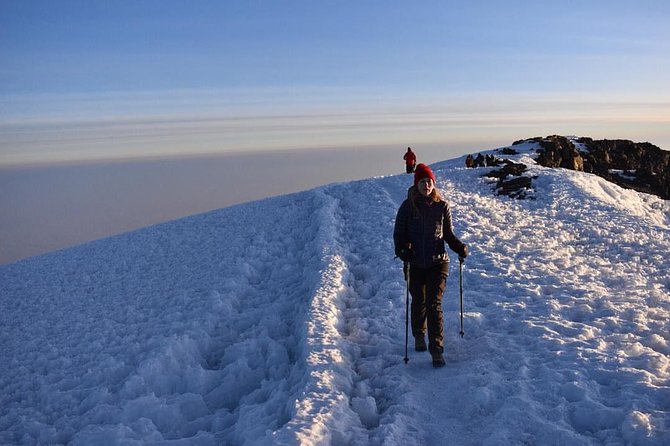
Summit day is the hardest part of the climb. You begin in darkness, climbing steep scree or snow toward Gilman’s Point on the crater rim. The start can feel slow and demanding, especially in the cold.
A headlamp or flashlight is required for the dark section. You need all your warm layers at this stage, since temperatures are cold before sunrise and the wind can make the climb feel harsher.
Gilman’s Point is not the end. From the crater rim, you continue toward Uhuru Peak, the highest point in Africa. The itinerary describes dramatic views along the way, but conditions can change, and cloud or weather may limit what you see.
Once you reach the summit area, take your photo, enjoy the moment, and do not linger longer than your guide recommends. At this elevation, even a short stay can drain you quickly.
The descent returns you to Kibo for lunch and a rest before continuing to Horombo. This makes day five extremely long. You summit, descend through the upper zone, regain enough strength for food, and then keep walking down to the lower hut. Plan mentally for a full day rather than focusing only on the summit.
The route’s gradual approach helps, but summit success still depends on weather, health, pacing, and altitude response. The company’s own team has emphasized a slow pace in past feedback, and that is sound advice. Let the guide set a rhythm you can sustain.
Day six: muddy forest trails and the return to Moshi
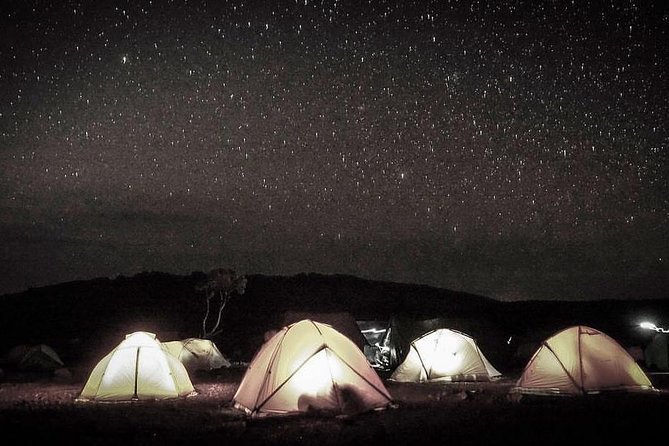
After breakfast at Horombo, you descend through moorland to Mandara Hut, then continue through the forest to the Marangu Gate. The total descent is about 20 kilometers, from roughly 3,700 meters to 1,700 meters, and usually takes four to five hours.
Your knees may feel the downhill more than expected after summit day. Trekking poles can help, and gaiters are useful because the lower trail may be wet and muddy. At lower elevations, shorts and a T-shirt may be comfortable, but keep rain gear and warmer clothes easy to reach.
A vehicle meets you at the Marangu Gate for the drive back to your hotel or the airport. Pickup is offered, but confirm the exact transfer plan if your flight leaves the same day. The stated itinerary gives the return transport, but it does not provide a guaranteed airport timing window.
The final practical note is tipping. The plan specifically reminds you to tip guides and porters. Ask your operator before the climb how tipping is handled and whether the group should prepare a shared amount or individual envelopes.
What the $2,269.24 price means
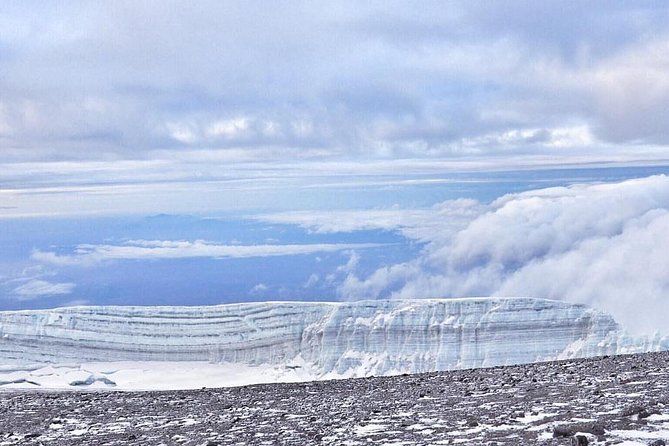
At $2,269.24 per person, this is a major purchase, but a six-day Kilimanjaro climb involves more than trail access. The package includes a private activity, park admission during the climbing days, meals listed in the schedule, pickup, guiding, hut stops, and transport from the Marangu Gate after the descent.
Still, do not assume every cost is covered because the headline price is clear. Ask for a written list covering park and camping or hut fees, guide and porter arrangements, airport transfers, hotel nights, equipment, drinks, tips, and emergency procedures. The supplied details confirm some of these elements only indirectly.
The private format may offer better value if your group wants control over pace and timing. Group discounts could reduce the cost for several people, so ask how many participants qualify and whether the discount applies to the full price.
The price also reflects the time commitment. You are not buying a quick summit excursion. You are paying for six days of transport, meals, guiding, altitude adjustment, and a planned descent. The extra acclimatization day is especially important because a cheaper itinerary that gains height too fast may be poor value if it reduces your chance of reaching the top.
Guides, pacing, and the human side of the climb
Guide quality matters greatly on Kilimanjaro. The company’s named staff include Gasto, identified as a head guide, and Lucas, who has led a Marangu day hike. Ask whether either guide is available for your departure, and ask who will lead your specific group.
You should also ask how many porters and assistant guides are assigned, how luggage is carried, and how the team handles altitude symptoms. The information supplied mentions guides and porters but does not specify staffing levels.
A strong guide should help you walk slowly, recognize when you need a rest, and explain the day ahead without rushing you. The company has been praised for organized execution, food, accommodation, and prompt communication, including a next-day booking that received immediate pickup details. Those are useful signs, but you should still get the final arrangements in writing.
The food is described as being to a high standard by one past client, with breakfast, lunch, and dinner listed on the first four hiking days. Day five includes meals around the summit schedule, and day six lists breakfast. Ask about dietary needs before departure, since no menu or dietary policy is provided.
Who should choose this route?
This climb suits you if you want:
- A direct Kilimanjaro route with a clear six-day schedule
- Hut accommodation instead of tent camping
- A private group rather than a shared departure
- A dedicated acclimatization day at Horombo
- Pickup and return transport organized around the climb
- A route with major changes in vegetation and scenery
It may not suit you if you want the longest possible altitude adjustment, quieter trails, or a less demanding summit schedule. The Marangu Route is popular, and its direct path concentrates the climb into a compact program.
Most people can participate according to the supplied activity information, but that should not be confused with a promise that the climb will feel easy. You need to be ready for long walking days, cold conditions, steep scree, wet forest paths, and a midnight summit start.
Should you book this Kilimanjaro climb?
Book it if you value a direct route, hut stays, private guiding, and an extra acclimatization day more than a slower, longer ascent. The itinerary is logical, and the Horombo rest day gives the six-day schedule a useful safety margin.
Before paying, confirm the guide, group size, accommodation details, porter plan, full inclusions, and transfer timing. If the answers are clear and you are comfortable with the summit-night effort, Safari Soles Tours offers a practical way to tackle Kilimanjaro from Moshi.
The free cancellation policy allows a full refund if you cancel at least 24 hours before the local start time. Changes made later are not accepted, and poor weather may lead to a new date or a full refund.
FAQ
How long is the Kilimanjaro Marangu Route experience?
The climb lasts approximately six days, beginning with transport from Moshi and ending with a drive from the Marangu Gate to your hotel or airport.
What time does the activity start?
The listed start time is 8:00 a.m.
Is pickup available?
Yes. Pickup is offered, and a vehicle meets you at the Marangu Gate after the descent.
Is this a private tour?
Yes. Only your group participates in the activity.
Is a group discount available?
Yes. Group discounts are listed as an available feature. The exact discount amount is not provided.
What meals are included?
Breakfast, lunch, and dinner are listed for days one through four. Day six includes breakfast. On day three, lunch can be packed or taken at the hut. The summit-day schedule includes lunch and rest at Kibo before continuing to Horombo.
Where do you sleep on the route?
The itinerary names the Mandara, Horombo, and Kibo encampments. It does not provide detailed room or bed arrangements.
Is there an acclimatization day?
Yes. Day three is spent at Horombo, with an optional day hike toward Mawenzi Hut at approximately 4,600 meters.
What happens if bad weather cancels the experience?
If poor weather causes cancellation, you are offered a different date or a full refund.
What is the cancellation deadline?
You must cancel at least 24 hours before the local start time for a full refund. Cancellations or changes made less than 24 hours before the start are not accepted for a refund.
More Hiking & Trekking in Moshi
- Private Kilimanjaro Hike 7 Day Lemosho Route
★ 5.0 · 60 reviews - Best Kilimanjaro hiking day trip tour with Kilinge Adventures
★ 4.5 · 54 reviews - #1. Best Kilimanjaro Day hike Tour-Machame Route-ISMANI
★ 4.2 · 47 reviews - Best Kilimanjaro Adventure 7 days Machame route Trekking
★ 5.0 · 42 reviews
Just added in Moshi
- Wildlife Extravaganza: Manyara, Tarangire & Ngorongoro in 3 Days★ 5.0 · 3 reviews
- West Kilimanjaro cycling Adventures★ 4.5 · 8 reviews
- machame route★ 5.0 · 16 reviews
- Kilimanjaro Climb • Machame Route ~ 10 Day★ 5.0 · 6 reviews
- Kilimanjaro Climbing Umbwe Route★ 5.0 · 3 reviews
- Private Cycle to Kilimanjaro Bike Park Safari★ 5.0 · 6 reviews
- Kilimanjaro Climb • Marangu Route ~ 9 Day★ 5.0 · 4 reviews
- 3 Days Private E-Bike Tour in West Kilimanjaro★ 5.0 · 3 reviews
Kilimanjaro Treks, compared.



8-Day Small-group Lemosho Kilimanjaro Summit Trekking
Read our review →

5 Days Best of Tanzania Luxury Safari Northern Circuit
Read our review →

Climbing Kilimanjaro through 7 days Machame Route
Read our review →
7-Day Machame Kilimanjaro Summit Tour from Arusha
Read our review →Browse the lists this tour appears in