Reviewed · TOURS IN MOSHI
Moshi town 1 day tour
Moshi’s best sights are not grand monuments. They are the market stalls, dusty roads, working farms, busy bus routes, and friendly conversations that show you how the town runs. This day tour puts you beside that everyday life, with guide Thomas leading the way through places many visitors would miss.
I like the small-group size, limited to 10 people, and I like the mix of food markets, farming, transport, and local history. The chance to see banana cultivation, rice irrigation, and ordinary market trade in one day gives the tour more substance than a simple town walk. The main caution is the price: at $1,000 per person, it is costly for a seven-hour outing that includes only transport, pickup, drop-off, and a guide.
Key points to know before booking
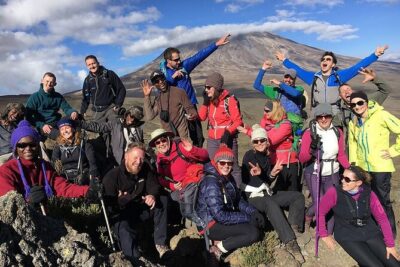
- Thomas brings personal links to Moshi: He previously worked as a Kilimanjaro guide and is now closely connected with people around town.
- The markets are the heart of the day: Central Market, Mbuyuni Market, and Manyema fish market show different sides of local trade.
- Farms add a useful rural view: You see banana cultivation and rice farming around Mabogini, not just town streets.
- Expect plenty of walking: Several stops involve dusty roads, market paths, and walking between everyday businesses.
- This is an ordinary-life tour: It includes transport hubs, neighborhoods, markets, farms, and local meeting places rather than major tourist monuments.
- The price needs careful thought: Hotel pickup, drop-off, and a private-feeling small group are helpful, but the cost is high compared with the listed inclusions.
Why Moshi works well as a one-day stop
Moshi is often treated as a place to sleep before Kilimanjaro or a transfer point before a safari. That is a shame. The town gives you a useful introduction to northern Tanzania without asking you to commit to another long excursion.
This tour is designed for the spare day before or after a mountain climb, safari, or Zanzibar holiday. I can see the appeal after Kilimanjaro in particular. You do not need another strenuous hike, but you may still want to leave the hotel and understand the place where your trip began.
The seven-hour schedule gives the day a clear shape. You start at your hotel, visit transport and market areas, move toward farms and cultural sites, then return to the hotel. The stops are short on paper, usually around 30 minutes, so this is not a slow, single-site visit. It is a series of brief windows into Moshi life.
That pace has a benefit and a cost. You cover more ground and see several types of place, but you may not have much time to linger at every market or farm. If you prefer a relaxed morning in one neighborhood, this itinerary may feel busy.
A few more things to do in Moshi worth a look
- 1-Day Moshi Villages bike tour
★ 5.0 · 59 reviews - Best Kilimanjaro hiking day trip tour with Kilinge Adventures
★ 4.5 · 54 reviews - Chagga Villages in Mount Kilimanjaro Cycling Day Trip
★ 5.0 · 42 reviews
Starting at the bus stand and railway area
Pickup is scheduled from your hotel at 8:00 AM. The supplied meeting point is Keys Hotel, although the tour information also describes hotel pickup and drop-off, so confirm your exact pickup point when booking.
The route includes Moshi Bus Stand, where you can watch the movement of people and transport in and out of town. This is a practical first stop. Instead of beginning with a polished attraction, you begin with a place that helps you understand Moshi as a working regional center.
Your guide can explain how people move around the area and point out the different forms of transport. The stop includes walking, sightseeing, and time for photographs. Keep your belongings close in crowded public places, as you would in any busy transport hub.
The old railway area adds a different layer. The railway station is tied to the story of Moshi’s name and to Old Moshi, a nearby village referenced during the tour. The stop is not only about taking a picture of an old building. It gives you a way to connect the modern town with the places and routes that shaped it.
The schedule places the railway station at different points in the supplied timing and stop order, so treat the exact sequence as flexible. The important point is that the old railway station is part of the day, along with a guide-led explanation of its local importance.
Reading Moshi through three markets
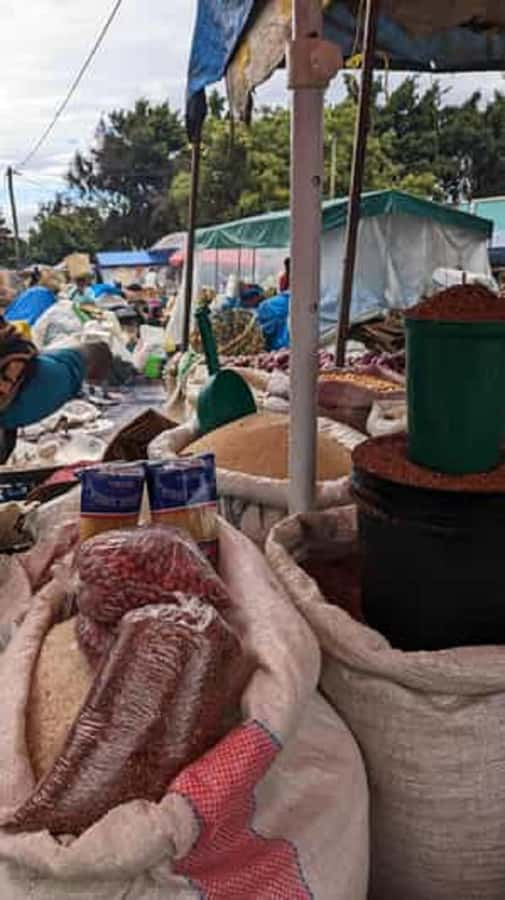
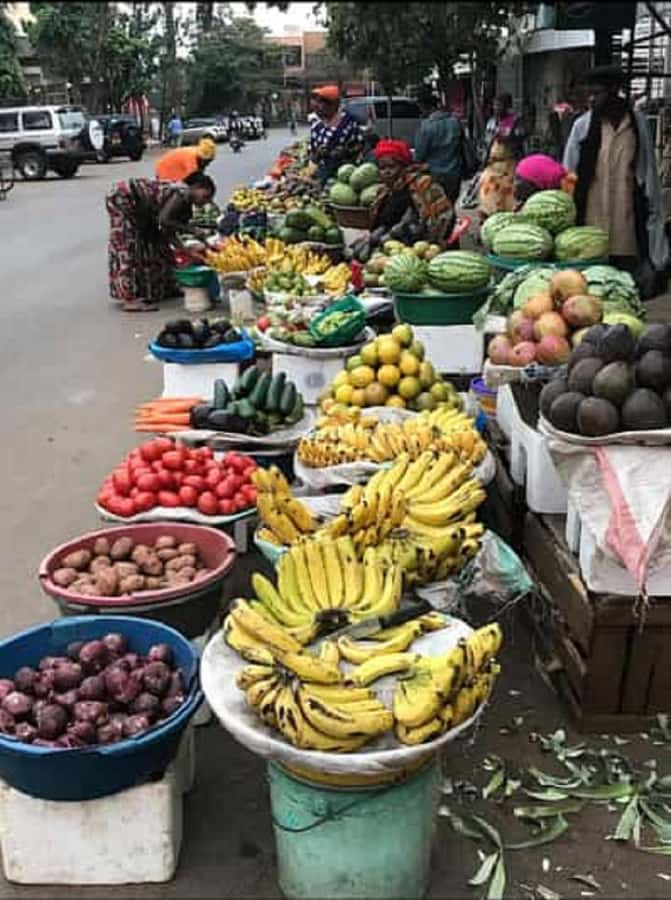
The market visits are the strongest part of the experience for anyone who wants to see daily trade rather than a staged cultural display.
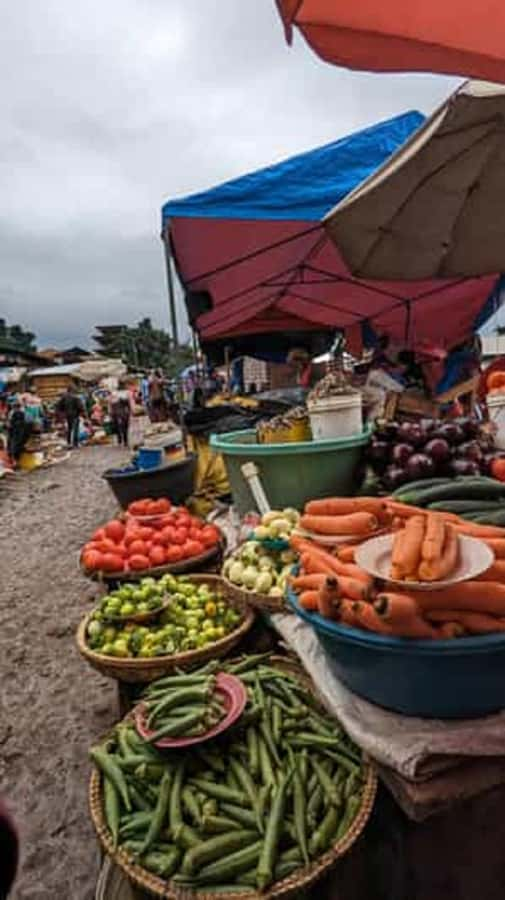
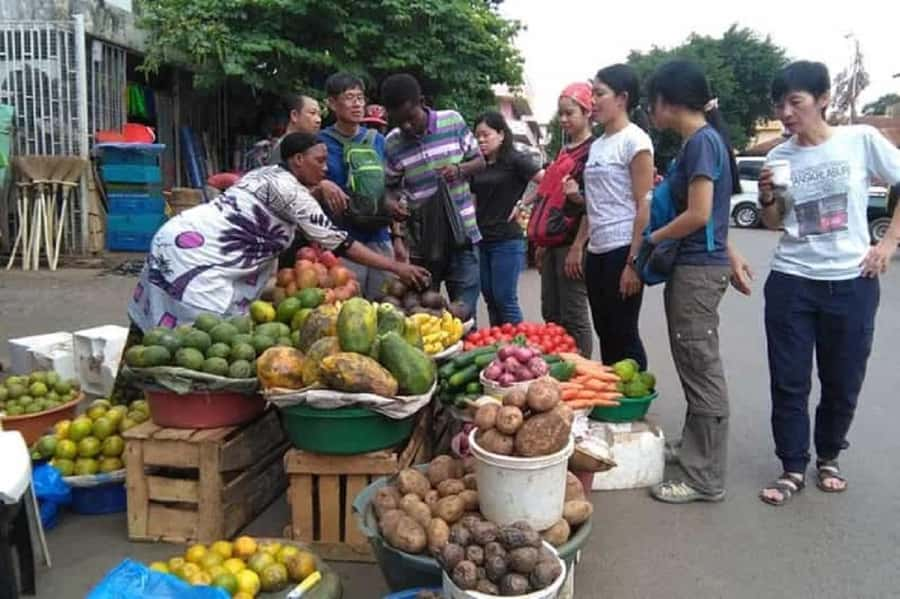
At Central Market, you can expect stalls selling vegetables, cereal crops, and other household goods. This is a good place to ask your guide about food, buying habits, and how different products move through town. The stop is listed at about 30 minutes, which is enough for an introduction but may feel short if you want to browse slowly.
Mbuyuni Market gives you another view. It is described as a farmers market, with women selling tomatoes and other produce from ground-level displays. The setting sounds basic and direct, which is exactly why it can be useful. You see food being sold in the way local shoppers encounter it, rather than in a shop arranged for visitors.
Manyema fish market changes the subject from crops to fish. Here, your guide explains the meaning and history of the name Manyema and shows you the kinds of local fish being sold. This is one of the more specific stops on the route, since you are not simply walking through another market. You are given a local term and a short story that helps place the market in Moshi’s wider community.
Food sampling may be part of the experience, but it is not listed among the formal inclusions. If you want to try local foods, ask Thomas what is appropriate and whether any purchases are your responsibility. Do not assume meals are included in the $1,000 price.
The markets can be dusty, crowded, and visually intense. That is part of the point, but it also means you should wear comfortable shoes and clothing that can handle dirt. A phone or camera is useful, though it is polite to ask before photographing people closely.
Banana farms and rice fields near Mabogini
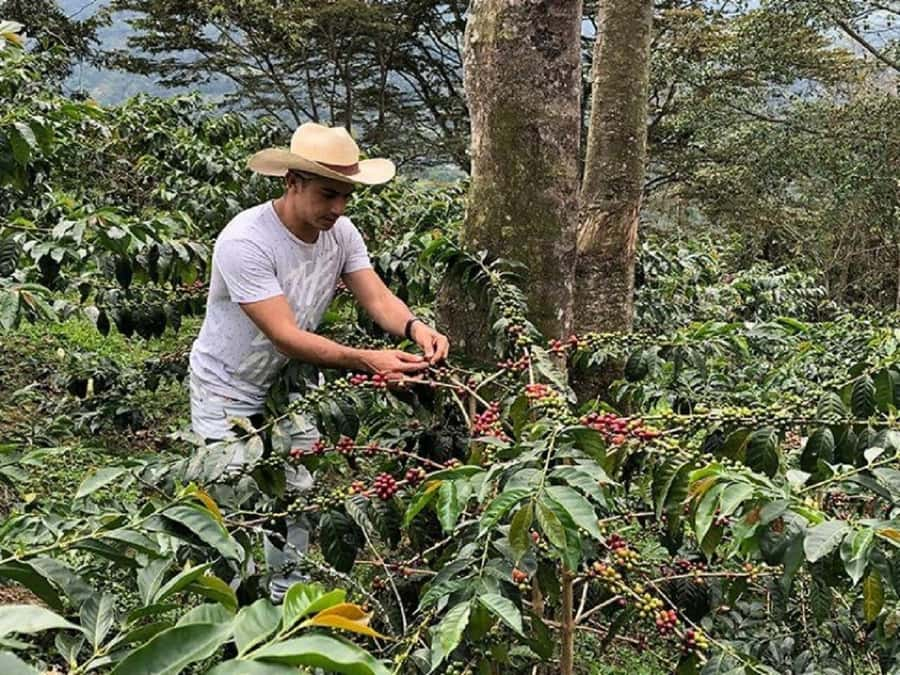
After the town markets, the tour moves toward agricultural areas. This shift matters. Moshi is not only streets and shops, and the farms show how food production connects the town to its surrounding communities.
At the banana farm, you learn how bananas are cultivated and hear about their place in local life. The visit is presented as a lesson rather than simply a photo stop. You can ask about planting, harvesting, and how bananas fit into meals or local trade, but the supplied information does not promise a hands-on farming activity.
The rice farms at Mabogini show another kind of work. Your guide explains how rice is cultivated and irrigated, giving you a look at the practical systems needed to grow crops in this part of Tanzania. Irrigation is easy to overlook when you buy rice in a shop. Seeing the fields makes the process more concrete.
The farm stops are among the best reasons to choose this tour instead of a standard city walk. They add a rural side to the day and help you connect the market produce with the people who grow it. One particularly strong feature is the variety: banana, rice, vegetables, and fish all appear within the same seven-hour route.
You should also set your expectations correctly. These are working farms, not landscaped visitor attractions. Paths may be uneven or dusty, and the tour information does not promise facilities at every stop. Good walking shoes and water are sensible choices.
Same base, a different kind of day out:
- Kilimanjaro climb by Lemosho Route (7-day)
★ 5.0 · 651 reviews - Safari Serengeti And Ngorongoro
★ 5.0 · 288 reviews - Kilimanjaro climb, Machame Route (7-day)
★ 5.0 · 262 reviews - Kilimanjaro Climbing Lemosho Route 8 Days.
★ 5.0 · 186 reviews
Coffee Union Cafe and Old Moshi connections
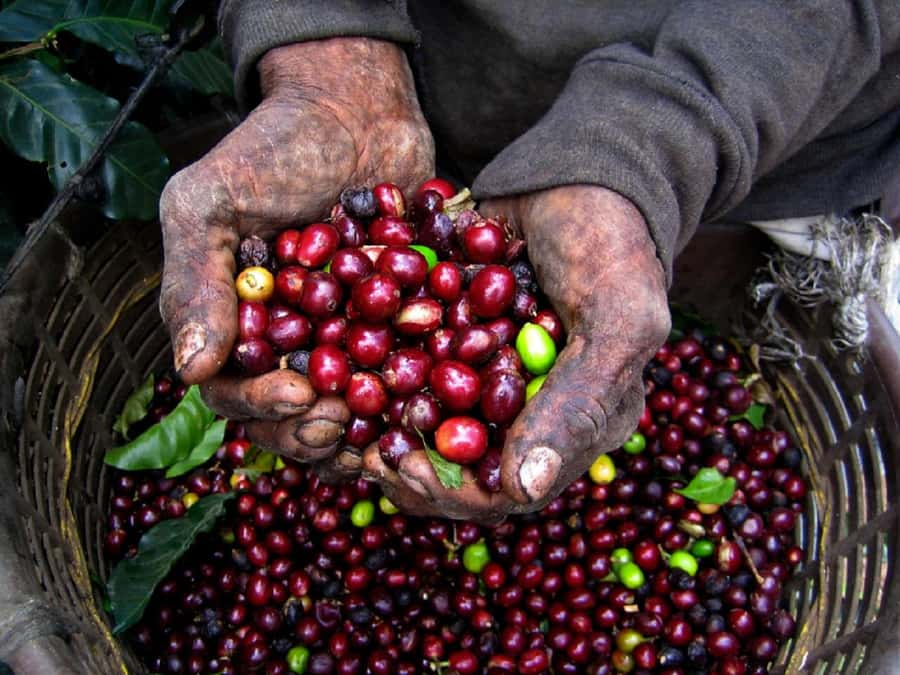
Coffee Union Cafe appears in the route as a guided sightseeing stop. The broader tour description highlights coffee farms, though the detailed timing does not explain exactly how much time is spent at a farm or what happens inside the cafe.
That means you should ask for clarification if coffee is a main reason for booking. The tour can introduce you to Moshi’s coffee connection, but the information provided does not promise a tasting, roasting demonstration, or extended plantation visit. The cafe is best treated as a cultural and local stop unless the operator confirms more.
The Old Moshi Cultural Tourism Enterprise adds another link to the area’s past and community life. It is listed as a photo and sightseeing stop, with a guided walk. Together with the railway station, it gives the day a historical thread without turning the whole experience into a formal museum tour.
The guide is important here. Thomas is repeatedly identified as the person leading the experience, and his background as a former Kilimanjaro guide gives him a useful connection between mountain tourism and town life. His English is described as strong, which matters when the subject is local customs, history, and everyday routines rather than simple directions.
What makes Thomas a key part of the day
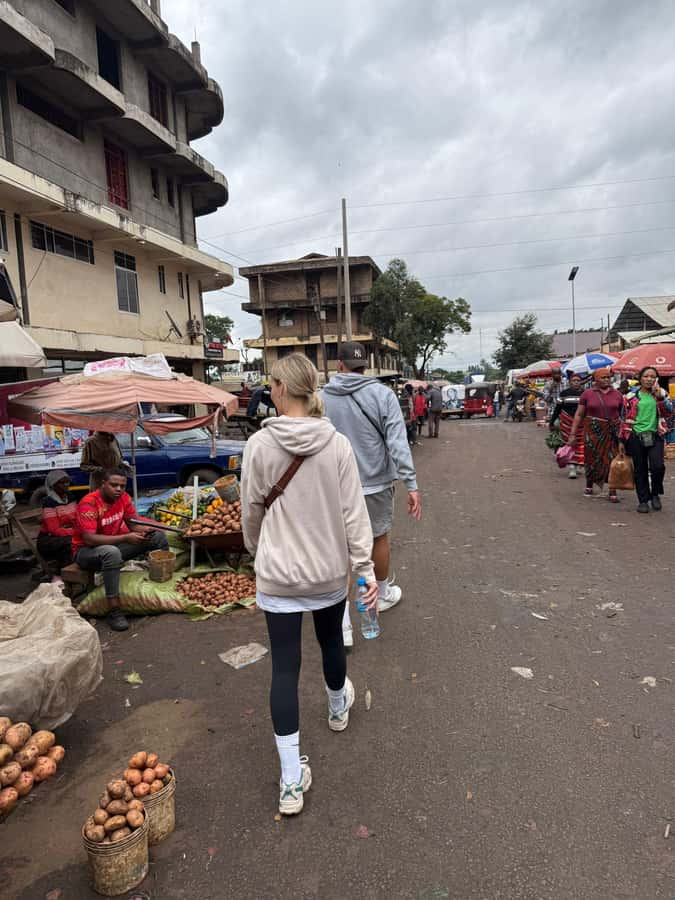
This tour depends heavily on the guide. The places themselves are public markets, roads, farms, and historic areas. Without explanation and local introductions, some stops could feel like a quick walk past ordinary scenes.
Thomas is described as well connected in Moshi, with many local people recognizing him. That can change the tone of the day. Instead of moving through town as an unknown outsider, you have someone who can introduce you to people and explain what you are seeing.
His experience also seems useful for solo visitors. One solo woman described feeling secure with him, and another visitor appreciated the way he helped with traffic and difficult public areas. The information does not make a formal safety guarantee, but it does suggest that a trusted local guide adds real value on busy streets and in unfamiliar neighborhoods.
The experience can also go beyond the printed stops. The supplied accounts describe visits or encounters involving a clinic or hospital, a school, a church, poorer neighborhoods, local children, and Thomas’s own family connections. These extra moments are not guaranteed itinerary items, so I would not book expecting all of them. Still, they show how the day may develop when a guide knows the town personally.
The strongest praise is consistent: Thomas makes Moshi feel personal and understandable. That is the main reason to choose this outing instead of arranging a driver to take you from one photo stop to another.
Price, group size, and what you actually receive

The listed price is $1,000 per person. That is a major consideration. The formal inclusions are hotel pickup, hotel drop-off, and the guide fee. A meal, market purchases, coffee tasting, entrance fees, or other extras are not listed.
The group limit is 10 people, which is small enough for questions and conversation. If the tour operates with fewer participants, you may receive a more personal experience, but the stated maximum is what you should use when judging the booking.
At this price, the tour makes the most sense for someone who values a local guide’s time and introductions more than a list of paid attractions. Thomas appears to be the central asset. You are paying for access to his understanding of Moshi, his ability to explain ordinary life, and the convenience of covering several areas in one day.
Still, I would ask Kuhetours to confirm exactly what the $1,000 covers before paying. The price is high for a seven-hour tour with only three inclusions clearly stated. Reserve-now, pay-later booking is available, and cancellation is free up to 24 hours ahead for a full refund, which gives you some flexibility while you check the details.
Walking, timing, and practical comfort
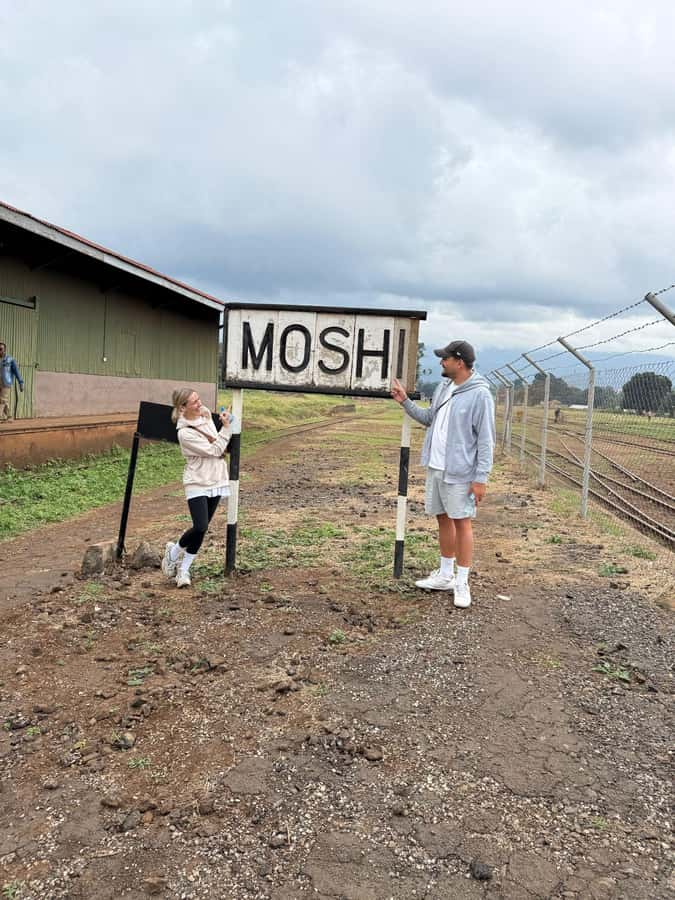
The day begins at 8:00 AM and is planned to end around 2:00 PM, although the overall duration is given as seven hours. The supplied schedule includes several 30-minute stops and some overlapping or inconsistent times, so do not treat each time stamp as exact.
You will walk through markets, transport areas, roads, and farm surroundings. One account describes dusty streets and a lot of walking. This is not a bus tour where you stay in a vehicle between polished attractions.
Wear sturdy, comfortable shoes. Bring water, sun protection, and a small bag that closes well. Since the tour includes public markets and local businesses, carry some flexibility in your schedule and do not expect every stop to run to the minute.
English is the listed tour language. The small-group format makes it easier to ask questions, though the tour may be less suitable if you want a private itinerary built around photography, shopping, or a long coffee visit.
Who should book this Moshi tour?
I would recommend it most strongly to people who have a spare day around Kilimanjaro or a safari and want context for the town. It suits you if you prefer markets, farms, local stories, and ordinary neighborhoods to formal attractions.
It is also a good fit for solo visitors who want a guide in busy public places, and for curious food-minded visitors who want to see how produce and fish are traded. The guide’s local connections are a major plus for anyone who wants more than a self-guided walk.
I would be more cautious if you are recovering from a difficult climb and need a truly restful day. The route involves walking and several changes of place. I would also pause if the $1,000 price is outside your budget, since the listed inclusions are limited.
Should you book it?
Book this tour if your priority is meeting Moshi through its markets, farms, transport routes, and local conversations. Thomas appears to make the difference, especially for visitors who want clear explanations and help navigating unfamiliar streets.
Do not book it blindly at the stated price. Confirm what is included, whether food or coffee activities cost extra, and how the itinerary will be timed. If those details work for you, this can be a meaningful add-on to a Kilimanjaro or safari trip. If you mainly want landmarks or a cheap city overview, the cost is difficult to justify.
FAQ
Where does the tour start?
The listed starting location is Keys Hotel, and the tour description also states that pickup is available from your hotel. Confirm the exact pickup point with Kuhetours before the day of the tour.
How long does the Moshi town tour last?
The activity is listed as seven hours. The schedule begins at 8:00 AM and is planned to finish around 2:00 PM, though the individual times may be flexible.
What language does the guide speak?
The listed tour language is English. Thomas is named as the guide in the supplied information, and his English is described as strong.
Is this a private tour?
No. It is described as a small-group tour with a maximum of 10 participants.
What places does the tour visit?
The route includes Moshi Bus Stand, Central Market, Mbuyuni Market, Manyema Market, Mabogini, Coffee Union Cafe, the old railway station, and Old Moshi Cultural Tourism Enterprise. Banana and rice farming areas are also part of the described day.
Are hotel pickup and drop-off included?
Yes. Hotel pickup and drop-off are listed among the inclusions.
Is food included in the price?
Food is not listed as an inclusion. The tour visits food markets and restaurants may be part of the wider description, but confirm any meals, tastings, or purchases with Kuhetours.
Can I cancel the booking?
You can cancel up to 24 hours in advance for a full refund, according to the supplied booking terms.
Can I reserve now and pay later?
Yes. The activity offers reserve-now, pay-later booking, allowing you to hold a place without paying immediately.
Just added in Moshi
- Wildlife Extravaganza: Manyara, Tarangire & Ngorongoro in 3 Days★ 5.0 · 3 reviews
- West Kilimanjaro cycling Adventures★ 4.5 · 8 reviews
- machame route★ 5.0 · 16 reviews
- Kilimanjaro Climb • Machame Route ~ 10 Day★ 5.0 · 6 reviews
- Kilimanjaro Climbing Umbwe Route★ 5.0 · 3 reviews
- Mt Kilimanjaro 6 days Marangu route hike★ 5.0 · 3 reviews
- 3 Days Private E-Bike Tour in West Kilimanjaro★ 5.0 · 3 reviews
- Private Cycle to Kilimanjaro Bike Park Safari★ 5.0 · 6 reviews
Tours in Moshi, compared.


Climbing Kilimanjaro through 7 days Machame Route
Read our review →
Materuni Waterfall, Coffee Tour and Picnic Hot Lunch
Read our review →