Reviewed · SAFARI TOURS
4-Day Tanzania Private Luxury Drive In-Drive Out Safari 2025-2026
The main event here is Serengeti wildlife viewing, with time for sunrise drives, sunset hours, and a full day around Seronera. You may see lions, cheetahs, elephants, leopards, buffalo, hyenas, and large herds of wildebeest and zebra. The Mara River crossing is seasonal and never guaranteed, so treat it as a possible bonus rather than the entire reason to book.
I like the private format, which keeps the vehicle and schedule focused on your group. I also like the practical all-in setup: lodging, meals, park fees, transport, and a driver-guide are covered. The main catch is the title’s promise of luxury and Tarangire access. The day-by-day plan lists Serengeti and Ngorongoro, but not Tarangire, and the exact lodges are not named.
Key points to know before booking
- Three major safari areas are promised in the highlights, but the detailed plan covers two: Serengeti and Ngorongoro are clearly included; Tarangire is not shown in the four-day schedule.
- The private vehicle matters: only your party joins, so you can ask for longer stops, better photo angles, or a change in pace.
- Serengeti gets the most time: you have an afternoon drive on day one, a full day on day two, and morning and afternoon viewing on day three.
- Ngorongoro Crater is the final wildlife hit: a seven-hour-plus crater drive gives you a strong chance to see many species in one compact area.
- The Mara River crossing is not guaranteed: migration timing changes, and the itinerary does not promise that you will reach a crossing point.
- The package is convenient but not fully all-inclusive: tips, visas, insurance, personal expenses, and hotel nights before and after the safari cost extra.
What this four-day Tanzania safari is really offering
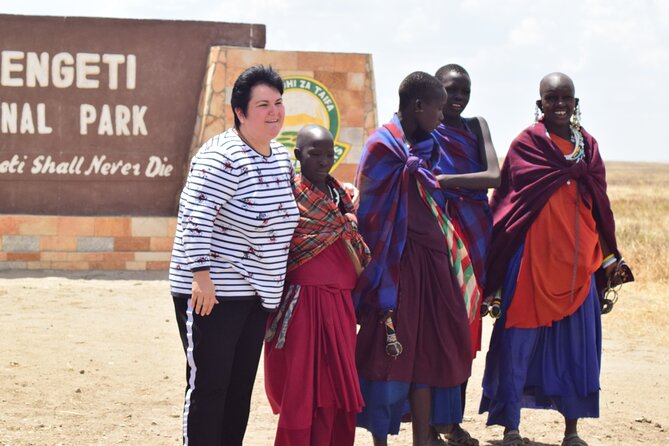
This is a fast, wildlife-heavy Northern Tanzania trip from Arusha. You spend most of your time in a safari vehicle, not in towns or cultural stops. That is good news if your priority is seeing animals and the open country around Serengeti and Ngorongoro.
The price is listed at $1,483 per person. For a private four-day trip with transport, park fees, lodging, three breakfasts, four lunches, and three dinners included, that can be a useful package price. Still, I would ask for the names and standard of the lodges before paying. Luxury means different things to different operators, and the accommodation is described only as a camp or lodge.
The schedule is also ambitious. Arusha to Serengeti is a long overland transfer, followed by a game drive on arrival. You get impressive scenery along the way, but this is not a leisurely transfer day. If you prefer more time at each park and fewer hours on the road, a five or six-day safari would be easier on the body.
The private format is one of the strongest parts of the trip. Your group is the only group on the activity, so you are not negotiating every stop with strangers. That gives you more control over photography, rest breaks, and how long you watch a pride of lions or a herd crossing the road.
Other park itineraries that start in Arusha:
- Serengeti Balloon Safari and authentic bush breakfast
★ 5.0 · 2,480 reviews - Balloon Safari & Bush Breakfast in Serengeti – Miracle Experience
★ 5.0 · 1,646 reviews - 4 Days Group Camping Safari
★ 5.0 · 1,101 reviews
Day 1: Arusha to Serengeti across the Rift Valley
Pickup is scheduled for 8:00 am at Shoppers Supermarket in Arusha. The supermarket stop is a useful touch. You can buy personal items before leaving town, rather than discovering halfway to Serengeti that you forgot snacks, toiletries, or a spare battery.
The drive takes you through the Maasai Steppe and across the floor of the Great Rift Valley. You then climb the escarpment and pass through the Ngorongoro Conservation Area before continuing toward Serengeti. This is a scenic introduction to northern Tanzania, with changing views and a sense of how much ground a safari covers.
The drawback is time. The itinerary says you reach Serengeti in the afternoon, then take an afternoon game drive until evening. That leaves little room for a slow start after the long drive from Arusha. You may spend several hours watching the road and scenery before the wildlife portion begins.
Once inside Serengeti, the open plains begin to feel very different from the cultivated areas around Arusha. The name means endless plains in Maasai, and the scale is the point. You are not visiting a small animal park where every enclosure is easy to scan. The guide must read tracks, movement, bird activity, and radio information to help locate animals.
Dinner and overnight accommodation are provided at a camp or lodge. Because the property is not named, ask where you will sleep, how far it is from the game-drive area, and whether the same accommodation applies to every departure date.
Day 2: A full Serengeti day around Seronera
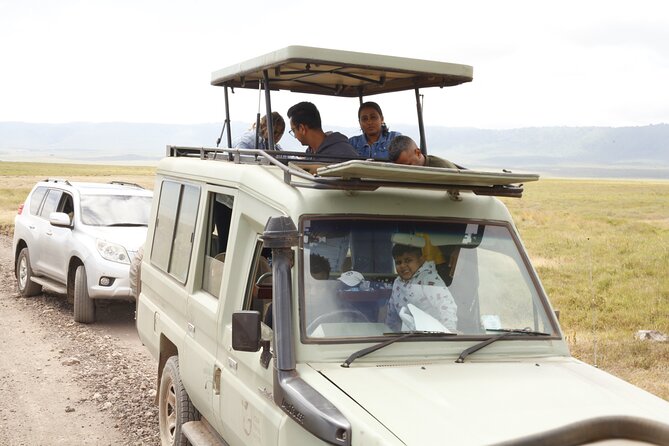
Day two is the safari workhorse. After breakfast, you spend about eight hours on a full-day drive in central Serengeti, around the Seronera area. This is the best part of the schedule for anyone who wants repeated chances at wildlife rather than a quick park visit.
The plan begins with sunrise viewing, when predators may be active. Early light also gives you softer photography and cooler conditions. You could see lions, gazelles, cheetahs, or other animals around the Sogore River Circuit, though no sighting can be promised.
A picnic lunch is planned near the Visitor Centre by Seronera Lodge. That breaks up the day without sending you back to your accommodation. The centre includes wildlife displays, so it offers a short change of pace from the vehicle.
The afternoon route includes the Kopjes Circuit. Kopjes are rocky outcrops that rise above the plains and can provide lookout points for lions and other wildlife. They also change the scenery after long stretches of grassland. This mix of river area, open plains, and rocky ground gives the day more variety than simply driving in one direction.
Central Serengeti is also where you have a fair chance of seeing the classic safari animals listed for the trip: elephants, lions, leopards, buffalo, hyenas, and cheetahs. The big five are possible, but you should keep expectations sensible. Rhino sightings are much less predictable than lion or buffalo sightings, and a four-day schedule cannot promise every species.
You return to the lodge or camp for dinner and another night. If you are hoping for a sunrise drive and a sunset drive on the same day, confirm the exact departure times. The plan refers to sunrise and afternoon viewing, but the final timing depends on park rules, distance, and your guide.
Day 3: More Serengeti, then the Ngorongoro rim
Day three gives you morning and afternoon game drives, with lunch and a rest period at the lodge in the middle. That pause is valuable. Safari vehicles are exciting, but sitting for hours on rough roads can be tiring, especially when you are trying to stay alert for animals.
The Serengeti is home to large populations of carnivores and plains animals. Lions, leopards, hyenas, and cheetahs are specifically named, along with many bird species, including eagles, vultures, and herons. The park is also part of the annual movement of wildebeest and zebra between the Serengeti and Kenya’s Maasai Mara.
The migration is the trip’s most heavily advertised feature, but timing matters. The plan mentions the northward movement in May or early June, while the Mara River crossing is associated with a different part of the annual cycle. A river crossing is a natural event, not a scheduled attraction. Ask the operator where the current herds are expected to be during your dates, and do not book this trip based on a guaranteed crossing.
After the afternoon wildlife drive, you leave Serengeti through the Ngorongoro gate and continue toward the crater. The route includes a game drive en route, then dinner and overnight accommodation near the crater rim.
Sleeping at or near the rim is useful because it positions you for an early descent the following morning. It also gives you a change from the broad plains of Serengeti. Temperatures can be cooler at elevation, so pack a warm layer even if Arusha is hot.
Other safaris people book out of Arusha:
- 5 Days Group Camping Safari
★ 5.0 · 730 reviews - 3 Days Serengeti & Ngorongoro Group Camping Safari
★ 5.0 · 574 reviews - 7-Day Premium Luxury Tanzania Safari All-Inclusive
★ 5.0 · 426 reviews - 3-Day Classic Serengeti Safari
★ 5.0 · 263 reviews
Day 4: Seven hours inside Ngorongoro Crater
The last day begins after breakfast with a descent into Ngorongoro Crater. You carry a packed lunch and spend more than seven hours on a crater game drive before returning to Arusha.
The crater is the collapsed bowl of an ancient volcano. Its steep walls hold a wide range of animals in a comparatively compact area, and the reliable water supply supports wildlife throughout the year. You might see wildebeest, zebra, buffalo, elephants, lions, hyenas, and leopards. The crater is also one of the places associated with black rhino sightings, though seeing one is never certain.
This is a strong final day because you are not simply driving through the crater on the way home. The plan allows a full morning and afternoon period, with a picnic lunch during the drive. That gives your guide time to search different areas rather than rushing you to the exit.
There is a practical limit, though. Seven or more hours on crater roads is a long day, and the trip back to Arusha comes afterward. You should expect to arrive tired. The schedule is best for people who want to use every available hour for wildlife rather than finish with a relaxed hotel afternoon.
The crater also has a different feel from Serengeti. Serengeti gives you enormous horizons and moving herds across open plains. Ngorongoro concentrates wildlife within a natural bowl, with the crater walls always shaping the view. Having both areas in one trip gives you two distinct safari settings.
Luxury, meals, and what is actually covered
The package includes a driver-guide, hotel accommodation during the safari, park fees and taxes, breakfast for three mornings, lunch on all four days, and dinner for three nights. That removes several large planning tasks and makes the quoted price easier to understand.
The word luxury needs checking. No lodge names, room descriptions, room photos, or specific amenities are provided. Some customer accounts connected with the operator describe tented accommodation, including mobile tents moved between locations. That can be a fine safari experience, but it is not the same as a fixed luxury lodge with a swimming pool and large rooms.
Ask these questions before booking:
- What are the exact properties for each night?
- Is the accommodation a fixed lodge, permanent tented camp, or mobile tent?
- Is there private bathroom access?
- Is Wi-Fi available, and is it included?
- Are vegetarian or vegan meals available?
- Is bottled water included?
- How many people fit in the private vehicle?
Dietary flexibility has been handled well on some departures, including vegetarian and vegan meals. Still, tell the operator your needs before arrival rather than relying on a last-minute request.
The guide and vehicle can make or break the trip
A private safari depends heavily on the driver-guide. Joseph is one guide associated with particularly strong safari experiences from this company, including a Tarangire day and migration trips. Your assigned guide is not stated, so do not assume Joseph will lead your departure.
A good guide does more than point out animals. You need someone who can explain behavior, choose sensible routes, handle long transfer days, and give you honest advice when a sighting is unlikely. The vehicle is equally important. One account describes a top-class safari car, but vehicle details are not specified for every booking.
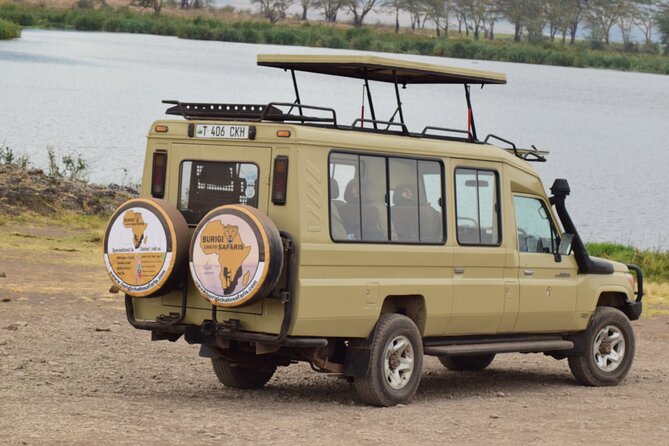
Ask if the vehicle has a pop-up roof, charging points, window seats, and enough room for your group and luggage. Since this is private, the number of passengers affects comfort. A private booking for two people feels very different from a private booking for six.
The Tarangire question needs a clear answer
Tarangire appears in the main highlights, but it does not appear in the four-day schedule. The listed route covers Arusha, Serengeti, Ngorongoro, and the return to Arusha. Tarangire is a separate park, so adding it would change the driving plan.
Do not assume you will visit Tarangire because it is named in the sales description. Ask for written confirmation before booking. If Tarangire matters to you, request a revised itinerary showing the exact day, travel time, and accommodation.
This is an important point because Tarangire offers a different experience from Serengeti and Ngorongoro, especially for anyone interested in elephants and big baobab trees. But based on the detailed four-day plan, you should prepare for Serengeti and Ngorongoro only.
Who should book this safari?
I would choose this trip if you have four days available, want a private vehicle, and care more about wildlife time than slow travel. It suits first-time safari visitors who want the major northern circuit names without arranging separate hotels, meals, park fees, and transfers.
It also fits families or couples who prefer their own vehicle and do not want to adapt to a shared group schedule. The all-meal setup keeps planning simple, and the supermarket stop gives you one last chance to buy personal supplies.
I would hesitate if luxury accommodation is essential and you have not received lodge details. I would also hesitate if the Mara River crossing is your only goal, because migration timing and animal movement cannot be controlled. A longer trip with several nights in the northern Serengeti may give you better odds during the crossing season.
At $1,483 per person, the value is strongest when the promised private transport, park fees, and accommodation are genuinely included at the stated standard. Get the lodge list and Tarangire clarification first. If those answers match your expectations, this is a compact and practical safari with serious Serengeti time and a strong Ngorongoro finish.
FAQ
Where does the safari start and end?
It starts at Shoppers Supermarket in Arusha at 8:00 am and ends back at the same meeting point.
Is this a private safari?
Yes. Only your group participates in the activity.
Are meals included?
Yes. The package includes three breakfasts, four lunches, and three dinners.
Is accommodation included?
Yes. Hotel, lodge, or camp accommodation during the safari is included. Nights before and after the safari in Arusha are not included.
Are Serengeti and Ngorongoro included?
Yes. The schedule includes Serengeti National Park on days one through three and Ngorongoro Conservation Area on day four.
Is Tarangire National Park included?
Tarangire is named in the highlights, but it is not included in the detailed four-day schedule. Confirm this point with the operator before booking.
Just added in Arusha
- 4 Days Private Midrange Lodge Safari to Serengeti & Ngorongoro★ 5.0 · 4 reviews
- Extraordinary Hot air Bolloon ride in Serengeti | BURIGI CHATO SAFARIS CO L.T.D★ 5.0 · 6 reviews
- 3 days leopard safaris★ 5.0 · 4 reviews
- 8 Days Serengeti Migration safari★ 5.0 · 11 reviews
- tarangire, ngorongoro & lake manyara park 3 days private tour★ 5.0 · 11 reviews
- tarangire & ngorongoro 2 days tour★ 5.0 · 14 reviews
- Mt. Kilimanjaro: Shira plateau to Cathedral point 3872m Day hike★ 5.0 · 7 reviews
- serengeti, ngorongoro & tarangire 4 days private tour★ 5.0 · 18 reviews
Safari Tours, compared.
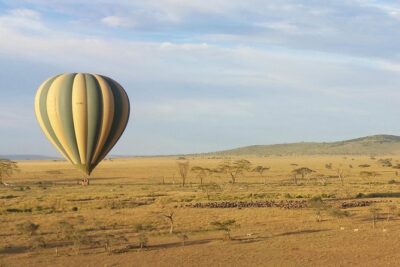
Serengeti Balloon Safari and authentic bush breakfast
Read our review →
Mikumi Safari Day Trip with Flights and Meal
Read our review →
3 Days Serengeti & Ngorongoro Group Camping Safari
Read our review →
7-Day Premium Luxury Tanzania Safari All-Inclusive
Read our review →
Safari Blue Lagoon Trip with Snorkeling and Lunch
Read our review →