
Reviewed · NGORONGORO CRATER TOURS
3 Days Small Group Safari to Serengeti NP and Ngorongoro Crater Tour in Tanzania
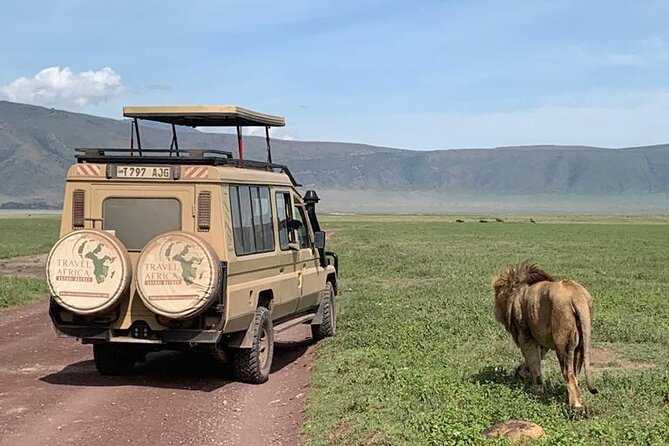
The big draw here is the chance to see both Serengeti National Park and Ngorongoro Crater in only three days. You spend your first day crossing into the southern Serengeti, then follow the wildlife route toward Seronera before sleeping near Ngorongoro. On the final morning, you descend into the crater for a close look at one of Tanzania’s most concentrated wildlife areas.
I like two things right away: the group is capped at six people, and the price includes park fees, meals, camping equipment, and an English-speaking driver-guide. That makes $815 a person a strong value for a short safari. Guides such as Omary and George have been praised for working hard to find animals and explain what you are seeing.
The trade-off is comfort. This is a budget camping trip, not a lodge safari. One past departure had a poor Serengeti campsite with no shower or lights, so you should be ready for basic conditions and long drives. The rewards can be excellent, but the days are full and the sleeping arrangements may be rough.
Key points to know before booking
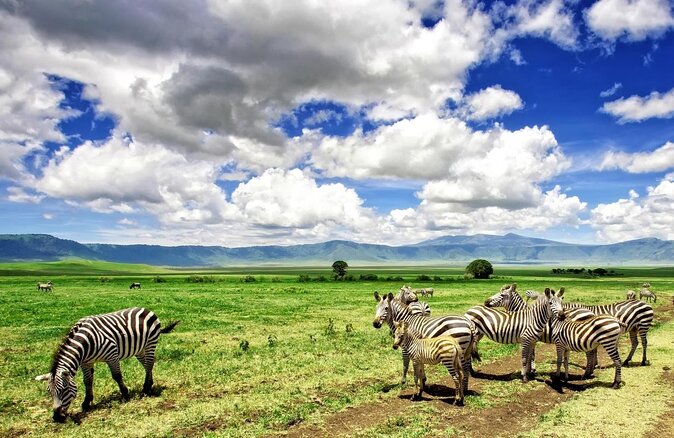
- Two famous parks in three days: You visit the open plains of the Serengeti and the enclosed wildlife world of Ngorongoro Crater.
- Small group of up to six: A compact vehicle group gives you more room and makes it easier to ask your guide questions.
- Long first-day transfer: The drive from Arusha to the southern Serengeti takes about six hours and covers roughly 335 kilometers.
- Camping keeps the price down: Tents, camping gear, meals, and park fees are included, but campsite standards can be very basic.
- A strong wildlife mix: Expect opportunities to see wildebeest, zebra, gazelle, elephants, buffalo, lions, hippos, and possibly black rhino.
- A late return to Arusha: The crater visit ends around 3 p.m., with the drive back reaching Arusha around 7 p.m.
What $815 buys you on this Tanzania safari
At $815 per person, this tour sits in the budget-to-midrange part of the safari market. The value comes from packing two major destinations into three days while covering the costly basics: park fees, meals, camping gear, and a professional English-speaking guide.
You receive two breakfasts, three lunches, and two dinners. That matters on a route where you spend long stretches inside protected areas and cannot simply stop at a town café. Lunch is carried as a picnic or lunch box on the game-drive days.
The price does not include tips for the driver-guide or safari cook, and travel insurance is also extra. It is wise to keep those costs separate when planning your budget. The booking also has free cancellation up to 24 hours before the start time. A minimum group size is required, so a departure could be changed or refunded if that number is not reached.
The tour begins at Arusha Tourist Inn on Sokoine Road at 7 a.m., with pickup offered from your accommodation. The supplied schedule also describes breakfast at 7 and pickup around 8, so confirm the exact pickup time with the operator before departure. Small details like this matter when you are trying to sleep before a long first day.
Other park itineraries that start in Arusha:
- Serengeti Balloon Safari and authentic bush breakfast
★ 5.0 · 2,480 reviews - Balloon Safari & Bush Breakfast in Serengeti – Miracle Experience
★ 5.0 · 1,646 reviews - 4 Days Group Camping Safari
★ 5.0 · 1,101 reviews
Day one: Arusha to the southern Serengeti
The first day is mostly about reaching the animals. From Arusha, you travel toward the southern Serengeti through the Ngorongoro gate area. The stated distance is about 335 kilometers, with roughly six hours of driving before the game viewing begins.
That is a serious transfer, but it is part of the bargain. A longer safari would spread this drive over more time. Here, you accept a demanding start so that you can reach the Serengeti quickly and still have time for a first game drive.
The southern zone is known for broad grass plains. Wildebeest and zebra are common possibilities, along with Coke’s hartebeest, waterbuck, Grant’s gazelle, Thomson’s gazelle, impala, and other grazing animals. These open areas are especially important because they provide food for large herds during much of the year.
You then explore the central Serengeti and the Seronera Valley. This area has more acacia vegetation and rocky kopjes, the low rock formations scattered across the plains. Kopjes give predators a high point for watching prey, while smaller creatures such as hyrax, reptiles, and sometimes pythons use the rocks for shelter.
The first afternoon can be rewarding, but it is best not to treat it as a guarantee of nonstop sightings. Wildlife moves on its own schedule. The appeal of this route is that you are looking across a huge open area, not being led from one fixed animal enclosure to another.
The program also includes a visit to a hippo habitat. Hippos are often best appreciated from a respectful distance, with their broad backs visible in the water and their grunts carrying across the area. Ask your guide how much time is planned there, since the actual stop can depend on the day’s route and wildlife conditions.
Seronera Valley and the search for predators
Seronera is an important part of the trip because its mix of grass, trees, and rocky outcrops supports many different animals. The kopjes can help a guide scan for movement, while the acacia areas offer shade and cover.
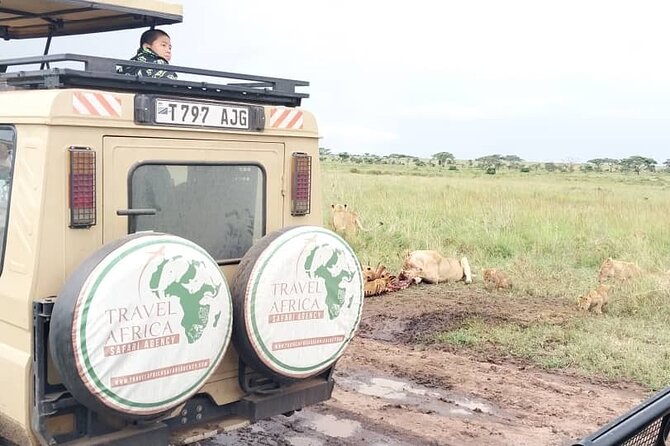
Leopards are described as commonly seen in this part of the Serengeti, though no safari can promise one. Lions and other predators may also appear as you pass through grazing areas. The guide’s skill matters here, since spotting wildlife is not only about driving to a famous place. It also involves reading the terrain and knowing where to look.
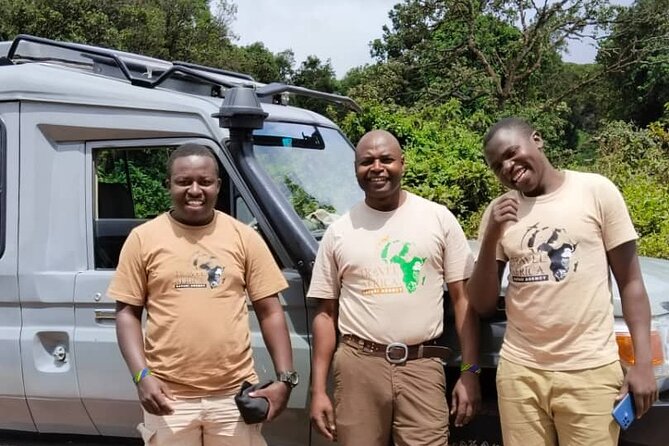
Past departures included guides named Omary and George. Both received specific praise for making an effort to find requested animals and for keeping the day moving. Your guide may be someone else, but the practical lesson is useful: tell the guide early which animals matter most to you. A small group makes that conversation easier.
The first night is camping in or near the Serengeti portion of the route. This is where expectations matter most. The camping equipment is included, but the supplied information does not promise hotel-style facilities. One account described a Serengeti campsite with no shower, no lights, and poor cleanliness.
That does not make every departure the same, but it is a clear warning. Pack a headlamp, toiletries that work with limited water, hand sanitizer, and a portable battery if you have one. These are sensible additions for any basic camping trip, and they can make the evening far easier.
Day two: a final Serengeti drive toward Ngorongoro
The second morning begins with breakfast and a half-day game drive in the Serengeti. You will carry a lunch box, which lets the vehicle stay in the park rather than returning to camp for a midday meal.
This is a good use of the morning. Wildlife is often the main reason for entering the Serengeti, and the schedule gives you more time on the plains before moving on. You also enjoy game viewing while traveling toward the Ngorongoro Conservation Area.
The change in scenery is one of the best parts of the trip. The Serengeti feels wide and open, with animals spread across great distances. Ngorongoro is more enclosed, with the crater walls holding a large concentration of wildlife in a contained natural basin.
By afternoon, you reach Simba Campsite in the Ngorongoro Conservation Area for dinner and the night. The campsite location helps position you for the early crater visit on day three. It also means you are not trying to drive from Arusha, complete a crater tour, and return on the same day.
Do not expect the second night to feel like a private safari lodge. Camping is included because it keeps the overall price manageable. If a shower, electricity, and polished rooms are essential to you, this is probably the wrong format. If you can accept a basic night in exchange for more time in the parks, the arrangement makes practical sense.
Other safaris people book out of Arusha:
- 5 Days Group Camping Safari
★ 5.0 · 730 reviews - 3 Days Serengeti & Ngorongoro Group Camping Safari
★ 5.0 · 574 reviews - 7-Day Premium Luxury Tanzania Safari All-Inclusive
★ 5.0 · 426 reviews - 3-Day Classic Serengeti Safari
★ 5.0 · 263 reviews
Day three: descending into Ngorongoro Crater
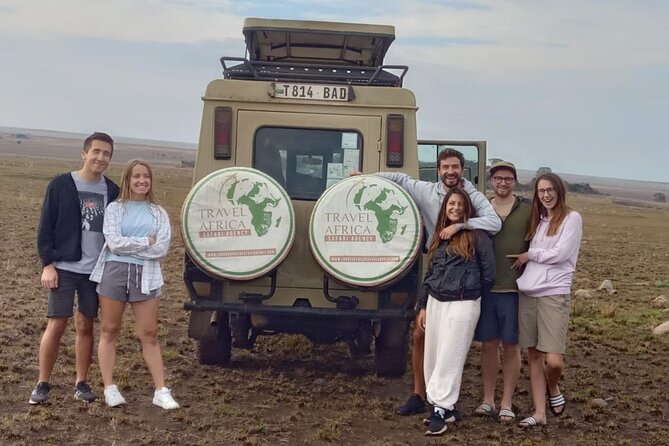
Breakfast is scheduled for 7 a.m., with the crater descent at 9. The crater tour lasts until about 3 p.m. and includes a picnic lunch. That gives you a substantial half-day inside the crater rather than a quick viewpoint stop.
Ngorongoro Crater is special because its steep walls create a compact wildlife area. The plains, woodland, water, and open ground support a wide range of animals in one trip. Elephants are found on the plains, and buffalo, wildebeest, gazelle, waterbuck, eland, serval, golden jackal, and bat-eared fox are among the possible sightings.
Black rhino is one of the most notable possibilities. Seeing one is never guaranteed, but Ngorongoro is known for providing a chance to look for this rare animal. Lions and hippos are also possible, and the crater can sometimes offer an unusually strong mix of large species in a single day.
The description of Ngorongoro includes the Big Five, but you should read that as a possibility, not a promise. Giraffe, oribi, topi, spotted hyena, cheetah, and impala are listed as absent or rarely seen in the crater. This is useful context because it prevents you from assuming that every famous African animal is equally likely here.
The area also has cultural and archaeological importance. Maasai families live in circular bomas, and the Ngorongoro region is linked with early human evolution through the work of Mary and Louis Leakey. The route may also include views of Moru Kopjes and sites connected with Maasai cave paintings. These details add meaning to the drive, but the main focus of this short tour remains wildlife.
At about 3 p.m., you leave the crater area for Arusha. The return is scheduled for around 7 p.m. That makes the final day long, but it also lets you finish the crater visit without cutting the wildlife time too short.
Small-group travel and the role of the guide
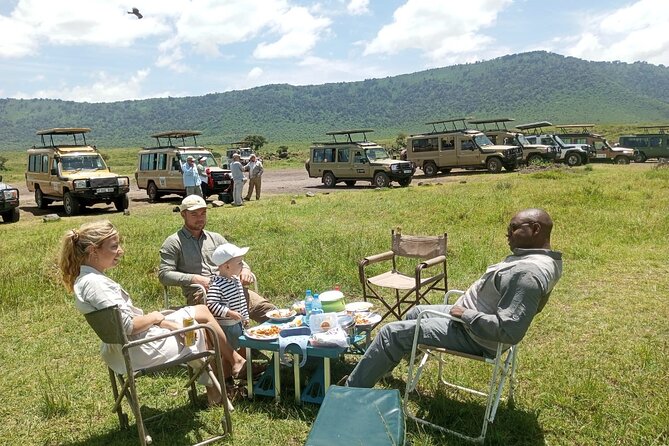
A maximum of six people is one of the tour’s strongest features. You are not dealing with a large bus group, so asking questions is easier and the guide can hear what you want to see. A smaller vehicle group can also make the long drives feel less tiring.
The guide is both driver and interpreter. You need someone who can manage the roads, watch for animals, explain the park, and keep the schedule realistic. English is the stated guiding language.
Omary and George are names associated with especially positive departures, but you should not assume either person will lead your booking. Ask the operator if a particular guide is available before paying, especially if that is important to you.
A good guide cannot control animal sightings or campsite conditions. What the guide can do is communicate clearly, respond to your priorities, and make sensible choices when time is limited. Tell the guide if you care most about big cats, elephants, birds, hippos, or the scenery. You will get more from the trip when your priorities are clear.
Who should book this safari?
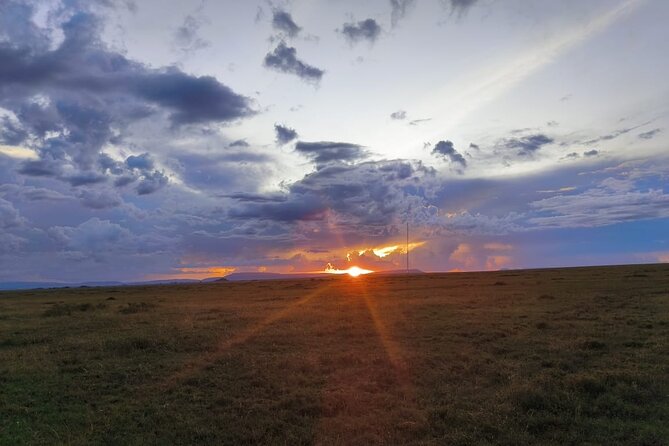
I would recommend this trip to someone with limited time in Tanzania who wants the two major wildlife areas without paying for a longer lodge itinerary. It also suits people who enjoy a social small-group setting and do not mind basic camping.
This is a good fit if you value time inside the parks more than comfort at night. The meals, park fees, gear, and guide included in the price remove several planning tasks, while the six-person limit keeps the group personal.
I would be cautious if you dislike long road transfers, need reliable campsite facilities, or want a slow safari with plenty of rest. The first day covers a lot of ground, and the final drive back to Arusha ends late. The schedule is efficient, not leisurely.
Bring practical gear: a headlamp, light layers, sun protection, sturdy shoes, personal toiletries, and a way to keep devices charged. The most important thing to pack is a flexible attitude. Wildlife and campsite conditions do not always follow the timetable.
Final verdict: strong wildlife value with basic camping
I would book this safari if my priority were seeing Serengeti and Ngorongoro on a controlled budget. The combination of park fees, meals, camping equipment, a professional guide, and a group of no more than six gives the $815 price real value.
I would not book it expecting comfort or a relaxed pace. The camping can be very simple, the drives are long, and the animal sightings depend on nature. For a short first safari, though, the route makes good sense: wide Serengeti plains, predator country around Seronera, then a concentrated crater visit before returning to Arusha.
The choice is simple. Choose this trip for access, variety, and value. Choose a longer or more comfortable safari if the tent experience and tight schedule sound like compromises you will regret.
FAQ
Where does the safari start and end?
The tour starts at Arusha Tourist Inn on Sokoine Road in Arusha. It ends back at the meeting point in Arusha.
What time does the tour start?
The stated start time is 7 a.m. The schedule also describes breakfast at 7 a.m. and pickup around 8 a.m., so confirm the exact pickup time with the operator.
How large is the group?
The maximum group size is six people.
Is transportation from accommodation included?
Pickup is offered, and the tour information specifies pickup from your accommodation. The listed meeting point is Arusha Tourist Inn.
Are meals included?
Yes. The package includes two breakfasts, three lunches, and two dinners.
Is camping equipment included?
Yes. Camping gear is included in the tour price.
Is a guide included?
Yes. A professional English-speaking driver-guide is included.
What is not included in the price?
Tips for the driver-guide and safari cook are not included. Travel insurance is also not included.
More Serengeti safaris from Arusha
- 5-Day Highlights mid-Range Crater, Serengeti, Tarangire
★ 5.0 · 296 reviews - Private 6-Day Tarangire Manyara Crater and Serengeti with Mid-Range Lodges
★ 5.0 · 238 reviews - 10-Day Serengeti Wildebeest Migration Safari from Arusha
★ 5.0 · 218 reviews - 8 Day Spectacular Migration Serengeti mid -Range Tanzania Safari
★ 5.0 · 161 reviews
More Ngorongoro trips from Arusha
- 5 Days Camping Tarangire, Serengeti & Ngorongoro crater & Visiting Maasai
★ 5.0 · 229 reviews - 4 Days Join Group tour Tarangire Serengeti and Ngorongoro crater
★ 5.0 · 219 reviews - 4-Day Safari from Arusha: Tarangire, Serengeti and Ngorongoro
★ 5.0 · 173 reviews - 2 Days Tarangire and Ngorongoro Group Camping Safari
★ 5.0 · 146 reviews
Just added in Arusha
- 2-Day Private Luxury Safari from Zanzibar with Flights★ 3.2 · 5 reviews
- 7-Day Private Tanzania Safari with Sunset Walking on the Crater Rim and Maasai★ 5.0 · 40 reviews
- Saadani Day Trip★ 5.0 · 13 reviews
- Nyssa Luxury Balloon in Safaris and Serengeti★ 5.0 · 69 reviews
- Arusha National Park Day Trip★ 4.5 · 18 reviews
- Arusha National Park Private Safari★ 5.0 · 59 reviews
- 8 Days Mountain Kilimanjaro Lemosho Route★ 5.0 · 22 reviews
- 7 Days Tanzania Mid-range lodge safari★ 5.0 · 22 reviews
Ngorongoro Crater Tours, compared.
3 Days Serengeti & Ngorongoro Group Camping Safari
Read our review →
4-Day Safari from Arusha: Tarangire, Serengeti and Ngorongoro
Read our review →
2 Days Tarangire and Ngorongoro Group Camping Safari
Read our review →
3 Days Private Safari – manyara, Ngorongoro & Tarangire
Read our review →
5 Days Tanzania Group Joining Safari, Tarangire/Serengeti/Ngorongoro Crater
Read our review →
4 Days Tarangire, Serengeti and Ngorongoro Mid-Range Group Safari
Read our review →Browse the lists this tour appears in