Reviewed · SAFARI TOURS
3 Days Tanzania Safari
Tarangire’s giant baobabs and elephant herds make a fine opening act, but the real strength of this safari is its variety: three very different parks in three days. You move from dry woodland and underground water to a crater packed with wildlife, then finish beside a soda-ash lake alive with birds. I like the private format, too. Your group has the vehicle to itself, rather than sharing every decision with strangers.
I also like that the price covers the costly parts of a safari, including park fees, a 4×4 with a pop-up roof, meals, water, a guide, binoculars and emergency evacuation insurance. The catch is the pace: seven-hour park days and long road transfers leave little room for a slow morning. Camping also means you should be comfortable with basic conditions, and the exact standard of the two nights’ accommodation should be confirmed before paying.
Key points to know before booking
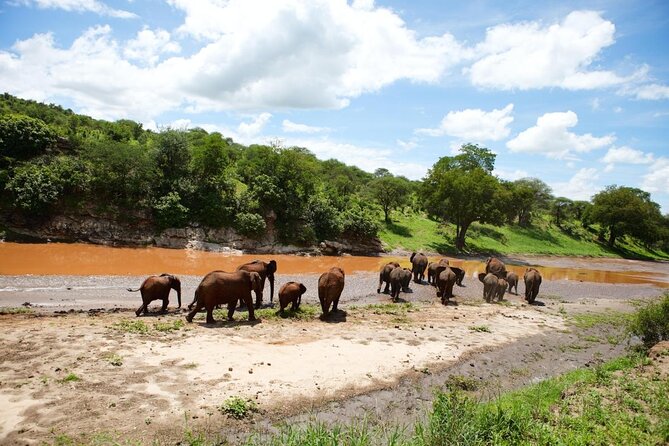
- Tarangire opens the trip with elephants and baobabs: Dry riverbeds and shrinking lagoons can draw large herds during the drier months.
- Ngorongoro is the wildlife centerpiece: You descend about 600 metres into the crater for a concentrated game drive and a chance of seeing rhino.
- Lake Manyara adds birds and a different setting: Flamingos, waterfowl and more than 400 recorded bird species give the final day a new focus.
- The safari is private: Only your own group takes part, with a 4×4 and pop-up roof supplied for game viewing.
- The guide can shape the experience: Past trips have been led by guides including Roger, Alan, Joshua, Edwin, Francis, Rashid and Richard Moshi.
- The price is easiest to justify for a small group: At $1,038.47 per person, the included park charges, meals, vehicle and guide save you from arranging the expensive pieces separately.
Why this three-day route works
Tanzania’s Northern Circuit is not one single type of safari. Each park changes the scenery, animal patterns and feel of the day. That matters on a short trip. You do not spend all three days looking at the same scrub or following the same road.
The route also gives you a sensible first taste of northern Tanzania. Tarangire introduces the country’s big mammals and striking trees. Ngorongoro brings the famous crater setting and dense wildlife. Lake Manyara finishes with forest, lake and birdlife.
You should not mistake the compact schedule for a light one. Day one is listed at about seven hours, day two at about seven hours and day three at about six hours, before counting every road transfer. You will spend a lot of time in the vehicle, but the pop-up roof lets you stand for viewing and gives you a better angle for photographs than a standard car.
The tour starts with pickup from Mount Meru Hotel in Arusha. The stated return options are Arusha, Moshi or Kilimanjaro Airport, which is useful if this safari sits between a hotel stay and a flight. Airport transfers before or after the tour are not included, so plan those separately or request them as an extra.
Other park itineraries that start in Arusha:
- Serengeti Balloon Safari and authentic bush breakfast
★ 5.0 · 2,480 reviews - Balloon Safari & Bush Breakfast in Serengeti – Miracle Experience
★ 5.0 · 1,646 reviews - 4 Days Group Camping Safari
★ 5.0 · 1,101 reviews
Day one: Tarangire’s elephants and baobabs
The first park gives you an immediate sense of why safari country is more than a list of animals. Tarangire is known for its huge baobabs, open vegetation and seasonal water sources. The trees give the park a distinct character, while the dry riverbeds can become important routes for animals searching for water below the surface.
Elephants are the main attraction here. The park can hold large herds, with groups of up to about 300 animals described in the tour information. You may see them near water, crossing the road or feeding beneath the broad baobabs. Their size makes them easy to spot, but their behavior is the better reward. Watch how a herd moves together, how adults keep young animals close and how dust, shade and water shape the morning.
Migrating wildebeest, zebra and buffalo may gather around shrinking lagoons. That mix gives your guide several ways to read the park. A good guide can point out tracks, explain seasonal movement and help you understand why one stretch of dry ground is worth stopping beside.
The listed plan is a morning departure from Arusha, followed by an afternoon game drive and a picnic lunch. The seven-hour estimate is only a rough guide. Road conditions, park traffic and animal sightings can stretch the day. You should carry sun protection, a hat and a small personal bag that stays easy to reach in the vehicle.
Tarangire is also a good place to use the supplied binoculars and field guide. The binoculars help when animals are far off or birds sit high in a tree. The field guide gives you something useful to do between major sightings and can turn a quick glimpse into a better understanding of what you saw.
Day two: descending into Ngorongoro Crater
Ngorongoro is the visual high point for many people on this route. The crater walls rise around a broad floor, and the road descends roughly 600 metres from the rim. The change in height gives the morning a clear sense of occasion, but the animals below are what keep the day moving.
The crater floor acts as a concentrated wildlife area. You might see grazing herds, predators, birds and, with luck, the endangered black rhino. No safari can promise a particular animal, so treat rhino as a possibility rather than a guarantee. The same applies to the much-hoped-for Big Five, which some past parties have seen but which cannot be assured in three days.
An early start matters here. The plan calls for rising early and descending into the crater, giving you more useful viewing time before the day grows hot and busy. It also means this is not a holiday schedule built around leisurely breakfasts. If you sleep poorly in a tent or need a slow start, tell the operator before booking.
Ngorongoro is a conservation area as well as a famous wildlife site and UNESCO World Heritage location. That distinction gives the setting more depth. You are not simply looking at a large enclosure. The crater is part of a wider protected area where wildlife, pastoral communities and tourism exist alongside one another.
The day is listed at about seven hours. Much of that time is spent on the crater floor and in the vehicle, with a picnic meal included according to the itinerary. Roads can be rough, and the motion is tiring. If you have back or mobility concerns, discuss them in advance. The tour asks for a moderate fitness level, and the physical demand comes less from walking than from early starts, vehicle time and camping.
Day three: Lake Manyara and the birdlife of the Rift Valley
Lake Manyara changes the rhythm again. The park lies in the Great Rift Valley and combines woodland, open areas and a soda-ash lake. You may come for the famous tree-climbing lions, but the park’s birdlife deserves equal billing.
The lake shore can attract pink flamingos, while the park has more than 400 recorded bird species, including waterfowl and migrant birds. This makes Manyara a strong final stop for anyone who enjoys birds, photography or smaller details. Your binoculars will be especially useful here, and the field guide is more than a spare extra.
Tree-climbing lions are one of the park’s signature sightings, but you should keep expectations sensible. They are a possibility, not a scheduled performance. The same patience that helps at Tarangire helps here. A guide may need to stop, scan trees and wait for a clear view rather than rush from one animal to the next.
The final park day is listed at about six hours, followed by a drive back toward Arusha, Moshi or Kilimanjaro Airport. That return makes the tour practical for a short Tanzania visit, but check your onward schedule carefully. A game drive, park exit and road transfer can make this a full day, so a late flight may be uncomfortable.
Other safaris people book out of Arusha:
- 5 Days Group Camping Safari
★ 5.0 · 730 reviews - 3 Days Serengeti & Ngorongoro Group Camping Safari
★ 5.0 · 574 reviews - 7-Day Premium Luxury Tanzania Safari All-Inclusive
★ 5.0 · 426 reviews - 3-Day Classic Serengeti Safari
★ 5.0 · 263 reviews
What the private 4×4 adds
The vehicle is a major part of the experience. This tour includes an unlimited-mileage 4×4 with a pop-up roof, designed for wildlife viewing. The roof gives you a higher viewpoint and lets you stand while the vehicle is stopped. It also helps you look across grass and scrub instead of viewing everything through side windows.
Unlimited mileage matters because wildlife sightings are not placed at fixed points. Your guide may need to cover more ground, return to a promising area or follow information about an animal elsewhere in the park. That flexibility is useful on a three-day safari, where every game-drive hour counts.
The private arrangement is another advantage. Only your own group participates, so you can ask questions, spend more time at an interesting sighting and discuss the pace with your guide. It does not mean the itinerary is slow, but it should make the ride more personal than a large shared departure.
A good guide can make a major difference. Names associated with past trips include Roger, Alan, Joshua, Edwin, Francis, Rashid, Richard Moshi, Ian and others. Their roles go beyond pointing out animals. The best guiding includes explaining behavior, identifying birds, reading the road and adjusting to what you actually want to see.
Still, a private vehicle does not remove the normal safari limits. Animals move where they wish, park roads can be rough and weather can affect visibility. You are paying for access, transport and guiding, not a guarantee of the Big Five or a perfect photograph.
Camping, meals and what is included
This is a camping safari with two nights of accommodation. The supplied details do not describe the camps in enough detail to judge tent size, bathroom arrangements, bedding or whether staff pitch everything for you. Ask those questions before booking. The word camping can cover very different levels of comfort.
Food is included according to the itinerary, with breakfast, lunch and dinner provided. Bottled water, coffee and tea are also included. Picnic lunches are part of the game-drive plan, which saves time and lets you eat in the park rather than leaving for a restaurant.
The inclusion list is generous, although it shows four breakfasts and four lunches alongside three dinners for a three-day trip. That may reflect how the operator counts travel-day meals, but I would confirm the exact meal plan for your departure. Vegetarian food is available if requested at booking.
Park fees and government taxes are included. That is important because entrance and conservation charges can make up a large share of a safari bill. Emergency evacuation insurance is also included, but it is not a substitute for full travel insurance. Personal medical cover, baggage protection and trip cancellation cover remain your responsibility.
You pay extra for alcohol, personal items, cameras, visas, travel insurance and gratuities. The suggested tips are $15 per day for the cook and $20 per day for the guide, divided among everyone in the vehicle. Build those amounts into your budget rather than treating them as a surprise at the end.
Is $1,038.47 a fair price?
At $1,038.47 per person, this is not a cheap three-day outing. It is a serious portion of a Tanzania trip budget. But the price includes the costly framework of a private safari: park fees, a dedicated 4×4, professional guiding, two nights of accommodation, meals, water, taxes, binoculars and emergency evacuation insurance.
The value improves when several people share the vehicle while keeping the private format. Group discounts are offered, so ask how the rate changes with your party size. A solo booking may feel expensive, while a small group can spread the guide, vehicle and operating costs more efficiently.
The camping format also keeps the price below many lodge safaris, though you should compare like with like. Confirm the campsite standard, sleeping arrangements and any extra charges before comparing this with a lodge package. A lower headline price is not always better if it leaves out fees or meals.
I would also compare the departure and return plan with your accommodation costs. Pre-tour and post-tour lodging are not included, nor are airport transfers before or after the safari. Those additions can change the real total.
Who should choose this safari?
I would choose this trip if you have only three days and want the main Northern Circuit highlights without arranging separate park permits, vehicles and guides. It suits first-time safari visitors who want a clear route and a mix of large mammals, crater scenery and birdlife.
It also suits families and small private groups, provided everyone can handle early starts and long vehicle days. One past party included three children, and the operator’s format can work well for a family that prefers having its own vehicle and guide. Still, ask about the children’s ages and sleeping arrangements before booking.
This is less suitable if you want a relaxed lodge holiday, long walking activities or many hours outside the vehicle. It is also not the best fit if you need guaranteed animal sightings. The route is efficient, but efficiency means moving on.
For equipment, bring a camera with a strong optical zoom if wildlife photography matters. One useful packing tip is to carry DEET for mosquitoes and flies, along with sun protection, light layers and a small day bag. The vehicle and picnic setup reward practical packing rather than heavy luggage.
Should you book it?
Book this safari if you want three famous parks in a short, private trip and value having park fees, meals, a guide and a proper game-viewing vehicle bundled into one price. Tarangire, Ngorongoro and Lake Manyara give you a strong range of scenery and wildlife in a compact route.
Pause before booking if camping comfort is important, your schedule cannot tolerate a long final day or you expect guaranteed Big Five sightings. Ask for the exact camps, meal count, vehicle arrangements and airport-transfer cost. If those details suit your budget and stamina, Nyange Adventures offers a practical way to see three of Tanzania’s best-known northern parks without spending weeks on the road.
FAQ
Where does the safari start?
Pickup is offered from Mount Meru Hotel in Arusha. The experience provider is Nyange Adventures.
Which parks are included?
The route includes Tarangire National Park on day one, the Ngorongoro Conservation Area on day two and Lake Manyara National Park on day three.
Is this a private safari?
Yes. Only your own group participates in the activity. Group discounts are also offered.
Are park fees and meals included?
Yes. National Park fees, meals listed in the itinerary, bottled water, coffee and tea are included. Alcoholic drinks are not included.
Is camping included?
Yes. The trip includes two nights of accommodation as part of the three-day camping safari. The supplied information does not specify the exact campsite facilities.
Can I cancel for a full refund?
You can cancel at least 24 hours before the experience start time for a full refund. Cancellations or changes made less than 24 hours in advance are not accepted for a refund.
Just added in Arusha
- 4 Days Private Midrange Lodge Safari to Serengeti & Ngorongoro★ 5.0 · 4 reviews
- Extraordinary Hot air Bolloon ride in Serengeti | BURIGI CHATO SAFARIS CO L.T.D★ 5.0 · 6 reviews
- 8 Days Serengeti Migration safari★ 5.0 · 11 reviews
- 3 days leopard safaris★ 5.0 · 4 reviews
- tarangire, ngorongoro & lake manyara park 3 days private tour★ 5.0 · 11 reviews
- Mt. Kilimanjaro: Shira plateau to Cathedral point 3872m Day hike★ 5.0 · 7 reviews
- serengeti, ngorongoro & tarangire 4 days private tour★ 5.0 · 18 reviews
- tarangire & ngorongoro 2 days tour★ 5.0 · 14 reviews
Safari Tours, compared.
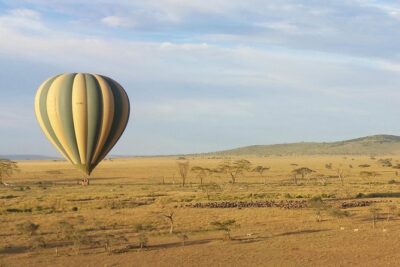
Serengeti Balloon Safari and authentic bush breakfast
Read our review →
Mikumi Safari Day Trip with Flights and Meal
Read our review →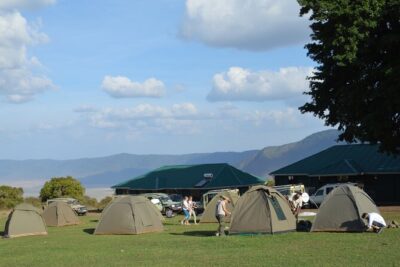
3 Days Serengeti & Ngorongoro Group Camping Safari
Read our review →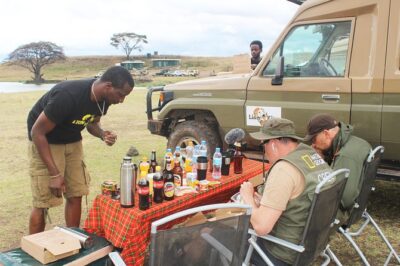
7-Day Premium Luxury Tanzania Safari All-Inclusive
Read our review →
Safari Blue Lagoon Trip with Snorkeling and Lunch
Read our review →