
Reviewed · TARANGIRE NATIONAL PARK SAFARIS
Best 3 days Tanzania shared Safari Tarangire Ngorororo Manyara
Tarangire’s baobabs, termite mounds, and elephants give this short safari a strong opening, while Ngorongoro Crater packs remarkable wildlife viewing into one day. I like the small shared group, the open-roof Land Cruiser, and the fact that a cook handles the main meals while you focus on the parks.
The main caution is the schedule. The plan says departure from Arusha is early, yet the stated start time is 8:00 a.m. One piece of feedback also describes a booking intended for these three parks that became a Serengeti and Ngorongoro trip instead. Confirm the route, sleeping arrangements, pickup point, and departure hour before paying.
Key points at a glance
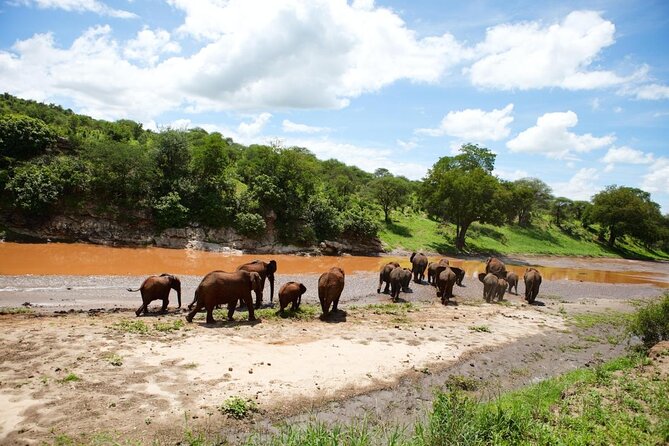
- Tarangire begins the safari with classic northern Tanzania scenery, including baobab trees, termite mounds, and a long list of possible wildlife.
- Ngorongoro Crater is the strongest day for concentrated game viewing, with a chance to see buffalo, lions, elephants, rhinos, and leopards.
- Lake Manyara provides a different final setting, then returns you to Arusha in the late afternoon.
- The shared group is capped at seven people, a useful limit for a social safari that still avoids a large bus.
- Camping, meals, water, and a cook are included, but you must bring a sleeping bag and cover personal drinks and other extras.
- The $1,000 price buys a lot of structure, though the value depends on the exact camping standard and whether the advertised three-park route is confirmed.
This is a fast, focused introduction to northern Tanzania. In three days, you visit Tarangire National Park, Ngorongoro Crater, and Lake Manyara, then return to Arusha. You are not getting a slow safari with long stays in one park. You are getting a compact route that lets you compare three distinct settings.
I would consider this trip if you have only a few days before or after another Tanzania activity. It also suits someone who wants a shared safari rather than paying for a private vehicle. The small maximum group of seven matters here. You can meet other people, share the cost, and still have a reasonable chance of getting a good view from the vehicle.
The $1,000 per-person price includes park fees and taxes, transport in a 4×4 Land Cruiser with an open roof, a tent and mattress, an English-speaking guide and cook, meals, tea, coffee, and bottled water. Flights, insurance, visas, sleeping bags, personal items, soft drinks, alcohol, and optional activities such as a Maasai village visit cost extra.
That is a substantial package, but it is not a luxury safari. The description does not specify the campsite, bathroom arrangements, tent size, or whether accommodation is permanent or basic camping. Ask these questions before booking. The price looks more reasonable if you value a small group, a dedicated cook, and the convenience of having park transport and meals organized.
The first day takes you from Arusha to Tarangire National Park. The plan calls for an early departure, although the listed start time is 8:00 a.m. That difference can affect your first game drive, so I would get a firm pickup time in writing.
Tarangire is a good first park because it offers more than a standard grassland view. Ancient baobab trees and large termite mounds give the park a distinct look. The baobabs can appear almost sculpted against the sky, while the termite mounds add small, earthy towers to the roadside scenery.
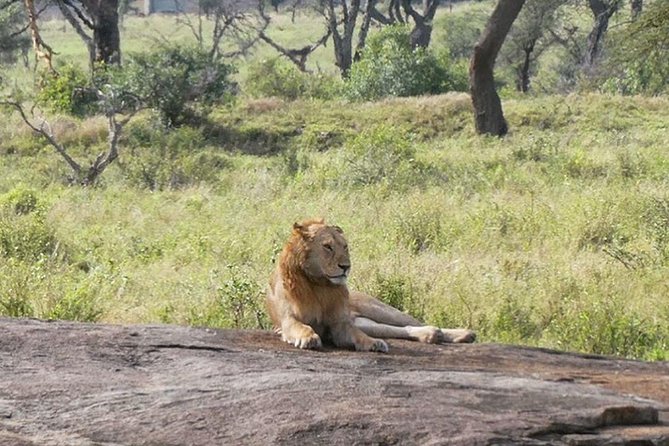
Wildlife possibilities include elephants, lions, giraffes, warthogs, ostriches, impalas, cheetahs, mongooses, buffaloes, and baboons. No safari can promise a particular animal, but this list shows why Tarangire earns a full day rather than a quick stop.
The open roof on the Land Cruiser is useful for photography and for scanning the trees. You will want sun protection, a hat that stays on, and a light layer for the early hours. Dust and road movement are part of the experience, so keep cameras and phones protected when the vehicle is moving.
Your guide’s role matters from the first game drive. Good wildlife viewing depends on spotting movement, reading animal behavior, and choosing when to pause. Simon is a guide specifically named in the supplied feedback, with praise for his help and courage. You cannot assume he will lead every departure, but it is worth asking who your guide will be.
This is a camping safari, not a lodge circuit. The package includes a tent and mattress, but not a sleeping bag. You must bring one, and that omission is easy to overlook when comparing prices.
A cook is included, which is a real advantage after a long day on rough park roads. The food plan includes two breakfasts, three lunches, and two dinners. Tea and coffee come with meals, and the allowance is 1.5 bottles of water per day.
That water allowance may not suit everyone, especially in warm weather or if you take long game drives. Ask how much additional water is available and budget for extra purchases if needed. Soda and alcohol are not included.
The meal count also tells you something about the schedule. You receive lunch on all three days, breakfast on the second and third days, and dinner after the first and second days. Accommodation and meals in Moshi are excluded, so this package is designed around the safari itself, with Arusha as the stated location and start point.
The description does not name the campsites or explain whether tents are already set up. I would ask:
- Is the tent private or shared?
- Are mattresses supplied inside every tent?
- Are toilets and showers available at the campsite?
- Is the sleeping bag rented or strictly the client’s responsibility?
- What happens if the route changes?
These are not minor details. A basic camp can be perfectly suitable when you know what to expect. It becomes frustrating only when the sales description leaves the standard unclear.
Day two is the centerpiece. You start in time to reach Ngorongoro Crater for an early game drive, then eat a picnic lunch inside the crater.
The crater is a broad enclosed wildlife area formed by a collapsed volcanic structure. Its steep sides help keep many animals within the crater floor, which makes game viewing feel concentrated. The day is designed around that advantage: fewer long empty stretches and more chances to scan open ground.
The advertised possibility of seeing all of the Big Five is one of the strongest reasons to include Ngorongoro. The group consists of buffalo, lions, elephants, rhinos, and leopards. Seeing all five in one day is never guaranteed, especially with a leopard, but the crater gives you a credible chance to look for the full set.
The picnic lunch sounds simple, but eating inside the crater saves time and keeps the day centered on wildlife. You should still follow the guide’s instructions about where and when to eat. A picnic stop is not a chance to wander off. The animals are close, and the park has strict rules.
The crater day can also be tiring. Early starts, rough roads, sun, and long periods of sitting add up. Bring water, sunscreen, a camera battery, and a small day bag that you can keep within reach. If you need regular rest breaks, tell the guide early rather than waiting until the vehicle is far from a suitable stop.
Ngorongoro offers dramatic views, but the appeal is not only visual. The enclosed setting changes the odds of finding wildlife. You can spend less time crossing empty ground and more time watching animals in one broad area. That makes this the best day for someone who wants a high chance of varied sightings in a short trip.
The final park is Lake Manyara. You leave in the morning, spend the day on game drives, eat another picnic lunch, and return to Arusha in the late afternoon.
Manyara gives the trip a useful change of pace. Tarangire is known here for its baobabs and animals, while Ngorongoro focuses on a compact crater setting. Manyara adds a lake-centered national park to the mix. The supplied details do not promise a particular animal or feature at the lake, so I would treat this as a final wildlife day rather than booking it for one specific sight.
A full day in the park followed by a drive to Arusha can make for a long finish. That is fine if your next night is already arranged in Arusha and you do not have a flight to catch. It is less comfortable if you need to reach an airport at a fixed hour. Do not place a tight onward connection on the same afternoon without confirming the expected return time.
The three-park sequence is efficient, but it also means considerable driving. You will spend time moving between Arusha, the parks, and campsites. The payoff is variety. The cost is that none of the parks receives the relaxed attention possible on a longer safari.
Transport is one of the most important parts of a safari. The package uses a 4×4 Land Cruiser with an open roof, giving you a clear view upward and outward during game drives. That is better suited to wildlife watching than a standard closed vehicle.
The group maximum is seven people. That is small enough to keep the vehicle from feeling crowded, though comfort still depends on the vehicle layout and how many people actually join. Ask how seating is assigned and whether every seat has a clear viewing position.
A shared trip can be a good value when you enjoy meeting people from different places. One separate piece of feedback describes a solo participant joining a group and having fun meeting people from around the world, which captures the social side of this format. Still, shared safaris require patience. You may not control every stop, and the group’s preferred pace may differ from yours.
The guide and driver are central to the experience. The supplied feedback repeatedly highlights helpful staff, comfortable vehicles, attentive service, and good organization. One account also describes a driver taking the group through the Serengeti plains, but that was connected to a different route, so do not treat it as evidence that this three-day trip includes Serengeti.
At $1,000 per person, this is not a budget day trip. It is a three-day park package with transport, park fees, camping equipment, a cook, a guide, and most meals.
I see three main sources of value:
- Park access is already covered, including all fees and taxes listed in the package.
- You avoid arranging transport and meals yourself, which is difficult when moving between three parks.
- The group cap of seven keeps the shared format relatively small, especially compared with large coach-style tours.
The value is weaker if you expected lodges, private guiding, airport transfers, or a flexible route. Those are not listed. The package also excludes flights, insurance, visas, sleeping bags, personal purchases, alcoholic drinks, and optional cultural activities.
The biggest price question is not the food or vehicle. It is the exact standard of camping and the reliability of the route. Confirm those details before comparing this tour with another operator. A lower price may leave out park fees or meals. A higher price may include lodges and private transport. Compare the full package, not just the headline number.
I would recommend it to you if you want a short taste of northern Tanzania, prefer a social trip, and are comfortable with camping. It is particularly useful before or after a Kilimanjaro climb, provided your schedule allows enough rest and you do not need a same-day flight.
It also suits people who want three different parks rather than one long stay. Tarangire gives you distinctive trees and broad wildlife possibilities. Ngorongoro offers the strongest concentrated game viewing. Lake Manyara completes the route with a different park setting.
I would hesitate if you want a slow safari, guaranteed lodge comfort, or a private vehicle. I would also hesitate if you have mobility needs that require specific arrangements, since the supplied information says most people can participate but gives no detailed accessibility plan.
The route confusion deserves special attention. One account describes receiving two days in Serengeti and one day in Ngorongoro after booking this three-park product. That may have been an isolated mix-up, but it is enough reason to confirm the parks by email before departure. Save the response.
Free cancellation is available if you cancel at least 24 hours before the local start time. Within 24 hours, the payment is not refunded. Poor weather can lead to a different date or a full refund, according to the stated policy.
Book it if your priorities are three major parks, a small shared group, and a practical camping setup in only three days. The combination is strong, and Ngorongoro is the likely highlight for wildlife concentration.
Before booking, ask for the confirmed route, pickup time, campsite details, sleeping-bag requirements, and expected return to Arusha. If those answers are clear, the $1,000 package can make sense for a first safari or a tight Tanzania schedule.
Skip it if you want luxury, privacy, or a leisurely pace. In that case, spend more on a private safari or a longer route. For everyone else, this is a sensible compact introduction, provided you arrive prepared for early starts, road time, camping, and the occasional change of plan.
FAQ
Other park itineraries that start in Arusha:
- Serengeti Balloon Safari and authentic bush breakfast
★ 5.0 · 2,480 reviews - Balloon Safari & Bush Breakfast in Serengeti – Miracle Experience
★ 5.0 · 1,646 reviews - 4 Days Group Camping Safari
★ 5.0 · 1,101 reviews
Where does the safari start?
The safari starts in Arusha, Tanzania, and pickup is offered.
What time does the safari start?
The stated start time is 8:00 a.m. However, day one is described as departing in the early hours, so confirm the exact pickup time before the trip.
How long is the experience?
The safari lasts approximately three days.
Other safaris people book out of Arusha:
- 5 Days Group Camping Safari
★ 5.0 · 730 reviews - 3 Days Serengeti & Ngorongoro Group Camping Safari
★ 5.0 · 574 reviews - 7-Day Premium Luxury Tanzania Safari All-Inclusive
★ 5.0 · 426 reviews - 3-Day Classic Serengeti Safari
★ 5.0 · 263 reviews
Which parks are included?
The planned route includes Tarangire National Park, Ngorongoro Crater, and Lake Manyara.
How many people can join the shared safari?
The maximum group size is seven travelers.
What type of vehicle is used?
Transport is provided in a 4×4 Land Cruiser with an open roof.
Are accommodation and meals included?
A tent and mattress are included, along with two breakfasts, three lunches, and two dinners. The package does not specify the campsite standard. Meals in Moshi are not included.
Is a sleeping bag provided?
No. A sleeping bag is not included, so you need to bring one or arrange one separately.
What is included in the price?
The package includes all listed fees and taxes, the 4×4 vehicle, tent and mattress, an English-speaking safari guide, a cook, meals, tea, coffee, and 1.5 bottles of water per day.
What is the cancellation policy?
You can receive a full refund if you cancel at least 24 hours before the local start time. Cancellations or changes within 24 hours are not refunded or accepted. If poor weather cancels the experience, you can be offered another date or a full refund.
More Lake Manyara safaris from Arusha
- 3 Days Tarangire, Ngorongoro & Lake Manyara Group Camping Safari
★ 5.0 · 102 reviews - 3 Days Private Safari – manyara, Ngorongoro & Tarangire
★ 5.0 · 94 reviews - 05 Days Tarangire, Serengeti, Ngorongoro and Lake Manyara
★ 5.0 · 54 reviews - 5 Days 4 Nights Tarangire, Serengeti , Ngorongoro & Manyara Wildlife Safari
★ 5.0 · 40 reviews
More Tarangire safaris from Arusha
- 5-Day Highlights mid-Range Crater, Serengeti, Tarangire
★ 5.0 · 296 reviews - Private 6-Day Tarangire Manyara Crater and Serengeti with Mid-Range Lodges
★ 5.0 · 238 reviews - 5 Days Camping Tarangire, Serengeti & Ngorongoro crater & Visiting Maasai
★ 5.0 · 229 reviews - 4 Days Join Group tour Tarangire Serengeti and Ngorongoro crater
★ 5.0 · 219 reviews
Just added in Arusha
- 4 Days Private Midrange Lodge Safari to Serengeti & Ngorongoro★ 5.0 · 4 reviews
- Extraordinary Hot air Bolloon ride in Serengeti | BURIGI CHATO SAFARIS CO L.T.D★ 5.0 · 6 reviews
- 3 days leopard safaris★ 5.0 · 4 reviews
- 8 Days Serengeti Migration safari★ 5.0 · 11 reviews
- tarangire, ngorongoro & lake manyara park 3 days private tour★ 5.0 · 11 reviews
- tarangire & ngorongoro 2 days tour★ 5.0 · 14 reviews
- Mt. Kilimanjaro: Shira plateau to Cathedral point 3872m Day hike★ 5.0 · 7 reviews
- serengeti, ngorongoro & tarangire 4 days private tour★ 5.0 · 18 reviews
Tarangire National Park Safaris, compared.
5-Day Highlights mid-Range Crater, Serengeti, Tarangire
Read our review →
Private 6-Day Tarangire Manyara Crater and Serengeti with Mid-Range Lodges
Read our review →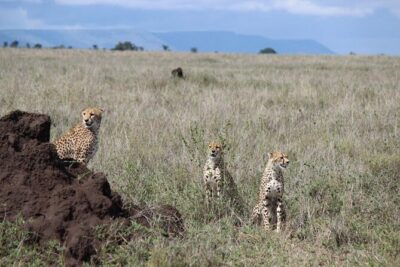
4-Day Safari from Arusha: Tarangire, Serengeti and Ngorongoro
Read our review →
2 Days Tarangire and Ngorongoro Group Camping Safari
Read our review →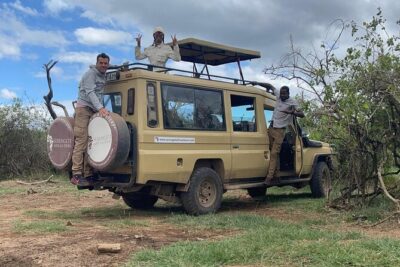
3 Days Private Safari – manyara, Ngorongoro & Tarangire
Read our review →
5 Days Tanzania Group Joining Safari, Tarangire/Serengeti/Ngorongoro Crater
Read our review →Browse the lists this tour appears in