Reviewed · SAFARI TOURS
Private 4 Days Wildlife Safari at Tanzania
The real draw here is the three-park route packed into four days. You move from Lake Manyara’s soda lake and tree-climbing lion country to the wide Serengeti plains, then finish inside Ngorongoro Crater, where wildlife gathers in a remarkably compact setting. I like the private format, which keeps the trip to your own group, and I like that meals, water, park fees, and transport are included.
The trade-off is simple: this is a fast-moving safari with public campsite nights, not a polished lodge holiday. You will spend long stretches in the vehicle, and the route leaves little room for a slow day. The $1,600 price can be good value for a private safari, but you should confirm exactly what camping arrangements and vehicle setup are provided before paying.
Key points to know before booking
- Three major parks in four days: Lake Manyara, Serengeti National Park, and Ngorongoro Crater all fit into one compact northern Tanzania route.
- Private travel: Only your group participates, with private transportation and pickup from Arusha.
- Public campsite nights: The plan uses budget camping near Manyara, in central Serengeti, and on the Ngorongoro rim.
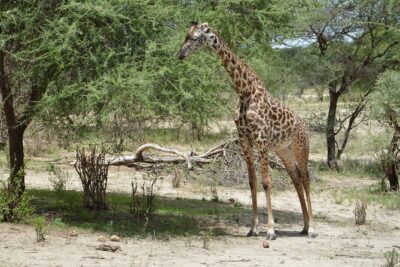
- Strong wildlife focus: Serengeti offers extended game drives, while Ngorongoro concentrates animals in a smaller area.
- Guide names to note: Past trips were organized by Godson and guided by Ben, also referred to as Benny in one account.
- Daily departures: The safari can run throughout the year and can be adjusted to suit your group.
Why this four-day route works
This safari is built around three very different wildlife settings rather than one park repeated over several days. That gives you variety quickly, which matters if you have limited time in Tanzania or are combining the safari with another part of your trip.
Lake Manyara gives you an easy first day after leaving Arusha. Serengeti supplies the biggest sense of open wilderness and the longest stretch of game viewing. Ngorongoro then provides a dramatic final day, with the crater walls creating a natural boundary around one of Africa’s best-known concentrations of animals.
I like this progression. You begin with a relatively contained park, spend the middle of the trip in the vast Serengeti, and end with a concentrated wildlife drive. It is a strong introduction, though it is not a relaxed one.
The private setup is important. You are not sharing every departure time or meal with a large mixed group, and the route can be customized. That gives you more control over the pace, though the actual schedule still involves substantial driving between parks.
Other park itineraries that start in Arusha:
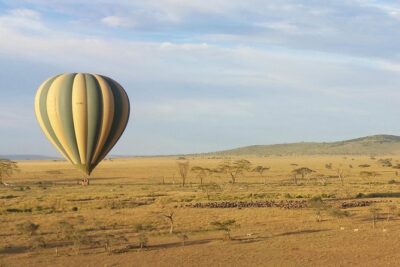
- Serengeti Balloon Safari and authentic bush breakfast
★ 5.0 · 2,480 reviews - Balloon Safari & Bush Breakfast in Serengeti – Miracle Experience
★ 5.0 · 1,646 reviews - 4 Days Group Camping Safari
★ 5.0 · 1,101 reviews
Day 1: Lake Manyara and the first public campsite
The safari starts in Arusha, with pickup scheduled around 8:00 to 8:30 in the morning. From there, you drive to Lake Manyara National Park for a game drive.
Manyara is known for its shallow soda lake, which spreads below the western escarpment of the Great Rift Valley. The setting is one of the park’s main rewards. You are not simply driving through open grassland. The route can include lake views, woodland, and changing ground as the park rises toward the escarpment.
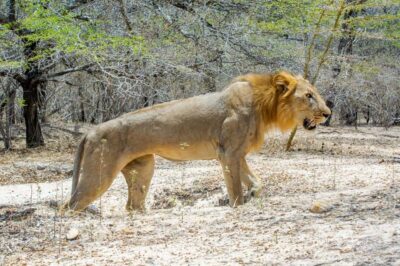
The park is also associated with tree-climbing lions. Sightings are never guaranteed, so you should treat this as a possibility rather than a promise. Still, it gives the first day a clear wildlife character beyond the usual big-game checklist.
The size of Lake Manyara makes it well suited to a one-day game drive. That is useful in a four-day trip because you can see a distinct park without giving up a full day needed for the Serengeti.
After the drive, you leave the park for a public campsite, where dinner and overnight accommodation are planned. The information supplied does not specify the campsite facilities, tent style, bedding, or bathroom arrangements. Ask those questions before booking, especially if you are used to lodge-based safaris.
Day 2: Crossing toward central Serengeti
Day two takes you toward Serengeti National Park, with a game drive through the Ngorongoro area on the route. The goal is to reach Serengeti in the afternoon, then continue with wildlife viewing before dinner and an overnight stay at a public campsite in central Serengeti.
This is the day when the trip begins to feel properly expansive. Serengeti covers about 14,500 square kilometers, and its scale changes the way you see wildlife. Instead of moving through a compact park, you have a huge area where the view can shift from one stretch of open country to another.
The route is ambitious. You are combining a transfer, a game drive, and an afternoon arrival in Serengeti. That means your time in the park depends heavily on road conditions, the exact route, and how long you stop along the way. I would choose this day for access to Serengeti rather than expect a leisurely schedule.
The reward is the chance to begin game viewing as soon as you arrive. The plan places you in central Serengeti overnight, which makes the following morning’s early game drive practical.
Camping in central Serengeti also puts you close to the heart of the park for the next day. Again, the public campsite label tells you this is a budget-focused arrangement. It does not tell you enough about comfort, so confirm what is supplied and what you need to bring.
Day 3: Early Serengeti drive and the Ngorongoro rim
The third day begins with an early morning game drive in Serengeti. This is one of the strongest parts of the schedule because it gives you a fresh chance to see animals before the day’s longer transfer.
You then return to camp for brunch before driving to the Simba public campsite on the Ngorongoro Crater rim. The timing gives you a second Serengeti session without spending another night there.
I like this split because the early drive is not treated as an optional extra. Serengeti is the largest and most open part of the route, so giving it both an afternoon arrival drive and a dedicated morning drive improves your chances of seeing the park in more than one mood.
The downside is the amount of movement. After the morning drive and brunch, you continue toward Ngorongoro. You should expect this to feel like a safari transfer day as much as a game-viewing day.
The overnight location on the crater rim sets up an early start for day four. It also gives the itinerary a clear sense of progression: open Serengeti, then the enclosed crater below.
Other safaris people book out of Arusha:
- 5 Days Group Camping Safari
★ 5.0 · 730 reviews - 3 Days Serengeti & Ngorongoro Group Camping Safari
★ 5.0 · 574 reviews - 7-Day Premium Luxury Tanzania Safari All-Inclusive
★ 5.0 · 426 reviews - 3-Day Classic Serengeti Safari
★ 5.0 · 263 reviews
Day 4: Into Ngorongoro Crater, then back to Arusha
After an early breakfast, you drive into Ngorongoro Crater for the final game drive. The crater is the trip’s most compact wildlife setting, and its enclosed shape helps explain why it is famous for a high concentration of animals.
That concentration makes Ngorongoro a good finale. You are not relying on the vast scale of Serengeti. Instead, the crater offers a more contained day of wildlife viewing, with the crater walls forming a dramatic setting around the route.
The final drive back to Arusha comes after the crater visit. This creates a long last day, so I would avoid scheduling an evening flight or an important same-day connection unless you have checked the timing carefully. The supplied plan gives Arusha as the end point, but it does not give a guaranteed arrival hour.
For many people, finishing in Arusha is convenient. You return to the same city where the safari began, with no separate transfer plan needed at the end.
What the private format really adds
A private safari is not automatically a luxury safari. Here, it means only your group participates, with private transportation and a route that can be customized.
That can be valuable if your group has different interests. Photographers may want more time at a sighting. Families may prefer a different rhythm. A small group may also find it easier to discuss the day’s plan with the guide.
Past trips were organized by Godson, and guides named Ben and Benny appear in the supplied accounts. The descriptions place strong emphasis on wildlife knowledge, photography opportunities, and attentive guiding. Since the names are presented differently, ask who will guide your departure and what experience that person has in each park.
Private travel also makes the $1,600 per-person price easier to assess. You are paying for more than admission to three parks. The package includes private transportation, breakfast, lunch, dinner, bottled water, and all fees and taxes. For a four-day route with several long transfers, those inclusions can add up quickly.
Still, price alone does not tell you the full value. Flights, visas, insurance, souvenirs, and optional activities are extra. The biggest unknown is the exact camping setup, so ask about it before comparing this safari with a lodge itinerary.
Camping, meals, and the practical comfort level
This is a budget camping safari, and the public campsite plan should shape your expectations. You are not booking a four-night lodge circuit with a private room and a slower dining schedule.
Breakfast, lunch, and dinner are included, along with bottled water. That reduces the need to organize food during long park days and makes the cost easier to plan. It also means you should ask about dietary needs before departure, since no special meal details are provided.
The itinerary names three public campsite locations or areas:
- A campsite after the first day at Lake Manyara
- A public campsite in central Serengeti
- Simba public campsite on the Ngorongoro rim
The plan describes dinner and overnight stays, but it does not specify the camping equipment. Ask whether tents, sleeping bags, mattresses, chairs, and other supplies are included. You should also ask about charging facilities and shower arrangements, since those details are not provided.
A moderate level of physical fitness is recommended. That does not mean you need to be an athlete, but you should be comfortable with long vehicle days, early starts, and basic camping conditions.
The best time to choose this safari
This experience is offered all year with daily departures. That gives you useful flexibility, especially if the safari is one part of a longer Tanzania trip.
Because the route operates year-round, the best date depends on your own schedule and the type of conditions you prefer. The supplied details do not promise particular animal sightings or identify a single best season, so I would not book on the assumption that you will see a specific migration event.
The route itself has a practical advantage in any season: Manyara can be covered in one game drive, Serengeti receives the largest portion of the wildlife focus, and Ngorongoro offers a concentrated final outing.
If you are choosing between a four-day and longer safari, ask what extra time would add. Four days gives you the headline parks, but an additional night could reduce the pressure of the transfers. The shorter trip makes sense when time matters more than a slow pace.
Who will get the most from the $1,600 price
I see the strongest value for a small private group that wants the main northern Tanzania parks without arranging transport, meals, park fees, and campsites separately.
It also suits people who want a photography-focused trip. The past accounts place particular weight on photo opportunities and guiding, and the private format may make it easier to pause at worthwhile sightings.
This is a good fit for first-time safari visitors who want a broad introduction. You will see three famous areas, rather than spending four days in a single park.
I would be more cautious if you want a luxury stay, a slow pace, or detailed certainty about every accommodation feature before arrival. The use of public campsites and the long transfers put this firmly in the budget, active category.
Families can consider it, but the moderate fitness requirement and early starts matter. The experience is private, so your group has more control than on a shared departure, but the route remains demanding.
Booking details worth checking
Pickup is offered from Arusha, and the listed meeting time is between 8:00 and 8:30 in the morning. The safari both starts and ends in Arusha.
Confirmation is provided at booking. The experience requires a minimum number of participants, so if that minimum is not met, you can be offered another date or experience, or receive a full refund.
Free cancellation is available if you cancel at least 24 hours before the start time. Cancellations or changes made inside that 24-hour period are not refunded or accepted, based on the stated policy.
Before you book, I would confirm four practical points: the guide assigned to your group, the vehicle arrangement, the exact camping equipment, and the expected return time to Arusha. These details will tell you far more about comfort than the headline price.
Should you book this Tanzania safari?
Book it if you want a private, wildlife-heavy introduction to northern Tanzania and you are comfortable with public camping and long driving days. The route is smart for its length, moving from Manyara to Serengeti and then Ngorongoro without wasting time on a fourth park that would make the schedule even tighter.
I especially like the included meals, water, park fees, and private transport. The guides associated with past departures, including Ben, Benny, and organizer Godson, add a useful personal point of contact to investigate before booking.
Choose a longer or more comfortable safari if you want unhurried game drives or lodge accommodation. But if your priority is seeing three major parks in four days at a clearly stated per-person price, this is a practical and ambitious choice.
FAQ
Where does the safari start and finish?
The safari starts in Arusha and ends in Arusha. Pickup is offered, with the listed meeting time between 8:00 and 8:30 in the morning.
Which national parks are included?
The route includes Lake Manyara National Park, Serengeti National Park, and Ngorongoro Crater.
Is this a private tour?
Yes. Only your group participates, and private transportation is included.
Where are the overnight stays?
The plan includes a public campsite after Lake Manyara, a public campsite in central Serengeti, and Simba public campsite on the Ngorongoro Crater rim.
What meals and refreshments are included?
Breakfast, lunch, dinner, and bottled water are included.
Is the safari available every day?
Yes. The safari can be arranged throughout the year with daily departures.
What is not included in the price?
Flights, visa fees, personal spending money, travel insurance, and optional activities are not included.
Just added in Arusha
- 4 Days Private Midrange Lodge Safari to Serengeti & Ngorongoro★ 5.0 · 4 reviews
- Extraordinary Hot air Bolloon ride in Serengeti | BURIGI CHATO SAFARIS CO L.T.D★ 5.0 · 6 reviews
- 3 days leopard safaris★ 5.0 · 4 reviews
- 8 Days Serengeti Migration safari★ 5.0 · 11 reviews
- tarangire, ngorongoro & lake manyara park 3 days private tour★ 5.0 · 11 reviews
- Mt. Kilimanjaro: Shira plateau to Cathedral point 3872m Day hike★ 5.0 · 7 reviews
- serengeti, ngorongoro & tarangire 4 days private tour★ 5.0 · 18 reviews
- tarangire & ngorongoro 2 days tour★ 5.0 · 14 reviews
Safari Tours, compared.
Serengeti Balloon Safari and authentic bush breakfast
Read our review →
Mikumi Safari Day Trip with Flights and Meal
Read our review →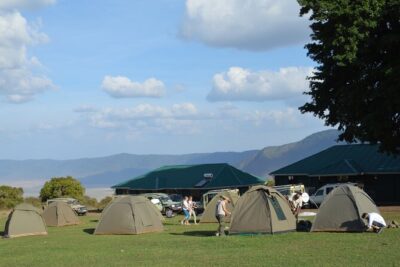
3 Days Serengeti & Ngorongoro Group Camping Safari
Read our review →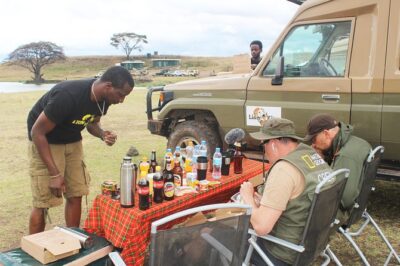
7-Day Premium Luxury Tanzania Safari All-Inclusive
Read our review →
Safari Blue Lagoon Trip with Snorkeling and Lunch
Read our review →