
Reviewed · MAASAI VILLAGE TOURS
Arusha: Maasai-style Beaded Jewelry Lesson
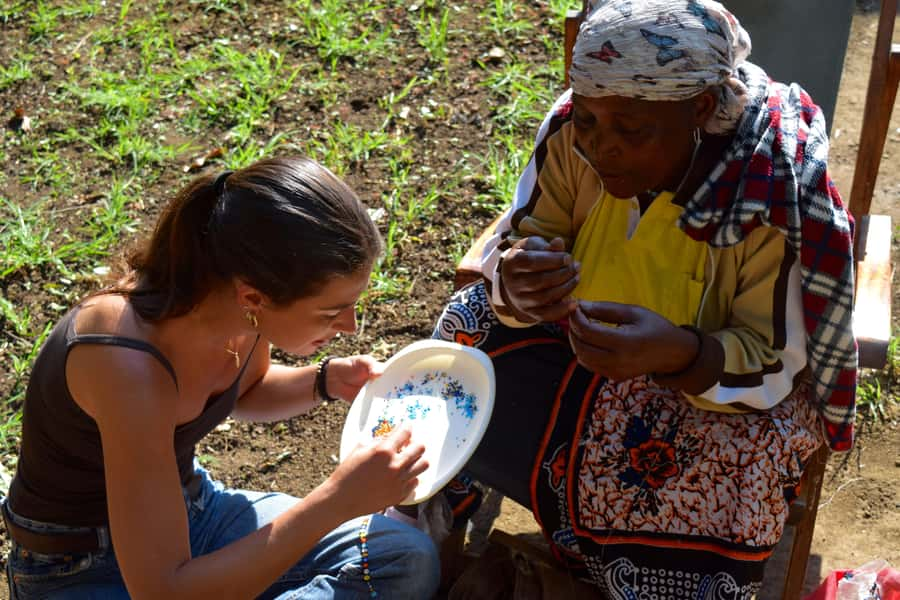
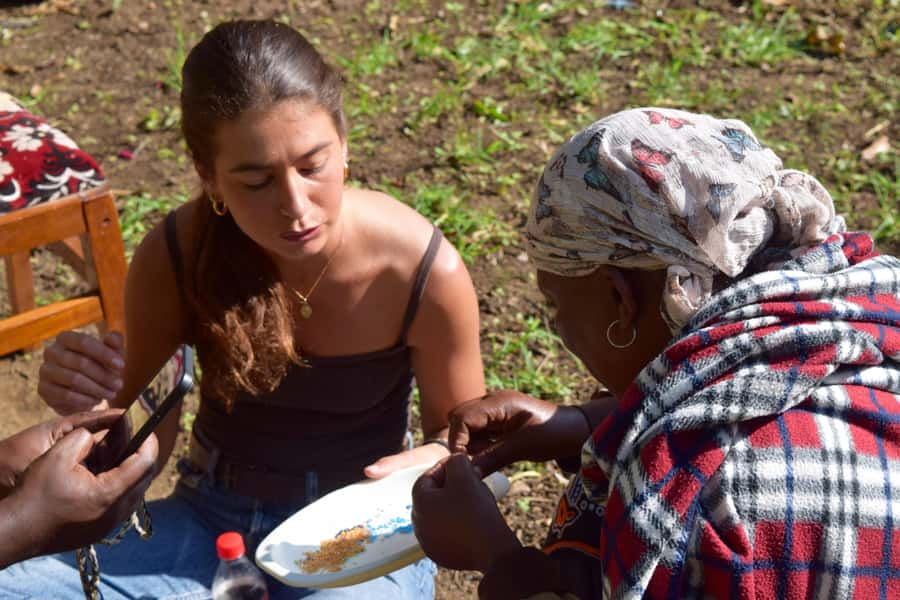
The best part of this Arusha experience is that you do not simply buy a piece of Maasai-style jewelry. You sit with a local artisan at Mama Aziz Homestay in Sanawari and learn how the work is made. I like the hands-on format, and I like that you can choose a bracelet, necklace, anklet, or your own design. The main consideration is time: four to five hours is a long sitting activity if you hoped for a quick craft stop.
I also like the practical touches. Homemade brunch is available for all diets, and optional hotel or residence transport removes the need to arrange your own way there. English and Swahili instruction is offered, and previous participants found the visit warm and entertaining, with David helping make the session enjoyable.
Key points at a glance
- Learn by making: You create a bracelet, necklace, anklet, or custom Maasai-inspired design instead of only watching a demonstration.
- Visit a local home: The class takes place at Mama Aziz Homestay in Sanawari, giving the activity a personal setting.
- Take home a skill: You leave with a handmade item and the ability to continue making similar jewelry.
- Add brunch: A homemade meal is available, with dietary needs catered for.
- Choose transport help: Hotel or residence pickup and drop-off can be added for a simpler visit.
- Plan a half day: The activity lasts about four to five hours and is led in English or Swahili.
A craft lesson with a personal connection
Maasai-style beadwork is easy to admire from a market stall. It is more interesting when you slow down and make something yourself. This class gives you that chance without requiring previous craft experience.
You will work with a local artisan and learn the basic process behind the jewelry. The exact design is up to you within the available options. You might make a bracelet for daily wear, a necklace as a gift, or an anklet with a more personal look. If you have a particular idea, you can also ask about a custom design.
I find this format more useful than a simple souvenir purchase. A bought bracelet gives you an object. A class gives you an object plus a repeatable skill. That difference matters if you want something connected to your time in Tanzania rather than another item chosen in a hurry.
The activity is described as Maasai-style, so it is best understood as a guided craft experience inspired by Maasai beadwork. You should not expect a formal museum lesson or an academic study of Maasai culture. The value here is direct participation, patient instruction, and time spent with a local maker.
Other village visits from Arusha:
- 5 Days Camping Tarangire, Serengeti & Ngorongoro crater & Visiting Maasai
★ 5.0 · 229 reviews - Maasai village visit, Materuni waterfalls & coffee experience
★ 4.5 · 95 reviews - Materuni Waterfalls, Visiting Chagga Village, CoffeeTour Kikuletwa Hotsprings
★ 5.0 · 63 reviews
Arriving at Mama Aziz Homestay in Sanawari
The setting is Mama Aziz Homestay in Sanawari, part of the Arusha area. Meeting in a local home gives the class a more intimate feel than a large workshop or hotel conference room.
That setting also shapes your expectations. This is a cultural visit built around sitting, talking, learning, and making. It is not a fast-moving sightseeing tour with several stops. You will spend much of the four to five hours focused on the jewelry work and the people guiding it.
Optional pickup and drop-off from your hotel or residence can make the arrival easier. Arusha visits can involve extra planning when you are unfamiliar with local routes, so this service has real value if you prefer a door-to-door arrangement. Since transport is optional, you can also arrange your own way if that suits your budget or schedule.
Ask for the meeting details and transport arrangements before the day of the class. The available information confirms that transportation can be provided, but it does not give a fixed pickup timetable or a standard meeting point beyond the homestay. A quick confirmation will help you avoid an awkward start.
How the four to five hours are likely to unfold
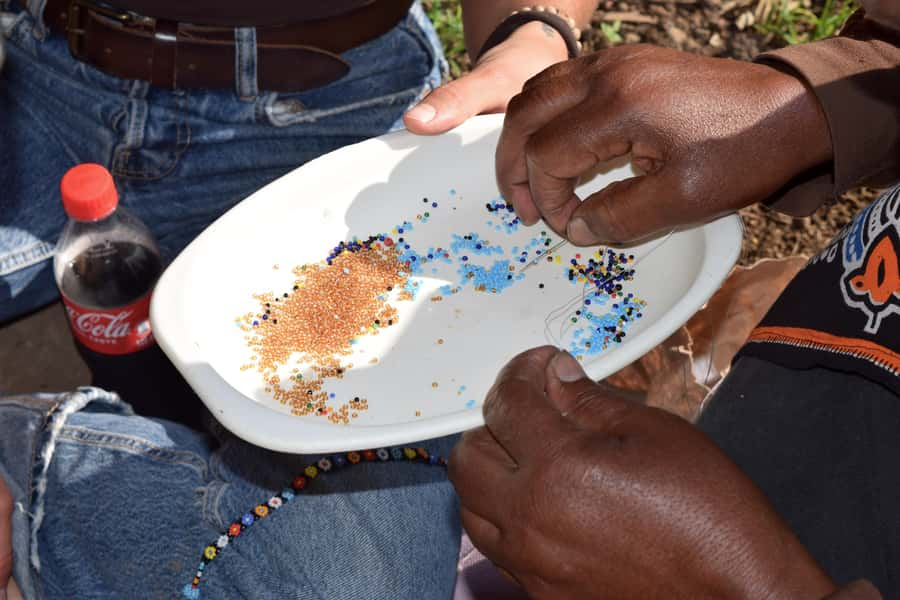
The experience has enough time for instruction and actual making. You should expect an introduction to Maasai-style beading, guidance from the artisan, time to choose or shape your project, and a long practical session at the worktable.
The class allows you to make a bracelet, necklace, anklet, or custom design. That choice gives the activity some flexibility for different ages and interests. A bracelet may be the easiest option if you want a manageable project. A necklace can take more time and may suit someone who wants a larger piece. An anklet offers another choice for a smaller personal souvenir.
The activity information does not specify a fixed order for every step, the size of the class, or the exact bead colors and materials available. I would treat the project options as a starting point rather than a strict menu. If your design matters, ask what is possible when you book or shortly after arrival.
One useful feature is that the lesson is meant to teach a skill you can use again. You are not only assembling one item under supervision. The aim is to understand enough of the method to create Maasai-inspired jewelry later. That makes the class a good fit for anyone who enjoys crafts, hands-on learning, or thoughtful souvenirs.
The four to five hour duration may feel generous for a single item, but that is part of the point. A rushed workshop can leave you with a finished object and little idea how you made it. A longer session gives you room to work at a comfortable pace and enjoy the social side of the visit.
Meeting the artisan and learning in English or Swahili
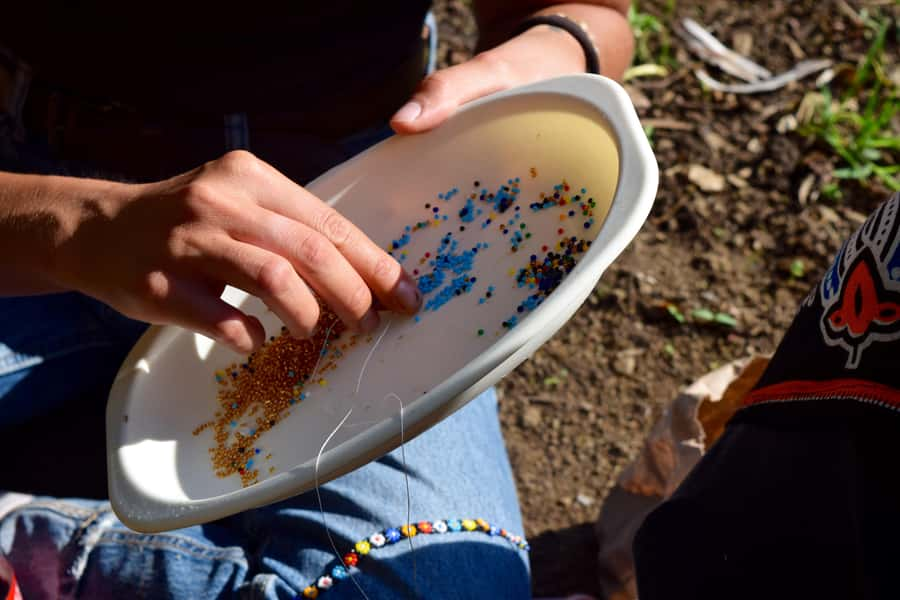
Instruction is available in English and Swahili. That gives English-speaking visitors a clear way to follow the lesson, while Swahili speakers can take part in a language that feels natural to them.
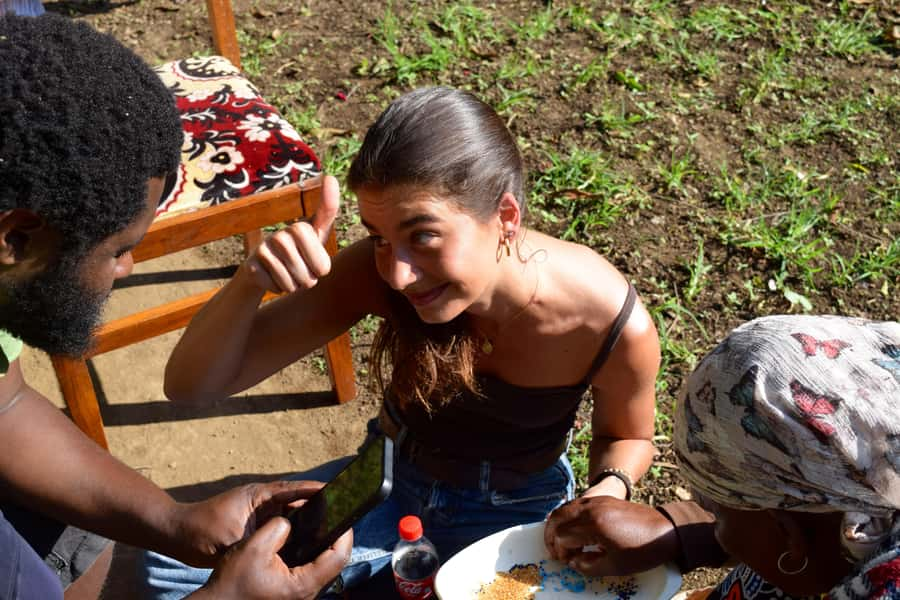
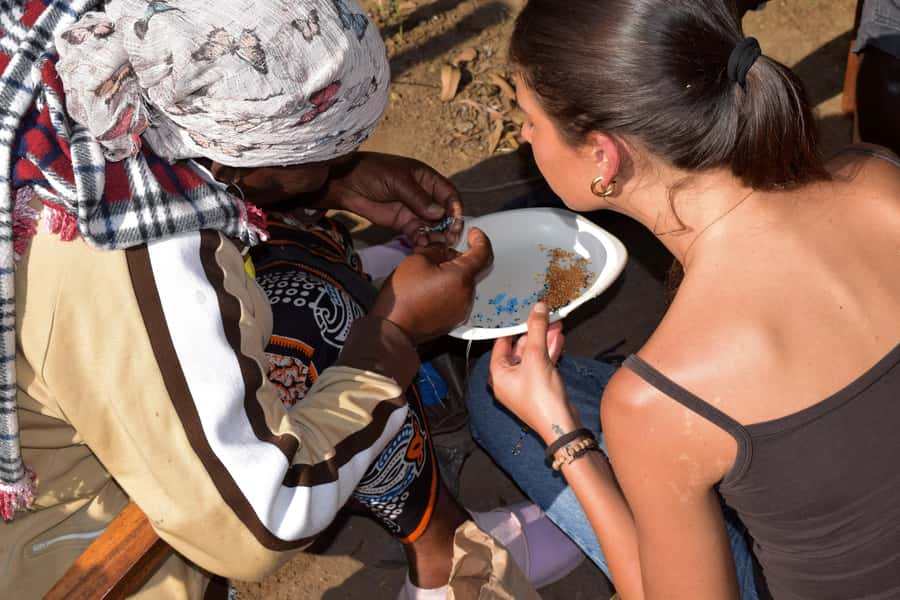
The artisan is described as skilled, but no personal name is provided for the instructor. You may also meet David, who helped entertain participants and keep the occasion lively. One attendee specifically appreciated learning to make bracelets and chains while being entertained by David. That detail suggests the visit includes more than silent concentration over beads.
You should still expect the pace and teaching style to depend on the group. A private or small class may allow more attention to your design, while a larger gathering could mean waiting for help at times. The group size is not specified, so it is worth asking if personal instruction is important to you.
The social setting may be one of the best parts for visitors who want contact with local people rather than another organized attraction. You can ask questions, share the process, and compare finished pieces. At the same time, anyone looking for a formal lecture or a tightly scripted cultural presentation may find this too informal.
Same base, a different kind of day out:
- Serengeti Balloon Safari and authentic bush breakfast
★ 5.0 · 2,480 reviews - Balloon Safari & Bush Breakfast in Serengeti – Miracle Experience
★ 5.0 · 1,646 reviews - Tanzania Classic – 7 Days
★ 5.0 · 1,151 reviews - 4 Days Group Camping Safari
★ 5.0 · 1,101 reviews
Choosing the right piece to make
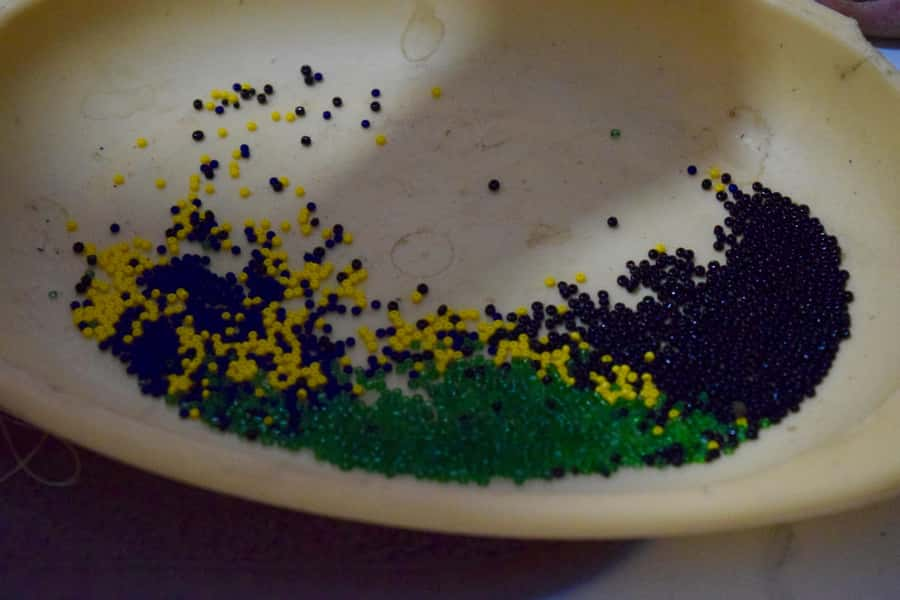
The freedom to choose your project is a strong point. A bracelet is a practical first choice because it is compact and easy to wear or pack. A necklace makes a more noticeable souvenir, while an anklet gives you a less common option.
A custom design could be the most rewarding choice if you already know your preferred colors or want to make a gift. Still, the available information does not promise any particular bead palette, pattern, or finish. Bring a clear idea, but stay flexible about what the artisan can provide on the day.
I would also think about who will use the finished piece. If you are making a gift, a bracelet or necklace may be easier to pack and present. If the jewelry is for you, choose the form you will genuinely wear. A handmade item is most useful when it does not end up at the bottom of a suitcase.
The activity promises that you can continue making Maasai-inspired jewelry after the lesson. That makes the class especially appealing to craft-minded people, families with older children, and anyone who likes learning a practical skill on holiday. It may be less suitable for someone who wants a polished, ready-made souvenir with no work involved.
Adding homemade brunch to the visit
You can add homemade brunch to the experience. The meal is optional, and dietary needs can be catered for. That is helpful for anyone with food restrictions, though you should still share your needs when arranging the booking.
Brunch changes the feel of the visit. Instead of treating the class as a single activity you rush through, you can make it a slower half-day at the homestay. Food also creates a natural break from the beadwork and gives you more time to talk with the people hosting the experience.
The meal is not included in the basic activity price unless you choose the brunch option. Check the final cost before booking, since the base price and optional additions are separate decisions. If you are watching your spending, you can skip brunch and focus on the lesson. If you value the home setting and want a fuller cultural visit, the added meal may be worth it.
No detailed menu is provided, so do not book this expecting a specific Tanzanian dish. Think of brunch as a flexible homemade meal that can accommodate dietary needs, not as a formal food tour.
Is $20 good value in Arusha?
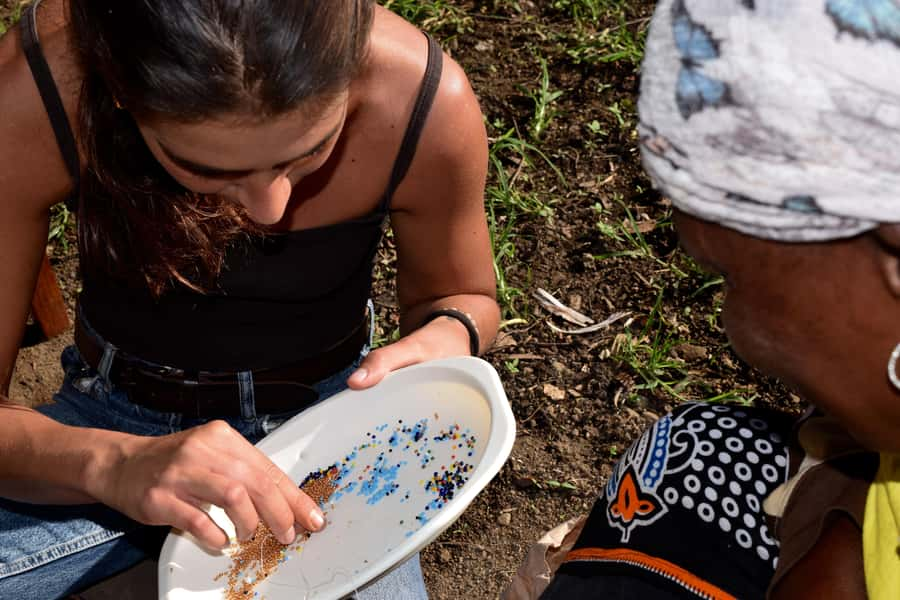
At $20 per person, the basic experience is reasonably priced for a four to five hour lesson, especially because you make and keep your own jewelry. The value is not only in the beads. It comes from the instruction, the time with a local artisan, and the chance to repeat the craft later.
You should compare the $20 price with what you want from a souvenir. If you only want a bracelet, buying one may be faster and possibly cheaper. If you want to understand how the item is made and enjoy the process, the class offers much more for the money.
Transport and brunch are optional, so your final cost can change. That is helpful because you can shape the experience around your budget. Add transport if convenience matters more than saving a little. Add brunch if you want the visit to feel like a complete home-based cultural activity.
The rating is currently five out of five from three verified bookings, a small sample but a positive signal. The strongest themes are enjoyment, attentive care, and entertainment. One participant from Tanzania called it a wonderful experience and noted learning to make bracelets and chains. Another participant from Germany felt well cared for and had a lot of fun with the guide. Those details point to a friendly experience, though they do not tell you the exact class size, bead selection, or final design quality.
Who will enjoy this activity most
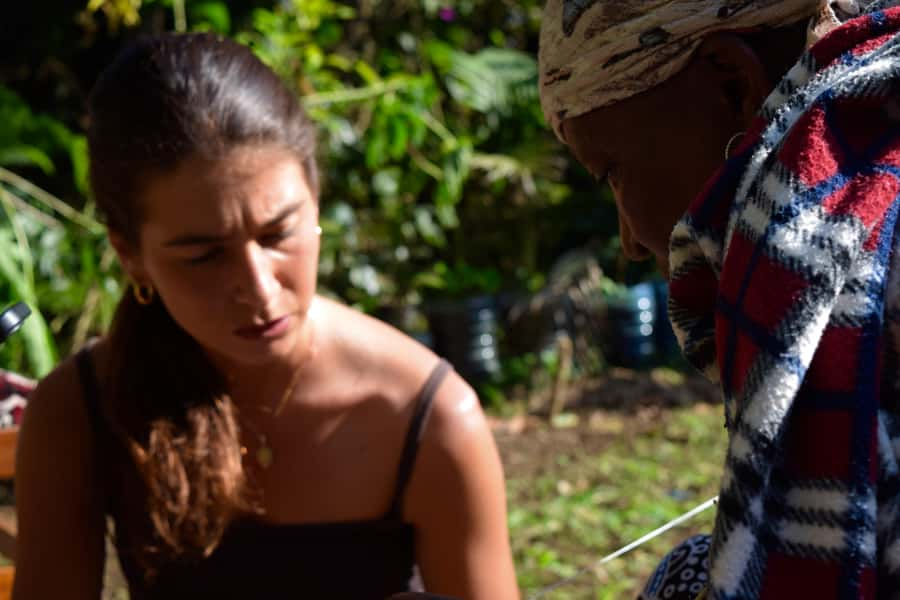
I would recommend this class to you if you like making things with your hands, prefer local encounters to standard sightseeing, or want a souvenir with a story behind it. It also suits couples and families who want an activity that encourages conversation instead of everyone looking at a phone.
It can work well as a gentler day in Arusha, especially between more active parts of a Tanzania itinerary. The four to five hour schedule gives you a substantial activity without requiring a full day in a vehicle.
The experience is wheelchair accessible, which is important practical information for many visitors. Still, accessibility can involve more than the activity itself. If you need specific transport arrangements or details about the work area, ask the provider before you go, since the available information does not describe the homestay layout.
You may want to choose something else if you dislike crafts, have very little time in Arusha, or want a tour with several sights and a clear sightseeing route. This is a focused class, not a city tour or a wildlife activity.
Practical planning for your visit
Plan on four to five hours from start to finish. Wear something comfortable for sitting and working with small materials. The activity details do not specify a dress code or any equipment you must bring, so you should not need special clothing or tools unless the provider asks you to bring something for a custom design.
Confirm three points before the day:
- Your start time, since times vary by availability.
- Your transport choice and pickup location, if you are adding hotel or residence service.
- Your brunch preference and dietary needs, if you want the homemade meal.
The instructor can teach in English or Swahili. Cancellation is free up to 24 hours before the activity for a full refund, and you can reserve now and pay later. Those options help if your Arusha schedule may shift, though you should still check the final booking terms for your chosen date.
Should you book the Maasai-style beading lesson?
Book it if you want a slow, personal craft experience and like the idea of wearing something you made yourself. The combination of a local home, artisan instruction, optional brunch, and optional transport gives you several ways to shape the visit.
I would especially choose it for a free half day in Arusha, a family activity, or a meaningful souvenir-making session. I would skip it if you only have a short stop in town or would rather spend your time on a moving tour.
The strongest reason to book is the lasting value. You leave with jewelry, but you may also leave knowing how to make more. At $20 before optional extras, that is a fair trade for four to five hours of hands-on time, provided you genuinely enjoy the making.
FAQ
Where does the Maasai-style beading lesson take place?
The activity takes place at Mama Aziz Homestay in Sanawari, in the Arusha region of Tanzania.
How long does the experience last?
The lesson lasts four to five hours.
How much does the activity cost?
The listed price is $20 per person. Transportation and brunch are optional additions.
What kind of jewelry can I make?
You can make a bracelet, necklace, anklet, or custom design.
Is the lesson taught in English?
Yes. Instruction is available in English and Swahili.
Is brunch included?
Brunch is optional, not part of the basic lesson. The homemade meal can cater to all dietary needs.
Can I get hotel pickup and drop-off?
Yes. Hotel or residence transportation is available as an optional service.
Is the activity wheelchair accessible?
Yes, the activity is listed as wheelchair accessible.
Just added in Arusha
- 4 Days Private Midrange Lodge Safari to Serengeti & Ngorongoro★ 5.0 · 4 reviews
- Extraordinary Hot air Bolloon ride in Serengeti | BURIGI CHATO SAFARIS CO L.T.D★ 5.0 · 6 reviews
- 3 days leopard safaris★ 5.0 · 4 reviews
- 8 Days Serengeti Migration safari★ 5.0 · 11 reviews
- tarangire, ngorongoro & lake manyara park 3 days private tour★ 5.0 · 11 reviews
- serengeti, ngorongoro & tarangire 4 days private tour★ 5.0 · 18 reviews
- tarangire & ngorongoro 2 days tour★ 5.0 · 14 reviews
- Mt. Kilimanjaro: Shira plateau to Cathedral point 3872m Day hike★ 5.0 · 7 reviews
Maasai Village Tours, compared.

Sea Turtle Swim at Salam Cave in Kizimkazi Village
Read our review →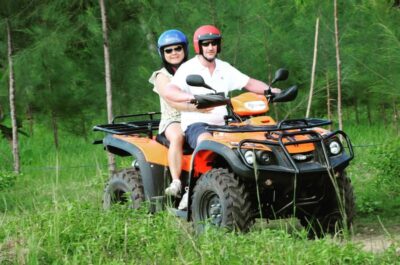

Maasai village visit, Materuni waterfalls & coffee experience
Read our review →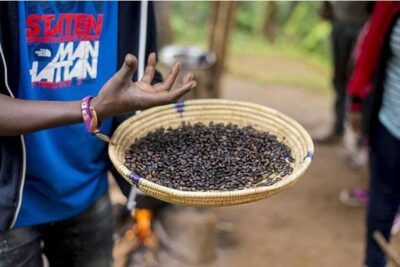
Materuni Waterfalls, Visiting Chagga Village, CoffeeTour Kikuletwa Hotsprings
Read our review →
5 Days Camping Tarangire, Serengeti & Ngorongoro crater & Visiting Maasai
Read our review →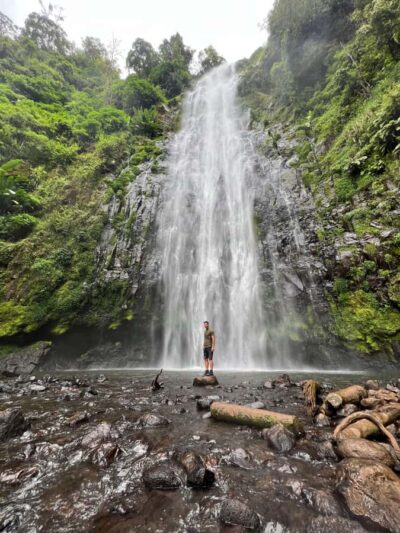

Browse the lists this tour appears in