
Reviewed · MAASAI VILLAGE TOURS
Arusha: Maasai Village Tour
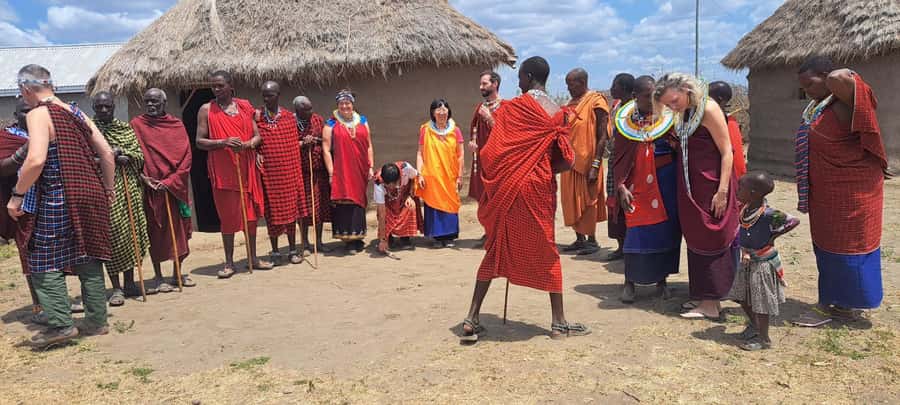
The day’s main event is personal and lively: you meet a Maasai village elder, see how homes are built, learn about customs and herbal medicine, then put on traditional clothing and join the famous jumping dance. The drive from Arusha takes about 1.5 hours each way, so the ride is part of the outing, not just a transfer.
I like the warm, hands-on welcome and the chance to ask questions about daily life instead of simply taking photographs from a distance. I also like the guide support, especially if you get Imran, whose clear English, humor, and knowledge of Tanzania have made the long drive easy for many visitors. The main drawback is the strong sun and the sales pitch for handmade items at the end, with some pieces priced around $10.
Key points at a glance
- Meet a village elder: Start with an introduction to Maasai customs, beliefs, social structure, and everyday life.
- See a Maasai boma: Learn how traditional homes are built and how the community is organized.
- Join the jumping dance: Wear Maasai clothing and take part in an energetic group celebration.
- Learn about herbal medicine: Hear how local plants and traditional remedies fit into Maasai life.
- Add water and swimming: Extend the outing with Chemka Hot Springs or a nearby waterfall.
- Plan for the sun: Bring sunscreen, a hat, and water for an exposed day outdoors.
Meeting Maasai life outside Arusha
This is a cultural day trip with a clear focus: you go from Arusha to a Maasai boma, meet people from the community, and learn through conversation and demonstration. It is not a museum visit or a staged dance show with a quick photo stop. The activities ask you to take part.
That said, the experience is still arranged for visitors. You are welcomed, dressed in Maasai clothing, shown around, and invited to dance. Keep your expectations sensible. You will gain an introduction to Maasai customs and village life, not a complete picture of every Maasai community in Tanzania.
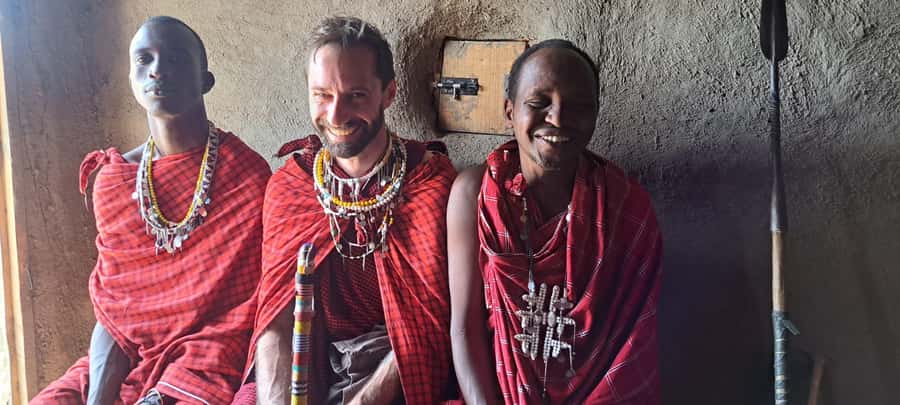
The strongest part is the human contact. A village elder introduces the community’s traditions, while your guide helps explain what you are seeing. You can ask about home construction, social structure, spiritual beliefs, and herbal medicine rather than trying to guess the meaning of each activity.
Other village visits from Arusha:
- 5 Days Camping Tarangire, Serengeti & Ngorongoro crater & Visiting Maasai
★ 5.0 · 229 reviews - Maasai village visit, Materuni waterfalls & coffee experience
★ 4.5 · 95 reviews - Materuni Waterfalls, Visiting Chagga Village, CoffeeTour Kikuletwa Hotsprings
★ 5.0 · 63 reviews
The 1.5-hour drive from Arusha
Pickup is included from Arusha, with transport in a dark grey van. The drive takes about 1.5 hours each way, and the full outing lasts from six to eight and a half hours. That gives you roughly four hours for the guided village visit, with extra time possible if you add a waterfall or Chemka Hot Springs.
The ride matters because it makes this a full-day outing, not a short excursion between safari activities. I would avoid placing it immediately before an important evening flight or a tightly timed safari departure. The exact starting time can vary, so check availability when booking.
A good guide can make the drive useful. Imran has been especially praised for his English, humor, and wide-ranging information about Tanzania and its people. He has also offered recommendations beyond the tour itself. Guides speak English and Swahili, so confirm your preferred language when arranging the day.
The roads and timing may make the journey feel long if you want nonstop activity. On the other hand, the drive gives you time to ask questions and get context before reaching the village. Some visitors have found that the trip there and back passed quickly because of the conversation.
Meeting the village elder and entering the boma
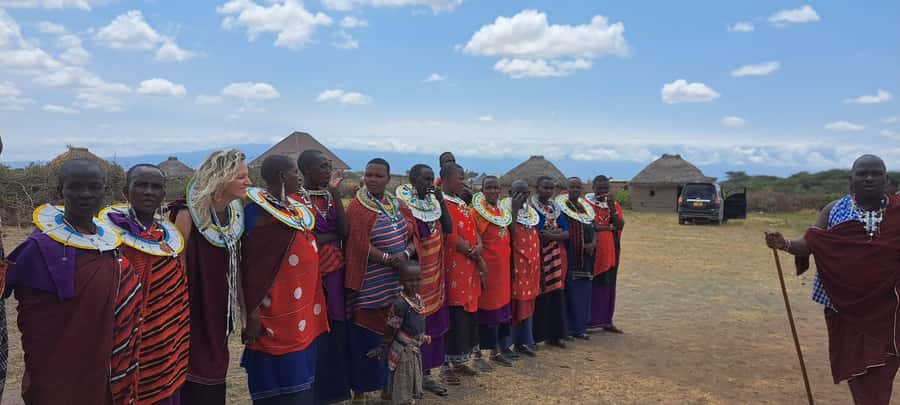
On arrival, a village elder welcomes you and explains the community’s way of life. This first meeting sets the tone. You are not simply shown a building and moved along. You receive an introduction to customs, beliefs, family and community structure, and the practical choices behind village life.
A boma is a traditional Maasai settlement. During the visit, you learn how the homes are built and how the settlement functions as a community. The details are valuable because they connect architecture with daily life. A home is not just a shelter to look at. It reflects local materials, family life, and the needs of the people who live there.
The tour also covers spiritual beliefs and traditional medicine. This can be one of the most interesting parts for visitors who want more than dancing and photographs. You may hear how plants and herbal remedies are used, though the supplied information does not promise a medical demonstration or a chance to collect plants yourself.
Your guide helps translate and explain, while the elder and other community members provide the direct cultural welcome. That combination is useful. The guide can clarify details, but the village hosts give the visit its human character.
Traditional clothing and the jumping dance
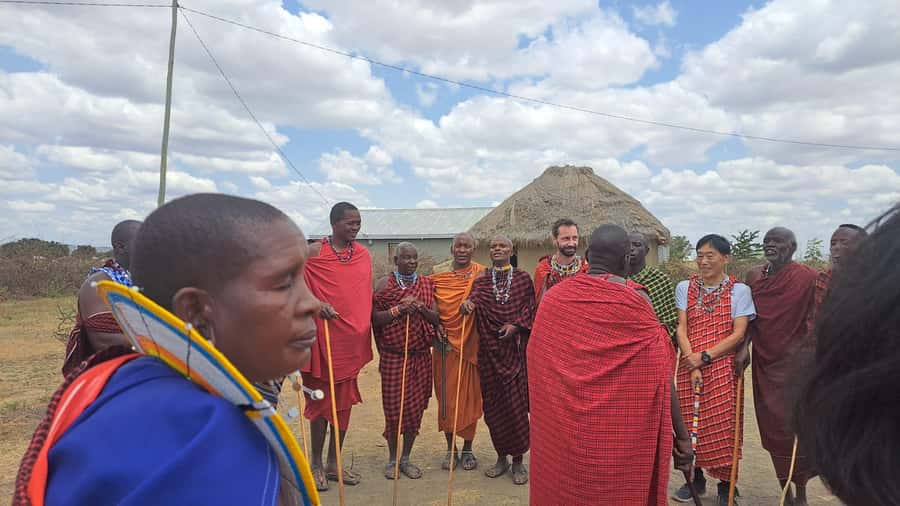
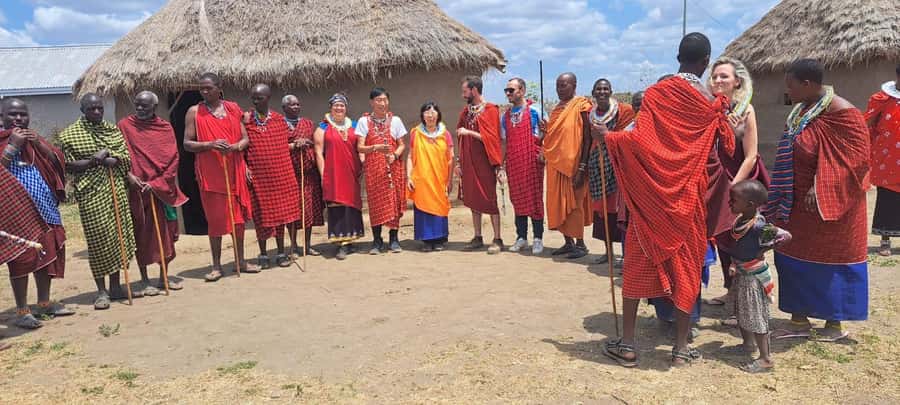
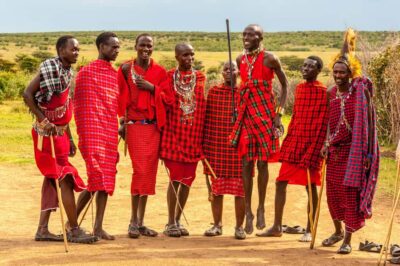
At some point, you are dressed in Maasai clothing and invited to take part in the famous jumping dance. This is the most active portion of the visit, and it is meant to be shared rather than watched silently.
The dance is linked here with strength, unity, and joy. You do not need to be an expert dancer. The point is participation, laughter, and a direct connection with the people welcoming you. You can expect an energetic moment, so wear clothing that allows easy movement and shoes suited to outdoor ground.
The clothing also adds context, though you should treat it respectfully. Ask your guide or hosts how to wear it and when photographs are appropriate. The experience is more rewarding when you take part with care, rather than treating traditional dress as a costume prop.
The activity may suit families and first-time visitors to Tanzania who want a memorable cultural encounter without committing to a multi-day village stay. It may be less appealing if you prefer quiet observation or dislike group participation.
Same base, a different kind of day out:
- Serengeti Balloon Safari and authentic bush breakfast
★ 5.0 · 2,480 reviews - Balloon Safari & Bush Breakfast in Serengeti – Miracle Experience
★ 5.0 · 1,646 reviews - Tanzania Classic – 7 Days
★ 5.0 · 1,151 reviews - 4 Days Group Camping Safari
★ 5.0 · 1,101 reviews
Lunch, water, and the practical rhythm of the day
Lunch and water are included, which helps keep the day simple. The supplied details do not specify the menu, so do not book this expecting a particular dish. You can ask the operator about food needs before departure if that matters to you.
The schedule has a natural rhythm:
- Pickup in Arusha
- About 1.5 hours by van to the village
- Approximately four hours of guided cultural activities
- Lunch and water during the outing
- Optional time at Chemka Hot Springs or a nearby waterfall
- About 1.5 hours back to Arusha
The optional water stop can make the day feel more varied. Chemka Hot Springs offers a chance to relax and swim in clear water. A nearby waterfall provides a short walk and a change of scenery. These additions are not the core village visit, so ask how they affect the total duration and price before you commit.
If you choose the water option, remember that the day already includes transport and outdoor activities. Bring a swimsuit and towel only if the operator confirms that swimming is part of your selected plan. The supplied information confirms swimming at Chemka, but it does not give equipment details.
Sun, souvenirs, and other small realities
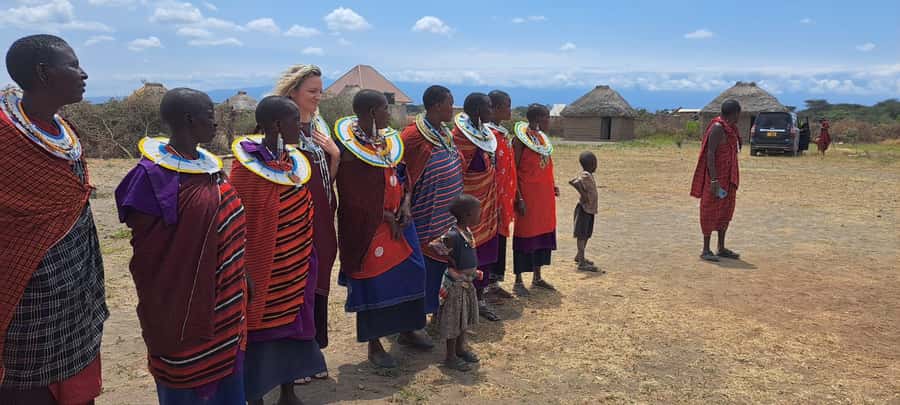
The sun is the simplest thing to underestimate. The village visit takes place outdoors, and one person specifically warned that the sun can be intense. Pack sunscreen and a hat, and use the included water rather than waiting until you feel thirsty.
You may also be offered handmade items by Maasai women near the end of the visit. This can be a meaningful way to support the community, but you should decide your budget before you arrive. Pieces may cost about $10 each, and the buying moment can feel pressuring.
Bring cash if you want the option to purchase something. You do not need to buy anything to take part in the tour, and a polite no should be enough. If you do shop, ask the price first and choose an item because you genuinely want it, not because you feel obliged.
This is one area where the experience deserves a balanced view. The sales help create an income opportunity, and buying may be a pleasant way to support the women who made the goods. Still, the pressure can take some shine off an otherwise friendly visit. Clear expectations make it easier to enjoy both the cultural exchange and the shopping choice.
Is $110 a fair price?
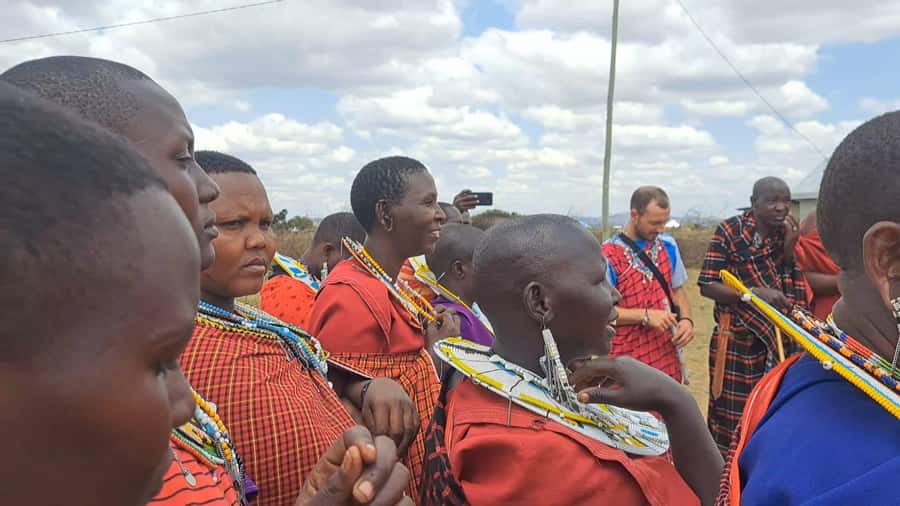
The price is $110 per person. That includes village access, an English-speaking tour, transport, lunch, and water. You are also paying for a full day of vehicle use, guiding, and the cultural program, rather than just an entrance ticket.
I consider the price reasonable for someone who wants a private-feeling cultural outing arranged from Arusha, especially if the van, guide, and lunch remove the need to organize several separate parts yourself. The value is strongest when you make good use of the roughly four hours at the boma and take time to ask questions.
The calculation changes if you add Chemka Hot Springs or a waterfall. Check the extra cost and total schedule before booking. The base price does not automatically tell you what an optional stop will add.
The tour also offers free cancellation up to 24 hours before departure and a reserve-now, pay-later option. Those terms are useful if your Tanzania plans may shift, but you should still check the final booking conditions and available starting times.
Who will enjoy this Maasai experience most?
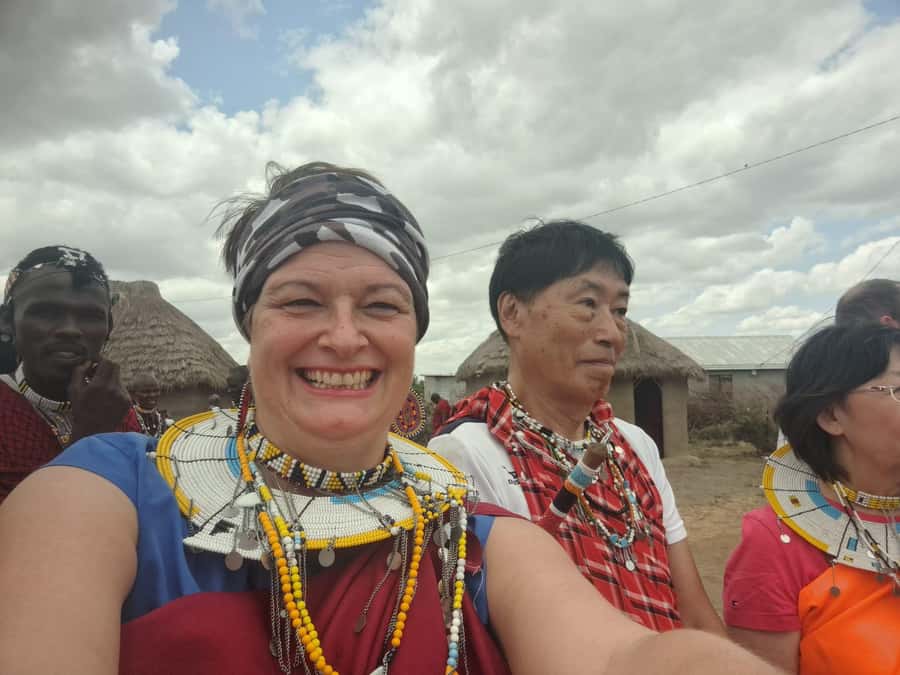
I would choose this tour if you want a direct introduction to Maasai customs and prefer active participation over a formal lecture. It suits first-time visitors to Tanzania, couples, families, and solo visitors who want transport and guiding handled in one package.
It is especially useful for anyone who has already seen wildlife and wants to add a people-focused day to an Arusha itinerary. The tour covers beliefs, medicine, housing, social organization, clothing, dance, and food, so it gives you several ways to connect with the culture.
You may want to reconsider if you have very limited time in Arusha, dislike long drives, or want a completely private and unstructured encounter. The route takes three hours of driving in total, and the village visit follows a planned format.
The outing is wheelchair accessible, which is an important advantage. Still, the details of the boma’s paths, the dance area, and any optional waterfall walk are not provided. Ask the operator what parts are practical for your needs before booking the full plan.
Final call: should you book it?
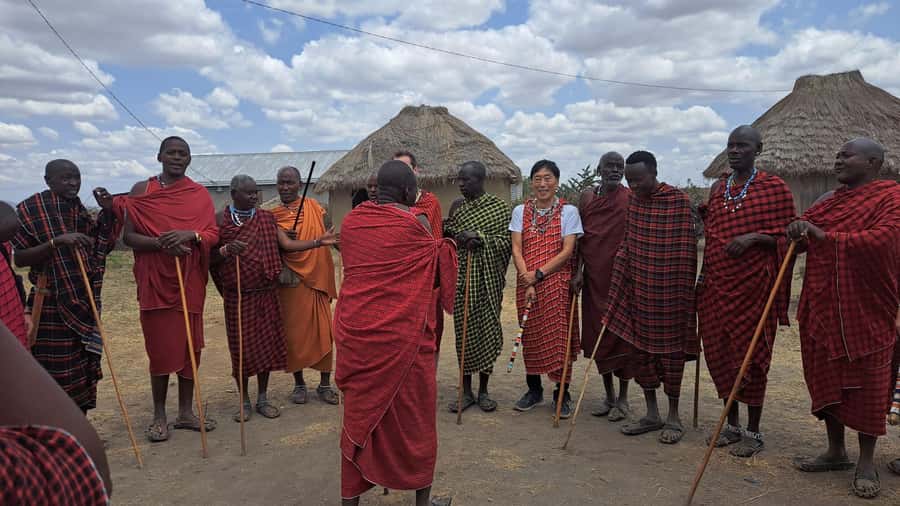
Book this tour if you want to meet a Maasai elder, learn how a boma works, and join a welcoming group dance rather than simply watch from the edge. The combination of cultural explanation, traditional clothing, lunch, and included transport gives the day solid value at $110.
Go prepared for heat, a long round-trip drive, and a possible push to buy handmade goods. If you pack sunscreen, a hat, cash only if you want to shop, and a flexible attitude, this can be one of the more memorable additions to an Arusha stay. Add Chemka Hot Springs if you want a swim after the village visit, but confirm the extra timing and cost first.
FAQ
Where does the Maasai village tour start?
Pickup is included from Arusha, from your hotel or residence.
How long does the tour last?
The activity lasts about six to eight and a half hours, including transport and the village visit.
How long is the drive to the Maasai village?
The van ride takes about 1.5 hours each way.
What language does the guide speak?
Guides speak English and Swahili. The tour includes an English-speaking guide.
Is lunch included?
Yes. Lunch and water are included in the tour price.
What will I learn at the village?
You will learn about Maasai customs, beliefs, traditional medicine, home building, and community structure.
Can I wear traditional Maasai clothing?
Yes. You will be dressed in traditional Maasai clothing during the visit.
Can I join the Maasai jumping dance?
Yes. You are invited to join the traditional jumping dance with the villagers.
Can I add Chemka Hot Springs or a waterfall?
Yes. The tour information gives you the option to add Chemka Hot Springs or a nearby waterfall. Check availability, timing, and any extra cost when booking.
Is the tour wheelchair accessible?
Yes. The activity is listed as wheelchair accessible, though you should ask about the specific paths and any optional waterfall walk.
What is the cancellation policy?
You can cancel up to 24 hours in advance for a full refund.
Can I reserve now and pay later?
Yes. The booking option allows you to reserve your place and pay later.
Just added in Arusha
- 2-Day Private Luxury Safari from Zanzibar with Flights★ 3.2 · 5 reviews
- 7-Day Private Tanzania Safari with Sunset Walking on the Crater Rim and Maasai★ 5.0 · 40 reviews
- Saadani Day Trip★ 5.0 · 13 reviews
- Nyssa Luxury Balloon in Safaris and Serengeti★ 5.0 · 69 reviews
- Arusha National Park Day Trip★ 4.5 · 18 reviews
- Arusha National Park Private Safari★ 5.0 · 59 reviews
- Waterfall, coffee tour & hot springs – lunch and drinks included★ 5.0 · 22 reviews
- 4-Days Adventure Camping Safari to Tarangire, Serengeti & Ngorongoro★ 5.0 · 22 reviews
Maasai Village Tours, compared.

Sea Turtle Swim at Salam Cave in Kizimkazi Village
Read our review →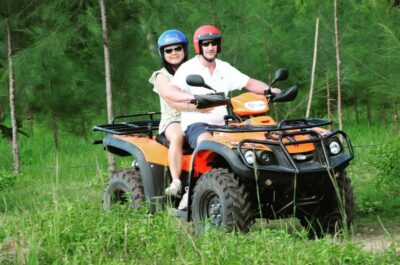
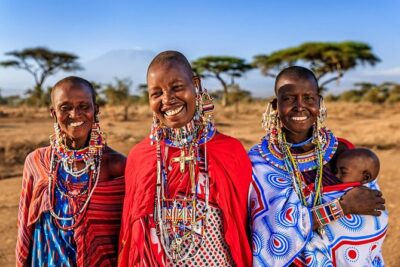
Maasai village visit, Materuni waterfalls & coffee experience
Read our review →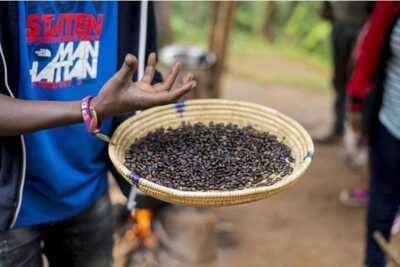
Materuni Waterfalls, Visiting Chagga Village, CoffeeTour Kikuletwa Hotsprings
Read our review →
5 Days Camping Tarangire, Serengeti & Ngorongoro crater & Visiting Maasai
Read our review →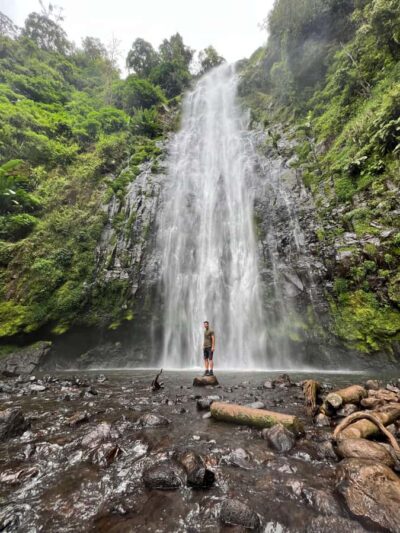
Browse the lists this tour appears in