
Reviewed · KILIMANJARO TREKS
Climbing Kilimanjaro through 8 days Lemosho Route
The Lemosho Route gives you Kilimanjaro at its most remote. You begin on the western side, drive about four hours from Moshi to Londorossi Gate, then walk through quiet forest and open high country toward the Shira Plateau. The route takes eight days, which gives your body more time to adjust to altitude than a rushed climb.
I like the low traffic and changing scenery, from alpine meadows to volcanic rock and high-altitude ice. I also like the strong support system: a private crew with guides, porters, a chef, dining tent, and daily meals. The main drawback is simple: this is still a demanding high-altitude climb, and the $2,760 price does not include pre- or post-hike lodging in Moshi.
Key points to know before booking
- Eight days helps with acclimatization: The longer schedule gives you a better chance to adjust before summit night.
- The route begins at Londorossi Gate: A roughly four-hour transfer from Moshi takes you to Kilimanjaro’s quieter western side.
- The Shira Plateau is a major highlight: You move from forest into broad open country with striking mountain views.
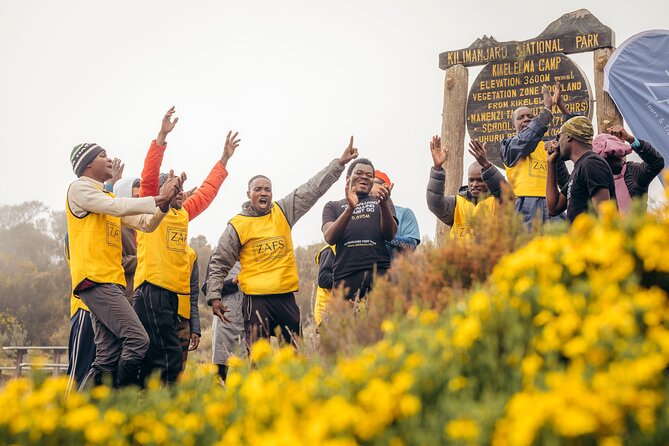
- Your private crew handles the practical work: Guides, porters, a chef, waiter, tents, meals, and transport are included.
- Recent guide teams include John Jechs, Alex, Prosper, Aubrey, Gabriel, and Zachariah: Your exact crew may differ, but these names have led highly praised climbs.
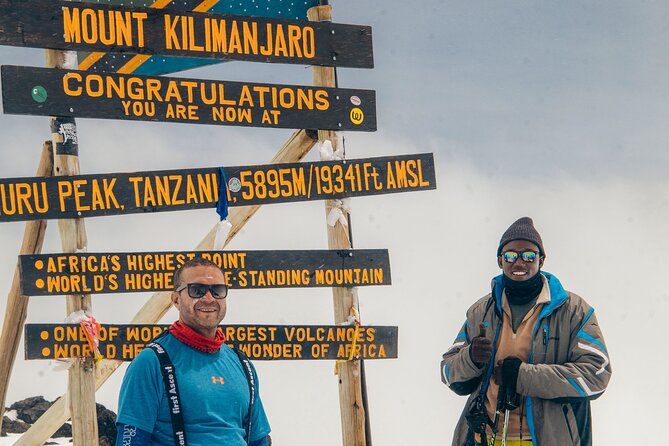
- The final goal is Uhuru Peak: You pass through Kilimanjaro’s climate zones on the way to the Roof of Africa.
Why the eight-day Lemosho Route is worth your time
Kilimanjaro is not a technical climbing trip in the usual sense. You do not need ropes or advanced mountaineering skills for this route, but you do need steady fitness, patience, and the ability to walk for several hours over uneven ground. The real challenge is altitude, not speed.
That is why I prefer the eight-day version to a shorter schedule. More days mean a slower rise and more time for your body to respond to thinner air. No route can guarantee a summit, but the longer Lemosho plan gives you a sensible advantage.
The route is also a good choice if you want more than a direct march to the summit. You start in a remote western setting and cross several distinct climate zones. The scenery changes as you climb, which keeps the walk interesting even on long days.
You should also know what this is not. It is not a casual sightseeing outing from Moshi, and it is not a hotel-based trek. You sleep in mountain tents, eat in a dining tent, and spend much of the week outdoors. That is part of the appeal, but it requires a more flexible attitude than a standard day tour.
Other routes up the mountain from Moshi:
- Kilimanjaro climb by Lemosho Route (7-day)
★ 5.0 · 651 reviews - Kilimanjaro climb, Machame Route (7-day)
★ 5.0 · 262 reviews - Kilimanjaro Climbing Lemosho Route 8 Days.
★ 5.0 · 186 reviews
From Moshi to Londorossi Gate
The day begins at 9:00 am from the Moshi Leopard Hotel on Market Street. Pickup is offered, and private transportation is included, but you should confirm the exact pickup arrangement when booking, especially if you are staying somewhere other than the listed meeting point.
The drive to Londorossi Gate takes about four hours. That transfer is not just a formality. It moves you from the town of Moshi into the western approach to Kilimanjaro, where the route feels quieter and less developed than some of the mountain’s busier approaches.
At the gate, the crew takes care of the required entry arrangements before you begin walking. The first section introduces you to the rhythm of the climb: slow walking, regular breaks, simple meals, and evenings organized around the next day.
The starting point is one reason to choose Lemosho. You are not thrown immediately into the highest part of the mountain. Instead, the route builds gradually, giving you time to settle into the pace and learn how your body responds.
Walking toward the Shira Plateau
The Shira Plateau is one of the defining features of this route. You leave the lower forest behind and reach broad alpine country, with open views and a greater feeling of isolation. The surroundings become less lush as you gain height, and the mountain begins to feel more serious.
This section rewards people who enjoy scenery as much as the summit itself. You get a sense of the mountain’s scale, with wide views rather than a narrow trail enclosed by trees. The quieter route also makes it easier to appreciate the natural setting without constant congestion.
The open plateau can bring a different kind of challenge. Weather changes quickly at elevation, and exposed ground offers less shelter than forest. Good layers, a rain jacket, sun protection, and a daypack that you can carry comfortably matter here.
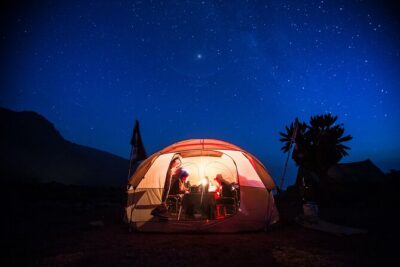
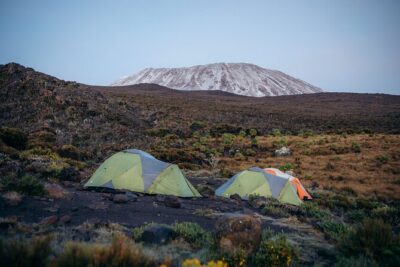
Your crew sets up the private tents and dining tent as you progress. Breakfast, lunch, dinner, coffee, and tea are included. The food is prepared by a mountain chef, and several recent climbs were handled well even for vegetarian groups. Still, you should state dietary needs before departure rather than assume the kitchen will know them.
Crossing Kilimanjaro’s climate zones
One of the route’s best features is the steady change in plant life and terrain. You begin in lower forest, then move through alpine meadows and higher, more exposed ground before reaching the cold volcanic zone near the summit.
The phrase climate zones can sound like a brochure line, but here it describes a real change in how the mountain feels beneath your boots. The air becomes colder and thinner, vegetation becomes sparse, and the trail takes on a more rugged character.
You should expect long walking days, but the supplied information does not give fixed distances, camp names, or daily walking hours. That is worth clarifying with ZAFS Tours before you pay, especially if you want a precise day-by-day plan.
The route is described as gradual rather than abrupt. That does not mean easy. You still gain substantial height, and the thin air can affect people who are fit at sea level. Your guides may monitor your progress and, on recent trips, teams used pulse oximeter readings and evening briefings to keep track of how climbers were coping.
Same base, a different kind of day out:
- Safari Serengeti And Ngorongoro
★ 5.0 · 288 reviews - Climbing Kilimanjaro – Machame Route
★ 5.0 · 170 reviews - Climbing Kilimanjaro through 7 days Machame Route
★ 5.0 · 151 reviews - Kilimanjaro climb, Lemosho Route (8-day)
★ 5.0 · 148 reviews
The mountain crew and camp routine
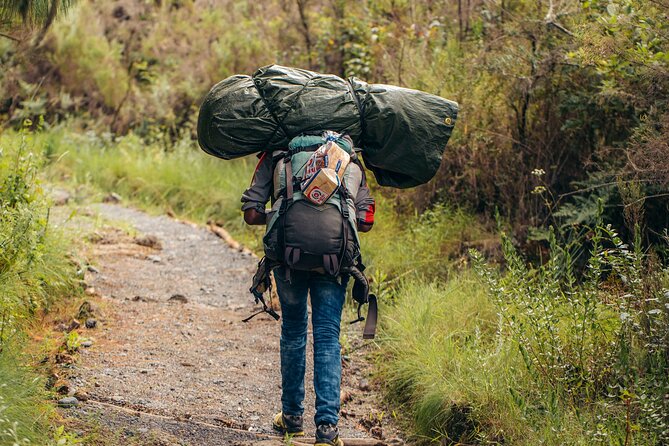
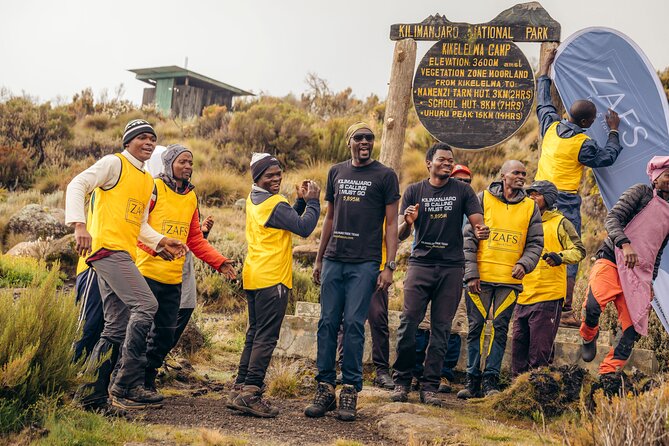
A major part of the price goes toward the crew behind the walk. The package includes experienced guides, a chef, waiter, porters, private tents, a dining tent, tents for the crew, park fees, transportation, and all three mountain meals each day.
This setup gives you a more organized week than trying to manage every detail yourself. You carry your personal daypack, while porters handle much of the shared camping equipment. The exact porter arrangements and baggage limits should be confirmed in advance, since those details are not listed.
Recent climbing teams have included lead guides such as John Jechs and Alex, with additional guides including Prosper, Aubrey, Gabriel, Erik, and Mushi. Chefs mentioned on recent climbs include Zachariah. Names are useful because they show the depth of the operating team, but they do not guarantee who will lead your departure.
The best guides do more than point out the trail. They set a safe pace, explain what comes next, give evening briefings, watch for signs of altitude trouble, and keep morale steady when the path gets cold or tiring. Accounts of this operator repeatedly highlight motivation, safety checks, and practical support.
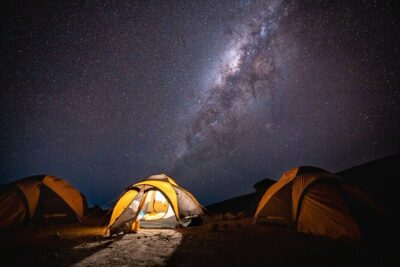
Camp life remains basic. You are not booking a mountain lodge, and you should not expect private bathrooms or indoor heating based on the information provided. The dining tent, hot drinks, and freshly prepared food make a real difference, but you still need to be comfortable sleeping in tents for the full climb.
The summit push to Uhuru Peak
The summit day is the hardest part of the trip. The route reaches the upper volcanic zone, where cold, darkness, fatigue, and altitude combine to test you. The goal is Uhuru Peak, Kilimanjaro’s highest point and the destination commonly called the Roof of Africa.
The supplied plan does not state the exact summit departure time, walking distance, or return schedule. Ask for those details before booking. Summit timing affects how you prepare your clothing, water, snacks, sleep, and expectations.
You should also treat the summit as a possibility, not a promise. The route is designed to improve your odds through gradual ascent, but altitude affects people unpredictably. A sensible guide team will put your health ahead of the summit, and you should be willing to turn around if instructed.
The reward is not only the sign at Uhuru Peak. You also experience the transition from the high camp environment into lower, warmer zones as the descent begins. That change can feel dramatic after the cold upper mountain, though the descent brings its own strain on tired legs.
Food, tents, and what the price covers
At $2,760 per person, this is not a low-cost mountain trip. The value depends on how much you want handled for you and how much support you need at altitude.
The price includes:
- Private transportation
- All fees and taxes
- Private mountain tents
- A dining tent
- Tents for the crew
- Breakfast, lunch, and dinner on the mountain
- Coffee and tea
- Guides, chef, waiter, and porters
That is a substantial package. You are not paying only for trail access. You are paying for transport to the mountain, permits and related fees, food logistics, camping equipment, and a full support crew.
Pre- and post-hike accommodation in Moshi is not included, though it can be arranged on request. Budget for those nights separately. You should also ask what personal gear is available to rent, what baggage weight limits apply, and what is expected for tips, since those details are not provided here.
The private format adds value if you want your group to set its own pace and avoid being merged with strangers. It may be especially useful for families, friends, or a small group with different fitness levels. Group discounts are offered, so larger parties should ask for the current rate rather than assume every person pays the listed price.
Who should choose this climb
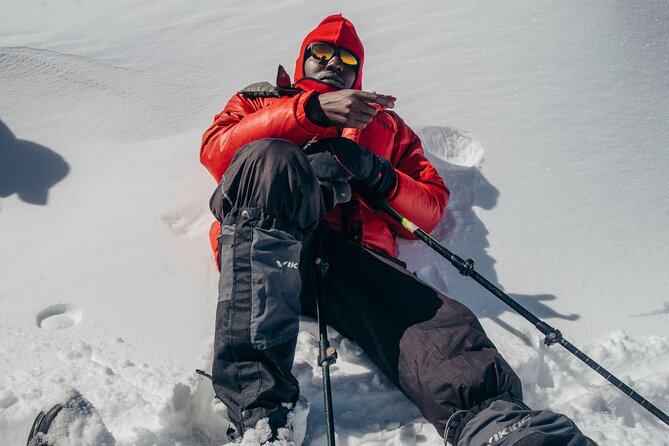
I would point this trip toward someone who wants a serious mountain challenge with strong logistical support and a slower route. The eight-day schedule suits you if you can spare the time and care more about acclimatization and scenery than finishing as quickly as possible.
It also fits people who value a private group. You will have only your own party participating, rather than joining a large public departure. That can make a long climb feel more personal and may help your group communicate clearly with the guides.
You need a moderate level of physical fitness. The operator does not list technical climbing experience as a requirement, but you should be ready for repeated uphill walking, cold conditions, basic camping, and a difficult summit day.
This may not suit you if you want a short, inexpensive excursion or if sleeping in tents is a deal breaker. The longer schedule also requires more time in Tanzania, and lodging in Moshi before and after the climb costs extra.
Practical details before you commit
Confirmation is provided at booking, and the activity begins at 9:00 am from the Moshi Leopard Hotel. The experience ends back at the meeting point after the climb, with pickup offered as part of the arrangements.
The tour is listed as a private activity, but group discounts are available. The exact number of people in your party can affect the feel of camp life, so ask how your group size will affect guide coverage and tent arrangements.
Free cancellation applies if you cancel at least 24 hours before the local start time. Inside that window, the payment is not refunded, and late changes are not accepted. The climb also requires a minimum number of participants under the stated policy, so confirm what happens to your date if that minimum is not reached.
Near-public transportation is available around the meeting point. For a mountain trip, though, I would focus less on ordinary city transport and more on confirming your hotel pickup, airport transfers, and Moshi lodging.
Should you book the eight-day Lemosho climb?
I would choose this trip if you want the best balance of scenery, time, and support on Kilimanjaro. The route gives you a quieter start, the Shira Plateau, several climate zones, and a gradual approach that is more sensible than rushing upward.
The price is fair for a package that includes transport, park fees, camping equipment, meals, and a complete mountain crew. It becomes a stronger value if you are traveling with a group and can use the group discount.
Book it if you can handle basic camping, a demanding altitude trek, and extra nights in Moshi at your own expense. Before paying, confirm the assigned guides, daily schedule, personal baggage limits, dietary arrangements, summit-day timing, and any tipping expectations. If those details suit you, the eight-day Lemosho Route is a well-rounded way to attempt Uhuru Peak without cutting the acclimatization plan too close.
FAQ
How long is the Kilimanjaro Lemosho climb?
The climb lasts approximately eight days.
Where does the experience start?
It starts at the Moshi Leopard Hotel on Market Street, Tanzania, at 9:00 am.
Is pickup available?
Yes. Pickup is offered, and private transportation is included.
Is this a private tour?
Yes. Only your group participates in the activity.
What route does the climb use?
The climb uses the Lemosho Route, beginning on Kilimanjaro’s western side at Londorossi Gate and continuing toward the Shira Plateau.
What meals are included?
Breakfast, lunch, dinner, coffee, and tea are included on the mountain. Meals are freshly prepared by the mountain chef.
Is camping equipment included?
Yes. The package includes private tents, a dining tent, tents for the crew, and other camping equipment.
Is accommodation in Moshi included?
No. Pre- and post-hike accommodation in Moshi is not included, but it is available on request.
What is the cancellation policy?
You receive a full refund if you cancel at least 24 hours before the experience begins. Cancellations or changes made within 24 hours are not refunded or accepted.
Just added in Moshi
- Kilimanjaro Airport Private Transfer from/to Moshi★ 5.0 · 14 reviews
- 6 Days Machame route Kilimanjaro climbing★ 5.0 · 22 reviews
- 7 Days Highlight of Tanzania Mid-Range Standard★ 5.0 · 22 reviews
- 4 Day Mid-range Serengeti Safari★ 5.0 · 22 reviews
- Kilimanjaro Climbing 5 days Marangu route★ 5.0 · 22 reviews
- The 6 Days Kilimanjaro Climbing Tour via Machame Route in 2025/26★ 5.0 · 23 reviews
- 9-Day Enchanting Tanzania Safari -High End All Inclusive★ 5.0 · 27 reviews
- 6-Day Kilimanjaro Climbing Via Machame Route★ 5.0 · 23 reviews
Kilimanjaro Treks, compared.
8-Day Small-group Lemosho Kilimanjaro Summit Trekking
Read our review →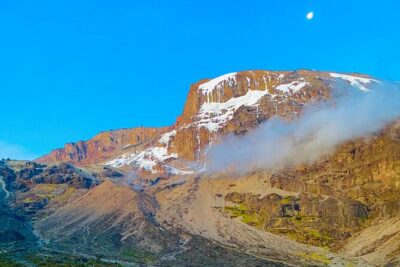
5 Days Best of Tanzania Luxury Safari Northern Circuit
Read our review →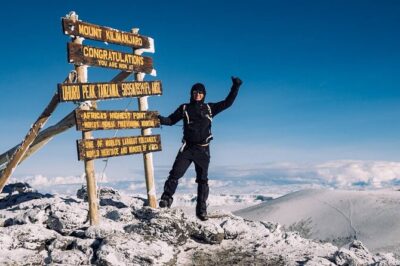
Climbing Kilimanjaro through 7 days Machame Route
Read our review →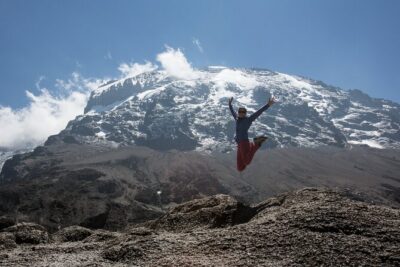
7-Day Machame Kilimanjaro Summit Tour from Arusha
Read our review →Browse the lists this tour appears in