
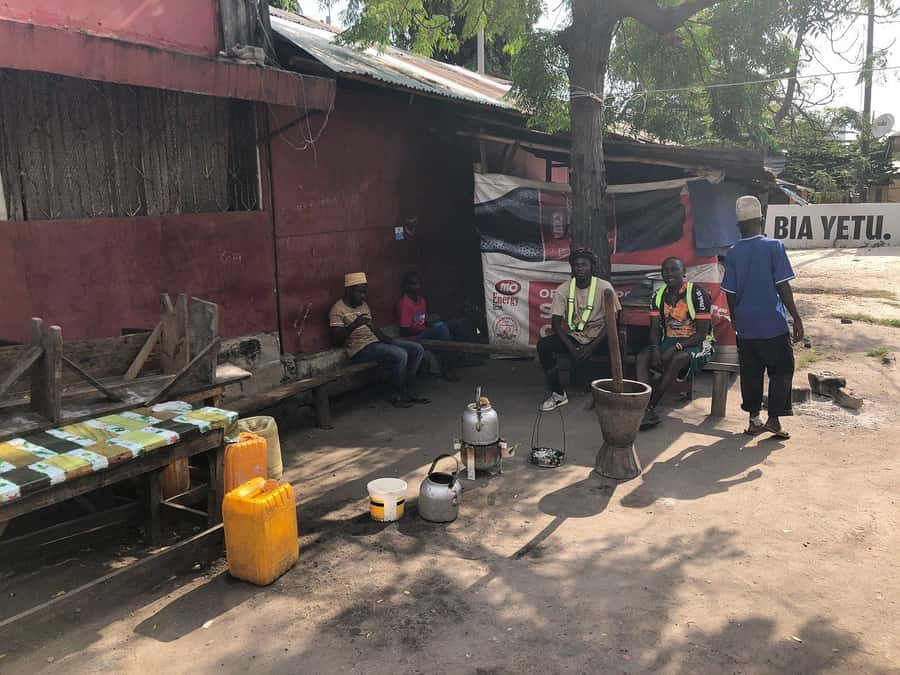
Reviewed · MARKET & STREET FOOD TOURS
Dar es Salaam: Tuk-Tuk Tour, Street Food & Local Lifestyle
Dar es Salaam makes sense from the back seat of a tuk-tuk, where traffic, markets, food stalls, and neighborhood life pass close enough to see and smell. This outing links three very different stops: Kariakoo Market, Mwenge Woodcarvers’ Market, and the Village Museum. I like the street-food tasting, especially the chance to try chapati, mishkaki, roasted maize, or fresh juice, and I like that local guide Glory is willing to shape the day around your wishes.
The main caution is timing. The advertised tour lasts four hours, but the listed stop durations add up to five hours. I would confirm the exact schedule before booking, especially if you have a flight, ferry, or another appointment.
Key points to know before booking
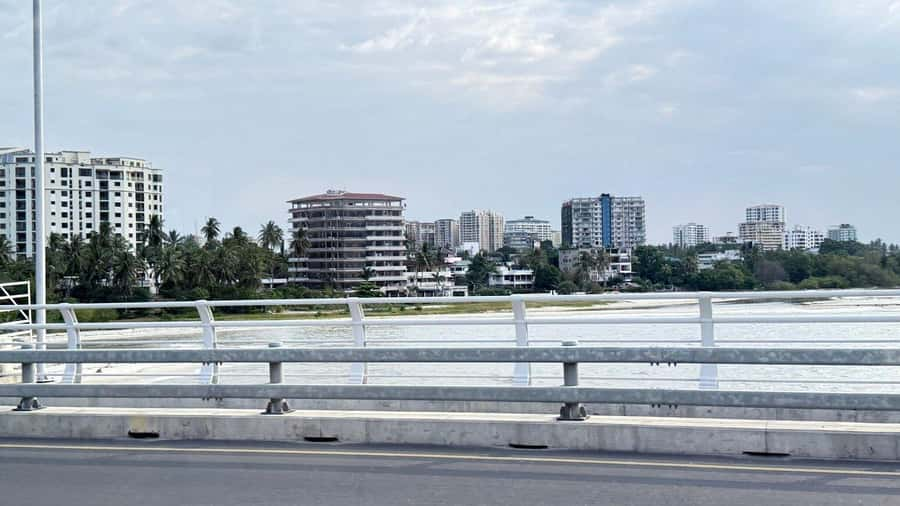
- Kariakoo comes first: Allow time for spices, fruit, household goods, local shopping, and a guided walk through Dar es Salaam’s busiest market area.
- Street food is part of the experience: Included samples can include chapati, mishkaki, roasted maize, and fresh juice, but this is not a full meal.
- Mwenge focuses on working artists: You can watch artisans carve masks, furniture, and other wooden pieces, then shop for crafts.
- The Village Museum adds cultural context: Traditional homes from different Tanzanian communities help explain rural life and building styles.
- The tuk-tuk keeps the route personal: You ride between stops with a local driver-guide rather than spending the whole outing inside a large vehicle.
- Check the clock and pickup details: The tour is listed at four hours, with central Dar es Salaam pickup, but the stop schedule suggests a longer outing.
Seeing Dar es Salaam from a tuk-tuk
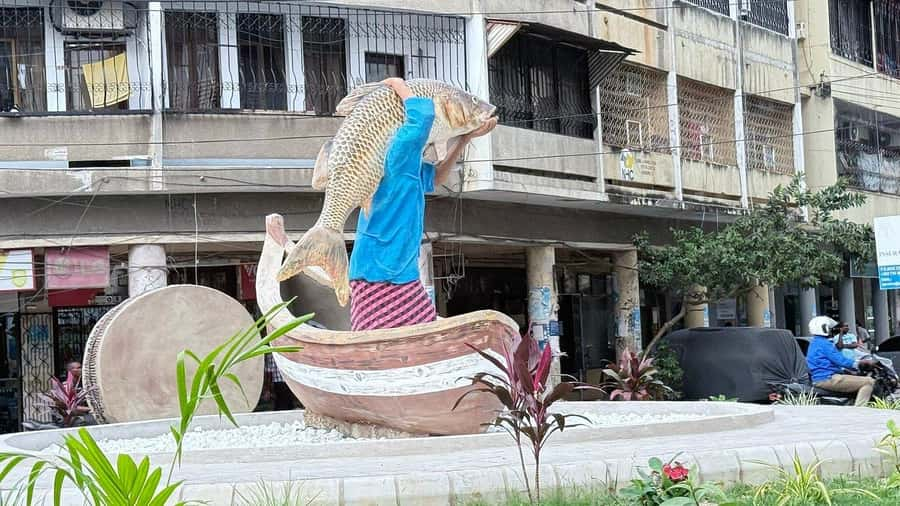
A tuk-tuk is a useful match for this kind of city tour. It is open enough for you to watch streets and neighborhoods pass by, yet compact enough to suit short journeys between market, craft, and museum stops. You get a closer view of everyday life than you would from a sealed coach.
The outing begins with pickup at your hotel in Dar es Salaam, followed by a short briefing about the route. Hotel transfers outside central Dar es Salaam are not included, so check your location before you reserve. The experience is also listed as wheelchair accessible, though you should confirm how boarding and the specific tuk-tuk arrangement will work for your needs.
The price is listed as $65 per group up to one person, which needs clarification if you are booking for more than one person. If that price applies only to a solo booking, it is a reasonable way to pay for private transport, a local guide, museum entry, water, and food samples. If you are traveling with companions, ask how the group price changes before paying.
The guide matters here. One guide named in the available feedback is Glory, who is described as responding to personal wishes and needs. That is useful on a route with several stops, since you may want more market time, more craft shopping, or a slower visit at the museum.
More eating your way around Dar es Salaam:
- Stonetown: Food Markets and Street Food Walking Tour
★ 4.7 · 151 reviews - Authentic Street Food Tours in Stone Town, Zanzibar
★ 5.0 · 46 reviews - Stone Town Guided Tour: Culture, Slave Market & Spice Market
★ 4.8 · 44 reviews
Kariakoo Market: Dar es Salaam’s daily rhythm
Kariakoo is the strongest part of the outing for anyone who wants to see the city doing ordinary work. This is not a polished sightseeing district. It is a major market area where people shop for food, household supplies, clothing, and other daily needs.
Your guide leads you through the market for about an hour and a half according to the schedule. Expect the setting to be active and crowded, with the smells of spices, tropical fruit, and cooked food competing for attention. The point is not simply to take photographs. It is to see how Dar es Salaam shops, sells, bargains, and feeds itself.
Wear comfortable shoes. A market walk can mean uneven surfaces, tight passages, and plenty of standing. Keep your camera ready, but ask before photographing people or individual stalls. A small amount of Tanzanian cash is useful for personal purchases, since shopping is not included.
The guide can help turn a noisy market into a readable place. Ask about the products you see, the way food is sold, and what local shoppers are looking for. You will get more from the stop if you treat it as a chance to understand daily life rather than as a quick photo stop.
The drawback is that Kariakoo may feel intense if you prefer quiet, orderly sightseeing. The market is one of the least controlled parts of the day. That is also its value, but you should be ready for crowds, traffic, strong smells, and a lot of visual activity.
Chapati, mishkaki, and a quick taste of Swahili food
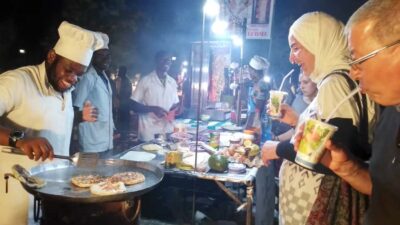
The food stop gives the tour some flavor beyond sightseeing. Included tastings may feature chapati, a flatbread often eaten as a snack or with other foods, along with mishkaki, grilled meat on skewers. Roasted maize and fresh juice may also be available.
This is a snack tasting, not a sit-down lunch. Additional meals are not included, so eat beforehand if you need a substantial meal or plan to buy more food along the way. Alcoholic drinks are excluded, and alcohol and drugs are not permitted on the experience.
The food stop is valuable because it gives you something concrete to connect with the market. You are not only looking at ingredients and stalls. You get to taste a few familiar local staples and ask your guide about them.
You can also expect a stop at a Swahili café later in the route, where the choices listed include chai ya tangawizi, a spiced ginger tea, or fresh coconut water. This is a pleasant way to finish the cultural portion of the outing, though the included food details clearly focus on snacks and juice. Carry cash for anything beyond the included tasting.
Mwenge Woodcarvers’ Market and the work behind the souvenirs
The next major stop is Mwenge Woodcarvers’ Market, scheduled for about an hour and a half. Here you can watch artisans carving wooden masks, furniture, and souvenirs, then browse the work for yourself.
The best reason to visit is the chance to see production rather than only finished merchandise. A carved object has more meaning when you have watched the hands, tools, and stages involved in making it. The market also provides a practical opportunity to buy a Tanzanian craft, provided you set aside money for personal shopping.
Take your time before buying. Look at the quality of the carving, ask about the material, and compare similar pieces at more than one stall. The tour includes the visit, but not your purchases. Your guide may help explain craft traditions and help you understand what you are seeing, though the precise level of shopping assistance is not specified.
This stop is more commercial than the Village Museum. That is not a flaw, but it changes the mood. Mwenge is useful for people who want to see artisans at work and perhaps take home a handmade object. If shopping is not your interest, you may find the visit longer than necessary, so ask Glory or your guide how the time can be used.
A few more things to do in Dar es Salaam worth a look
- Kikuletwa Chemka Hot Springs Bicycle or Tuk Tuk Day Trip
★ 5.0 · 6 reviews
The Village Museum and Tanzania’s many communities
The Village Museum gives the route its clearest cultural setting. It presents traditional homes from different Tanzanian communities, allowing you to compare building materials, household layouts, and rural ways of life.
The scheduled visit is listed as two hours, although the overall tour is advertised as four hours. This is the biggest timing question in the description. Ask for a confirmed schedule so you know how long you will actually spend at the museum and how the market stops fit around it.
A guided visit is important here. Without explanation, traditional houses can become a series of photographs. With context, you can pay attention to how homes were built, what spaces were used for, and how architecture reflected local life. The museum is also the included entrance attraction, so you do not need to budget a separate admission fee.
The Village Museum works well after Kariakoo and Mwenge because the three stops show different sides of Tanzania. Kariakoo presents present-day commerce. Mwenge shows living craft work. The museum offers a more organized look at rural traditions and community heritage.
Keep your expectations practical. This is a museum visit with traditional structures, not a full trip through every region of Tanzania. It gives you an introduction, then leaves you with a clearer sense of the country’s cultural variety.
What the four-hour format means in practice
Four hours is enough for a useful introduction, but it is a tight schedule if all stops receive the full time listed. Pickup, traffic, walking, food tasting, shopping, and the return ride all take time. The stated stop lengths total five hours before those transitions are added.
I would not book this outing immediately before a flight or ferry. A morning or afternoon departure is available, but the exact starting times depend on availability. Ask the operator to confirm:
- The actual pickup time
- The expected return time
- How the five hours of listed stop time fit into a four-hour booking
- Whether the tour is private for your booking
- The cost for more than one person
- The pickup boundary for your hotel
The tour operates daily, with morning and afternoon departures. That flexibility can help you fit it into a longer Dar es Salaam stay. Morning may suit you if you want cooler conditions and more time afterward. An afternoon departure may work better if your morning is occupied, but the supplied information does not promise a particular market atmosphere at either time.
The vehicle includes bottled water, but bring sunscreen, a hat, sunglasses, and comfortable clothes. A camera is welcome, and cash is useful for food beyond the included tasting and for crafts. Comfortable shoes matter more than dressy clothes.
Who will get the most from this outing
I would recommend this experience to someone visiting Dar es Salaam for the first time who wants several types of local life in one booking. You get transport, a guide, a market walk, food samples, craft work, and cultural exhibits without having to arrange each stop separately.
It also suits visitors who enjoy seeing how a city works. Kariakoo is the key stop for that purpose. The Village Museum is a better match if you want cultural background, while Mwenge is the right choice if handmade woodwork interests you.
Families can consider it for children aged six and older. The minimum age is six, and children under six are not suitable for the tour. Parents should think about the heat, walking, crowds, and the length of the market and museum visits.
The experience is less suited to someone seeking a quiet luxury outing or a precise, tightly timed private transfer. The tuk-tuk is practical and social, but the route passes through active city areas. The timing discrepancy also makes it a poor choice for a day with no room for delay.
Value, flexibility, and the booking decision
At $65 for a group up to one person, the value depends on the final group price and what is included for your party. The package covers four hours of tuk-tuk transport, a professional local driver-guide, street-food snacks and fresh juice, bottled water, and Village Museum admission. Those inclusions make the price easier to justify than a simple point-to-point ride.
The strongest value comes from combining three different experiences. Booking each separately would take more planning, and you would lose the continuity of having one guide explain the route. Glory’s reported attention to individual wishes is a useful sign for anyone who wants a flexible day, though you should confirm your priorities at the start.
The main risk is not the attraction mix. It is coordination. One verified booking record describes a missed pickup and a lack of response about whether pickup would happen. Another verified booking gives the experience five stars and specifically praises Glory for adapting to personal needs. That contrast means you should confirm pickup details in writing and allow extra contact time on the day.
Free cancellation is available up to 24 hours before departure for a full refund, and you can reserve now and pay later. Those policies reduce some booking risk, but they do not remove the need to confirm the route and schedule. Language information lists English and French, with German also noted in the operating details, so confirm your preferred guide language when booking.
Should you book this Dar es Salaam tuk-tuk tour?
Book it if you want a compact introduction to Dar es Salaam that mixes street life, food, crafts, and cultural exhibits. The best parts are the close-up tuk-tuk ride, the Kariakoo market walk, the chance to taste chapati or mishkaki, and the opportunity to watch woodcarvers at work.
Hold off if you need strict timing, dislike crowded markets, or want a full meal rather than snacks. I would also wait until the operator confirms the pickup and explains why the listed stop times total five hours on a tour advertised at four.
For the right person, this is a useful first look at the city. Confirm the details, carry cash, wear good shoes, and tell the guide what matters most to you. If Glory is your guide, make your preferences clear early, since the strongest praise centers on her willingness to adapt the day.
FAQ
How long does the Dar es Salaam tuk-tuk tour last?
The experience is advertised as four hours. The listed stop durations add up to five hours, so confirm the exact schedule before booking.
What places does the tour visit?
The route includes Kariakoo Market, Mwenge Woodcarvers’ Market, and the Village Museum, followed by a return to Dar es Salaam.
Is transportation included?
Yes. Tuk-tuk transportation for four hours and a professional local driver-guide are included.
Is hotel pickup included?
Pickup is available in Dar es Salaam, but hotel transfers outside central Dar es Salaam are not included.
What food is included?
Street-food snacks and fresh juice are included. Possible tastings include chapati, mishkaki, roasted maize, and other local snacks.
Is a full meal included?
No. Additional meals are not included, so bring cash if you want to buy more food.
Are museum entrance fees included?
Yes. Entrance to the Village Museum is included.
What languages are available?
The tour information lists English and French guides. German is also noted in the operating details, so confirm the available language when booking.
Can children join the tour?
Children aged six and older can join. Children under six are not suitable for the experience.
Is the tour wheelchair accessible?
The experience is listed as wheelchair accessible. Confirm the boarding arrangements and vehicle details when booking.
What should I bring?
Bring comfortable shoes, sunglasses, a sun hat, a camera, sunscreen, comfortable clothes, and cash.
Can I cancel the booking?
You can cancel up to 24 hours in advance for a full refund. Reserve now and pay later is also available.
Just added in Dar es Salaam
- Zanzibar: 3 Days to Mikumi and Chizua Waterfalls★ 3.5 · 5 reviews
- 2 Day Wildlife Experience and Masai Culture Mikumi Park★ 5.0 · 5 reviews
- Sunrise Beach Walk with Picnic Breakfast Activity★ 5.0 · 3 reviews
- 5 Days Selous/Nyerere & Mikumi NP Game drive, Maasai and Walking★ 5.0 · 13 reviews
- 3 Days Safari to Nyerere National Park (Selous Game Reserve)★ 5.0 · 8 reviews
- Explore Dar es Salaam: Full-Day Private City Tour★ 5.0 · 18 reviews
- Mikumi Np Mid Range Tour 3 Days★ 5.0 · 3 reviews
- Saadani National Park Day Tour★ 5.0 · 3 reviews
Market & Street Food Tours, compared.
Authentic Street Food Tours in Stone Town, Zanzibar
Read our review →
Stone Town Guided Tour: Culture, Slave Market & Spice Market
Read our review →
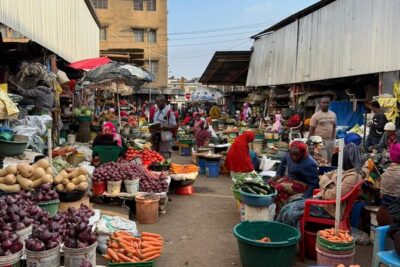
Traditional Tanzania Cooking Class & Food Market Tour
Read our review →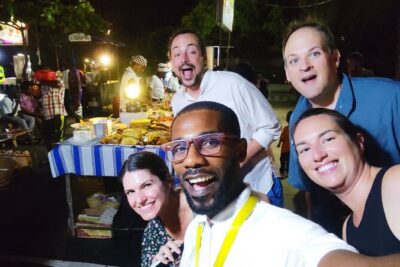
Stone Town Evening Walk Tour With Visit Food Markets
Read our review →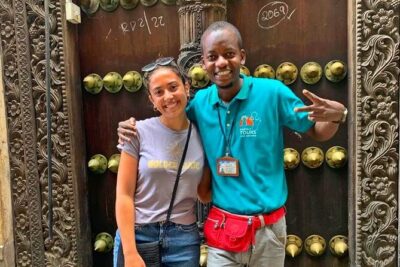
Stone Town Private Tour with Slave Market Tickets
Read our review →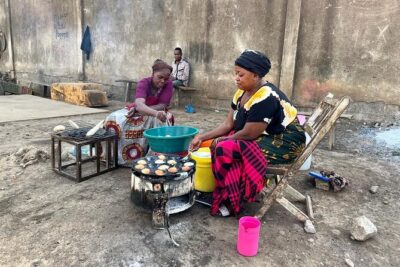
Browse the lists this tour appears in