
Reviewed · MARKET & STREET FOOD TOURS
Moshi: Town tour and Local Markets tour
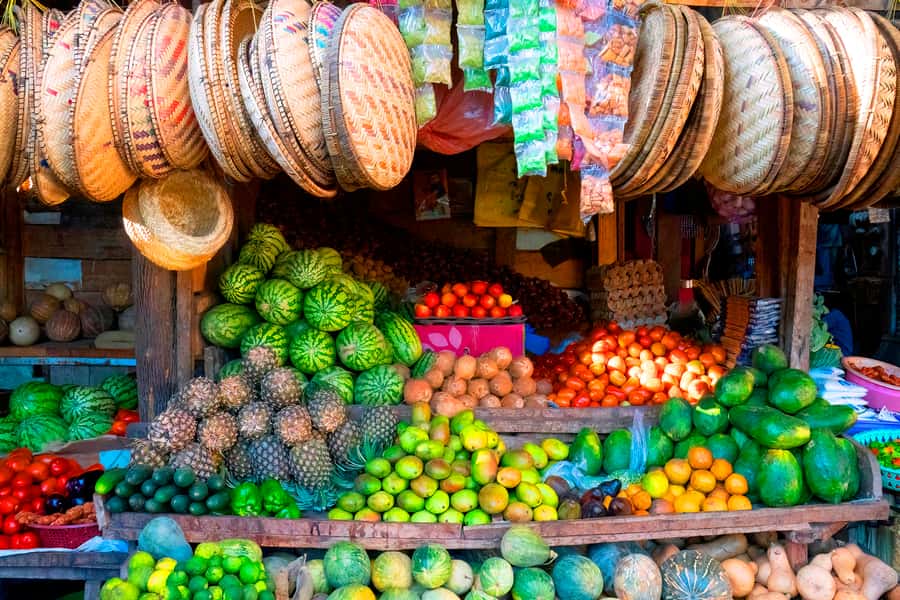
Moshi’s markets are not a polished show arranged for visitors. They are working places where people buy food, sell clothing, handle money, catch buses, and keep the town moving. This tour takes you into that everyday world, from the old train station to fruit stalls, fish sellers, coffee shops, and a Tanzanite and craft market.
I like the way Isaac builds the tour around real local life, not just landmarks. I also like the practical touches: hotel pickup, bottled water, fruit tasting, a cool car, and the chance to pause for coffee or tea. The main thing to consider is the pace. Three hours covers a lot, and the markets can be crowded, noisy, and full of unfamiliar sights.
Key points at a glance
- Three working markets: Compare Manyema, Mbuyuni, and the Main Market rather than seeing only one shopping area.
- Isaac as your guide: He explains local customs, food, town history, and Tanzania’s mobile banking system in clear English.
- Fruit tasting included: Try local fruit as you move through the food stalls.
- A useful Moshi introduction: See the train station, banks, bus stand, coffee scene, and everyday commerce in one morning.
- Community-minded shopping: The final stop sells crafts made largely by disabled people and includes Tanzanite from Tanzania.
- Good value at $25: Pickup, drop-off, guiding, and bottled water are included, with food and drinks purchased separately.
Why Moshi’s markets are worth your morning
Moshi is often treated as a base for Kilimanjaro trips. That is understandable, but it can leave you seeing only hotels, gear shops, and the road to the mountain. This tour gives you a better sense of how the town works before or after a trek.
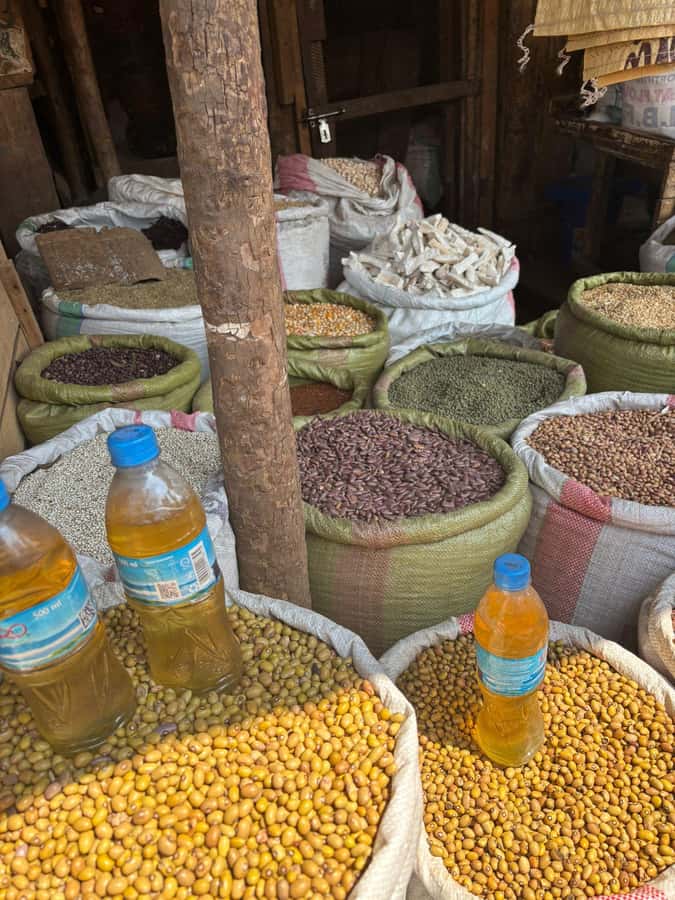
The focus is economic as much as cultural. You see where food changes hands, how sellers display their goods, where people catch buses, and how mobile banking fits into daily business. That makes the tour useful for you if you want more than photographs of stalls.
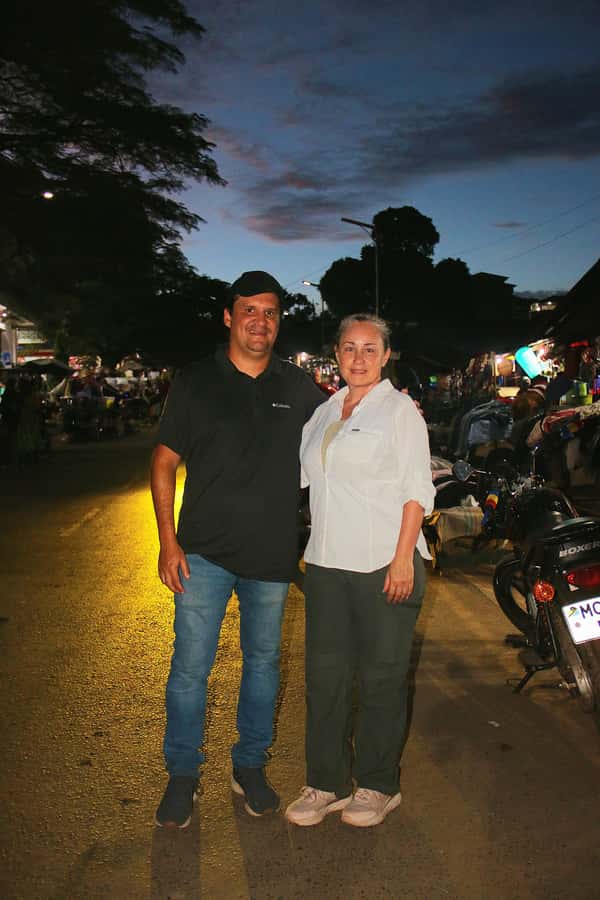
The guide is Isaac, also called Zac by some customers, from Oasis Ride. His strongest role is interpreter. He can explain what you are looking at, answer questions about Tanzanian life, and help you move through busy public places without feeling lost. Several people also found him flexible with timing and personal requests, including pharmacy stops, supermarket visits, restaurant advice, and help collecting Kilimanjaro gear.
You should not expect a museum-style presentation. This is a walk and drive through active town spaces. The pleasure comes from watching ordinary commerce unfold and asking questions as you go.
More eating your way around Moshi:
- Stonetown: Food Markets and Street Food Walking Tour
★ 4.7 · 151 reviews - Authentic Street Food Tours in Stone Town, Zanzibar
★ 5.0 · 46 reviews - Stone Town Guided Tour: Culture, Slave Market & Spice Market
★ 4.8 · 44 reviews
Starting at Moshi’s old train station
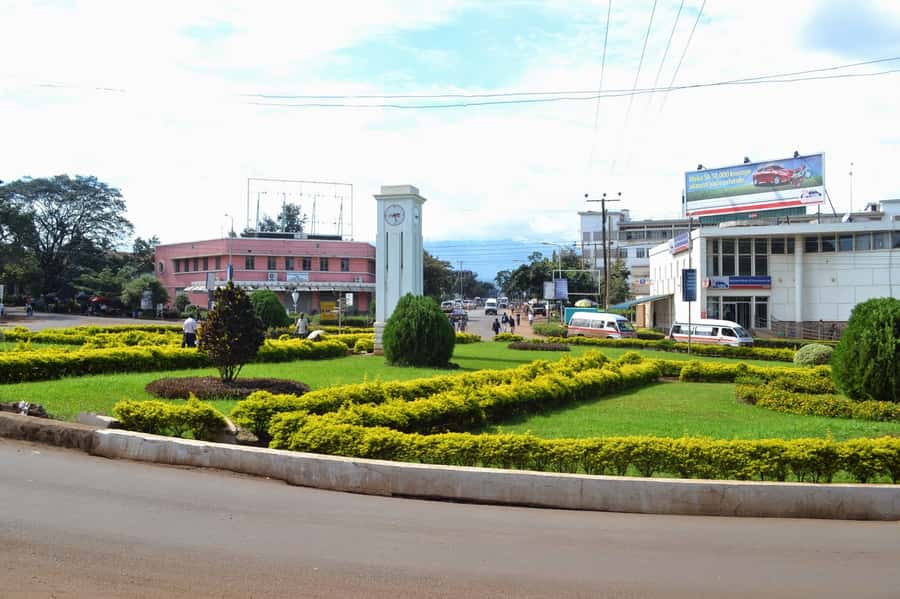
Pickup is available from your lodging in Moshi Urban. The first formal stop is the train station, where you spend about 25 minutes learning about the railway and taking photographs.
The station gives the tour a useful starting point. Before looking at today’s markets, you get a sense of how transport helped shape Moshi and its connections with the wider country. There is also a chance to photograph Mount Kilimanjaro from the area when visibility allows.
Do not treat the mountain view as guaranteed. Kilimanjaro can be hidden by cloud, and the tour is primarily about Moshi rather than mountain sightseeing. Still, the station is a good place to begin because it links the town’s past with its present movement of people and goods.
One memorable possibility is arriving as a train from Dar es Salaam comes in. That timing cannot be promised, but it can add a dramatic moment to the stop. From here, parts of the route may be covered on foot, with driving used to connect the wider stops.
Comparing Manyema and Mbuyuni markets
The itinerary includes about 25 minutes at Manyema Market and another 25 minutes at Mbuyuni Market. The names can be slightly confusing because the tour description also refers to Mbuyuni as a central market area. Your guide clarifies the order and differences as you go.
These stops are valuable because you are not simply shown a row of stalls and sent on your way. You can compare how each market functions. One may feel more focused on certain kinds of food or trade, while another offers a different mix of goods and customers.
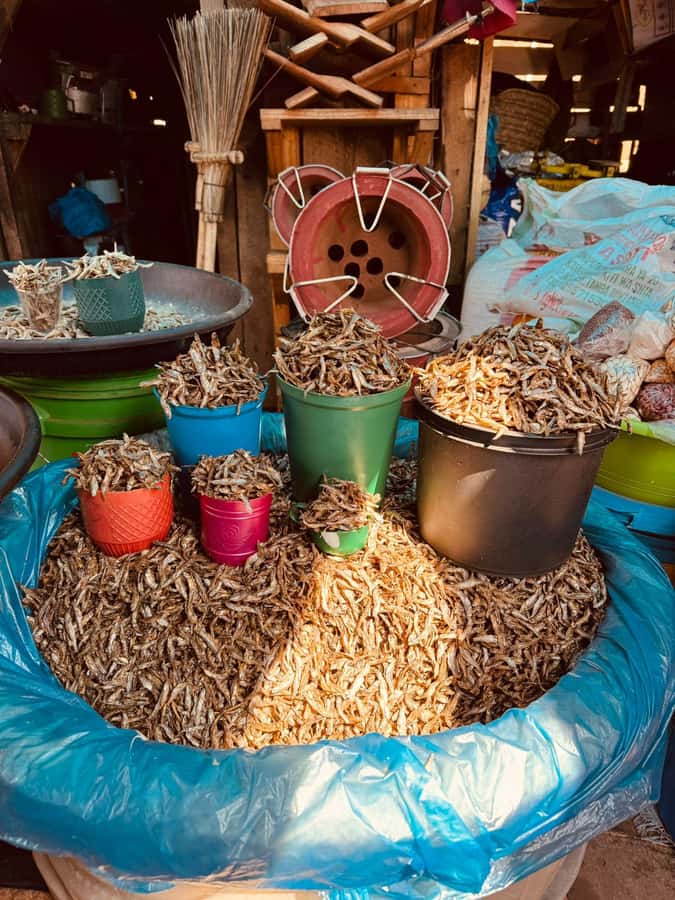
At Mbuyuni, the route includes a banana market, fish market, spice market, clothing market, local dispensary, and other parts of the trading area. That range gives you a look at how a market serves a whole neighborhood, not just someone searching for souvenirs.
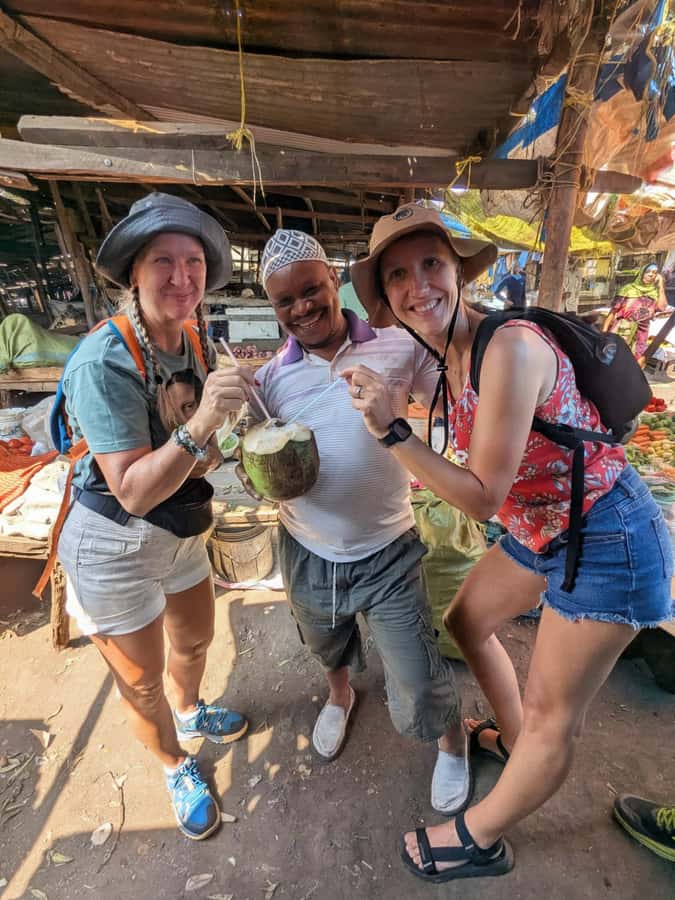
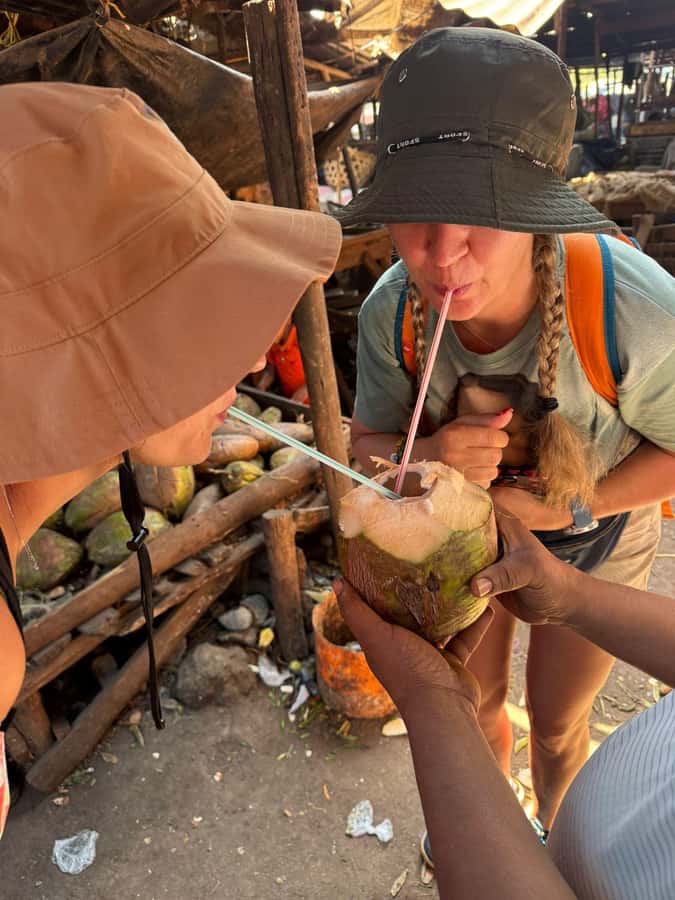
You will also have a chance to sample fruit. This is one of the small pleasures that makes the tour feel more direct. Instead of only hearing about local produce, you can taste some of it and ask how it is sold or used.
Keep your expectations sensible. Food tasting is included as part of the visit, but a full meal is not. You pay separately for any food or drinks you choose to buy. Wear comfortable shoes and clothing, since the experience includes walking through active markets rather than observing from a vehicle.
Seeing Moshi through prices, produce, and mobile money
The guide uses the markets to explain local economic activity. That may sound dry, but it is one of the tour’s most useful parts. A market tells you what people eat, what they can afford, what they sell, and how goods move through town.
The route also passes local banks, where Isaac explains Tanzania’s Sim banking system. This is a practical detail that can help you understand how people make payments, transfer money, and manage everyday business. It is also useful for you as a visitor, since mobile payment and cash are both part of the financial picture you encounter in Tanzania.
The explanations are especially helpful if you feel unsure about approaching stalls on your own. You can ask about fruit, spices, clothing, or market customs without turning every interaction into an awkward guessing game.
Isaac’s English is described as very good, and his communication before pickup is one of the strongest practical features of the tour. He has also adjusted start times for people catching flights and accommodated last-minute bookings. That flexibility is useful, but confirm your requested timing in advance.
Same base, a different kind of day out:
- Kilimanjaro climb by Lemosho Route (7-day)
★ 5.0 · 651 reviews - Safari Serengeti And Ngorongoro
★ 5.0 · 288 reviews - Kilimanjaro climb, Machame Route (7-day)
★ 5.0 · 262 reviews - Kilimanjaro Climbing Lemosho Route 8 Days.
★ 5.0 · 186 reviews
The Main Market and the Coffee Union Cafe
The third food-market stop is called the Main Market in the itinerary and the Central Market in the description. This is where you learn how it differs from the earlier markets. Seeing three separate market areas gives the tour more shape than a single quick visit.
The Main Market is a place to continue looking at food and daily trade. Pay attention to the layout, the types of goods, and the way sellers organize their space. Your guide’s job here is to explain the differences rather than rush you through another set of stalls.
After the market, you stop for about 20 minutes at Coffee Union Cafe. You can have coffee or tea and take a short break. This pause matters because the first part of the tour includes walking, standing, and taking in plenty of activity.
Moshi is associated with coffee production, so a cafe stop fits naturally into the town tour. Still, the price of your coffee or tea is not included. If you want to keep spending low, bring that into your budget.
The break also gives you a chance to ask follow-up questions while sitting down. That can be particularly useful if you are new to Tanzania and want to sort out what you have seen before continuing.
The bus stand, where transport becomes trade
The Moshi Bus Stand receives about 15 minutes. It is a short stop, but it adds another piece to the town’s economic picture.
Bus stations are not only transport points. They are places where people meet, goods move, and small businesses serve people on the go. Isaac explains how business works there and gives you a better sense of how residents travel around the area.
This stop is brief, so do not expect a long transport lesson. Its value comes from contrast. After food markets and a cafe, you see another kind of public space, one shaped by departures, arrivals, and quick transactions.
The route is not designed around long independent wandering. You move with the guide, with walking mixed with vehicle transfers. That makes it easier to cover several parts of Moshi in three hours, though it also means you have limited time to browse each location by yourself.
Ending with Tanzanite and community-made crafts
The final stop is Blue Zebra Art, Tanzanite, and Souvenir Shop. You spend about 20 minutes browsing arts and crafts, with the option to buy something.
This shop has a social purpose that makes it different from an ordinary souvenir stop. Many of the products are made by disabled people, and part of the income supports community work, including education for orphans and help for people in need. If you plan to purchase a gift, this gives your spending a clear local connection.
The shop also sells Tanzanite, a valuable gemstone found only in Tanzania. You can look without buying. That is important because the tour is educational rather than a sales obligation. If you are interested in a stone, ask questions, take your time, and make sure you understand what you are purchasing.
This is also the point where the tour shifts from observing daily commerce to making a possible purchase. Some people will enjoy that ending; others may prefer another cultural stop. The social mission and Tanzanite connection make it more meaningful than a generic gift shop, but shopping remains optional.
After the visit, Isaac drives you back to your lodging in Moshi Urban.
What the $25 price really covers
At $25 per person, this is a strong-value introduction to Moshi if you want a guide rather than simply wandering alone. The fee includes hotel pickup and drop-off, a live English-speaking guide, transport between parts of the route, and bottled water.
You also get roughly three hours of local explanation and market access without needing to plan the route yourself. For a first day in town, that can save time and reduce the uncertainty of finding the markets, train station, bus stand, and coffee stop on your own.
Food and drinks are not included. Budget extra for coffee, tea, fruit beyond the tasting, lunch, or anything you buy at the craft and Tanzanite shop. The tour itself is affordable, but shopping can quickly become the larger expense.
The value is highest for solo visitors and small groups. Several people found the tour personal and flexible, and some booked additional activities with Isaac afterward. The exact feel may depend on the group size on your date, so ask if that matters to you.
Who should book this Moshi town tour
I would choose this tour if you are staying in Moshi before or after Kilimanjaro and want to understand the town beyond the hotel district. It is also a good match for solo visitors who prefer a local guide in busy markets.
You will get the most from it if you enjoy asking questions, tasting unfamiliar fruit, comparing markets, and watching everyday business. The tour suits people who want cultural context but do not need a formal museum or performance.
It may be less suitable if you want a quiet, scenic outing or a long shopping session. Markets can be active and crowded, and the schedule moves through several stops. You should also be comfortable with walking and wear supportive shoes.
The experience has earned a 4.9 rating from 36 bookings, with repeated praise for Isaac’s friendliness, clear communication, flexibility, and care. One solo woman specifically felt safe with him, while others appreciated help with pharmacies, restaurants, supermarkets, airport timing, and trekking gear. Those details suggest a guide who pays attention to what you need, not only to the printed route.
Practical details before you go
Plan on three hours, though the guide may adjust the flow around your interests and timing. Pickup and return are in Moshi Urban, and the tour is conducted in English.
Bring comfortable shoes, light comfortable clothes, and a little money if you want coffee, tea, food, or souvenirs. Bottled water is supplied, but you may still prefer to carry extra water in warm weather.
You can cancel up to 24 hours before the activity for a full refund, and the reserve-now, pay-later option keeps your plans flexible. Check available start times when booking, especially if you have a flight, trek briefing, or other appointment later in the day.
Should you book it?
Book this tour if you want a practical introduction to Moshi with real markets, local food, transport, banking, and small businesses all in one morning. Isaac’s personal approach is the main reason to choose it. He explains what you see, adapts when possible, and adds useful help beyond the scheduled stops.
Skip it if your priority is a mountain excursion, a relaxed cafe morning, or a souvenir-only shopping trip. For most people spending time in Moshi, though, $25 is a fair price for a well-organized look at how the town actually works.
FAQ
How long is the Moshi town and markets tour?
The tour lasts three hours.
Where does pickup take place?
Pickup and drop-off are available from lodging in Moshi Urban.
Which markets are included?
The route includes Manyema Market, Mbuyuni Market, and the Main Market, also described as the Central Market.
Is food included in the price?
Food and drinks are not included. You do receive a fruit tasting and bottled water, while other food and drinks are purchased separately.
Is the tour available in English?
Yes. The tour has a live English-speaking guide, Isaac.
Can I buy Tanzanite during the tour?
Yes. The final stop is Blue Zebra Art, Tanzanite, and Souvenir Shop, where you can browse and buy Tanzanite or other crafts if you wish.
What should I bring?
Bring comfortable shoes and comfortable clothes. You may also want money for coffee, tea, food, or optional purchases.
Just added in Moshi
- Kilimanjaro Airport Private Transfer from/to Moshi★ 5.0 · 14 reviews
- 6 Days Machame route Kilimanjaro climbing★ 5.0 · 22 reviews
- 7 Days Highlight of Tanzania Mid-Range Standard★ 5.0 · 22 reviews
- 4 Day Mid-range Serengeti Safari★ 5.0 · 22 reviews
- Kilimanjaro Climbing 5 days Marangu route★ 5.0 · 22 reviews
- 6-Day Kilimanjaro Climbing Via Machame Route★ 5.0 · 23 reviews
- 9-Day Enchanting Tanzania Safari -High End All Inclusive★ 5.0 · 27 reviews
- Kilimanjaro Trekking 7Days 6Night Lemosho Route★ 5.0 · 23 reviews
Market & Street Food Tours, compared.
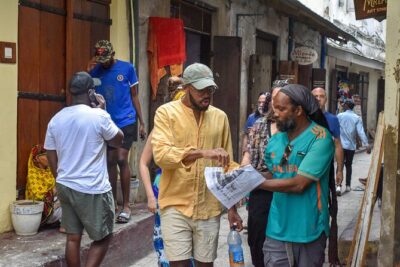
Authentic Street Food Tours in Stone Town, Zanzibar
Read our review →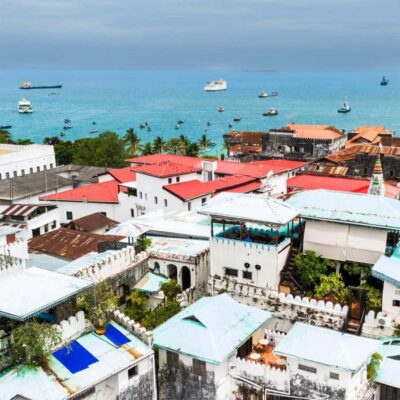
Stone Town Guided Tour: Culture, Slave Market & Spice Market
Read our review →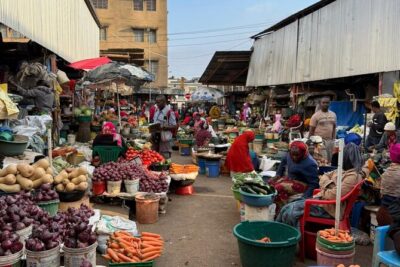
Traditional Tanzania Cooking Class & Food Market Tour
Read our review →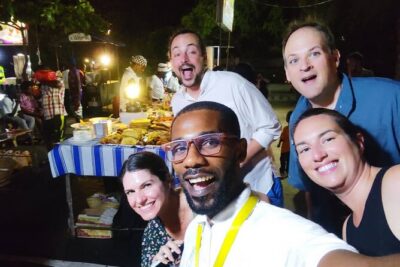
Stone Town Evening Walk Tour With Visit Food Markets
Read our review →Browse the lists this tour appears in