

Reviewed · STONE TOWN TOURS
FROM NUNGWI: STONE TOWN, SPICE FARM TOUR AND PRISONAL ISLAND
Stone Town’s narrow lanes, old sultanate buildings, and former slave market give this tour its strongest sense of place. Then the day shifts from city history to the smell of cinnamon and cloves at a spice farm, before ending with giant tortoises on Prison Island. The variety is the main appeal. You see three very different sides of Zanzibar in one day.
I especially like the mix of useful historical context and hands-on farm time. I also like that transportation and entry fees are included, which makes the $108 price easier to judge. The trade-off is a full schedule: Stone Town walking, countryside touring, and a boat trip can make for a long day, and snorkeling is not part of the described program.
Key points to know before booking
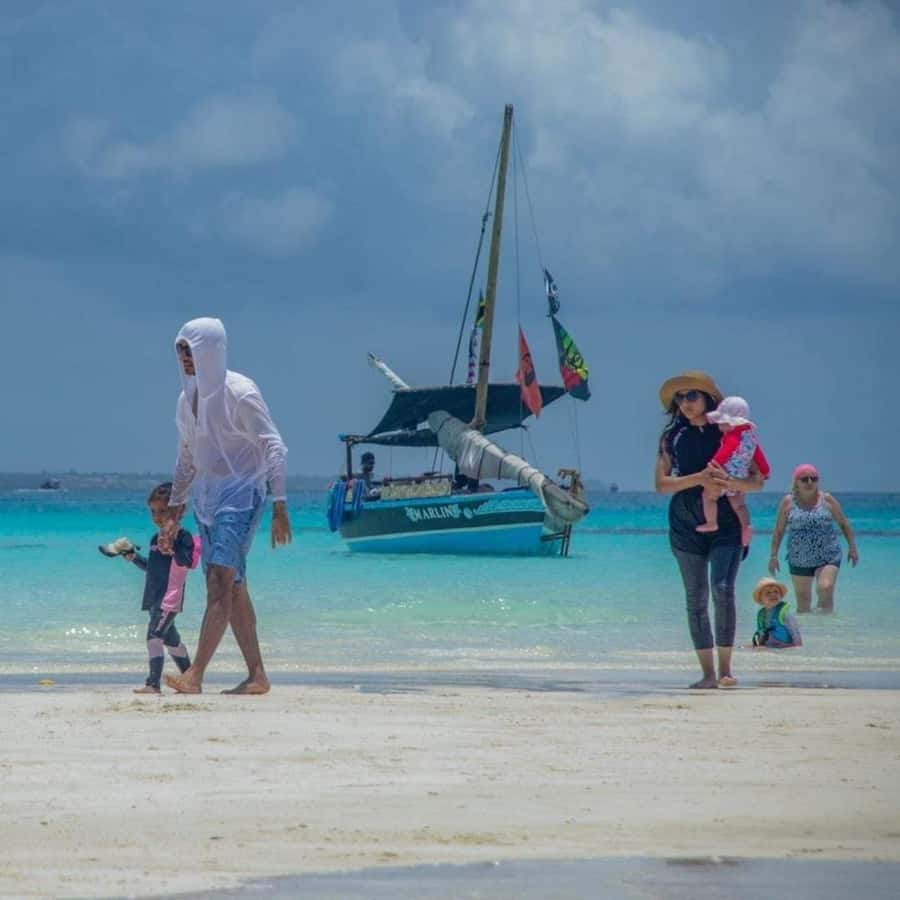
- Three distinct Zanzibar experiences: Stone Town, a spice farm, and Changuu Island each offer a different view of the island.
- A strong history section: The route includes the Old Fort, House of Wonders, Sultan’s Palace Museum, and the former slave market.
- A sensory spice stop: You can smell, taste, and learn about cloves, nutmeg, cinnamon, vanilla, and turmeric.
- Giant Aldabra tortoises: Prison Island is home to tortoises that can be more than 100 years old.
- Good logistical value: Transportation, entry fees, and a professional English-speaking guide are included in the $108 price.
- Flexible booking: You can reserve now and pay later, with a full refund available when you cancel at least 24 hours ahead.
Stone Town first, where Zanzibar’s story comes alive
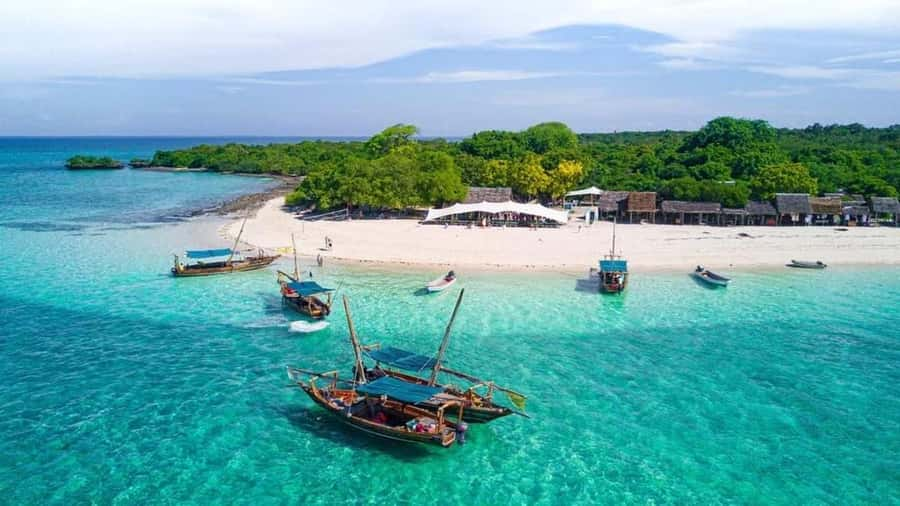
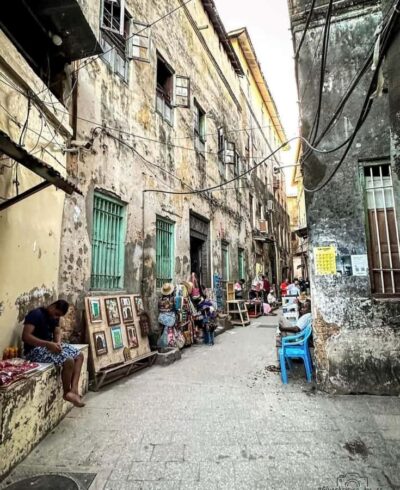
The day begins in Stone Town, the old heart of Zanzibar. This is not a polished museum district sealed off from daily life. It is a working town of tight lanes, old homes, market stalls, small shops, cafés, and people going about their business.
I like starting here because the town gives you a quick lesson in how Zanzibar developed. Arabic, Persian, Indian, and European influences appear in the buildings, religion, food, trade, and street plan. Your guide helps connect those visible details to the island’s past as an important Indian Ocean trading port.
The walking route includes the Old Fort, a 17th-century structure built by the Omanis after their takeover from the Portuguese. Today it serves as a cultural site with shops and exhibitions, so you get both a sense of military history and a look at present-day local commerce.
You will also see the House of Wonders, known locally as Beit al-Ajaib. It was once a sultan’s palace and is noted for being the first building in East Africa to have electricity and an elevator. The building’s history is fascinating, though its condition and access can vary. Think of it primarily as an important landmark to view and understand from the outside or as part of the town walk, rather than assuming every room will be open.
The Sultan’s Palace Museum adds a more personal side to the story. Instead of only hearing about trade and politics, you get a look at how Zanzibar’s sultans lived and how closely the island was tied to Oman. The palace setting helps explain the wealth and influence that once flowed through Stone Town.
More of the old town on foot from Zanzibar:
- Zanzibar: Stone Town, Spice Tour, Prison Island with Lunch
★ 4.4 · 1,219 reviews - Zanzibar: Prison Island, Stone Town, & Spice Farm Tour
★ 4.5 · 579 reviews - Zanzibar: Stone Town, Spice tour & Prison Island with Lunch
★ 4.6 · 453 reviews
The former slave market and the harder history of Zanzibar
The stop at the former slave market and Anglican Cathedral is one of the most important parts of the day. Zanzibar’s prosperity was tied to the Indian Ocean trade, and that story includes the forced movement and sale of enslaved people.
This section of Stone Town can feel more serious than the Old Fort or market streets, and it should. Your guide provides context about the slave trade and the site of the former market. The Anglican Cathedral occupies the area, creating a striking contrast between the religious building and the painful history beneath it.
I value this part of the tour because it keeps Zanzibar’s past from becoming a collection of pretty buildings and royal anecdotes. You hear about power, commerce, and suffering in the same town, which gives the rest of the day more meaning.
Allow time to listen rather than rushing to take photographs. The narrow streets and old doors are visually appealing, but Stone Town is more than a backdrop. The history here deserves attention.
Markets, craft shops, and time to look around
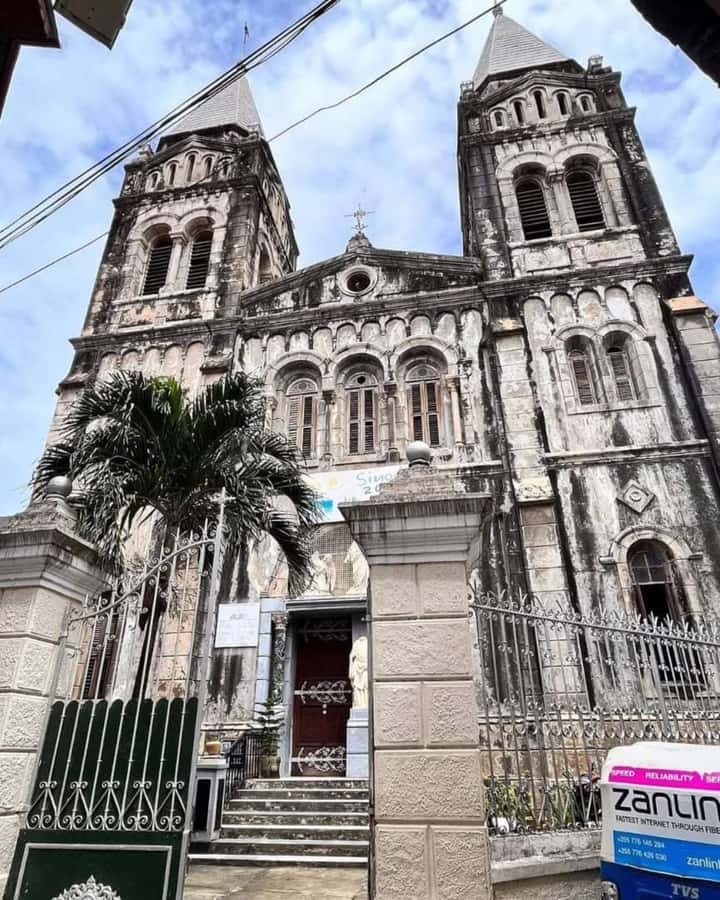
Between the major sights, you will pass markets, artisan shops, and cafés. These portions of the walk are less structured, but they help you see how Stone Town functions today.
You might find carved items, fabrics, spice products, and small souvenirs. Prices and quality can vary, so take a moment to compare before buying. A guide can also help explain what you are seeing and point out details you could easily miss while finding your way through the lanes.
The walking portion is a good fit if you enjoy learning through streets rather than only through formal museums. It is less suitable if you want a slow, unstructured morning in town, because the full-day plan has two more major stops ahead.
From old streets to the spice-growing countryside
After Stone Town, the tour heads to one of Zanzibar’s spice farms. The change is immediate. The tight urban lanes give way to green countryside and a more open setting where the focus is on cultivation, scent, and food.
The farm visit is interactive. You do not simply look at jars of dried seasonings. Your guide shows you how spices are grown and harvested, including cloves, nutmeg, cinnamon, vanilla, and turmeric.
This is where the tour becomes especially useful for anyone who cooks. Cinnamon bark, fresh turmeric, vanilla, and cloves have a different character when you see their source. The farm also explains how these plants are used in cooking, medicine, and cosmetics.
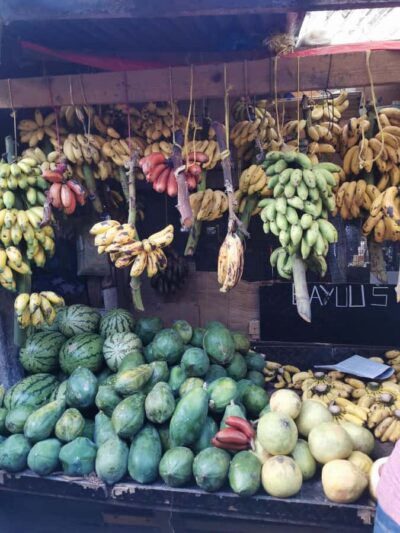
You can smell and taste various products, sample fresh tropical fruit, and see locally made spice items. That hands-on quality gives the stop a clear advantage over a short shop visit in town.
The farm is also a reminder that Zanzibar is not only a historical port. Agriculture remains part of the island’s identity, and spices have shaped its economy and reputation for generations. I like this change of pace because it breaks up the walking and adds something you cannot get from a city tour.
One practical point: this is a guided farm visit, not a long independent walk through the countryside. You should expect explanations and tastings centered on the crops and their uses. If you want a quiet nature outing with no commercial element, this may feel more organized than you prefer.
Other spice farm visits from Zanzibar:
- Full-Day Private Stone Town +Spice Farm and Prison Island Tour
★ 4.5 · 216 reviews - Spice Tour + Stone Town Tour + Prison Island
★ 4.5 · 130 reviews - Zanzibar: Spice Tour & Stone Town Walking Tour
★ 4.8 · 115 reviews - Zanzibar: Stone Town & Spice Farm Tour with Lunch
★ 4.5 · 97 reviews
A boat ride to Prison Island and its giant tortoises
The final major stop is Changuu Island, better known as Prison Island. It sits a short boat ride from Stone Town and has a complicated past.
The island was first intended as a detention center for rebellious slaves and later served as a quarantine station. That history makes the name more than a catchy label. You get a sense of how a small island could be used for control, confinement, and public health.
The main attraction today is the colony of giant Aldabra tortoises. Some are more than 100 years old, and seeing these large, slow-moving animals is the lightest and most relaxed part of the day.
You can get close to the tortoises and spend time watching them. Their size and age make the stop memorable, especially after the more serious history of Stone Town. The visit gives the day a natural element without turning it into a wildlife safari.
There is an important expectation to set here. The tour information describes the island visit and the tortoises, but it does not list snorkeling as an included activity. One account of the day specifically noted that snorkeling was not done, so you should not book this tour assuming water activities are part of the plan.
How the three stops work together
The itinerary works because each stop answers a different question about Zanzibar.
Stone Town shows you who shaped the island and how power and trade worked. The spice farm shows you what grows here and how those products are used. Prison Island adds coastal scenery, a former quarantine site, and wildlife.
I prefer this kind of day to a tour that repeats the same theme from morning to evening. You get culture, history, agriculture, and a boat trip in one package. The downside is that none of the stops receives unlimited time.
Stone Town alone could fill a full day if you wanted to linger in every museum, market, and café. The spice farm could also be taken at a slower pace. Prison Island deserves time for the tortoises and the island’s history. Here, you sample each place rather than explore one area in great depth.
That makes this tour a good first look at Zanzibar. If you have only one free day for sightseeing from Nungwi, it covers the island’s best-known cultural stops efficiently. If you have several days, you may prefer separate visits so you can spend longer in Stone Town or add a dedicated beach and snorkeling day.
What the $108 price really covers
At $108 per person, the value depends on how much planning and transport you want to avoid. The price includes transportation, entry fees, and a professional English-speaking guide. That matters on a day involving a mainland walking tour, a countryside visit, and an island reached by boat.
You are not paying only for admission to three sites. You are also paying for a driver, coordination between different guides and locations, and explanations that tie the day together. The included transport is especially useful because the stops are spread across different parts of Zanzibar.
The experience has received a 4.7 rating from seven ratings, with repeated praise for friendly guides, a clean car, punctual pickup, and clear explanations. One day included a driver who arrived at the agreed time and kept the vehicle neat, while separate guides handled the spice farm and Prison Island.
That arrangement can be a strength. Local guides at each stop may know their site better than one person trying to explain every part of the island. It also means the quality of the day may feel slightly uneven from one location to the next, since more than one guide is involved.
The price is fair for an organized full-day outing if you value convenience and want the major fees handled in advance. It is less compelling if you want to spend most of your time independently in Stone Town or if your main goal is swimming and snorkeling.
Guides, languages, and the feel of the day
The tour is led in English, with French, Italian, and German available. That language choice can make a real difference during the Stone Town history section, where names, dates, and political connections can become hard to follow.
The English-speaking guides are described as friendly, attentive, and clear in their explanations. You should expect help understanding the sights rather than a silent transfer between them. The guide is particularly useful in Stone Town, where a narrow alley or old doorway may look ordinary until you know what happened there.
The farm and island may have their own local guides. That gives you site-specific explanations and helps keep the visit organized. It also means you may hear a different speaking style at each stop, which is normal for a multi-part day.
The tour suits you best if you like asking questions and learning while moving. It is not designed as a private, slow-paced photo tour. The day has a clear route and several required stops, so a little flexibility is helpful.
Who should book this full-day outing
I would recommend this tour to a first-time Zanzibar visitor staying in Nungwi who wants a broad introduction in one day. It is also a good match for couples, families, and anyone who prefers having transport and admissions arranged together.
History-minded visitors will get the most from Stone Town and the former slave market. Food lovers and home cooks will appreciate the farm. Anyone who enjoys animals will likely remember the Aldabra tortoises most.
You should think twice if you dislike long sightseeing days, walking through narrow streets, or organized schedules. The tour covers a lot, and the mixture of city, countryside, and island travel means you will be changing pace several times.
It may also not be right if you are mainly seeking a beach day. Prison Island is coastal, but the listed focus is its history and tortoises, not swimming or snorkeling.
Booking is flexible. You can reserve your place and pay later, and cancellation is available up to 24 hours before the tour for a full refund. That is useful if your Zanzibar plans are still taking shape.
Should you book it?
Book this tour if you want one well-filled day that explains Zanzibar through its streets, crops, and coast. The strongest features are the range of stops, the serious Stone Town history, the hands-on spice farm, and the chance to see very old giant tortoises.
I would skip it only if you want a relaxed day with one main focus, or if snorkeling is essential. For most visitors staying in Nungwi, the $108 cost is reasonable because transport, entry fees, and guides are bundled into a route that would take more effort to arrange on your own.
FAQ
What places does the tour visit?
The tour visits Stone Town, a Zanzibar spice farm, and Prison Island, also called Changuu Island.
What sights are included in the Stone Town tour?
The Stone Town visit includes the Old Fort, House of Wonders, Sultan’s Palace Museum, the former slave market, and the Anglican Cathedral. You also have a chance to see markets, artisan shops, and cafés.
Are transportation and entry fees included?
Yes. Transportation and entry fees are included in the $108 price, along with a professional English-speaking guide.
Which languages are available?
The available languages are English, French, Italian, and German.
Will I see giant tortoises?
Yes. Prison Island is home to giant Aldabra tortoises, including some said to be more than 100 years old.
Is snorkeling included?
Snorkeling is not listed among the included activities. The described Prison Island visit focuses on the island’s history and giant tortoises.
Just added in Zanzibar
- ZANZIBAR: Jozani Forest, butterfly center & Reptile park★ 4.7 · 3 reviews
- Zanzibar: Jozani Chwaka Bay National Park and Spice Farm …★ 4.6 · 5 reviews
- Zanzibar: Horse Riding and Kayaking with Video and Photos★ 4.9 · 10 reviews
- Zanzibar hidden: Starfish, Blue Lagoon, &The Rock Restaurant★ 5.0 · 3 reviews
- Zanzibar Half Day Trip in Mnemba Island★ 4.4 · 16 reviews
- Zanzibar: Half-Day Spice Farm Tour,the flavours of Zanzibar★ 4.7 · 3 reviews
- Zanzibar: Full-Day Conservation Safari with BBQ Lunch★ 3.9 · 9 reviews
- Zanzibar: Half-Day Prison Island, Tortoises and Spices Tour★ 3.7 · 7 reviews
Stone Town Tours, compared.
Stone Town, Spice Tour, Prison Island with Lunch
Read our review →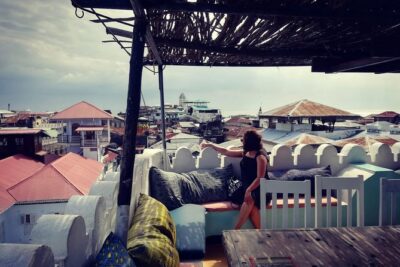
3 Hours Private Stone Town walking Tour with Guide
Read our review →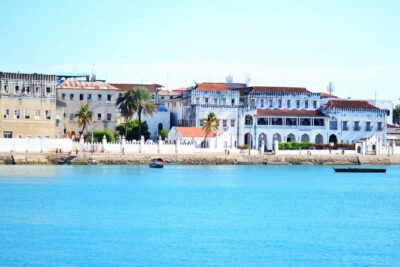
Full-Day Private Stone Town +Spice Farm and Prison Island Tour
Read our review →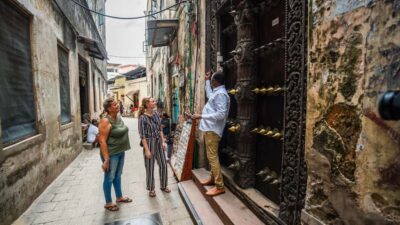
Stone Town Historical Cultural Walking Guided Tour
Read our review →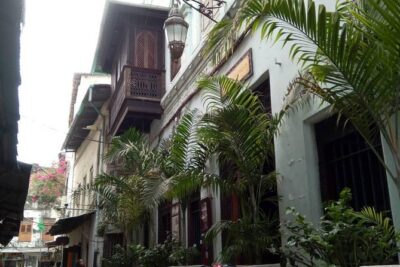

Browse the lists this tour appears in