
Reviewed · STONE TOWN TOURS
From Stone Town: Spice Tour of Zanzibar
Zanzibar earns its nickname Spice Island on this 2.5-hour visit to a working plantation, where you can smell cinnamon bark, handle nutmeg, taste ginger, and see tropical fruit growing on the tree. The singing coconut climber and fresh coconut water add a cheerful bit of theatre at the end.
I like the hands-on approach, especially the chance to taste spices and fruit rather than just hear a list of plant names. I also like the easy Stone Town pickup and the guides, including Juma, who explain harvesting and traditional uses in a friendly way. The main drawback is that the visit includes a sales stop and tip expectations, so bring cash and do not expect a completely quiet botany lesson.
Key points to know before you book
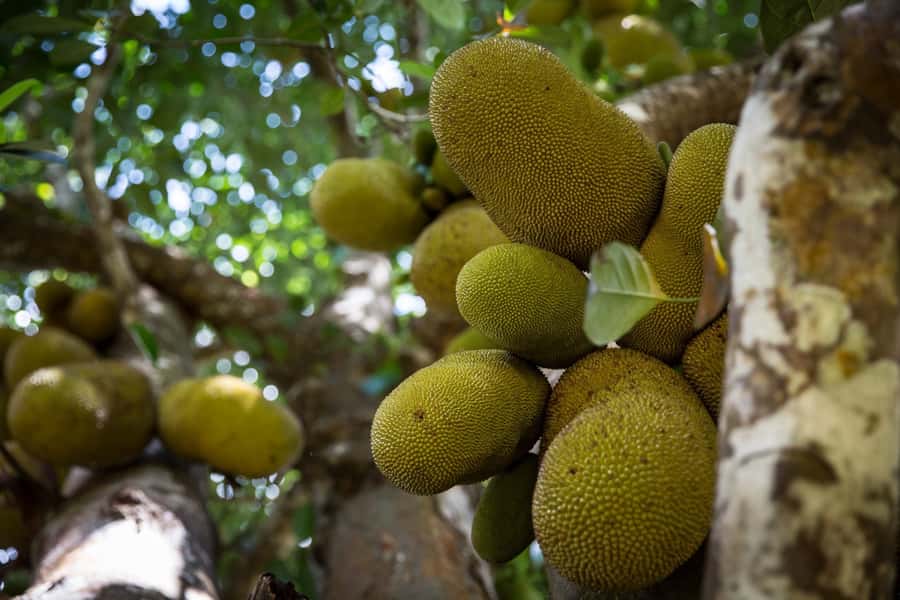
- Taste the plantation: Try spices such as ginger, turmeric, cardamom, cloves, pepper, and cinnamon, along with fruit including mango, guava, jackfruit, and avocado.
- Watch the coconut climber: A performer climbs a coconut palm while singing the traditional Jambo song, then cuts down a coconut for fresh water.
- Learn practical plant uses: The guide explains how spices are harvested and how plants such as neem and the iodine tree have been used locally.
- Allow time for shopping: The farm shop sells spices, perfumes, soaps, and other handmade items, so carry cash if you want to buy something.
- Expect simple transport: Pickup is available from hotels in Stone Town, but confirm the exact location by WhatsApp if the booking map does not find your hotel.
- Pack light: Comfortable shoes are important, and large bags or luggage are not allowed.
Why this small plantation explains Zanzibar’s nickname
Zanzibar is often called Spice Island because cloves, nutmeg, cinnamon, vanilla, cardamom, pepper, ginger, and other crops have long been part of the islands’ trade and daily life. You do not simply pass rows of anonymous greenery here. The point is to connect familiar kitchen ingredients with the plants that produce them.
That connection is the heart of the tour. Cinnamon is not just a powder in a jar. You get to see the bark. Nutmeg is not simply a hard brown seed. You learn where it grows. Ginger, turmeric, pepper, cloves, and cardamom become easier to understand once you can smell or handle them in their natural form.
The farm is described as small, which works in its favor. You are not trying to cover a huge agricultural estate in a short time. Instead, the guide can stop at individual plants and explain what you are looking at. The experience feels more like a guided walk through a living pantry than a formal museum visit.
You should keep your expectations sensible. This is a short plantation tour, not a full lesson in Zanzibar’s agricultural economy. Its value comes from the direct contact with the plants, the local stories, and the chance to taste what is growing around you.
More of the old town on foot from Zanzibar:
- Zanzibar: Stone Town, Spice Tour, Prison Island with Lunch
★ 4.4 · 1,219 reviews - Zanzibar: Prison Island, Stone Town, & Spice Farm Tour
★ 4.5 · 579 reviews - Zanzibar: Stone Town, Spice tour & Prison Island with Lunch
★ 4.6 · 453 reviews
Starting from Stone Town with Babu Tours
Pickup is included from any hotel within Stone Town. You wait at reception, which makes the start simple, especially if you are staying in the historic center and do not want to arrange a separate taxi.
There has been an occasional practical snag with the booking map. If your hotel cannot be pinned correctly, contact Babu Tours by WhatsApp and send the hotel name clearly. This has been an effective way to sort out a wrong pickup point, and communication has generally been prompt. I would confirm the pickup location the day before, even though the tour includes transportation.
The plantation is in the Unguja South Region, outside Stone Town. The supplied details do not give a precise driving time or group size, so you should check the starting time and transport details when booking. The full activity lasts 2.5 hours, not counting any delay caused by pickup arrangements.
Keep your day flexible enough for the return. The tour itself is short, but hotel collections can add some time. Since the pickup and return are designed around Stone Town hotels, this is most convenient when you are based in the city rather than at a beach resort elsewhere on the island.
Seeing cloves, vanilla, cinnamon, and cardamom up close
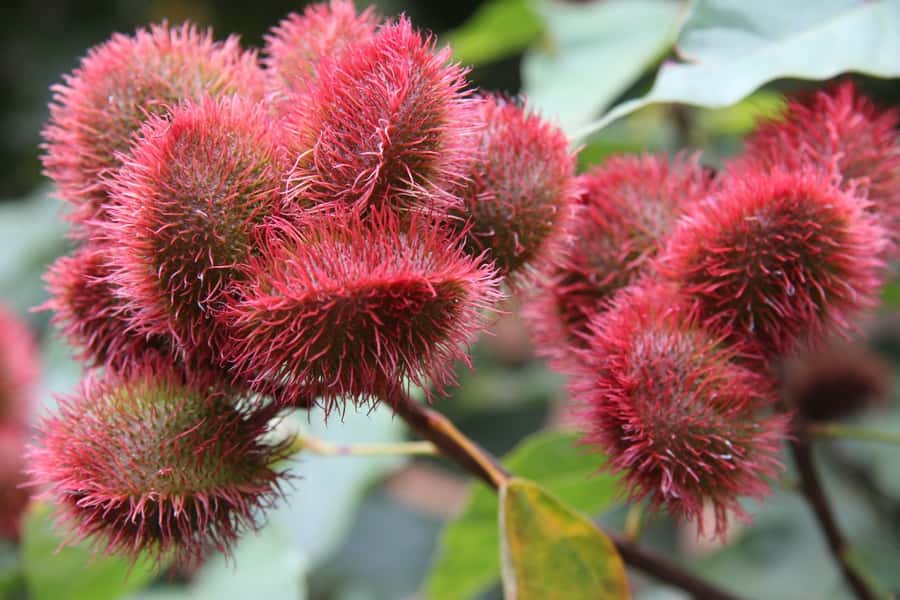
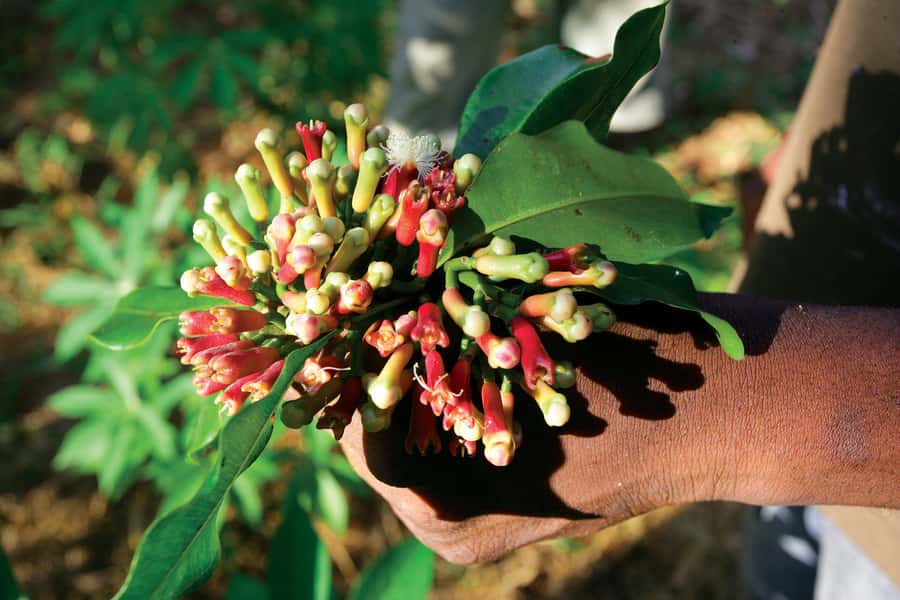
The main walk introduces the plants that give Zanzibar its famous kitchen aromas. Expect to see cloves, nutmeg, vanilla, cardamom, cinnamon, curry, menthol, pepper, tamarind, and ginger. Some plants can be touched or smelled, and many of the spices can be tasted when suitable.
The guide explains how the crops are harvested and what people traditionally use them for. This is where the tour becomes more useful than a simple photo stop. You begin to understand which parts of a plant become food, which are dried, and which are valued for household or traditional remedies.
Neem leaves, for example, were traditionally used locally for malaria and indigestion. The iodine tree has been used to help fight infections in wounds. These are cultural and traditional uses, not medical advice, and you should not treat the tour as a health consultation. Still, they show how plants have played a role beyond flavoring food.
The guide may also explain how Zanzibar’s spices fit into everyday life. The information is practical rather than academic. Guides such as Juma have been praised for making the subject easy to follow and adding humor without losing the useful details.
This section is strongest if you slow down and use your senses. Smell the leaves and bark. Look closely at the pods and seeds. Ask how a spice is harvested. The experience depends on your curiosity, since the more questions you ask, the more you will get from the guide.
Tropical fruit tasting, from papaya to jackfruit
The plantation also grows tropical fruit, including papaya, mango, jackfruit, guava, avocado, and tamarind. Seeing fruit on the plant gives the visit a second focus beyond spices.
Fruit tasting is one of the most enjoyable parts because it breaks up the plant explanations. You may be offered several fruits grown on the farm, depending on what is ready. The information provided specifically mentions tasting fresh tropical fruit, but it does not guarantee that every listed fruit will be available on every date.
Jackfruit is often a highlight because of its size and unusual texture. Mango and papaya are easier to recognize, but tasting them fresh at the farm gives you a useful point of comparison with fruit sold in shops or hotels. Guava and avocado add more variety, while tamarind brings a sharper flavor.
The fruit is not included as a separate meal, and food is not listed as an inclusion. Think of the tasting as part of the guided visit, not lunch. If you need a full meal, plan that separately.
For me, the fruit portion is particularly good for families and first-time visitors to Zanzibar. Children can see, smell, and taste rather than sit through a long explanation. Adults who enjoy cooking will also find it a useful introduction to ingredients that may be less familiar at home.
Other spice farm visits from Zanzibar:
- Full-Day Private Stone Town +Spice Farm and Prison Island Tour
★ 4.5 · 216 reviews - Spice Tour + Stone Town Tour + Prison Island
★ 4.5 · 130 reviews - Zanzibar: Spice Tour & Stone Town Walking Tour
★ 4.8 · 115 reviews - Zanzibar: Stone Town & Spice Farm Tour with Lunch
★ 4.5 · 97 reviews
The coconut climber and the Jambo song
Near the end, a coconut climber provides the tour’s most theatrical moment. He climbs a coconut palm while singing the traditional Jambo song, then cuts down a coconut for you to drink.
This is not a quiet nature demonstration. It is lively, staged, and clearly meant to entertain. The climber may also help create a celebratory mood by making handwoven crowns or presenting small handmade gifts. One version of the experience includes visitors being crowned King and Queen of Spice, which adds a playful touch.
The fresh coconut water is a simple but memorable finish. You watch the coconut come down, then drink directly from it. The moment links the plantation setting with a real product of the farm, even if the performance itself is arranged for visitors.
There is one practical point to handle with good humor. Bring small cash for tips. The guide, assistant, and coconut climber may all expect a tip, and several people have specifically advised preparing for this. Tipping is not listed as part of the $30 price, so budget for it separately if you want to acknowledge the service.
The farm shop and what you can take home
The final stop is the plantation shop. You can buy spices for home cooking, along with perfumes, soaps, and other handmade items.
This is useful if you want a physical reminder of the visit, but it is also the part most likely to feel commercial. The shop is built into the experience, so do not expect the tour to end immediately after the coconut demonstration. Take your time, compare products, and buy only what you actually want.
Fresh spices can make good souvenirs because they are light, practical, and connected to what you have just seen. Pack them carefully in your luggage, especially if the scents are strong. The supplied information does not specify packaging, quantities, or payment methods, so ask at the shop and carry cash as a safe choice.
You might also find soaps or perfumes more convenient than loose spices if you are short on cooking space at home. The important thing is to see the shop as an optional buying opportunity, not as proof that you must purchase something.
Is $30 a fair price for 2.5 hours?
At $30 per person, the tour offers reasonable value if you want transport from Stone Town, a guide, plantation access, fruit tasting, the coconut demonstration, and a chance to shop in one compact outing. Entrance fees, the guide, and government taxes are included.
The price makes most sense for someone who would otherwise need to arrange a taxi and pay separately for access to a plantation. It is also useful during a short stay, when you want a structured experience without giving up a full day.
Food is not included, though the fruit tasting is part of the visit. Add money for purchases and tips. If you dislike sales stops or prefer to explore farms independently, the value may feel lower. The activity is designed as a guided cultural visit, not a private agricultural tour.
A rating of 4 from 71 reviews suggests a generally strong experience with room for ordinary logistical issues. The most consistent strengths are the guides, the variety of plants, the fruit tasting, smooth transport, and the coconut climber. The main cautions are the occasional pickup-map problem and the expectation of tips.
Who will enjoy this tour most?
I would recommend it to first-time visitors who want a clear introduction to Zanzibar’s spices without spending an entire day on the subject. It also suits cooks, families, and anyone who enjoys food connected to its source.
You will get the most from it if you like asking questions and using your senses. The guide can explain how plants grow and how they are harvested, but the experience is not built around long historical lectures.
It is also a good choice for solo visitors. One person who arrived alone after a companion became ill received a personal guide, though you should not assume that every booking will be private. The available languages include English, French, German, Spanish, and Italian.
Mobility requires care. The activity information says it is wheelchair accessible, but it also says it is not suitable for people with mobility impairments. That conflict matters. Contact the provider before booking to ask about the exact plantation paths, surfaces, and access arrangements rather than relying on the general accessibility label.
Wear comfortable shoes. Do not bring luggage or a large bag. A small day bag for water, a phone, and cash is the sensible choice, assuming it meets the provider’s restrictions.
Booking, cancellation, and timing
You can reserve now and pay later, which helps if your Stone Town plans are not fixed. Free cancellation is available up to 24 hours before the activity for a full refund.
Starting times depend on availability, so check the schedule rather than assuming the tour runs at one fixed hour. Hotel pickup is included from Stone Town, and you should wait at reception for collection.
The provider offers live guiding in English, French, German, Spanish, and Italian. Since the most valuable part of the experience is the explanation at each plant, choose the language in which you can comfortably ask questions.
Should you book the Stone Town spice tour?
Book it if you want a short, hands-on introduction to Zanzibar’s plants, flavors, and farm traditions. The combination of spices, fruit tasting, a singing coconut climber, fresh coconut water, and Stone Town pickup gives you plenty for the price.
I would skip it only if you strongly dislike guided shopping stops, staged performances, or tip expectations. Even then, the plant explanations may still appeal, but the visit is clearly designed to be social and entertaining rather than purely botanical.
For most visitors staying in Stone Town, this is a worthwhile half-day outing. Confirm your hotel pickup by WhatsApp, bring comfortable shoes and cash, and approach the farm shop with a clear budget. With those small preparations, you can enjoy the tour for what it is: an accessible, sensory introduction to why Zanzibar is known as Spice Island.
FAQ
How long does the Zanzibar spice tour last?
The guided tour lasts 2.5 hours. Pickup and return from a Stone Town hotel may add time to your day.
Is pickup from Stone Town included?
Yes. Pickup is available from hotels within Stone Town. Wait at your hotel reception to be collected.
What spices and plants will I see?
The plantation includes cloves, nutmeg, vanilla, cardamom, cinnamon, curry, menthol, pepper, tamarind, and ginger. The guide also explains traditional uses for plants such as neem and the iodine tree.
Can I taste fruit and spices during the tour?
Yes. The experience includes fresh tropical fruit tasting and opportunities to smell, touch, and taste many of the spices when appropriate. Food beyond the tasting is not included.
Can I buy spices at the end?
Yes. The farm shop sells spices, perfumes, soaps, and other handmade items. Bring cash if you plan to shop.
What should I bring?
Wear comfortable shoes and do not bring luggage or large bags. Cash is useful for shopping and tips.
Just added in Zanzibar
- Jet Ski Experience from Kendwa Beach★ 5.0 · 21 reviews
- Zanzibar: Parasailing Experience with Instructor★ 4.2 · 17 reviews
- 2h-Quad Zanzibar: Explore the heart of zanzibar by Quad★ 4.8 · 22 reviews
- From Zanzibar: 3-Day Selous Safari Trip with Flights★ 4.4 · 22 reviews
- Stone Town: Sunset Dhow Cruise Experience★ 4.0 · 22 reviews
- Stonetown Historical Walking Tour & Traditional Lunch★ 4.8 · 22 reviews
- Prison island tours★ 5.0 · 24 reviews
- Luxury Spice Tour With Lunch★ 4.5 · 24 reviews
Stone Town Tours, compared.

Stone Town, Spice Tour, Prison Island with Lunch
Read our review →
3 Hours Private Stone Town walking Tour with Guide
Read our review →
Full-Day Private Stone Town +Spice Farm and Prison Island Tour
Read our review →
Stone Town Historical Cultural Walking Guided Tour
Read our review →

Browse the lists this tour appears in